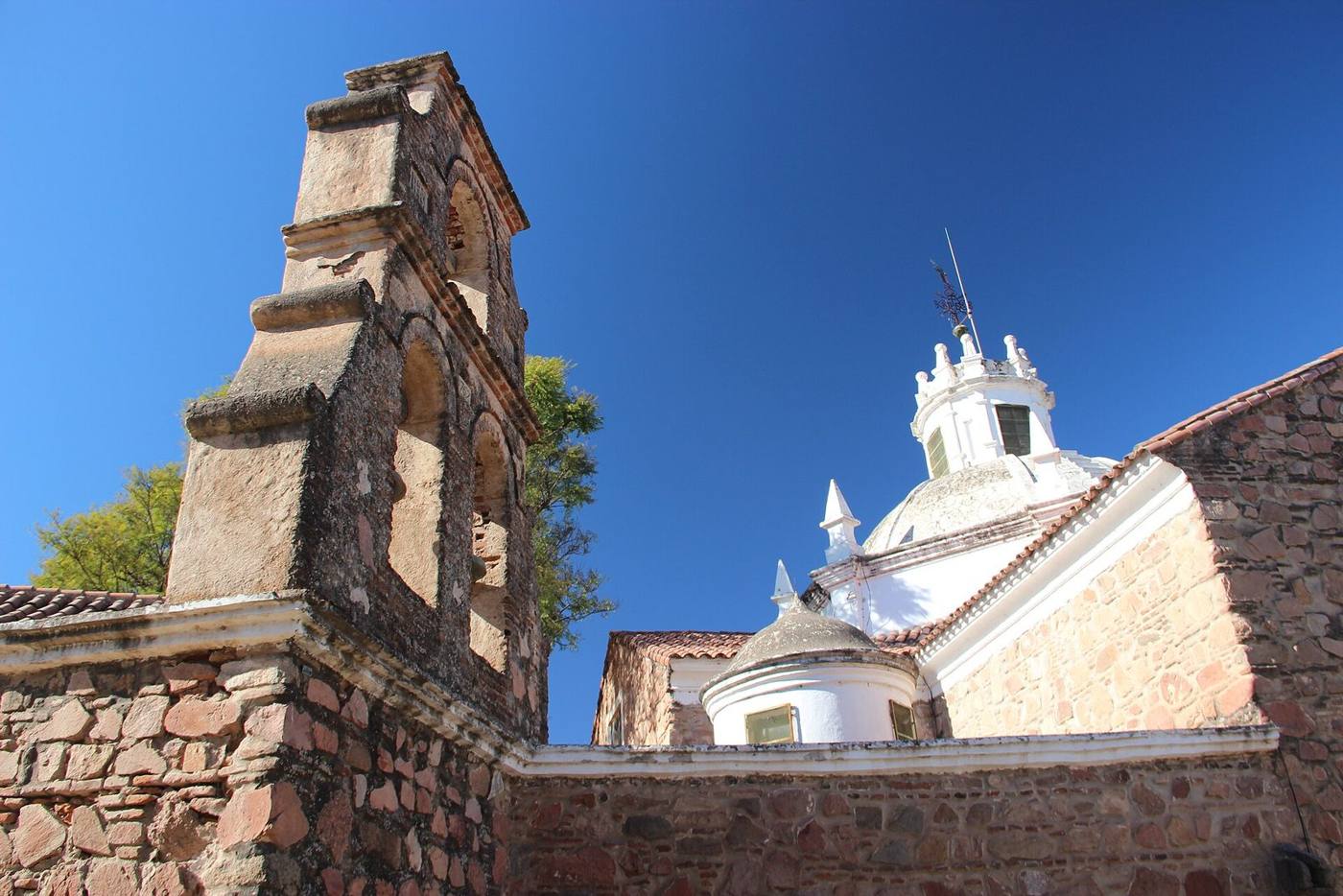
Córdoba and the Jesuit estancias
The colonial heart of Argentina: the Jesuit Block of Córdoba with the country's oldest university and the Jesuit estancias of Jesús María, Santa Catalina and Alta Gracia, a UNESCO World Heritage site, then the hills of the Sierras with the Alpine village of La Cumbrecita.
- Córdoba
- Jesús María
- Santa Catalina
- Alta Gracia
- La Cumbrecita
Day by day
- Day 1
Córdoba: the Manzana Jesuítica and the old town
Córdoba is Argentina's second city, in the centre of the country, at the foot of the sierras. It is a lively, young university city, but also one of the oldest: founded in 1573, it became the centre of the Jesuits in the region. In the city they built a whole block with a church, a college and a university, and in the countryside around it a network of large farming estates, the estancias, which supported them. The block and five estancias have been a UNESCO World Heritage Site since 2000. In five days you see the city, the estancias and the sierras.
You arrive by plane from Buenos Aires in just over an hour, or by overnight coach in about ten hours.
In the morning, visit the Manzana Jesuítica, the Jesuit block. The Church of the Society of Jesus has a plain façade, but inside it surprises you with its cedar wood ceiling shaped like an upturned ship's hull, built by a Jesuit who had been a shipwright. Next to it are the rectorate of the university, founded in 1613, one of the oldest in the Americas, with its historic library and courtyards, and the Colegio de Monserrat. They are visited on guided tours at set times.
In the afternoon, go to Plaza San Martín, with the cathedral, which mixes different styles built over almost two centuries, and the Cabildo, the old colonial town hall with its arcades. Then walk to the Paseo del Buen Pastor, a former women's prison turned into a cultural centre, with gardens and dancing fountains in the evening.
Practical tip: on Sundays and public holidays many offices and some museums close or have reduced hours, so plan the university's guided tours for a weekday.
- Day 2
The estancias of Jesús María and Santa Catalina
Today you head north of the city, where two of the finest estancias stand. You need a car or a tour, because coaches do not reach Santa Catalina.
The first stop is Jesús María, about fifty kilometres away. Here the Jesuits made wine: it was one of the first wineries in Argentina, and the wine was even shipped to Spain. The estancia is a large two-storey building with arcades around a courtyard, a church, the remains of the mill and the water systems, and an artificial lake. Today it houses the national Jesuit museum, with religious objects, furniture, farming tools and finds from the indigenous peoples of the region. Nearby is the smaller estancia of Caroya, where emigrants from Friuli in north-east Italy settled at the end of the nineteenth century, bringing the vine and salami with them: Colonia Caroya is still famous for its cured meats and wine.
In the afternoon, continue to Santa Catalina, about twenty kilometres away on a partly unpaved road. It is the largest and most spectacular of the estancias: a white baroque church with two bell towers and a curving, richly decorated façade, in the middle of the countryside, surrounded by cloisters, slaves' quarters and workshops. After the Jesuits were expelled in 1767 the estancia was sold, and it is still privately owned by the descendant families, who open it to visitors.
In January Jesús María hosts a big festival of folk music and doma, the gaucho competition with wild horses.
Practical tip: the estancias have reduced hours and some are closed on Mondays. Always check before you leave, so you do not find them shut.
- Day 3
Alta Gracia: the estancia and Che's house
In the morning, drive south-west to Alta Gracia, about forty minutes away. It is a quiet, green town that grew up around another Jesuit estancia. In front of a small artificial lake, the Tajamar, built by the Jesuits for irrigation, stand the church and the residence of the estancia, with arcades and a courtyard. Inside is the museum of the house of Viceroy Liniers, the last Spanish viceroy of the Río de la Plata, who lived here in the early nineteenth century: the rooms show the daily life of a colonial estancia, with the kitchen, the furniture and the work tools.
In the afternoon, visit the house where Ernesto Guevara, the future Che, lived as a child. The family moved here in the 1930s because the dry climate of the sierras helped Ernesto's asthma. The house, a villa with a garden in a residential area, has become a museum with photographs, letters, his bicycle and a copy of the motorbike on which he travelled around South America as a young man. The museum tells the story of the childhood and formation of a figure who still divides opinion in Argentina.
Alta Gracia also has the house of the Spanish composer Manuel de Falla, who spent his last years here in exile, with his piano and his scores.
In the evening, go back to Córdoba or sleep in Alta Gracia, which is quieter.
Practical tip: Che's house is usually busy at summer weekends, so go early in the morning if you are there in high season.
- Day 4
The Calamuchita valley and La Cumbrecita
Today you climb into the sierras of Córdoba, to the Calamuchita valley, an area of lakes, woods and hills that Argentines love for their holidays. The road passes through Villa General Belgrano, a town founded by German and Swiss immigrants, with alpine-style houses, beer halls and pastry shops making European cakes. In October it hosts a big beer festival, one of the best known in South America.
Then continue on a mountain road, partly unpaved, to La Cumbrecita, about an hour away. It is a pedestrian village: you leave the car in the car park at the entrance and go in on foot only. It was founded in the 1930s by a German family and looks like an Alpine village transported to Argentina, with houses of wood and stone, steep roofs and pine woods planted by the founders.
Spend the day walking the marked paths around the village: one goes down to the big waterfall, a cascade among the rocks; another leads to La Olla, a natural pool in the river where people swim in summer; others climb to viewpoints over the sierras. They are short walks, from half an hour to two hours, suitable for everyone.
In the evening, drive back towards Córdoba, about two hours away, or sleep in the valley, where there are many country lodgings.
Practical tip: at summer weekends and at Easter La Cumbrecita is crowded and the car park fills up; on weekdays it is much quieter. In winter it can be cold and it may snow.
- Day 5
Last day in Córdoba
Your last day in the city before the flight or the coach. In the morning, visit the Evita Fine Arts Museum, housed in the Palacio Ferreyra, a large French-style residence from the early twentieth century, with a collection of Argentine art, or the memory museum, in the building that served as a clandestine detention centre during the military dictatorship of the 1970s. The visit is moving and helps you understand an important part of the country's recent history.
Then stroll through the Güemes district, close to the centre, with old low houses, antique shops, artists' workshops and bars. At weekends, in the afternoon, a large market of crafts and second-hand goods spreads along the streets.
For lunch, try the cooking of the region: asado, meat grilled over embers, empanadas and locro, a thick stew of maize, beans and meat, served above all on national holidays. To drink, people in Córdoba have fernet with cola, a local habit brought by Italian immigrants that has become almost a national drink.
In the afternoon, go to the airport, about half an hour from the centre, or to the coach terminal to continue towards the North-West, Mendoza or Buenos Aires.
Practical tip: Italian citizens do not need a visa for up to 90 days. Argentina asks tourists for health insurance valid for the whole stay: carry proof of it with you. The United States keeps Argentina at level 1, the lowest.
A short history trip, ideal between Buenos Aires and the North-West. The estancias have limited hours and some close on Mondays. La Cumbrecita can only be entered on foot. Italians need no visa for up to 90 days; Argentina requires tourists to hold health insurance valid for the whole stay.
Before you go
- Documents and visa
- Valid passport; no visa for tourism up to 90 days for EU citizens.
- Health and vaccines
- No compulsory vaccines arriving from Europe; yellow fever is recommended for Misiones and Corrientes. In Patagonia beware of hantavirus in forests and closed huts. Emergencies: 911.
- Money and payments
- Argentine peso. Inflation changes prices often; foreign cards work almost everywhere and paying by card is usually best, keeping some cash.
- Power sockets
- Types I and C, 220 volts: you need an adapter for the angled flat-pin plugs.
- Time zone
- UTC-3 all year: Argentina does not use daylight saving time.
- Safety
- The United States rates Argentina level 1, with level 2 for Rosario. In Buenos Aires watch out for pickpockets; in the mountains and Patagonia the main risks are wind and weather. Official advice: GOV.UK.
Information checked in November 2026 for Italian and EU citizens. Rules change: always check before you travel.
Variations
In 3 days: Córdoba, Jesús María and Santa Catalina, and Alta Gracia, without the sierras.
In 8 days: after Córdoba, continue to the North-West, with Salta, the Quebrada de Humahuaca and the Calchaquí valleys.
Frequently asked questions
When is the best time to go?
Spring, from September to November, and autumn, from March to May, with mild temperatures. Summer is hot and crowded in the sierras; winter is dry and cool.
Do I need a car?
It is very useful for the estancia of Santa Catalina and for La Cumbrecita. Jesús María and Alta Gracia can also be reached by coach from Córdoba.
What documents do I need?
A valid passport. Italian citizens do not need a visa for up to 90 days; health insurance valid for the whole stay is required.
Indicative itinerary written by World Atlas. Before booking, check timetables, seasonal openings, documents and safety.
 5 daysEasy
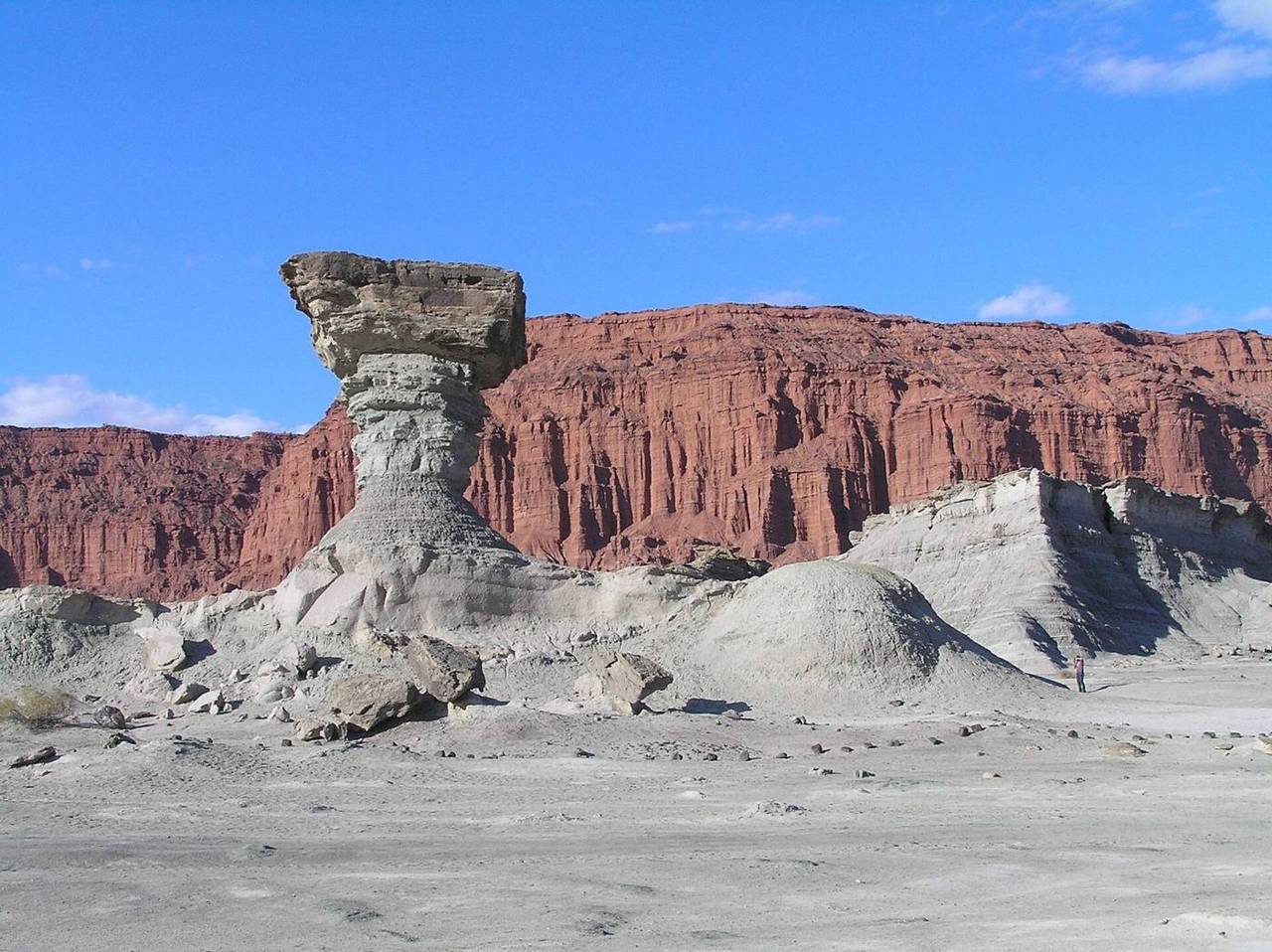
Ischigualasto and Talampaya
Two desert parks between San Juan and La Rioja, a UNESCO World Heritage site: the Valley of the Moon at Ischigualasto with wind-carved rocks and fossils of the earliest dinosaurs, and the red canyons of Talampaya with 150-metre walls and rock carvings.
 6 daysModerate
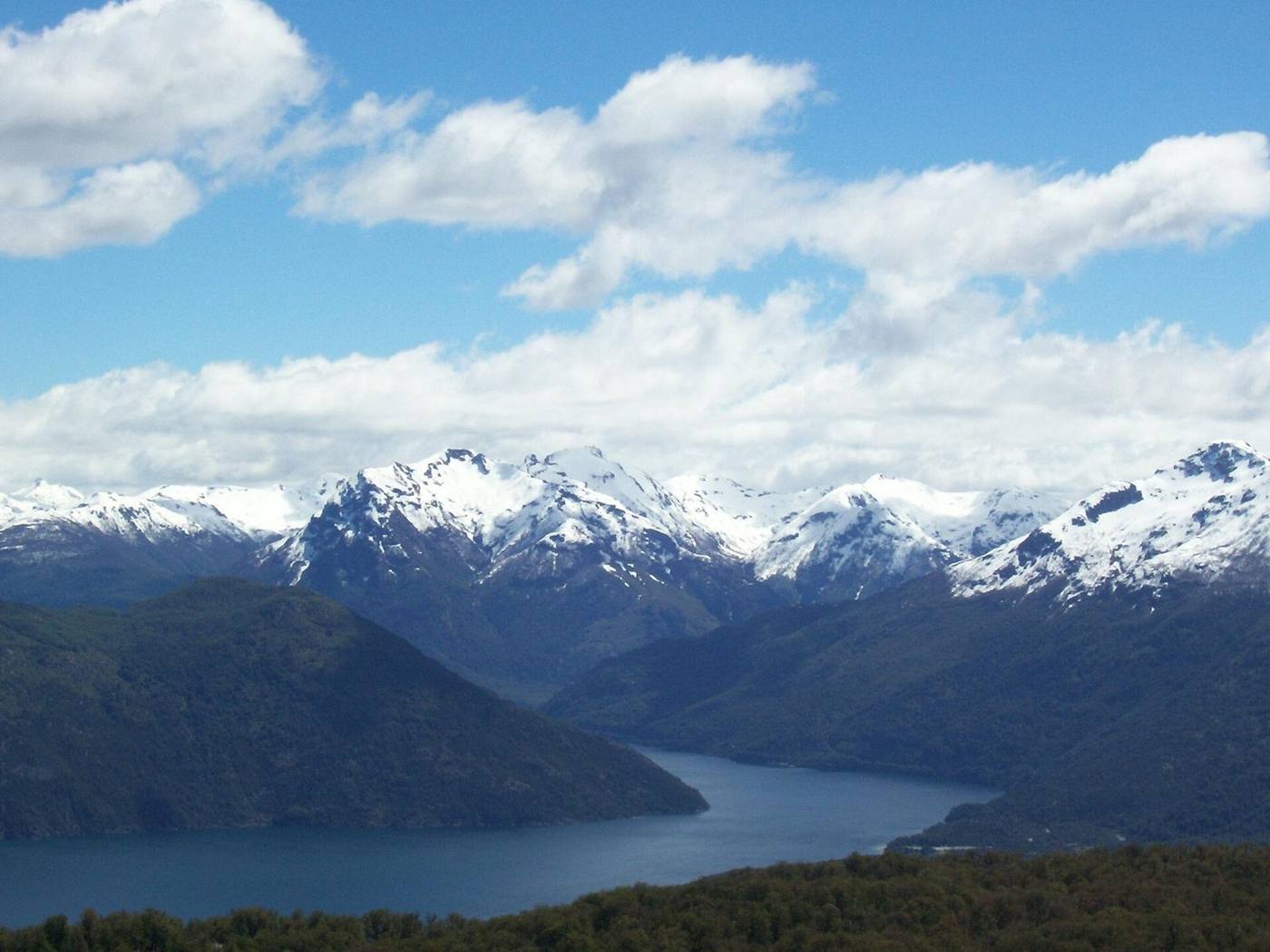
Los Alerces, El Bolsón and Trevelin
The quieter Andean Patagonia: Los Alerces National Park, a UNESCO World Heritage site, with turquoise lakes and thousand-year-old alerce trees, the Welsh town of Trevelin with its tea houses and tulips, and El Bolsón with its craft market and the trails of Cerro Piltriquitrón.
 5 daysEasy
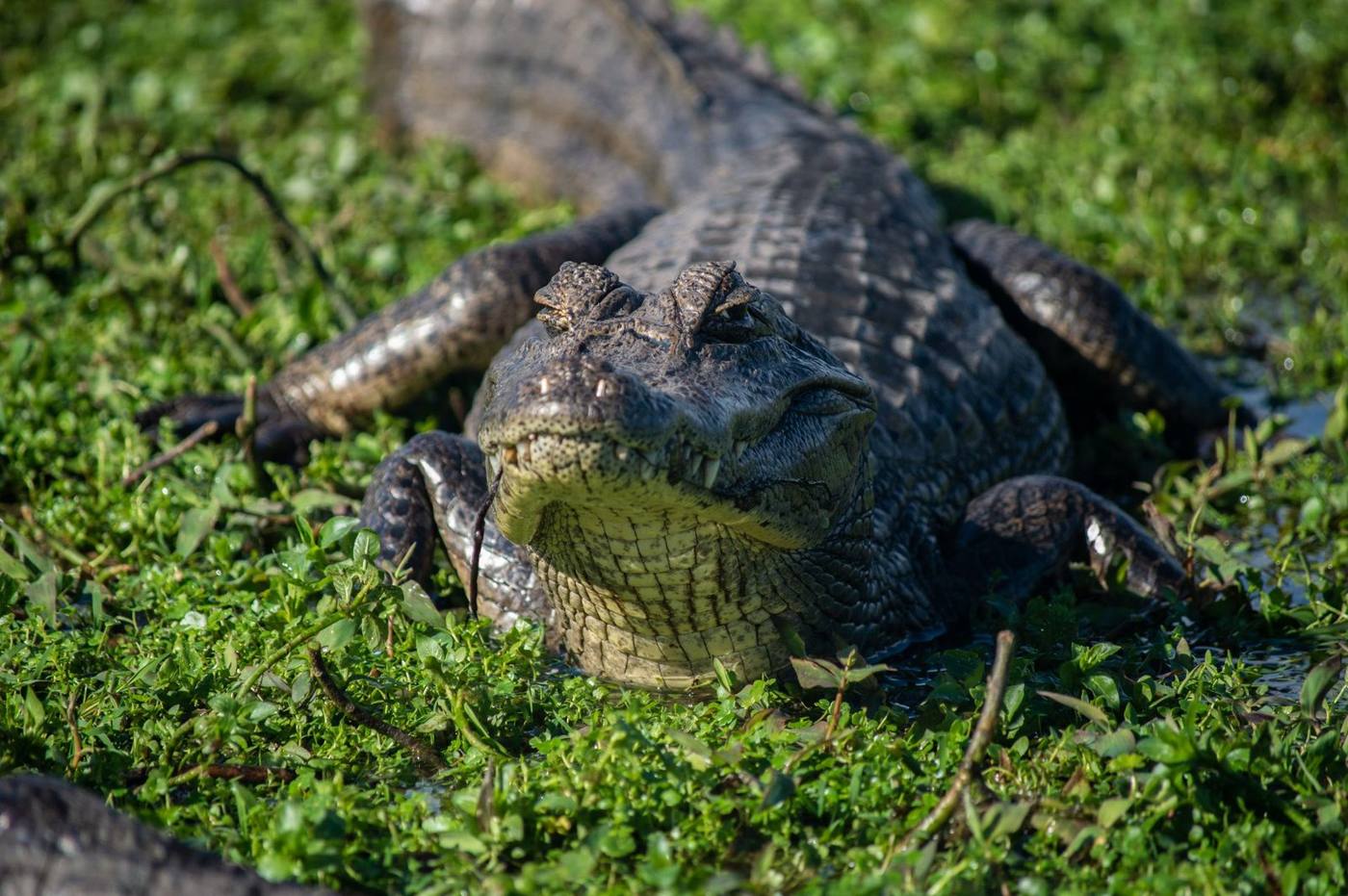
The Iberá Wetlands in depth
One of the world's largest wetlands, in Corrientes province: caimans, capybaras, marsh deer, hundreds of birds and the jaguars reintroduced to the park, explored by boat, on foot and on horseback from the villages of Colonia Carlos Pellegrini and San Nicolás.