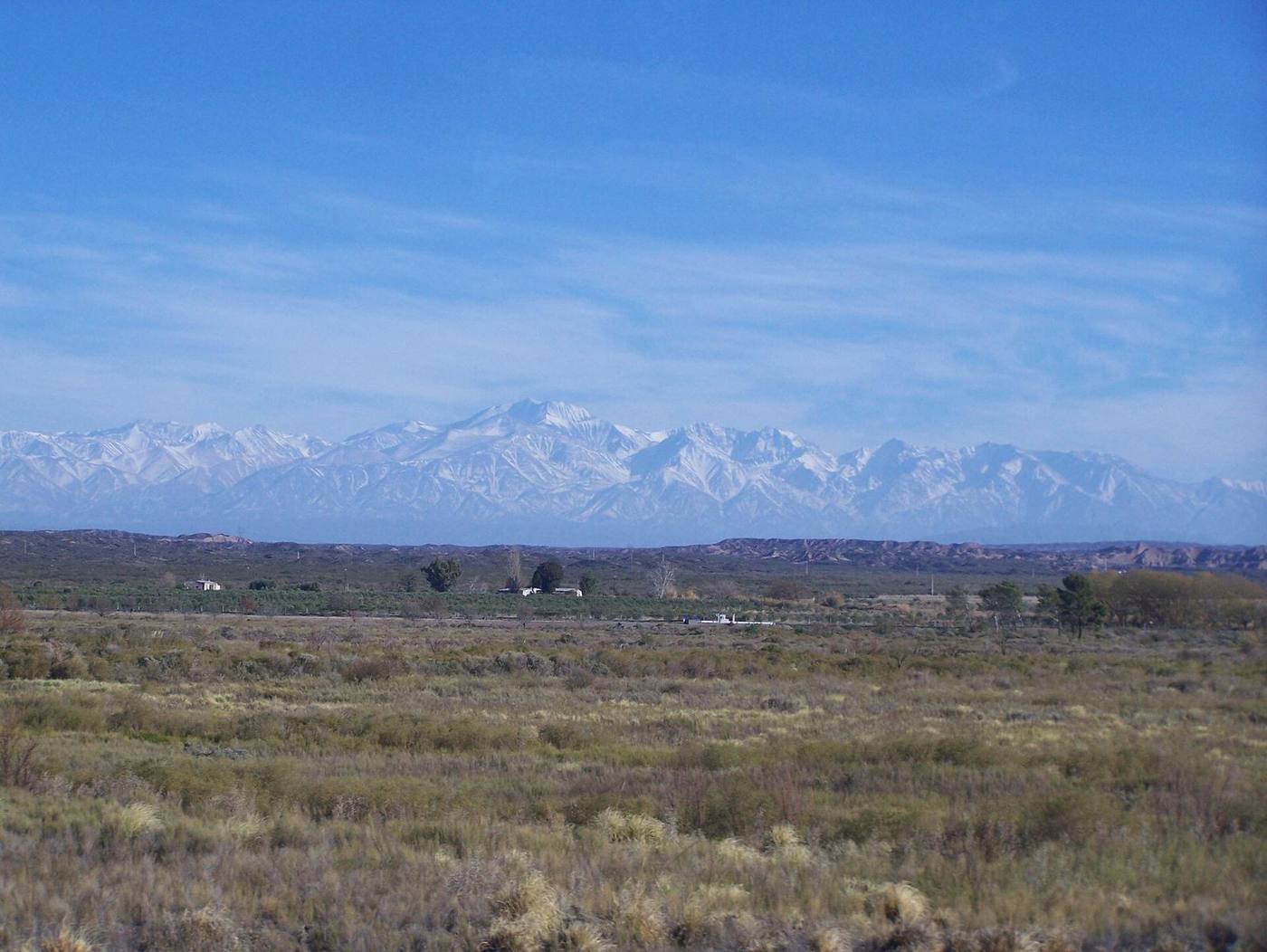
Mendoza: wine, the Andes and Aconcagua up close
The Malbec capital at the foot of the Andes: wineries by bike in the Uco Valley, the road to the Cristo Redentor pass and the Aconcagua viewpoint.
- Mendoza
- Luján de Cuyo
- Valle de Uco
- Potrerillos
- Puente del Inca
- Aconcagua
Day by day
- Day 1
Arrival in Mendoza
This trip goes to Mendoza, in western Argentina, at the foot of the Andes: the region that produces most of Argentina's wine, above all Malbec. It combines wineries among the vines, with snowy mountains behind, and the great road climbing towards Chile to Mount Aconcagua, at 6,961 metres the highest peak in the Americas and in the world outside Asia.
Italian and most EU citizens do not need a visa for tourist stays of up to 90 days. Health insurance is required on entry. The United States has Argentina at level 1.
You reach Mendoza airport on a domestic flight from Buenos Aires, in about two hours, or from Santiago de Chile.
Mendoza is a tidy, green city, rebuilt after a great earthquake in 1861 with wide streets, large squares and tree lined pavements, to provide escape routes in case of new tremors. Along the streets run the acequias, small irrigation channels built on the system of the ancient Huarpe people and later the Spanish, carrying Andean water to the trees in an almost desert region.
In the afternoon walk around Plaza Independencia, the main square, and Plaza España, with its ceramic benches. Then go to the great General San Martín park, with its lake and the Cerro de la Gloria, from which you see the whole city with the Andes behind.
In the evening have a late dinner, as is the custom in Argentina, with an asado, the Argentine barbecue, and a glass of Malbec.
Spend the night in Mendoza.
Practical tip: in Argentina people dine late, often after nine in the evening. Bring cash and find out about the best exchange rate, which can change often.
- Day 2
Luján de Cuyo: wineries by bicycle
Today discover the wineries of Luján de Cuyo, south of Mendoza, about half an hour away. It is one of the region's oldest and most famous areas, considered the cradle of Argentine Malbec.
Malbec is a grape that arrived from France in the nineteenth century and found ideal conditions in Mendoza: strong sun, dry air, cool nights and high altitude vineyards, between 800 and 1,100 metres. Today it is the symbol of Argentine wine.
A pleasant way to visit the wineries is by bicycle: in several villages you can hire bikes and pedal along flat roads between vineyards, olive groves and rows of poplars, stopping at two or three wineries. Alternatively go on an organised tour or with a driver.
At the wineries you visit the vines and the cellars with oak barrels and taste the wines, often with cheese, olives and local olive oil. There are old wineries, with nineteenth century brick buildings, and modern ones with spectacular architecture.
For lunch stop at a winery offering lunch among the vines, often with several courses paired with the wines and a view of the Andes. It is one of the most typical Mendoza experiences.
In the afternoon return to the city and rest.
Spend the night in Mendoza.
Practical tip: book winery visits in advance, especially at weekends and during the harvest. Do not drive after tastings. Bring sunscreen and water: the Mendoza sun is very strong.
- Day 3
The Uco Valley: architectural wineries
Today go to the Uco Valley, south west of Mendoza, about an hour and a half away. It is the region's highest and most spectacular wine area, with vineyards between 900 and 1,500 metres, at the foot of the Cordillera, the great Andes with peaks under snow for much of the year.
In recent decades the Uco Valley has become famous for high quality wines and modern wineries designed by leading architects, with buildings of stone, concrete and glass that look like sculptures in the landscape, some partly underground to keep cool.
The valley has three main areas: Tupungato in the north, at the foot of the Tupungato volcano, Tunuyán in the centre and San Carlos in the south. Visit two or three wineries, with tastings and a walk among the vines.
Between wineries the road crosses fields of vines, orchards, walnut trees and poplars, with the outline of the Andes always ahead.
For lunch stop at a winery for a long meal with a mountain view, often with meat slow cooked over a wood fire.
In the afternoon settle into a lodge among the vines, where you will spend the next two nights.
At sunset watch the pink and orange light on the Andes, one of the region's most beautiful sights.
Spend the night in the Uco Valley.
Practical tip: for the Uco Valley you need a car or a driver. Distances between wineries are long: do not plan more than three visits a day.
- Day 4
A night among the vines facing the Andes
Today stay in the Uco Valley for a slower day devoted to nature and country life.
In the morning, if you like riding, take a horse ride among the vines and at the foot of the mountains, accompanied by a gaucho, the traditional Argentine cowboy. Many lodges and farms in the area organise these rides, suitable even for those with little experience.
Alternatively, take a walk or bike ride through the vineyards, or visit a smaller, family run winery, where the owner often leads the tasting.
A place to visit in the valley is Manzano Histórico, near Tunuyán, a green area at the foot of the Andes with a monument to General José de San Martín, the hero of Argentine independence, who stopped here in 1823 on his way back from Chile. The road climbing up the valley leads to viewpoints over the Cordillera.
In the afternoon rest at the lodge, read or look at the mountains. Many lodges have a pool with a view of the Andes.
In the evening dine outdoors, weather permitting, and look at the sky: far from the cities, the valley shows countless stars and the Milky Way.
Spend the night in the Uco Valley.
Practical tip: nights in the valley are cool even in summer, because of the altitude. Bring a jacket. Horse rides must be booked in advance: check prices and duration.
- Day 5
Rafting on the Mendoza River at Potrerillos
Today leave the Uco Valley and head north west to Potrerillos, about an hour and a half away, on the road climbing towards the Andes and Chile.
Potrerillos is a small mountain village on the shore of a large reservoir of intense turquoise, surrounded by arid mountains in different colours, red, ochre and grey. It is the starting point for outdoor activities in the area.
The best known is rafting on the Mendoza River, which comes down from the Andes with cold snow and glacier water and forms rapids. Descents last one to two hours and vary in difficulty: there are easy routes for families and beginners and more demanding ones for thrill seekers. You go in rafts with a guide, wearing a wetsuit, life jacket and helmet.
As an alternative to rafting, you can hike or ride in the surrounding hills, or kayak on the lake.
In the afternoon continue along National Route 7, which follows the Mendoza River towards the mountains, through the village of Uspallata, in a broad valley surrounded by colourful mountains. Some scenes of a famous film about Tibet were shot here.
In the evening settle in Uspallata or one of the small villages higher up.
Spend the night in Uspallata.
Practical tip: rafting is done with licensed operators who provide all equipment. The water level changes with the season: it is higher in summer, with the snowmelt.
- Day 6
Puente del Inca, Aconcagua and Cristo Redentor
Today is the day of the great mountains. You climb along National Route 7 towards the Chilean border, through deep valleys, coloured rocks and snowy peaks.
The first stop is Puente del Inca, a natural rock bridge over the Las Cuevas River, at about 2,700 metres, covered in yellow and orange mineral deposits left by hot springs. Under the bridge are the remains of an old spa building. You view the bridge from a lookout, as it is closed to crossing.
A little further on is the entrance to Aconcagua Provincial Park. An easy trail leads in about an hour, there and back, to Laguna Horcones and a viewpoint over the south face of Aconcagua, one of the highest walls in the world, almost three thousand metres high. Seeing the highest peak in the Americas up close is a moving experience.
In the afternoon, if the road is open, drive up to the Cristo Redentor pass, at about 3,850 metres, on the border between Argentina and Chile. At the top stands a large statue of Christ, unveiled in 1904 as a symbol of peace between the two countries after a border dispute. The view over the Andes is immense.
In the evening descend to Uspallata or Potrerillos.
Spend the night in Uspallata or Potrerillos.
Practical tip: the altitude at Aconcagua and Cristo Redentor is high: walk slowly, drink plenty and avoid exertion. There is a park entrance fee: check it. The road to Cristo Redentor is only open in summer, and the pass to Chile can close for snow: check beforehand.
- Day 7
The hot springs of Cacheuta
Today is a day of relaxation. Drive down towards Mendoza and stop at Cacheuta, about an hour from the city, in a narrow valley along the Mendoza River.
Cacheuta is famous for its thermal waters, which flow hot from the mountain. As early as the late nineteenth century a large spa hotel was built here, destroyed by a flood in 1934. Today along the valley there are several facilities with outdoor thermal pools at different temperatures, mud baths and hot waterfalls, cut into the rock on the riverbank, with mountain views.
Spend the day among the pools, alternating hot and cool water and resting in the sun. After the mountain trip, it is the best way to relax.
For lunch eat outdoors, often with an asado prepared on site.
In the afternoon return to Mendoza. If you have time, visit the central market to taste local produce, or a winery near the city you have not yet seen, such as those in Maipú, closer and easy to reach.
In the evening, for your last dinner, choose a place in the centre, in the area of Aristides Villanueva street, the liveliest in the city, with outdoor bars and restaurants.
Spend the night in Mendoza.
Practical tip: the Cacheuta springs are very busy at weekends. Go on a weekday and book entry if possible: check prices and opening times. Bring sandals, a towel and sunscreen.
- Day 8
Departure
On the last day, before your flight, enjoy a quiet morning in Mendoza.
If you have time, visit the Área Fundacional museum, in the district where the city was founded in 1561, with the remains of the old colonial town hall destroyed by the 1861 earthquake. You see the foundations, everyday objects and an explanation of the water channel system that made life in Mendoza possible. Nearby are the ruins of San Francisco, the remains of a Jesuit church destroyed by the earthquake.
Alternatively, take a last walk in General San Martín park, one of the largest urban parks in South America, with tree lined avenues, the lake, the rose garden and the historic zoo now turned into an ecopark.
Before leaving buy some souvenirs: a bottle of Malbec or Cabernet Franc, regional olive oil, dried fruit, dulce de leche and alfajores, the filled Argentine biscuits.
Mendoza airport is about twenty minutes from the centre. From here there are flights to Buenos Aires and other Argentine cities, and international flights to Santiago de Chile and other South American cities.
From Mendoza you can continue by bus or plane to Santiago de Chile, crossing the Andes, or to northern Argentina, to Salta, or to Patagonia.
Practical tip: wine bottles go in checked luggage, well protected. Check your airline's limits and the customs rules of the country you return to.
Argentina's food and wine trip, perfect to pair with Buenos Aires or Patagonia. Harvest time (March-April) is the most beautiful. Many wineries receive visitors by appointment only: arrange them before you go.
Before you go
- Documents and visa
- Valid passport; no visa for tourism up to 90 days for EU citizens.
- Health and vaccines
- No compulsory vaccines arriving from Europe; yellow fever is recommended for Misiones and Corrientes. In Patagonia beware of hantavirus in forests and closed huts. Emergencies: 911.
- Money and payments
- Argentine peso. Inflation changes prices often; foreign cards work almost everywhere and paying by card is usually best, keeping some cash.
- Power sockets
- Types I and C, 220 volts: you need an adapter for the angled flat-pin plugs.
- Time zone
- UTC-3 all year: Argentina does not use daylight saving time.
- Safety
- The United States rates Argentina level 1, with level 2 for Rosario. In Buenos Aires watch out for pickpockets; in the mountains and Patagonia the main risks are wind and weather. Official advice: GOV.UK.
Information checked in November 2026 for Italian and EU citizens. Rules change: always check before you travel.
Variations
In 4 days: Mendoza, Luján de Cuyo and a day towards Aconcagua.
In 10 days: cross the Andes to Santiago de Chile and Valparaíso, or add San Rafael and the Atuel canyon.
Frequently asked questions
When is the best time to go?
March and April, during the harvest, with autumn colours. Spring and summer are fine; in winter mountain roads may close.
Do I need a car?
For the Uco Valley and Aconcagua yes, or a driver. For wineries near the city bikes or tours are enough.
Do I need a visa?
No, not for up to 90 days. Health insurance is required on entry.
Indicative itinerary written by World Atlas. Before booking, check timetables, seasonal openings, documents and safety.
 7 daysModerate
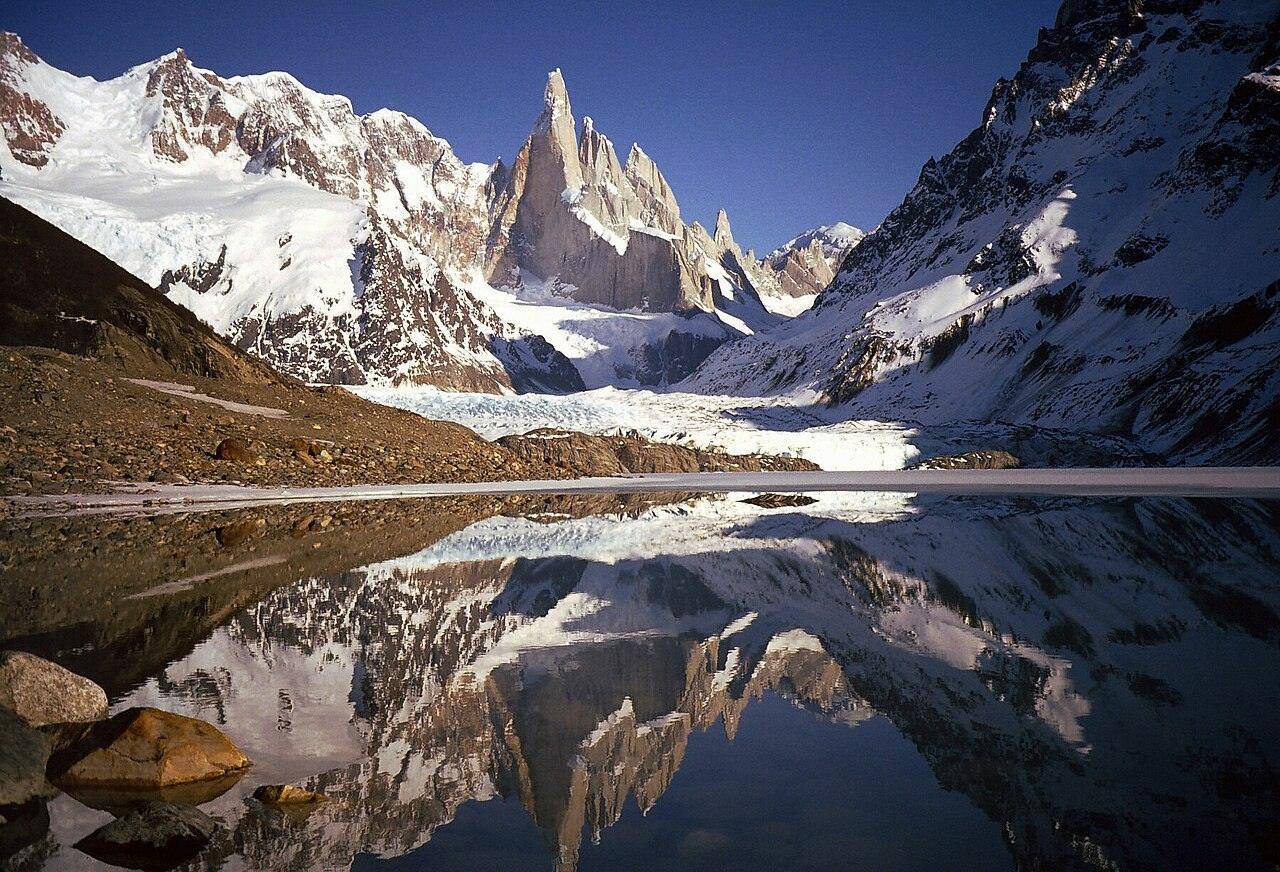
Glaciers and Fitz Roy
Argentine Patagonia in a week: the Perito Moreno, sailing among icebergs and the trails of El Chaltén.
 15 daysChallenging
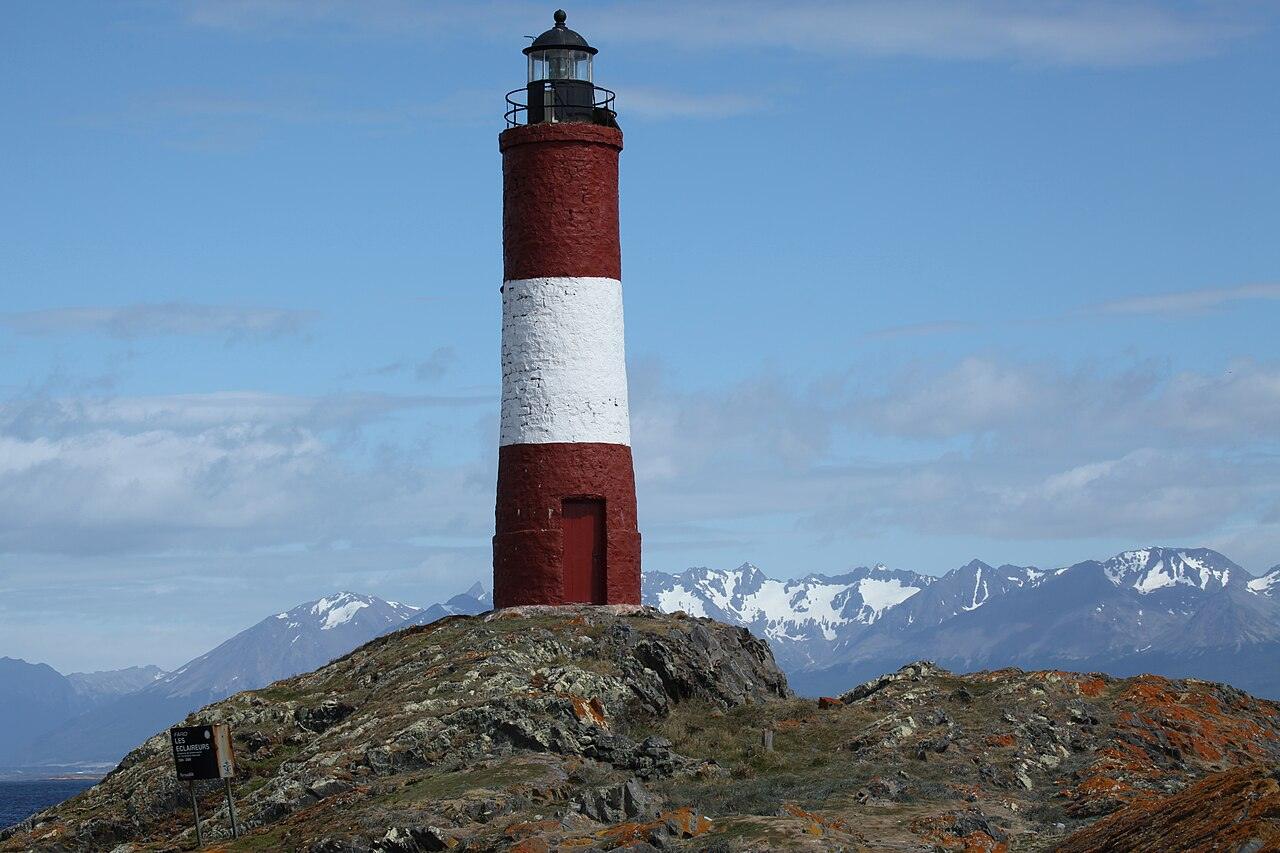
Argentine and Chilean Patagonia
From Ushuaia at the end of the world to the glaciers, Fitz Roy and the towers of Torres del Paine, with the W trek.
 17 daysModerate
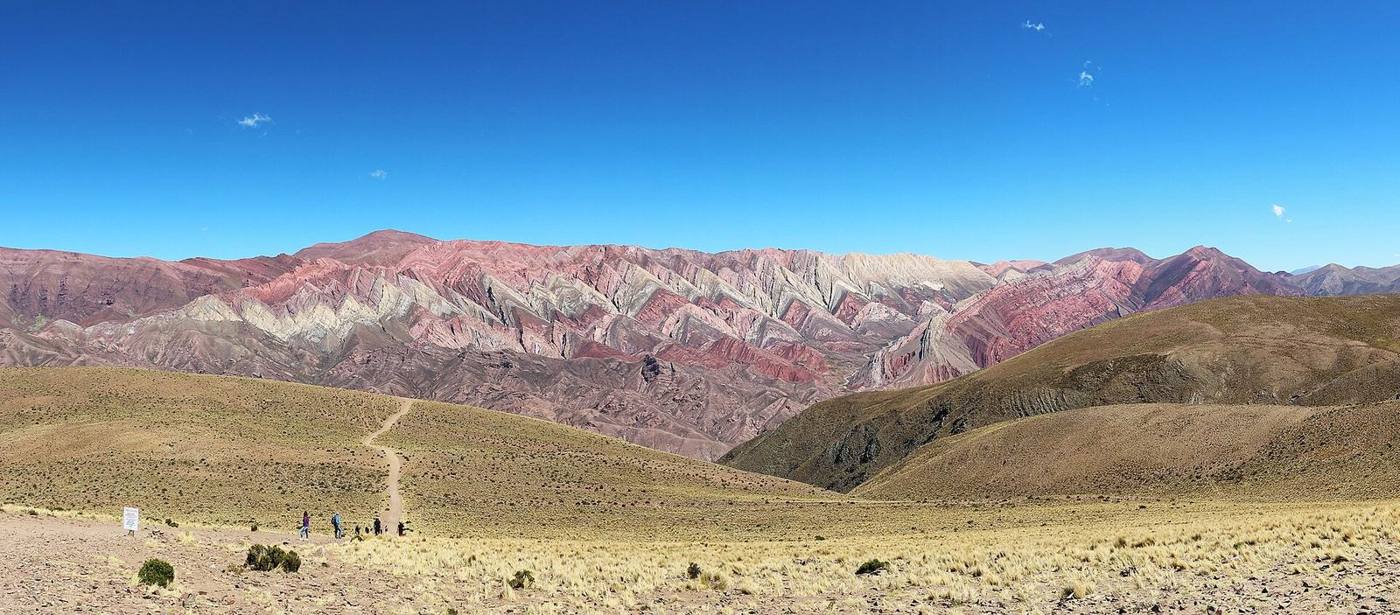
Northern Argentina: Iguazú, the Jesuit missions and Salta
The Iguazú falls, the ruins of the Jesuit missions in the forest, then the northern Andes: Salta, the Quebrada de Humahuaca and the Hill of Seven Colours.