Lake Sevan and Noratus
The western shore of the great high-altitude lake: the Noratus field of hundreds of khachkar stone crosses, Hayravank and the beaches of Shorzha.
- Sevan
- Hayravank
- Noratus
- Shorzha
Day by day
- Day 1
From Yerevan to the lake and Hayravank monastery
This trip follows the western and northern shores of Lake Sevan, Armenia's great high-altitude lake, at about 1,900 metres: Hayravank monastery above the water, the field of stone crosses at Noratus and the beaches of Shorzha.
Before you go: Italian citizens can enter Armenia only with a passport, valid for the whole stay: an identity card is not enough. EU citizens do not need a visa for tourism, for up to 180 days in a year. Other nationalities should check their own rules. Italy's travel advice warns against the areas along the border with Azerbaijan and near Nakhchivan, especially the Syunik and Vayots Dzor regions and the southern and eastern parts of Gegharkunik, the lake's region; the UK advises against all travel within 5 kilometres of the entire eastern border. This trip stays on the western and northern shores, more than 15 kilometres from the border: do not carry on towards Chambarak, Vardenis or the southern shore. Do not drink tap water.
From Yerevan the road climbs north-east and in about an hour you reach the town of Sevan. On the nearby peninsula stands Sevanavank monastery, founded in 874, with two dark stone churches above the water: climb the steps for the view over the lake.
Then drive down the western shore to Hayravank, a small ninth century monastery on a rocky headland. Around it are stone crosses and, below, blue water that changes colour with the clouds. At sunset there is hardly anyone.
In the evening try fish from the lake, above all sig, a whitefish, grilled.
Sleep on the western shore, between Sevan and Hayravank.
Practical tip: bring a jacket even in summer, because the evening wind on the lake is cold.
- Day 2
The khachkar field of Noratus
Today you see the most surprising place on the western shore: the medieval cemetery of Noratus.
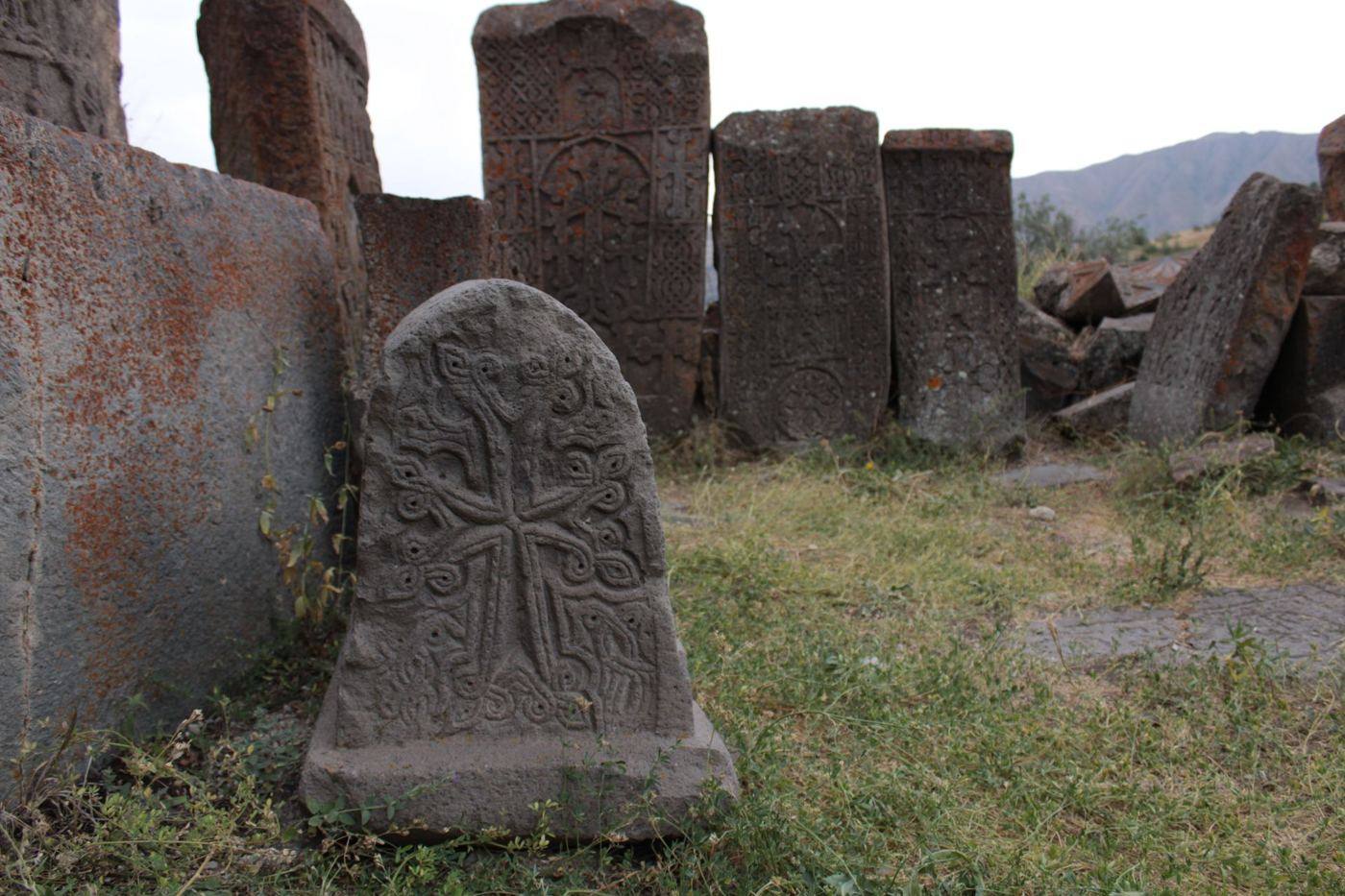
In the morning follow the shore road south to the village of Noratus, near the town of Gavar. On the edge of the village a large meadow opens up, full of khachkars, the carved stone crosses typical of Armenia. There are hundreds of them, some very old, others from the late Middle Ages, all different: flowering crosses, geometric interlacing, hunting and wedding scenes, figures of saints. Many are covered in yellow and orange lichen.
Walk slowly between the rows, without stepping on the graves. Women from the village often sell woollen socks and homemade sweets at the entrance, and someone may tell you the legends linked to the crosses. A small medieval church closes the field.
For lunch stop in Gavar, the regional capital, for a simple meal: lavash, cheese, fresh herbs and a soup.
In the afternoon head back towards the lake and find a quiet stretch of shore for a walk. The level of Sevan fell sharply in the Soviet period, when its water was used for irrigation and power stations: that is why the Sevanavank peninsula was once an island. Today the lake is protected by a national park.
In the evening return to sleep on the western shore.
Practical tip: go to Noratus in the morning or late afternoon, when low light brings out the carved patterns on the crosses.
- Day 3
The beaches of Shorzha and the return
The last day is for the water and the beaches of the northern part of the lake.
In the morning drive back up to the town of Sevan and then follow the northern shore road, through Tsovagyugh, to Shorzha. Here the shore is flat, with dark sand beaches and pine woods planted in Soviet times. In summer families from Yerevan come to swim and eat under the trees.
The water of Sevan stays cold even in August, but on sunny days a short swim is pleasant. Watch the wind, which can whip up strong waves very quickly. From Shorzha go back the same way: do not carry on east or south along the shore.
Have lunch on the beach, then set off towards Sevan and Yerevan, arriving in the late afternoon.
Trip summary: three easy days on the western and northern shores of Lake Sevan, with two monasteries above the water, the great field of crosses at Noratus and the sandy beaches of Shorzha, always far from the border areas.
When to go: from June to September, when the water is less cold and the places on the shore are open. In spring and autumn the lake is beautiful but windy, and in winter the area is freezing and almost closed to tourism.
Practical tip: bring sun cream and a hat, because at 1,900 metres the sun burns even when the air is cool.
Armenians' 'sea', at 1,900 metres. The water stays cold even in August. The eastern shore is near the border: stay on the west and north shores.
Before you go
- Documents and visa
- Passport valid for the whole stay. British citizens can visit without a visa for up to 180 days in a year for tourism or business.
- Health and vaccines
- No compulsory vaccinations; ask your doctor about hepatitis A and B and diphtheria. Medical facilities are limited outside Yerevan: you need insurance covering medical costs and repatriation. Do not drink tap water and avoid ice. Emergencies: 911.
- Money and payments
- Armenian dram: payments in other currencies are not allowed. Euros and dollars are easy to change in Yerevan. Visa and Mastercard work well in the capital, much less elsewhere: carry cash outside the city.
- Power sockets
- Types C and F, 230 volts: you need an adapter for British plugs.
- Time zone
- UTC+4 all year, four hours ahead of the UK in winter, three in summer.
- Safety
- The UK advises against all travel within 5 km of the entire eastern border with Azerbaijan and along the road between Ijevan and Noyemberyan. The borders with Azerbaijan and Turkey are closed. The United States advises increased caution and says not to travel to the border with Azerbaijan. Yerevan is not in these areas. Official advice: GOV.UK.
Information checked in November 2026 for Italian and EU citizens. Rules change: always check before you travel.
Variations
Short version: a single day from Yerevan with Sevanavank, Hayravank and Noratus, without the beaches.
Long version: add two days in Dilijan, less than an hour from the lake, for the forests and Goshavank monastery.
Frequently asked questions
Is Lake Sevan safe?
The western and northern shores are. Italy advises against the southern and eastern parts of Gegharkunik and the UK against the 5 kilometres along the border: this trip stays well away from those areas.
Can you swim in the lake?
Yes, in summer, but the water stays cold even in August and the wind can raise strong waves.
How far is the lake from Yerevan?
The town of Sevan is about an hour's drive from Yerevan.
Indicative itinerary written by World Atlas. Before booking, check timetables, seasonal openings, documents and safety.
 4 daysEasy
Armenia in winter
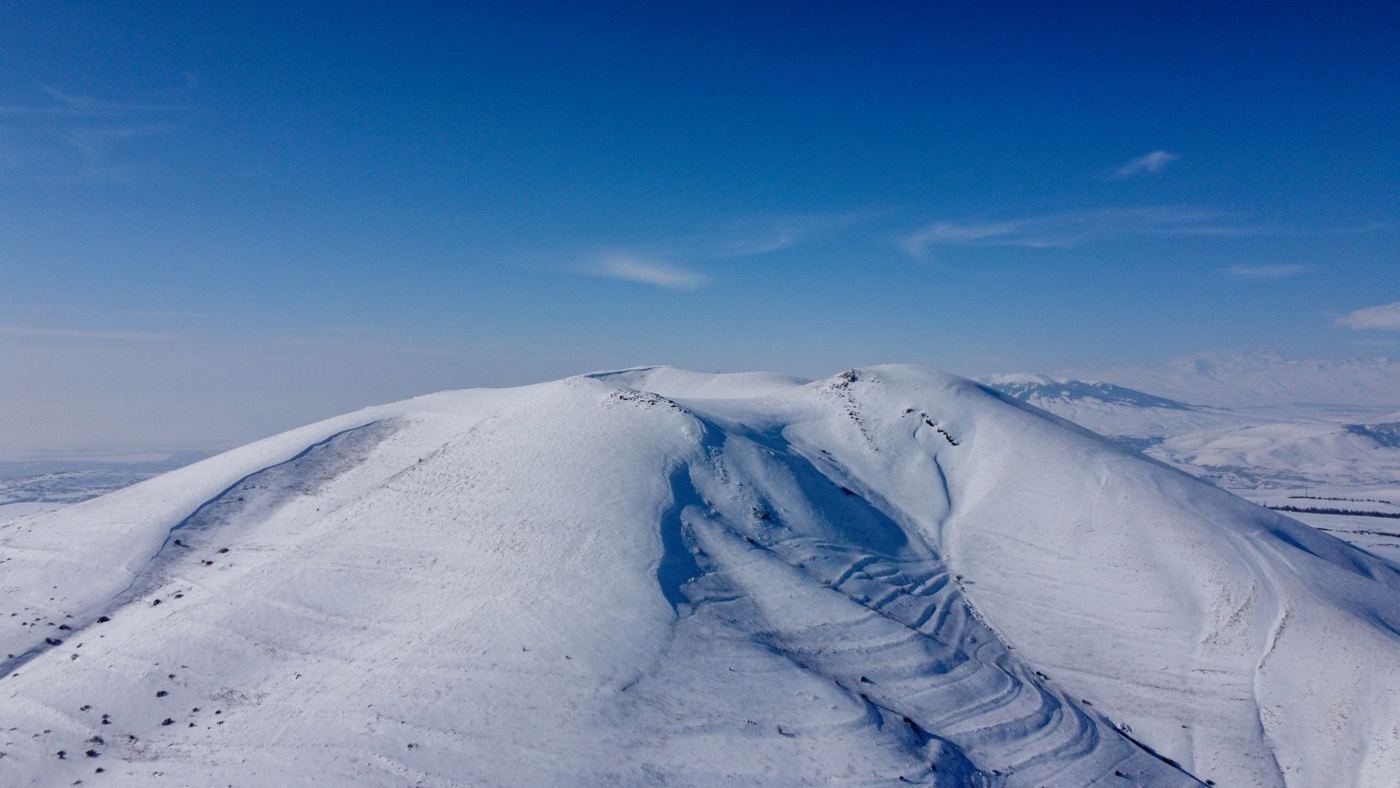
Yerevan around the Armenian Christmas of 6 January, the Tsaghkadzor ski resort, Kecharis monastery and snowy monasteries around the capital.
 6 daysEasy
Yerevan and the monasteries
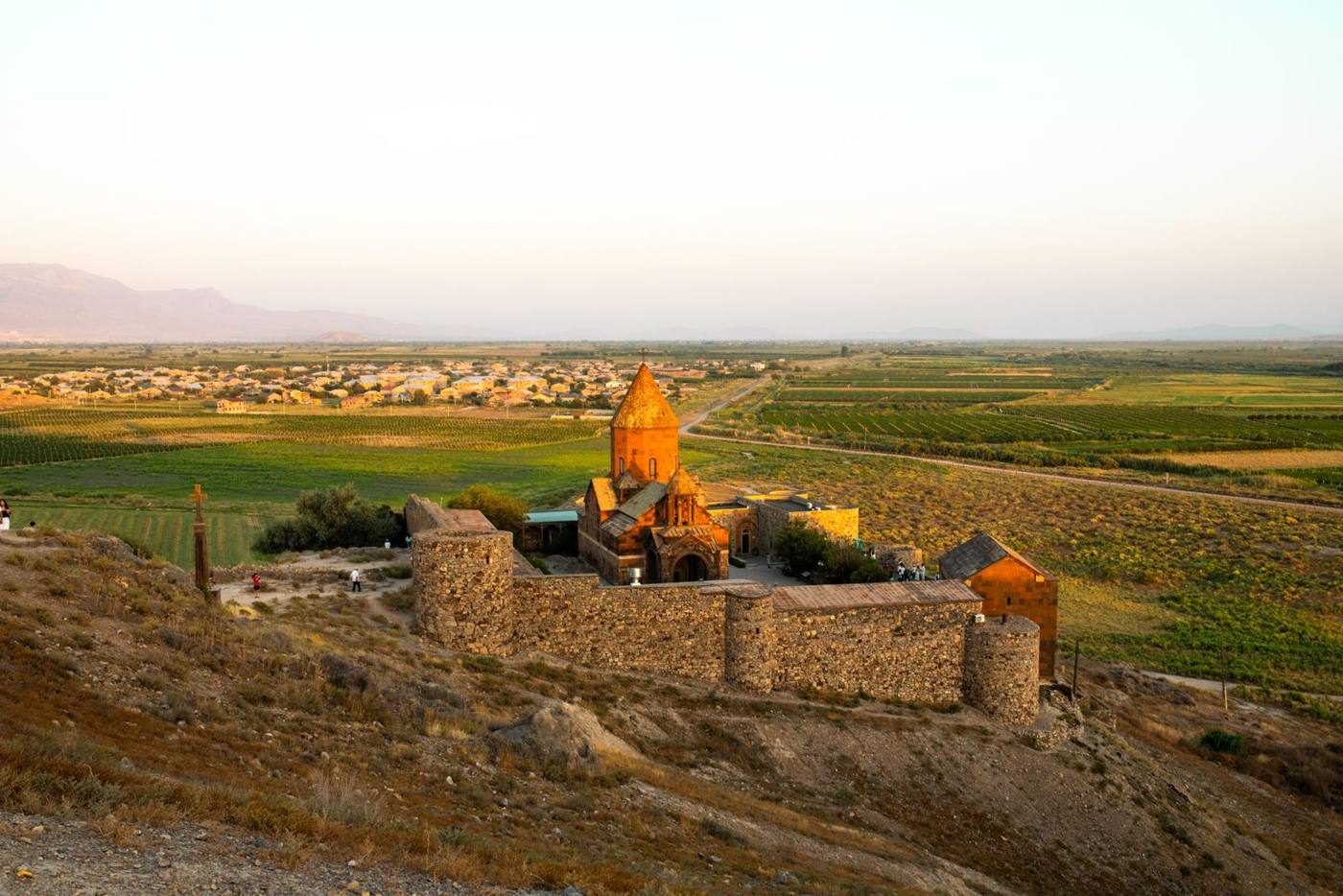
The pink capital beneath Ararat, Etchmiadzin, Garni temple, rock-cut Geghard, Khor Virap and Lake Sevan.
 5 daysModerate
The south and Tatev
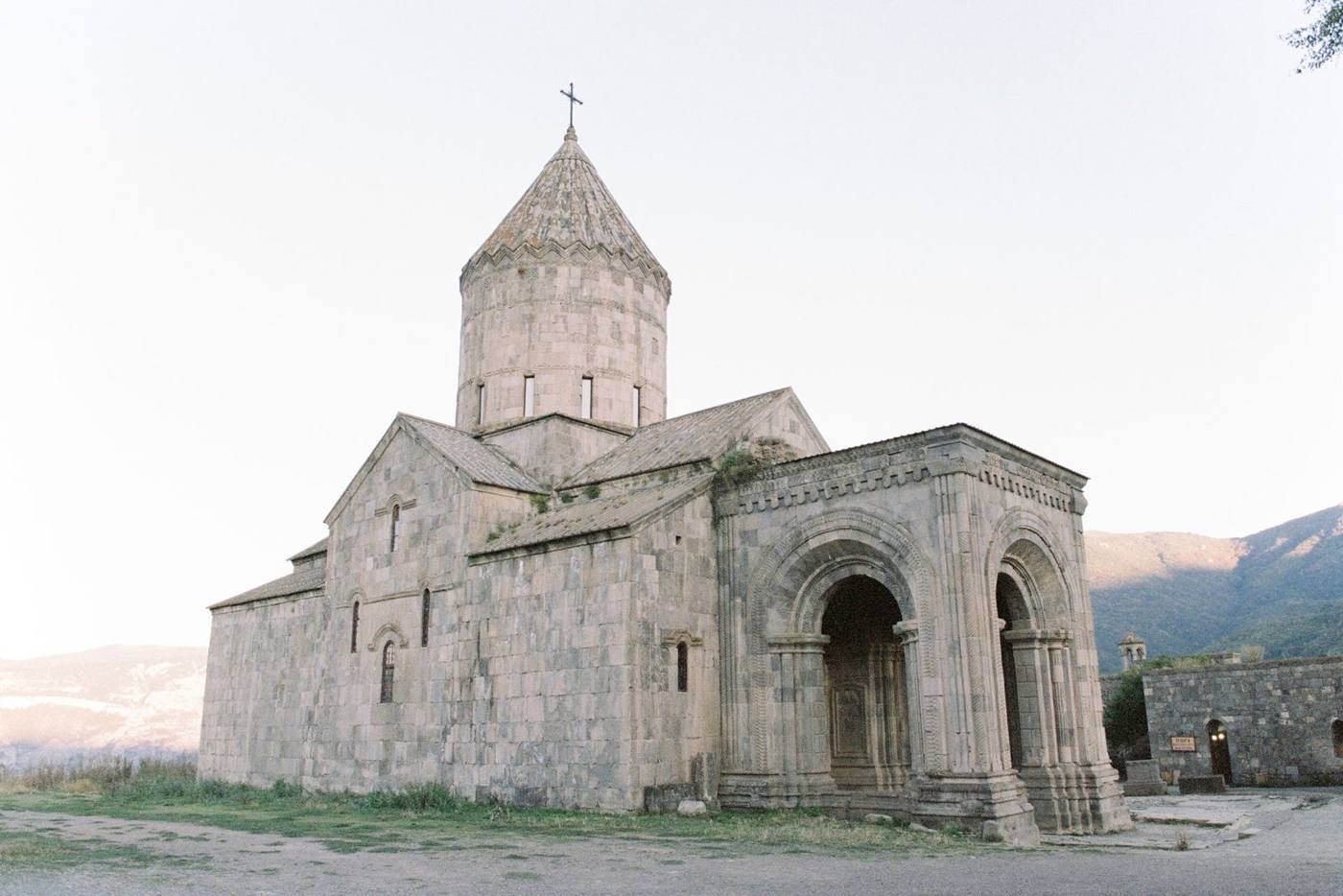
Noravank monastery in its red canyon, the Wings of Tatev cable car, the cave dwellings of Khndzoresk and the Carahunge site.