Tyrol: Innsbruck and the Zillertal
Innsbruck with the Golden Roof and the Nordkette cable car, the Swarovski Crystal Worlds, the Zillertal valleys and the Krimml waterfalls.
- Innsbruck
- Nordkette
- Wattens
- Zillertal
- Mayrhofen
- Krimml
Day by day
- Day 1
Innsbruck: the old town and the Golden Roof
This trip takes you to Tyrol in summer: Innsbruck, the city among the mountains, with the Golden Roof and the Nordkette cable car, the Swarovski Crystal Worlds at Wattens, the valleys of the Zillertal with their alpine farms and panoramic road, and the Krimml waterfalls, the highest in Austria.
Before you go: Austria is part of the European Union and the Schengen area and uses the euro. Italian citizens only need an electronic identity card valid for travel abroad or a passport; the paper identity card has not been valid for travel abroad since 3 August 2026. Other nationalities should check their own rules. The United States rates Austria level 1, the lowest. In the mountains the main danger is summer afternoon thunderstorms.
You arrive in Innsbruck by train from Italy over the Brenner, or by plane: the airport is a few minutes from the centre. Walk through the old town, along the Herzog-Friedrich-Strasse, with its painted houses and arcades, to the Golden Roof, the Goldenes Dachl, a Gothic balcony covered with gilded copper tiles, built around 1500 for Emperor Maximilian I. Climb the city tower to see the roofs and the mountains. Check prices and times.
Then visit the Hofburg, the imperial palace, and the court church, the Hofkirche, with Maximilian's empty tomb surrounded by large bronze statues of his ancestors and relatives. Check prices and times.
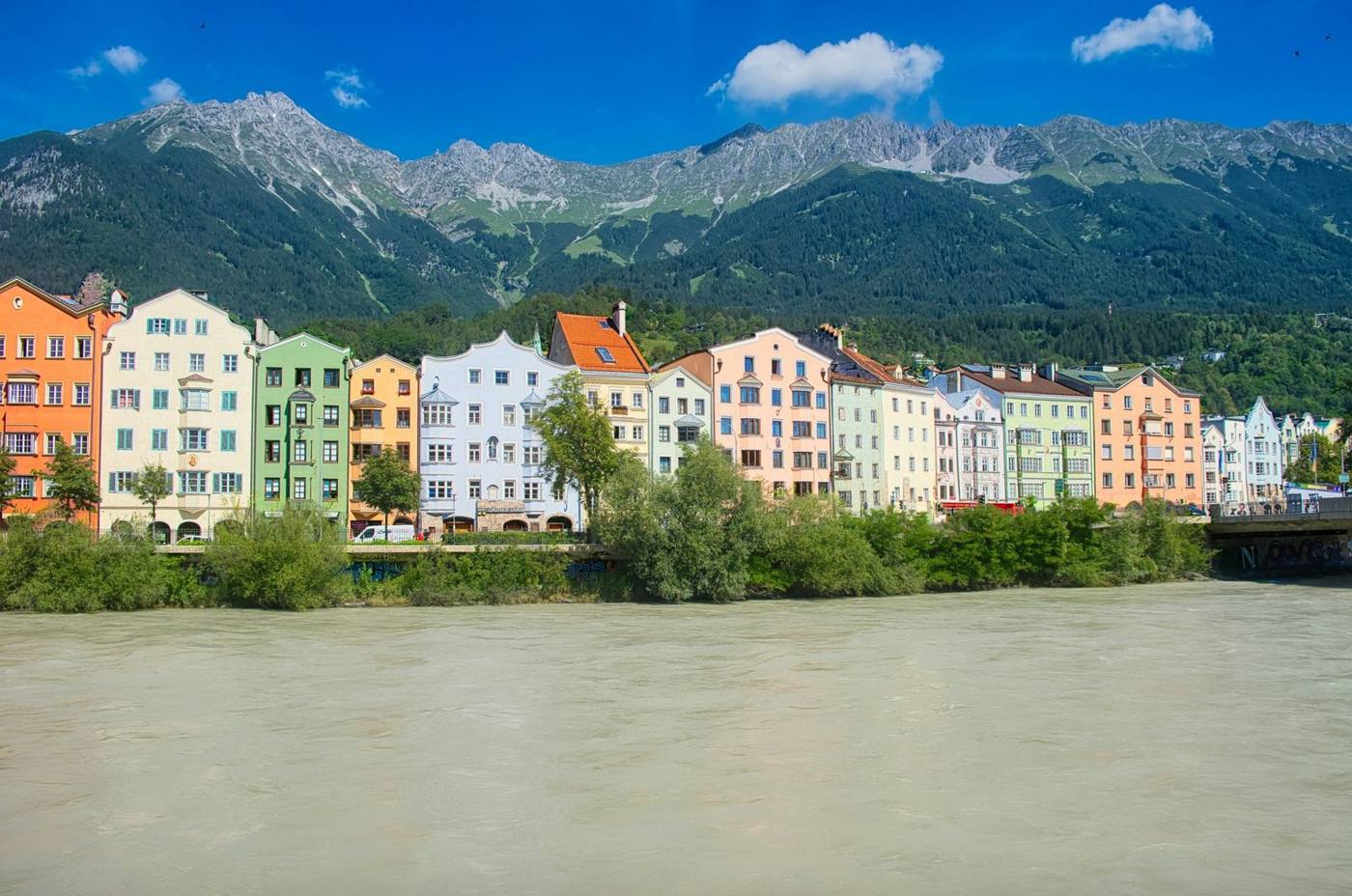
At sunset walk along the Inn riverside to see the colourful houses of the Mariahilf district, with the Nordkette behind them.
Sleep in Innsbruck, for three nights.
Practical tip: ask your accommodation if it gives a guest card. In many Tyrolean resorts it includes local buses and sometimes discounts on or access to the lifts.
- Day 2
The Nordkette cable car to over 2,200 metres
Today you go from the city centre to the high mountains in less than half an hour.
From the station near the Congress centre take the Hungerburg funicular, with modern stations designed by the architect Zaha Hadid that look like waves of ice. From the Hungerburg ride the cable car to the Seegrube, at 1,905 metres, then a second cable car to the Hafelekar, at 2,256 metres. Check prices and times.
From the Hafelekar a short path leads to the top of the Hafelekarspitze. On one side you see Innsbruck, the Inn valley and the Stubai Alps with their glaciers; on the other the wild valleys of the Karwendel nature park, the largest nature park in Austria. The path is short but rocky: you need proper shoes.
Go back down to the Seegrube for lunch, on the panoramic terrace.
In the afternoon stop at the Hungerburg and visit the Alpine Zoo, the highest in Europe, with the animals of the Alps, such as ibex, marmots, wolves, bears and bearded vultures. Check prices and times.
In the evening, back in town, have dinner with Kaspressknödel, flattened and fried cheese dumplings, served in broth or with salad, or with Tiroler Gröstl, fried potatoes with meat and onions and a fried egg.
Sleep in Innsbruck.
Practical tip: go up early in the morning. Clouds and storms often build in the afternoon and hide the view. Even in summer it is cool at the top: bring a jacket.
- Day 3
The Swarovski Crystal Worlds at Wattens and Hall in Tirol
Today you leave Innsbruck heading east, along the Inn valley.
In about twenty minutes you reach Wattens, home of the Swarovski crystal factory. Here are the Crystal Worlds, the Swarovski Kristallwelten: an underground route of chambers created by artists and designers, hidden under a hill with the head of a giant spouting water. There is also a large garden, a cloud of crystals hanging over a pool and a playground for children. Shuttles also run from Innsbruck. Check prices and times.
In the afternoon stop at Hall in Tirol, on the way back. Its old town is one of the largest and best preserved in Tyrol, with medieval lanes, squares and churches. For centuries Hall was the town of salt and of the mint, where silver coins were struck, among them the thaler. Visit the mint tower, with its museum and view over the valley. Check prices and times.
Return to Innsbruck for the evening. If you have energy left, take the bus up to the Bergisel ski jump, also designed by Zaha Hadid, with its terrace above the city. Check prices and times.
Sleep in Innsbruck.
Practical tip: tomorrow you leave for the Zillertal. If you are hiring a car, pick it up this afternoon and buy the motorway vignette, digital only from 2027, on the official ASFINAG website or at a sales point. Annual and two month vignettes bought online are only valid after eighteen days. Check prices.
- Day 4
The Zillertal: Mayrhofen and the alpine farms
Today you enter the Zillertal, one of the best known valleys in Tyrol, long and green, closed at its head by the Zillertal Alps and their glaciers.
From Innsbruck go to Jenbach, by train or car, about half an hour. Without a car, from here the narrow gauge Zillertal railway runs up the whole valley to Mayrhofen; in summer the old steam locomotive still pulls some trains. Check prices and times.
Mayrhofen is the main village of the valley, at the end of the railway, where four side valleys open up. Settle in and ride one of the lifts up to the pastures above the village. From there easy, well marked paths link the alpine farms, the Almen, where cows graze in summer and the herders make cheese and butter. Check prices and times.
Take a two or three hour walk through flowery meadows and past small lakes, with views of the icy peaks. Stop at an alpine farm for a snack of Zillertal grey cheese, rye bread and buttermilk.
Sleep in Mayrhofen, for two nights.
Practical tip: many places to stay in the valley give a summer card that includes the lifts and buses. Ask your accommodation before booking: it is often very good value.
- Day 5
The Zillertal high road
Today you look at the valley from above, from one of the finest panoramic roads in Tyrol.
The Zillertal high road, the Zillertaler Höhenstraße, climbs the western side of the valley, through woods, meadows and farmsteads, to around two thousand metres. It is a toll road and only open in summer: check prices and times. Along the road there are many viewpoints and car parks where short walks set off across the pastures, with views of the mountains on the other side of the valley.
Choose an easy walk to a small lake or a grassy summit and then have lunch at an alpine farm.
Alternatively, if you prefer water and glaciers, drive up from Mayrhofen through the Tux valley to Hintertux, where the glacier allows skiing almost all year, or take the road to the Schlegeis reservoir, a toll road, with its turquoise lake among the mountains. Check prices and times.
In the evening go back to Mayrhofen and have a dish of the valley for dinner, such as Zillertaler Krapfen, fried pastries filled with potato and grey cheese, or a barley soup.
Sleep in Mayrhofen.
Practical tip: mountain weather changes fast. Check the forecast the evening before and in the morning, start early and always carry a waterproof jacket, even if the day looks clear.
- Day 6
The Krimml waterfalls and departure
Last day in the mountains.
From Mayrhofen drive up towards the Gerlos pass. The road runs past the Durlassboden reservoir and then drops into the Salzburg region on the Gerlos alpine road, a toll road, with a view of the Krimml waterfalls from above. Check prices and times. In total it takes about an hour.
The Krimml waterfalls are the highest in Austria: the water drops 380 metres in three stages, in the Hohe Tauern national park. From the car park a paved path climbs through the woods beside the falls, with many viewpoints. In a quarter of an hour you are below the first and most powerful fall, where the spray soaks you. To reach the top allow about an hour and a half of climbing. Check prices and times.
Then head for Innsbruck or Salzburg airport, about two hours away.
In these six days you have seen Tyrol in summer: Innsbruck with the Golden Roof and the Hofkirche, the Nordkette above the city, the Crystal Worlds at Wattens and Hall in Tirol, the alpine farms and high road of the Zillertal and the Krimml waterfalls.
When to go: the best months are June to September, when the lifts and alpine farms are open. July and August are the warmest months, but also those with the most afternoon storms. The Krimml waterfalls are at their most powerful in June and July, with the snowmelt. In winter the same area is among the best known ski destinations in Europe.
Practical tip: before you leave, buy something to take home, such as Tyrolean speck, alpine farm cheese or a mountain pine schnapps.
Summer Tyrol, with a city, mountains and huts easily reached by lifts. Many hotels give a guest card that includes lifts and buses. Mountain weather changes quickly, and summer storms arrive in the afternoon. In winter the same area is among Europe's best-known ski destinations.
Before you go
- Documents and visa
- EU citizens need a valid identity card or passport: Austria is in the EU and the Schengen area. Until 15 March 2027 Austria is running checks on its borders with Slovenia, Hungary, the Czech Republic and Slovakia: always carry your document. Other nationalities should check the Schengen rules.
- Health and vaccines
- No vaccines required. EU citizens should bring their EHIC; for skiing and hiking you need insurance covering mountain rescue and helicopter costs. Emergencies: 112, police 133, ambulance 144, mountain rescue 140.
- Money and payments
- Euro. Cards are accepted almost everywhere, but carry some cash for alpine farms, mountain huts and small taverns. Motorways need a vignette, digital only from 2027, from the official ASFINAG website or sales points.
- Power sockets
- Types C and F, 230 volts.
- Time zone
- Central European Time (UTC+1, summer UTC+2).
- Safety
- A very safe country: the United States has rated Austria level 1, the lowest, since 21 August 2026. The UK warns that terrorists are likely to try to carry out attacks in crowded places, and of pickpockets at stations and on trains. In the mountains check the weather and the avalanche bulletin; off-piste skiing is very dangerous. Official advice: GOV.UK.
Information checked in November 2026 for Italian and EU citizens. Rules change: always check before you travel.
Variations
In 4 days: two days in Innsbruck with the Nordkette, then a day in the Zillertal and the Krimml waterfalls before departure.
In 9 days: add the Stubai valley with its glacier and the Ötztal, with the Längenfeld spa and the road up to Obergurgl.
Frequently asked questions
What document do I need for Austria?
Italian citizens only need an electronic identity card valid for travel abroad or a passport. Other nationalities should check their own rules.
Do I need a car in Tyrol?
Not for Innsbruck and Wattens: public transport and shuttles are enough. The Zillertal can be reached by train, but for the Zillertal high road and the Krimml waterfalls a car is much easier.
Are guest cards worth it?
Often, yes. In many Tyrolean resorts your accommodation gives a card that includes buses and sometimes lifts. Ask what it covers before booking and check prices and times for the lifts.
Indicative itinerary written by World Atlas. Before booking, check timetables, seasonal openings, documents and safety.
 5 daysModerate
The Grossglockner and the Hohe Tauern
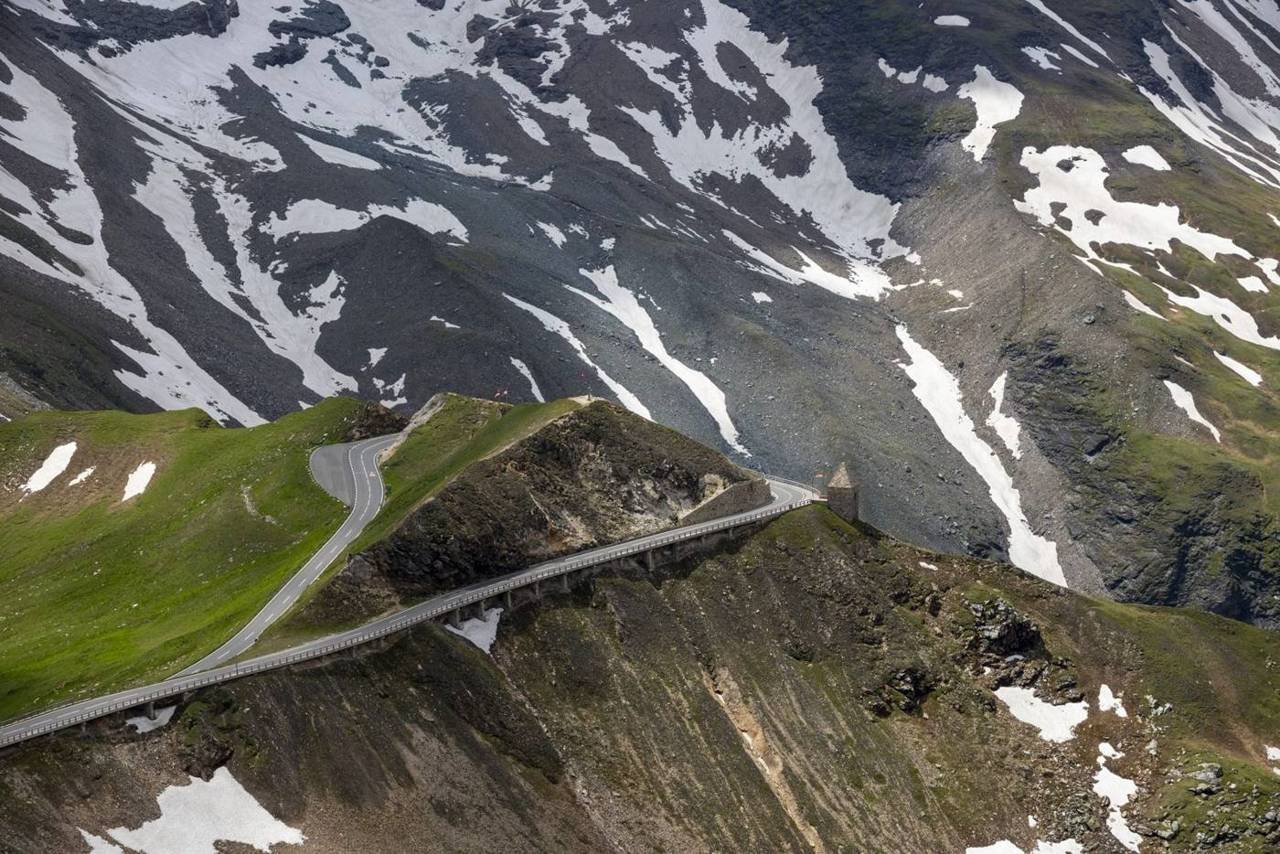
The Grossglockner High Alpine Road to the Pasterze glacier, the marmots and ibex of the national park and the village of Heiligenblut.
 4 daysEasy
The Wachau by bike
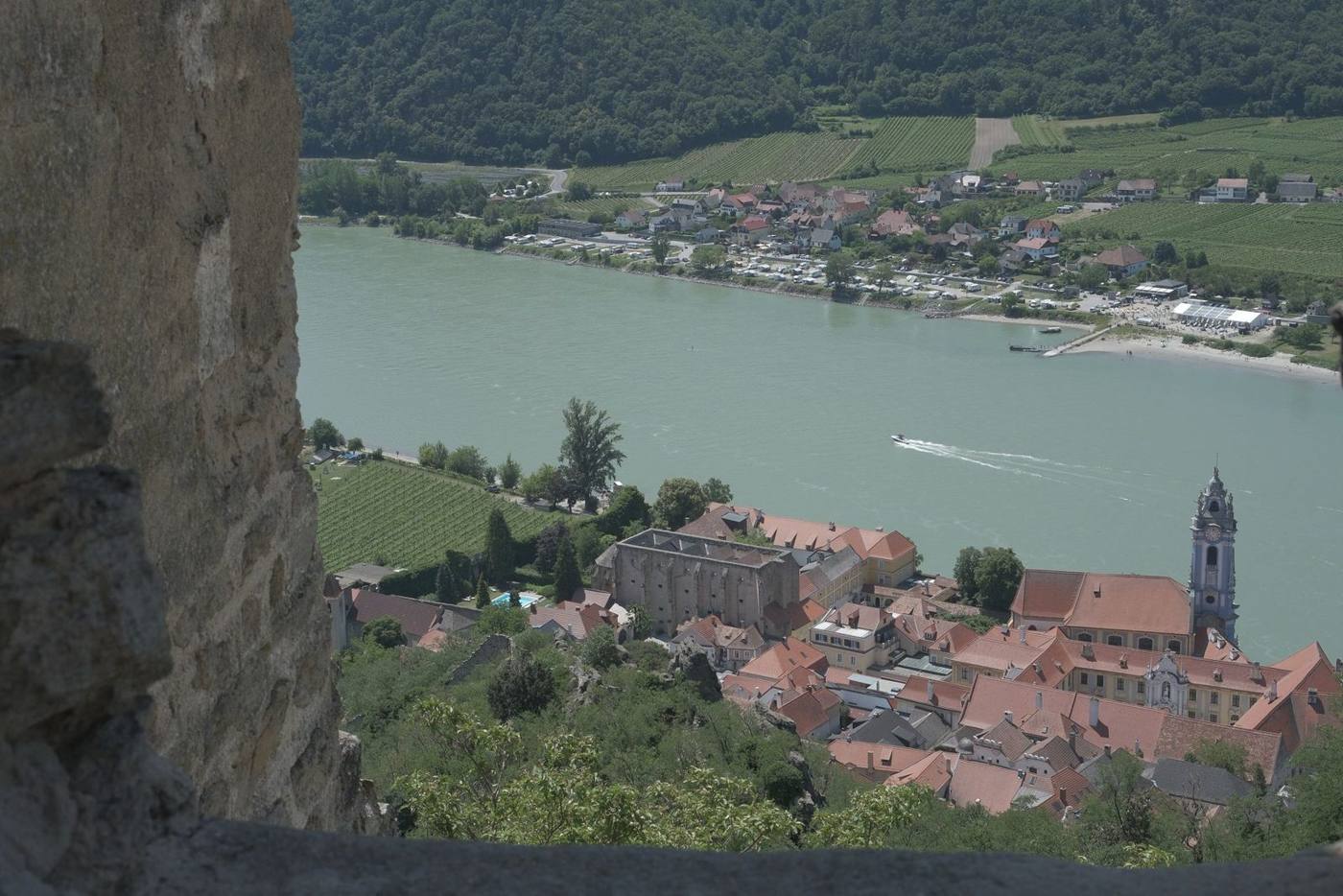
The UNESCO-listed Danube valley, from Melk to Krems by bike, among apricots, terraced Grüner Veltliner vineyards and the village of Dürnstein.
 7 daysModerate
Skiing in St. Anton and the Arlberg
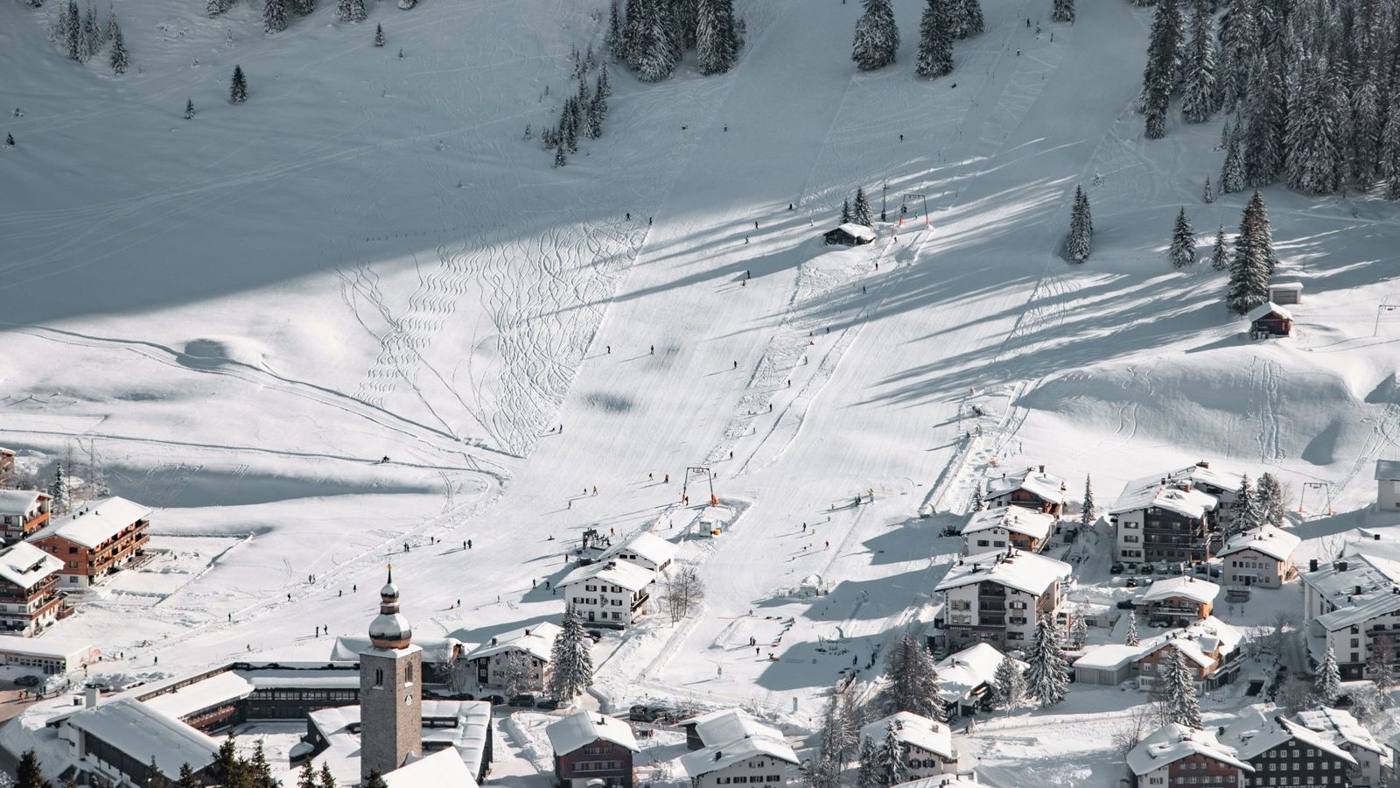
A week in the Ski Arlberg area between St. Anton, Lech and Zürs, with the Run of Fame circuit and Tyrolean après-ski.