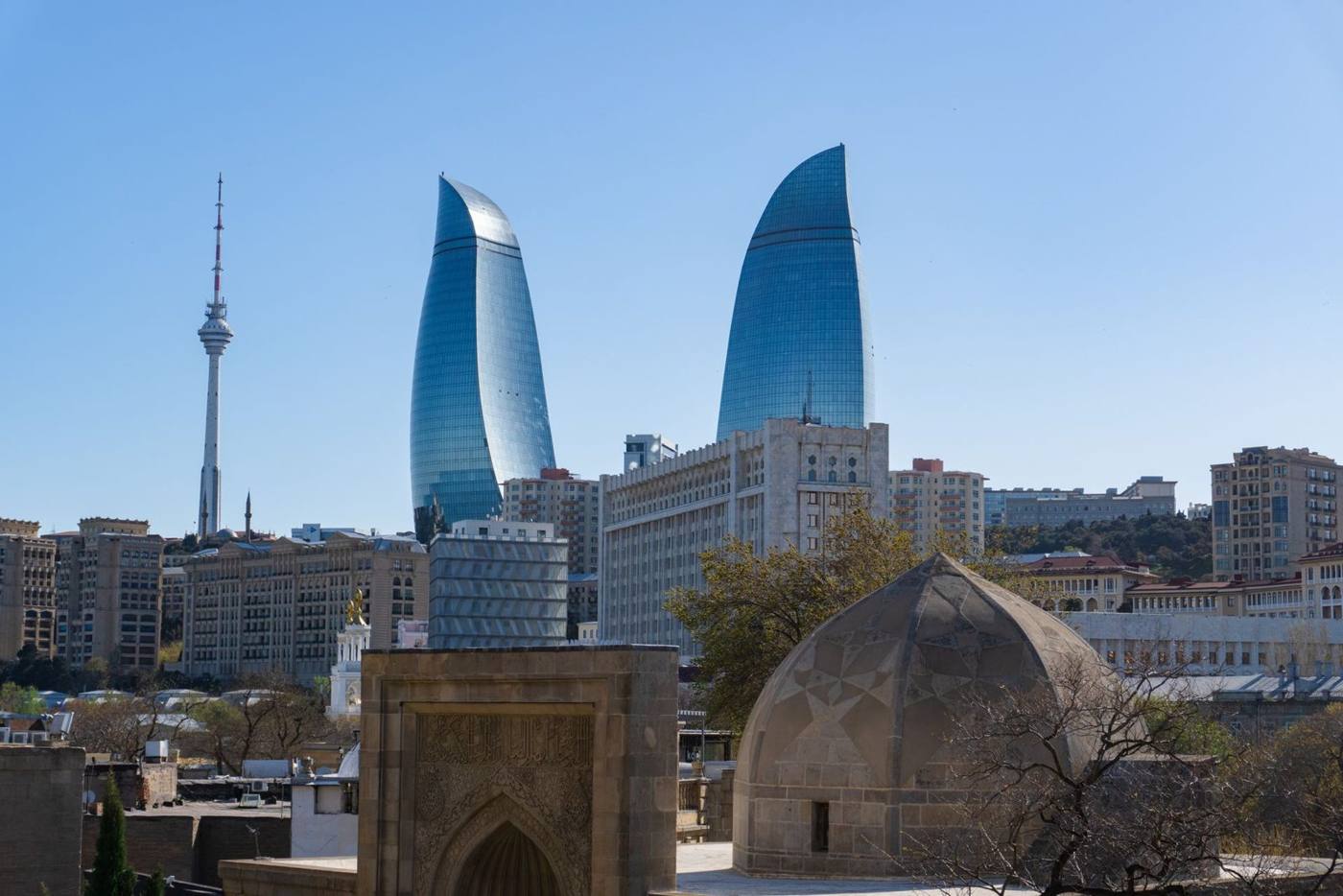
Baku and the Absheron
The walled old town with the Maiden Tower, the Flame Towers, the Heydar Aliyev Center, the Gobustan petroglyphs and the burning hill of Yanar Dag.
- Baku
- Icherisheher
- Gobustan
- Mud volcanoes
- Ateshgah
- Yanar Dag
Day by day
- Day 1
The old city, the Maiden Tower and the seafront
This four-day trip shows you Baku and the Absheron peninsula, between the walled old city, rock carvings, mud volcanoes and natural fires.
Before you go: Italian citizens need a passport, valid for at least three months beyond the expiry of the visa, and an e-visa, applied for online only on the official website evisa.gov.az: it is valid for one entry and up to 30 days and is not issued at the airport. Other nationalities should check their own rules. You can only enter by air. A previous visit to Karabakh without Azerbaijani permission can lead to refused entry. Viaggiare Sicuri, the Italian government's travel service, advises against the areas along the Armenian border and the United States, at level 3 since 2026, against the border with Iran: Baku is far from both.
You land at Heydar Aliyev airport and reach the centre by taxi or bus, about half an hour. Enter the Icherisheher, the old city, enclosed by honey-coloured stone walls and a UNESCO World Heritage Site, with alleys, mosques, caravanserais and houses with wooden balconies.
Climb the Maiden Tower, Qız Qalası, a cylindrical stone tower almost 30 metres high, whose origin is still debated by scholars. From the top you see the roofs of the old city and the Caspian. Check prices and times.
Then visit the Palace of the Shirvanshahs, from the fifteenth century, with its halls, court mosque, mausoleums and bathhouse, the heart of the power of the rulers of Shirvan. Check prices and times.
Towards evening leave the walls and walk along the Bulvar, the tree-lined seafront several kilometres long around the bay, as the lights come on.
Sleep in Baku.
Practical tip: use taxis booked through an app, with the price shown before you get in; avoid bargaining in the street with taxis without a meter.
- Day 2
Gobustan, the rock carvings and the mud volcanoes
Today you leave Baku southwards to see prehistory and an almost lunar landscape.
In the morning set off by car or on an organised excursion to Gobustan, about an hour south-west of the capital, along the Caspian coast among refineries, bare hills and oil wells.
The Gobustan Rock Art Cultural Landscape is a UNESCO World Heritage Site. On a plateau of large boulders and caves there are thousands of carvings on the rock, made over a very long period, from the end of the last Ice Age to the Middle Ages. You see hunters, men in boats, wild oxen, deer, dancers and scenes of daily life. Start at the modern museum, which explains the history of the site, then follow the path among the rocks. Check prices and times.
In the afternoon reach the mud volcanoes, not far away, on a treeless plateau. Here the earth pushes gas and cold grey mud to the surface, forming small cones from which bubbles rise with a dull sound. Azerbaijan is one of the countries with the most mud volcanoes in the world. The last stretch is a dirt track: you usually go up in the cars of local drivers who wait at the junction. Walk among the cones carefully and do not go too close to the edges.
In the evening return to Baku and have dinner with kebab and tandir bread. Sleep in Baku.
Practical tip: there is little shade at Gobustan and summers are very hot; go early in the morning, with a hat, sunscreen and water, and closed shoes for the mud.
- Day 3
Ateshgah, Yanar Dag and the Heydar Aliyev Center
Today you discover why Azerbaijan is called the land of fire.
In the morning go to Surakhani, on the Absheron, about half an hour from the centre, and visit the Ateshgah, the fire temple. The present building, a pentagonal courtyard with cells around it and an altar in the middle, was built between the seventeenth and eighteenth centuries by Indian merchants who came here to worship the fire that came out of the ground. Today the natural gas has run out and the flame is fed from the mains, but the place tells the story of the sacred fire well. Check prices and times.
Then reach Yanar Dag, the burning mountain, on a hillside north of Baku. Here gas escapes from a crack in the rock and burns without pause, with a row of flames several metres long that does not go out even in the rain. The place is most striking at sunset or after dark. Check prices and times.
In the afternoon return to the city and visit the Heydar Aliyev Center, designed by the architect Zaha Hadid and opened in 2012, a white building made of curves that looks like a wave without corners. Inside are exhibitions of Azerbaijani art, history and culture. Check prices and times.
In the evening watch the Flame Towers from the seafront, the three skyscrapers shaped like flames that light up in colours at night.
Sleep in Baku.
Practical tip: for Ateshgah and Yanar Dag it is worth hiring a taxi or driver for half a day, because the two places are far apart and public transport is slow.
- Day 4
The hilltop park, the carpets and departure
Today you see Baku from above and end the trip.
In the morning take the funicular from the seafront to the hilltop park, Dağüstü, with its viewing terrace over the bay, the old city and the Caspian. On the same hill is the Alley of Martyrs, a long memorial cemetery dedicated to the civilians killed in January 1990 and to those who died in the war, with an eternal flame. Walk quietly and respectfully. Next to it the Flame Towers rise close up. Check funicular times.
Then go down to the National Carpet Museum, on the seafront, in a modern building shaped like a rolled-up carpet. Inside you see old carpets from all the schools of the country, from Quba, Shirvan, Ganja, Karabakh and Tabriz, and understand why the Azerbaijani art of carpet weaving is on the UNESCO intangible heritage list. Check prices and times.
If you still have time, walk along Nizami street, the pedestrian shopping street with buildings from the oil boom, built at the end of the nineteenth century, when Baku produced a huge share of the world's oil. Then head to the airport.
In these four days you have seen Baku old and new: the old city with the Maiden Tower and the Palace of the Shirvanshahs, the rock carvings of Gobustan and the mud volcanoes, the fires of Ateshgah and Yanar Dag, the Heydar Aliyev Center and the Flame Towers.
When to go: the best months are April, May, June, September and October, with pleasant temperatures. July and August are very hot; in winter a strong cold wind often blows in Baku.
Practical tip: if you buy an old carpet, ask the shop for the export certificate, because without it customs can stop it when you leave.
A surprising capital, between old town and spectacular architecture. An ASAN e-visa is required, easy to obtain online. Those who visited Nagorno-Karabakh via Armenia may be refused entry.
Before you go
- Documents and visa
- Passport valid for at least three months beyond the expiry of the visa, and an e-visa, applied for online only on the official website evisa.gov.az: it is valid for one entry and up to 30 days, with an urgent service at a higher cost. Visas are not issued at the airport. Today you can only enter by air: land borders are closed to arrivals, except in exceptional authorised cases. A previous visit to Karabakh without Azerbaijani permission can lead to refused entry. Stays over 15 days require registration with the State Migration Service, which hotels often do for you.
- Health and vaccines
- No compulsory vaccinations. Tap water is not safe to drink: drink bottled water. You need insurance covering medical costs and repatriation. Air pollution is high in Baku. Emergencies: 112.
- Money and payments
- Azerbaijani manat. In Baku cards are accepted almost everywhere; in villages and markets carry cash.
- Power sockets
- Types C and F, 220 volts.
- Time zone
- UTC+4 all year.
- Safety
- The UK advises against all travel within 5 km of the Armenian border and against all but essential travel to the war-affected districts of the south-west, around Karabakh, which are full of mines and need an official permit. In 2026 the United States raised the country to level 3 and advises against travel to the border region with Iran. Official advice: GOV.UK.
Information checked in November 2026 for Italian and EU citizens. Rules change: always check before you travel.
Variations
In 3 days: Baku, Gobustan and Yanar Dag, combining the fire temple and the Heydar Aliyev Center on the last day.
In 7 days: add three days on the Caucasus road, with Shamakhi, Gabala and Sheki.
Frequently asked questions
How do you get a visa for Azerbaijan?
Italian citizens apply online on the official website evisa.gov.az before leaving: it is valid for one entry and up to 30 days and is not issued at the airport. Other nationalities should check their own rules.
How do you get to the mud volcanoes?
They are usually combined with Gobustan. The last stretch is a dirt track: you go up in local drivers' cars or on an organised excursion.
Is Baku safe?
Yes, Baku is a calm city with a strong police presence. The areas advised against are the Armenian border, Karabakh and the Iranian border, far from the capital.
Indicative itinerary written by World Atlas. Before booking, check timetables, seasonal openings, documents and safety.
 5 daysEasy
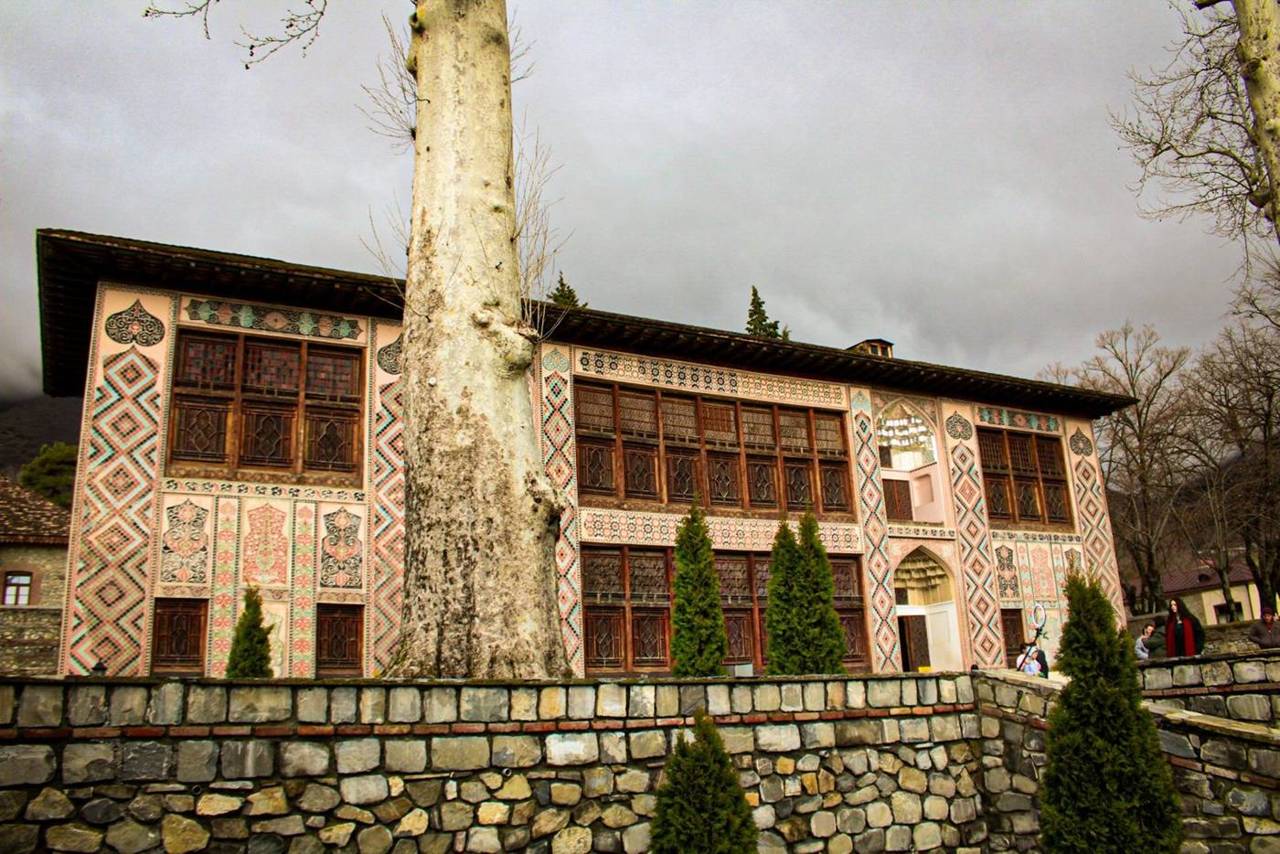
Sheki and the Caucasus
The road via Shamakhi and Lahij, the Palace of the Shaki Khans with its stained glass, the caravanserai and the Albanian church at Kish.
 4 daysModerate
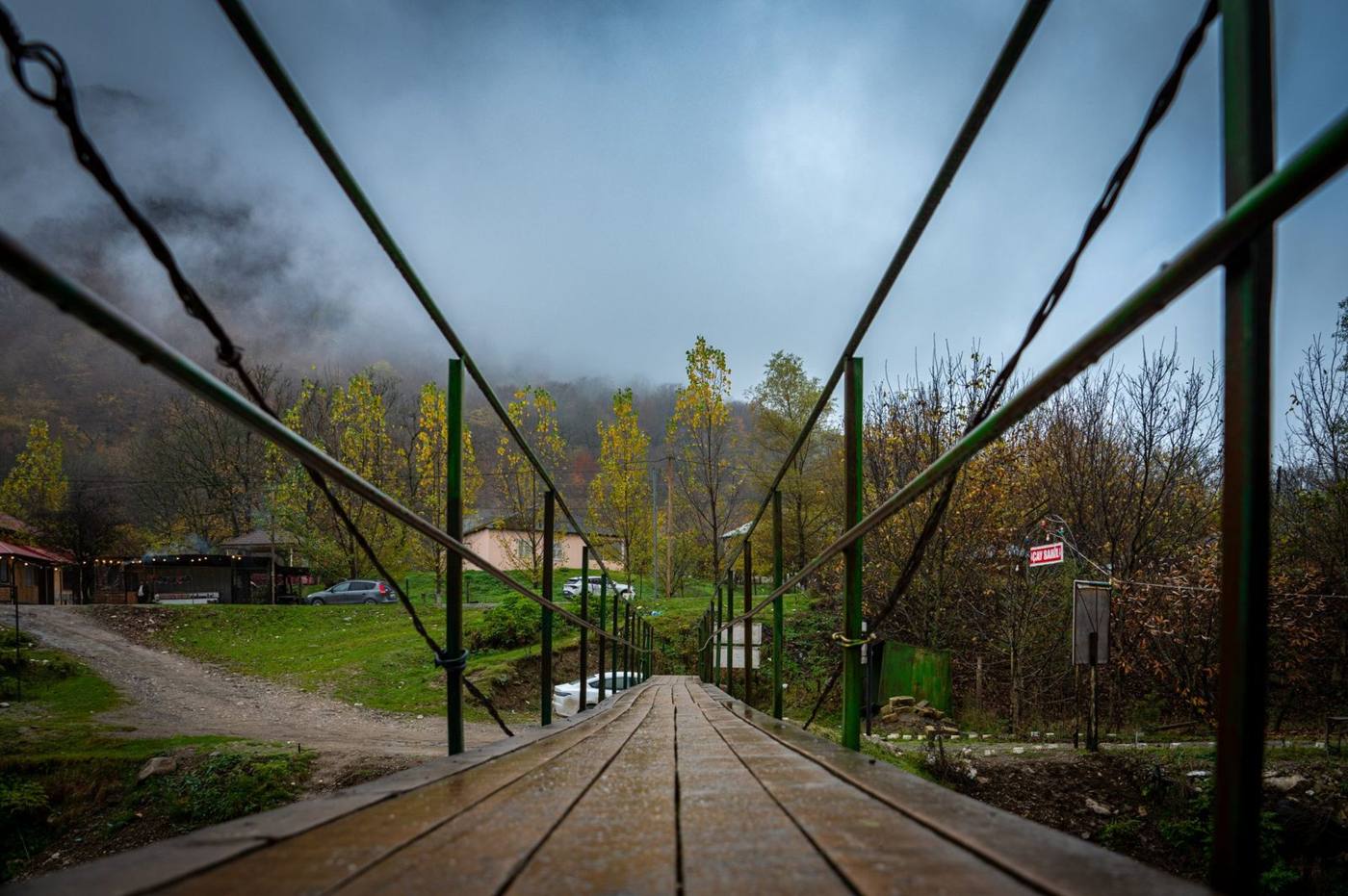
Quba and Xinaliq
The town of Quba and the Jewish quarter of Qırmızı Qəsəbə, then Xinaliq, one of the highest inhabited villages in the Caucasus, with a language of its own.
 4 daysEasy
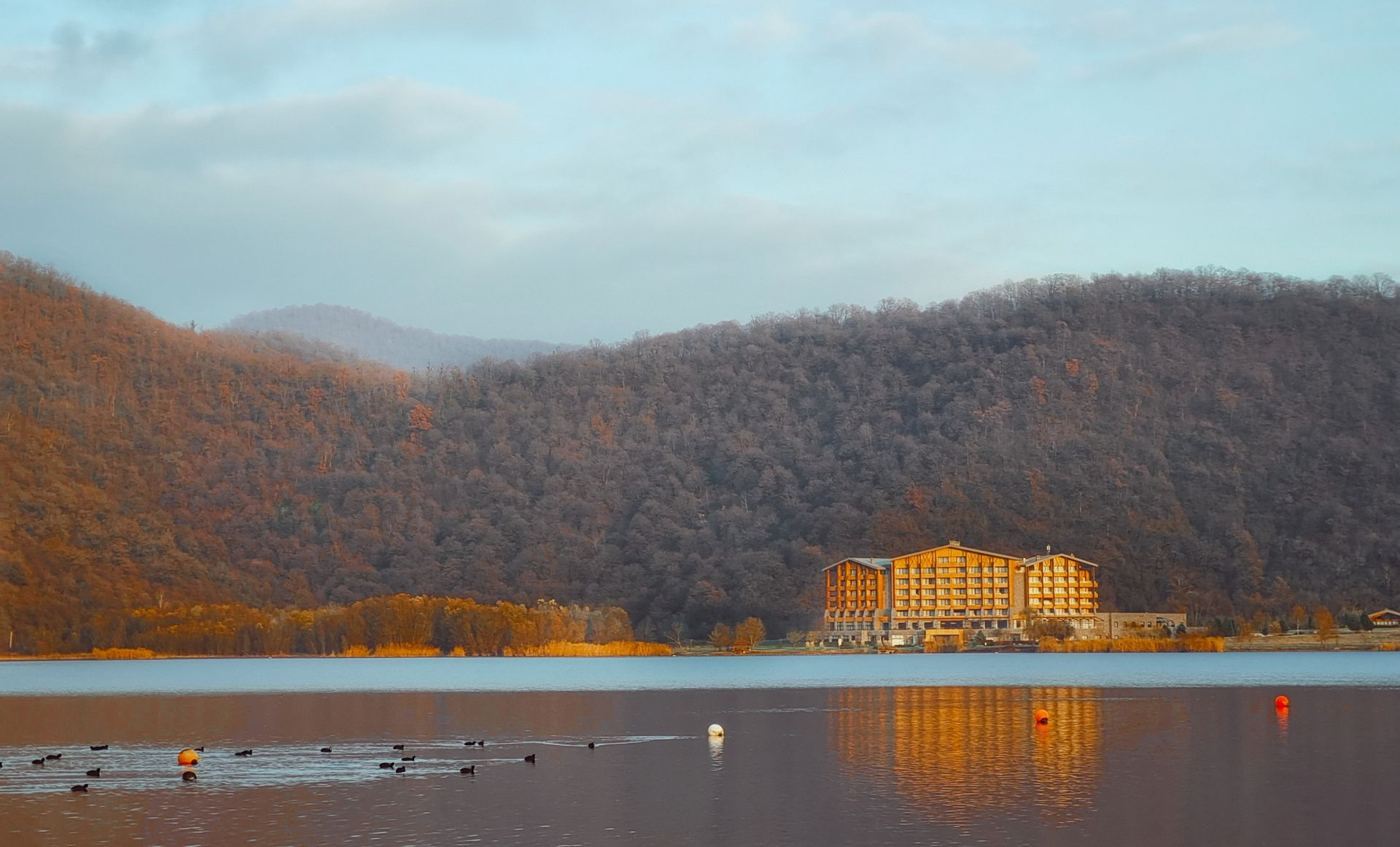
Gabala and Ismayilli
The Caucasus forests around Gabala, the Tufandağ cable car, Lake Nohur, the Yeddi Gozal waterfalls and the villages of Ismayilli.