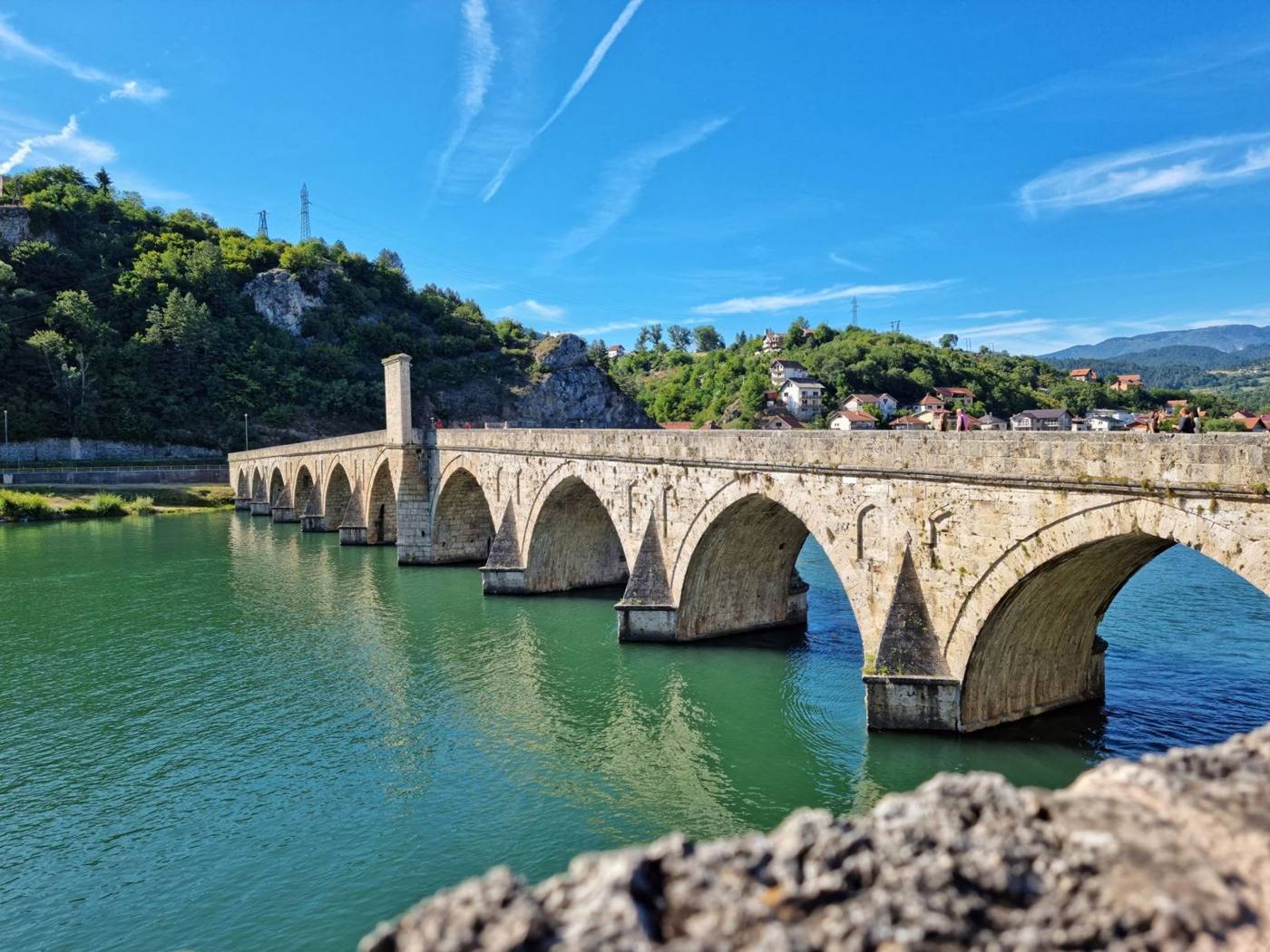
Višegrad and the Drina
The UNESCO Ottoman bridge of Mehmed Paša Sokolović made famous by Ivo Andrić's novel, the Andrićgrad quarter and the Mokra Gora steam train just over the border.
- Višegrad
- Andrićgrad
- Drina
Day by day
- Day 1
The bridge on the Drina, Andrićgrad and a boat on the river
This short trip takes you to Višegrad, in the east of Bosnia and Herzegovina, on the Drina: the Ottoman bridge of Mehmed Paša Sokolović, a UNESCO World Heritage Site and the hero of Ivo Andrić's novel, the Andrićgrad quarter and a boat trip on the river, with the option of going on to the heritage railway at Mokra Gora, in Serbia.
Before you go: Italian citizens can enter Bosnia and Herzegovina with a passport or an electronic identity card, valid for at least three months beyond the length of the stay; no visa is needed for up to 90 days in six months. Foreigners must register within 48 hours of arrival: hotels do this for you. Other nationalities should check their own rules. Italy's travel advice does not list any areas to avoid, but landmines from the 1992 to 1995 war remain in the country: always stay on paved roads and marked paths, and do not enter overgrown fields, woods away from paths or abandoned houses.
From Sarajevo you reach Višegrad in about three hours by road. In town go straight to the bridge, built in the sixteenth century by the great Ottoman architect Mimar Sinan for the grand vizier Mehmed Paša Sokolović, who was born in a village in the region. It has eleven arches of pale stone and, in the middle, a terrace called the kapija, where many scenes of the novel The Bridge on the Drina take place. Walk across it, then see it from the bank below.
In the afternoon visit Andrićgrad, a new quarter built in an old style near the mouth of the Rzav river, with squares, churches and a statue of the writer.
At sunset take a boat trip on the Drina; check prices and times at the landing.
Sleep in Višegrad.
Practical tip: read The Bridge on the Drina before you go, to recognise its places on the bridge.
- Day 2
On to Mokra Gora in Serbia or back to Sarajevo
On the second day you choose whether to carry on into Serbia or return to Sarajevo.
Early in the morning go back to the bridge, when there are few people and mist rises from the river. Višegrad lived through very painful times during the war of the 1990s, with violence against the Muslim civilian population. In town there are memorials and families who still carry that grief: if you talk about it with local people, do so with tact and listen more than you ask.
If you carry on into Serbia, you cross the border and in about half an hour reach Mokra Gora. This is the starting point of the Šargan Eight, the old narrow gauge railway that climbs into the mountains tracing a great figure of eight, with tunnels, bridges and wooden stations. The trip takes a few hours, with stops for the views. Check prices and times, because services are seasonal and it is best to book. Near the station is also Drvengrad, a wooden village created by the film director Emir Kusturica. Before you go, also check the documents required to enter Serbia.
If you return to Sarajevo instead, set off after lunch and stop along the way to see the gorges of the Drina and its tributaries.
Trip summary: two easy days on the Drina, with the UNESCO bridge of Mehmed Paša Sokolović, Andrićgrad, the river by boat and, if you wish, the heritage railway at Mokra Gora in Serbia.
When to go: from May to October, when the boats and the Mokra Gora train are running and the river is green.
Practical tip: there can be queues at the Serbian border at summer weekends; leave early and keep your documents to hand.
A perfect stop between Sarajevo and Serbia, best read beforehand: 'The Bridge on the Drina'. Andrićgrad is a new quarter built in old style. The war history here is painful: speak of it tactfully.
Before you go
- Documents and visa
- British passport issued less than 10 years before arrival and valid for at least 90 days after departure. No visa needed for up to 90 days in any 6-month period. All foreign nationals must register with the police within 72 hours; hotels usually do this.
- Health and vaccines
- No compulsory vaccinations. Medical facilities are limited, especially outside Sarajevo: you need travel insurance covering treatment and medical evacuation. Emergencies: police 122, fire 123, ambulance 124.
- Money and payments
- Convertible mark (KM or BAM), at a fixed rate of 1.9558 KM to the euro. Cash is common; Visa and Mastercard work in shops and hotels in the larger towns, where there are cash machines.
- Power sockets
- Types C and F, 230 volts: you need an adapter for British plugs.
- Time zone
- One hour ahead of the UK all year.
- Safety
- There are no areas the UK advises against, but landmines and unexploded weapons remain from the 1992 to 1995 war. Do not step off roads and paved areas without an experienced guide, and take extra care near former front lines, abandoned buildings, neglected land, woods and orchards. Thefts from cars are rising in tourist areas. Official advice: GOV.UK.
Information checked in November 2026 for Italian and EU citizens. Rules change: always check before you travel.
Variations
Short version: a single day from Sarajevo, with the bridge and Andrićgrad, returning in the evening.
Long version: add a day in Serbia, with the Mokra Gora railway and Tara National Park, above the Drina.
Frequently asked questions
How far is Višegrad from Sarajevo?
About three hours by road, through mountains and gorges.
What should you read before going?
The Bridge on the Drina by Ivo Andrić, winner of the Nobel Prize in Literature, which tells four centuries of history around the bridge.
Are there risks from landmines?
Not in towns or on main roads, but mines from the war remain in the countryside: stay on paved roads and marked paths.
Indicative itinerary written by World Atlas. Before booking, check timetables, seasonal openings, documents and safety.
 3 daysEasy
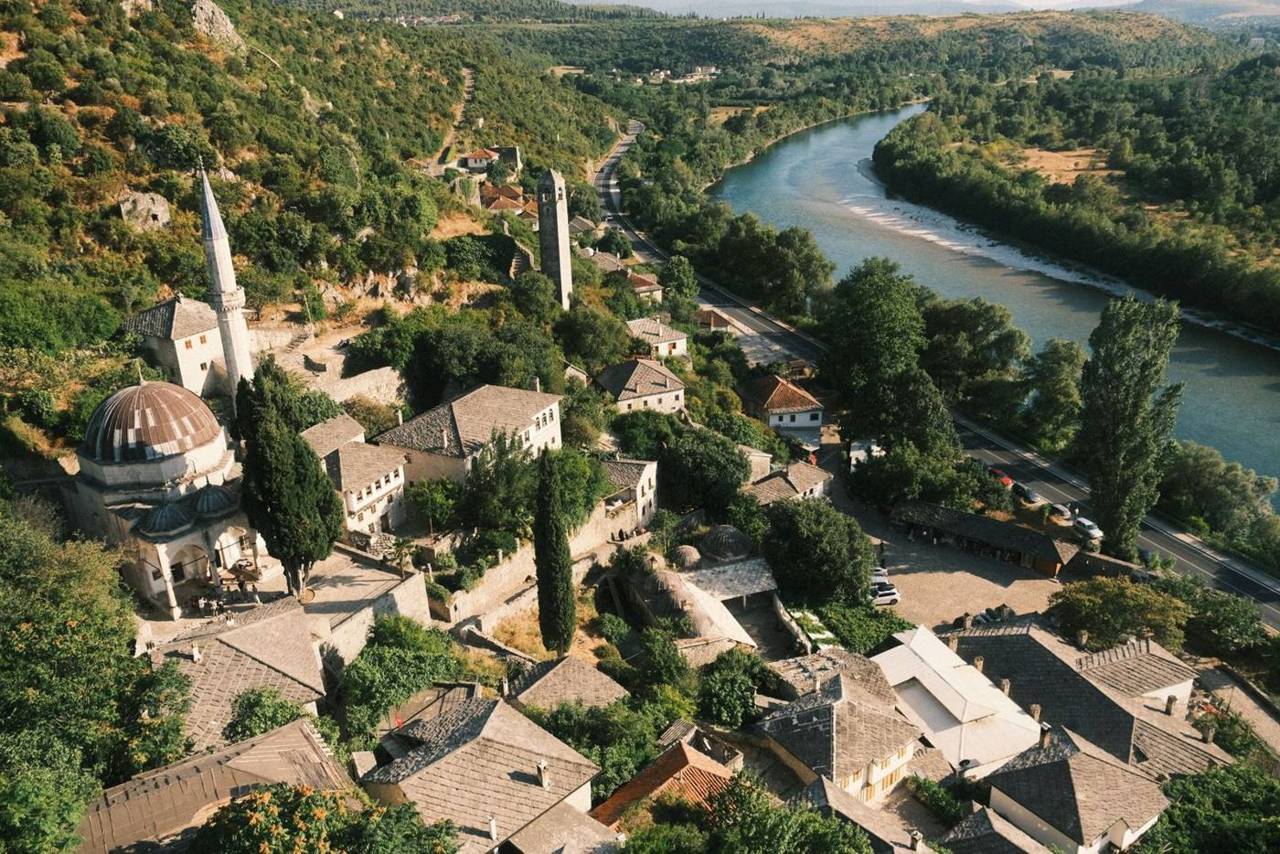
Počitelj and Stolac
The Ottoman stone village of Počitelj on the Neretva, the medieval stećci tombstones of Radimlja, Stolac with its mills and the Hutovo Blato marsh with its birds.
 3 daysEasy
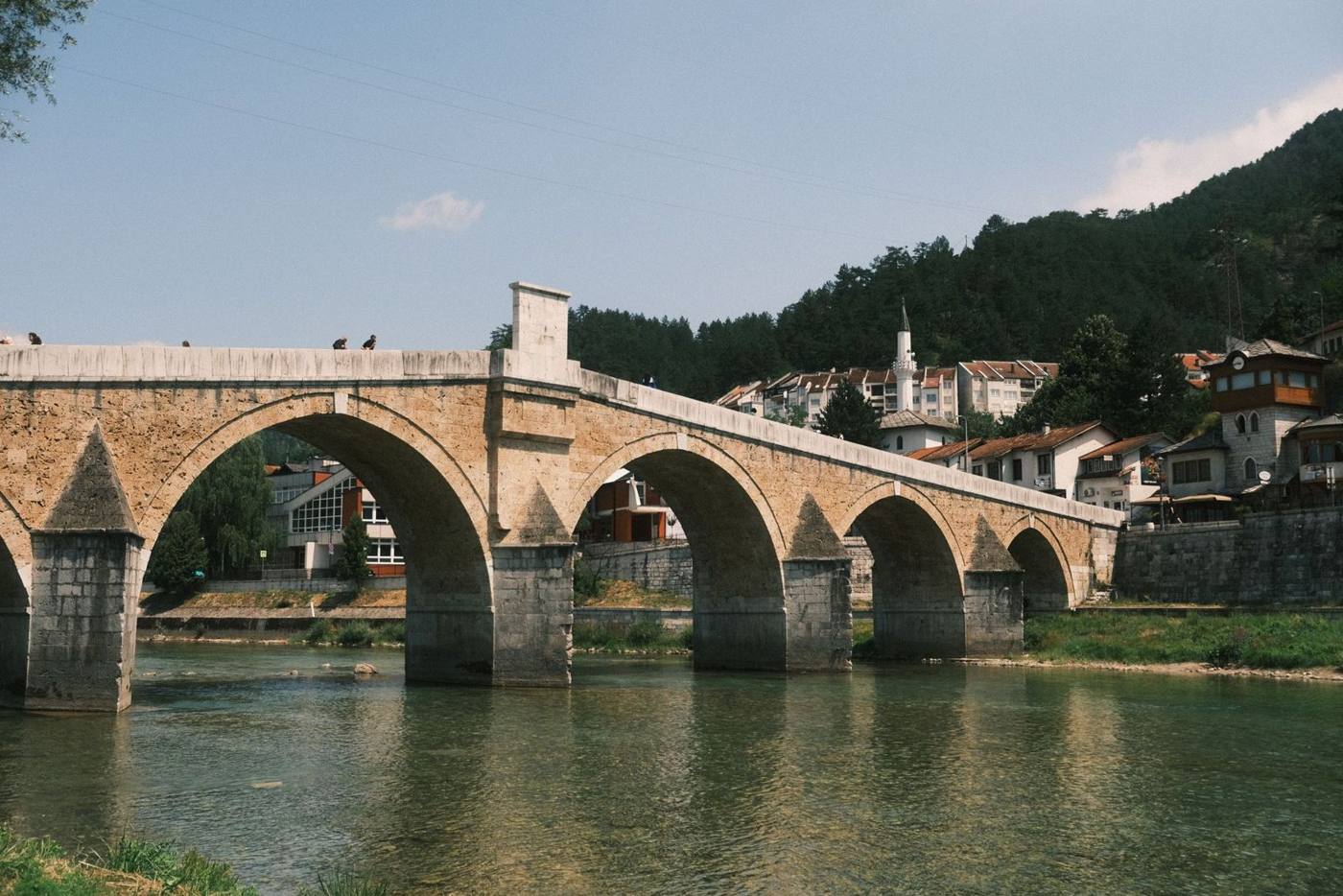
Konjic and Jablanica
Tito's secret nuclear bunker at Konjic, now an art gallery, the Ottoman bridge on the Neretva, Lake Jablanica and the destroyed bridge of the Battle of the Neretva.
 3 daysEasy
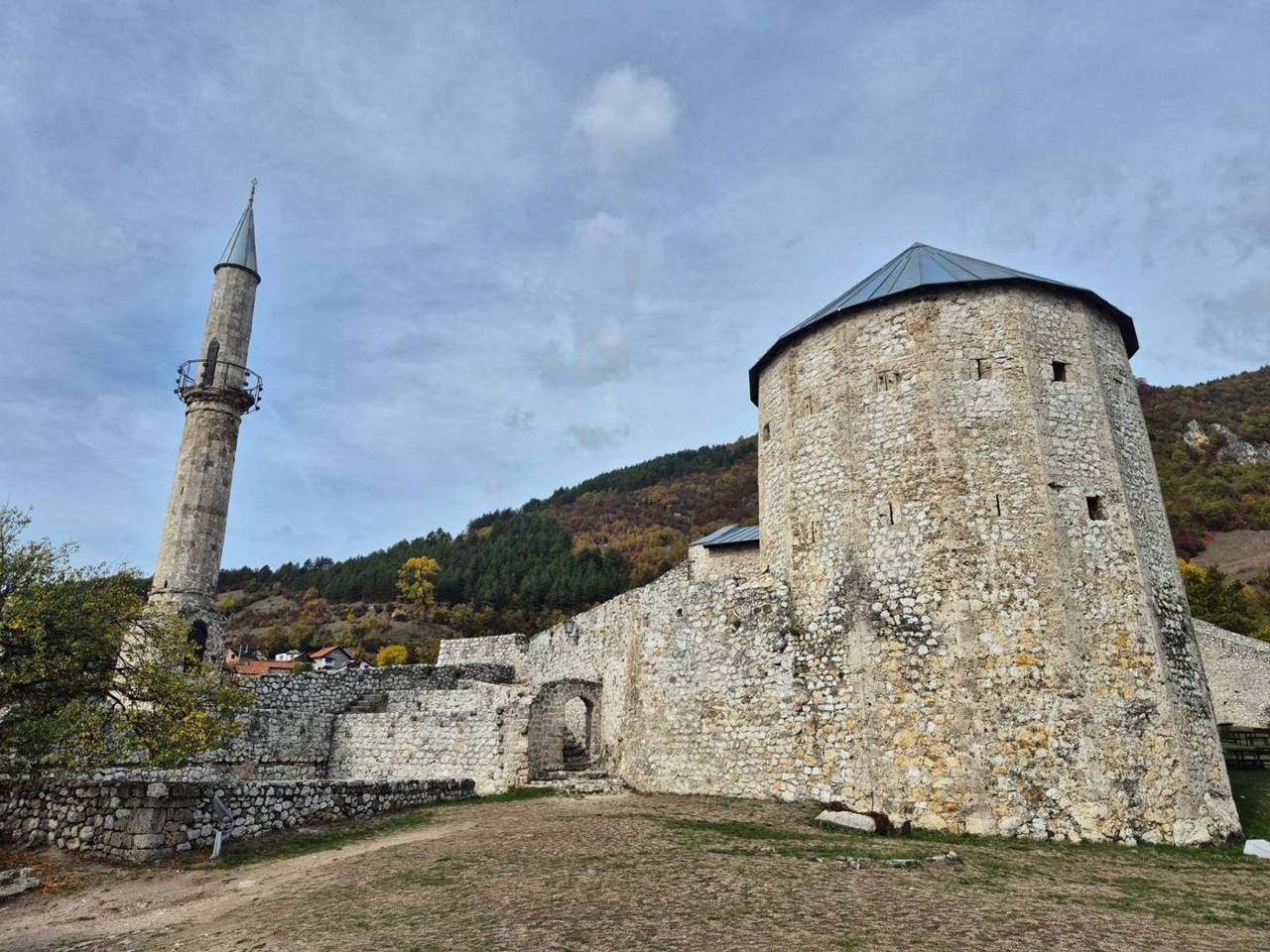
Travnik and central Bosnia
Travnik, the city of the viziers with its painted mosque and fortress, the Plava Voda spring, Vranduk fortress and the Franciscan monastery of Kraljeva Sutjeska.