Salvador da Bahia and the Chapada Diamantina
The Afro-Brazilian capital and the plateau of the diamond prospectors: canyons, waterfalls, caves with blue lakes and trekking in the Vale do Pati.
- Salvador de Bahia
- Lençóis
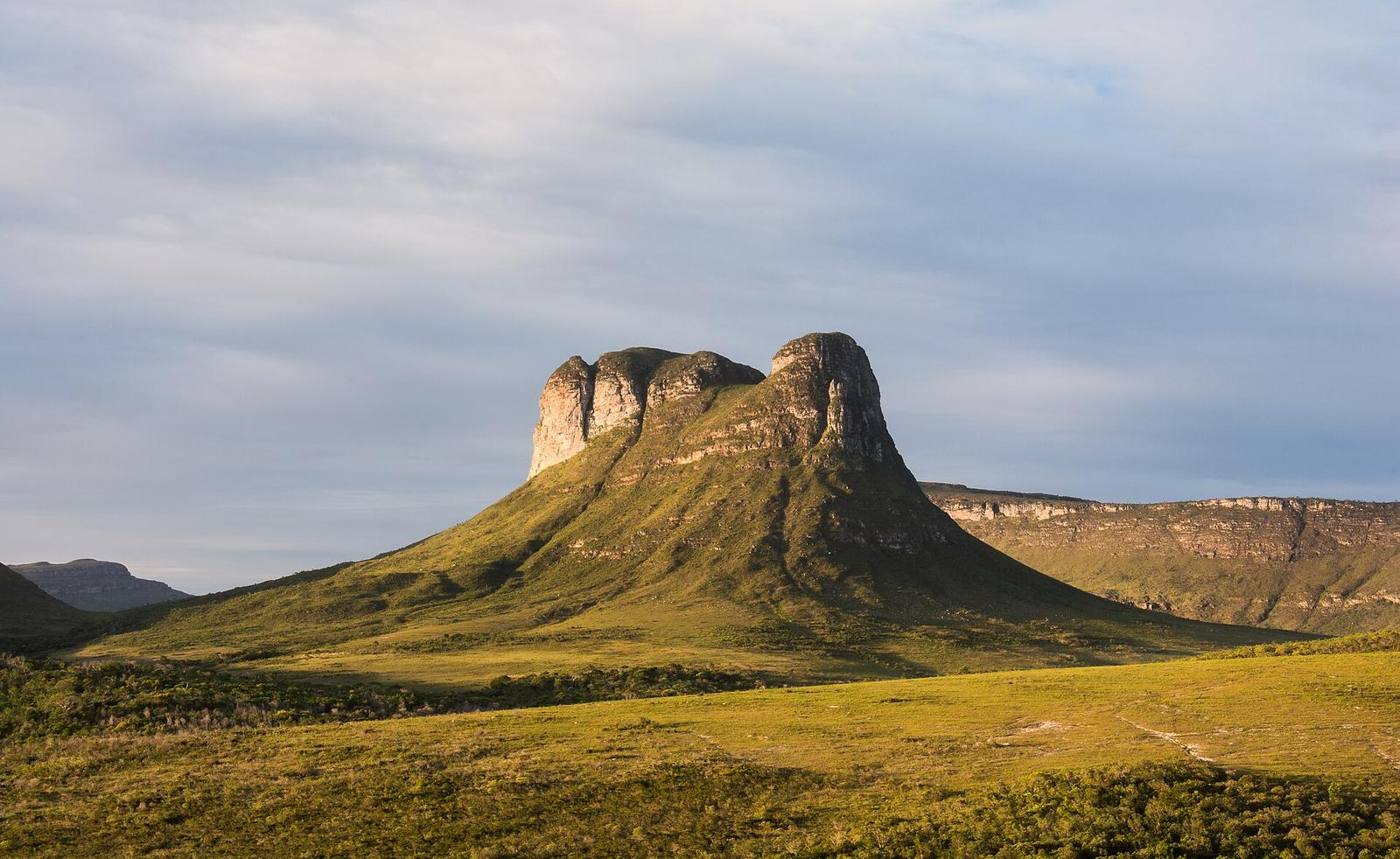
- Morro do Pai Inácio
- Poço Azul
- Vale do Pati
- Cachoeira da Fumaça
Day by day
- Day 1
Arrival in Salvador
This trip combines Salvador da Bahia, Brazil's first capital and the heart of Afro Brazilian culture, with the Chapada Diamantina, a plateau of flat topped mountains, canyons, waterfalls, caves and underground lakes in the interior of Bahia state, where diamonds were mined in the nineteenth century. At the centre of the trip is a three day trek in the Vale do Pati, staying with local families.
Before you leave: Italian citizens can enter Brazil as tourists without a visa, with a valid passport; other nationalities should check their own rules. The United States government rates Brazil at level 2, meaning exercise increased caution, mainly because of crime in the large cities: check the latest advice.
You fly into Salvador airport, about half an hour to an hour from the centre depending on traffic. Use an official airport taxi or a car booked through an app.
In the afternoon rest and, in the evening, walk around the Pelourinho, the city's historic upper town and a World Heritage Site, with sloping squares, colonial houses painted in pastel colours and Baroque churches. In the main streets you often hear music and see drumming groups rehearsing.
In the evening have Bahian food: moqueca, a fish or prawn stew with coconut milk and palm oil, or acarajé, bean fritters fried in palm oil and filled with prawns and sauces, sold by the baianas in white dresses.
Sleep in Salvador.
Practical tip: in Salvador do not wear jewellery or flashy watches or walk with your phone in your hand. In the evening get around by taxi.
- Day 2
Salvador: the Pelourinho and the lower town
Today you explore Salvador.
In the morning visit the church and convent of São Francisco in the Pelourinho, one of the richest Baroque churches in Brazil, its interior almost entirely covered in carved and gilded wood, with a cloister decorated with large panels of blue Portuguese tiles. Check opening hours and prices. Then walk to the Terreiro de Jesus, the large square with the cathedral, and to the Largo do Pelourinho, the sloping square where slaves were once publicly punished.
Also visit the Afro Brazilian Museum, which tells the story of the African roots of Bahian culture, with wooden carvings of the orixás, the deities of candomblé. Check opening hours and prices.
In the afternoon go down to the lower town on the Elevador Lacerda, a large Art Deco public lift linking the two parts of the city, with a view over the Bay of All Saints. Below is the Mercado Modelo, a craft market in an old customs building.
At sunset watch the sun go down over the sea from the Barra lighthouse, the oldest in Brazil, at the entrance to the bay, where people gather on the grass and clap when the sun disappears.
Sleep in Salvador.
Practical tip: in the Pelourinho do not stray from the main, busy streets, especially after dark.
- Day 3
The road to Lençóis
In the morning leave Salvador by bus or car heading west, about six or seven hours, across the Recôncavo plain, with its old sugar cane and tobacco plantations, and then the sertão, the arid interior of Bahia, with cacti, thorny shrubs and small towns. Direct buses usually leave in the morning and at night: check the times. Alternatively, there are flights to Lençóis on some days of the week: check.
In the afternoon, as you approach the Chapada Diamantina, the landscape changes: the flat topped mountains, the morros, and walls of red and grey sandstone appear.
You reach Lençóis, a colonial town at the foot of the mountains, founded in the nineteenth century during the diamond rush, with colourful houses, stone streets and the Lençóis river flowing over dark rocks and forming small waterfalls and pools for swimming. The historic centre is protected.
In the evening walk around the centre and arrange the following days' excursions with a local guide. On many trails in the national park and in private areas a guide is compulsory or strongly recommended: check the rules.
Sleep in Lençóis.
Practical tip: in the Chapada distances between sights are great and the roads are unpaved. Arrange a car with driver or guided tours.
- Day 4
Morro do Pai Inácio and the Lapa Doce cave
Today you visit some of the Chapada's most famous places.
In the morning go to the Lapa Doce cave, a large limestone cave you walk through for about a kilometre, with stalactites, stalagmites, high chambers and narrow passages, visited with a guide and lamps. Then visit the Pratinha cave, with a spring of turquoise water flowing out of the rock and forming a small natural pool for swimming, and the Gruta Azul, where in certain months a ray of sunlight turns the water an intense blue. Check opening hours and prices at the private sites.
In the afternoon visit the Cachoeira do Mosquito or the Mucugezinho river and the Poço do Diabo, a waterfall into a dark pool surrounded by rocks, where you can swim.
At sunset climb the Morro do Pai Inácio, a flat topped mountain over one thousand one hundred metres high, on a short steep path of about half an hour. From the top you see the whole valley, with the other flat mountains rising like islands. Sunset here is one of the most beautiful moments of the trip.
Come down by head torch.
Sleep in Lençóis.
Practical tip: always carry swimwear, hiking shoes and water sandals. Many excursions end with a swim in a river or pool.
- Day 5
Poço Azul and Poço Encantado
Today you visit two of the Chapada's most famous underground lakes, in the south east of the plateau, about two hours from Lençóis.
In the morning go to Poço Encantado, a cave with a deep and crystal clear lake. From April to September, in the middle of the day, a ray of sunlight enters through an opening in the rock and lights the water an intense blue, with reflections reaching right to the bottom, tens of metres down. Swimming is not allowed: the lake is protected and you look only from above, from a platform. Visitor numbers are limited. Check opening hours and prices.
In the afternoon go to Poço Azul, another underground lake, where with a wetsuit and mask you can snorkel in the transparent water and see fossils of prehistoric animals on the bottom. Here too the sunlight enters at certain hours and in the right months. The rules and the periods of the sunbeam change: check.
On the way back stop at Andaraí or at Igatu, a stone village half abandoned after the end of the diamond era, called the Machu Picchu of Bahia, with ruins of houses built from stone slabs.
Sleep in Lençóis or Andaraí.
Practical tip: to see the sunbeam in the lakes you must arrive at the right time. Plan the day with your guide.
- Day 6
Vale do Pati: down into the valley
Today the three day trek in the Vale do Pati begins, an isolated valley in the heart of the Chapada, surrounded by rock walls and flat topped mountains, where a few farming families live without roads, reachable only on foot or by mule. It is considered one of the finest treks in Brazil.
In the morning drive to Guiné or Andaraí, depending on the route, and start walking with your guide. From Guiné the path climbs along an old miners' route to a plateau, the Gerais do Vieira, with tall grass, flowers, rocks and mountain views.
In the afternoon you reach the Mirante do Pati viewpoint, from which you see the whole valley below, green, with sheer walls all around. Then go down a steep path to the valley floor.
In the evening sleep in a family home, where dinner is rice, beans, vegetables from the garden, cassava flour, fruit and coffee grown in the valley. The houses are simple, with rooms or mattresses, sometimes cold showers and limited electricity.
Sleep in a family home in the Vale do Pati.
Practical tip: bring a light pack with a torch, a small food supply, a quick dry towel and cash to pay the families, if it is not already included.
- Day 7
Vale do Pati: Morro do Castelo and the waterfalls
Today you stay in the Vale do Pati and walk without the heavy pack.
In the morning climb the Morro do Castelo, a castle shaped mountain in the middle of the valley, on a steep path leading to a large cave that runs right through the mountain. You go in with a head torch and come out on the other side, on a terrace from which you see the valley from another angle. From the top the view takes in the whole Vale do Pati.
In the afternoon walk along the river to one of the valley's waterfalls, such as the Cachoeira do Funil or the Cachoeirão, a series of falls dropping from walls tens of metres high, sometimes with little water in the dry season. Swim in the dark, cool pools, the colour of tea from plant tannins.
In the evening return to the family home for dinner and listen to stories of the valley, the life of the garimpeiros, the diamond prospectors, and the coffee grown in the mountains.
The night sky, far from any light, is full of stars.
Sleep in a family home in the Vale do Pati.
Practical tip: in the rainy season, between November and March, rivers can rise quickly. Always follow your guide's instructions at river crossings.
- Day 8
Vale do Pati: out of the valley
Today you leave the Vale do Pati.
In the morning say goodbye to the family who hosted you and walk downstream along the Pati river, through woods, abandoned fields and old stone houses, with many stream crossings. Then the path climbs steeply towards one of the passes closing the valley, sometimes called the Rampa, with a last view over the valley.
Depending on the route, you leave towards Andaraí, on a long path along the Paraguaçu river, or towards Guiné, partly retracing the outward path. The stage is long, six to eight hours, with climbs and descents.
In the afternoon you reach the exit point, where a car is waiting to take you back to Lençóis.
In the evening, after three days of walking, enjoy a hot shower and dinner at one of the places in Lençóis, with dishes from the sertão such as carne de sol, salted and dried beef, with cassava, or a moqueca.
Sleep in Lençóis.
Practical tip: after the trek check carefully for ticks. They are common in the tall vegetation of the Chapada. Wash and dry shoes and clothes soaked in the river crossings: tomorrow you walk again. If you have blisters, treat them with proper plasters before the next hike.
- Day 9
Cachoeira da Fumaça
Today you go to see the Cachoeira da Fumaça, the Smoke Waterfall, one of the highest waterfalls in Brazil, falling about three hundred and forty metres from a sheer wall. When it is windy the water never reaches the bottom: it turns into mist and blows back upwards like smoke, hence the name.
In the morning drive with your guide to the village of Vale do Capão, about an hour and a half from Lençóis, a quiet village among the mountains popular with travellers.
From here a path climbs steeply for about an hour to the plateau, then continues on the flat among rocks and grassland for about another hour to the edge of the waterfall. You lie face down on the flat rocks and look down into the void, where the water vanishes into mist. In all it is about six kilometres each way, returning the same way. At the start of the trail you register your name and pay a conservation fee: check.
In the dry season the waterfall may have very little water. The best time is after the rains.
In the afternoon relax in Vale do Capão, with its small shops and cafés, and try pastéis de jaca, pastries filled with jackfruit.
Sleep in Vale do Capão or Lençóis.
Practical tip: there are no railings at the edge of the waterfall. Stay lying down and do not lean out in strong wind.
- Day 10
Back to Salvador
Today you return to Salvador.
In the morning, if you have time before leaving, take a last walk near Lençóis, such as the Ribeirão do Meio, a river flowing over a single large sloping slab of rock, forming a natural water slide that ends in a pool, where children and adults slide down. It is about an hour's walk from Lençóis.
Then take the bus or car to Salvador, about six or seven hours, or the flight if there is one on the right day. On the way you cross the sertão and the Recôncavo again.
If the route allows, stop at Cachoeira, a colonial town on the Paraguaçu river in the Recôncavo, with colourful houses, Baroque churches and a strong candomblé tradition. In August it celebrates the festival of Boa Morte, organised by a sisterhood of Afro Brazilian women.
In the evening you arrive in Salvador.
Sleep in Salvador.
Practical tip: the return journey is long. Bring water, something to eat and a neck pillow for the bus. The air conditioning on buses is often very strong: keep a sweatshirt handy. At stops along the way, keep an eye on your luggage. If you reach Salvador in the evening, take a taxi from the bus station to your lodging.
- Day 11
Salvador and the Bay of All Saints
Today you explore the Bay of All Saints, one of the largest bays in the world, in front of Salvador.
In the morning take a boat trip among the islands of the bay, such as Ilha dos Frades, with sandy beaches and a small colonial church, and Itaparica, the largest island, with the village of Mar Grande and quiet beaches. Boats usually leave from the lower town harbour; in rough seas trips may be cancelled.
Alternatively, visit the church of Nosso Senhor do Bonfim, Salvador's most venerated church, on a hill on the Itapagipe peninsula, where the faithful tie the coloured Bonfim ribbons to the railings, making a wish with each knot. Inside is a room of votive offerings, thousands of objects and photographs left in thanks.
In the afternoon, if it is the right day, watch a capoeira roda, the Afro Brazilian martial art mixed with dance and music, at one of the schools in the Pelourinho, which often welcome visitors. Check times and rules.
In the evening have a last Bahian dinner.
Sleep in Salvador.
Practical tip: at the Bonfim church someone may tie a ribbon round your wrist and ask for an offering. Decline politely if you do not want one.
- Day 12
Departure
On the last day leave from Salvador airport, about half an hour to an hour from the centre depending on traffic. Plan your timing carefully, especially at rush hour.
If your flight leaves in the afternoon, in the morning you can visit the Santo Antônio Além do Carmo neighbourhood next to the Pelourinho, quieter, with colourful houses, small guesthouses and views over the bay, or the Bahia Museum of Modern Art, in the Solar do Unhão complex, an old estate by the sea. Check opening hours and prices.
Before leaving buy something to take home: Bonfim ribbons, musical instruments such as the capoeira berimbau, wood and straw crafts, Bahian cachaça, coffee from the Chapada Diamantina and chocolate from southern Bahia, where cocoa is grown.
This trip combines Brazil's most African city, with its music, food and Baroque churches, and the nature of the Chapada Diamantina: flat topped mountains, canyons, underground lakes full of blue light, waterfalls that turn to mist and an isolated valley where you sleep with farming families.
Practical tip: keep your passport and phone safe right up to boarding. In crowded places watch out for pickpockets. At the airport carry your backpack in front of you at all times.
In my view Brazil's finest trek, little known in Europe. The Vale do Pati suits regular walkers: moderate climbs but heat. The light in the Poços is perfect only at certain hours and months (April-September, around midday).
Before you go
- Documents and visa
- Valid passport; no visa for tourism up to 90 days for EU citizens.
- Health and vaccines
- No compulsory vaccines arriving from Europe; yellow fever is recommended for the Amazon and some inland areas. Protect yourself against mosquitoes because of dengue. Emergencies: 190 police, 192 ambulance, 193 fire.
- Money and payments
- Brazilian real. Cards and instant payments are everywhere; carry little cash.
- Power sockets
- Type N, plus C, 127 or 220 volts depending on the city: check the voltage before plugging in devices.
- Time zone
- Rio and São Paulo are UTC-3 all year: Brazil does not use daylight saving time.
- Safety
- The United States rates Brazil level 2 for crime, with level 4 within 160 km of land borders (except Foz do Iguaçu and the Pantanal). No favelas without a community guide. Official advice: GOV.UK.
Information checked in November 2026 for Italian and EU citizens. Rules change: always check before you travel.
Variations
In 7 days: Salvador and Lençóis, with Morro do Pai Inácio, the underground lakes and the Cachoeira da Fumaça, without the Vale do Pati trek.
In 15 days: add the Maraú peninsula or Morro de São Paulo, on the coast south of Salvador.
Frequently asked questions
Do I need a visa for Brazil?
No: Italian citizens can enter Brazil as tourists without a visa, with a valid passport. Other nationalities should check their own rules. Check the latest rules before travelling.
Do I need a guide in the Chapada Diamantina?
On many trails in the park and in private areas a local guide is compulsory or strongly recommended. For the Vale do Pati a guide is essential.
Is Salvador safe?
The United States government rates Brazil at level 2. In Salvador stay in busy areas, do not display valuables and take taxis in the evening.
Indicative itinerary written by World Atlas. Before booking, check timetables, seasonal openings, documents and safety.
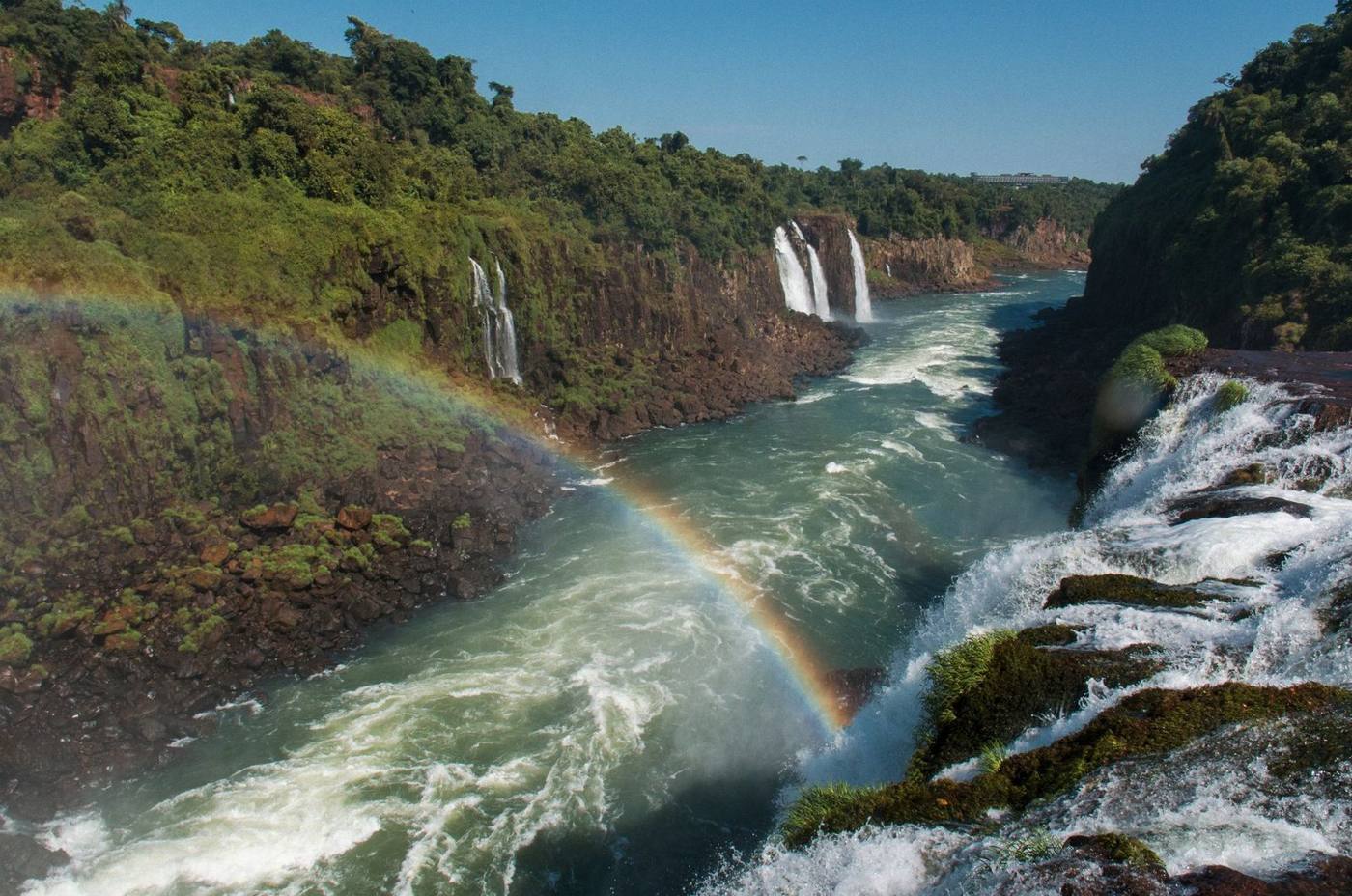 7 daysEasy
Rio de Janeiro and the Iguaçu Falls
South America's most spectacular city and its mightiest falls, seen from both sides of the border.
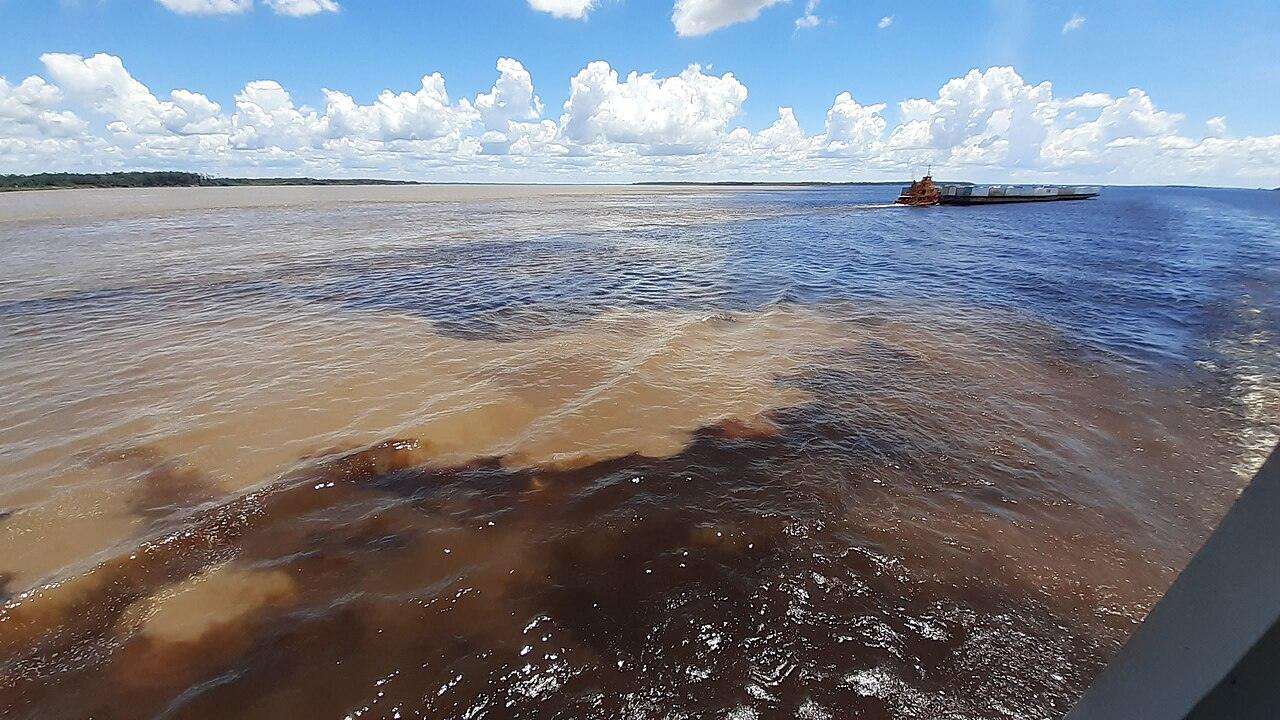 15 daysModerate
Pantanal, Amazon and Rio
The jaguars of the Pantanal, a lodge in the Amazon rainforest and a finale in Rio de Janeiro.
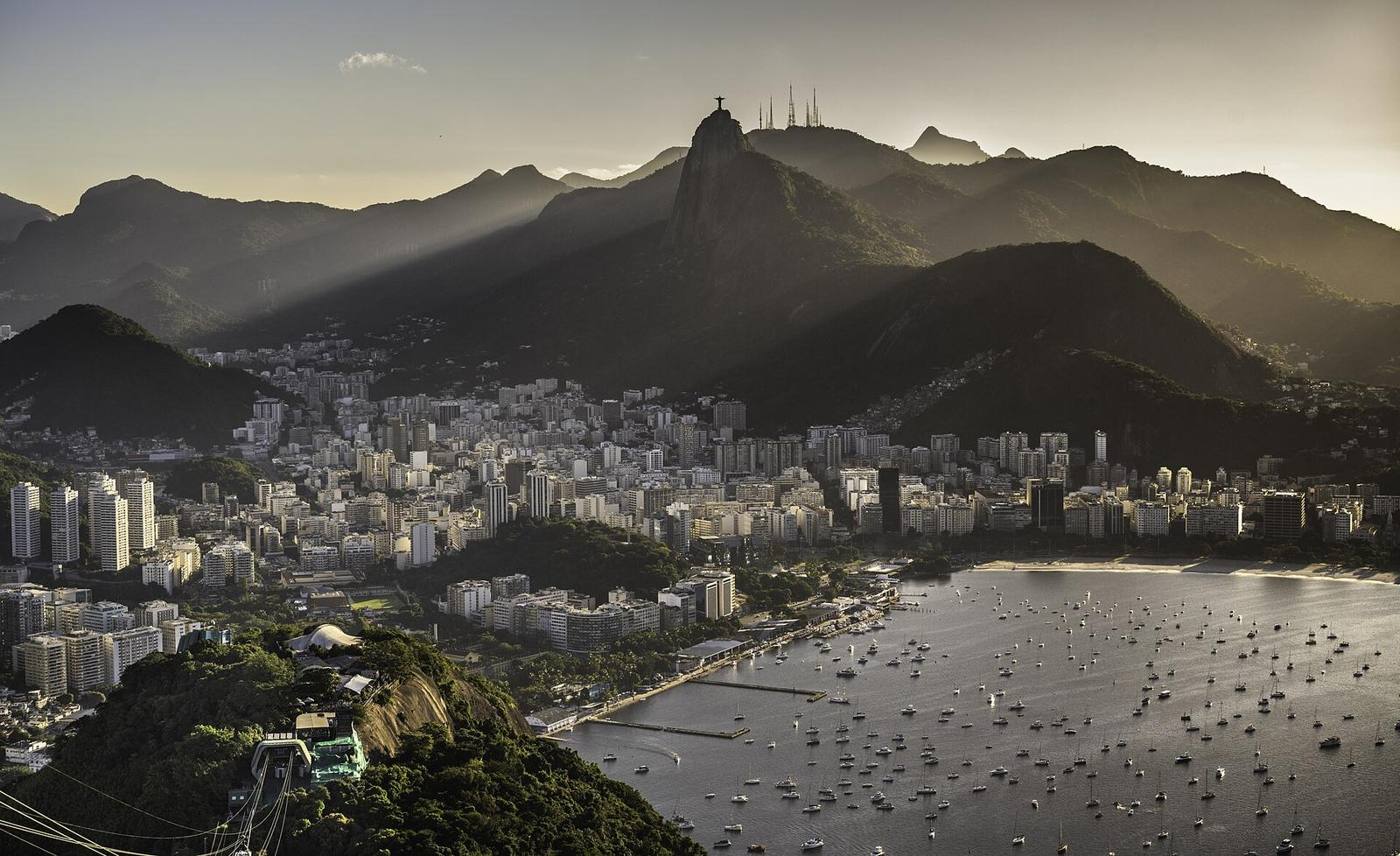 12 daysEasy
Brazil express: Rio, Iguaçu and Salvador da Bahia
Postcard Brazil in under two weeks: Sugarloaf Mountain, the world's mightiest falls and the most African city in the Americas.