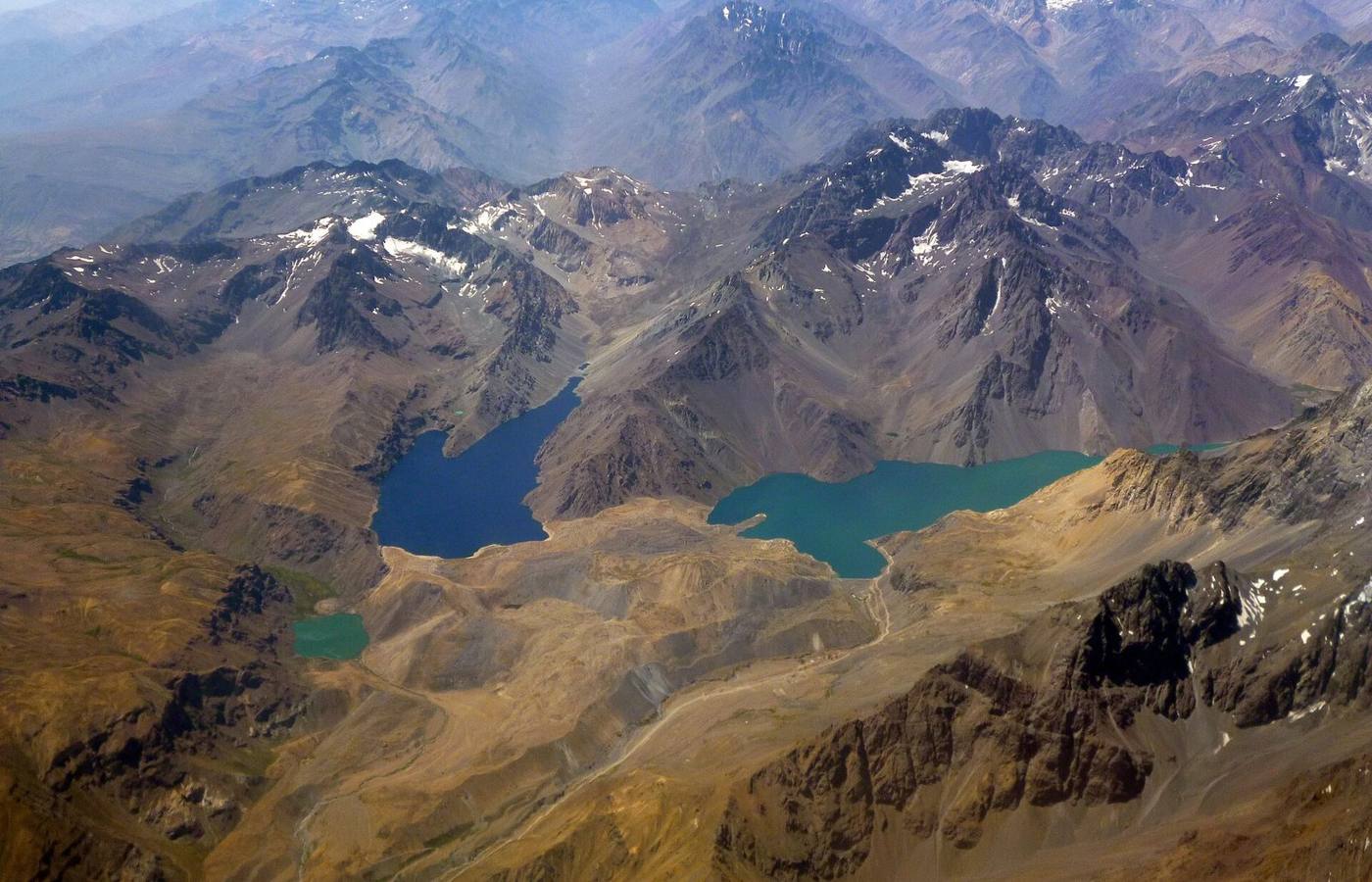
Cajón del Maipo and the Andes of Santiago
The Andes an hour and a half from the capital: the Maipo river gorge, the turquoise El Yeso reservoir, the trail to San Francisco Glacier in El Morado Natural Monument, mountain hot springs and rafting on the Maipo.
- Santiago
- San José de Maipo
- Embalse El Yeso
- El Morado
- Baños Morales
Day by day
- Day 1
From Santiago to San José de Maipo and rafting on the Maipo
EU citizens can enter Chile without a visa for tourism for up to ninety days with a valid passport; check the rules for your nationality. On arrival you receive an entry slip to keep until departure.
The Cajón del Maipo is the great valley of the Maipo River, descending from the Andes south-east of Santiago, about an hour from the capital. It is where Santiago's residents go hiking, rafting, skiing and relaxing at weekends: in a few hours you pass from the vineyards of the central valley to glaciers and volcanoes above three thousand metres. The best season is October to April, in the southern spring and summer; in winter, June to August, the upper valley has snow and some roads close.
For this trip it is best to rent a car, or book excursions with transfers from Santiago. In the morning drive to San José de Maipo, the valley's main town, with its colonial church and old hospital, where in the nineteenth century tuberculosis patients came to recover in the clean mountain air.
In the afternoon try rafting on the Maipo River with local operators, on the stretch between San José and San Alfonso, with medium-difficulty rapids suitable for beginners with guides. The descent takes about an hour and a half between the valley walls.
In the evening stay in a mountain cabin or small guesthouse in San Alfonso or San Gabriel, further up the valley, and have empanadas, pastries filled with meat, and a glass of Chilean wine.
Practical tip: the Maipo is cold with strong currents; raft only with licensed operators, wearing a helmet and life jacket.
- Day 2
Embalse El Yeso and the mountain lagoons
In the morning drive up to Embalse El Yeso, a reservoir at the foot of the Andes at about 2,500 metres, one of the Cajón del Maipo's most famous landscapes, about an hour and a half from the valley floor.
The road leaves the main valley at San Gabriel and becomes unpaved, with bends, ups and downs and stretches along the river; in good weather it is passable in an ordinary car driven carefully, but after rain or with snow it may be closed. As you climb the landscape changes: the mountains become bare, with red, yellow and grey rock and glaciers on the peaks.
The lake is an intense turquoise that changes with the light, surrounded by mountains over four thousand metres high. You walk along the shore, have a picnic and watch Andean birds, condors soaring high above the ridges, and sometimes guanacos.
Beyond the lake the road continues towards the Termas del Plomo and the Los Patos and Los Morados lagoons, small clear mountain lakes reached on short walks.
In the afternoon head back down to the valley. On the way, in San José, try local sweets such as chilenitos, biscuits filled with manjar, sweet milk caramel.
Practical tip: the lake is cold and windy even in summer and the sun is very strong; bring a jacket, sun cream, water and food, as there are no shops.
- Day 3
The El Morado trail to the lagoon below the glacier
Today is the valley's finest walk, in El Morado Natural Monument, a small protected area at the head of the Cajón del Maipo near the village of Baños Morales, about two hours from Santiago. The area is managed by the Chilean forest service, CONAF; entry is charged and usually bought online on the official parks website. The park is usually open from the southern spring to autumn and may close in winter because of snow: check beforehand.
The trail, about eight kilometres one way, climbs in about three hours from the Baños Morales car park at about 1,800 metres to El Morado lagoon at about 2,400 metres. You walk up a valley of mountain meadows, streams and coloured rock, with Cerro El Morado and the San Francisco glacier ahead. The lagoon, at the foot of the hanging glacier, reflects the mountains in its green water.
You return on the same trail in about two hours. Along the way you often see condors, and vizcachas, rabbit-like animals with long tails, on the rocks.
In the evening stay in Baños Morales or the area's refuges under a starry sky, far from city lights.
Practical tip: the trail climbs about six hundred metres and you will feel the altitude; set off early with water, a hat, sun cream and warm layers, and respect the trail closing time posted at the entrance.
- Day 4
The Baños Morales hot springs and back to Santiago
In the morning relax in the Baños Morales hot springs, small open-air pools of warm, mineral-rich, yellowish water surrounded by mountains. Alternatively, higher up, the Termas Valle de Colina, reached by a dirt road, are natural pools cut into the rock on the mountainside, with views of the San José volcano; they are usually open only in the warm season.
Then start the descent to Santiago. On the way stop at Cascada de las Animas, a private reserve near San Alfonso with a trail to a waterfall in a canyon, visited with the reserve's guides, or at one of the wineries and farms on the valley floor producing wine, honey and goat's cheese.
In the afternoon return to Santiago, about an hour and a half away. If you have time before departure, take the funicular up Cerro San Cristóbal, the hill in the city centre, for views of the capital and the snowy Andes, clearest after rain when the smog lifts.
Santiago airport is about twenty to thirty minutes from the centre.
Things to take home: Chilean wine, valley honey, lapis lazuli jewellery, a blue stone mined in Chile, copper crafts and woollen sweaters.
Practical tip: between the Andes and Santiago temperatures vary greatly from day to night; dress in layers. Check your government's travel advice before leaving.
A great add-on to any trip through Santiago. The upper roads are unpaved and may close for snow in winter; El Morado closes in the cold months and has entry hours. The sun at altitude is strong: bring sunscreen and water. Italians need no tourist visa for up to 90 days. The United States keeps Chile at level 2 (caution) for crime and unrest: watch out for pickpockets in cities.
Before you go
- Documents and visa
- Valid passport; no visa for tourism up to 90 days for EU citizens. On arrival you receive the PDI electronic slip, to be kept until you leave.
- Health and vaccines
- No compulsory vaccines arriving from Europe. In the Atacama Desert and the Andes beware of altitude sickness. Emergencies: 131 ambulance, 132 fire, 133 police.
- Money and payments
- Chilean peso. Cards are accepted almost everywhere; carry some cash in parks and villages.
- Power sockets
- Types C and L, 220 volts: European two-pin plugs almost always fit.
- Time zone
- UTC-4 in the southern winter and UTC-3 from September to April. The Magallanes region stays on UTC-3 all year.
- Safety
- The United States rates Chile level 2 for crime and civil unrest, with protests in the Araucanía region. In Santiago and Valparaíso watch out for pickpockets. Official advice: GOV.UK.
Information checked in November 2026 for Italian and EU citizens. Rules change: always check before you travel.
Variations
In 2 days: Embalse El Yeso on day one and the El Morado trail on day two, with a night in Baños Morales.
In 7 days: add Valparaíso and Viña del Mar on the coast, or the Colchagua wine valley south of Santiago.
Frequently asked questions
Do I need a visa for Chile?
EU citizens need no visa for tourist stays of up to ninety days, with a valid passport.
When is the best time for the Cajón del Maipo?
October to April, in the southern spring and summer. In winter the upper valley has snow and some roads and trails close.
Do I need to book El Morado?
Entry is charged and usually bought online on the official Chilean parks website. Also check the seasonal opening beforehand.
Indicative itinerary written by World Atlas. Before booking, check timetables, seasonal openings, documents and safety.
 5 daysEasy
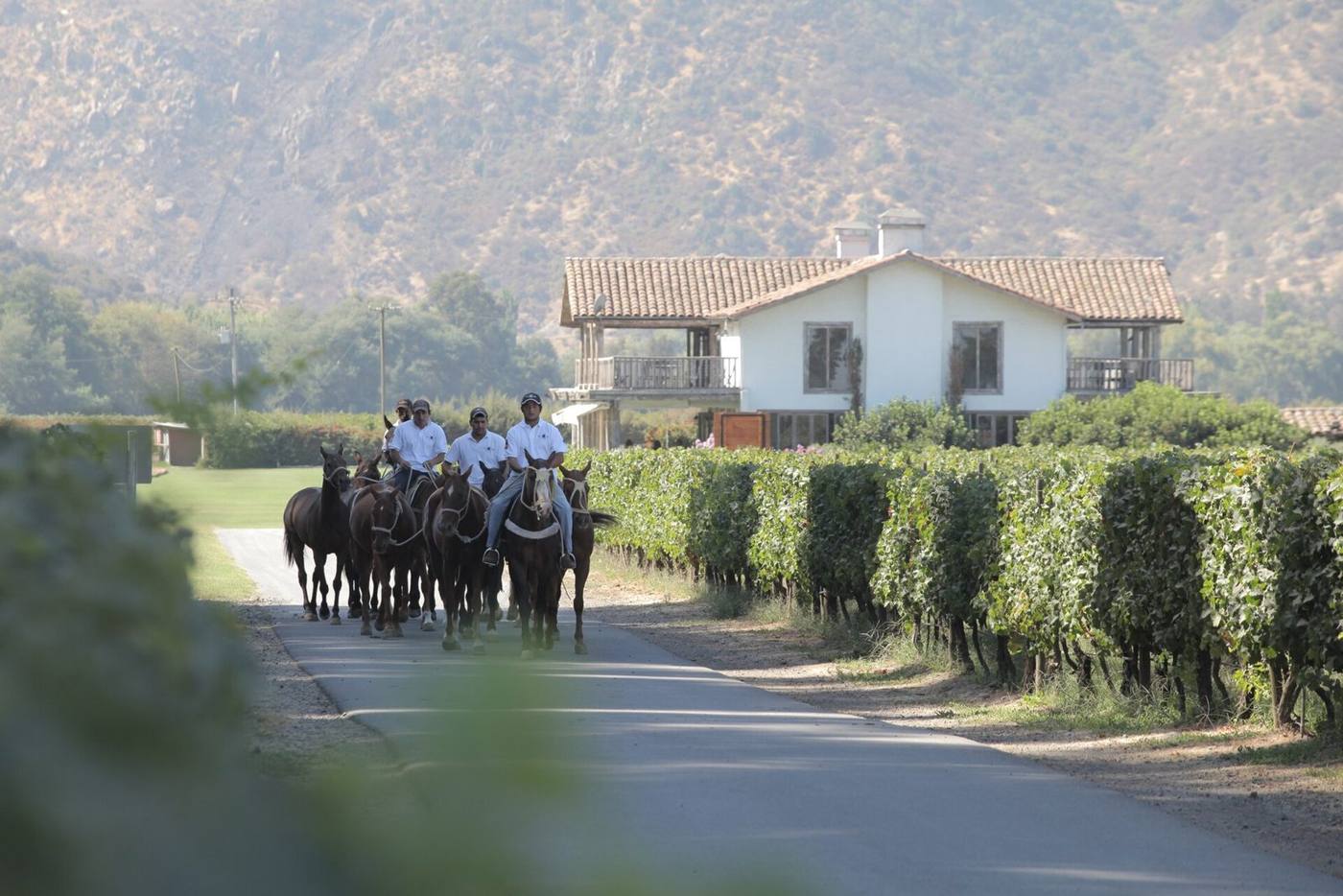
Colchagua Valley and Pichilemu
Chile of wine and surf: the wineries of the Colchagua Valley around Santa Cruz, known for carménère, colonial villages with adobe houses, then the Pacific at Pichilemu, the capital of Chilean surfing, and the artisanal salt pans of Cáhuil.
 5 daysModerate
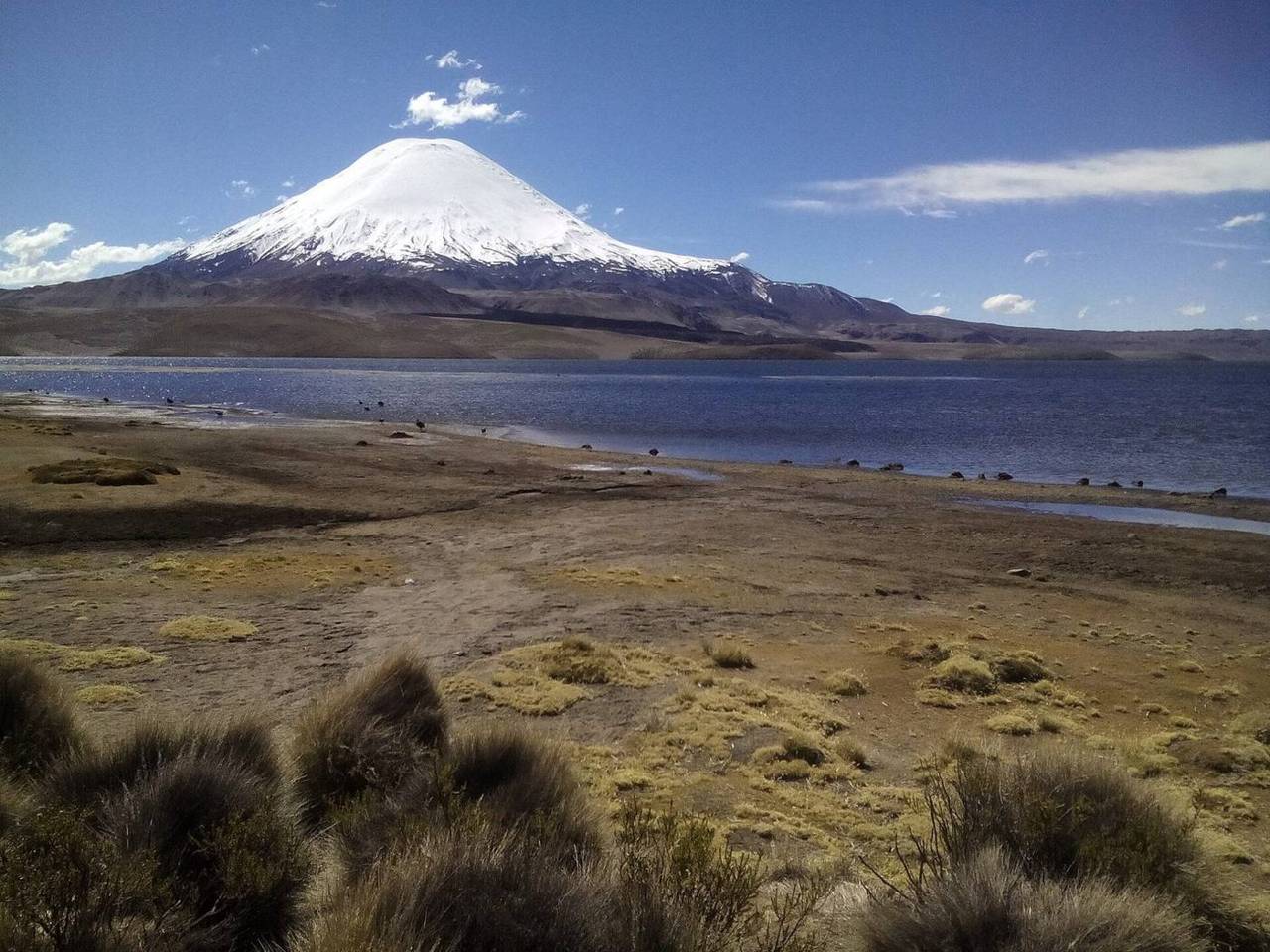
Arica, Putre and Lauca National Park
The Andean altiplano in the far north: Arica on the Pacific and the Chinchorro mummies, a UNESCO World Heritage site, the climb to Putre past geoglyphs, Lake Chungará below Parinacota volcano, vicuñas, alpacas and flamingos, and the small Aymara churches of straw and mud.
 5 daysEasy
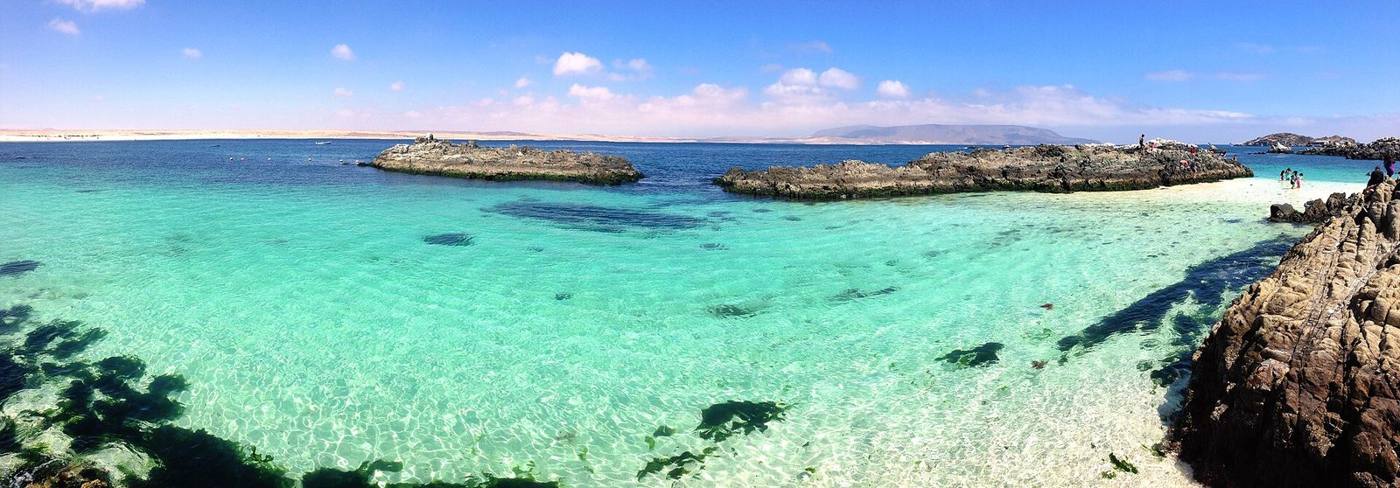
Pan de Azúcar and Bahía Inglesa
Where the Atacama Desert meets the Pacific: Pan de Azúcar National Park with Humboldt penguins, cacti in the coastal fog and white beaches, Bahía Inglesa with its turquoise sea and, after a rainy winter, the flowering desert.