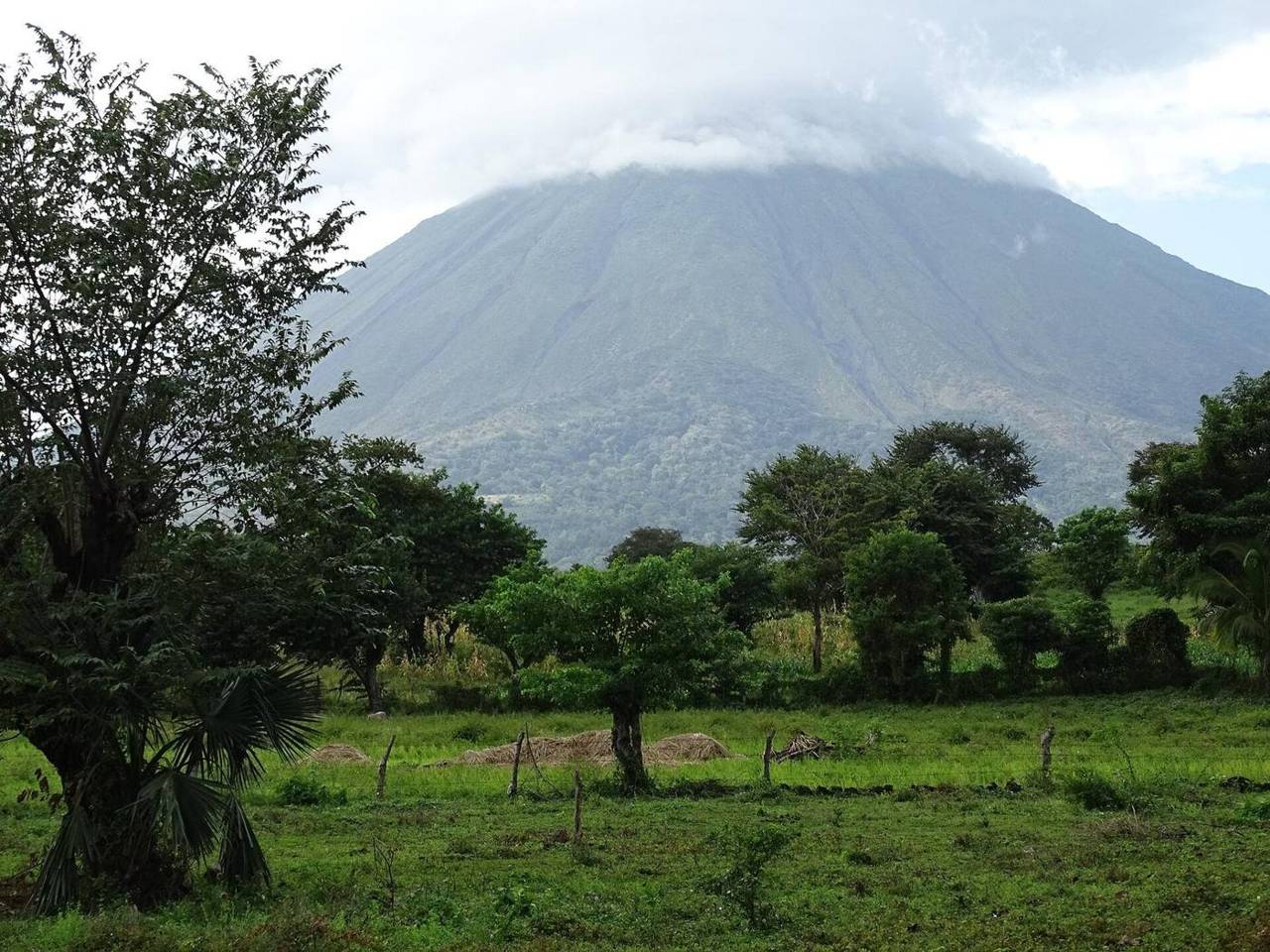
Nicaragua, Costa Rica and Panama
Three Central American countries: Nicaragua's colonial cities and volcanoes, Costa Rica's nature, Bocas del Toro, the Panama Canal and San Blas.
- Managua
- León
- Granada
- Ometepe
- Arenal
- Monteverde
- Puerto Viejo
- Bocas del Toro
- Panama City
- San Blas
Day by day
- Day 1
Arrival in Managua
This three-week trip crosses three Central American countries: the colonial cities and volcanoes of Nicaragua, Arenal and the cloud forest of Costa Rica, the Caribbean coast at Puerto Viejo, then Bocas del Toro, the Panama Canal and the San Blas islands.
Before you go: Italian citizens enter Nicaragua without a visa for tourism for up to 90 days, with a passport valid for at least six months; on arrival you pay 10 dollars in cash for the tourist card, and you are advised to fill in the Interior Ministry's online form beforehand. Drones are banned and are seized at customs, and professional photo equipment and binoculars can also be seized. They enter Costa Rica without a visa for up to 180 days, with a passport valid for at least 90 days from entry and a return ticket. They enter Panama without a visa for up to 90 days, with a passport valid for at least three months and a ticket out of the country. At land borders you may be asked for an onward ticket and small fees are charged: carry US dollars in cash and check the latest rules. Panama's authorities recommend the yellow fever vaccine for visitors to Guna Yala. Other nationalities should check their own rules. Some areas on this trip are close to borders or places where the situation changes often: check your government's travel advice before booking and again before you leave.
On arrival take an official taxi or the transfer you have booked. If you land early, go straight to León, about two hours away by road; otherwise sleep near the airport and leave the next morning. Do not drive at night.
Practical tip: avoid political comments in Nicaragua, including on social media, and do not join demonstrations.
- Day 2
León, the white cathedral and Rubén Darío
Today you discover León, Nicaragua's university city, hot, lively and full of colonial churches and murals.
Start at the Cathedral of the Assumption, the largest in Central America and a UNESCO World Heritage Site. Inside, in the half-light, lies the tomb of Rubén Darío, the national poet, father of modernism in Spanish-language poetry. Then climb onto the roof: take off your shoes and walk barefoot among the white domes, which shine in the sun. From here you see the city's bell towers and, on the horizon, the chain of volcanoes. Check prices and times.
In mid-morning visit the Rubén Darío house museum, a few blocks away, with the furniture, books and objects of his life. Then walk through the streets of the centre and look at the churches of La Recolección, yellow and ornate, and San Juan Bautista de Subtiava, in the indigenous district, one of the oldest in the city.
In the hottest hours rest in the shade: in León the sun is strong almost all year. In the late afternoon go back to the square, where families and students chat under the trees and vendors sell ice cream and cut fruit.
In the evening try quesillo, a warm maize tortilla with soft cheese, pickled onion and cream, or gallo pinto, rice and red beans fried together.
Practical tip: on the cathedral roof the white surface reflects the sun strongly; wear dark glasses and go up early in the morning or late in the afternoon.
- Day 3
Cerro Negro, sandboarding down the volcano
Today you live León's most famous adventure: sliding down the black ash of Cerro Negro on a board. It is one of the youngest volcanoes in Central America, born in 1850 among the fields.
Leave in the morning with a group and a guide. In about an hour you reach the entrance of the protected area and start climbing on foot with the board on your shoulders. The path is steep, over stones and volcanic gravel, and the sun is strong, but the climb takes less than an hour. From the top you see the smoking craters of the nearby volcanoes, the green fields and, under a clear sky, the Pacific Ocean.
At the top the guide gives you overalls, goggles and gloves. You sit on the board, or stand on it if you are experienced, and slide down the side of the volcano. The descent lasts a few minutes, but it is intense and leaves dust everywhere. Listen carefully to the instructions for braking with your heels and keep your distance from whoever goes down before you.
In the afternoon cool off on the nearby coast, at Las Peñitas or Poneloya, where you eat fish by the sea and watch the sunset over the Pacific. Waves and currents are strong: swim only where local people do and do not go far from the shore.
In the evening return to León and stroll among the lights of the centre.
Practical tip: wear long trousers and closed shoes, and carry at least two litres of water; the volcanic gravel gets very hot and the stones cut easily.
- Day 4
Granada and the lake islets
Today you leave León and head south to Granada, on the shore of the great Lake Nicaragua. By car it takes a few hours: avoid central Managua and leave early.
Granada is one of the oldest colonial cities on the continent. In the afternoon walk in the main square with the yellow cathedral, among the low houses with inner courtyards full of plants, and along the Calzada, the pedestrian street that runs down to the lake. Climb the bell tower of La Merced church to see the red-tiled roofs and Mombacho volcano. Check prices and times.
Around four in the afternoon, when the heat eases, go to the harbour and take a boat to the Granada islets. They are hundreds of small islands born from an ancient eruption of Mombacho. The boat glides through quiet channels, past fishermen's houses, gardens and trees full of herons and cormorants. Small monkeys live on some islands. You also pass the fort of San Pablo, built to defend the city from pirates. Check prices and times with the boatman before leaving.
At sunset the lake turns orange and the volcano becomes a dark silhouette.
In the evening try vigorón, Granada's typical dish, with boiled cassava, cabbage salad and crispy pork crackling served on a banana leaf.
Practical tip: in Granada use only official taxis in the evening and do not walk alone in dark streets away from the centre.
- Day 5
Masaya market and the volcano with lava
Today you visit the Masaya area, between crafts and an active volcano.
In the morning go to the Masaya craft market, less than half an hour from Granada. Under the arcades of an old stone building you find colourful hammocks, ceramics, wooden and leather goods, and naive paintings from the Solentiname islands. It is the best place in the country for souvenirs. Bargain politely.
Then, if you like, stop in Catarina, a village on the rim of a large caldera, and look down on the Laguna de Apoyo, a volcanic lake with blue water.
In the afternoon rest, then towards sunset enter Masaya Volcano National Park. A paved road climbs to the rim of Santiago crater. When conditions allow, from the viewpoint you see the lava lake bubbling at the bottom of the crater, tinting the smoke red. In the dark the lava shows better and the sight is impressive.
Visits are short and controlled by rangers, and the park can close suddenly because of gas or small tremors, which are frequent here. Respect the barriers and instructions. Check prices and times before you go.
In the evening return to Granada and have grilled meat and fried plantain for dinner.
Practical tip: if you have breathing problems, stay only briefly on the crater rim and keep upwind; the gases irritate the throat and eyes.
- Day 6
Ometepe, the island of two volcanoes
Today you reach Ometepe, the island formed by two volcanoes in Lake Nicaragua. From Granada drive to the port of San Jorge, near Rivas, in about an hour and a half. From here the ferry to Moyogalpa takes about an hour.
During the crossing look at the island: the almost perfect cone of Concepción, 1,610 metres high and still active, and next to it Maderas, lower and covered in forest. The two mountains are joined by a narrow, low isthmus.
In Moyogalpa take a car with a driver or, if you are experienced, a scooter, and drive east on the road that circles Concepción. You pass banana fields, quiet villages and cows crossing the road.
In the afternoon stop at Ojo de Agua, a natural pool fed by a spring under the trees, with clear, cool water. Check prices and times at the entrance. Then reach Santo Domingo beach, on the isthmus, to watch the sunset over the two volcanoes.
Sleep in this area, handy both for Maderas and for touring the island. In the evening try fish from the lake, guapote or mojarra, fried whole with rice and salad.
Ometepe is quiet and slow: in the evening you hear only crickets and, in the distance, howler monkeys.
Practical tip: on Ometepe cash machines are few and sometimes empty; carry US dollars in new notes and enough córdobas for your days on the island.
- Day 7
San Ramón waterfall and Punta Jesús María
Today you explore Ometepe on foot and by car, among forest, petroglyphs and lake beaches.
In the morning walk to San Ramón waterfall, on the side of Maderas. The path climbs through forest with big trees, butterflies and monkeys, and reaches a rock wall from which the water falls in a thin veil. The walk takes a few hours there and back and is slippery after rain. Check prices and times. If you are very fit and want the summit of Maderas, leave at dawn with a local guide, who is required, and plan for the whole day.
In the afternoon tour the island. Stop at a petroglyph site, with rocks carved with spirals, animals and human figures by ancient peoples: ask your guide where they are. Then visit Charco Verde, a small reserve with a green lagoon and an easy trail, where you see iguanas and birds.
At sunset go to Punta Jesús María, a long tongue of sand running into the lake. From here Concepción is reflected in the water and the sky turns pink.
If you ride a scooter, wear a helmet and get back before dark: some roads are dirt tracks, with potholes, stones and animals.
Practical tip: book the morning ferry to San Jorge today and ask for confirmation of the times; tomorrow is a long day and the border can take time.
- Day 8
The Peñas Blancas border and Costa Rica
Today you leave Nicaragua and enter Costa Rica at the Peñas Blancas border, on the Pan-American Highway. It is the most used land crossing between the two countries.
Take the first ferry from Ometepe to San Jorge, then a taxi or your transfer to the border, less than an hour away. On the Nicaraguan side get your exit stamp and pay the small fees required; then walk to the Costa Rican side, where you get your entry stamp. Have your passport, a ticket out of Costa Rica and US dollars in cash ready. Queues can be long, especially in the middle of the day and on public holidays.
Be careful with money changers and middlemen offering help with the forms: they are not needed. Use only the official offices and never lose sight of your luggage.
After the border the road crosses Guanacaste province, with dry pastures, lone trees and volcanoes on the horizon. Continue to La Fortuna, at the foot of Arenal volcano, in a few hours. If the border has slowed you down a lot, sleep in Liberia and set off the next morning: in Costa Rica, as in Nicaragua, avoid driving at night.
Once in La Fortuna, look at the cone of Arenal above the town, if the clouds let you see it.
In the evening have a casado, a plate with rice, beans, plantain, salad and meat or fish.
Practical tip: change your leftover córdobas before the border; in Costa Rica they are hard to exchange, while colones and dollars are used everywhere.
- Day 9
Arenal volcano and La Fortuna waterfall
Today you explore Arenal volcano and the forest around it.
Early in the morning enter Arenal Volcano National Park. The trail crosses old lava flows, now covered in bushes and young trees, to a viewpoint with the cone in front of you and Lake Arenal behind. Along the way you may see coatis, toucans, hummingbirds and bright blue morpho butterflies. You do not climb to the crater. Check prices and times.
Then go to La Fortuna waterfall, just outside town. A long staircase goes down through the forest to the green pool into which the water falls. The climb back is tiring, so take your time. Swim only where it is allowed, away from the falling water. Check prices and times.
In the afternoon visit a small cocoa farm to find out how the beans become chocolate. You taste raw cocoa, the bitter paste and the traditional drink.
At sunset relax in one of the area's hot springs, heated by the volcano, among pools and tropical plants. Check prices and times, and choose a place to suit your budget.
In the evening try chifrijo, with rice, beans, crispy pork and pico de gallo.
Practical tip: the cone is best seen in the early morning; later it is often covered in cloud, so get up early for photos.
- Day 10
Hanging bridges and Lake Arenal
Today you stay in the Arenal area to see the forest from above and the great lake.
In the morning walk a circuit of hanging bridges, walkways strung between the treetops. From up there you see orchids, bromeliads and birds you would not notice from the ground, and sometimes a sloth asleep on a branch. The guides carry a telescope and find frogs, snakes and small animals hidden among the leaves. Check prices and times.
Then drive towards Lake Arenal, the largest artificial lake in the country, created by a dam. Stop at the viewpoints along the road, where you see the volcano reflected in the water. If you like, take a kayak out on the calm water of a bay, with the cone in front of you.
In the afternoon, if you enjoy adventure, choose a rafting trip on a river in the area or a zip-line course through the trees, always with serious operators and checked equipment. If you prefer calm, stroll through the gardens and fields of La Fortuna and go birdwatching with a guide early in the morning.
In the evening have olla de carne, the beef and vegetable soup, and pack your bag for tomorrow: the road to Monteverde is winding and partly unpaved.
Practical tip: always carry a rain jacket in your bag; it often rains around Arenal, even in the dry season, and the trails become slippery.
- Day 11
To Monteverde, the cloud forest
Today you reach Monteverde, the cloud forest in the Tilarán mountains.
In the morning drive along the north shore of Lake Arenal. The road passes green hills, woods, small villages and wind turbines on the ridges. Alternatively, many travellers cross the lake by boat and continue by shuttle from the other shore: it is quicker and lets you see the volcano from the water.
After the lake the road climbs with bends and some unpaved sections. In a few hours you reach Santa Elena, the main village, at about 1,400 metres. The air is cool and mist often drifts between the houses and the trees.
The Monteverde community was born in the 1950s, when a group of Quakers arrived from the United States. They raised cows, made cheese and protected the forest above the village, which today is one of the best-known reserves in the country.
In the afternoon visit a butterfly or hummingbird garden, where you see forest species up close, or a coffee plantation, to learn how Costa Rican coffee is grown and roasted.
In the evening take a night walk with a guide. In the dark forest, by torchlight, you look for tarantulas, red-eyed tree frogs, stick insects, sloths, snakes on the branches and the kinkajou, which leaps between the trees. Check prices and times.
Practical tip: in Monteverde temperatures drop in the evening; bring a fleece, dry socks and a rain jacket.
- Day 12
In the cloud forest reserve
Today you walk in the cloud forest of Monteverde.
At opening time enter the Monteverde Cloud Forest Biological Reserve or the Santa Elena reserve. The trails pass among very tall trees covered in moss, tree ferns, bromeliads and orchids. Sometimes the mist is so thick that you see only a few metres, then it opens and light comes in through the branches. Check prices and times.
With a guide and a telescope look for the resplendent quetzal, the most famous bird of the forest, bright green with a red breast and a very long tail. It was sacred to the ancient peoples of Mesoamerica. The best season to see it is spring, but it is never guaranteed. Also listen for the metallic call of the three-wattled bellbird, which sounds like a blow on an anvil.
In the afternoon walk a hanging bridge trail over the cloud forest, at canopy level, where many birds and plants live that you cannot see from the ground. If you want more adrenaline, Monteverde is also famous for its long zip lines over the valley.
At sunset taste the local cheese and a mountain coffee in the village. If you still have energy, take a second night walk or visit a small orchid garden. Then pack your bags: tomorrow a long journey to the Caribbean awaits you.
Practical tip: on wet walkways it is easy to slip; walk calmly and wear shoes with a deep tread.
- Day 13
From the mountains to the Caribbean coast
Today you cross Costa Rica from west to east, from the mountains of Monteverde to the southern Caribbean coast. It is a long travel day, usually between seven and nine hours, by shuttle or with a driver.
Leave early. The road comes down from the mountains towards the Central Valley and passes near San José. Then Route 32 crosses Braulio Carrillo National Park, with very dense forests, mist, hairpin bends and waterfalls running down the rock faces. After the park the road comes out onto the Caribbean plain among banana plantations. Pass through Limón without stopping and continue south along the coast.
The landscape changes completely: palm trees, sea, wooden houses on stilts and an Afro-Caribbean culture, with reggae and calypso music, coconut cooking and a Creole English spoken by many families.
You reach Puerto Viejo de Talamanca in the afternoon. It is a lively village, with surfers, stalls and beach bars. Walk along the seafront and look at the wave breaking on the reef in front of the village, famous among experienced surfers.
In the evening try rice and beans cooked in coconut milk with chicken in Caribbean sauce, or rondón, the fish, coconut and root vegetable soup.
Practical tip: during the journey stop only in busy places, such as service stations, and keep valuables with you even during breaks; leave nothing visible in the vehicle.
- Day 14
Cahuita and Punta Uva by bike
Today you explore the southern Caribbean coast among forest, beaches and coral reef.
Early in the morning go to Cahuita National Park, about twenty minutes north of Puerto Viejo. The trail follows the coast among palms, mangroves and forest, with the beach always a few steps away. Look up: sloths sleep in the branches, and howler monkeys and white-faced capuchins move among the leaves. Watch out for the eyelash viper, small, yellow and motionless on low branches: look at it from a distance. On the village side you usually leave a donation, while in the Puerto Vargas sector you pay for a ticket. Check prices and times.
If you like, snorkel on the reef with a licensed guide, as the park requires, among corals, sea fans and colourful fish.
In the afternoon return to Puerto Viejo, hire a bike and pedal along the coast road southwards. It is flat, between forest and sea, and passes the beaches of Cocles and Playa Chiquita as far as Punta Uva, a quiet bay with pale sand and palms leaning over the water. At Cocles the currents are dangerous: swim only where there is a lifeguard.
In the evening have fish in coconut sauce and patacones, green plantain squashed and fried.
Practical tip: in Puerto Viejo always lock your bike and do not leave bags unattended on the beach; theft is frequent.
- Day 15
The Sixaola border and Bocas del Toro
Today you leave Costa Rica and enter Panama at the Sixaola and Guabito border, on the Sixaola river, about an hour from Puerto Viejo.
Leave early to avoid the queues. On the Costa Rican side pay the exit tax and get your stamp; then cross the bridge over the river to the Panamanian side, where you get your entry stamp. Have your passport ready, together with a ticket out of Panama, which is often requested, and US dollars in cash. In Panama the US dollar is the currency in use. Use only the official offices and always keep an eye on your luggage.
On the Panamanian side a taxi or minibus takes you, through banana plantations, to the port of Almirante in about an hour. From here a water taxi reaches Bocas Town, the main village of the Bocas del Toro archipelago, on Isla Colón, in about half an hour. The crossing passes islands covered in mangroves and forest.
In the afternoon walk around Bocas Town, with colourful wooden houses on stilts, jetties over the sea and bicycles. Many residents descend from workers who came from the Caribbean islands for the banana plantations, and you hear a Creole English spoken.
At sunset sit on a jetty and watch the boats come back.
Practical tip: keep the entry and exit stamps of all three countries together and safe; they may be checked again when you leave from the airport.
- Day 16
Isla Bastimentos and Red Frog Beach
Today you explore Isla Bastimentos, the large green island opposite Bocas Town, with an Afro-Caribbean village and wild beaches.
In the morning take a water taxi to Old Bank, the island's main village, a few minutes away by boat. Walk along the concrete path among colourful wooden houses, gardens and fishing boats. The residents also speak Guari-Guari, a local Creole language.
Then follow the forest trail that crosses the island to Wizard Beach, a long wild beach on the open sea, with strong waves. Along the way, among the damp leaves, look for the small red poison frogs, the symbol of the island. Look at them without touching.
At midday continue on foot or by boat to Red Frog Beach, a bay with pale sand and forest behind. Here you can have lunch of fried fish and patacones in the shade of the palms. On the open sea the currents are dangerous: swim only where the water is calm and do not swim alone.
In the afternoon return to Bocas Town by water taxi. Always agree the price and the return time before leaving, and do not get on boats without life jackets.
In the evening have dinner on the jetty with grilled fish and coconut rice, listening to Caribbean music.
Practical tip: the path to Wizard Beach is often muddy; wear hiking sandals or shoes you can get wet, and bring a bag for your phone.
- Day 17
Cayos Zapatilla and Starfish Beach
Today you spend the day by boat among the most beautiful islands of the archipelago.
In the morning set off on a boat trip. The first stop is often a lagoon among the mangroves, home to bottlenose dolphins: with luck you see them swimming near the boat. Ask the boatman to turn off the engine and not to chase them.
Then you reach Cayos Zapatilla, two small uninhabited islands inside Isla Bastimentos Marine National Park, with white sand, palm trees and turquoise water. Sea turtles come here to lay their eggs. At the park entrance pay the fee and follow the rangers' rules. Check prices and times. Snorkel on the coral reef around the islands, among corals, parrotfish, surgeonfish and rays.
In the afternoon head back towards Isla Colón and go to Starfish Beach, near Boca del Drago. In the shallow, calm water you see many large orange starfish on the sandy bottom. Look at them without touching them or lifting them out of the water: they die easily.
On the way back, if you have energy, hire a bike and pedal to one of the beaches near Bocas Town for your last sunset over the Caribbean. In the evening have grilled fish and patacones.
Practical tip: book tomorrow's flight to Panama City today and get to the airport early; the planes are small and baggage has strict weight limits.
- Day 18
Flight to Panama City and Casco Viejo
Today you leave Bocas del Toro and fly to the capital.
In the morning go to the small airport in Bocas Town, a few minutes from the centre, and take the flight to Panama City, which takes about an hour. From the plane you see the islands, the mangroves, the mountain range and then the canal with ships waiting.
In the afternoon visit Casco Viejo, the historic district and World Heritage Site, founded in 1673 after the destruction of the first city. Walk among colonial houses with iron balconies and flowers, squares and churches. Go into the Metropolitan Cathedral on the main square and the church of San José, famous for its golden altar. Check prices and times.
Then reach Plaza de Francia, at the tip of the district, from where you see on one side the skyscrapers of the modern city and on the other the Bridge of the Americas and the ships entering the canal.
At sunset walk along the Cinta Costera, the long seafront park with lawns and cycle paths, and stop at the fish market for a freshly made ceviche.
In the evening enjoy the lights of Casco Viejo and a fish dinner. Use official or app taxis to get around, and do not wander on foot into the districts next to Casco Viejo, such as El Chorrillo.
Practical tip: the capital is hot and humid all year; plan your walking visits for the morning and late afternoon, and drink a lot.
- Day 19
Miraflores Locks and the Biomuseo
Today you see the Panama Canal up close and discover the nature of the isthmus.
In the morning go to the Miraflores Locks, about twenty minutes from the centre, on the Pacific side. From the visitor centre terrace you watch the large ships enter the chambers, rise or fall in level and leave towards the sea, pulled by small electric locomotives on the side tracks. Ships pass mostly in the morning: ask about transit times. In the visitor centre a museum tells the story of the canal, opened in 1914, run by the United States until 31 December 1999 and then by Panama, which in 2016 opened the new, larger locks. Check prices and times.
In the afternoon go to the Amador Causeway, a long road over the sea built with rock dug out for the canal, which joins the mainland to three small islands. At the start of the causeway visit the Biomuseo, in the colourful building designed by Frank Gehry, devoted to how the birth of the isthmus changed the nature of the planet. Check prices and times.
At sunset hire a bike and ride along the causeway, with the waiting ships on one side and the city skyline on the other.
In the evening pack a light bag for San Blas: tomorrow you leave at dawn, and it is better to leave your large luggage in storage in the city.
Practical tip: on San Blas there are no cash machines and hardly anyone accepts cards; withdraw today all the cash you need for three days, in small notes.
- Day 20
The Cartí road and the first islands
Today you reach the San Blas islands, the comarca of Guna Yala, an autonomous territory of the Guna people on the Caribbean coast.
Before dawn a four-wheel drive picks you up in the city. The road leaves the Pan-American Highway and climbs through forested hills, with tight bends and steep slopes, to the port of Cartí, in about two or three hours. At the entrance to the comarca the Guna authorities check your passport and charge an entry fee. Check prices and times.
At the port board a motor launch that reaches your island in half an hour to an hour. San Blas is made up of hundreds of coral islands and islets, many uninhabited, with white sand, palm trees and turquoise water.
Accommodation is simple: huts of cane and palm leaves, sometimes with sand floors, shared bathrooms and little electricity. Meals are almost always included: fish, rice, plantain and fruit.
In the afternoon have your first swim and snorkel near the shore, then sit in a hammock and watch the sea. In the evening, with no artificial lights, the sky fills with stars.
Respect the community's rules: the islands belong to the Guna, and some activities, such as photographing people, require permission and sometimes a small payment.
Practical tip: put your bag in a dry bag; in rough seas the launch crossing is wet and the spray gets everywhere.
- Day 21
Snorkelling among the islands and Guna culture
Today you explore the nearby islands by launch and get to know the life of the Guna people.
In the morning set off with the boatman for a trip among the islands. You often go to a natural pool, an area of shallow, clear water on a sandbank in the middle of the sea, where you see starfish and small fish. Then you snorkel on the corals near an uninhabited island, among parrotfish, rays and sometimes nurse sharks resting on the bottom. Stay close to the boat and follow the advice about currents.
Have lunch on a beach with grilled fish or lobster, if it is the right season: lobster fishing has closed periods, so ask what you can eat.
In the afternoon visit a village island, where the cane houses stand very close together and life goes on in narrow sandy lanes. Here Guna women wear molas, panels of cloth sewn in layers with colourful designs, and often sell them. Buying one directly from the woman who sewed it is the best souvenir of this trip.
Always ask before photographing people and accept a no. Respect the village rules, which sometimes include a small fee for the visit.
Practical tip: use reef-friendly sun cream and wear a long-sleeved shirt in the water; the sun reflected off the sea burns quickly.
- Day 22
A slow day on San Blas
Today is your last full day on San Blas, to be enjoyed calmly.
At dawn walk around your island, when the light is soft and the sand cool. Watch the Guna fishermen go out in a cayuco, the dugout canoe, with a sail or a paddle.
If the sea is calm, ask the boatman to take you to the islands furthest from the coast, where the water is even clearer and the coral reef is larger. If the wind is strong, the launch does not go out to the open sea: always accept the boatmen's decisions, as they know the sea better than anyone.
In the afternoon rest in the hammock, read and swim whenever you like. Ask the family hosting you to show you how to open a coconut or how to prepare fish. Learn a few words of the Guna language: "nuedi" is used as a greeting and as thanks.
With no internet and little electricity, the day follows the rhythm of the sun and wind. At sunset sit on the beach and watch the sky change colour above the palms.
In the evening have the fish caught that morning, with coconut rice and plantain, and pack your bags: tomorrow you leave early on the morning launch.
Practical tip: take all your rubbish away with you, especially plastic and batteries; there is no collection on the islands and space is very limited.
- Day 23
Back to Panama City, departure and summary
Today you leave San Blas and Central America.
Early in the morning the launch takes you back to the port of Cartí, and the four-wheel drive retraces the road through the hills to Panama City. You usually arrive around lunchtime. Book an international flight in the late afternoon or evening, or, better still, keep an extra night in the city: bad weather can delay the return from the islands. Get to Tocumen airport leaving plenty of time for traffic.
In three weeks you have seen León's white cathedral and the slide down Cerro Negro, Granada and its islets, the lava lake of Masaya, Ometepe with its two volcanoes, then Arenal, the Monteverde cloud forest with the quetzal, the Caribbean coast at Cahuita and Puerto Viejo, the islands and red frogs of Bocas del Toro, the ships in the Miraflores Locks and the turquoise sea of San Blas. It is the most varied Central America, with Nicaragua costing much less than Costa Rica and Panama.
When to go: from December to April, in the dry season, with clearer skies in Nicaragua, on the Pacific side of Costa Rica and in Panama. On the Caribbean coast, at Puerto Viejo and Bocas del Toro, September and October are often the driest months. Between December and March the trade winds can make the sea rough around San Blas.
Practical tip: keep your passport with all its stamps to hand until boarding; at the airport they may check your route through the three countries.
The most varied Central America in three weeks, with Nicaragua costing far less than Costa Rica. Before going, check the latest travel advice on Nicaragua, where the political situation shifts. Many land border crossings: keep your passport to hand.
Before you go
- Documents and visa
- Passport valid for at least 90 days from the date of entry and a return air ticket; no visa is needed for tourism for up to 180 days, but the immigration officer decides the exact period on arrival. Travellers arriving from a country at risk must show a yellow fever vaccination certificate. When you leave by air there is a departure tax, usually already included in the ticket.
- Health and vaccines
- Healthcare is good but expensive: you need insurance that covers medical costs and repatriation. There is a risk of dengue, rising in 2026 and higher in the rainy season, as well as chikungunya and Zika: use repellent during the day too. There are cases of malaria, mainly in Limón province. Drink bottled water. Emergencies: 911.
- Money and payments
- Costa Rican colón. US dollars are accepted almost everywhere and cards work in tourist areas; carry some cash in colones for villages and small purchases.
- Power sockets
- Types A and B, with flat pins as in the United States, 120 volts: you need an adapter, and check the voltage of your devices.
- Time zone
- UTC-6 all year.
- Safety
- Italy's official travel advice reports a sharp rise in crime: bag snatching, robbery, scams, and theft from cars and accommodation. The areas with the most murders are central San José, Limón district and some cantons such as Puntarenas, Alajuela and Matina; among the tourist areas at risk it lists Jacó, Quepos, Cahuita, Bahía Ballena, La Fortuna and Tamarindo. Avoid isolated areas on the border with Nicaragua, isolated beaches and the shore at night. Visit parks with licensed guides and in a group, use only official taxis, red or orange for the airport, and leave nothing in the car. Sea currents are strong and few beaches have lifeguards. Official advice: GOV.UK.
Information checked in November 2026 for Italian and EU citizens. Rules change: always check before you travel.
Variations
Shorter version: in sixteen days skip Puerto Viejo and Bocas del Toro and fly from San José to Panama City after Monteverde.
Longer version: add three days on Costa Rica's Pacific coast, at Manuel Antonio, before heading to the Caribbean.
Frequently asked questions
How many land borders do you cross?
Two: Peñas Blancas between Nicaragua and Costa Rica, and Sixaola and Guabito between Costa Rica and Panama. Small fees are charged and you may be asked for an onward ticket: carry US dollars in cash and check the latest rules.
Can I bring a drone on this trip?
Not into Nicaragua: drones are banned and are seized at customs, and professional photo equipment and binoculars can also be seized. It is better to leave them at home.
Do I need a vaccine for San Blas?
Panama's authorities recommend the yellow fever vaccine for visitors to Guna Yala; ask your doctor or a travel clinic for advice.
Indicative itinerary written by World Atlas. Before booking, check timetables, seasonal openings, documents and safety.
 7 daysEasy
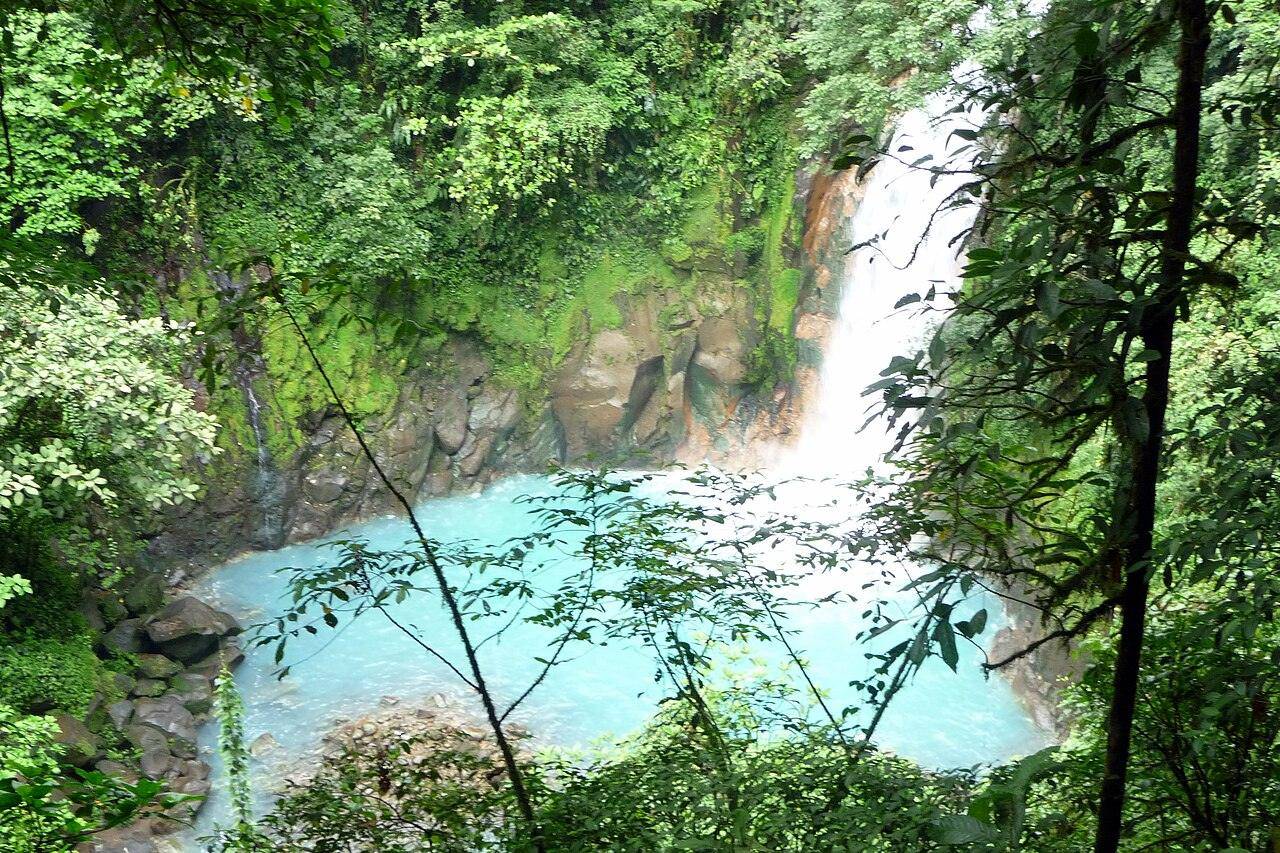
Volcanoes, cloud forests and the Pacific
Arenal and its hot springs, the hanging bridges of Monteverde and the sloths of Manuel Antonio.
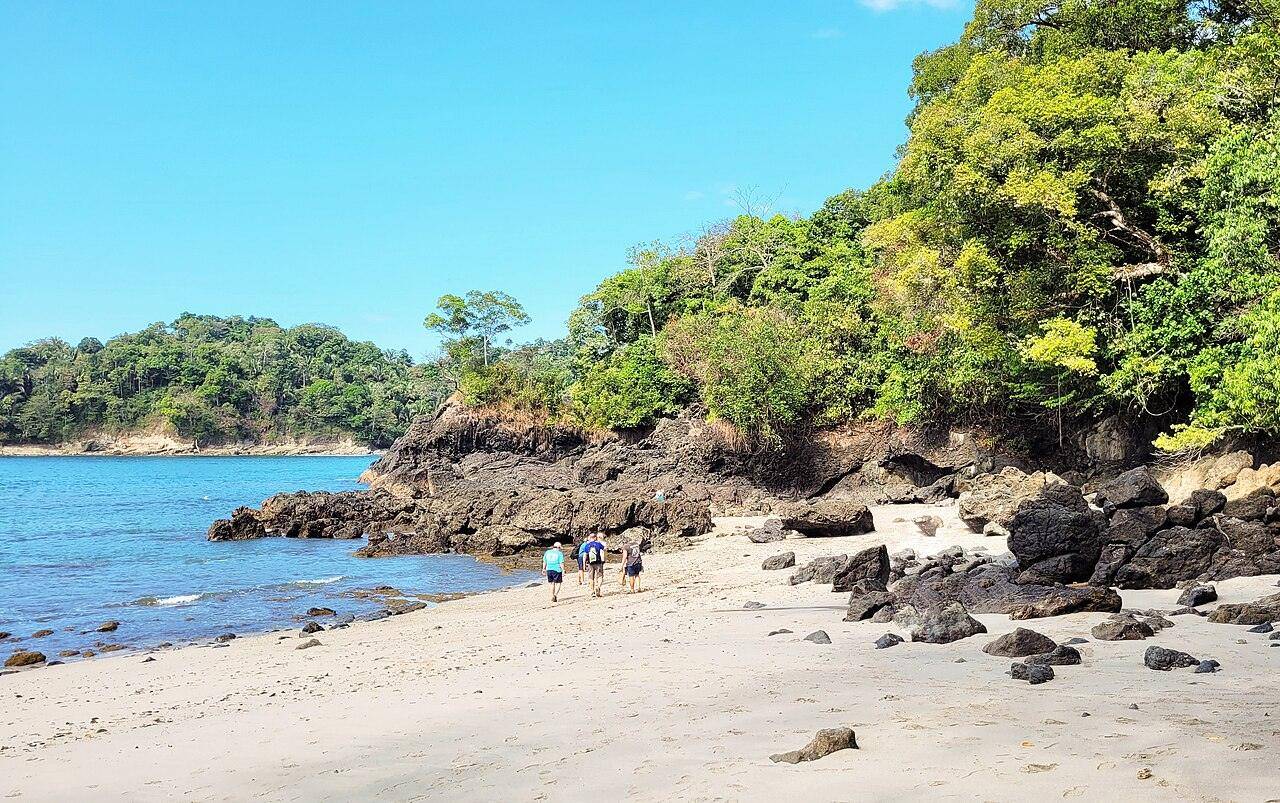 15 daysModerate
Costa Rica coast to coast
From the Tortuguero canals to the Pacific: volcanoes, forests, turtles and the Osa Peninsula, the country's wildest corner.
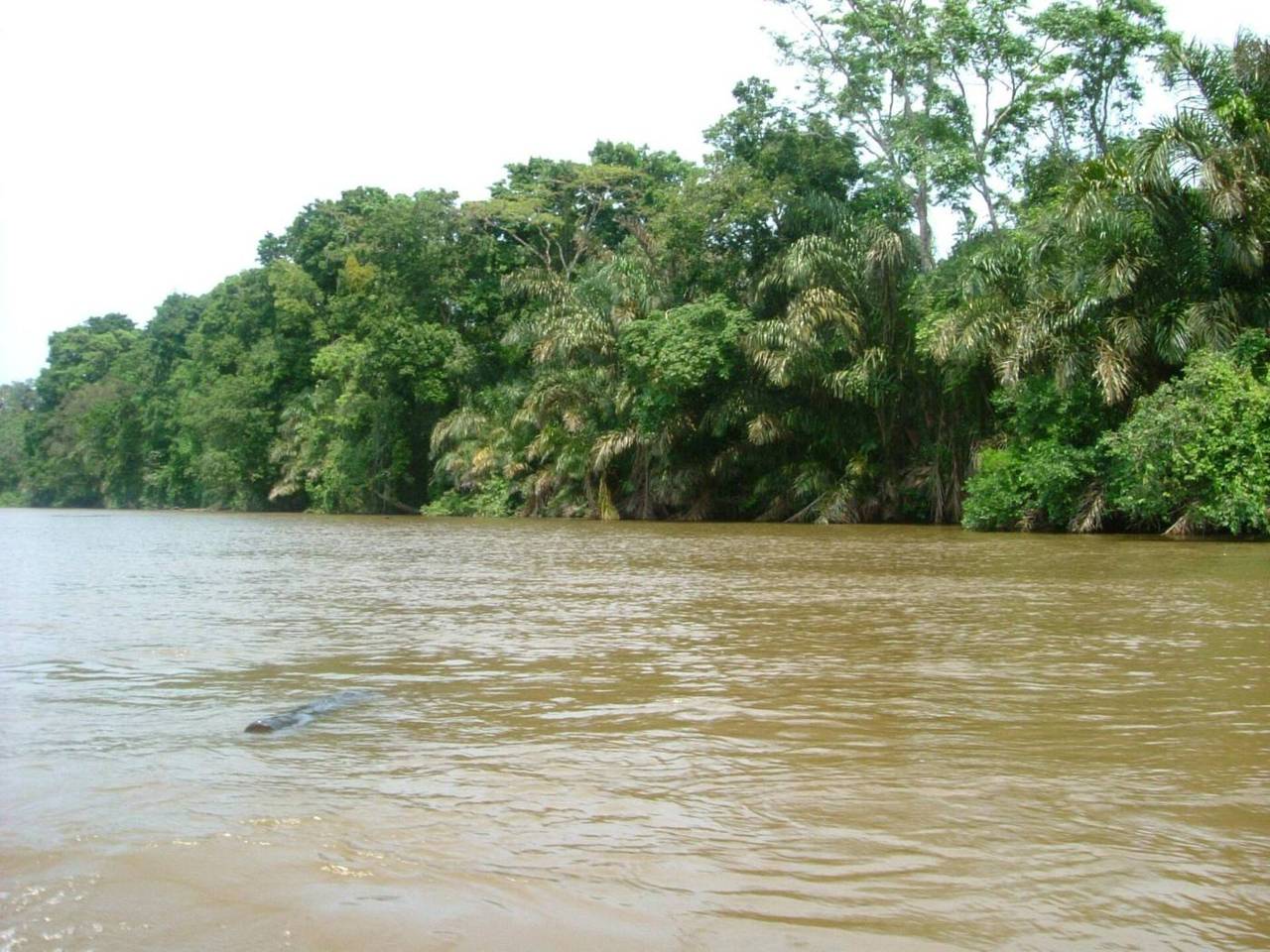 12 daysEasy
Costa Rica express: Tortuguero, Arenal and Manuel Antonio
The jungle canals of the Caribbean, Arenal volcano and its hot springs, the hanging bridges of the cloud forest and monkeys on the Pacific beach.