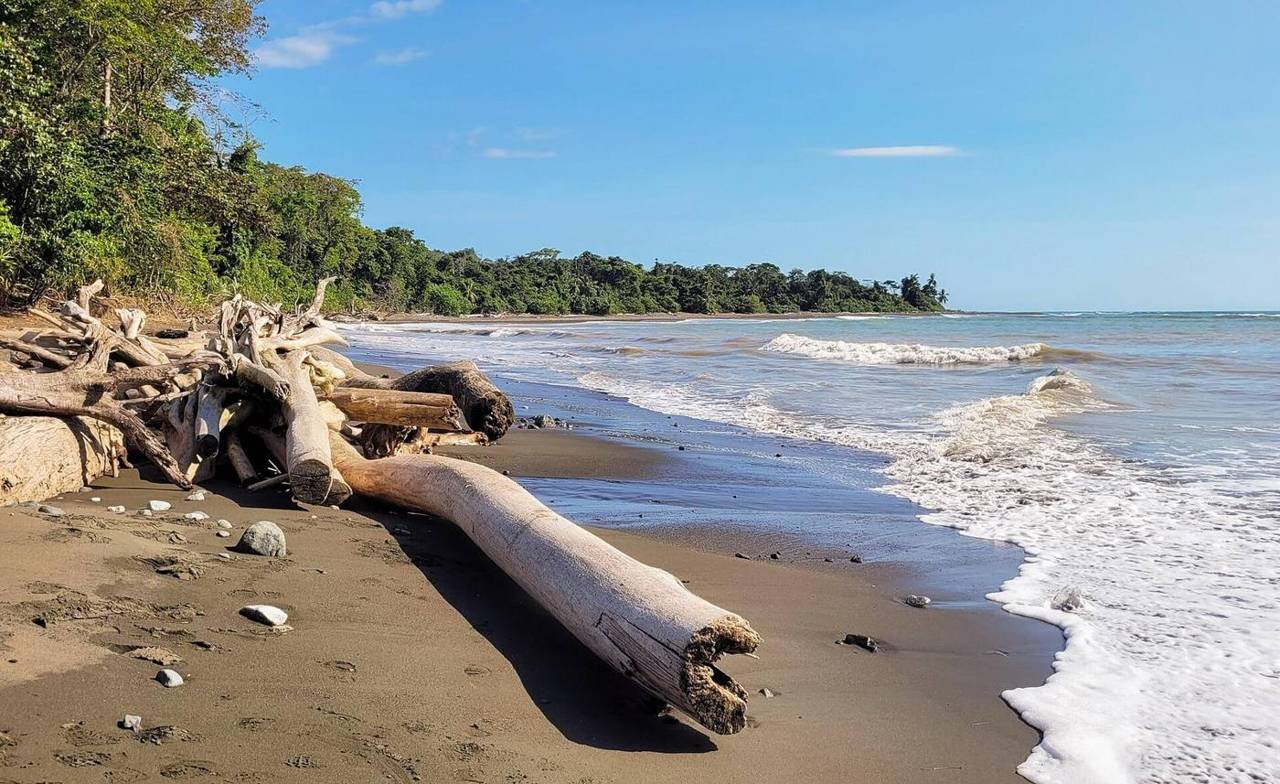
Osa and Corcovado: the jungle on the Pacific
A week in Costa Rica's wildest place: two days on foot in Corcovado park with a night at Sirena station, Caño Island and the dolphins of the Golfo Dulce.
- San José
- Puerto Jiménez
- Corcovado
- Sirena
- Caño Island
- Golfo Dulce
Day by day
- Day 1
Arrival and flight to Puerto Jiménez
This trip is a week on the Osa peninsula, the wildest corner of Costa Rica: two days on foot in Corcovado National Park with a night at Sirena station, snorkelling at Caño Island and a kayak outing on the Golfo Dulce, among the dolphins.
Before you go: Italian citizens enter Costa Rica without a visa for tourism for up to 180 days, with a passport valid for at least 90 days from the date of entry and a return air ticket. Other nationalities should check their own rules. Italy's official travel advice reports a sharp rise in crime, with greater risks in central San José, and recommends visiting parks with licensed guides and in a group. You can enter Corcovado only with an authorised guide and a booking paid to SINAC, the parks authority: check the rules on sinac.go.cr. Use only official taxis, red in the city and orange from the airport.
On arrival at San José international airport take a domestic flight to Puerto Jiménez, on the shore of the Golfo Dulce. The small plane flies over the mountains and then the forest, down to the airstrip near the sea.
Puerto Jiménez is a quiet town, with one main street, a few shops and the pier. In the afternoon meet your guide to check your gear and the plan for the next days.
Practical tip: luggage is limited on domestic flights; leave your big suitcase in San José and bring only a soft rucksack.
- Day 2
From Carate to Sirena through the forest
Today you walk into Corcovado National Park.
Before dawn leave Puerto Jiménez for Carate, at the tip of the peninsula, on a dirt road of about two hours, with river crossings and stretches along the sea. From here you walk to the La Leona entrance.
Corcovado protects a large lowland rainforest on the Pacific, with rivers, swamps and empty beaches. It is one of the places with the most animal species in Central America: all four of the country's monkey species live here, along with Baird's tapir, peccaries, the anteater and the big cats, which are rarely seen.
The trail to Sirena follows the coast, alternating beach sand and short stretches under the trees. It is a long walk, in humid heat, with some streams to wade: the guide plans the timing around the tide, because at high tide some passages close. Along the way you hear howler monkeys and see pairs of scarlet macaws, red and blue, flying over the beach.
In the afternoon you reach Sirena biological station, a group of wooden buildings in a clearing. In the evening everyone eats together and goes to bed early, because the day starts at dawn.
Practical tip: carry at least three litres of water, rehydration salts and shoes that can get wet; river crossings are frequent.
- Day 3
At dawn on the Sirena trails
Today you spend the whole day around Sirena station.
At dawn go out with the guide on the nearby trails, when the animals are most active. The forest here is very tall, with giant trees, lianas and buttress roots. Walk in silence and look both down and up: the guides know how to find tapirs resting in the mud, anteaters in the trees, sloths, coatis and herds of peccaries.
Baird's tapir is the largest land mammal in Central America, with a heavy body and a short, mobile snout. At Sirena it is easier to see than almost anywhere else in the region.
In mid morning go back to the station to rest during the hottest hours. In the afternoon take another walk to the mouth of the Sirena river, where fresh water meets the sea. Here you see crocodiles and sometimes sharks: never go into the water and stay where the guide tells you.
At sunset the macaws return to the trees near the coast and the monkeys settle for the night. After dinner, if the guide suggests it, take a short night walk with a torch to see frogs, insects and snakes.
Practical tip: the station is basic, with bunk beds or tents and cold water; bring a head torch, a light towel and a bag for your rubbish.
- Day 4
Walking back along the beach
Today you leave the forest and return to civilisation.
At dawn take one last short walk around Sirena: it is the best time to see tapirs, spider monkeys and toucans again. Then pick up your rucksack and set off with the guide towards La Leona, along the coastal trail you followed on the way in.
The return feels different, because the light and the tide change everything. Walk on the firm sand near the water, where it is easier, and stop often in the shade of the palms. Look at the tracks in the sand: the guide shows you the prints of tapirs, peccaries and sometimes cats, left during the night.
Do not swim from the park's beaches: the currents are strong and there is no rescue. Drink often and eat something every hour, even if the heat takes away your appetite.
In the early afternoon you reach La Leona and then Carate, where transport to Puerto Jiménez is waiting. On the dirt road look at the trees: there are often sloths and macaws.
In the evening, in Puerto Jiménez, take a long shower, wash your clothes and eat a casado, the typical dish with rice, beans, meat or fish, plantain and salad.
Practical tip: dry your shoes and clothes in the sun as soon as you can; in the humidity of Osa they stay wet for days and start to smell.
- Day 5
Caño Island and snorkelling
Today you head out to sea towards Caño Island, off the northern coast of the peninsula.
The island is a biological reserve covered in forest, surrounded by coral reefs and often clear water. Boat trips usually leave from Drake Bay, on the Pacific side, so plan the transfer carefully: the day is long and starts early. Landing and snorkelling areas are regulated by the reserve and visitor numbers are limited. Check prices and times.
During the crossing watch the sea: in the right season you see dolphins and, in some months, humpback whales that come here to give birth.
Around the island snorkel over the corals, among parrotfish, surgeonfish, rays and sea turtles. Sometimes you see small reef sharks, which are not dangerous to people. The instructors show you where to get in and how long to stay.
Some of the pre-Columbian stone spheres typical of southern Costa Rica were found on the island, large, almost perfect balls carved by ancient peoples, whose purpose is still a mystery.
In the afternoon return to the mainland and rest.
Practical tip: the open sea can be rough; if you suffer from seasickness take something before you leave and sit at the back of the boat.
- Day 6
The Golfo Dulce by kayak with the dolphins
Today you explore the calm waters of the Golfo Dulce, in front of Puerto Jiménez.
The Golfo Dulce is a deep arm of the sea, enclosed between the Osa peninsula and the mainland, and is considered one of the few tropical fjords in the world. Its quiet waters are a refuge for dolphins, and in some months humpback whales arrive too.
Early in the morning, when the sea is flat, set off by kayak with a guide. Paddle along the shore, among the mangroves, home to herons, kingfishers and crabs. Then head out towards the middle of the gulf: dolphins often come close to the kayaks, jump and swim under the boats. Keep your distance and do not chase them, let them decide.
In mid morning return before the wind picks up. In the afternoon walk along Platanares beach, near the town, a long stretch of sand where in some months sea turtles come to lay their eggs. Or rest in the shade and watch the macaws landing on the almond trees along the coast.
In the evening watch the sunset over the gulf, with the mountains of the peninsula turning dark against the sky.
Practical tip: in a kayak use water-resistant sun cream, a hat with a strap and a dry bag for your phone and documents.
- Day 7
Flight to San José
Today you leave the Osa peninsula and return to the capital.
In the morning, if your flight is late, take a last walk to the Puerto Jiménez pier, where fishermen unload their catch and pelicans wait for scraps. In the trees of the town you often see macaws and toucans.
Then take the domestic flight to San José. From above you see the Corcovado forest, the Golfo Dulce and the coast one last time, then the mountains of the cordillera and the central valley.
In the afternoon, in San José, take a walk in the centre, always in daylight. Visit the Teatro Nacional, opened at the end of the nineteenth century with money from coffee, with its gilded halls and frescoes. Under the square next to it is the pre-Columbian gold museum, with jewellery and gold figures from the country's ancient cultures. Check prices and times.
Then stop at the Mercado Central, a covered market with stalls of spices, coffee, fruit and small places to eat. It is the right place to buy coffee beans to take home.
In the evening try a fish dish or a last typical dinner and pack your bag.
Practical tip: in central San José keep your phone in your pocket and your rucksack in front of you; in the evening get around by official taxi, even for short distances.
- Day 8
Departure
Today is the last day and you leave Costa Rica.
In the morning have breakfast with gallo pinto, rice and beans fried together, with eggs and a Costa Rican coffee. Then go to the international airport by official taxi, leaving plenty of time: traffic in the central valley is often slow.
In these eight days you have walked through the Corcovado forest, slept at Sirena station among tapirs and monkeys, followed animal tracks on the sand, swum among the corals of Caño Island and paddled with dolphins on the Golfo Dulce. It is a tiring trip, with heat, humidity and river crossings, but it shows you the wildest Costa Rica, far from the busiest circuits.
When to go: from December to April, in the dry season, when the trails are passable and the rivers lower. From May to November it rains a lot, river crossings become difficult and some parts of the park may close: in 2026, for example, Sirena was closed in October. Places at Sirena are few, so book months in advance.
Before booking your flight home leave a spare day between Osa and your international departure: domestic flights can be cancelled because of bad weather.
Practical tip: keep the park booking receipt and your guide's details; you need them if you have to change the date or ask for a refund.
For true nature lovers and hikers: humid heat, rivers to ford and the chance of meeting tapirs, scarlet macaws and even pumas. Do it in the dry season (December-April); places at Sirena are very limited, so book months ahead.
Before you go
- Documents and visa
- Passport valid for at least 90 days from the date of entry and a return air ticket; no visa is needed for tourism for up to 180 days, but the immigration officer decides the exact period on arrival. Travellers arriving from a country at risk must show a yellow fever vaccination certificate. When you leave by air there is a departure tax, usually already included in the ticket.
- Health and vaccines
- Healthcare is good but expensive: you need insurance that covers medical costs and repatriation. There is a risk of dengue, rising in 2026 and higher in the rainy season, as well as chikungunya and Zika: use repellent during the day too. There are cases of malaria, mainly in Limón province. Drink bottled water. Emergencies: 911.
- Money and payments
- Costa Rican colón. US dollars are accepted almost everywhere and cards work in tourist areas; carry some cash in colones for villages and small purchases.
- Power sockets
- Types A and B, with flat pins as in the United States, 120 volts: you need an adapter, and check the voltage of your devices.
- Time zone
- UTC-6 all year.
- Safety
- Italy's official travel advice reports a sharp rise in crime: bag snatching, robbery, scams, and theft from cars and accommodation. The areas with the most murders are central San José, Limón district and some cantons such as Puntarenas, Alajuela and Matina; among the tourist areas at risk it lists Jacó, Quepos, Cahuita, Bahía Ballena, La Fortuna and Tamarindo. Avoid isolated areas on the border with Nicaragua, isolated beaches and the shore at night. Visit parks with licensed guides and in a group, use only official taxis, red or orange for the airport, and leave nothing in the car. Sea currents are strong and few beaches have lifeguards. Official advice: GOV.UK.
Information checked in November 2026 for Italian and EU citizens. Rules change: always check before you travel.
Variations
Shorter: six days, with Corcovado and Sirena and a day on the Golfo Dulce, without Caño Island.
Longer: add three days at Uvita and Marino Ballena National Park, north of the peninsula, for the beaches and the whales.
Frequently asked questions
Can you enter Corcovado without a guide?
No. You enter only with an authorised guide and a booking paid to SINAC. Check the latest rules on sinac.go.cr.
Can you see a puma in Corcovado?
It is possible but rare: the cats are shy and move at night. Tapirs, monkeys, macaws and coatis, on the other hand, are seen almost always with a good guide.
How hard is the walk to Sirena?
There are no big climbs, but it is long, in humid heat, on sand and with river crossings. You need to be fit and able to carry your own rucksack.
Indicative itinerary written by World Atlas. Before booking, check timetables, seasonal openings, documents and safety.
 7 daysEasy
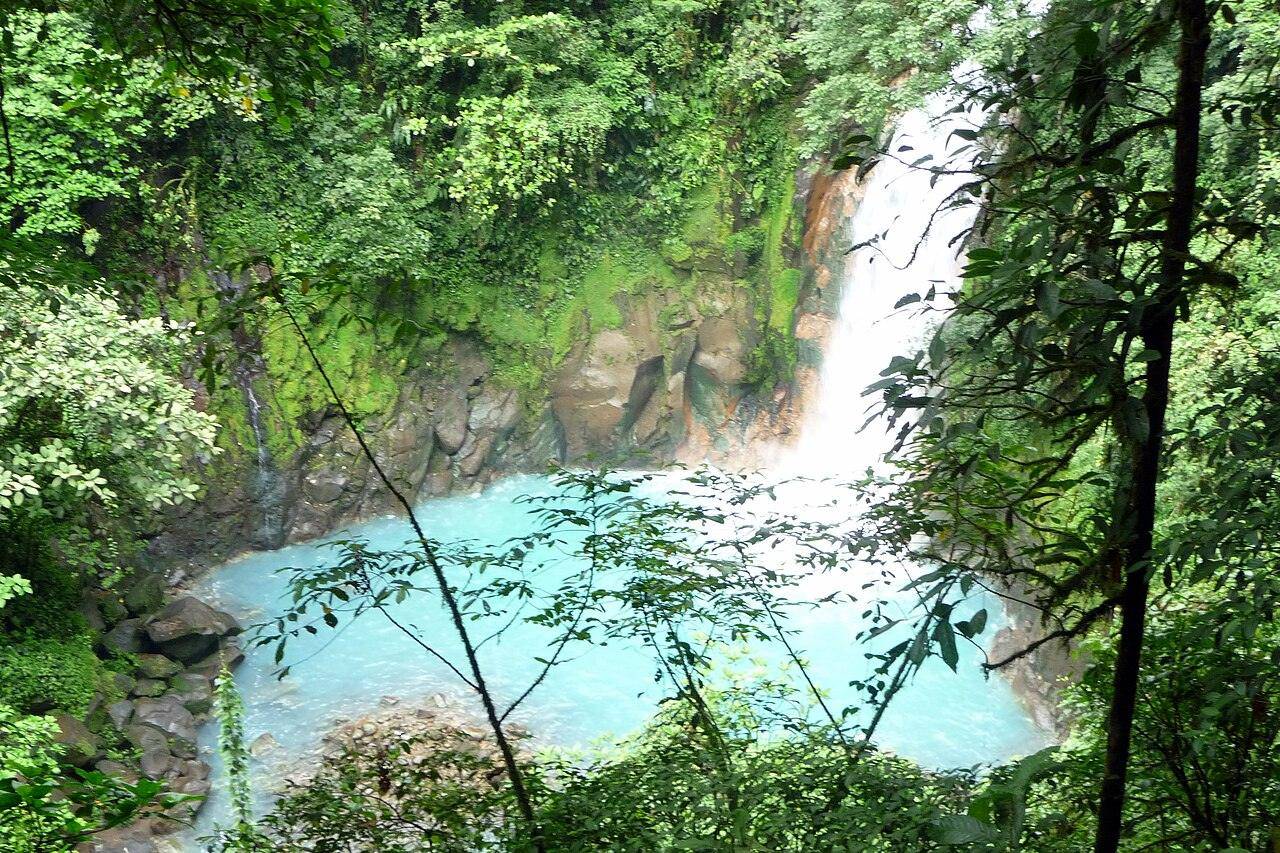
Volcanoes, cloud forests and the Pacific
Arenal and its hot springs, the hanging bridges of Monteverde and the sloths of Manuel Antonio.
 15 daysModerate
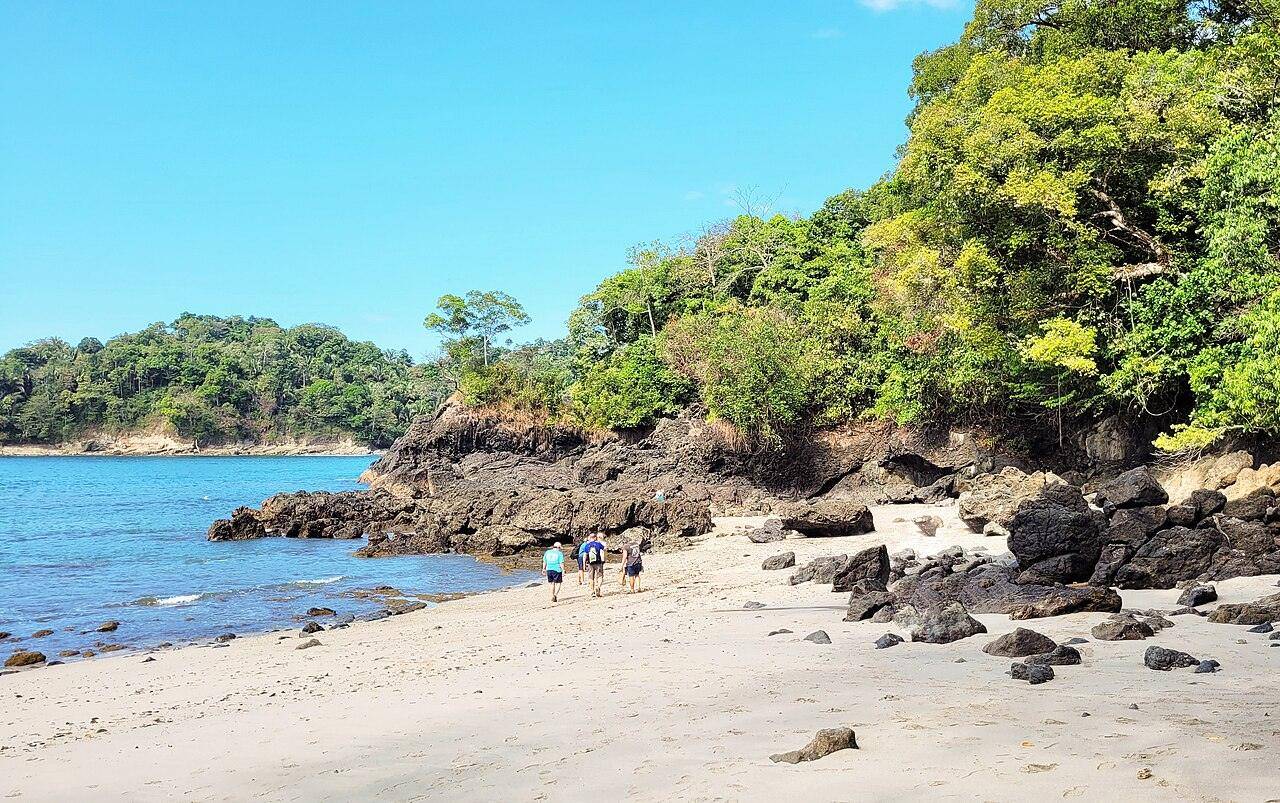
Costa Rica coast to coast
From the Tortuguero canals to the Pacific: volcanoes, forests, turtles and the Osa Peninsula, the country's wildest corner.
 12 daysEasy
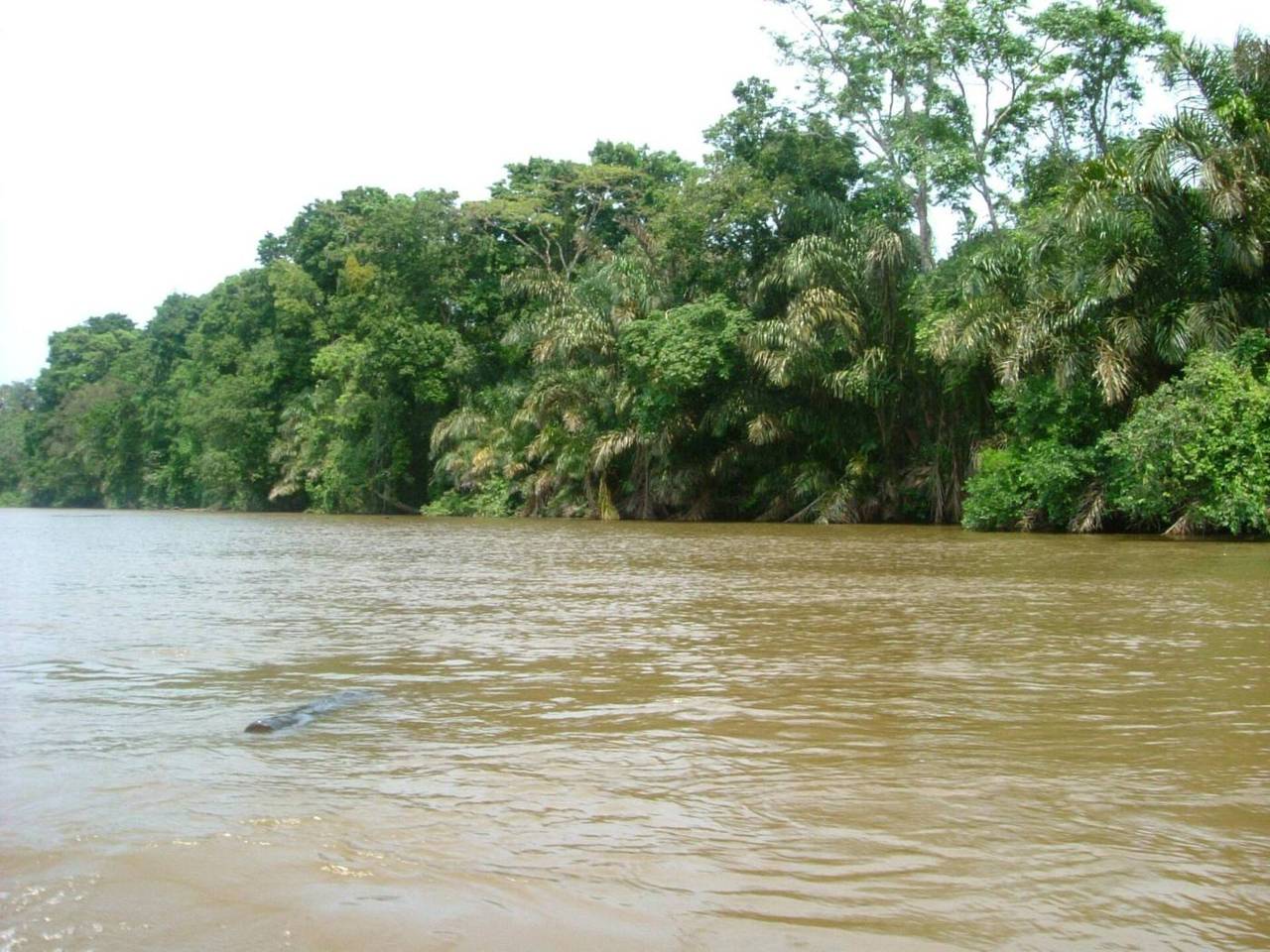
Costa Rica express: Tortuguero, Arenal and Manuel Antonio
The jungle canals of the Caribbean, Arenal volcano and its hot springs, the hanging bridges of the cloud forest and monkeys on the Pacific beach.