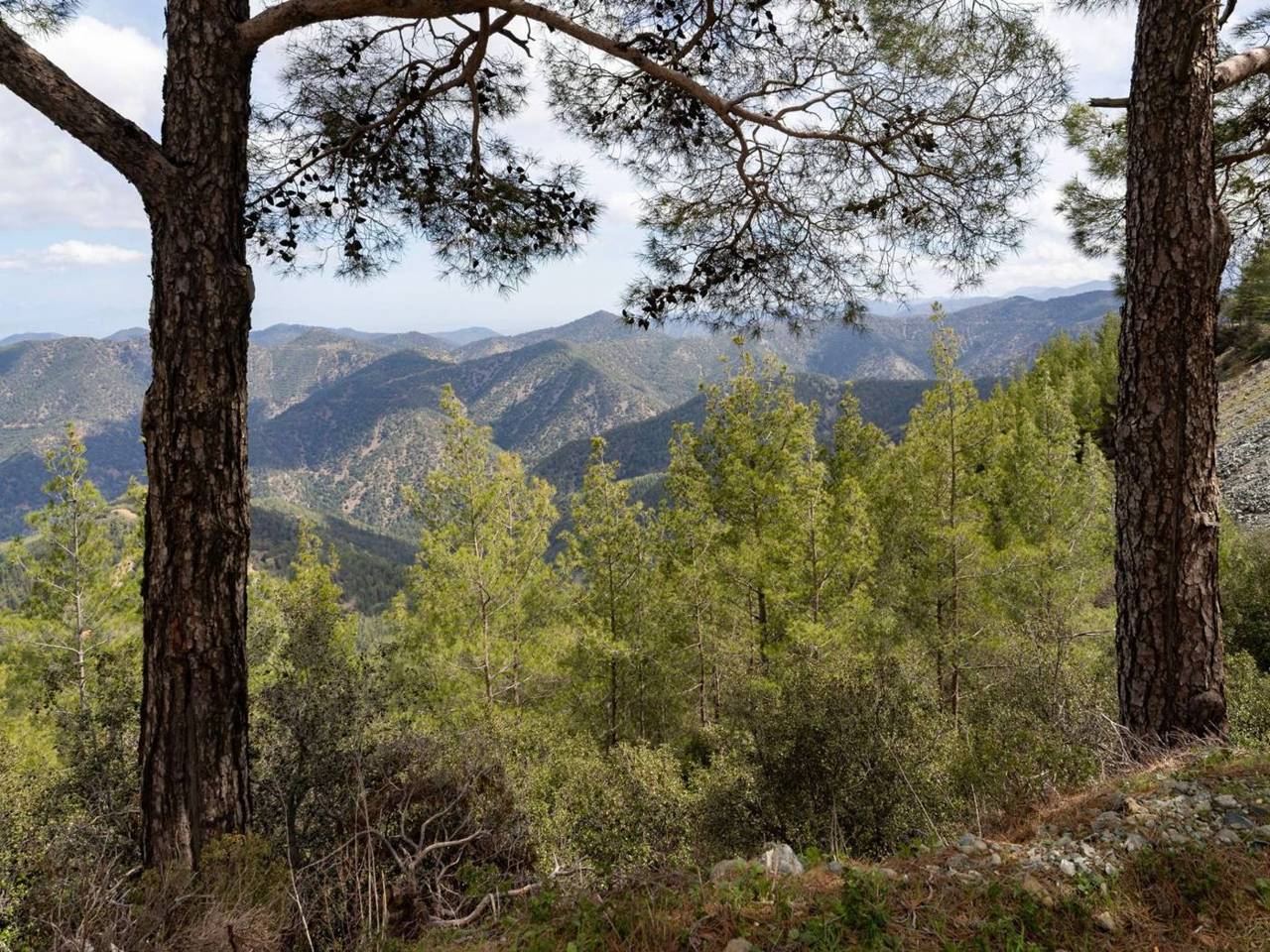
The Troodos mountains
The UNESCO painted Byzantine churches, Kykkos monastery, villages such as Omodos and Kakopetria, Commandaria wine and trails among the pines.
- Limassol
- Omodos
- Kykkos
- Troodos
- Kakopetria
- Asinou
Day by day
- Day 1
From Limassol to Omodos and Commandaria wine
This trip takes you into the Troodos mountains, the green and cool side of Cyprus: stone villages among the vineyards, Kykkos Monastery, the trails through the pines below the summit of Olympus and the small painted Byzantine churches, a UNESCO World Heritage Site. You start from Limassol and travel by rental car.
Before you go: Italian citizens can enter Cyprus with an electronic identity card or a passport. Cyprus is in the EU but not in the Schengen area, so documents are checked on arrival. Other nationalities should check their own rules. The currency is the euro. You drive on the left. This trip stays in the Republic of Cyprus; to go north, cross only at official crossing points, with separate car insurance. From April to October the risk of forest fires is high: never light fires.
From Limassol, drive north for about forty minutes, climbing through hills covered in vines, to Omodos, one of the prettiest wine villages on the island. Its cobbled lanes lead to the large paved square, with the Monastery of the Holy Cross in the middle. Go into the church, with its carved wooden iconostasis, and visit the old wine press, called a linos, in a village house. Check times.
Omodos lies in the Commandaria area, a sweet wine made from grapes left to dry in the sun. The name comes from the Commandery of the crusader knights who ruled this area in the Middle Ages, and it is one of the oldest named wines in the world. Taste it at a cellar in one of the surrounding villages, with bread and halloumi cheese.
Overnight in Omodos or a nearby village.
Practical tip: if you taste the wine, do not drive; plan the tasting in the village where you sleep, or let a travel companion who is not drinking take the wheel.
- Day 2
Kykkos Monastery and the Artemis trail below Olympus
Today you climb into the heart of the mountains, between the most famous monastery in Cyprus and the highest peak.
In the morning, drive north-west for about an hour and a half, on mountain roads through pine forests, to Kykkos Monastery, at more than a thousand metres. It was founded around 1100, in the time of the Byzantine emperor Alexios Komnenos, and is the richest monastery on the island. It holds an icon of the Virgin that tradition attributes to St Luke the Evangelist, covered in silver and never shown to the public. The porticoes are decorated with modern gold mosaics. Visit the museum, with icons, manuscripts and precious objects. Check prices and times. Cover your shoulders and knees.
A few kilometres away, on a hill, is the tomb of Archbishop Makarios, the first president of Cyprus, with a wide view over the mountains.
In the afternoon, drive to the Troodos square area, below Mount Olympus, the highest peak on the island at 1,952 metres. The summit is occupied by military installations and cannot be reached, but the Artemis trail loops around it at about 1,850 metres. You walk for about three hours among giant black pines, junipers and rocks, with views over the valleys to the sea. The trail is easy and well marked, with panels on the geology: the Troodos is a geopark, formed from ancient ocean floors.
Overnight in the Troodos area or in Platres.
Practical tip: even in summer, evenings are cool at altitude; bring a sweatshirt, water and walking shoes.
- Day 3
The painted churches of Asinou and St Nicholas of the Roof, Kakopetria
Today you visit the painted churches of the Troodos, the mountains' most precious treasure.
The Troodos mountains have ten painted Byzantine churches and monasteries, protected together by UNESCO. From outside they look like stone barns with steep wooden roofs, built to protect them from snow. Inside, the walls are entirely covered in frescoes from the eleventh to the sixteenth century.
In the morning, drive north to the church of Asinou, in the valley near the village of Nikitari, about an hour away. The Church of the Virgin of Asinou stands alone among fields and woods. Its oldest frescoes date from the early twelfth century: saints, apostles and scenes from the life of Christ in colours that are still intense. The churches are small and often closed: if the door is locked, ask in the village for the custodian, who keeps the keys. Check prices and times. Photography is often not allowed inside.
Then continue to Kakopetria, about half an hour. Just outside the village is the Church of St Nicholas of the Roof, from the eleventh century, named after the large wooden roof added later. Inside, frescoes cover every wall, from the columns to the dome. Check prices and times.
In the afternoon, stroll through the old quarter of Kakopetria, with stone houses and wooden balconies above the stream, in the shade of the plane trees.
Overnight in Kakopetria.
Practical tip: the churches have short opening hours and the custodian sometimes takes a lunch break; set off early and call the number written on the door if you find it closed.
- Day 4
Back to Limassol
Today you come down from the mountains to the sea.
In the morning, take a last walk in Kakopetria, while the streets are quiet. Then drive south, climbing back to the Troodos area and descending the other side towards Platres, through pine and cherry woods. Allow about an hour and a quarter to Limassol, not counting stops.
If you have time, above Platres walk the short Caledonia waterfall trail, along a stream in the shade of alders and plane trees, to a small waterfall in the forest. Allow a couple of hours there and back: the path has wet stones and small stream crossings.
You reach Limassol in the early afternoon. Visit the medieval castle, near the old port, where according to tradition Richard the Lionheart married Berengaria of Navarre in 1191. Check prices and times. Then stroll through the old town and along the seafront. If your flight leaves from Larnaca or Paphos, allow about an hour by road.
In these four days you have seen green Cyprus, far from the resorts: the wine village of Omodos and Commandaria, Kykkos Monastery, the Artemis trail among the pines below Olympus, the painted churches of Asinou and St Nicholas of the Roof and the village of Kakopetria.
When to go: from April to October. In spring the mountains are in flower, in summer the Troodos is cool while the coast is very hot, and autumn is grape harvest time. In winter it sometimes snows on Olympus.
Practical tip: before you leave, buy a bottle of Commandaria, mountain honey and village preserves, and some loukoumia, the typical sweets of the village of Geroskipou.
Green Cyprus, cool in summer and far from the resorts. The painted churches are small and often locked: you need to find the keyholder in the village or check opening times. Mountain roads are narrow and winding, but well kept.
Before you go
- Documents and visa
- EU citizens need a valid identity card or passport: Cyprus is in the EU but not in the Schengen area, so documents are checked on arrival. Enter only through Larnaca or Paphos airports or the ports of Limassol and Larnaca: arriving via Ercan airport or northern ports is illegal under the law of the Republic of Cyprus. Traffic drives on the left. Other nationalities should check their own rules.
- Health and vaccines
- No vaccines required. EU citizens can use public healthcare with their EHIC; insurance with medical cover and repatriation is still advised. Emergencies: 112.
- Money and payments
- Euro. Cards are accepted almost everywhere; carry some cash in mountain villages.
- Power sockets
- Type G, 240 volts: the same plugs as in the UK.
- Time zone
- Eastern European Time (UTC+2, summer UTC+3).
- Safety
- A safe country with low crime. The UN buffer zone divides the island: cross only at official crossing points, such as Ledra Street and Ledra Palace in Nicosia, showing an identity card or passport; crossing elsewhere is illegal and dangerous, partly because of minefields. Do not take photos in the buffer zone or near military sites. Cars hired in the south usually have no insurance cover in the north: buy separate cover, sold at some crossing points. Wildfire risk is high from April to October. Official advice: GOV.UK.
Information checked in November 2026 for Italian and EU citizens. Rules change: always check before you travel.
Variations
In 3 days: Omodos, Kykkos and the Artemis trail, then one painted church and back, without the night in Kakopetria.
In 7 days: add Lefkara, Choirokoitia and Stavrovouni Monastery, flying home from Larnaca.
Frequently asked questions
What document do I need for Cyprus?
Italian citizens can enter with an electronic identity card or a passport. Cyprus is not in the Schengen area, so documents are checked on arrival. Other nationalities should check their own rules.
Are the painted churches always open?
No, they are small and often closed: you need to find the custodian in the village or ask beforehand. Check prices and times and set off early.
Are the Troodos roads difficult?
They are narrow and full of bends, but well kept. Remember that you drive on the left and allow more time than your satnav suggests.
Indicative itinerary written by World Atlas. Before booking, check timetables, seasonal openings, documents and safety.
 5 daysEasy
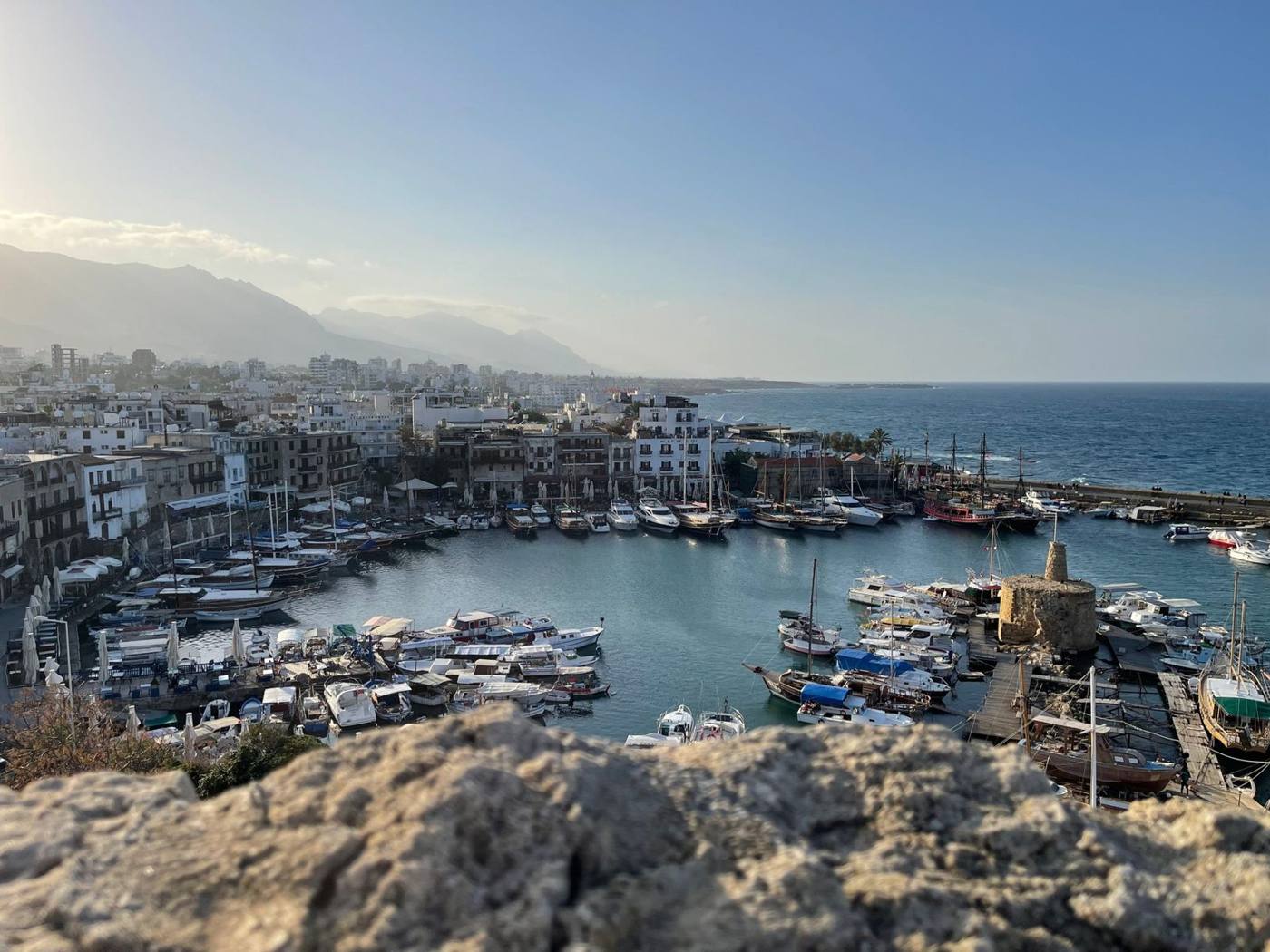
Nicosia and the north
Europe's last divided capital, crossing the Green Line on foot, then Kyrenia, Bellapais Abbey and St Hilarion Castle.
 5 daysEasy
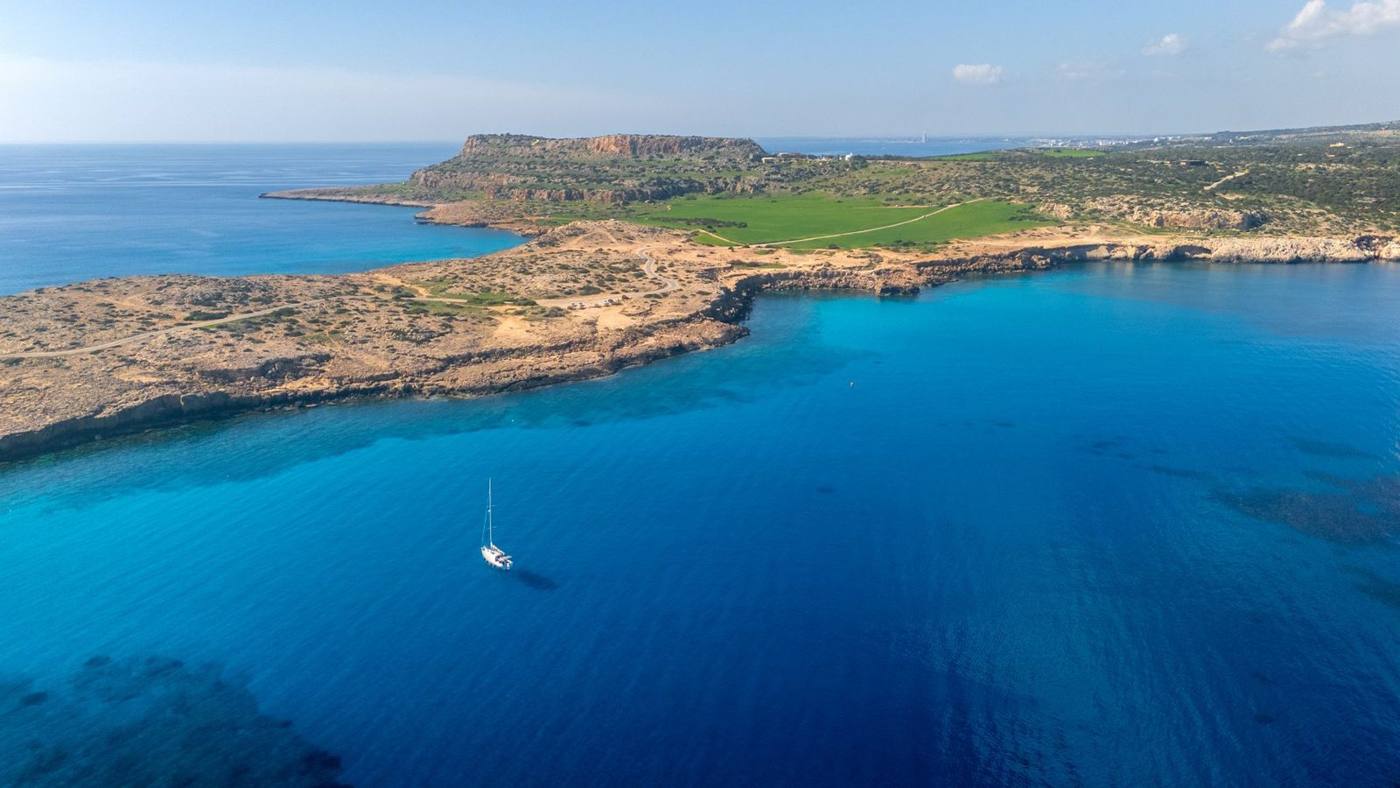
Larnaca and Ayia Napa
St Lazarus church in Larnaca, the salt lake with flamingos and the Hala Sultan Tekke mosque, then Cape Greco and the beaches of Ayia Napa and Protaras.
 4 daysEasy
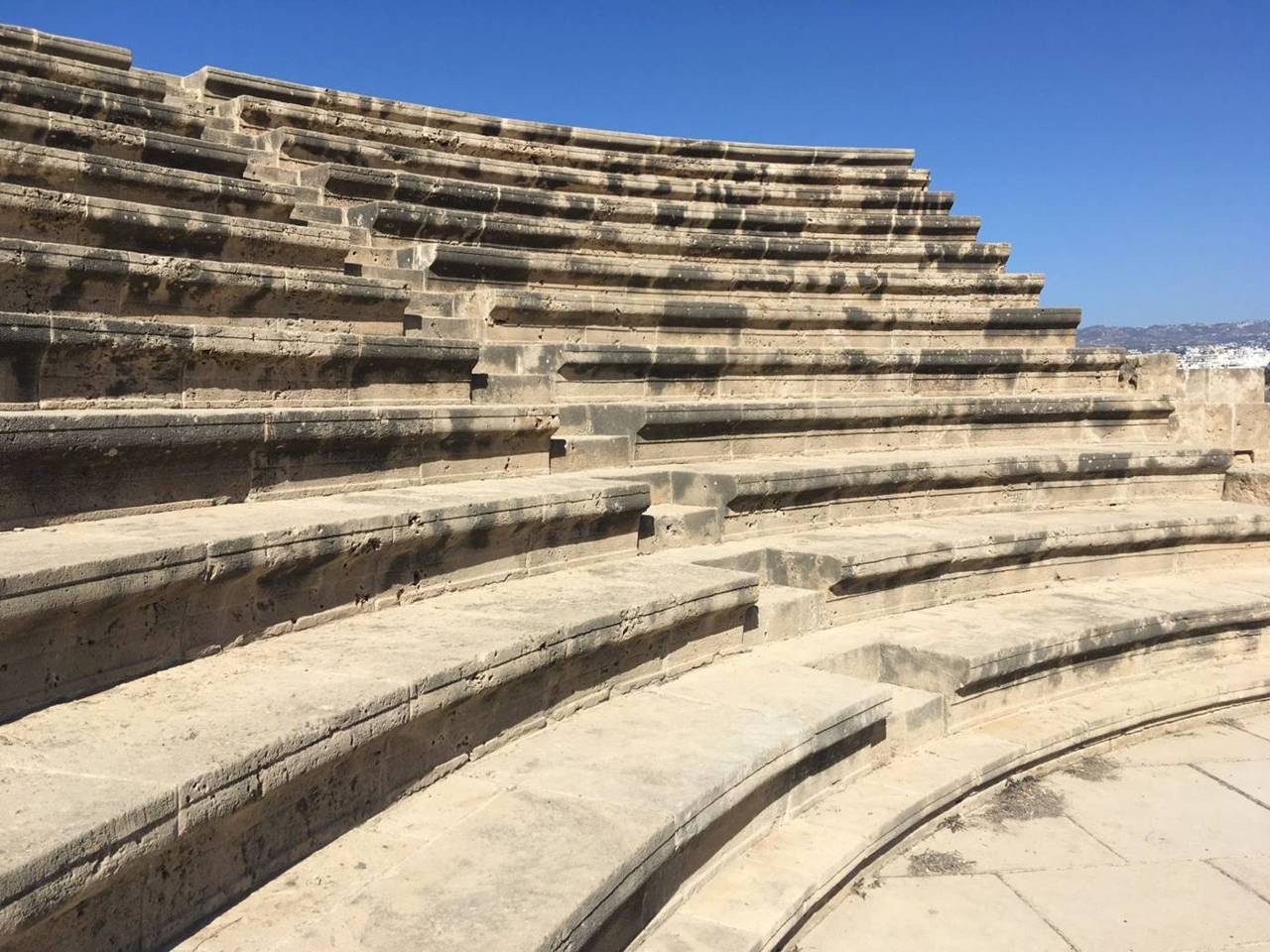
Limassol and Kourion
Limassol's old town and marina, the Greco-Roman theatre of Kourion on its cliff, the Knights' castle of Kolossi and the ruins of Amathus.