Port Said, Ismailia and the Suez Canal
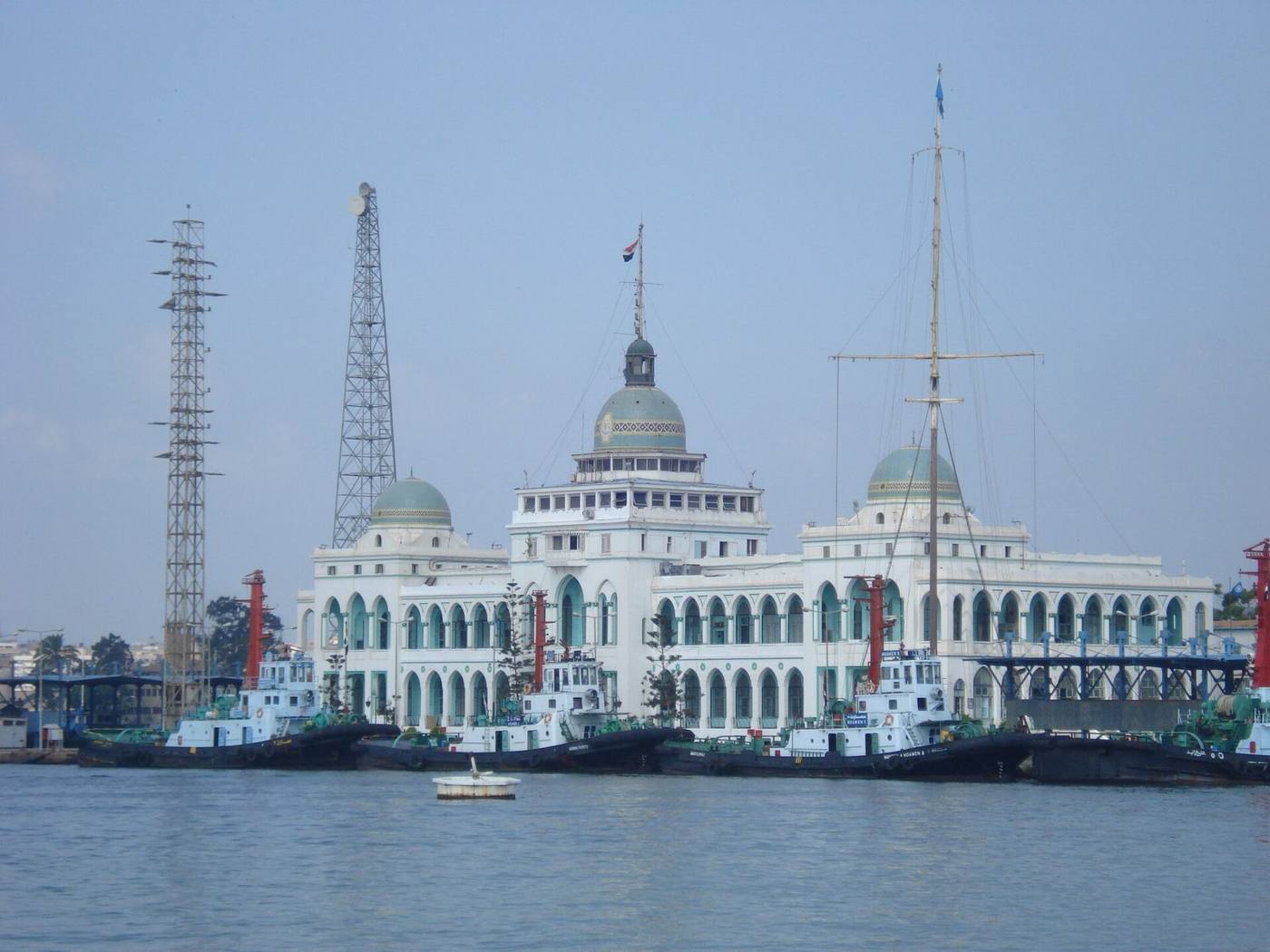
Canal Egypt, unlike anywhere else: Port Said with its colonial buildings and wooden balconies, the domed Canal Company building and the no-cost ferry to Port Fuad, then Ismailia, a garden city on Lake Timsah, where ships seem to sail between the houses.
- Cairo
- Port Said
- Port Fuad
- Ismailia
Day by day
- Day 1
From Cairo to Port Said: the waterfront and the colonial buildings
This is a different Egypt from the one of pyramids and temples: three days along the Suez Canal, the work that since 1869 has linked the Mediterranean to the Red Sea and changed world trade. From Cairo to Port Said it is about three hours by road to the north-east; you can go with a private driver, by intercity bus or by the slower train. There are several checkpoints along the road: keep your passport at hand.
Port Said was founded in 1859 as a worksite for digging the canal and within a few decades grew into an international city, home to Greeks, Italians, French and British. The centre still has many nineteenth- and early twentieth-century buildings of wood and brick, with long wooden balconies and verandas, some restored, others in ruins.
In the afternoon walk along the canal waterfront, where huge container ships and tankers pass a few metres away: it is an astonishing sight, a ship as tall as a building gliding silently past the city. Look at the Suez Canal Authority building, white with green domes, built in 1895, and the old lighthouse, one of the first in the world made of reinforced concrete. Not far away stands the empty plinth of the statue of Ferdinand de Lesseps, the Frenchman who promoted the canal, removed in 1956 after the Suez crisis.
In the evening try the fish and seafood, the city's speciality. Practical tip: do not photograph military installations, navy ships or checkpoints; if in doubt, ask first.
- Day 2
The ferry to Port Fuad and the road to Ismailia
In the morning take the public ferry across the canal from Port Said to Port Fuad, on the Asian bank. The crossing takes a few minutes and is the simplest way to go from Africa to Asia: with you are commuters, students, scooters and a few cars. From the boat you see the entrance to the canal and the ships waiting their turn.
Port Fuad was built in the 1920s for the canal company's employees, with an orderly plan of tree-lined avenues and French-style villas, much quieter than Port Said. Stroll through the old residential quarter, look at the houses with gardens and the great mosque, then take the ferry back. Stay in town: do not head east towards North Sinai, where European governments advise against all travel.
In Port Said visit, if it is open, the military museum, which covers the wars of 1956 and 1973, or wander through the central market, from the days when the city was a no-cost zone selling goods from all over the world.
After lunch leave for Ismailia, about an hour and a half to the south, along the road beside the canal. In some stretches the road runs parallel to the water and the ships seem to be crossing the desert.
Ismailia is the city founded halfway along the canal, on Lake Timsah, and home to the Canal Authority. Arrive in the late afternoon, settle in and walk along the lakeshore at sunset. Practical tip: shipping traffic depends on the situation in the Red Sea, which has reduced it in recent years; convoys still pass at set times, so ask at your hotel when.
- Day 3
Ismailia, Lake Timsah and back to Cairo
Ismailia has been called the little Paris of the canal: wide avenues, gardens, French and British villas built for the company's engineers and managers. Today it is a calm, green and orderly city, very different from the chaos of Cairo.
In the morning walk through the historic quarter, among houses with pitched roofs and wooden verandas. See from outside the house of Ferdinand de Lesseps, where the engineer lived during the works, and pass through the stele garden, with Pharaonic remains found while the canal was dug. Visit the Ismailia museum, small but interesting, with statues, sarcophagi and objects from the ancient trade route that in Pharaonic times already linked the Nile to the Red Sea, long before the modern canal.
Then go down to Lake Timsah, the crocodile lake, where ships stop or pass each other. Along the shore there are beaches and clubs where local people relax at weekends. With luck you will see a convoy of ships crossing the lake, one after another.
For lunch taste fish from the lake or Egyptian street food such as koshari or ful.
In the afternoon return to Cairo, about two hours away. Practical tip: the east bank of the canal in Ismailia governorate is among the areas where the United Kingdom advises against all but essential travel; stay on the west bank, in town. To enter Egypt, Italian citizens can get a visa on arrival at the airport for 30 dollars.
A short trip for those who already know classic Egypt. Do not photograph military installations, ports or bridges over the canal. The UK advises against all but essential travel to the part of Ismailia governorate east of the canal: stay on the west bank. A visa is required, obtained online before travelling or on arrival at the airport. The UK advises against all travel to North Sinai and within 20 km of the Libyan border, and against all but essential travel to most of the Western Desert: this itinerary stays outside those areas.
Before you go
- Documents and visa
- Passport valid for at least six months and a tourist visa, obtained online on the official portal or on arrival at the airport, where since 1 March 2026 it costs 30 dollars in cash.
- Health and vaccines
- No compulsory vaccines for travellers from Europe. Drink only bottled water and take out travel health insurance. Emergencies: 122 police, 123 ambulance.
- Money and payments
- Egyptian pound. Cards work in hotels and larger shops, but for tips, taxis and markets you need cash in small notes.
- Power sockets
- Types C and F, 220 volts.
- Time zone
- UTC+2 in winter; Egypt uses daylight saving time in summer.
- Safety
- Tourist areas along the Nile and the Red Sea are busy and well policed. Governments advise against North Sinai, the Libyan border strip and much of the Western Desert off the main roads. Official advice: GOV.UK.
Information checked in November 2026 for Italian and EU citizens. Rules change: always check before you travel.
Variations
In 2 days: Port Said and the ferry to Port Fuad on day one, Ismailia and the return to Cairo on day two.
In 5 days: continue to Suez and then along the Red Sea to the Coptic monasteries of Saint Anthony and Saint Paul.
Frequently asked questions
Is it safe?
Port Said and Ismailia on the west bank of the canal are not among the areas to avoid; the United Kingdom does advise against North Sinai and the part of Ismailia governorate east of the canal. Check the advice before you go.
When is the best time to go?
From October to April, when the weather is mild. In summer it is hot and humid near the sea.
Can you sail on the canal?
Tourist cruises on the canal are rare and depend on permits; it is easier to take the public ferry between Port Said and Port Fuad and watch the ships from the waterfront.
Indicative itinerary written by World Atlas. Before booking, check timetables, seasonal openings, documents and safety.
 5 daysEasy
The Grand Egyptian Museum and Cairo in depth
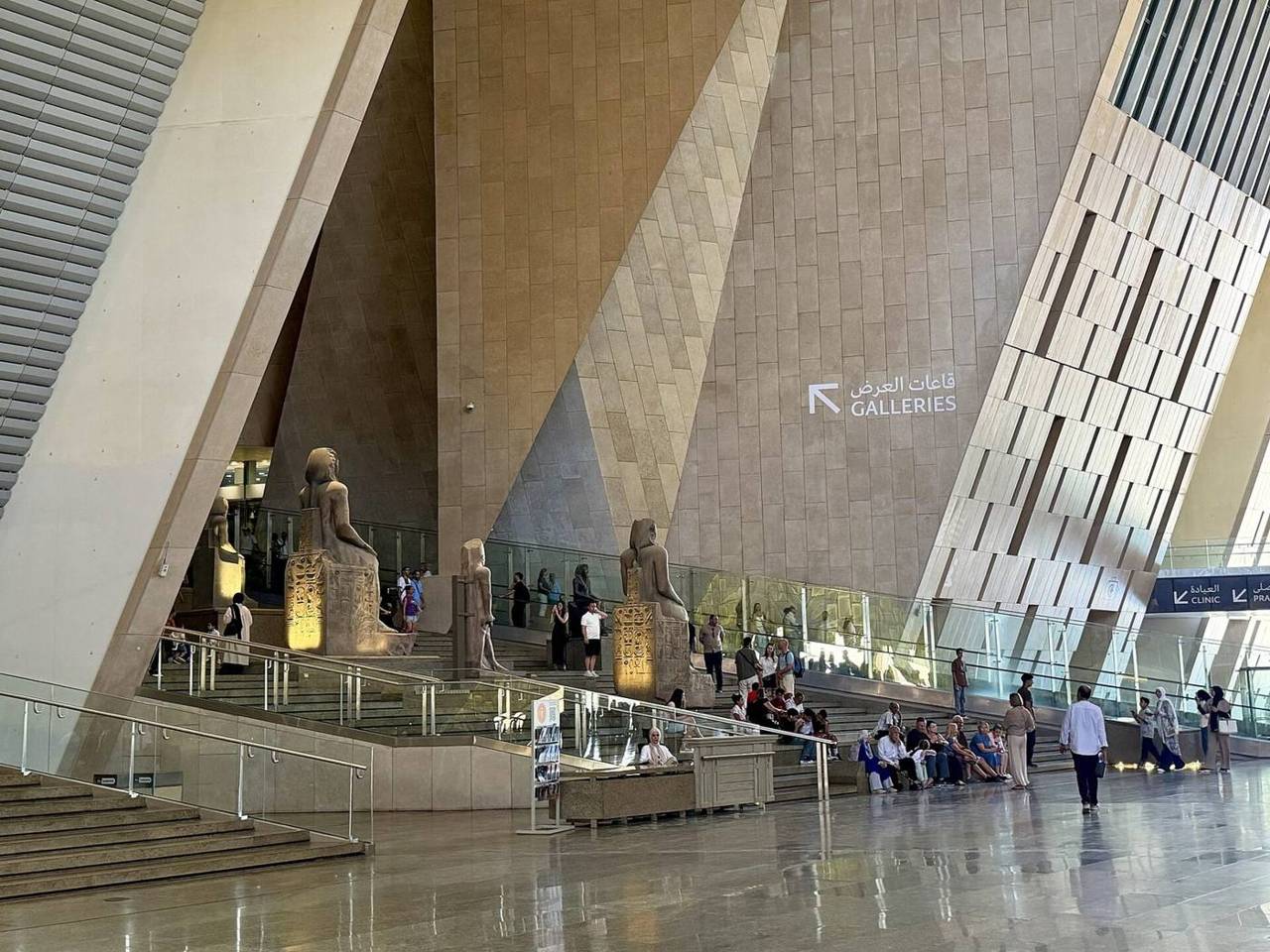
Cairo with the time it deserves: a full day at the Grand Egyptian Museum near the pyramids, with Tutankhamun's complete treasure, the Egyptian Museum on Tahrir Square, Coptic Cairo with the Hanging Church, Islamic Cairo between al-Azhar, Bab Zuweila and al-Muizz Street, and the Khan el-Khalili bazaar.
 5 daysEasy
Luxor in depth, Dendera and Abydos
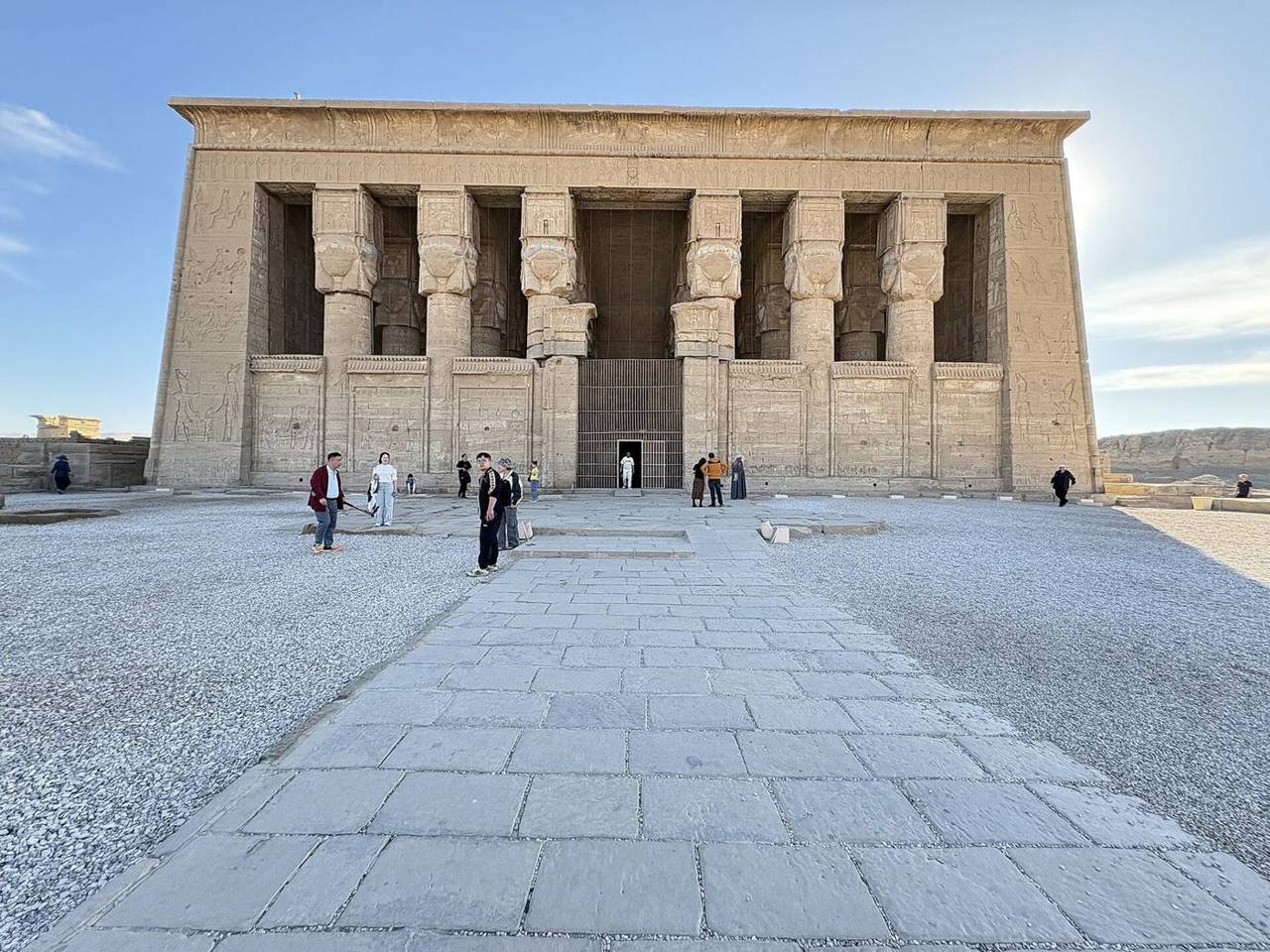
Ancient Thebes beyond the classic visits: on the west bank Medinet Habu, the Ramesseum, the craftsmen's village of Deir el-Medina and the tombs of the nobles, then the temple of Hathor at Dendera with its zodiac ceiling and the temple of Seti I at Abydos, with the finest reliefs in Egypt.
 4 daysEasy
Aswan and Nubia
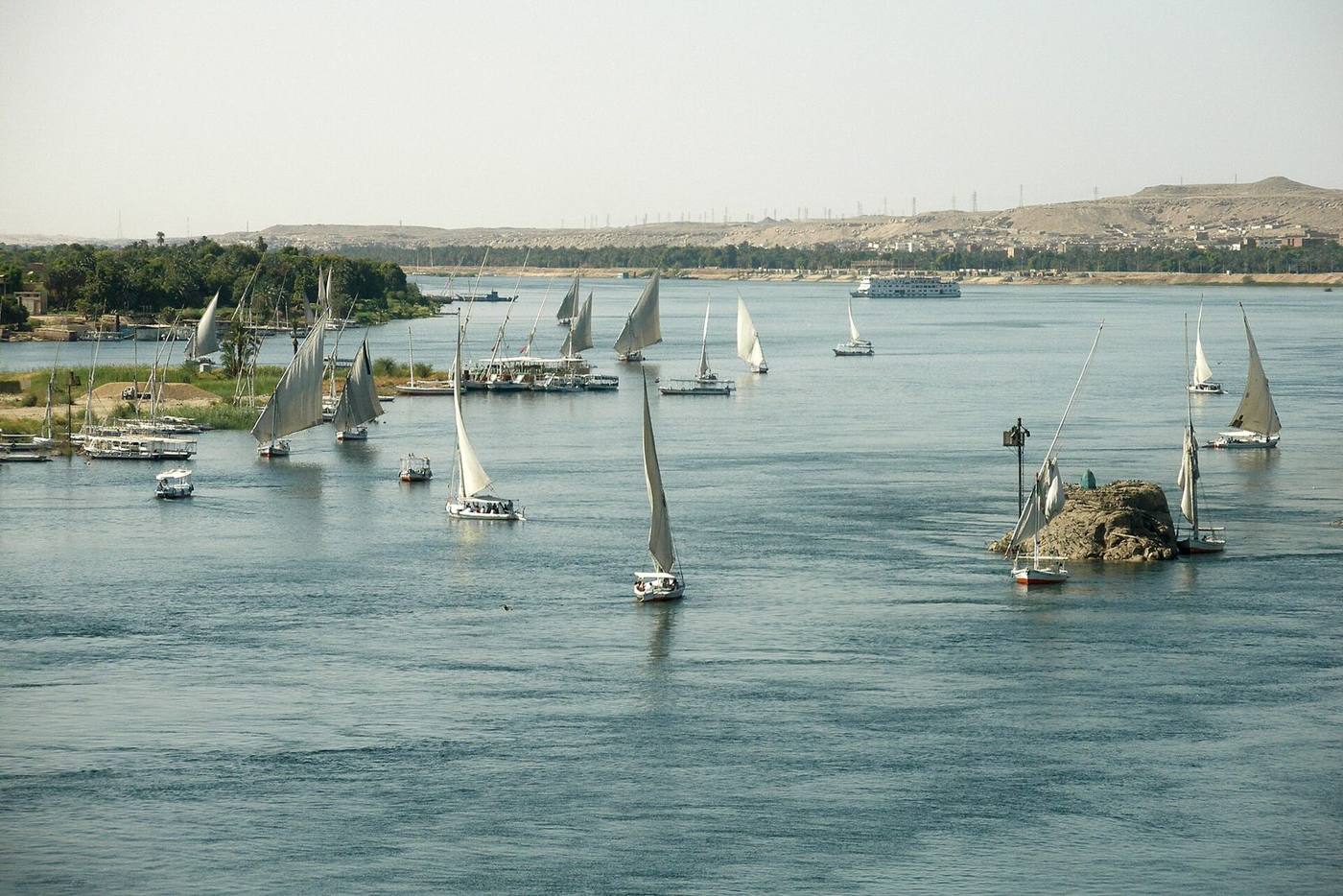
The Nubian south, slowly: the Nubian Museum, Elephantine Island and its villages, the tombs of the nobles at Qubbet el-Hawa, the desert Monastery of St Simeon, the temple of Kalabsha on Lake Nasser, the unfinished obelisk and the Nubian village of Gharb Soheil by boat.