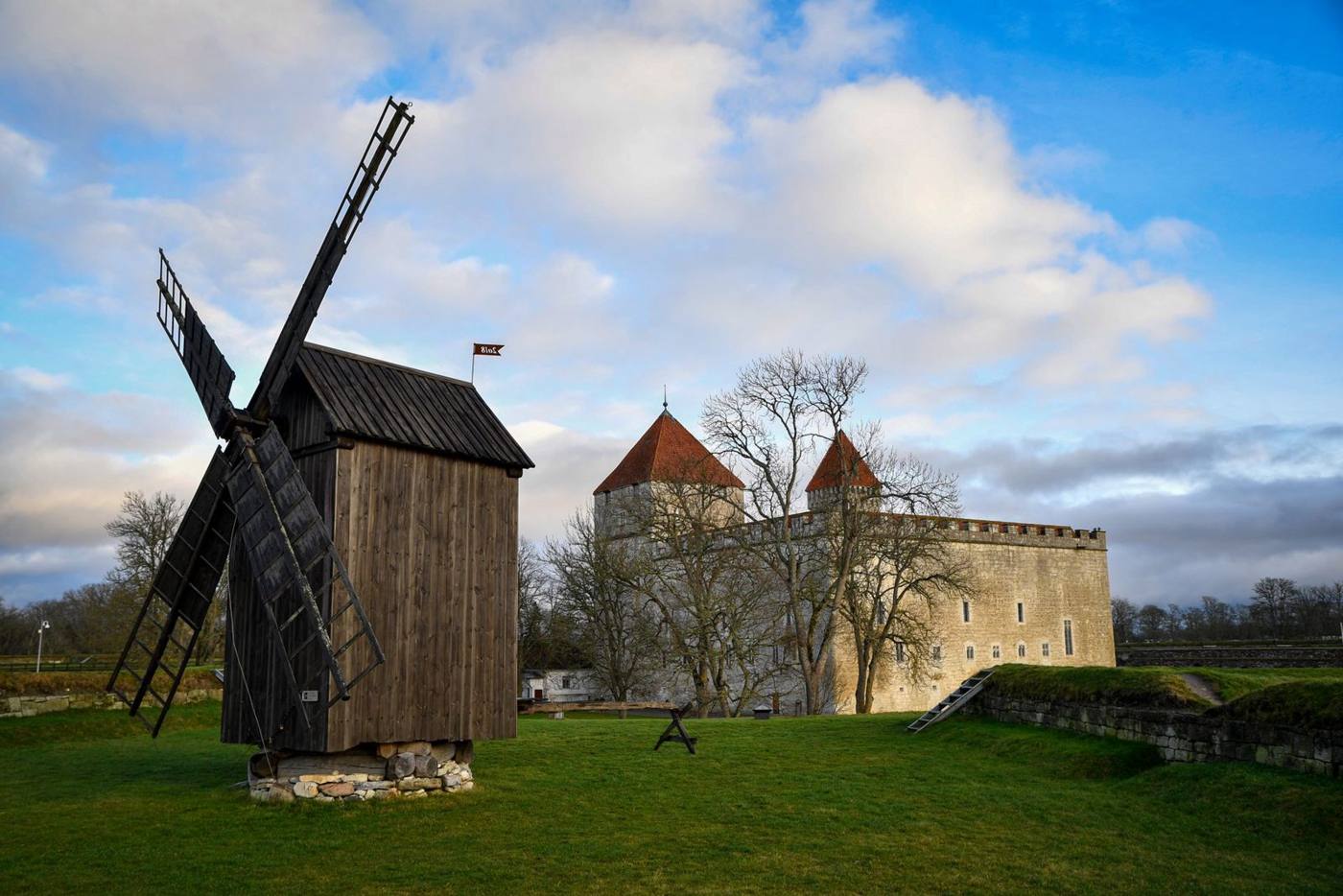
The islands of Saaremaa and Hiiumaa
Windmills, the episcopal castle of Kuressaare, the Kaali meteorite crater, cliffs and old lighthouses on the Baltic islands.
- Haapsalu
- Muhu
- Angla
- Kaali
- Kuressaare
- Panga
- Hiiumaa
- Kõpu
Day by day
- Day 1
Haapsalu, its castle and the ferry to Muhu
This trip takes you to the large islands of western Estonia: Muhu, Saaremaa and Hiiumaa, with windmills, thatched villages, the episcopal castle of Kuressaare, a meteorite crater, cliffs and some of the oldest lighthouses in the Baltic. You travel by hire car, with three ferries, starting and finishing in Tallinn.
Before you go: Italian citizens can enter Estonia with an electronic identity card or a passport, without a visa. Other nationalities should check their own rules. The islands are quiet and safe. The juniper meadows and woods have ticks that can carry encephalitis: ask your doctor about the vaccine.
In the morning, drive from Tallinn to Haapsalu, about an hour and a half. Visit the episcopal castle, with its walls, tower and single-nave cathedral: on full-moon nights in August, so the legend goes, the White Lady appears at the window. Check prices and times. Then walk along the seafront with its wooden villas.
In the afternoon, drive south to the port of Virtsu, about an hour and a quarter. The ferry to the island of Muhu takes about half an hour.
On Muhu, visit the village of Koguva, with stone and timber farmhouses under thatched roofs and dry-stone walls: it is one of the best preserved traditional villages in Estonia. Stop also at the medieval St Catherine's Church.
Stay on Muhu or in the eastern part of Saaremaa.
Practical tip: in summer, book all the ferries online in advance, especially on Fridays and Sundays, when Estonians travel to and from their holiday homes.
- Day 2
The Angla windmills, the Kaali crater and Kuressaare
Today you cross Saaremaa, the largest island in Estonia.
In the morning, drive from Muhu to Saaremaa on the long causeway that links the two islands. Carry on to Angla, where five wooden windmills stand on a small hill: four small post mills, which were turned whole to face the wind, and a larger Dutch-style mill. It is the last group of windmills still standing on the island. Nearby is the medieval church of Karja, with stone carvings inside.
Then drive to Kaali. Here, thousands of years ago, a meteorite broke up in the air and fell on the island, forming several craters. The largest is about a hundred metres across and full of water: a round pond surrounded by trees and an earth rampart. At the small visitor centre you learn how it formed. Check prices and times.
In the afternoon, reach Kuressaare, the main town of Saaremaa, with its square, town hall and wooden houses. Visit the episcopal castle, a fourteenth-century stone fortress with a tower and moats, considered the best preserved medieval castle in the Baltic states. Inside is the Saaremaa Museum. Check prices and times.
In the evening, walk in the park around the castle and along the seafront.
Stay in Kuressaare, for two nights.
Practical tip: try Saaremaa black bread, dark and slightly sweet, and smoked cheese, which you will find in the island's markets and shops.
- Day 3
The Panga cliff and the Sõrve peninsula
Today you explore the coasts of Saaremaa, first in the north and then in the south.
In the morning, drive north to the Panga cliff, about an hour. It is the highest cliff on the island, a limestone wall dropping into the sea, with fossils of sea creatures from hundreds of millions of years ago. Walk the path along the top, among the junipers, and look out over the open sea. Keep away from the edge.
In the afternoon, go back to Kuressaare and continue south along the Sõrve peninsula, a long tongue of land reaching into the sea. The road passes villages, woods and beaches, and along the coast you see the low Ohessaare cliffs.
Very hard battles were fought on the peninsula in both world wars: along the road you will find the remains of coastal batteries, bunkers and memorials. At the far end, on the tip, stands the Sõrve lighthouse, from where you see the sea narrowing towards the Gulf of Riga. Migrating birds pass here in great numbers in spring and autumn.
On the way back, stop at a beach for the sunset, which comes very late in summer.
Practical tip: fill up with fuel in Kuressaare before leaving for Sõrve, because the peninsula has few petrol stations and few shops.
- Day 4
The ferry to Hiiumaa and the Kõpu lighthouse
Today you change islands and head to Hiiumaa, even quieter and covered in forest.
In the morning, drive to the port of Triigi, on the north coast of Saaremaa, about an hour. The ferry to Sõru, on Hiiumaa, takes about an hour; there are few sailings and some run only in summer, so check the timetable and book.
From Sõru, drive west to the Kõpu peninsula. Here, on a wooded hill, rises the Kõpu lighthouse, a large square stone tower first lit in 1531: it is one of the oldest lighthouses in the world still in use. Climb to the top to see the forests and the sea. Check prices and times.
In the afternoon, carry on to Kärdla, the island's small main town, with wooden houses and gardens. On the way, stop at the Hill of Crosses, in the woods, where visitors leave small crosses made of branches: the tradition recalls the Swedish-speaking islanders forced to leave Hiiumaa in the eighteenth century.
In the evening, walk on the beach near Kärdla or climb the Tahkuna lighthouse, in the north, if it is open.
Stay in Kärdla or on a farm on the island.
Practical tip: on the islands deer and roe deer often cross the road, especially at dawn and dusk. Drive slowly.
- Day 5
The ferry to the mainland and back to Tallinn
On the last day you leave the islands.
In the morning, take a walk in Kärdla or on the nearby coast, then drive to the port of Heltermaa, on the east coast of Hiiumaa. The ferry to Rohuküla, on the mainland near Haapsalu, takes about an hour and a quarter.
From Rohuküla, drive to Tallinn, about an hour and a half. If you have time, stop again in Haapsalu for lunch, with Baltic fish and new potatoes.
In these five days you have seen island Estonia: Haapsalu Castle, the village of Koguva on Muhu, the Angla windmills, the Kaali crater, Kuressaare Castle, the Panga cliff, the Sõrve peninsula, the Kõpu lighthouse and the Hill of Crosses on Hiiumaa.
When to go: from June to August, with long days, meadows in flower and more frequent ferries. Midsummer, on 23 and 24 June, is celebrated with bonfires on all the islands. In May and September there are fewer people, but some museums and ferries have reduced hours. The sea is shallow and cool: better for walks than for swimming.
Practical tip: bring a windproof jacket even in summer, because on the coasts and on the ferries the Baltic wind is often cold.
Very quiet islands, with few foreign tourists and lots of nature. Summer ferries must be booked online, especially on Fridays and Sundays. The sea is shallow and cool: better for walks than swimming.
Before you go
- Documents and visa
- EU citizens need a valid identity card or passport: Estonia is in the EU and the Schengen area. Other nationalities should check the Schengen rules and the Entry/Exit System.
- Health and vaccines
- No vaccines required. EU citizens should bring their EHIC, plus insurance covering medical costs and repatriation. In spring and summer the forests have ticks that can carry encephalitis: ask your doctor about the vaccine. Emergencies: 112.
- Money and payments
- Euro. Cards and phone payments are accepted almost everywhere, even for small amounts; carry some cash for farms and country markets.
- Power sockets
- Types C and F, 230 volts.
- Time zone
- Eastern European Time (UTC+2, summer UTC+3).
- Safety
- A safe country, with pickpockets in Tallinn's Old Town, especially in bars and nightclubs. Pedestrians must wear a reflector in the dark. From 1 December 2026 all road crossings with Russia (Narva, Koidula, Luhamaa) are closed to pedestrians and vehicles. The UK reports that some Ukrainian drones aimed at Russia have crossed into Estonian airspace: follow official guidance. Official advice: GOV.UK.
Information checked in November 2026 for Italian and EU citizens. Rules change: always check before you travel.
Variations
In 3 days: Muhu, the Angla windmills, Kaali and Kuressaare, returning on the same Virtsu ferry.
In 7 days: add the island of Vilsandi by boat and Matsalu National Park on the way back.
Frequently asked questions
What document do I need for Estonia?
Italian citizens can enter with an electronic identity card or a passport, without a visa. Other nationalities should check their own rules.
Do I need to book the ferries?
Yes, it is advisable in summer, especially on Fridays and Sundays. The ferry between Saaremaa and Hiiumaa has few sailings and some run only in summer: check the timetable on the official website.
Can I swim there?
Yes, but the sea is shallow and cool, even in summer. The islands are better suited to walking, cycling and sightseeing than to beach days.
Indicative itinerary written by World Atlas. Before booking, check timetables, seasonal openings, documents and safety.
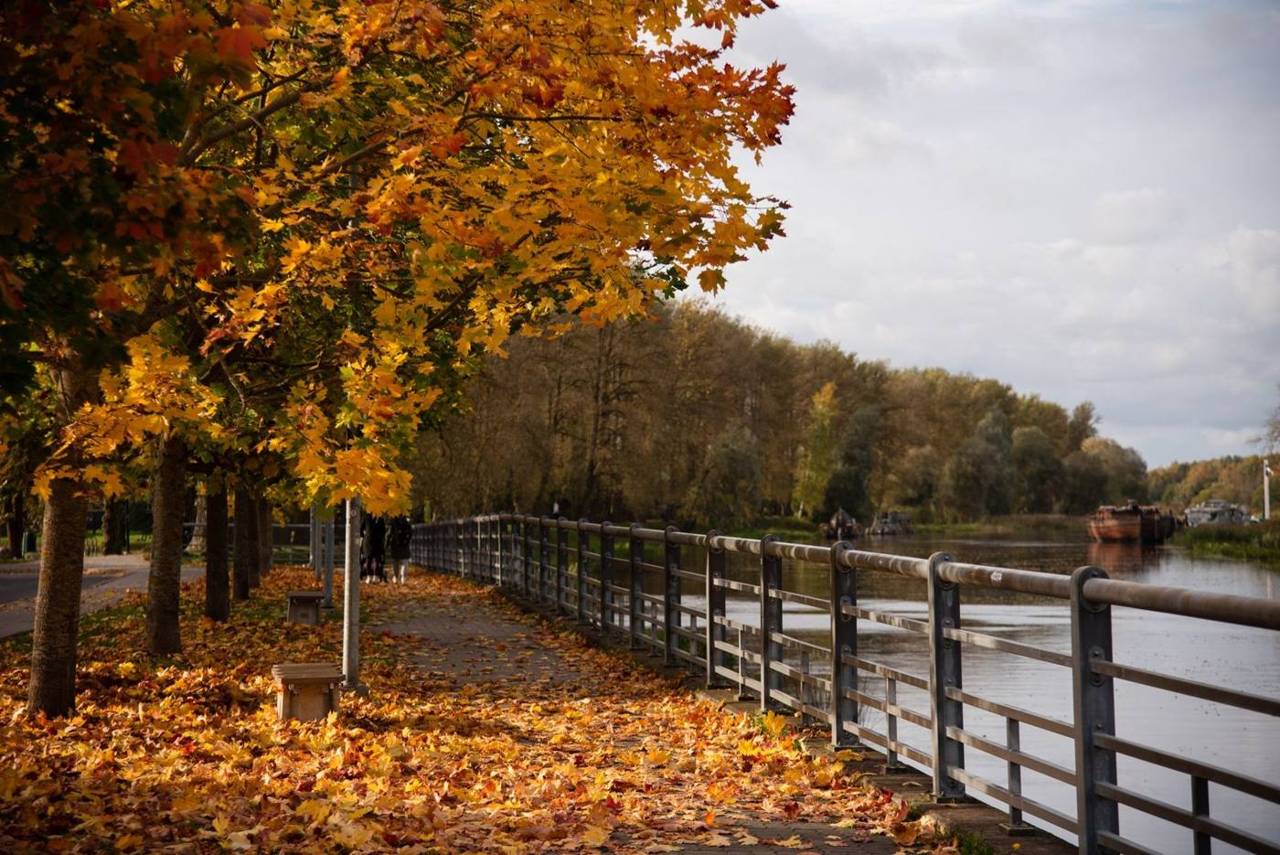 5 daysEasy
Tartu and southern Estonia
The university town of Tartu, the smoke-sauna country of Võro, the highest hill in the Baltics and the Soomaa wetlands.
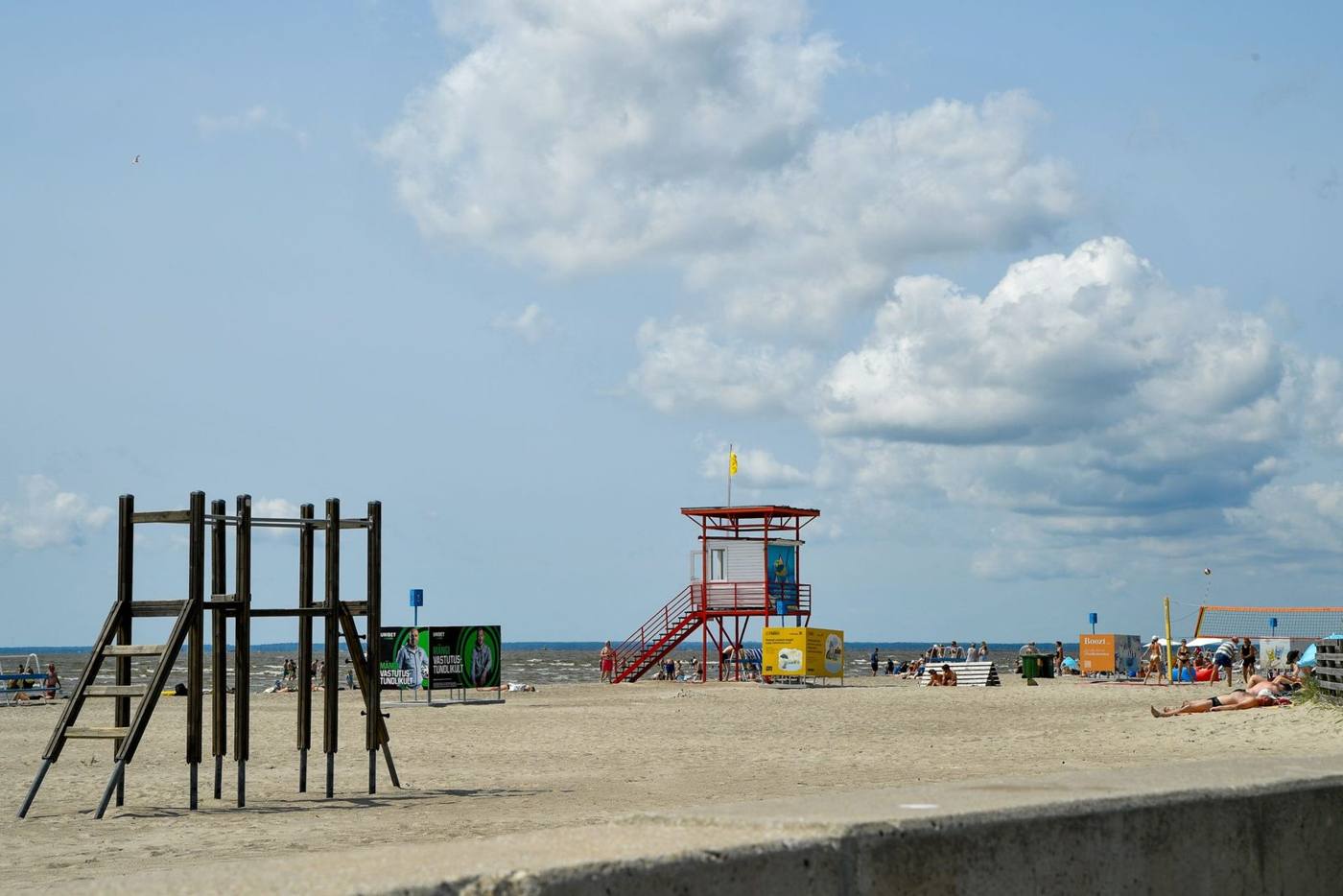 4 daysEasy
Pärnu and Kihnu island
Estonia's summer capital with its beach and spas, then Kihnu, the island where women still wear striped skirts and the culture is UNESCO heritage.
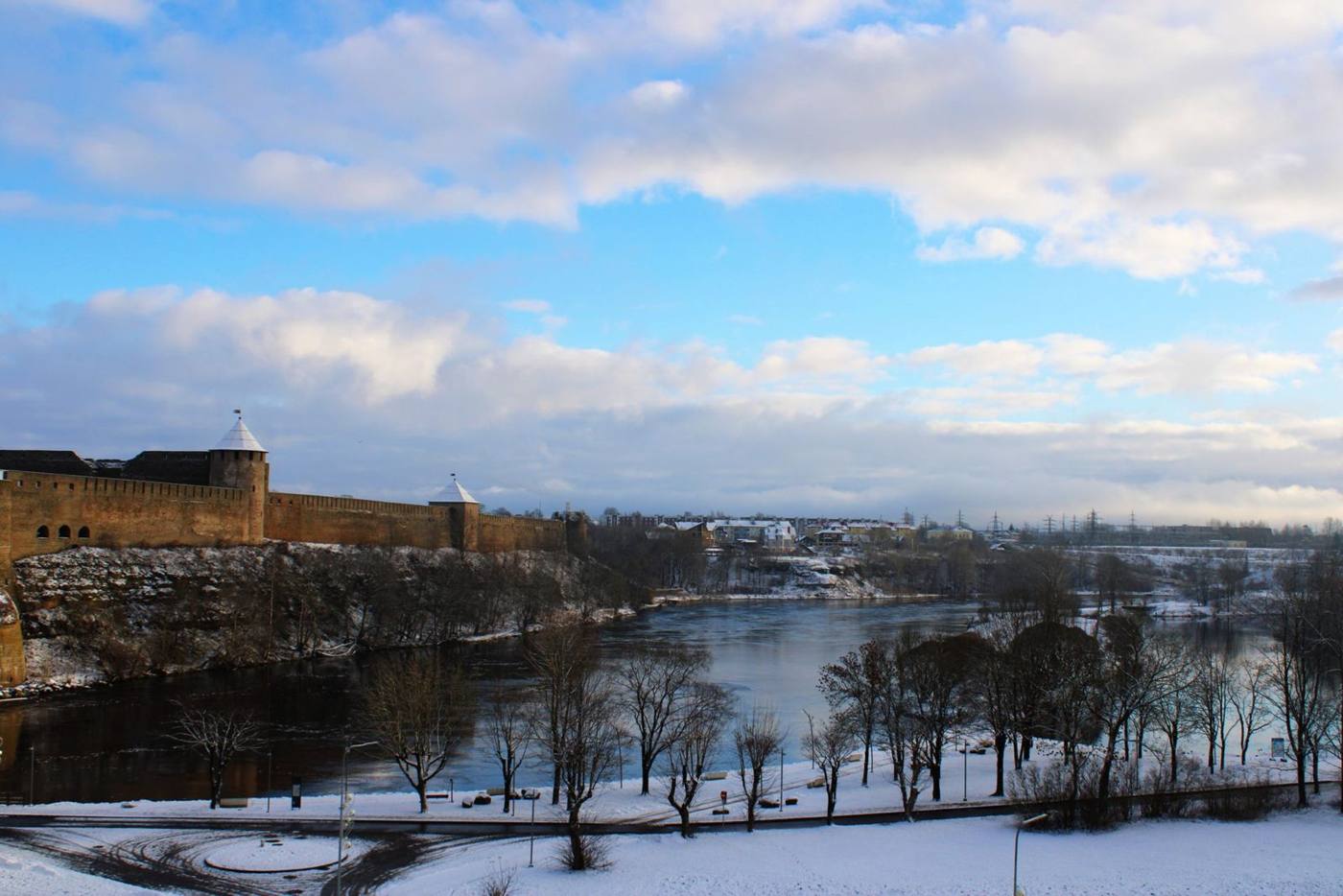 4 daysEasy
Narva and Lake Peipsi
Narva fortress facing Russia's Ivangorod castle, Valaste waterfall, Kuremäe convent and the Old Believer villages on Lake Peipsi with their onions and smoked fish.