The Hungarian spas
The land of hot waters: the Ottoman and Art Nouveau baths of Budapest, the thermal cave of Miskolctapolca, the travertine terraces of Egerszalók and the Hévíz lake.
- Budapest
- Egerszalók
- Miskolctapolca
- Hévíz
Day by day
- Day 1
Budapest: the Széchenyi baths
This trip crosses the land of hot water. Hungary has hundreds of thermal springs and a bathing tradition that goes back to the Romans and the Ottomans. It starts in Budapest, with its Art Nouveau and Ottoman baths, then heads north to the travertine pools of Egerszalók and the thermal cave of Miskolctapolca, and ends in the west, in the thermal lake of Hévíz. It is an affordable wellness trip, perfect in the cold months.
Before you go: Hungary is part of the European Union and the Schengen area, but the currency is the Hungarian forint, not the euro. Italian citizens only need an electronic identity card or a passport; the paper identity card has not been valid for travel abroad since 3 August 2026. Other nationalities should check their own rules. Thefts from changing rooms at baths and pools are reported: always use a locker. Anyone with heart or blood pressure problems, or who is pregnant, should ask a doctor before taking hot baths.
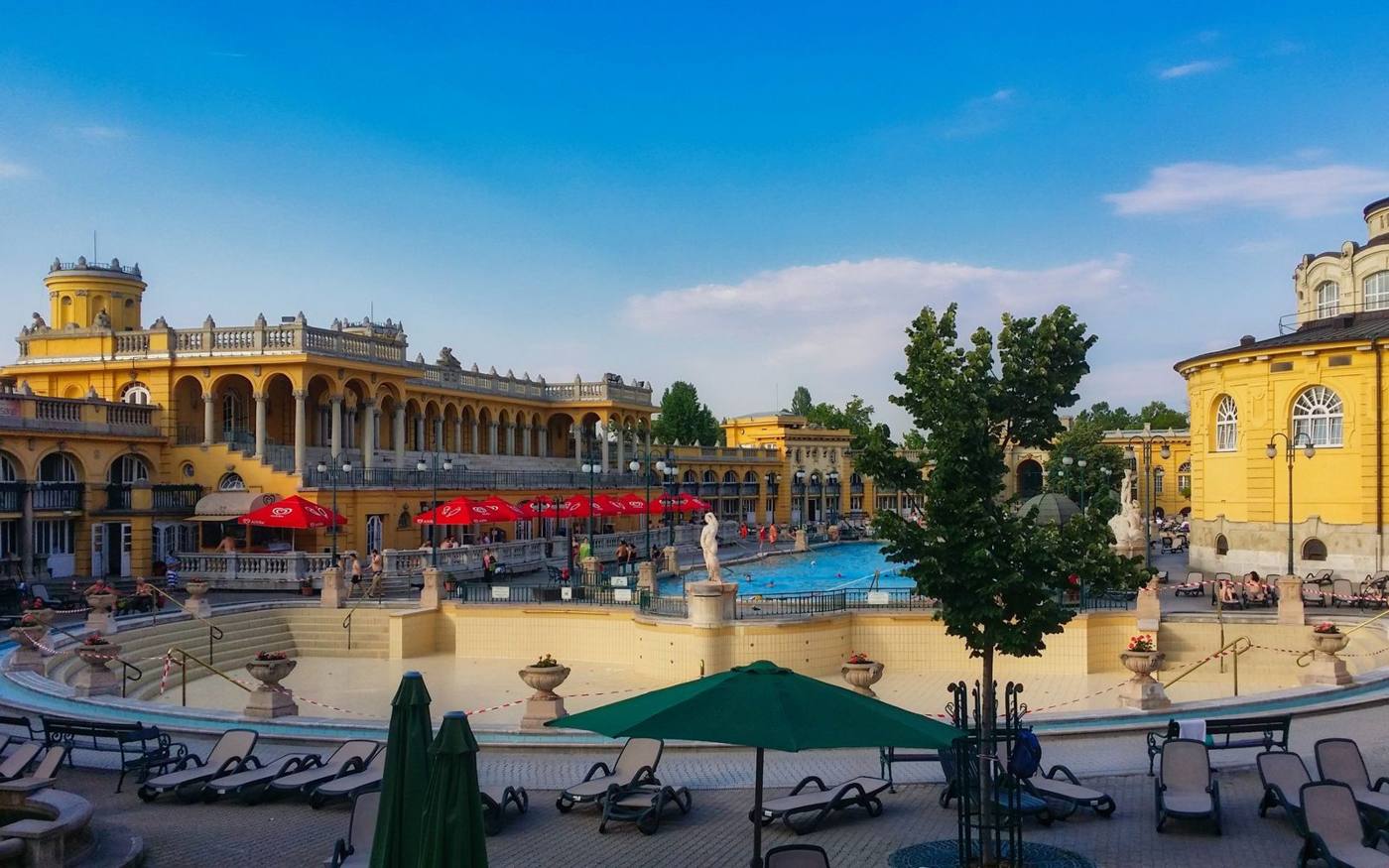
In the afternoon go to the Széchenyi baths, in City Park, opened in 1913. The great yellow neo baroque palace encloses three outdoor pools and many indoor pools at different temperatures, saunas and steam baths. The water arrives hot from a well more than a thousand metres deep. In winter you swim outdoors while steam rises into the cold air: it is the best moment. Check prices and times.
After your bath walk through the park to Heroes' Square.
Sleep in Budapest, for two nights.
Practical tip: bring a swimsuit, flip flops, a towel or bathrobe and a swimming cap. In some pools a cap is compulsory for swimming, and flip flops stop you slipping on wet floors.
- Day 2
Budapest: Rudas and Lukács
Today you visit two baths in Buda that are very different from each other.
In the morning go to the Rudas baths, at the foot of Gellért Hill, near Elisabeth Bridge. The heart of the bath is Ottoman, from the sixteenth century: an octagonal pool under a stone dome with small openings of coloured glass that let in a soft light. Around it are smaller pools, from cold to very hot. On the roof there is a panoramic pool with a view of the Danube and the bridges, beautiful at sunset. On some days the Ottoman section is reserved for men only or women only, while at weekends it is open to everyone: check prices and times.
The Gellért bath, not far away, is closed for a long renovation: check whether it has reopened.
In the afternoon take the tram along the river to the Lukács baths, on the Buda bank near Margaret Bridge. This is a less touristy bath, used mainly by locals, with outdoor pools, thermal pools and a hall where you can drink the spring water. In the courtyard there are plaques of thanks left by people who were cured. Check prices and times.
In the evening stroll on Margaret Island, a short walk away, or go back to the centre for dinner. Try goulash soup or chicken paprikash.
Practical tip: do not stay too long in the very hot pools. Take breaks of fifteen or twenty minutes, then a cool shower, drink water and rest. Two baths in one day are enough, and it is better not to bathe on a full stomach or after drinking alcohol.
- Day 3
Egerszalók and the travertine hill
In the morning leave Budapest and drive north east for about an hour and a half to Egerszalók, a village near Eger. From here on a car is the most convenient option. Motorways need an electronic vignette and drink driving has a zero tolerance limit.
Egerszalók is famous for its salt hill, a white cascade of travertine that looks like snow. It formed almost by chance: in the 1960s, while drilling for oil, workers found a spring of very hot water, at more than sixty degrees. The water still flows down the side of the hill and, as it cools, deposits limestone, which forms smooth white terraces. There are only a few places like it in Europe.
Next to the hill are outdoor thermal pools, where you bathe with a view of the travertine and the vineyards around. Check prices and times. You cannot walk on the terraces: look at them from the marked paths.
Late in the afternoon drive to Eger, a few kilometres away. Take a walk in the baroque centre, below the fortress and the Ottoman minaret. Eger also has a historic thermal bath with an Ottoman section, if you are not yet tired of water.
Sleep in Eger, for one night.
Practical tip: go to Egerszalók on a weekday and bring sunglasses. The white travertine reflects a lot of light, and at weekends the pools are full of families. In the evening, if you want to taste the local wine in Eger, leave the car at your accommodation.
- Day 4
Miskolctapolca, the baths inside a cave
In the morning drive for about an hour north east to Miskolctapolca, a green suburb on the edge of Miskolc, the big city of the north.
Here is one of the most unusual thermal baths in Europe: the cave baths. Warm water flows through natural passages of limestone rock, carved over time by the water itself. You swim between stone walls, under low vaults and in small lit chambers, with currents, water jets and quiet corners. The water is not very hot, so you can stay for a long time. Outside there are also modern pools. Check prices and times.
In the afternoon take a trip into the Bükk hills, a few minutes away. At Lillafüred there is Lake Hámori, a lake among wooded mountains, with a waterfall and karst caves, where you can take boat rides. You can get there on the forest railway from Miskolc, in the months when it runs: check prices and times.
If you prefer history, visit Diósgyőr castle, a medieval fortress with four towers, restored and furnished as it was in the fourteenth century, when it was a residence of the kings of Hungary. Check prices and times.
In the evening try the food of the north: bean soup with smoked ham hock, pasta with curd cheese and bacon, called túrós csusza, and cakes with poppy seeds.
Sleep in Miskolc or Miskolctapolca, for one night.
Practical tip: in the cave the floor is stone and can be slippery. Keep your flip flops on until the edge of the water and walk slowly, especially in the narrow passages.
- Day 5
To Hévíz, the thermal lake
Today you cross the whole of Hungary, from north east to south west. The drive to Hévíz is long, about four and a half hours on the motorway, passing near Budapest. Leave early and stop along the way, for example in Székesfehérvár, the ancient city where the kings of Hungary were crowned, with its baroque centre and the ruins of the royal basilica.
In the afternoon you reach Hévíz, a spa town that grew up around a unique lake. Lake Hévíz is the largest swimmable thermal lake in Europe: the water rises warm from a spring hidden at the bottom of a crater and is completely renewed within a few days. Water lilies float on the surface and in summer flower in red and pink.
You enter from the large wooden pavilion on stilts, in the middle of the lake. The lake is deep and you cannot touch the bottom, so many people swim with a small float. Even in winter the water stays warm and a light mist forms above the lake, very atmospheric in the morning. Check prices and times.
In the evening walk in the park around the lake, among huge trees and old spa villas. Hévíz is quiet and very good for resting.
Sleep in Hévíz, for one night.
Practical tip: if you have no car, you can go from Budapest to Keszthely by train or bus and from there take the local bus to Hévíz. But from Miskolc it is better to split the journey and spend a night in Budapest.
- Day 6
Hévíz in the morning and departure
Last day. Early in the morning take a final swim in the lake, when there are few people and steam is still rising from the water. Respect the recommended time: doctors suggest baths of about half an hour with a break between one and the next.
Then, if you have time, drive ten minutes to Keszthely, on Lake Balaton. Visit the Festetics Palace, one of the largest baroque palaces in Hungary, with the Helikon library, and walk on the pier among the swans. Check prices and times. Otherwise stay in Hévíz and visit the small Romanesque church of Egregy, on the hill above the town, among the vineyards.
In the afternoon head back to Budapest, in about two and a half hours, for your flight.
In these six days you have tried the finest baths in Hungary: the outdoor pools of Széchenyi, the Ottoman dome and rooftop pool of Rudas, the locals' bath at Lukács, the white hill of Egerszalók, the cave of Miskolctapolca and the lake of Hévíz.
When to go: the baths are open all year, but the trip is best in autumn and winter, when it is cold outside and hot water in the open air is a real pleasure. In summer the pools are full and the heat makes bathing less pleasant. The historic baths of Budapest are crowded at weekends: go on weekdays.
Practical tip: after so many baths your skin dries out. Bring a moisturising cream and drink plenty of water throughout the trip, even when you are not thirsty.
An affordable wellness trip, perfect in the cold months. Bring a swimsuit, flip-flops and a swim cap, which is compulsory in some pools. Budapest's historic baths are beautiful but crowded at weekends. At Rudas some days are reserved for men only or women only, so check.
Before you go
- Documents and visa
- EU citizens need a valid identity card or passport: Hungary is in the EU and the Schengen area. Checks can be more frequent on the borders with Serbia, Croatia, Austria and Ukraine: always carry your document. Other nationalities should check the Schengen rules.
- Health and vaccines
- No vaccines required. Public healthcare is adequate; EU citizens should bring their EHIC, and everyone needs insurance covering medical costs and repatriation. Emergencies: 112, ambulance 104, police 107, fire 105.
- Money and payments
- Hungarian forint (HUF), not the euro. Cards are accepted almost everywhere; when a card machine or cash machine offers to convert into euros or pounds, choose to pay in forints. Motorways need an electronic vignette (e-matrica), bought on the official website or at authorised sales points before you join the motorway.
- Power sockets
- Types C and F, 230 volts.
- Time zone
- Central European Time (UTC+1, summer UTC+2).
- Safety
- There are no areas to avoid, but take normal precautions. Watch for pickpockets in crowded places, thefts from changing rooms at baths and pools, fake taxis and Budapest nightclubs that charge huge bills. Drink driving has a zero tolerance limit, and outside built up areas dipped headlights must be on in daytime too. Official advice: GOV.UK.
Information checked in November 2026 for Italian and EU citizens. Rules change: always check before you travel.
Variations
In 4 days: two days in Budapest with Széchenyi and Rudas, then a day in Hévíz and the journey back.
In 8 days: add two days on Lake Balaton, with Tihany and the Festetics Palace in Keszthely, after Hévíz.
Frequently asked questions
What should I bring to Hungarian baths?
A swimsuit, flip flops, a towel or bathrobe and a swimming cap, which is compulsory for swimming in some pools. You can also hire a towel on site: check prices and times.
Are the Rudas baths open to everyone?
The rooftop pool and the modern pools are. The Ottoman section is reserved for men only or women only on some days and is mixed at weekends: check prices and times before you go.
Are thermal baths suitable for everyone?
For most people yes, with short sessions. People with heart or blood pressure problems, pregnant women and small children should ask a doctor and spend less time in the hot pools.
Indicative itinerary written by World Atlas. Before booking, check timetables, seasonal openings, documents and safety.
 4 daysEasy
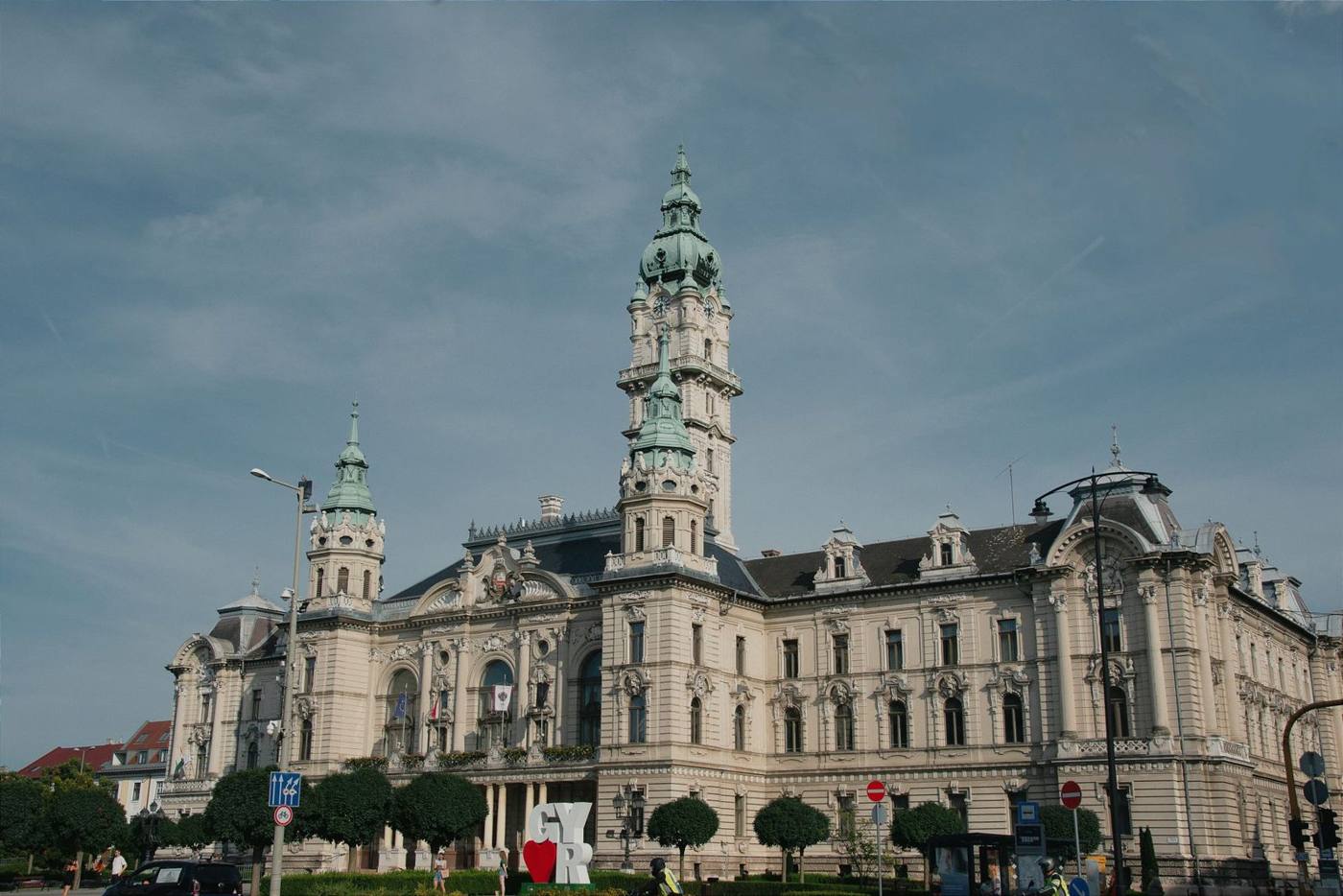
Sopron and Pannonhalma
Western Hungary: the medieval town of Sopron and UNESCO-listed Lake Fertő, the Esterházy Palace at Fertőd and the thousand-year-old Benedictine abbey of Pannonhalma.
 4 daysEasy
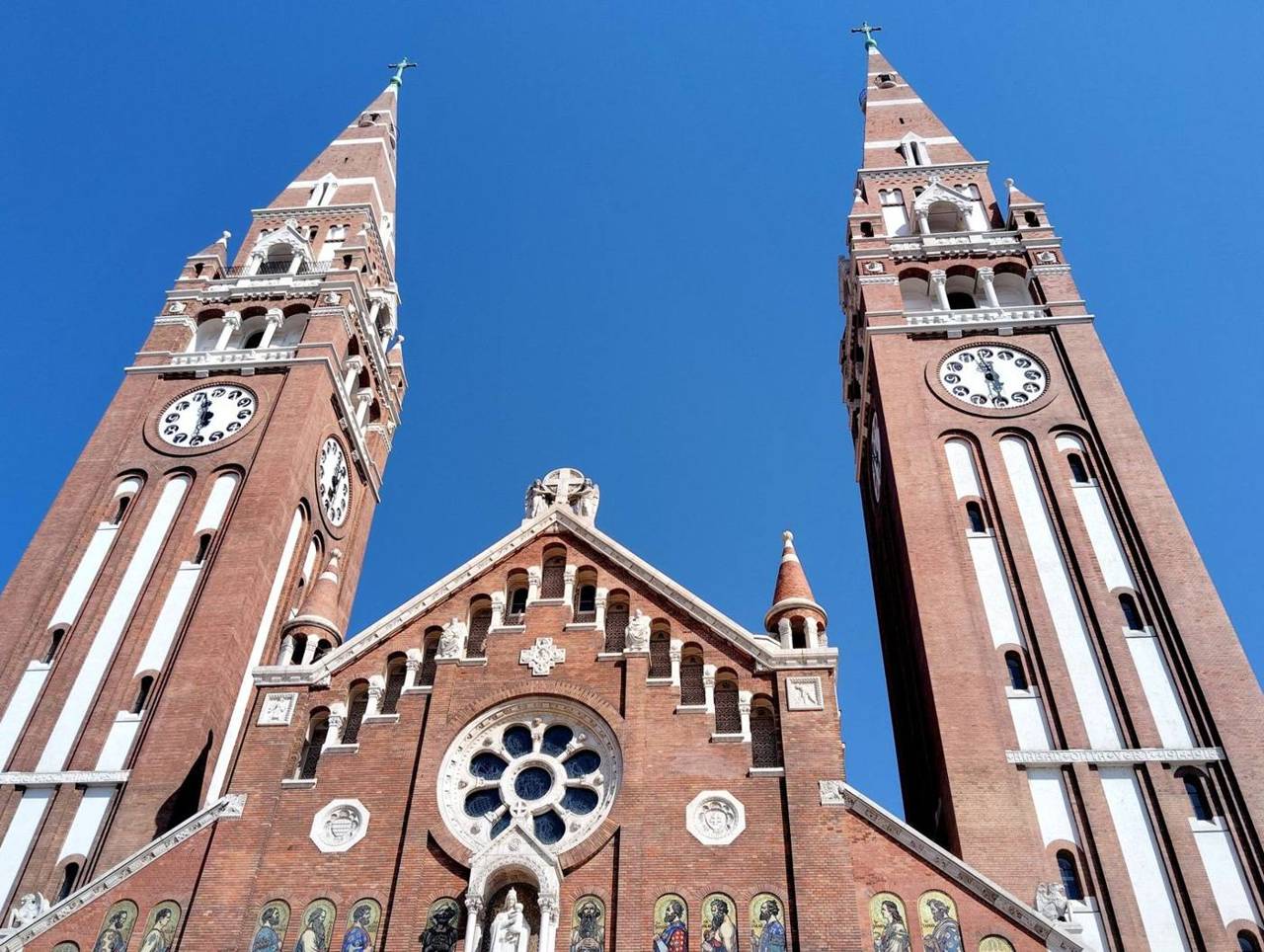
Szeged, Kecskemét and paprika
The southern Great Plain: Art Nouveau Kecskemét and its pálinka, the paprika museums of Kalocsa and Szeged, fisherman's soup and Szeged's Art Nouveau.
 4 daysModerate
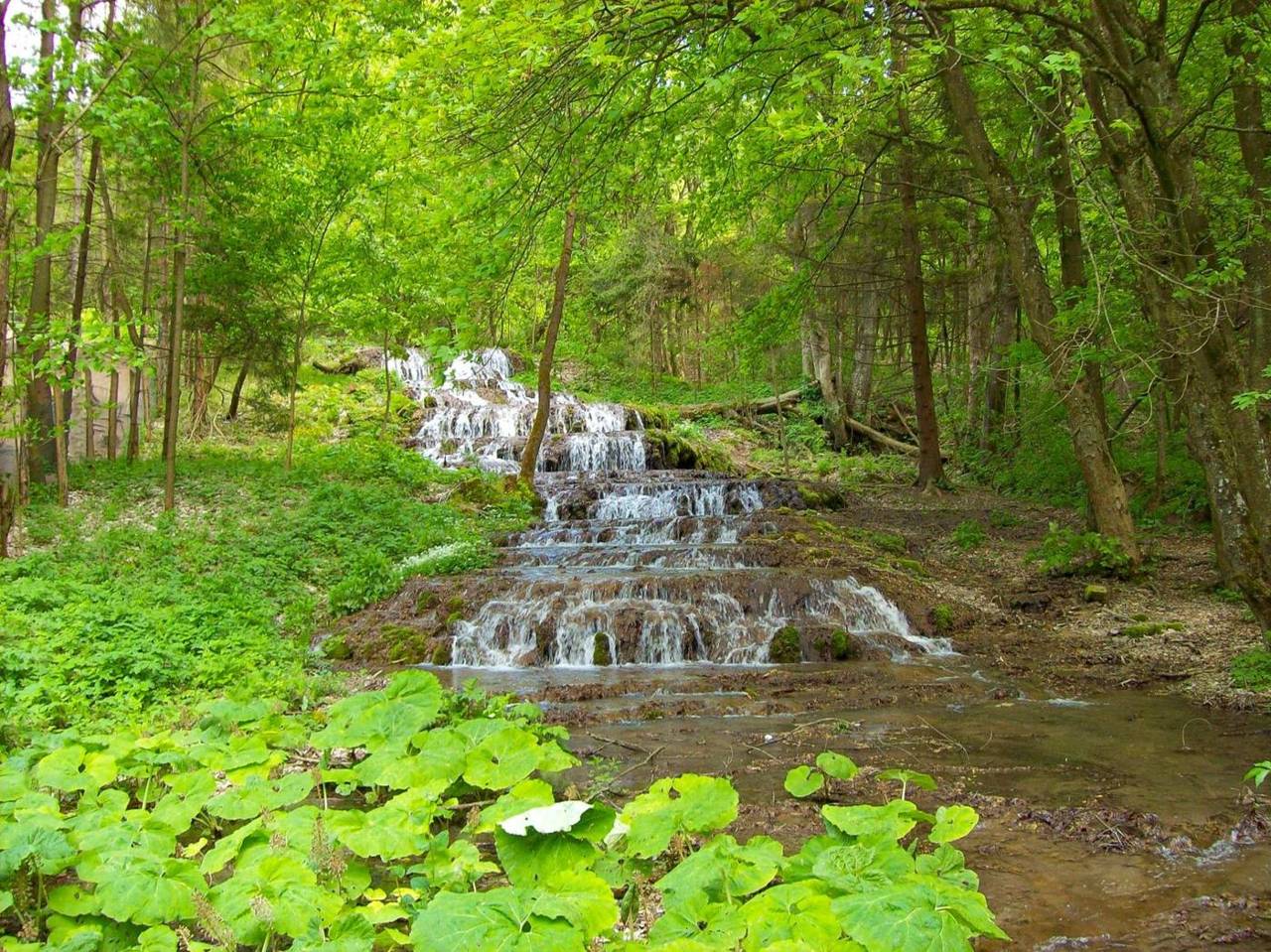
Aggtelek and the Bükk Mountains
The UNESCO Baradla caves at Aggtelek, shared with Slovakia, and the forests and gorges of Bükk National Park with the Szalajka valley.