South India: Tamil Nadu temples and Kerala
The living temples of the south, with painted towers as tall as buildings, then the spice mountains and canals of Kerala.
- Chennai
- Mahabalipuram
- Pondicherry
- Chidambaram
- Thanjavur
- Madurai
- Periyar
- Alleppey
- Kochi
Day by day
- Day 1
Arrival in Chennai
This trip crosses southern India from east to west: the great Dravidian temples of Tamil Nadu, with their towers covered in coloured statues, the French town of Pondicherry, the spice mountains of Periyar, the Kerala backwaters by houseboat and finally Kochi on the Arabian Sea. You travel by car with a driver.
Before you leave: Italian citizens need an electronic visa. The 30 day tourist visa costs 25 dollars from July to March and 10 dollars from April to June; it is requested online before departure. Other nationalities should check their own rules. The United States rates India at level 2, meaning increased caution; the south of the country is not among the areas to avoid.
You arrive at Chennai airport after a flight with one stop, often in the Gulf. Chennai, once Madras, is the capital of Tamil Nadu, a large city on the Bay of Bengal.
The first day is for recovering from the journey. In the late afternoon go to Marina beach, one of the longest urban beaches in the world, where at sunset families stroll among the stalls. The sea here is dangerous: do not swim.
Dinner with a southern thali, a large plate of rice with many small bowls of curry, vegetables, lentils and yoghurt, often served on a banana leaf.
Sleep in Chennai.
Practical tip: in southern India people often eat with their right hand. Wash your hands before and after, and use only the right.
- Day 2
Mahabalipuram, the temples by the sea
Today you leave Chennai and head down the coast to Mahabalipuram, about an hour and a half south.
Mahabalipuram was the port of the Pallava dynasty between the seventh and eighth centuries. Its rock carved monuments are a UNESCO World Heritage site. Tickets are bought at the entrance or online: check the price for foreigners.
In the morning visit the Shore Temple, a granite temple by the sea, with waves reaching its walls. It is one of the oldest structural stone temples in southern India.
Then go to the Descent of the Ganges, an enormous relief carved on two great boulders, with hundreds of figures: gods, people, life size elephants, monkeys, serpents. It tells the story of the holy river descending from heaven to earth. Beside it are small temples cut into the rock and a great granite ball balanced on a slope, called Krishna's butterball.
In the afternoon visit the Five Rathas, five temples each carved from a single block of rock, shaped like chariots, with stone elephants and lions beside them.
The town is full of sculptors' workshops still working stone with hammer and chisel.
Sleep in Mahabalipuram.
Practical tip: visit the monuments at dawn or sunset. At midday the stone is very hot.
- Day 3
Pondicherry, the French town
Today you go to Pondicherry, about two hours south along the coast.
Pondicherry, today officially called Puducherry, was a French colony until 1954. The old town is divided in two: the French quarter, near the sea, with straight streets, yellow and ochre houses with white shutters and bougainvillea, and the Tamil quarter, with traditional houses with verandas on the street.
In the afternoon walk in the French quarter. The streets still have French names, policemen wear the red képi and you find bakeries with baguettes. Visit the Gothic church of the Sacred Heart and the cathedral.
In the centre is the ashram of Sri Aurobindo, an Indian philosopher and spiritual teacher, where you enter in silence to see the flower covered tomb. Not far away is the Manakula Vinayagar temple, dedicated to Ganesh, with an elephant that blesses visitors.
Just outside town is Auroville, an international community founded in 1968, with the great golden globe of the Matrimandir. You see it from outside from a viewpoint; to go in you need a booking, check.
At sunset walk on the Promenade, the seafront closed to traffic in the evening.
Sleep in Pondicherry.
Practical tip: in Pondicherry the bicycle is the best way to get around. It can be rented in many places in town.
- Day 4
Chidambaram and the temple of the dancing Shiva
Today you visit one of the holiest temples of the south and then continue to the heart of the ancient Chola kingdom.
From Pondicherry to Chidambaram takes about two hours. The Nataraja temple is dedicated to Shiva in the form of the cosmic dancer, who with his dance creates and destroys the universe. It is one of the oldest and most revered temples in Tamil Nadu, with four great entrance towers, the gopurams, carved with the 108 positions of classical Indian dance.
The temple is run by a community of priests recognisable by their heads shaved at the front. Ceremonies follow one another through the day, with lamps, bells and chanting. In some southern temples the most sacred area is reserved for Hindus: respect the signs and ask before entering.
In the afternoon continue to Tanjore, about three hours on the road between rice fields, coconut palms and villages. Along the way stop at Gangaikondacholapuram, a great temple built in the eleventh century by a Chola king, almost empty of visitors, and at the Darasuram temple, with carved columns and a hall shaped like a chariot drawn by horses. Together with the great temple of Tanjore they form the Great Living Chola Temples, a UNESCO World Heritage site.
Sleep in Tanjore, today called Thanjavur.
Practical tip: temples are entered barefoot. Bring light socks: in summer the courtyard stones burn.
- Day 5
Tanjore and the great Brihadeeswarar temple
Today you visit the masterpiece of Chola art and the city of bronzes.
In the morning go to the Brihadeeswarar temple, built by King Raja Raja Chola in the early eleventh century. The tower above the sanctuary is about sixty metres high and topped by a great stone dome. In the courtyard is a sacred bull, Nandi, carved from a single block of stone, among the largest in India. On the inner walls are frescoes of the Chola period. The temple is still in use and early in the morning you see worshippers with offerings.
In the afternoon visit the Tanjore palace, with its art gallery holding one of the finest collections of Chola bronzes: bronze statues of gods, including the dancing Shiva, cast by the lost wax technique. In the palace there is also the Saraswati Mahal library, with ancient manuscripts on palm leaves. Check times and tickets.
Tanjore is also the city of gold leaf paintings and musical instruments: the veena, the string instrument of southern classical music, is made here. In the workshops you see craftsmen at work.
In the evening return to the temple to see the tower lit by the sunset.
Sleep in Tanjore.
Practical tip: for bronze statues and paintings always ask for a certificate. Exporting antiquities is forbidden.
- Day 6
Madurai and the Meenakshi temple
Today you reach Madurai, one of the oldest cities in India, grown around its great temple.
From Tanjore to Madurai takes about four hours by road. Along the way you can stop at Tiruchirappalli, with its rock temple, or in Chettinad, a region of great merchants' mansions with courtyards, columns and Italian tiles, famous for one of the spiciest cuisines in India.
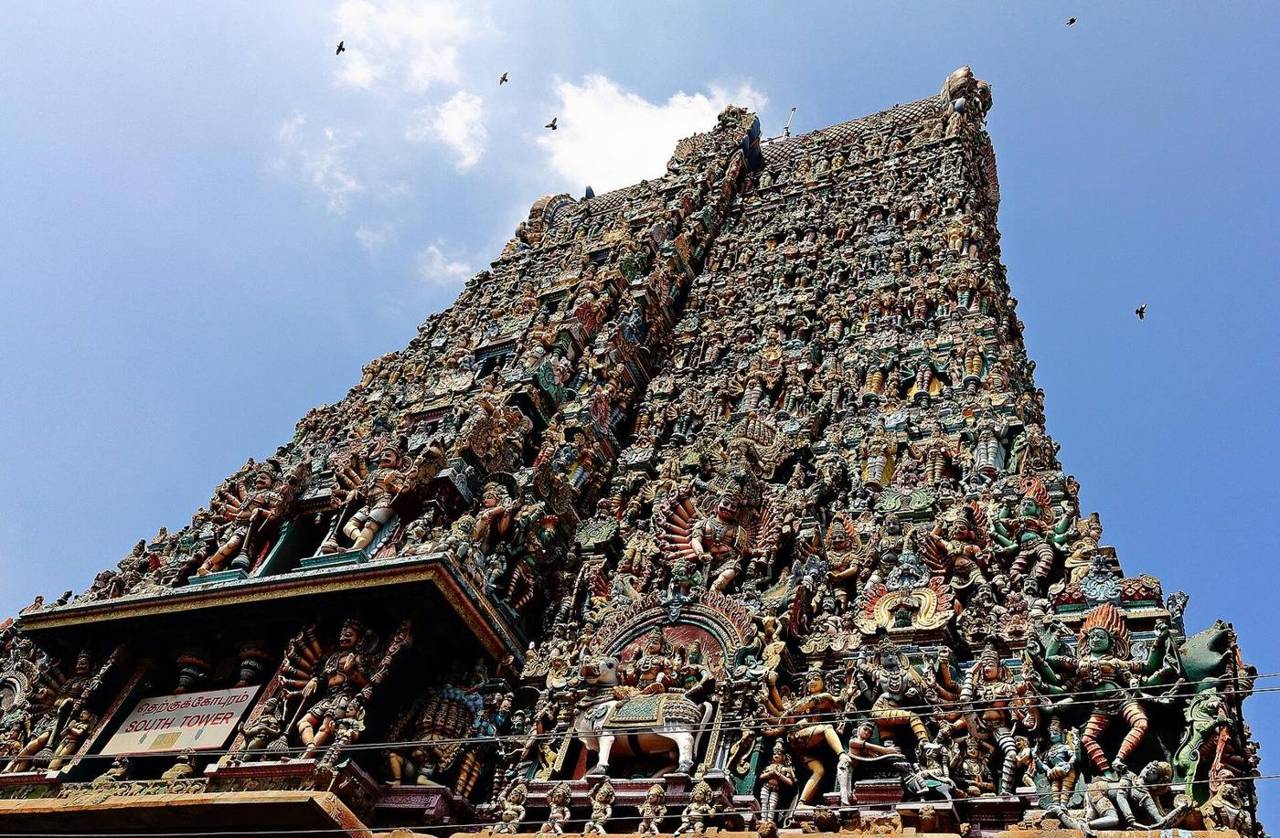
In the afternoon enter the Meenakshi Amman temple, dedicated to the goddess Meenakshi and her consort Sundareswarar, a form of Shiva. It is one of the largest and most alive temples in India: a whole city, with fourteen entrance towers covered by thousands of statues of gods, animals and demons painted in bright colours. Inside are corridors with carved columns, the hall of a thousand pillars, a sacred tank with steps and a crowd of pilgrims, families and priests.
The main shrines are reserved for Hindus, but the rest of the temple can be visited. You enter barefoot and bags and phones are sometimes not allowed: check the rules at the entrance.
In the evening walk through the bazaar around the temple, among tailors and sellers of flowers, fabrics and brass.
Sleep in Madurai.
Practical tip: wear clothes covering shoulders and legs. It is required to enter all the temples of the south.
- Day 7
Madurai: the palace and the night ceremony
Today you stay in Madurai to know it better and in the evening attend the temple's most beautiful ceremony.
In the morning visit the Thirumalai Nayak palace, built in the seventeenth century by a king of the Nayak dynasty, with great white columns, arches and domes, in a style blending Indian and Islamic art.
Then visit the Gandhi museum, in an old palace, which tells the life of the Mahatma and the struggle for India's independence. The garment Gandhi was wearing when he was killed in 1948 is kept here. Check times and closing days.
In the afternoon go to the flower market, where tons of jasmine, marigolds and roses arrive every day for temple offerings and garlands. The scent is very strong.
In the evening return to the Meenakshi temple for the night ceremony. Every evening the priests carry the image of the god Sundareswarar in procession to the chamber of the goddess Meenakshi, so that the couple may spend the night together. The procession advances with drums, conch shells, lamps and incense through the temple corridors. It is one of the strongest moments of the trip. Ask the time at the entrance.
Sleep in Madurai.
Practical tip: in Madurai try jigarthanda, a cool drink with milk, ice cream and syrup, a city speciality.
- Day 8
The Ghats road to Periyar
Today you leave Tamil Nadu and climb into the mountains of the Western Ghats, in Kerala.
From Madurai to Thekkady, the town at the entrance of the Periyar reserve, is about four hours by road. You cross the Tamil Nadu plain through cotton fields, vineyards and palms, then the road climbs with many hairpins through the hills. The climate changes: it becomes cooler and the air is humid.
At the border between the two states the landscape turns green: plantations of tea, cardamom, black pepper, coffee, rubber trees and forests. Kerala is the state of spices, which for centuries Arab, Chinese and European merchants came to buy.
In the afternoon visit a spice plantation with a guide. You see the plants of cardamom, black pepper climbing the trees, cinnamon, cloves, nutmeg, vanilla and coffee. The guide explains how they are harvested and dried.
In the evening watch a performance of kalaripayattu, an ancient martial art of Kerala, with leaps, sticks and swords, or of kathakali, the dance drama with painted faces.
Sleep in Thekkady.
Practical tip: buy spices in cooperative shops or directly at the plantations. They are fresh and cost less. Ask for vacuum packs for the journey home.
- Day 9
Periyar: forest and wildlife
Today you enter the Periyar reserve, one of the most famous protected areas in southern India.
The reserve spreads over forest covered hills around an artificial lake, created by a dam in the late nineteenth century. In the forest live wild elephants, Indian bison, sambar deer, wild boar, monkeys, many birds and some tigers, which are rarely seen.
Early in the morning take a forest walk with a reserve guide. Walks are organised by the park, in small groups accompanied by guides who often come from the tribal communities of the area. You see animal tracks, birds, lion tailed macaques and giant squirrels. Activities are booked at the reserve centre: check prices, times and places.
Alternatively, take the boat trip on the lake, with views of the shores where animals come down to drink. Elephants and bison are often seen on the banks.
In the afternoon rest or cycle through the plantations around the town.
In the evening try Kerala cooking: fish curry with coconut, appam, fermented rice pancakes, and vegetable stew with coconut milk.
Sleep in Thekkady.
Practical tip: in the forest wear leech socks. The park guides often provide them. Wear muted colours and keep quiet to see more animals.
- Day 10
By houseboat on the Alleppey backwaters
Today you come down from the mountains to the Kerala backwaters and spend the night on a boat.
From Thekkady to Alleppey, today called Alappuzha, takes about four hours by road, descending from the hills to the coastal plain.
The backwaters are a network of canals, rivers and lakes along the Kerala coast, separated from the sea by a strip of land. Along the canals are villages, rice fields below water level, coconut palms, churches, temples and mosques.
At midday board a houseboat, a large traditional boat of wood and coconut fibre with a bamboo roof, once used to carry rice. Today it is fitted with bedrooms, bathroom and a kitchen, and a crew who steer the boat and cook. Book ahead and choose a boat with a valid licence.
The boat glides slowly through the canals and on Vembanad Lake. You see women washing clothes on the steps, fishermen in canoes, ducks, herons and kingfishers.
In the evening the boat moors near a village. For dinner the crew prepares fried lagoon fish, karimeen, with rice and curry.
Sleep on the houseboat.
Practical tip: there are many mosquitoes on the canals. Ask for a boat with a mosquito net or air conditioning.
- Day 11
Kochi, the city on the Arabian Sea
Today you leave the boat and go to Kochi, the ancient spice port, about an hour and a half north.
Fort Kochi, the old part of the city, is a peninsula where the Portuguese, Dutch and British followed one another. The streets are quiet, with colonial houses, spice warehouses and enormous trees.
In the morning walk along the seafront to see the Chinese fishing nets, large structures of wood and rope lowered into the water and raised with counterweights, probably brought by Chinese traders centuries ago. Fishermen still work this way.
Then visit St. Francis Church, the oldest European church in India, where the navigator Vasco da Gama was buried for some years, and the Santa Cruz basilica.
In the afternoon go to Mattancherry, the Jewish quarter, with the sixteenth century Paradesi synagogue, with its floor of hand painted Chinese tiles, and the Dutch palace, with frescoes from Indian epics. Check times and closing days. The streets around are full of antique and spice shops.
In the evening watch a kathakali performance: you can arrive early to see the actors putting on their make up.
Sleep in Fort Kochi.
Practical tip: in Fort Kochi distances are short. Get around on foot or by auto rickshaw, agreeing the price beforehand.
- Day 12
Departure from Kochi
The last day is in Kochi, before the flight.
Early in the morning go to the seafront to see the fishermen at the Chinese nets at dawn and the fish market, where you can buy fish and have it cooked in the small restaurants nearby.
If you have time, cross the bay on the public ferry to Ernakulam, the modern part of the city: the trip costs little and offers a fine view of the harbour.
Kochi airport is about an hour and a half from Fort Kochi, longer with traffic. It was the first airport in the world to run entirely on solar power. Many flights to Europe connect in the Gulf.
What to take home: Kerala spices, such as black pepper, cardamom and cinnamon, tea and coffee from the Ghats, cotton fabrics and Kanchipuram silk, bronze statuettes with a certificate, ayurvedic oils, coconut fibre objects.
This trip shows southern India, different from the north: living Dravidian temples, visited every day by thousands of worshippers, the French and Portuguese colonial memory, the spice mountains and the green backwaters of Kerala.
Practical tip: the south has two monsoons. In Kerala it rains heavily from June to September, in Tamil Nadu from October to December. The best time is January to March.
In my view the south is the best India for a first trip: less chaos and more living spirituality. The Tamil Nadu temples are active places of worship, not museums: cover up and leave your shoes outside. Right months: November-February, before the heat.
Before you go
- Documents and visa
- Passport with at least six months' validity and two blank pages, plus an electronic tourist visa from the official Indian government website: 30 days for 25 dollars from July to March, 10 dollars from April to June.
- Health and vaccines
- No compulsory vaccines arriving from Europe; ask your doctor about hepatitis A, typhoid and malaria depending on the area. Drink only sealed bottled water. Emergencies: 112.
- Money and payments
- Indian rupee. Cards and digital payments are common in cities; markets, villages and rickshaws need cash.
- Power sockets
- Types C, D and M, 230 volts: a universal adapter is useful.
- Time zone
- UTC+5:30 all year: India does not use daylight saving time.
- Safety
- The United States rates India level 2, with level 4 for Jammu and Kashmir (except Ladakh), Manipur and the 10 km strip along the Pakistani border. Official advice: GOV.UK.
Information checked in November 2026 for Italian and EU citizens. Rules change: always check before you travel.
Variations
In 8 days: only Kerala, with Kochi, Munnar, Periyar and the backwaters, without Tamil Nadu.
In 15 days: add Kanchipuram, Trichy and a few days by the sea at Varkala, on the Kerala coast.
Frequently asked questions
Do I need a visa?
Yes, Italian citizens need an electronic visa. The 30 day tourist visa costs 25 dollars from July to March and 10 dollars from April to June. Other nationalities should check their own rules.
Can you enter all the temples?
You can enter almost all temples, barefoot and with shoulders and legs covered. In many southern temples the most sacred area is reserved for Hindus: respect the signs.
When is the best time?
From January to March. In Kerala the heavy monsoon is from June to September, in Tamil Nadu rain comes from October to December. April and May are very hot.
Indicative itinerary written by World Atlas. Before booking, check timetables, seasonal openings, documents and safety.
 7 daysEasy
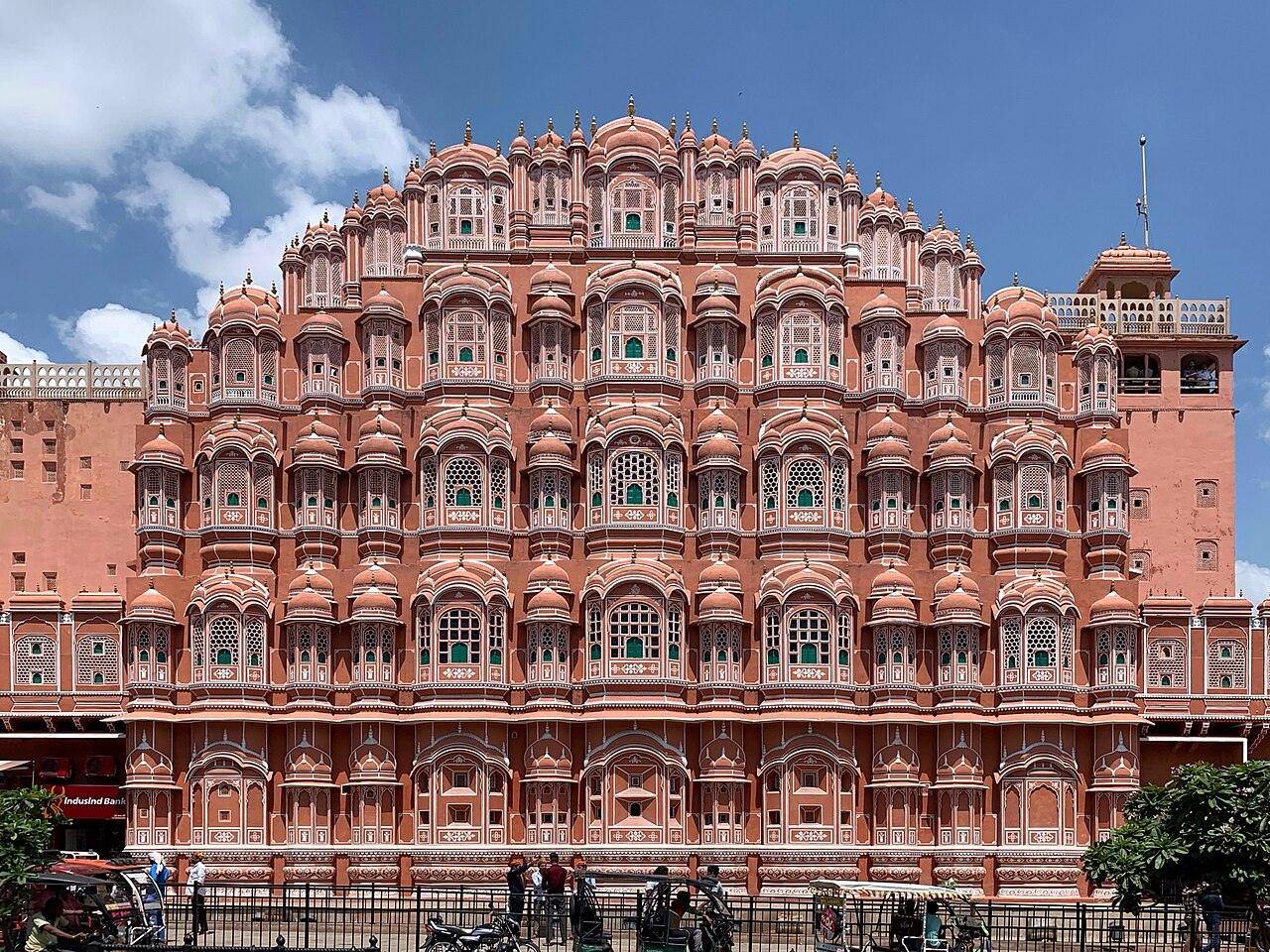
The Golden Triangle: Delhi, Agra and Jaipur
A first time in India: the Taj Mahal at dawn, the forts of Rajasthan and the life of Old Delhi, in one week.
 15 daysModerate
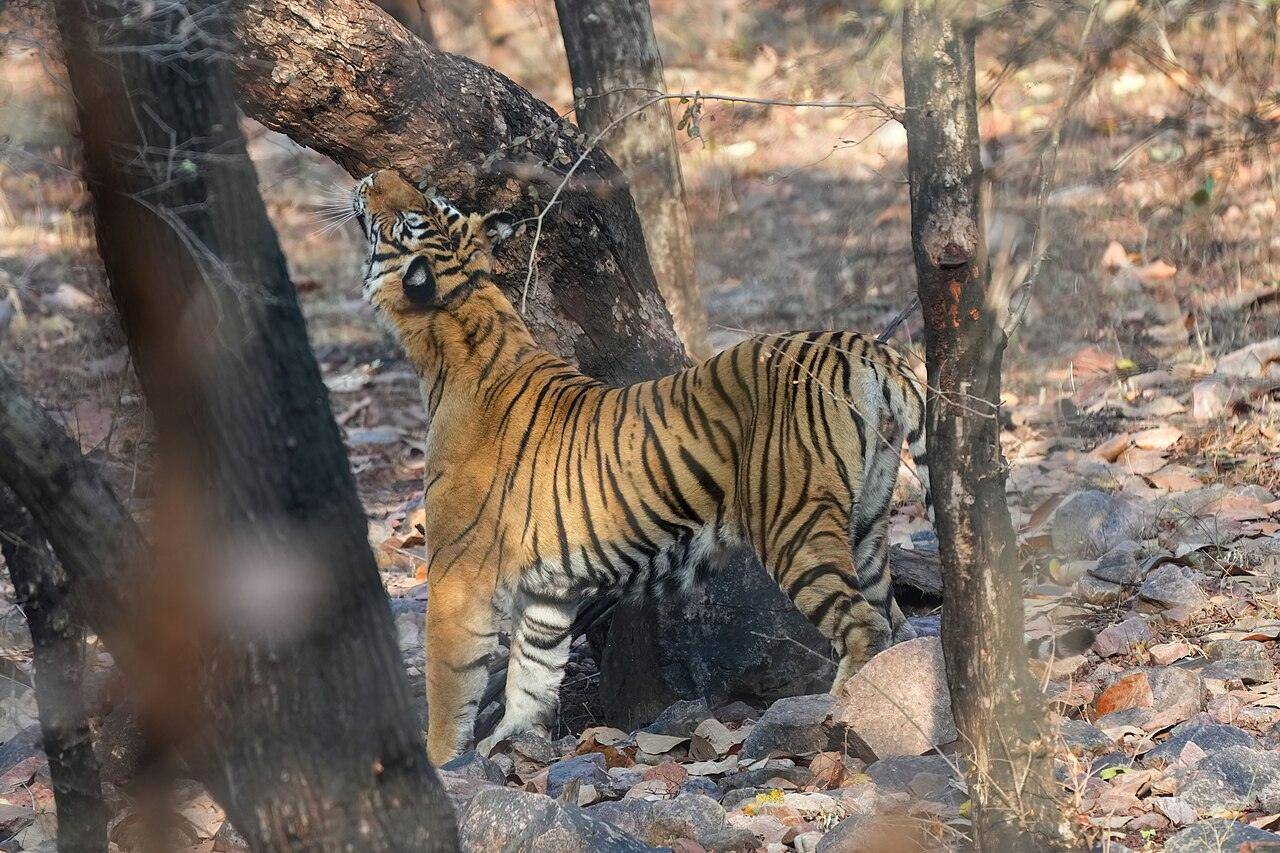
Rajasthan and the tigers of Ranthambore
Palaces, desert and safari: from the Taj Mahal to the blue and golden cities of Rajasthan, with two days in tiger country.
 16 daysModerate
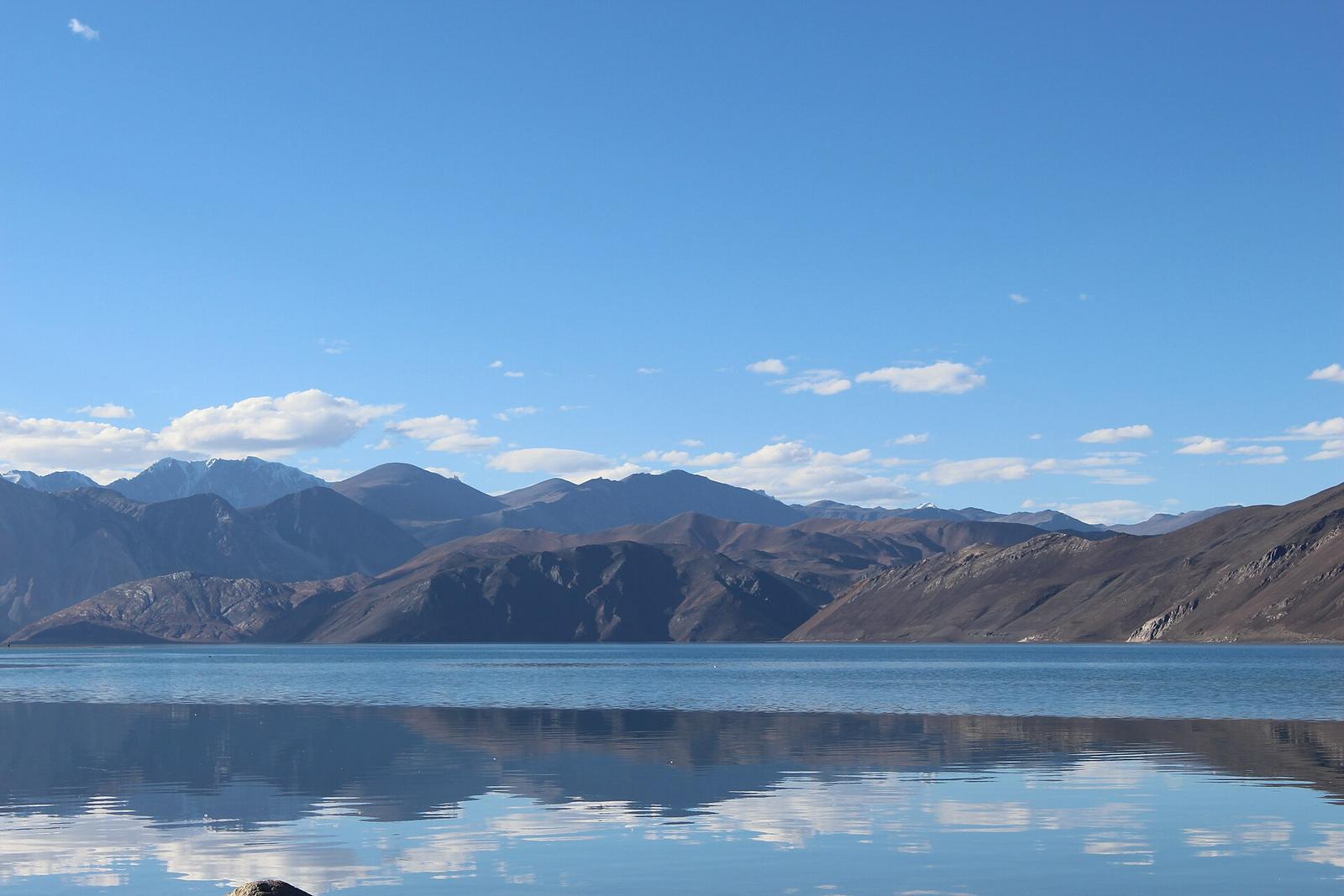
Ladakh, Little Tibet
Buddhist monasteries clinging to the rocks, the Nubra valley with its two-humped camels and Pangong lake at 4,300 metres.