Raja Ampat, the richest sea on earth
Karst islands, the reef with the greatest variety of species on the planet and birds of paradise at dawn.
- Sorong
- Waisai
- Kri
- Piaynemo
- Arborek
- Wayag
Day by day
- Day 1
The long journey to Sorong
This trip takes you to Raja Ampat, an archipelago of hundreds of islands at the western tip of New Guinea, in the Indonesian province of Southwest Papua. It is considered the sea with the greatest variety of corals and fish on the planet: extremely colourful reefs, manta rays, turtles, reef sharks, huge schools of fish, and above the water limestone islands covered in forest, turquoise lagoons and birds of paradise.
Before you leave: to enter Indonesia, Italian citizens can get a visa on arrival, which costs 500,000 rupiah; other nationalities should check their own rules. The United States government rates Central Papua and Highland Papua at level 4, both far from Raja Ampat: still, check the latest advice for the region. Talk to your doctor about malaria prophylaxis.
The journey is long. You fly to Jakarta or Bali, then on a domestic flight, often via Makassar, to Sorong, the gateway to Raja Ampat. It is worth spending a night near Jakarta or Makassar airport to break the journey.
Domestic flights can be delayed or cancelled. Keep a day's margin both on the way out and on the way back, especially before your intercontinental flight.
Sleep in transit or in Makassar.
Practical tip: the best time is October to April, when the sea is calmest. From June to September southerly winds make the sea rough in some areas.
- Day 2
From Sorong to Waisai by ferry
In the morning you arrive at Sorong airport. From here a taxi takes you to the port, about a quarter of an hour away, where fast ferries leave for Waisai, the main town of Raja Ampat, on Waigeo island. The crossing takes about two hours, sometimes on a rough sea. Check the timetable, which changes: there are usually departures in the morning and early afternoon.
In Waisai you pay the entry permit for the Raja Ampat marine protected area, an environmental fee valid for your whole stay, which funds reef protection and local communities. Check the current amount and where to pay; always carry the card with you.
From Waisai harbour a boat from your accommodation takes you to the island where you will stay, usually Kri, Mansuar, Gam or another nearby island. The most authentic way to stay in Raja Ampat is in homestays, wooden houses on stilts over the water or on the beach, run by Papuan families, with simple meals of fish, rice, vegetables and fruit. Facilities are basic: limited fresh water, electricity only a few hours a day, little or no internet.
In the afternoon go snorkelling in front of the homestay: often, a few metres from the shore, the reef is already full of life.
Sleep in a homestay over the water.
Practical tip: bring cash in rupiah for the whole stay. There are no ATMs on the islands and cards do not work.
- Day 3
Snorkelling and diving around Kri
Today you start discovering the sea of Raja Ampat. The waters around Kri island and the Dampier Strait are among the richest in the world: on a single dive at Cape Kri, biologists counted more than three hundred species of fish.
If you dive, arrange it with a dive centre on the island. Currents here can be strong, bringing the nutrients that make life so abundant: always follow your guide's instructions and bring your certification. You see huge schools of trevally and barracuda, blacktip and whitetip sharks, turtles, groupers, Napoleon wrasse and soft corals in every colour.
If you only snorkel, the spots near jetties and beaches are already extraordinary: hard corals, clownfish in anemones, parrotfish, rays. You often see small blacktip sharks in the shallows near the shore: they are shy and not dangerous.
At midday have lunch at the homestay and rest during the hottest hours, in the shade.
In the late afternoon go back in the water, then watch the sunset from the jetty, with the islands turning to dark silhouettes on the sea.
Sleep in the homestay.
Practical tip: use reef friendly sunscreen or, better, a long sleeved top. Never touch the coral and never stand on the reef.
- Day 4
Mansuar and the manta rays
Today take a boat trip to the most famous spots in the Dampier Strait, between Mansuar and Waigeo islands.
One of the finest trips is to Manta Sandy, an area of sand and coral where giant manta rays come to be cleaned by small fish. The mantas, with wingspans of several metres, circle slowly over the cleaning stations. Divers kneel on the sand behind a line of stones, without approaching. Snorkellers watch from above. Sightings are not guaranteed: they depend on currents and season.
Then snorkel other nearby reefs, such as those around Mansuar, with table, brain and fan corals and walls full of fish.
At lunchtime the boat stops at a small white sand beach with palms and clear water for a picnic, usually fish, rice and fruit prepared by the homestay.
In the afternoon, if your accommodation arranges it, visit the village of Sawinggrai or Yenbuba, with wooden houses, churches, children playing in the water and fishermen in canoes. Respect village life: cover up, especially on Sundays, and ask before taking photos.
Sleep in the homestay.
Practical tip: on boat trips bring a light jacket and a dry bag. The sea can become rough suddenly, and spray soaks everything on board within minutes.
- Day 5
A day of sea and rest
Today is a freer day to rest and enjoy the island. After several days of diving or snorkelling, your body needs a break, and divers must respect the safety intervals before any flights.
In the morning snorkel slowly in front of the homestay, with no hurry, watching the small details of the reef: colourful nudibranchs, cleaner shrimps, scorpionfish, moray eels hidden in cracks. A good mask and comfortable fins make all the difference.
You can rent a kayak and paddle along the coast, into small lagoons among the mangroves, where young fish and small sharks swim.
In the afternoon read in the shade, sleep in a hammock or talk with the family running the homestay: many are happy to talk about island life, fishing, traditions and how the environmental fee and tourism have changed their communities.
At sunset, sometimes, fruit bats fly out from the islands towards the forest, hundreds of large black shapes against the orange sky.
In the evening have grilled fish with sambal, the spicy sauce, and tropical fruit.
Sleep in the homestay.
Practical tip: if you dive, leave at least twenty four hours between your last dive and your flight. Plan it now, so that your last dive day fits the ferry and flight schedule.
- Day 6
Birds of paradise and Arborek village
Wake very early, before dawn. With a village guide, take a boat to the coast of Waigeo and walk up into the forest in the dark for about half an hour, to a tree where male red birds of paradise gather at dawn for their courtship dance. At first light you hear their calls, then see the males leaping on the branches, spreading their red plumes and long tail wires to attract females. It is a rare spectacle.
Watch in silence, from a distance, with binoculars. No strong lights or flash. In some areas you may also see other species, such as Wilson's bird of paradise, small and extremely colourful.
Return to the homestay for breakfast.
In the late morning take a boat to Arborek village, on a small flat sandy island, with colourful houses, a jetty and a community that has created a marine protected area. Under the jetty are schools of fish and corals, and mantas often pass nearby. The village women weave hats and bags from pandanus leaves.
In the afternoon snorkel around Arborek.
Sleep in the homestay.
Practical tip: for the birds of paradise wear closed shoes and insect repellent. The forest path is muddy and slippery, especially after rain.
- Day 7
Piaynemo, the most famous view
Today take a long boat trip west to Piaynemo, about two hours of sailing depending on the sea and your starting point.
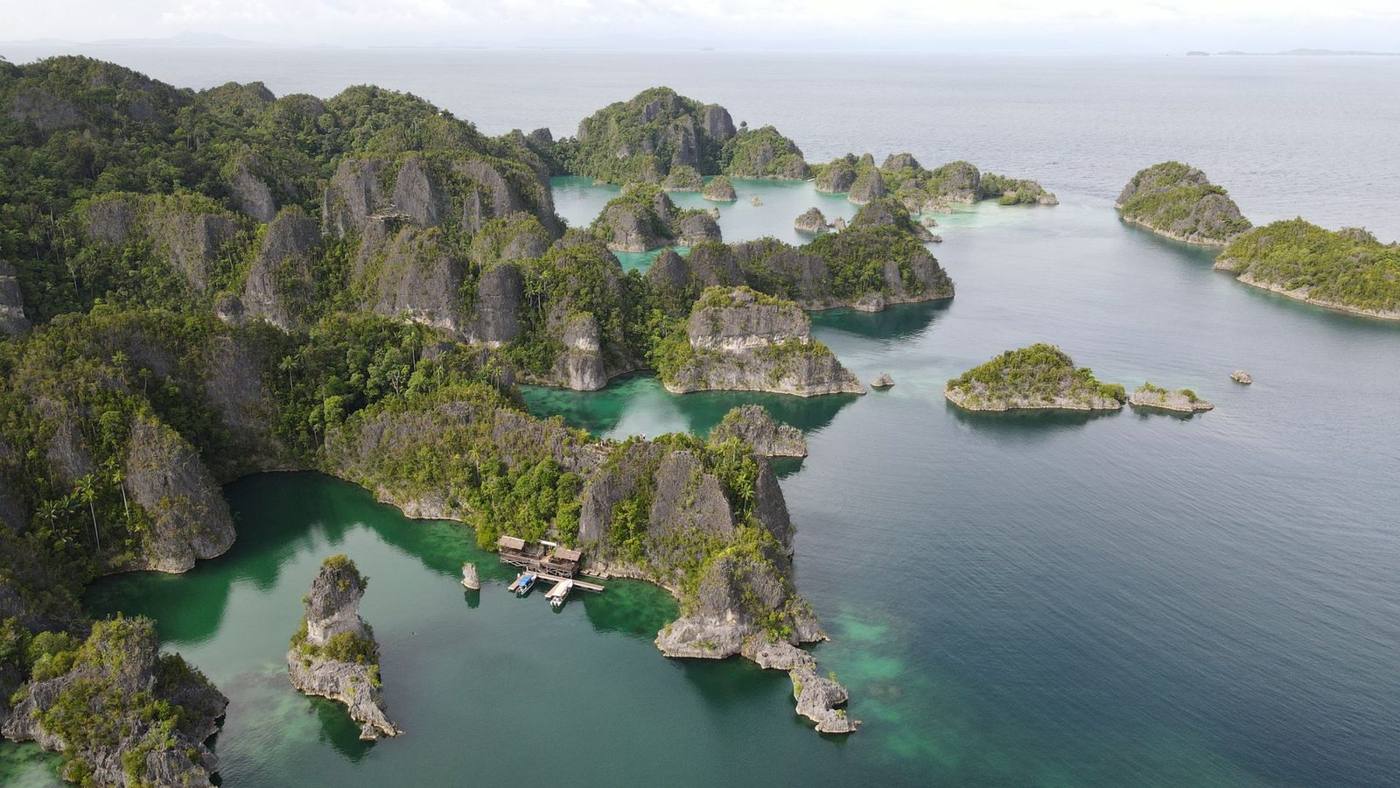
Piaynemo is a group of mushroom shaped limestone islets covered in forest, scattered across a lagoon of turquoise and blue water. A wooden staircase of more than three hundred steps climbs a hill to a viewpoint: from the top you see the whole maze of islands, channels and lagoons. It is the iconic landscape of Raja Ampat. The climb is hard in the heat: go slowly and bring water.
Around Piaynemo there are snorkelling spots with corals in shallow water and, in nearby lagoons, Telaga Bintang, a small star shaped lake, seen from another viewpoint.
At lunchtime the boat stops on a beach or in a village.
In the afternoon, on the way back, stop in a lagoon among the islands, with water so clear that boats seem suspended. Sometimes you see small sharks and turtles.
Trips to Piaynemo depend on the weather and the sea: check with your accommodation and accept a change of plan if the sea is too rough.
Sleep in the homestay.
Practical tip: long boat trips cost a lot in fuel. Share the boat with other guests to reduce the cost.
- Day 8
Towards Wayag, if the sea allows
Today, if the sea and your budget allow, take the very long trip to Wayag, at the north western tip of the archipelago, four hours or more each way by speedboat, sometimes on open sea. Wayag is another maze of cone shaped limestone islands, even more spectacular and wild than Piaynemo, with a viewpoint reached by a steep climb over sharp rock, without stairs. You need sturdy shoes and some agility.
The trip is expensive, because it needs a lot of fuel, and depends entirely on the weather. It is often done only in a group or on a multi day cruise. Many places arrange it only with calm seas, from October to April. Check in advance and accept that it may be cancelled.
If Wayag is not possible, spend the day in another area: the Yenbuba reefs, Friwen lagoon with its coral walls, or a trip to Batanta island and its waterfalls.
In the evening, your last night on the islands, look at the sky: far from cities, the stars are dense, and sometimes bioluminescent plankton glows in the water when you move your hand.
Sleep in the homestay.
Practical tip: on a boat in open sea always wear a life jacket. Ask that there are enough for everyone before setting off.
- Day 9
Back to Sorong
In the morning have a last swim in front of the homestay, say goodbye to the family and leave a tip if you were happy.
The homestay boat takes you back to Waisai harbour, and from there you take the ferry to Sorong, about two hours. Check the timetable and get to the port early.
In Sorong, in the afternoon, check into a hotel near the airport. The city is not touristy, but has a lively fish market and a seafront where in the evening grilled fish is served at the stalls.
If your flight to Makassar or Jakarta leaves the same day you can take it, but it is safer to sleep in Sorong and leave the next day, as ferries and flights can be delayed.
In the evening check your next day's flight and pack. Remember that Indonesian domestic flights have strict baggage weight limits: diving gear is heavy.
Sleep in Sorong.
Practical tip: buy something in Arborek or from island craftspeople, such as pandanus hats. The money goes directly to the families. Before leaving the islands, take away all the plastic you brought: small islands have no way to dispose of waste, and many homestays ask guests to help. Batteries and empty bottles should also go back to town.
- Day 10
Flights home
On the last day leave Sorong on a domestic flight to Makassar, Jakarta or Bali, from where flights leave for Europe.
Sorong airport is small. Arrive early, check your baggage weight and keep your passport and visa receipt to hand.
If you have time in Makassar or Bali before your intercontinental flight, use it to rest. In Makassar you can visit the Dutch Fort Rotterdam on the seafront and see the traditional wooden sailing ships, the pinisi, in the old port of Paotere. In Bali, a quiet day before the flight helps you recover.
If you have been diving, respect the twenty four hour safety interval before flying.
Before you leave, remember what makes Raja Ampat so special: some of the healthiest reefs in the world, local communities who protect their sea, and tourism that, when respectful, helps preserve it all.
This trip is remote, expensive and slow, with simple accommodation, but it rewards you with a unique sea, spectacular islands and genuine encounters with Papuan families.
Practical tip: keep a day's margin before your intercontinental flight. A delay in Sorong can make you miss your connection. If you can, book the whole route with the same airline, so that if there is a delay you are moved to the next flight.
For sea lovers above all, this is probably the most beautiful underwater place in the world. Getting there is long and expensive, with at least two domestic flights, and there is a park entry permit to pay. Local homestays are basic but cost far less than liveaboard boats.
Before you go
- Documents and visa
- Passport with at least six months' validity. Visa on arrival 500,000 rupiah for 30 days, extendable once, or online on the official immigration website. In Bali you also pay the 150,000 rupiah tourist levy.
- Health and vaccines
- No compulsory vaccines arriving from Europe. Protect yourself against mosquitoes because of dengue; Bali has rabies, so keep away from dogs and monkeys. The eastern regions carry malaria risk: ask your doctor. Emergencies: 110 police, 112 general number.
- Money and payments
- Indonesian rupiah. Cards work in hotels and shops in tourist areas; QR payments are widespread; markets and villages need cash.
- Power sockets
- Types C and F, 230 volts: the same round-pin sockets as much of Europe.
- Time zone
- The country has three time zones. Java is UTC+7, Bali UTC+8, with no daylight saving time.
- Safety
- Tourist areas are generally calm. The United States rates Indonesia level 2 and the Papua regions level 4. Active volcanoes may close on alert. Very severe drug penalties. Official advice: GOV.UK.
Information checked in November 2026 for Italian and EU citizens. Rules change: always check before you travel.
Variations
In 7 days: Kri and the Dampier Strait, with a single trip to Piaynemo, without Wayag.
In 14 days: add a multi day cruise to Misool, in the south of the archipelago.
Frequently asked questions
Do I need a visa?
Italian citizens can get a visa on arrival in Indonesia, which costs 500,000 rupiah. Other nationalities should check their own rules. In Raja Ampat you also pay an environmental permit: check the current amount.
Is it safe?
Raja Ampat is in Southwest Papua. The United States government rates Central Papua and Highland Papua at level 4, both far from here. Still, check the latest advice and ask your doctor about malaria.
When is the best time to go?
October to April, when the sea is calmest. From June to September southerly winds make the sea rough in some areas and some trips are not possible.
Indicative itinerary written by World Atlas. Before booking, check timetables, seasonal openings, documents and safety.
 10 daysModerate
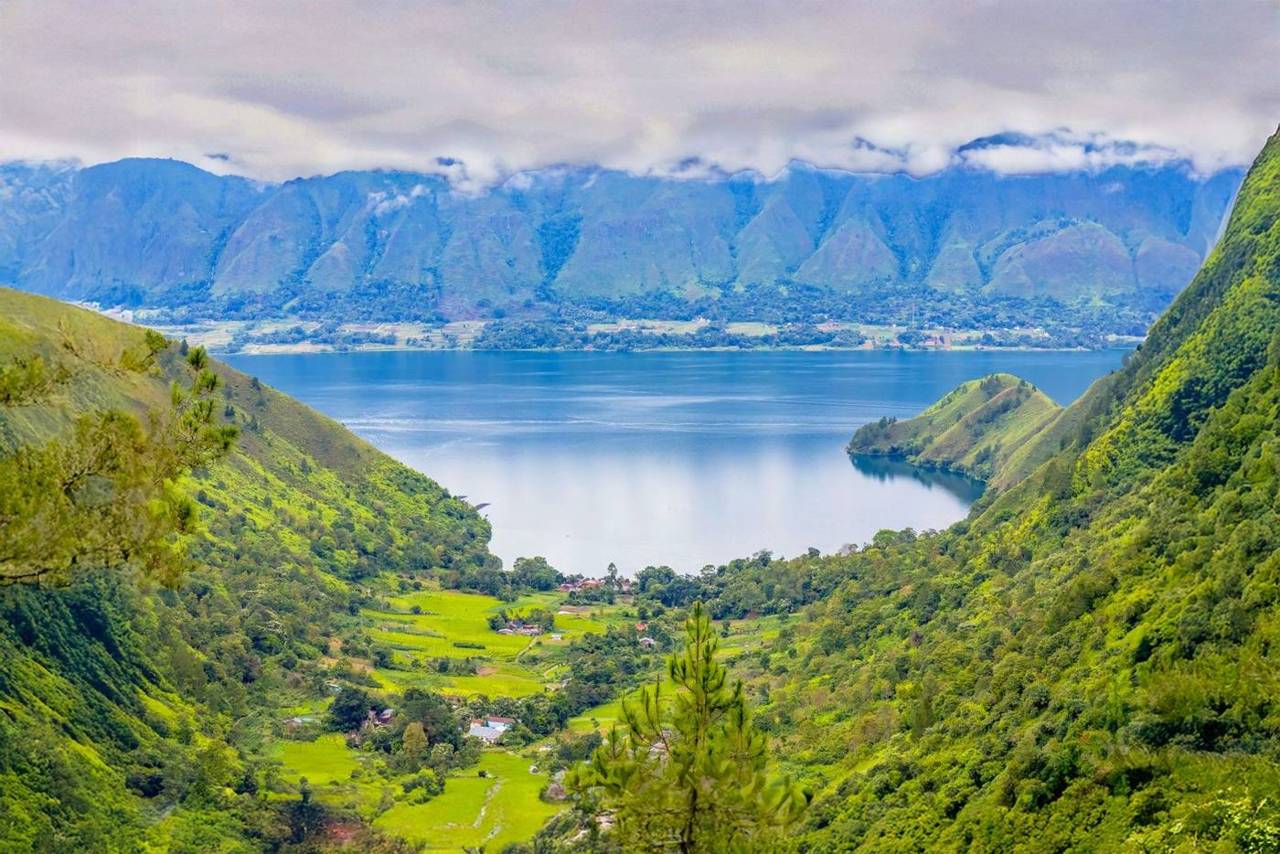
Sumatra: orangutans and Lake Toba
Two days on foot in the Bukit Lawang jungle with orangutans, the Berastagi highlands and the great volcanic lake of the Batak people.
 15 daysChallenging
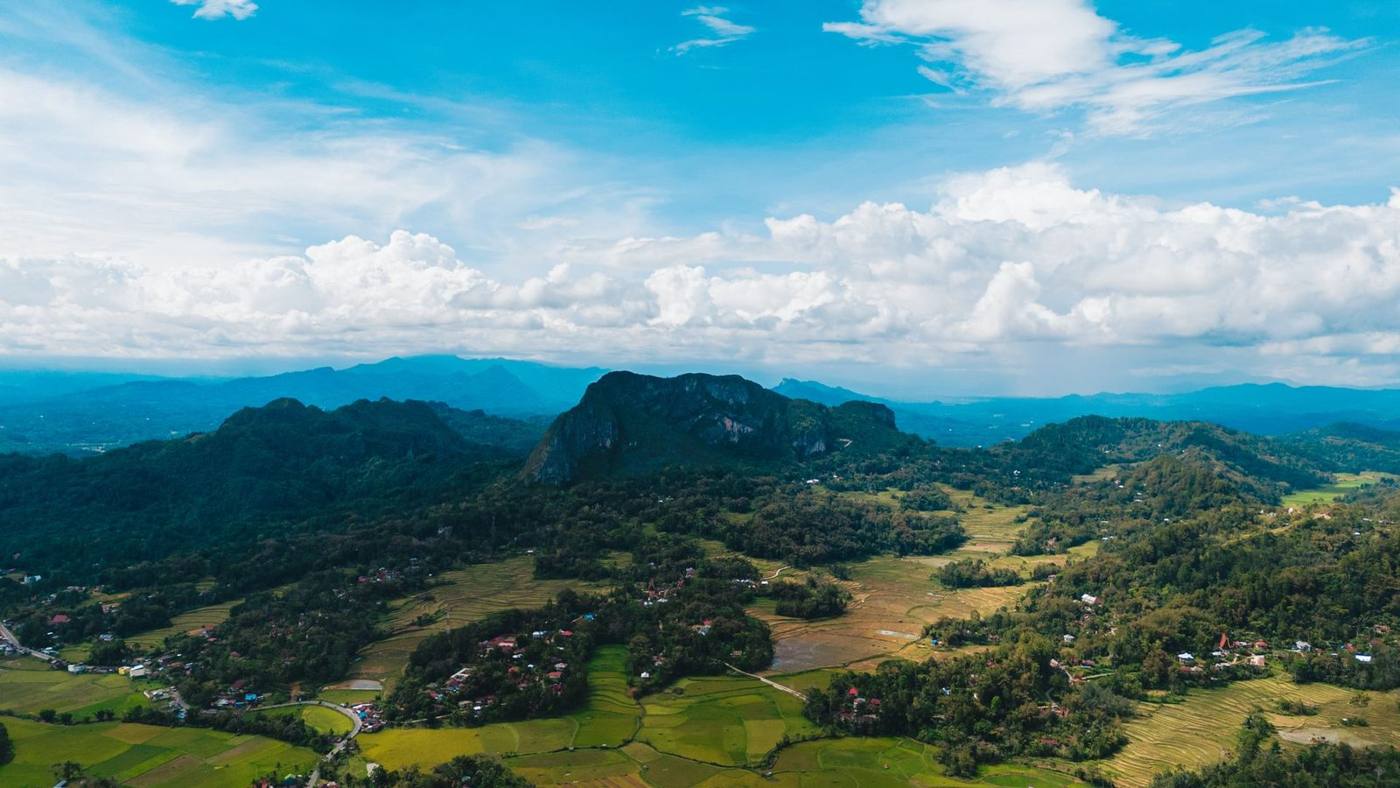
Sulawesi: Tana Toraja and the Togian Islands
The boat-shaped houses and cliff tombs of the Toraja, then the Togian Islands, among the most remote and unspoilt in Indonesia.
 6 daysEasy
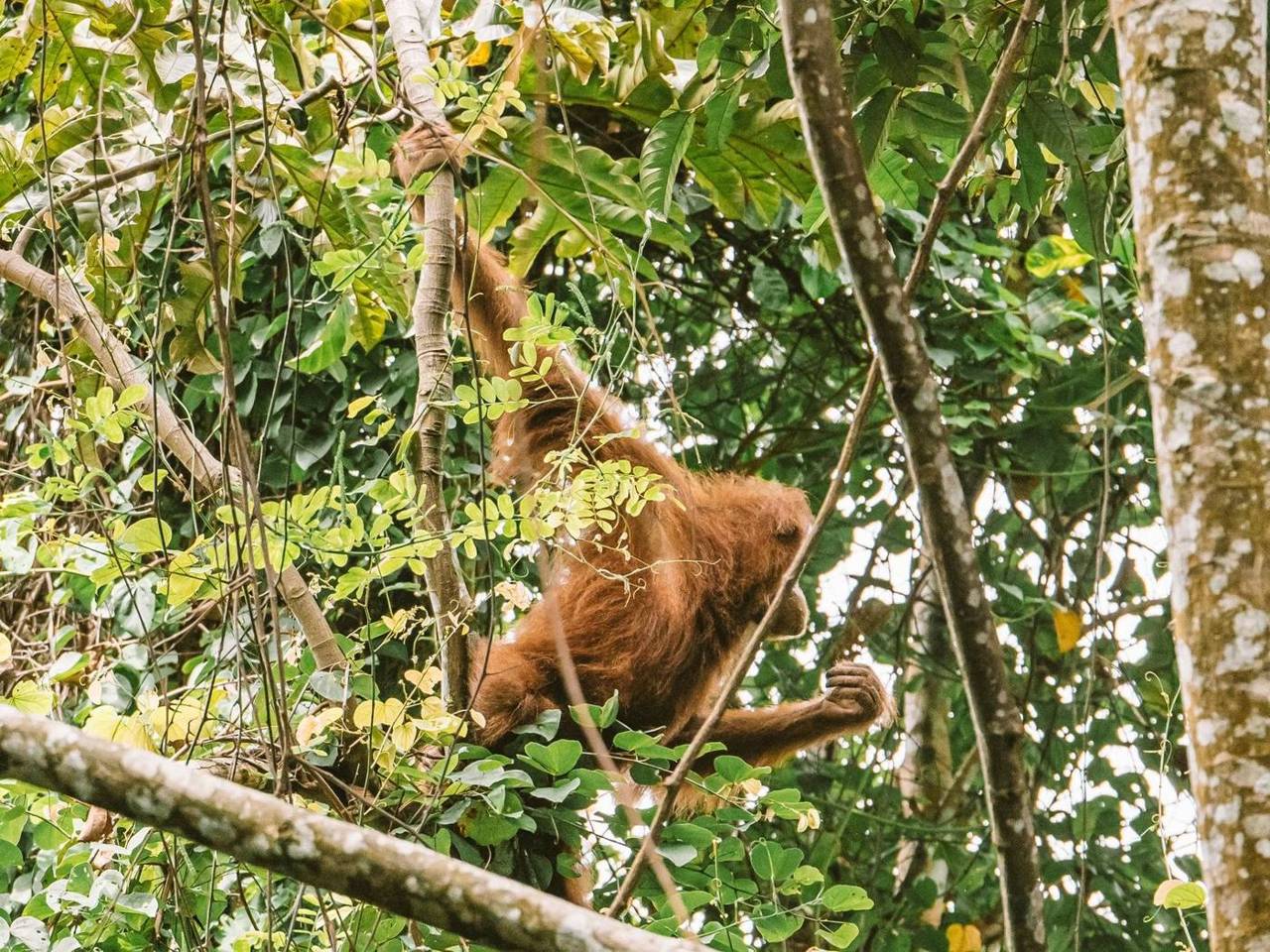
Borneo by klotok in Tanjung Puting
Three days on a wooden boat along the Sekonyer River, sleeping on deck, among orangutans, proboscis monkeys and fireflies.