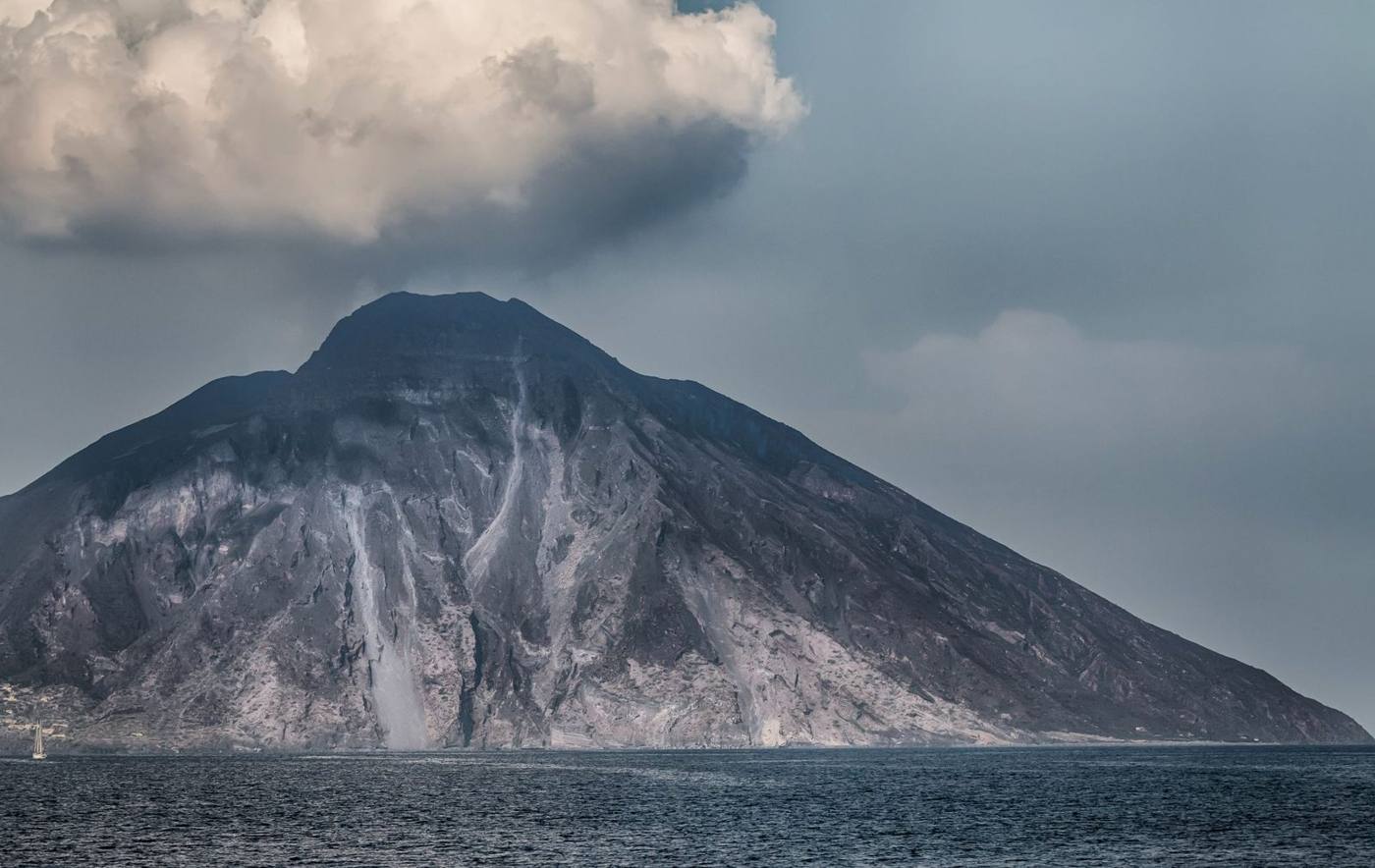
Aeolian Islands: Lipari, Salina and Stromboli
Seven volcanic islands in the Tyrrhenian Sea, a UNESCO World Heritage site: the pumice quarries of Lipari, the mud baths and crater of Vulcano, the Malvasia vineyards of Salina, Panarea and the eruptions of Stromboli seen at sunset.
- Milazzo
- Lipari
- Vulcano
- Salina
- Panarea
- Stromboli
Day by day
- Day 1
From Milazzo to Lipari: the castle and the archaeological museum
The Aeolian Islands are seven volcanic islands north of Sicily, a UNESCO World Heritage Site for their importance in the study of volcanoes. Each is different: Lipari is the largest and liveliest, Vulcano has mud baths and a steaming crater, Salina is green and covered in vineyards, Panarea is small and chic, and Stromboli is an active volcano in constant eruption. In seven days you see the main islands, travelling by hydrofoil and boat.
You leave from the port of Milazzo in Sicily, about forty minutes from Catania airport or an hour and a half from Palermo airport. Hydrofoils and ferries run from Milazzo to Lipari in about an hour.
Lipari has a lively centre, with the harbour, shopping streets and squares. On the first day climb to the castle, a great rock above the sea ringed by sixteenth century Spanish walls and inhabited for at least six thousand years. Inside the walls are the cathedral, churches and the regional archaeological museum, one of the most important in the Mediterranean. It displays finds from the islands from the Neolithic to Roman times: tools of obsidian, the black volcanic glass that made the Aeolians rich in prehistory, Greek vases, terracotta theatre masks and finds from sunken ships.
In the afternoon walk around town and go down to Marina Corta, the small harbour with fishing boats and a little church on a rock.
In the evening have dinner with fish and Aeolian capers.
Spend the night in Lipari.
Practical tip: in summer book hydrofoils in advance. In strong wind hydrofoils are cancelled: always keep a margin before your flight.
- Day 2
Around Lipari and the Quattrocchi viewpoint
Today tour Lipari by car, scooter or bus, or by boat along the coast.
The road loops round the island in about thirty kilometres. South of Lipari town is the Quattrocchi viewpoint, one of the most famous views in the Aeolians: from above you see sea stacks rising from the water, cliffs and, opposite, the island of Vulcano with its crater.
Continuing north on the east coast you pass the old pumice quarries of Porticello. Pumice is a very light white volcanic stone that floats. It was mined here for decades, and the white seabed makes the water a very pale blue. The activity has ended and the buildings stand abandoned.
Further north, near Acquacalda, you see flows of black obsidian, a glass like volcanic stone traded all over the Mediterranean in prehistory.
In the afternoon swim at Canneto, a pebble beach near town, or take a boat trip around the island, with swimming stops in bays and below the cliffs. From the sea you see the white pumice slopes and the black obsidian flows even better.
In the evening return to Lipari.
Spend the night in Lipari.
Practical tip: do not take pumice or obsidian from the beaches: they are protected. Aeolian beaches are almost all pebbles or black sand: bring water shoes.
- Day 3
Vulcano: the Gran Cratere and the Acque Calde beach
Today take the hydrofoil or ferry from Lipari to Vulcano, the nearest island, a few minutes away. As soon as you arrive at the port you smell sulphur from the fumaroles.
Vulcano gave its name to every volcano in the world: for the ancients the forge of the god Vulcan was here. The last eruption was between 1888 and 1890, but the volcano is still active, with fumaroles and gas.
Early in the morning, if it is open, climb the Gran Cratere on a volcanic sand path that takes about an hour. From the rim you look into the great crater, see the yellow sulphur fumaroles and, all around, the Aeolian Islands. In recent years access to the crater has been closed several times because of rising gas levels, by order of the municipality.
In the afternoon swim at the Acque Calde beach near the port, where bubbles of hot gas rise from the seabed and warm the water. Nearby is the Sabbie Nere beach, with fine black sand and the sunset over the sea.
The large thermal mud pool, famous for decades, has been closed for a long time: check whether it is open.
In the evening return to Lipari.
Spend the night in Lipari.
Practical tip: before climbing the crater check the orders issued by the municipality of Lipari, which decides on openings and closures. Climb early in the morning with water and a hat. Do not sit near the fumaroles and move away if your eyes or throat burn: the gases are dangerous.
- Day 4
Salina: Pollara and the malvasia vineyards
Today take the hydrofoil to Salina, about half an hour from Lipari. Salina is the second largest island and the greenest of the Aeolians. It is made of two extinct volcanoes joined by a valley: that is why the ancient Greeks called it Didyme, the twin.
Salina is the island of capers and malvasia, a sweet, fragrant wine made from grapes dried in the sun. Along the roads you see terraced vineyards and caper plants growing on stone walls.
In the morning visit one of the island's wineries to learn how malvasia is made and taste it, along with capers and local produce. Then pass through the villages of Malfa, Leni and Lingua, with white houses and sea views. At Lingua there is a small salt lake where salt was once gathered, giving the island its name.
In the afternoon go to Pollara, on the west coast, a small village inside an ancient collapsed crater open to the sea. The bay is ringed by very high cliffs and is famous for its sunsets and because a well known Italian film of the 1990s was shot here. The path down to the beach may be closed because of the risk of rockfalls.
In the evening try Salina granita and pane cunzato, bread topped with tomatoes, capers, olives and cheese.
Spend the night on Salina.
Practical tip: at Pollara respect the bans on accessing the beach, which depend on the stability of the cliff.
- Day 5
The Fossa delle Felci trail
Today climb Monte Fossa delle Felci, the highest point in the Aeolian Islands at 962 metres. It is a nature reserve, with woods of chestnut and pine, ferns and flowers.
The trail starts from the sanctuary of the Madonna del Terzito, between the two volcanoes, or from the village of Santa Marina. The climb takes about two and a half to three hours on a marked trail, first through woodland and then through Mediterranean scrub. Along the way you meet birds, lizards and, in spring, many wild flowers, including orchids.
From the top, on clear days, you see all the Aeolian Islands one after another, Stromboli with its plume of smoke, the coast of Sicily and sometimes snowy Etna. You come down the same way or towards another village.
In the afternoon, after the walk, rest and swim at a Salina beach, such as Rinella, with dark sand, or in the coves near Santa Marina.
In the evening have dinner on Salina with fresh fish, caper salads and a glass of malvasia with crisp biscuits.
Spend the night on Salina.
Practical tip: in summer set off very early, because the upper part of the trail is exposed to the sun and it gets hot. Bring water, a hat and hiking shoes. In strong wind or rain the trail is harder. Let someone know your route.
- Day 6
Panarea and Basiluzzo by boat, evening on Stromboli
Today you leave Salina for Stromboli, on a boat trip that stops at Panarea and passes the islets around it. Alternatively, by hydrofoil, you reach Panarea and then continue to Stromboli.
Panarea is the smallest of the inhabited Aeolians, with white houses, flower filled terraces and car no-cost lanes, where you get around on foot or in small electric carts. In summer it is the most fashionable of the islands, but out of season it is peaceful.
South of the village, on a headland at Capo Milazzese, you see the remains of a Bronze Age village, with the bases of oval huts and a beautiful view of Cala Junco bay, with turquoise water and rocks.
Around Panarea are small islets such as Basiluzzo, Dattilo and Lisca Bianca, where boats stop for swimming and snorkelling. In some places bubbles of volcanic gas rise from the seabed.
In the afternoon continue to Stromboli. The island is an active volcano rising from the sea: since 1932 it has erupted almost continuously, with small explosions every few minutes.
In the evening, from Stromboli village, watch the volcano and, on dark nights, the red glow at the summit.
Spend the night on Stromboli.
Practical tip: check hydrofoil and boat times, which in summer run almost daily but are cancelled in rough seas.
- Day 7
Stromboli: a sunset climb or a boat below the Sciara del Fuoco
Today is devoted to Stromboli.
The first option is the guided climb towards the summit. Without a guide you may only go up to 290 metres. With an authorised volcano guide you climb to about 400 metres. You set off in the late afternoon, climb through vegetation and then on black sand, and at sunset, from a natural terrace, you watch the volcano's explosions throwing red lava into the darkening sky. Access rules change often, with orders depending on the volcano's activity.
The second, calmer option is an evening boat trip below the Sciara del Fuoco, the great slope of lava and ash on the north side of the island, down which glowing rocks roll into the sea. From the boat, in the dark, you see the red explosions at the top and the blocks tumbling down the Sciara.
During the day swim on a black sand beach and visit the tiny village of Ginostra, on the other side of the island, reachable only by boat.
In the evening, after the climb or the boat trip, you return to the village. The next day take the hydrofoil to Milazzo or Naples.
Spend the night on Stromboli.
Practical tip: before climbing check the orders in force and the alert level. Go above 290 metres only with an authorised guide, with hiking shoes, a head torch, a jacket and a helmet if required.
For those who love the sea and walking. On Stromboli you may climb freely only up to 290 metres, and with licensed guides up to 400; beyond that it is forbidden, and the rules change with the volcano's activity. The Vulcano crater can also be closed. Hydrofoils may be cancelled in rough seas: keep a spare day before your flight.
Before you go
- Documents and visa
- EU citizens only need a valid identity card or passport; hotels and guesthouses must register it on arrival. Other nationalities should check the visa rules for the Schengen area.
- Health and vaccines
- No vaccines required. EU citizens should bring their European Health Insurance Card (EHIC). Emergency number: 112.
- Money and payments
- Euro. Cards are accepted almost everywhere; many cities charge a tourist tax per night, paid directly at your accommodation.
- Power sockets
- Types C, F and L, 230 volts.
- Time zone
- Central European Time (UTC+1), summer time (UTC+2) from the last Sunday of March to the last Sunday of October.
- Safety
- A safe country. In big cities and on crowded public transport watch out for pickpockets. Emergencies: 112. Official advice: GOV.UK.
Information checked in November 2026 for Italian and EU citizens. Rules change: always check before you travel.
Variations
In 4 days: Lipari, Vulcano and a trip to Stromboli with the boat below the Sciara del Fuoco.
In 10 days: add Filicudi and Alicudi, the wildest and quietest islands in the archipelago.
Frequently asked questions
When is the best time to go?
May, June and September, with warm sea and fewer people. In August the islands are very crowded.
Can you climb Stromboli's crater?
Without a guide only up to 290 metres, with an authorised guide up to about 400 metres. The rules change with the volcano's activity.
Do I need a car?
No. You get around by hydrofoil, boat, bus and scooter. On Panarea and Stromboli there are almost no cars.
Indicative itinerary written by World Atlas. Before booking, check timetables, seasonal openings, documents and safety.
 7 daysEasy
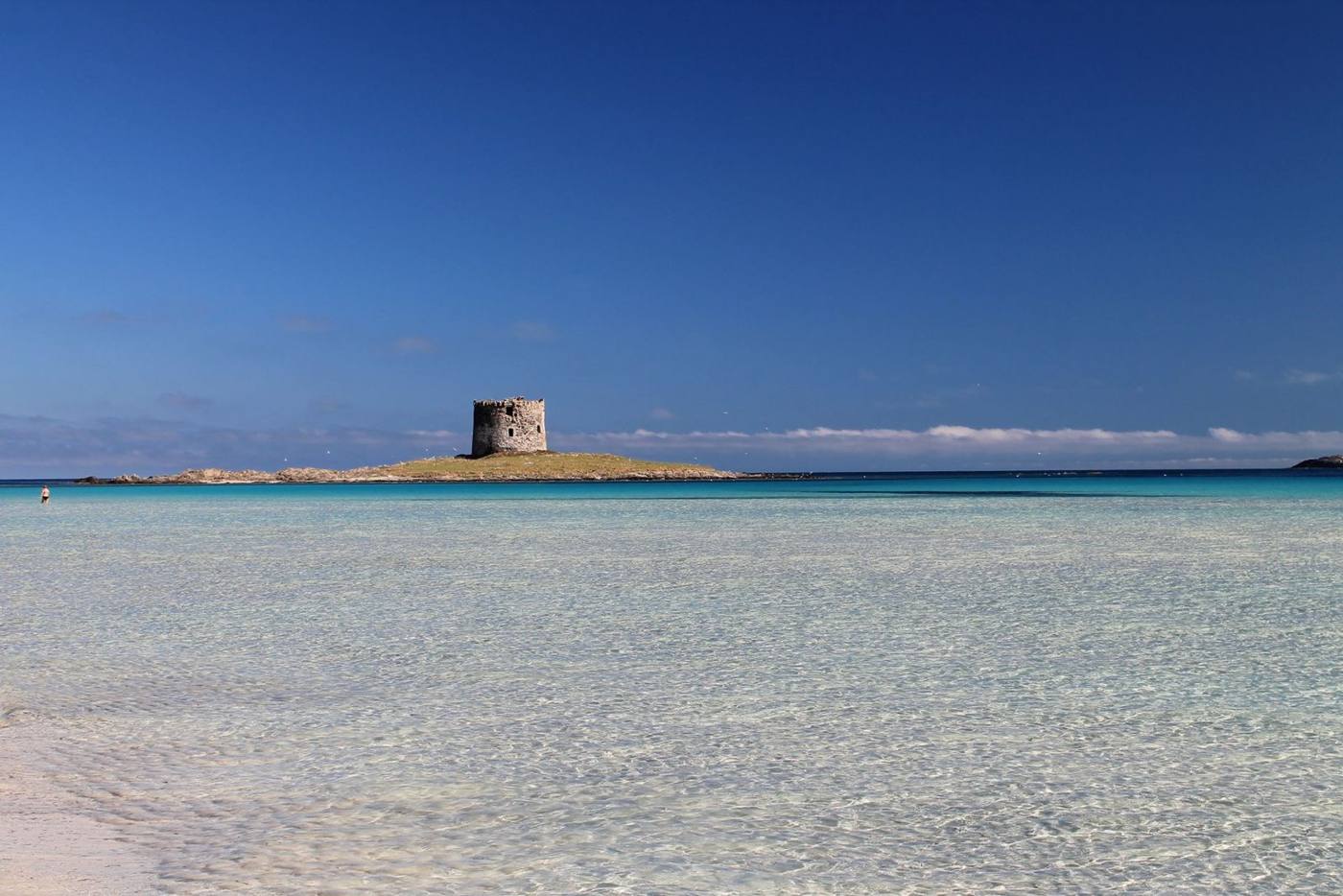
Northern Sardinia: Alghero, Stintino and La Maddalena
The Catalan town of Alghero and Capo Caccia with Neptune's Grotto, La Pelosa beach at Stintino, the granite of Gallura and the La Maddalena archipelago by boat, with the coves of Caprera.
 5 daysModerate
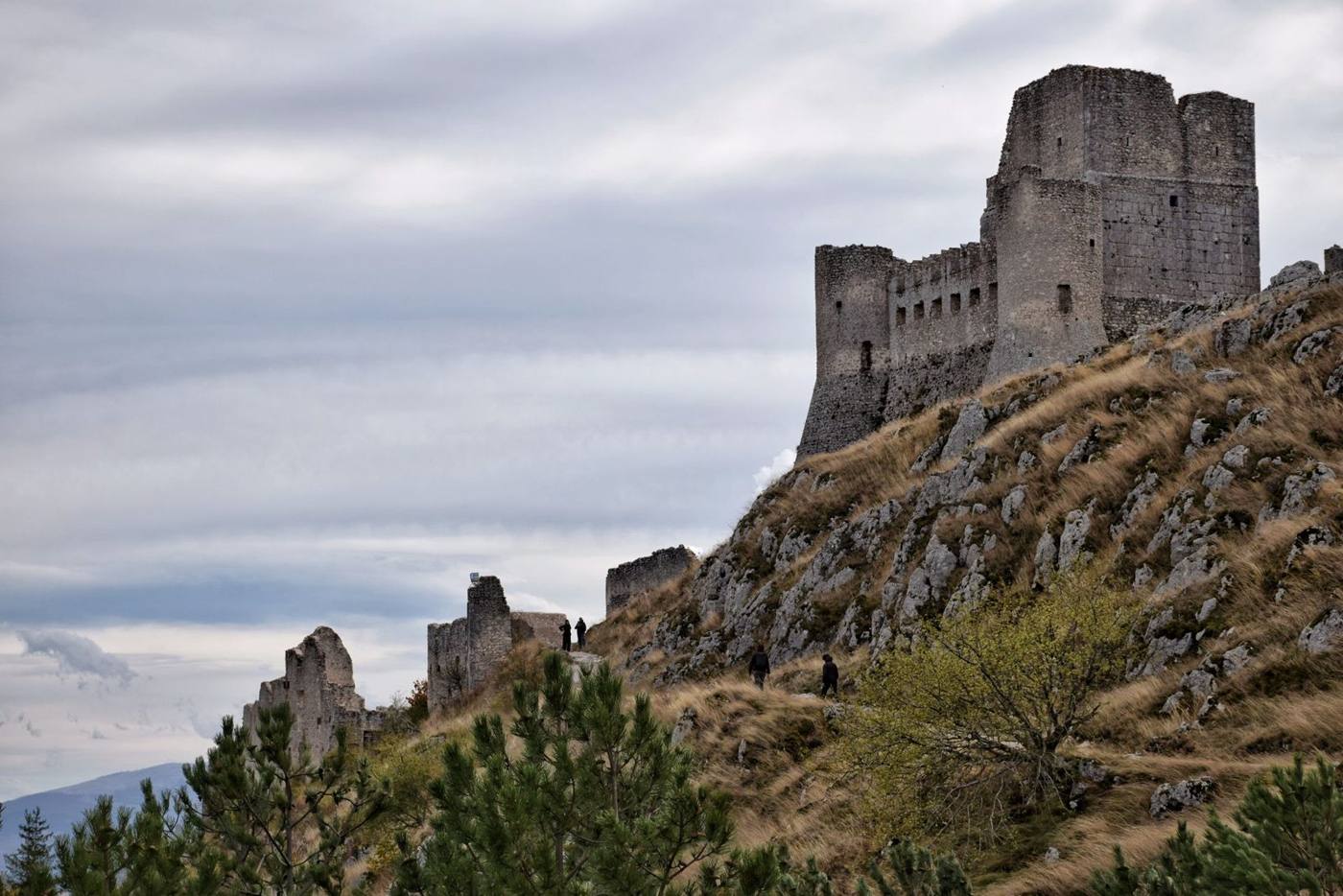
Abruzzo: Gran Sasso and the national park
Wild Abruzzo two hours from Rome: the Campo Imperatore plateau beneath Corno Grande, Rocca Calascio, the villages of Santo Stefano di Sessanio and Scanno, Sulmona and Abruzzo National Park with the Marsican bear and the Apennine chamois.
 5 daysEasy
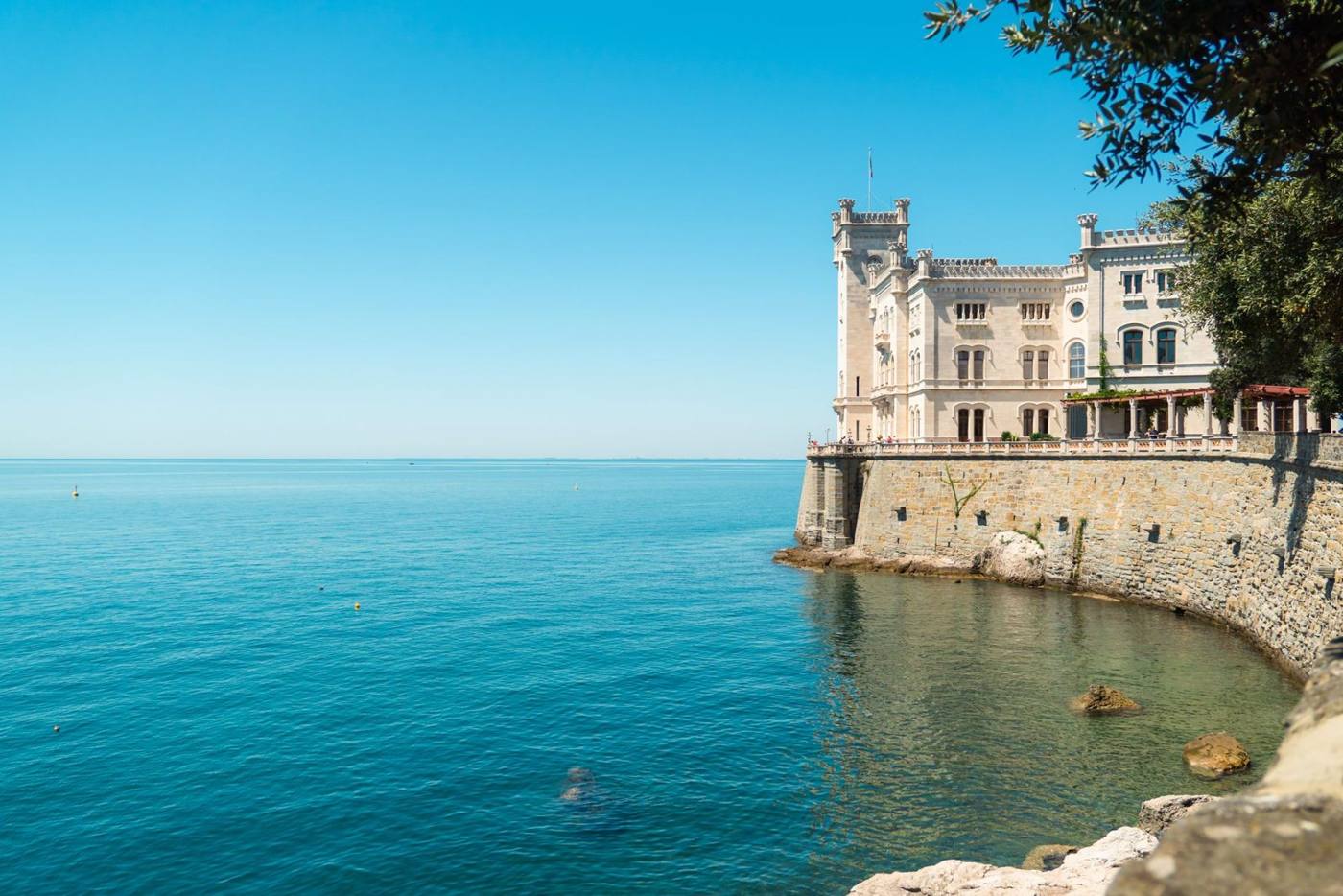
Friuli Venezia Giulia: Trieste, Aquileia and Collio
Italy's borderland: Habsburg Trieste with its historic cafés and Miramare Castle, the basilica of Aquileia with its mosaic floor, Grado on the lagoon, Lombard Cividale and the white wines of Collio.