Northern Sardinia: Alghero, Stintino and La Maddalena
The Catalan town of Alghero and Capo Caccia with Neptune's Grotto, La Pelosa beach at Stintino, the granite of Gallura and the La Maddalena archipelago by boat, with the coves of Caprera.
- Alghero
- Capo Caccia
- Stintino
- Castelsardo
- Santa Teresa Gallura
- Palau
- La Maddalena
- Caprera
Day by day
- Day 1
Alghero: the ramparts and the Catalan old town
This trip crosses northern Sardinia from west to east: Alghero, the Catalan city on the sea, the cliffs of Capo Caccia, La Pelosa beach at Stintino, the village of Castelsardo, the granite rocks of Gallura and the La Maddalena archipelago, with some of the most beautiful water in the Mediterranean.
You fly into Alghero airport from many Italian and European cities, or into Olbia at the end of the trip. You need a car for the whole route. Italy is in the Schengen area and uses the euro.
In the fourteenth century Alghero was conquered by the Catalans, who expelled its inhabitants and resettled it. Some older residents still speak a Catalan dialect, and street names are written in two languages. That is why the city is sometimes called little Barcelona.
On the first day walk along the ramparts, the sea walls surrounding the old town, with towers and cannons and a view of the gulf and Capo Caccia on the horizon. Then enter the centre, with paved lanes, Catalan Gothic palaces, the cathedral of Santa Maria with its octagonal bell tower and the church of San Francesco with its cloister.
Shops sell red coral, fished for centuries in the sea off Alghero and worked by hand.
At sunset sit on the ramparts as the sun sinks behind Capo Caccia.
In the evening have lobster Catalan style, the city's speciality, or fish dishes and culurgiones.
Spend the night in Alghero.
Practical tip: in summer central Alghero is very lively and parking is scarce. Leave your car outside the walls.
- Day 2
Capo Caccia and Neptune's Grotto
Today discover Capo Caccia, a white limestone headland rising sheer from the sea for more than a hundred metres, west of Alghero, about half an hour by road. It is one of Sardinia's most spectacular coasts, with vertical cliffs, caves and a lighthouse on top.
At the foot of the cliff opens Neptune's Grotto, a sea cave with saltwater lakes, stalactites, stalagmites and large illuminated halls. The visit is guided, along a walkway inside the cave.
There are two ways to get there. The first is by boat, with trips leaving Alghero harbour and following the cliffs, in about forty minutes. The second is on foot, down the Escala del Cabirol, the roe deer's stairway, a flight of 654 steps cut into the cliff face, with a dizzying view of the sea. On the way back the steps must be climbed again.
In the afternoon swim at one of the nearby coves, such as Mugoni beach on Porto Conte bay, with pale sand and calm water, or walk in Porto Conte park, with paths through Mediterranean scrub and griffon vultures sometimes flying over the cliffs.
In the evening return to Alghero.
Spend the night in Alghero.
Practical tip: in rough seas Neptune's Grotto closes, because the entrance is at water level. Check first whether it is open and the opening times. The stairway is tiring and shadeless: avoid it in the hottest hours.
- Day 3
Stintino and La Pelosa beach
Today go to Stintino, at the north western tip of Sardinia, about an hour by road from Alghero. Stintino is a small fishing village founded at the end of the nineteenth century by families who lived on the island of Asinara and had to leave when it became a penal colony. The village has a harbour with colourful boats and a small museum of the tuna trap, devoted to traditional tuna fishing.
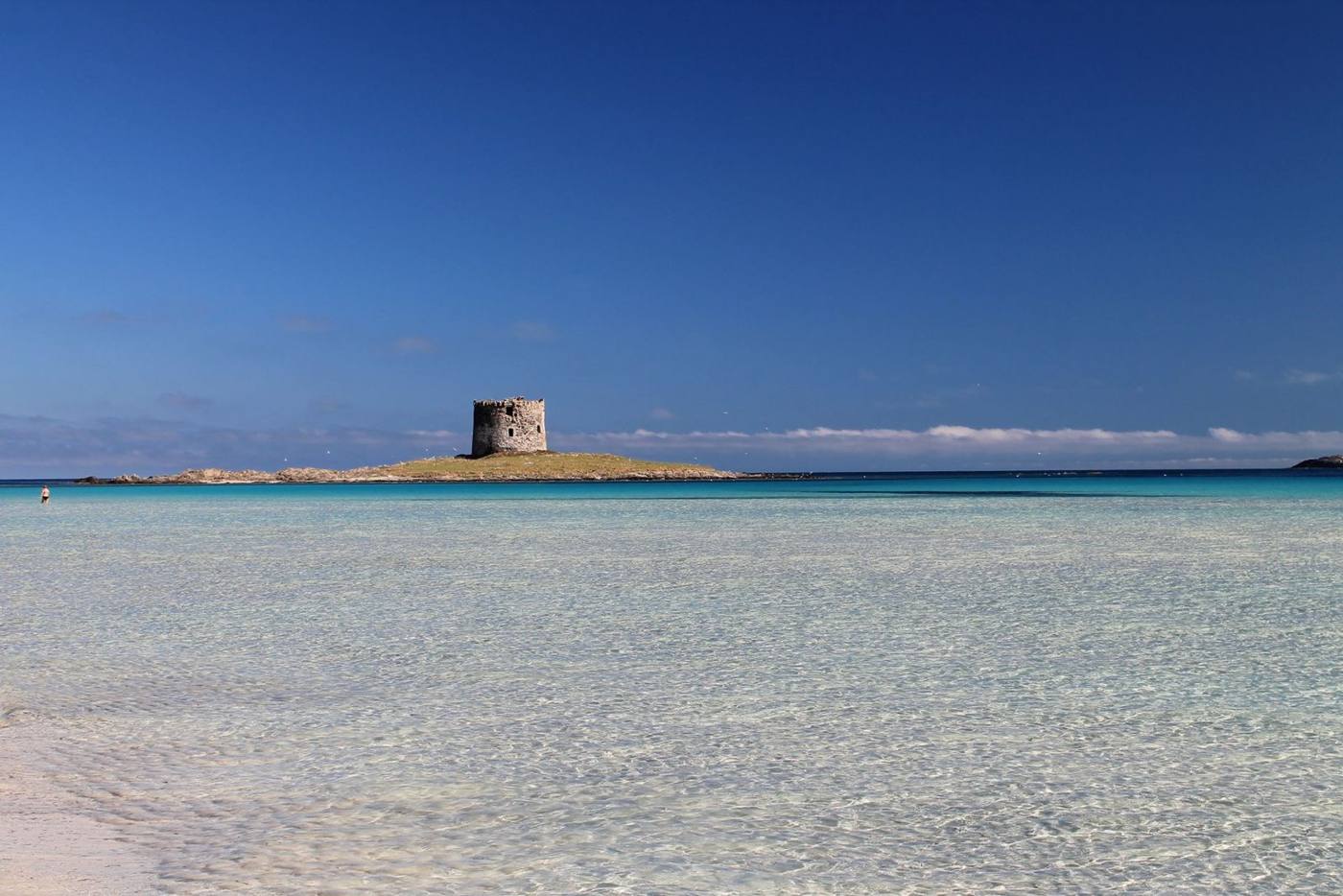
A little further north is La Pelosa beach, one of the most famous in Italy, with very fine white sand and shallow, clear turquoise water that looks like a swimming pool. Opposite the beach stands an old Aragonese tower on an islet, and further away Isola Piana and the island of Asinara.
To protect the beach, in summer the number of visitors is limited to 1,500 a day, with compulsory booking from mid May to mid October. There are other rules too: you may not lay towels directly on the sand but must use a mat, so as not to carry sand away.
In the afternoon, from Stintino harbour, you can take a boat trip to Asinara, now a national park, home to small white donkeys, and visit the former prison.
Spend the night in Stintino or Alghero.
Practical tip: book La Pelosa in advance on the municipality's website and check the current rules. Parking near the beach is paid.
- Day 4
Castelsardo and Capo Testa at sunset
Today you cross northern Sardinia eastwards. The first stop is Castelsardo, about an hour and a half from Stintino, a medieval village on a headland high above the sea, with colourful houses climbing to the castle at the top.
The castle was built in the twelfth century by the Genoese Doria family. Today it houses the museum of weaving, devoted to the art of weaving baskets from dwarf palm leaves and other plants, a tradition still alive in the village: in the streets you see women working on baskets outside their houses. From the castle walls the view over the Gulf of Asinara is very wide.
Near the village stands the Elephant Rock, a large trachyte boulder shaped by the wind like an elephant, beside the road.
In the afternoon continue to Santa Teresa Gallura, at the island's northern tip, about an hour and a half away, through the Gallura countryside, with cork oaks, granite rocks and stazzi, traditional farmhouses.
At sunset go to Capo Testa, a headland near Santa Teresa, with huge granite boulders shaped by the wind into strange forms. The Valle della Luna, a small valley among the rocks, is a place where the sun sets over the sea in an almost lunar landscape. On clear days you can see Corsica.
Spend the night in Santa Teresa Gallura.
Practical tip: at Capo Testa wear closed shoes, as the paths among the rocks are uneven.
- Day 5
From Palau by boat around the La Maddalena archipelago
Today take a boat trip around the La Maddalena archipelago, off north eastern Sardinia, now a national park. Boats leave from Palau harbour, about half an hour from Santa Teresa, and tour the islands in a day, with swimming stops.
The archipelago is made up of seven main islands and many islets of pink and grey granite, surrounded by a sea of incredible colours, from emerald green to blue, with white sand bottoms. It is one of the most beautiful seas in the Mediterranean.
The boats pass between the islands of Spargi, Budelli, Razzoli and Santa Maria. On Spargi you swim at Cala Corsara, with granite rocks and clear water. On Budelli you see from afar the famous Pink Beach, coloured by fragments of shells and a tiny marine organism. To protect it, since 1994 landing and swimming are forbidden: you can only look at it from the boat or from a distance. Between Budelli, Razzoli and Santa Maria lies the natural pool, a stretch of shallow, calm, intensely blue sea.
Lunch on board is often pasta, fish and wine.
In the evening return to Palau.
Spend the night in Palau.
Practical tip: the park has strict rules on navigation and anchoring, and swimming is forbidden in some areas. Choose authorised boats and follow the instructions. Bring sunscreen, a hat and water.
- Day 6
La Maddalena, Caprera and Garibaldi's house
Today take the ferry from Palau to the island of La Maddalena, about a quarter of an hour. It is the only inhabited island in the archipelago, with a lively town, a harbour, squares and streets with shops and bars.
Walk around the town centre, then drive or ride a scooter around the island on the scenic road, past bays, beaches and viewpoints such as Cala Spalmatore and Punta Tegge.
From La Maddalena a bridge leads to the island of Caprera, covered in pine woods and scrub, with superb beaches. Giuseppe Garibaldi, the hero of the Italian Risorgimento, spent the last years of his life here, buying part of the island and farming it. His house, known as the White House, is now a national museum, the Compendio garibaldino. You visit the rooms where he lived, his belongings, the bed where he died in 1882, his tomb in the garden and the fields he farmed.
In the afternoon swim at one of Caprera's beaches, such as Cala Coticcio, known as the Tahiti of Sardinia, with clear water among the rocks, reached by a path.
In the evening return to Palau or stay on La Maddalena.
Spend the night in Palau or La Maddalena.
Practical tip: some Caprera beaches have limited access in summer, with booking. Check the rules. Also check the opening times of the Compendio garibaldino.
- Day 7
The beaches of Gallura and departure from Olbia
On the last day drive down the Gallura coast towards Olbia, stopping at some of the finest beaches.
On the way is Porto Pollo, between Palau and Santa Teresa, a beach famous for its constant wind, ideal for windsurfing and kitesurfing, with the Isola dei Gabbiani joined to the shore by a strip of sand.
Further south, past Palau, you enter the Arzachena area, with the Costa Smeralda, famous for its white sand beaches, clear sea and luxury villages. Beaches such as Capriccioli and Liscia Ruja are among the most beautiful, with turquoise water and granite rocks.
Near Arzachena you can also visit Nuragic archaeological sites, such as the giants' tombs and the La Prisgiona nuraghe, remains of the civilisation that built thousands of stone towers across the island between the Bronze Age and the Iron Age.
In the afternoon you reach Olbia, the city with the airport and the ferry port to the mainland.
Before leaving, buy some Sardinian produce: pecorino, Vermentino di Gallura, mirto, carasau bread and sweets such as seadas.
Practical tip: do not take sand, shells or pebbles from Sardinian beaches: it is forbidden and fines are issued, even at the airport. In summer allow for traffic on coastal roads and arrive at the airport early.
Fly into Alghero and out of Olbia, with a car. La Pelosa allows at most 1,500 visitors a day with online booking from mid-May to mid-October, and places go within minutes: book as soon as they open. In La Maddalena park some coves, such as Cala Coticcio, can only be visited with a licensed guide. August is very expensive and crowded.
Before you go
- Documents and visa
- EU citizens only need a valid identity card or passport; hotels and guesthouses must register it on arrival. Other nationalities should check the visa rules for the Schengen area.
- Health and vaccines
- No vaccines required. EU citizens should bring their European Health Insurance Card (EHIC). Emergency number: 112.
- Money and payments
- Euro. Cards are accepted almost everywhere; many cities charge a tourist tax per night, paid directly at your accommodation.
- Power sockets
- Types C, F and L, 230 volts.
- Time zone
- Central European Time (UTC+1), summer time (UTC+2) from the last Sunday of March to the last Sunday of October.
- Safety
- A safe country. In big cities and on crowded public transport watch out for pickpockets. Emergencies: 112. Official advice: GOV.UK.
Information checked in November 2026 for Italian and EU citizens. Rules change: always check before you travel.
Variations
In 4 days: Alghero, Capo Caccia and Stintino with La Pelosa.
In 10 days: add the Gulf of Orosei and Cala Gonone on the east coast.
Frequently asked questions
Do I need to book La Pelosa?
Yes, from mid May to mid October, with a limit of 1,500 people a day. Check the current rules on the municipality's website.
When is the best time to go?
June and September, with warm sea and fewer people. July and August are crowded and more expensive.
Do I need a car?
Yes. Public transport between Alghero, Stintino and Gallura is limited and slow.
Indicative itinerary written by World Atlas. Before booking, check timetables, seasonal openings, documents and safety.
 5 daysModerate
Abruzzo: Gran Sasso and the national park
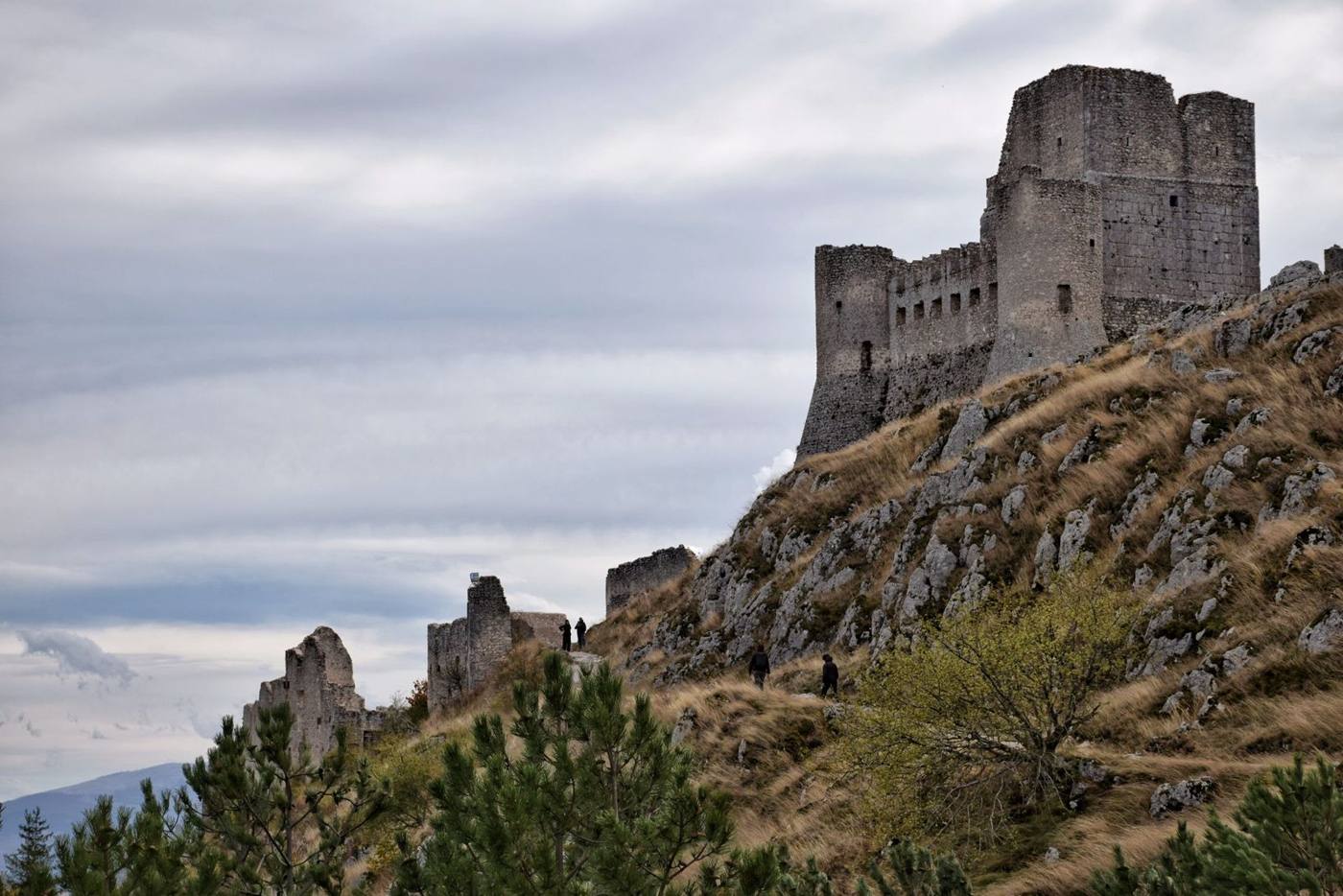
Wild Abruzzo two hours from Rome: the Campo Imperatore plateau beneath Corno Grande, Rocca Calascio, the villages of Santo Stefano di Sessanio and Scanno, Sulmona and Abruzzo National Park with the Marsican bear and the Apennine chamois.
 5 daysEasy
Friuli Venezia Giulia: Trieste, Aquileia and Collio
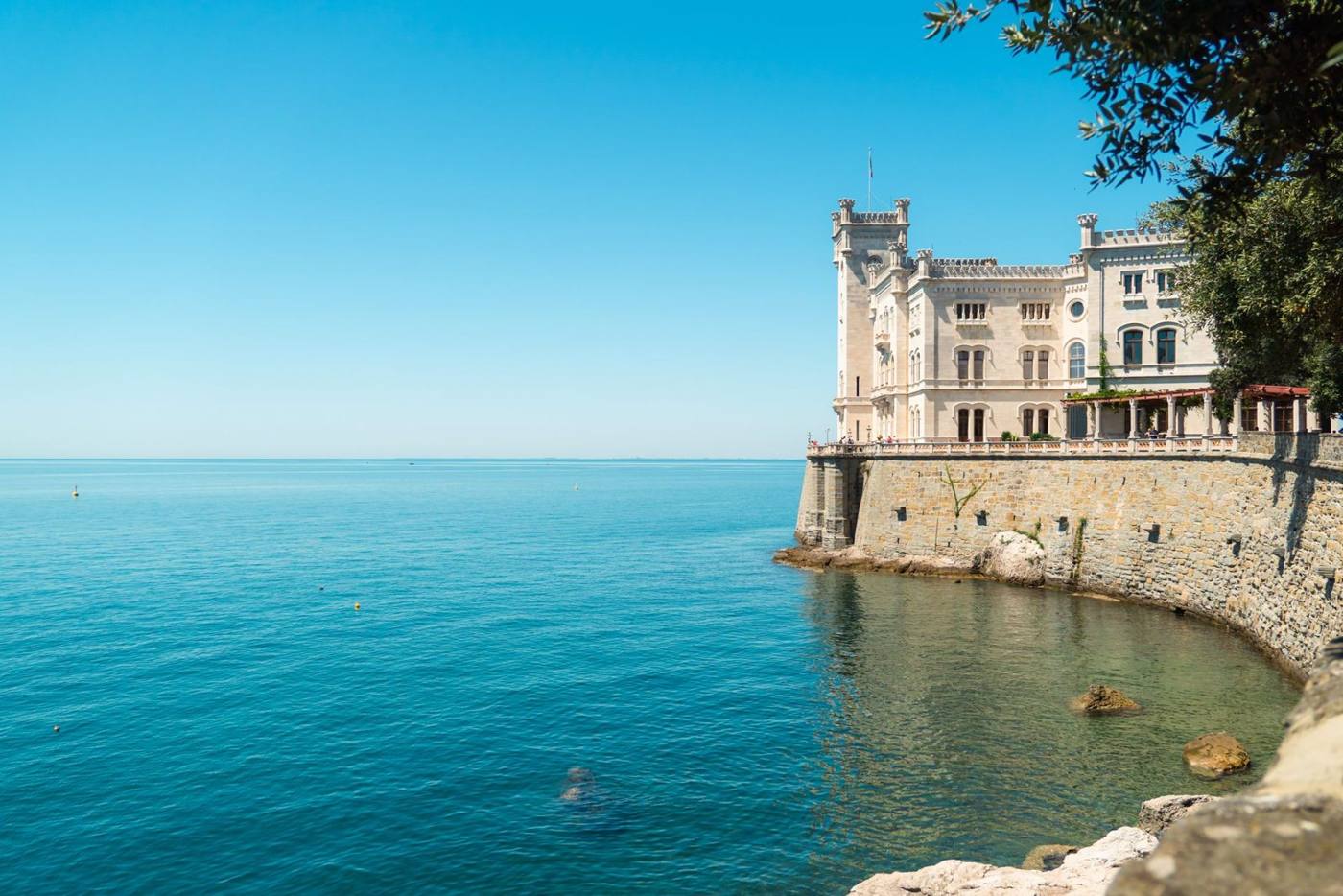
Italy's borderland: Habsburg Trieste with its historic cafés and Miramare Castle, the basilica of Aquileia with its mosaic floor, Grado on the lagoon, Lombard Cividale and the white wines of Collio.
 10 daysEasy
Rome, Florence and Venice
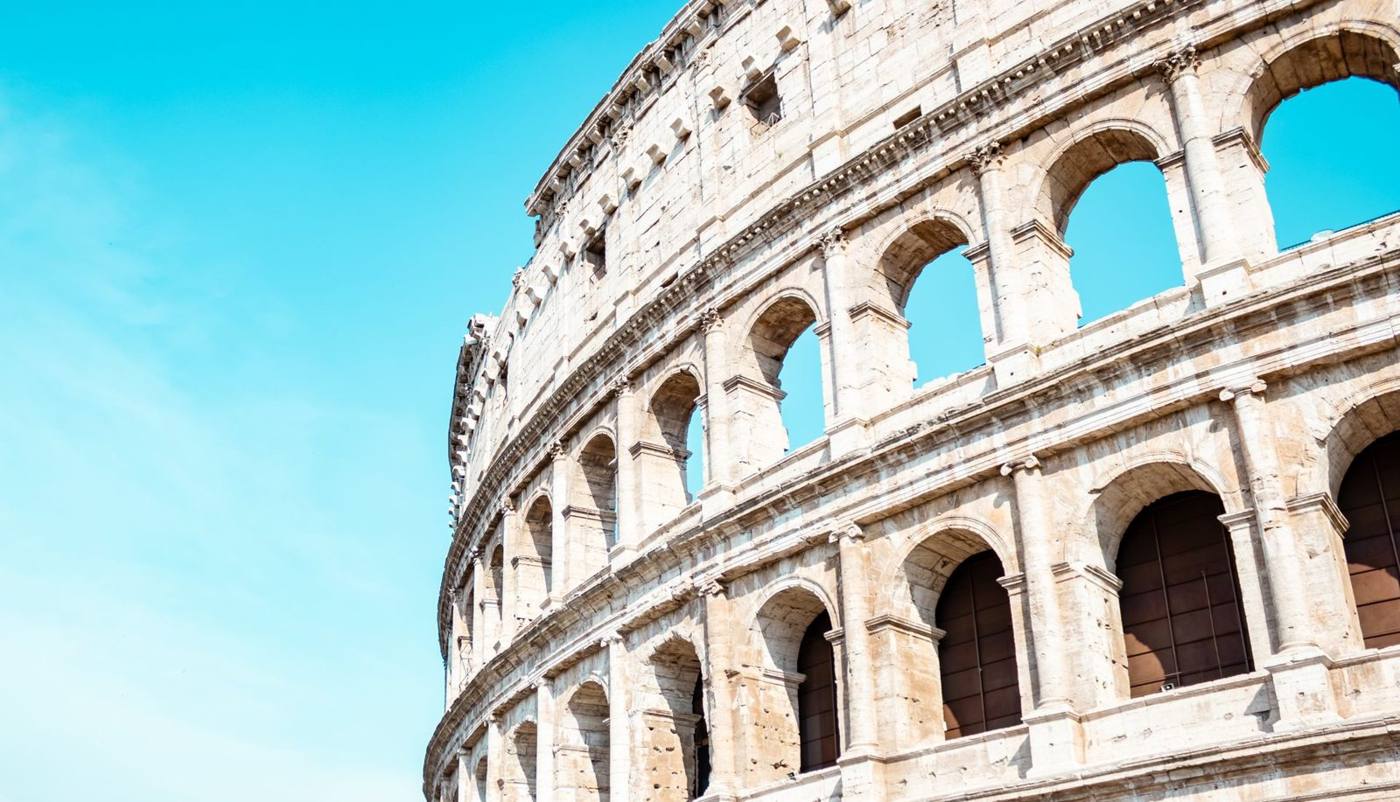
A first trip to Italy by high-speed train: ancient Rome and the Vatican, the Renaissance in Florence and the canals of Venice.