Cherry blossoms: Tokyo, Kawaguchiko, Kyoto and Yoshino
A trip built around the sakura bloom, followed from east to west: the Imperial Palace moats and Ueno Park in Tokyo, Mount Fuji framed by blossoms at Lake Kawaguchi, the Philosopher's Path and Maruyama in Kyoto, and the thirty thousand cherry trees of Mount Yoshino.
- Tokyo
- Kawaguchiko
- Kyoto
- Nara
- Yoshino
- Osaka
Day by day
- Day 1
Tokyo: Chidorigafuchi by rowing boat and Shinjuku Gyoen
This trip follows the cherry blossom in Japan, the sakura, from Tokyo to Lake Kawaguchi at the foot of Mount Fuji, to Kyoto, Nara and finally Yoshino, the mountain of cherry trees. In spring the Japanese celebrate hanami, flower viewing: families, friends and colleagues picnic under the trees, by day and in the evening by lantern light. The blossom lasts only about a week in each place, and is a symbol of fleeting beauty.
The blossom shifts by a few days every year. Usually cherry trees in Tokyo and Kyoto bloom between late March and early April, and in Yoshino between early and mid April. Book everything well in advance: it is the busiest time of year.
EU citizens do not need a visa for tourist stays of up to 90 days. When leaving Japan a departure tax of 3,000 yen is charged, usually included in the air ticket.
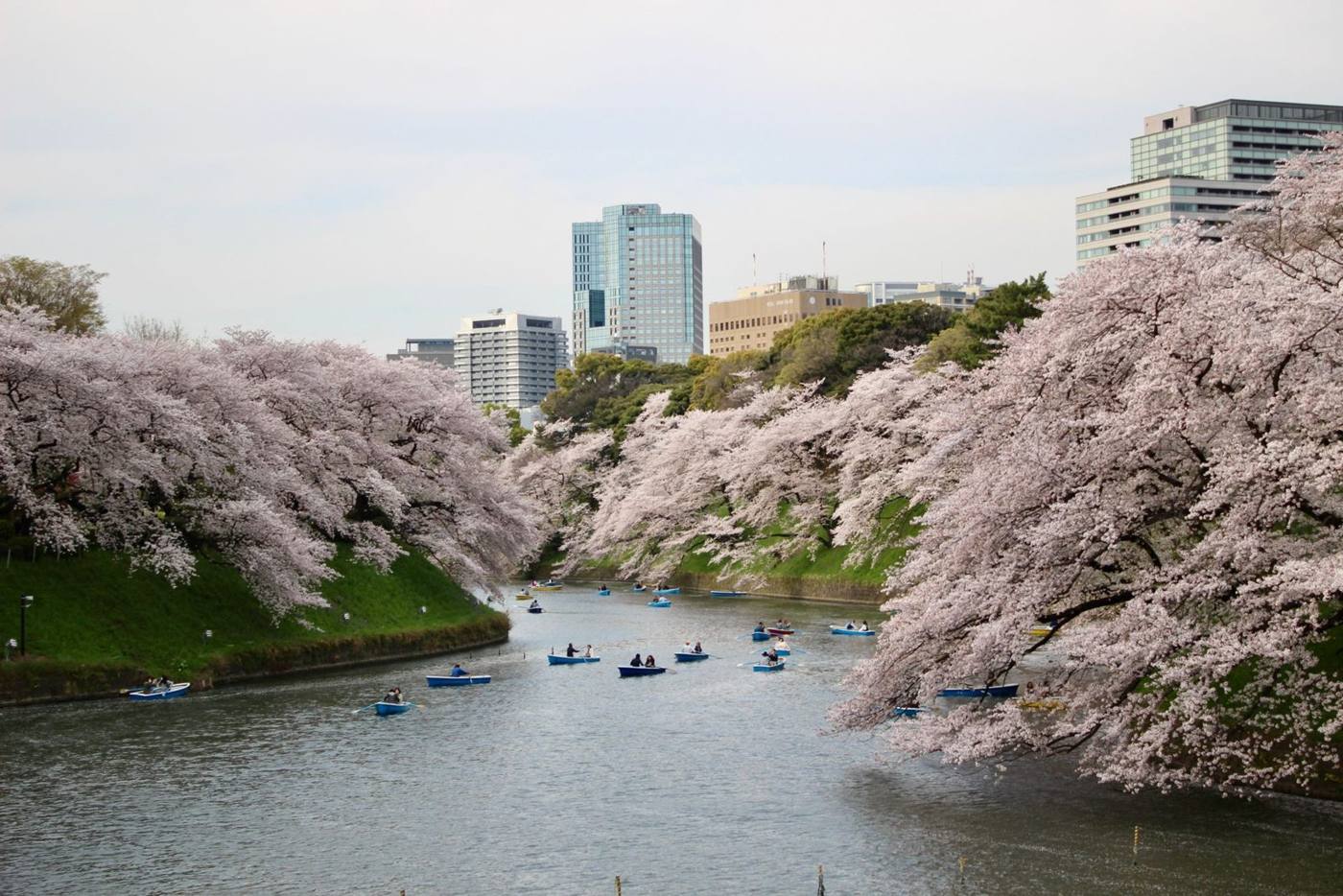
You fly into Tokyo. On the first day go to Chidorigafuchi, the moat of the Imperial Palace, one of the city's most famous cherry blossom spots: a long avenue of trees leaning over the water. Hire a rowing boat to row beneath the flowering branches, when the service is open.
In the afternoon visit Shinjuku Gyoen National Garden, with more than a thousand cherry trees of various varieties, lawns, ponds and a Japanese garden.
In the evening have dinner with Japanese food: sushi, tempura, ramen or yakitori.
Spend the night in Tokyo.
Practical tip: check the blossom forecasts published every year in Japan before setting your dates. The Chidorigafuchi boats have long queues: arrive early.
- Day 2
Tokyo: Ueno Park and the Meguro river lit up at night
Today experience hanami as the Japanese do.
In the morning go to Ueno Park, Tokyo's best known hanami park, with about a thousand cherry trees along the central avenue. On days of full bloom groups spread blue tarpaulins under the trees, eat, drink and chat: often a junior office worker arrives at dawn to save the group's spot. The park also has the Tokyo National Museum, the oldest in Japan, with Japanese art and objects, and Toshogu shrine.
Then walk to Asakusa, to Senso-ji, Tokyo's oldest Buddhist temple, with its great Thunder Gate and red lantern, and along the Sumida river, with cherry trees and views of the Tokyo Skytree.
In the afternoon try seasonal cherry blossom sweets: sakura mochi, a rice cake with red bean paste wrapped in a salted cherry leaf, or cherry blossom tea and ice cream.
In the evening go to the Meguro river in Nakameguro: about eight hundred cherry trees along a small canal form a tunnel of blossom over the water, lit by lanterns in the evening. Stalls sell food and drinks, and people stroll slowly along the canal.
Spend the night in Tokyo.
Practical tip: in the parks take your rubbish away with you: there are few bins in Japan. The Meguro river is very crowded in the evening: follow the direction of walking indicated by the police.
- Day 3
Lake Kawaguchi: Chureito pagoda with Fuji and the cherry trees
Today go to Lake Kawaguchi, one of the five Fuji lakes, about two hours from Tokyo by bus or train.
Early in the morning go to the Chureito pagoda, a red five storey pagoda on a hill above the town of Fujiyoshida, in Arakurayama Sengen Park. You climb a staircase of about four hundred steps to the viewpoint, from which you see the pagoda in the foreground, the blossoming cherry trees around it and snow capped Mount Fuji in the background: one of the most famous images of Japan.
In the afternoon walk along the north shore of Lake Kawaguchi, where an avenue of cherry trees runs along the water with views of Fuji reflected in the lake on still days. If you have time, take the Mount Kachi Kachi ropeway for a view over the lake and Fuji, or visit the Itchiku Kubota museum, dedicated to an artist who painted landscapes on kimonos.
At sunset watch Fuji turn pink above the lake.
In the evening relax in an onsen, a hot spring, many with views of Fuji.
Spend the night at Lake Kawaguchi, in a ryokan, the traditional Japanese inn, with a futon on tatami mats.
Practical tip: Fuji is best seen early in the morning; with cloud it can stay hidden all day. The Chureito pagoda is very crowded in blossom season: go at dawn and respect the local residents.
- Day 4
Kyoto: the Philosopher's Path
Today go to Kyoto, the ancient capital of Japan for more than a thousand years, with more than a thousand temples and shrines, a UNESCO World Heritage Site.
In the morning travel back from Lake Kawaguchi towards Mishima or Tokyo and take the shinkansen, the bullet train, to Kyoto, about two and a half to three hours in all. If you use the Japan Rail Pass, the seven day pass costs 53,000 yen since 1 October 2026: work out whether it pays for your itinerary.
In the afternoon walk the Philosopher's Path, a walk of about two kilometres along a small canal at the foot of the eastern hills, shaded by hundreds of cherry trees. It is named after the philosopher Nishida Kitaro, who walked it in meditation. Along the path are small temples, gardens and cafés.
At the start of the path visit Ginkaku-ji, the Silver Pavilion, a fifteenth century Zen temple with a raked sand garden and a sand cone called the moon viewing platform. At the end of the path you reach Nanzen-ji temple, with its great wooden gate and a nineteenth century brick aqueduct.
In the evening have dinner in Pontocho, a narrow lane along the Kamo river, with restaurants and traditional teahouses.
Spend the night in Kyoto.
Practical tip: Kyoto charges an accommodation tax per person per night, depending on the room price. In blossom season Kyoto is very crowded: visit the most famous places early in the morning.
- Day 5
Kyoto: Maruyama Park, Gion Shirakawa at night and Daigo-ji
Today discover more of Kyoto's cherry blossom spots.
In the morning go to Daigo-ji temple in the south east of the city, a UNESCO World Heritage Site and one of the most famous cherry blossom places in Japan. In 1598 the warlord Toyotomi Hideyoshi held a great blossom party here with more than a thousand guests, and every year, on the second Sunday of April, a costumed procession still takes place. The temple has a tenth century five storey pagoda, the oldest building in Kyoto, gardens and hundreds of cherry trees, including great weeping cherries.
In the afternoon go to the Higashiyama district, with steep paved streets, wooden houses, pottery and sweet shops, and Kiyomizu-dera temple, with its great wooden terrace jutting out from the hillside.
At sunset go to Maruyama Park, Kyoto's best known hanami park, with a huge weeping cherry at its centre, lit up in the evening, and dozens of stalls.
In the evening walk through Gion Shirakawa, one of Kyoto's loveliest streets, along a canal lined with cherry trees and wooden teahouses, lit up at night. Gion is the district of geiko and maiko, the geisha of Kyoto and their apprentices.
Spend the night in Kyoto.
Practical tip: in Gion do not photograph maiko and geiko at close range or follow them: in some private lanes photography is banned and fines apply. Daigo-ji charges entry: check.
- Day 6
Kyoto: Arashiyama
Today go to Arashiyama, on the western edge of Kyoto at the foot of the mountains.
Early in the morning walk through the Arashiyama bamboo grove, a path among towering bamboo stems rustling in the wind. Then visit Tenryu-ji temple, a UNESCO World Heritage Site and one of Kyoto's great Zen temples, with a fourteenth century garden with a pond and mountains behind, and many cherry trees in spring.
Then walk along the Katsura river to the Togetsukyo bridge, a long wooden bridge with views of Arashiyama mountain covered in cherry and green trees. You can hire a rowing boat on the river, or take the Hozu river boat ride from Kameoka to Arashiyama through the gorges.
In the afternoon climb to the Iwatayama monkey park, with no-cost roaming Japanese macaques and a view over the city, or visit Otagi Nenbutsu-ji temple, with more than a thousand smiling stone figures, each one different.
If you have time, return to town to see Fushimi Inari Taisha, the shrine with thousands of red torii, wooden gateways, climbing Mount Inari.
In the evening have a Kyoto kaiseki dinner, a meal of many small seasonal courses, carefully presented.
Spend the night in Kyoto.
Practical tip: the bamboo grove is very crowded after eight in the morning: go at dawn. The Hozu river boats must be booked and are paid: check.
- Day 7
Nara: the deer park and Tōdai-ji among the cherry trees
Today take a trip to Nara, about forty five minutes by train from Kyoto, Japan's first permanent capital in the eighth century.
In the morning walk through Nara Park, a large park of lawns, woods and cherry trees, where more than a thousand sika deer roam no-cost. According to Shinto tradition the deer are messengers of the gods, and they are protected. You can buy special crackers to feed them, and the deer sometimes bow to ask for them.
Then visit Tōdai-ji, a UNESCO World Heritage Site, the great eastern temple founded in the eighth century. The Great Buddha Hall, rebuilt in the eighteenth century, was the largest wooden building in the world until a few decades ago, and houses a bronze Buddha about fifteen metres tall. Behind a pillar there is a hole the size of the Buddha's nostril: tradition says that whoever can squeeze through will have good luck.
In the afternoon visit Kasuga Taisha shrine, with thousands of stone and bronze lanterns along the paths and corridors in the sacred forest.
In blossom season Nara Park is one of the most beautiful places for hanami, with deer walking among the cherry trees.
In the evening return to Kyoto or continue towards Yoshino.
Spend the night in Kyoto or Nara.
Practical tip: the deer may bite or push when hungry: feed them calmly and do not hold crackers in your hand for long. The Great Buddha Hall charges entry: check.
- Day 8
Yoshino: the four zones of cherry trees on the mountain
Today go to Yoshino, a mountain south of Nara, considered the most famous cherry blossom place in Japan, a UNESCO World Heritage Site together with the sacred pilgrimage routes of the Kii mountains.
About thirty thousand cherry trees grow on Mount Yoshino, almost all of a wild variety called shiro yamazakura, planted by pilgrims over more than a thousand years as offerings to the mountain's gods. The trees are divided into four zones that bloom one after another up the mountain: Shimo Senbon, the lower thousand trees; Naka Senbon, the middle thousand; Kami Senbon, the upper thousand; and Oku Senbon, the inner thousand near the summit. So the blossom lasts about a month, moving from bottom to top.
In the morning take the train from Kyoto or Nara to Yoshino station, about two hours, then the ropeway or bus up to the village.
Walk along the village's main street, which climbs the ridge, with shops selling sweets, kudzu, a plant whose starch is used in confectionery, and wooden goods. Visit Kinpusen-ji temple, with a great wooden hall, one of the largest in Japan.
In the afternoon climb to Kami Senbon and Oku Senbon, to the viewpoints from which you see the mountain covered in pink and white blossom.
Spend the night in Yoshino or Nara.
Practical tip: at full bloom Yoshino is very crowded and trains and buses are full: set off early. Wear comfortable shoes: the climbs are long and steep.
- Day 9
Osaka: the castle and park, and departure from Kansai
On the last day go to Osaka, Japan's third city, about an hour and a half from Yoshino or forty minutes from Kyoto.
In the morning visit Osaka Castle Park, with about three thousand cherry trees around the walls, moats and the main keep, rebuilt in the 1930s. The castle was built at the end of the sixteenth century by Toyotomi Hideyoshi, the same man who held the blossom party at Daigo-ji. Inside, a museum tells its story.
Then, if you have time, walk along the Okawa river, with an avenue of cherry trees several kilometres long, or visit Kema Sakuranomiya, one of the city's best loved hanami spots.
For lunch try Osaka street food, the city being known as the nation's kitchen: takoyaki, batter balls with octopus, okonomiyaki, a cabbage pancake cooked on a griddle, and kushikatsu, fried skewers. The Dotonbori district, with its neon signs along the canal, is the heart of nightlife and food.
Before leaving buy some souvenirs: cherry blossom sweets, green tea, fans, ceramic cups and Japanese knives.
From Kansai International Airport, on an artificial island in Osaka Bay, there are flights to Europe. The express train from central Osaka takes about fifty minutes.
Practical tip: the 3,000 yen departure tax is charged when leaving Japan, usually already included in your ticket. Allow at least two and a half hours before an international flight.
The most beautiful and most expensive time of year: book hotels many months ahead and expect big crowds at famous spots. The bloom lasts about a week and shifts every year: official forecasts come out from January, and it is worth keeping a flexible plan between Tokyo and Kyoto. At Yoshino the upper trees bloom about ten days after the lower ones.
Before you go
- Documents and visa
- Passport valid for the whole stay; many nationalities, including EU citizens, enter without a visa for up to 90 days for tourism. An electronic travel authorisation (JESTA) has been announced but is not yet in force: check before you go.
- Health and vaccines
- No vaccines required. Healthcare is excellent but expensive: travel insurance with high medical cover is essential. Some common medicines, such as certain codeine painkillers, are banned or restricted. Emergencies: 119 ambulance, 110 police.
- Money and payments
- Yen. Cards are increasingly accepted, but temples, small restaurants and rural areas need cash: convenience-store ATMs accept foreign cards. Tipping is not customary.
- Power sockets
- Type A, 100 volts: you need a flat-pin adapter; phone and laptop chargers work, European hairdryers often do not.
- Time zone
- UTC+9, no daylight saving time.
- Safety
- One of the safest countries in the world. The risks are natural: earthquakes, typhoons from July to October, extreme summer heat. Download an English-language alert app. Official advice: GOV.UK.
Information checked in November 2026 for Italian and EU citizens. Rules change: always check before you travel.
Variations
In 5 days: Tokyo and Kyoto, with Ueno Park, the Meguro river, the Philosopher's Path and Gion.
In 12 days: add Himeji, with its castle and cherry trees, and Mount Koya.
Frequently asked questions
When do the cherry trees bloom?
Usually in Tokyo and Kyoto between late March and early April, in Yoshino between early and mid April. Dates change every year: check the blossom forecasts.
Do I need a visa?
No, not for tourist stays of up to 90 days for EU citizens. A 3,000 yen departure tax is charged, usually included in the ticket.
Is the Japan Rail Pass worth it?
The seven day pass costs 53,000 yen since 1 October 2026. Add up the cost of the trains on your itinerary: for this trip it may not pay.
Indicative itinerary written by World Atlas. Before booking, check timetables, seasonal openings, documents and safety.
 5 daysChallenging
Yakushima, the forest of ancient cedars
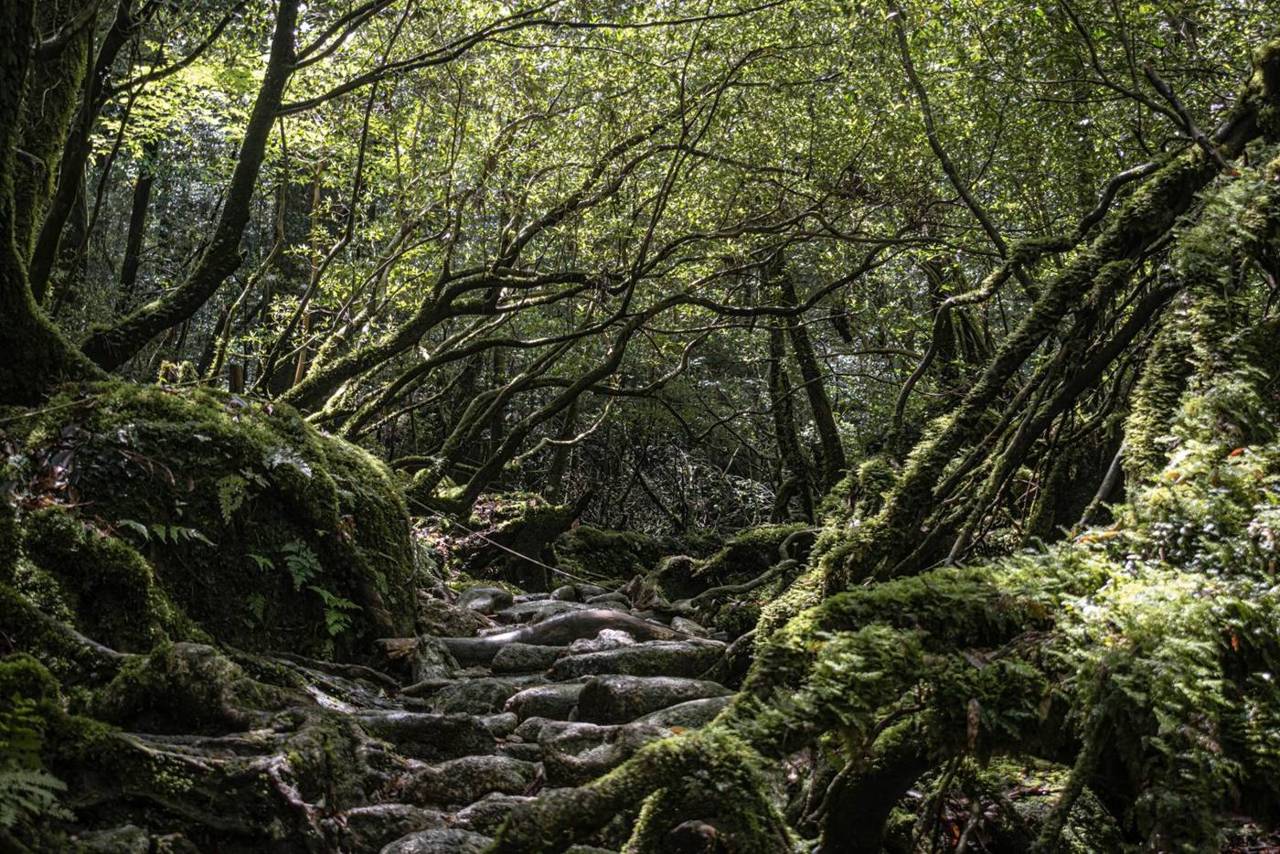
A subtropical island covered in ancient forests, a UNESCO World Heritage site: the Shiratani Unsuikyō gorge with the moss that inspired Miyazaki, the trek to the Jōmon Sugi cedar, the Ōko falls and Nagata beach where turtles nest.
 4 daysEasy
Osaka and Kobe, Japan at the table
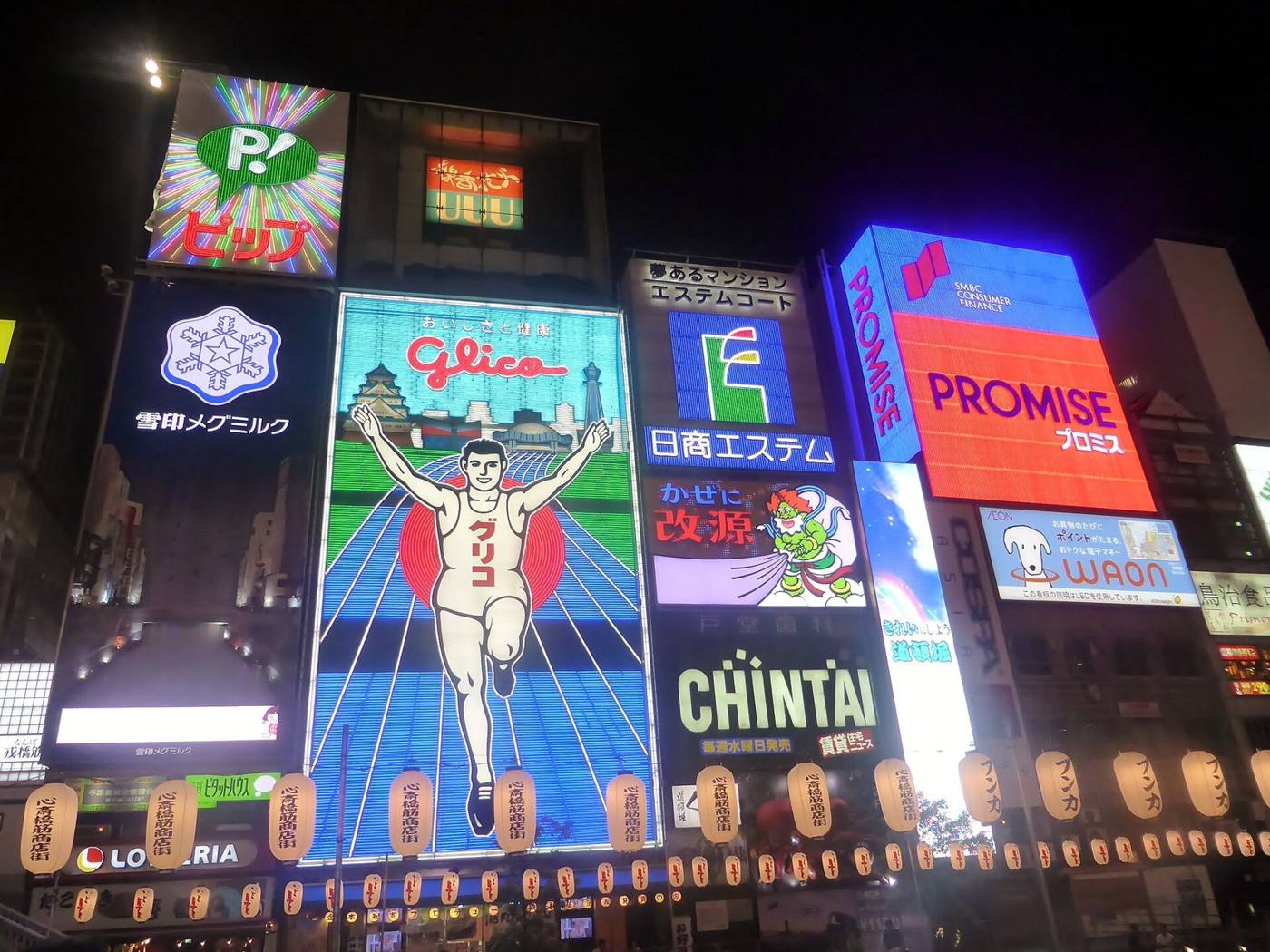
Osaka's street food in Dōtonbori, Kuromon market and Shinsekai, the castle, then Kobe with its beef, the Nada sake breweries, the Kitano quarter and the Arima hot springs tucked into the mountains.
 6 daysEasy
San'in: Tottori, Matsue and Izumo
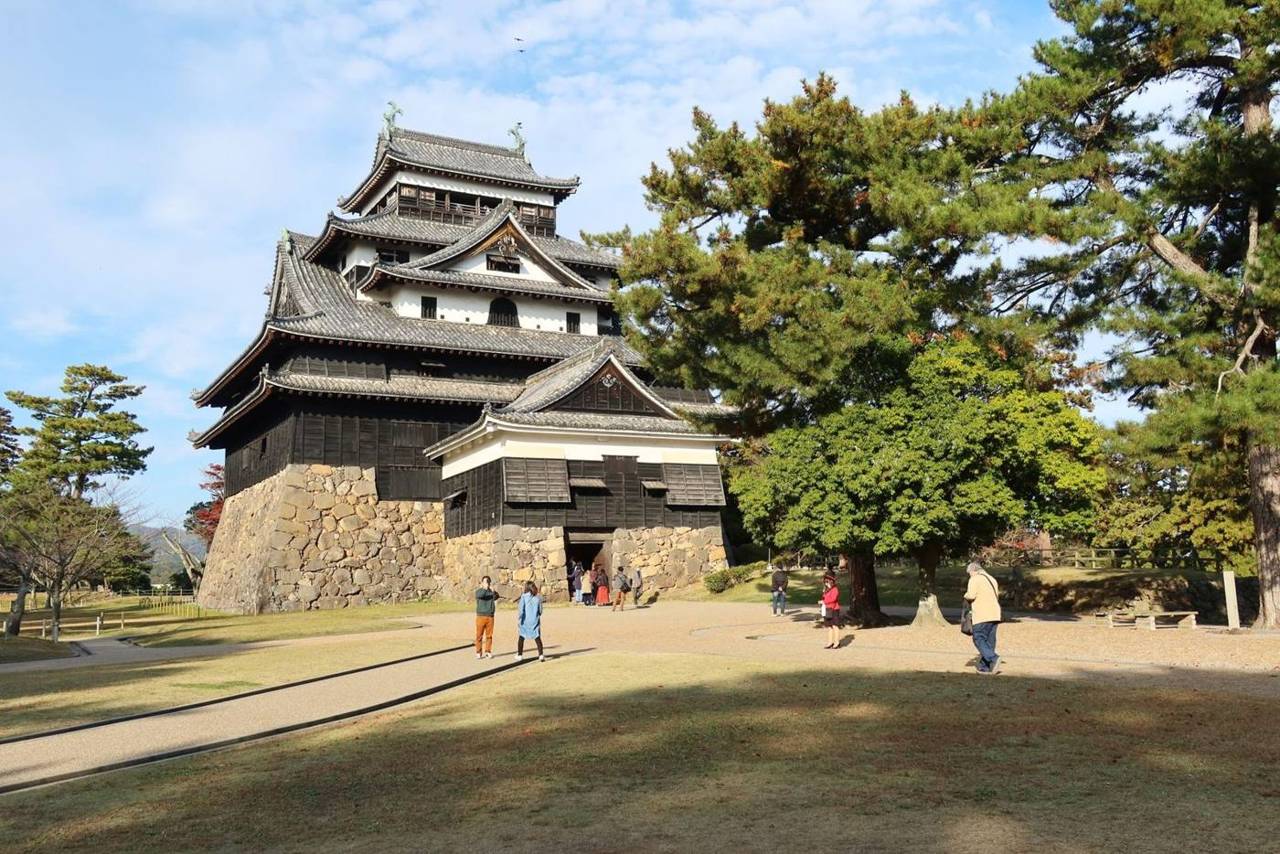
Japan away from the crowds on the Sea of Japan: the sand dunes of Tottori, Matsue's original castle and the sunset over Lake Shinji, the garden of the Adachi Museum, the great shrine of Izumo and the old Iwami Ginzan silver mine, a UNESCO World Heritage site.