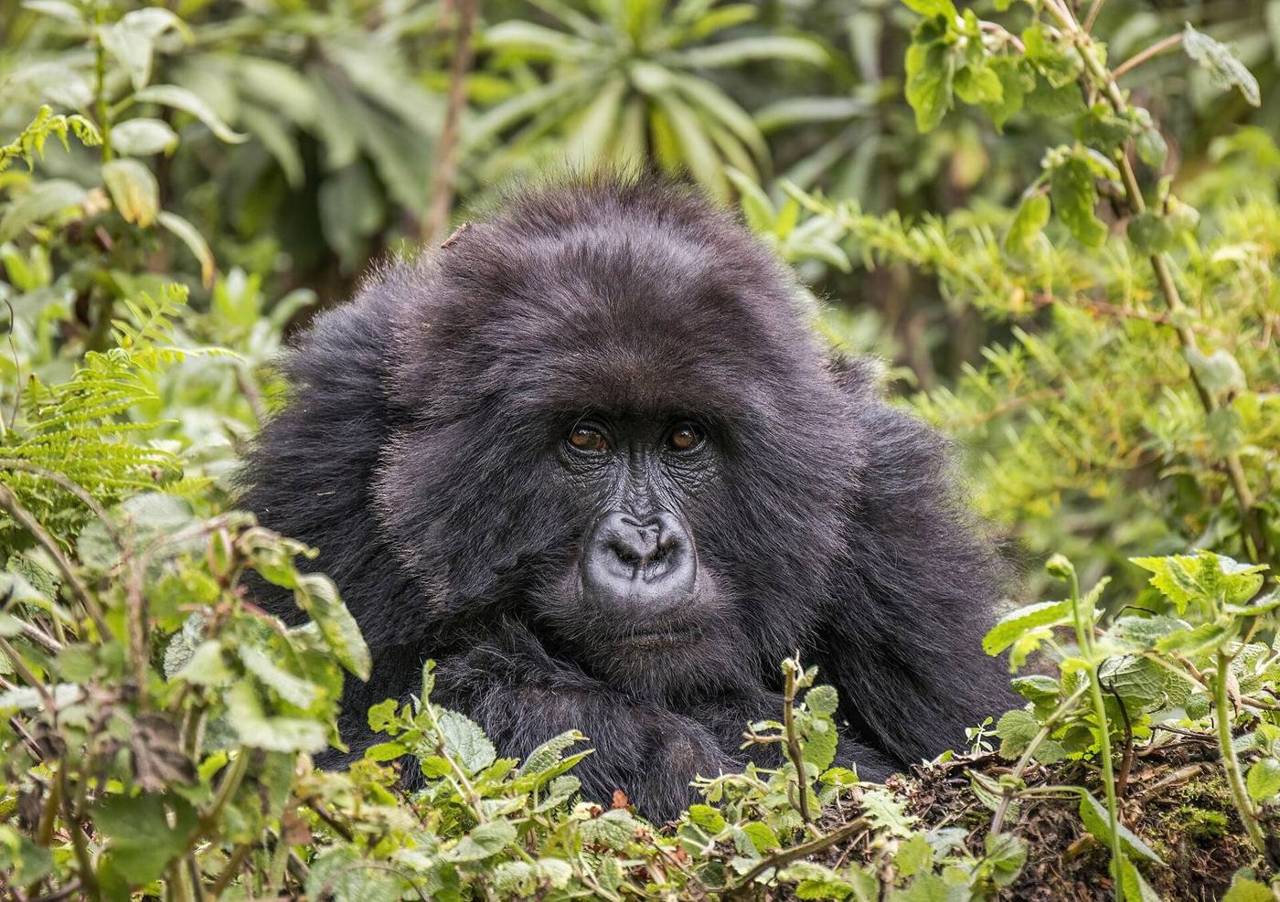
East Africa by truck and tent: Kenya, Uganda, Rwanda, Tanzania
The great overland: the Maasai Mara, the source of the Nile, mountain gorillas and chimpanzees, the Serengeti and Ngorongoro.
- Nairobi
- Lake Nakuru
- Jinja
- Kibale
- Bwindi
- Kigali
- Masai Mara
- Serengeti
- Ngorongoro
- Arusha
Day by day
- Day 1
Arrival in Nairobi
This twenty-three-day trip is the great East African loop by overland truck and tent: Kenya, Uganda, Rwanda and Tanzania, from Lake Nakuru to the source of the Nile, from the chimpanzees of Kibale to the gorillas of Bwindi, from Kigali to the Masai Mara, the Serengeti and the Ngorongoro Crater.
Before you go: Italian citizens enter Kenya with a passport and an electronic travel authorisation, the eTA, to be requested online on the official website before departure. From 5 October 2026 most visitors staying less than 12 months must also hold the travel health insurance provided by the Kenyan government: you buy it during the eTA application, or on the government eCitizen portal if you already have an eTA; it is valid for 90 days and foreign policies are not accepted in its place. For Uganda you need a visa, applied for only online on the official Ugandan government website, visas.immigration.go.ug, a few weeks ahead: print the approval letter. Carry the international yellow fever vaccination certificate and ask your doctor about malaria prevention. For Rwanda you need a visa, issued on arrival or applied for online on the official Irembo portal. For Tanzania you need a visa: check the current rules. Other nationalities should check their own rules. Some areas on this trip are close to borders or places where the situation changes often: check your government's travel advice before booking and again before you leave.
You land at Nairobi airport, at about 1,700 metres above sea level. In the afternoon you meet the group and the truck crew for the departure briefing: timetables, cooking rotas and camp rules.
Sleep in Nairobi.
Practical tip: in Nairobi do not walk alone in the evening, and use taxis called by your accommodation or through an app.
- Day 2
Lake Nakuru
Today overland life begins. Early in the morning you load your bags onto the truck, a sturdy vehicle with raised seats, wide windows, a camp kitchen and the tents in the back locker. You leave Nairobi heading north-west and drop into the Rift Valley: from the viewpoint on the escarpment you see the great open valley below, with extinct volcanoes on the horizon.
In about three hours you reach Lake Nakuru National Park. For the game drive the group usually moves in the truck or in small 4x4s, depending on park rules. Check prices and times.
Nakuru is a salt lake surrounded by yellow-barked acacia woodland and cliffs. It is one of the best places in Kenya to see rhinos, both white and black, which live here in a protected sanctuary. You also see buffaloes, zebras, Rothschild's giraffes, baboons and, if you are lucky, lions and leopards. On the shore, when conditions on the lake allow, flamingos and pelicans gather. From the viewpoint above Baboon Cliff you see the whole lake.
In the evening you pitch your tent for the first time, with help from the crew. Then you have dinner around the fire with the group.
Sleep at a campsite near Nakuru.
Practical tip: learn straight away to put up and take down your tent in a few minutes. Over the coming days you will do it almost every evening and every morning, often in the dark, so practise while the crew is there to help.
- Day 3
Towards Uganda
Today is a long day on the road heading west, to the Ugandan border. The truck leaves at dawn and crosses the highlands of western Kenya, with tea plantations, maize fields and small towns full of markets, passing through Eldoret. It is a good way to see farming Kenya, far from the parks.
At the border you get off with your passport and go through exit formalities for Kenya and entry formalities for Uganda. Keep your printed Ugandan visa and your yellow fever vaccination certificate ready. Queues can be long: bring water and patience. Remember that in Uganda people drive on the left, as in Kenya, so nothing changes for the driver.
After the border the road crosses sugar cane fields and villages with red brick houses. In the evening you reach Jinja, the town on the northern shore of Lake Victoria, where the Nile begins its long journey to the Mediterranean.
Pitch your tent at a campsite on the riverbank and, if there is still light, watch the Nile flowing wide and green below you.
Sleep at a campsite in Jinja, for two nights.
Practical tip: at the border change only a small amount of money with street money changers, counting the notes carefully. For larger sums use cash machines or banks in Jinja, which are safer and give a fairer rate, and keep the receipts.
- Day 4
Jinja and the source of the Nile
Today is a day in Jinja, devoted to the Nile. In the morning take a boat trip to the point where the river leaves Lake Victoria. A small plaque and a monument recall the British explorer John Speke, who in 1862 identified this place as the source of the Nile. Nearby there is also a memorial to Mahatma Gandhi, some of whose ashes were scattered here in the river.
From the boat you see kingfishers, cormorants, herons and lake fishermen in their wooden canoes. Check prices and times.
In the afternoon you can choose. Jinja is famous for rafting on the Nile, with challenging rapids and calm stretches where you can relax in the water. It is optional and should only be done with serious organisers, with helmets, life jackets and safety kayaks. Alternatively you can take a gentler canoe trip, a bike ride through the villages or simply rest at the campsite.
In the evening try fried lake tilapia with chips, and a rolex, Uganda's favourite street food: an omelette with vegetables rolled in a chapati.
Sleep at a campsite in Jinja.
Practical tip: before rafting ask which rapids you will run and how safety works. If you are not a strong swimmer, choose the easiest route or a boat trip. Wear sunscreen and a shirt on the water, because the equatorial sun burns quickly even when it is cloudy.
- Day 5
Across Uganda to Fort Portal
Today you cross Uganda from east to west. The truck leaves early and passes through Kampala, the capital, built on hills: traffic can be very slow, with thousands of motorbike taxis called boda bodas. From the windows you see markets, churches, mosques and big colourful billboards.
After Kampala the road becomes quieter and runs between banana, tea and coffee plantations. It is a long day, with many hours of driving and stops for lunch and supplies. Use the time to watch the landscape, read or get to know your travel companions.
In the afternoon you reach the Fort Portal area, a green and cool town at the foot of the Rwenzori Mountains, which you see on the horizon on clear days. Around it there are dozens of volcanic lakes, formed inside ancient craters and surrounded by forest and farmland.
Pitch your tent at a campsite near Kibale Forest. In the evening your guide explains how the next day's chimpanzee trek works: times, rules and what to bring.
The chimpanzee permit must be booked in advance with the Uganda Wildlife Authority, usually through your trip organiser: check prices and availability.
Sleep at a campsite near Kibale, for two nights.
Practical tip: keep a jacket, water and some snacks in a daypack within reach. On transfer days the truck stops rarely and the big bags stay locked away.
- Day 6
The chimpanzees of Kibale
Today you wake early for the chimpanzee trek in Kibale Forest, home to about thirteen primate species and a large chimpanzee population. Some groups are used to people, so you can watch them up close.
At the meeting point the rangers divide visitors into small groups. Then you set off on foot into the forest, among very tall trees, lianas and enormous roots. The trail is almost flat but can be muddy. After a while you hear their calls echoing through the trees, and the guide follows the direction of the sound.
When you find them, you stay with them for about an hour. You watch them eating fruit high in the branches, coming down to the ground, grooming each other and playing. The young stay close to their mothers, and adult males sometimes put on displays of strength, shaking branches and drumming on the roots. It is a very intense experience.
In the afternoon walk through the Bigodi wetland, run by the village community, to see other monkeys and many birds, or take a trip among the crater lakes near Fort Portal. Check prices and times.
In the evening, at the campsite, help the crew prepare dinner: on an overland trip everyone takes turns with cooking and cleaning.
Sleep at a campsite near Kibale.
Practical tip: for the trek wear long trousers tucked into your socks, against the forest's red ants, and waterproof shoes with a good grip. Bring a light rain jacket too.
- Day 7
Towards Lake Bunyonyi
Today you head south to Lake Bunyonyi, in south-west Uganda. The road crosses the savannah of Queen Elizabeth National Park and passes the Equator, marked by a monument by the roadside. Stop for a photo with one foot in each hemisphere.
As you cross the park you may see elephants, buffaloes, kob and baboons from the road. The park lies close to the border with the Democratic Republic of the Congo: always follow the crew's instructions and only get off the truck at the planned stops.
Further south the landscape changes completely. You climb through very steep hills terraced right to the top, with fields of potatoes, sorghum and beans. This is the Kigezi region, which some call the Switzerland of Africa for its green, cool hills.
In the afternoon you reach Lake Bunyonyi, a long and winding lake full of inlets, surrounded by terraced hills and dotted with green islands. Pitch your tent at a campsite on the shore and enjoy your first sunset over the lake, with fishermen's canoes gliding on the calm water.
The evening is cool, because you are at about two thousand metres. Have a jacket and a jumper ready.
Sleep at a campsite on Lake Bunyonyi, for three nights.
Practical tip: nights at Lake Bunyonyi are cold. Use a sleeping bag suited to low temperatures and keep a hat for sleeping in the tent.
- Day 8
A day on the lake
Today is a rest day, after many days on the road. Lake Bunyonyi is the perfect place to relax, do some washing and recharge before the gorillas.
In the morning take a canoe trip among the islands, on your own or with a local boatman. The traditional canoes are carved from a single trunk and steered with a long paddle: at first they feel unstable, but you soon get used to them. You pass small islands with farmers' homes, schools overlooking the water and a tiny island with a sad story: in the past girls who became pregnant before marriage were left there. Your guide tells you these stories and about life on the lake.
The lake is rich in birdlife: you see crowned cranes, kingfishers, herons and weavers building their nests in the papyrus. Check prices and times for the trips.
In the afternoon you can walk up the hills around the lake, through the terraced fields, to a viewpoint. From above you see the islands and inlets of the lake like a map. Otherwise rest at the campsite, read or write your travel diary.
In the evening pack your bag for the gorilla trek.
Sleep at a campsite on Lake Bunyonyi.
Practical tip: in a canoe always wear a life jacket and do not stand up. Keep your phone and camera in a waterproof bag, and agree the price with the boatman before you set off.
- Day 9
Bwindi: the mountain gorillas
Today is gorilla day. You leave Lake Bunyonyi before dawn by 4x4 for the southern sector of Bwindi Impenetrable Forest, about one or two hours away on a dirt road through hills and mist. Bwindi is a UNESCO World Heritage Site and is home to about half of the world's mountain gorillas.
At the rangers' station you hear the rules: stay in your group, speak quietly, keep your distance and do not eat or drink near the animals. Then you set off into the forest with the rangers and porters. The walk can take from one hour to many hours, on steep and muddy paths.
When you arrive, you leave your bag and sticks and move in slowly. You see the silverback, big and calm, eating leaves and shoots. The females hold their babies in their arms or on their backs, and the youngsters play and roll about. You hear their low rumbles. You stay with them for about an hour, which goes by very fast.
In the afternoon you return to Lake Bunyonyi, tired and happy. Tell your companions who did not do the trek about your day and look at the photos together.
The gorilla permit must be booked many months in advance with the Uganda Wildlife Authority: check prices and availability.
Sleep at a campsite on Lake Bunyonyi.
Practical tip: bring gardening gloves to grab branches and protect yourself from nettles, and hire a porter from the village: they help you and give work to local families.
- Day 10
Rwanda and Kigali
Today you cross into Rwanda. The truck leaves Lake Bunyonyi and soon reaches the Rwandan border, south of Kabale. You go through exit formalities for Uganda and entry formalities for Rwanda with your passport and visa. Plastic bags are banned in Rwanda, and luggage may be checked at the border. After the border you drive on the right.
Rwanda makes an immediate impression: clean roads, hills farmed down to the last metre and tidy villages. It is called the land of a thousand hills, and you understand why as the road rises and falls endlessly to Kigali, in about two or three hours.
In the afternoon visit the Kigali Genocide Memorial, at Gisozi. More than two hundred and fifty thousand victims of the 1994 genocide against the Tutsi are buried here, from the time when hundreds of thousands of people were killed in about a hundred days. The museum tells of the causes, the events and the rebuilding of the country through photos, objects and testimonies. It is a hard and silent visit, but essential to understand Rwanda today. Check prices and times.
In the evening, after such an intense day, have a quiet dinner with the group and talk about what you have seen.
Sleep in Kigali, for two nights.
Practical tip: before the border change any leftover Ugandan shillings, as they are hard to change in Rwanda. Rwanda uses the Rwandan franc, and cards work well in Kigali.
- Day 11
A day in Kigali
Today you explore Kigali at an easy pace. The capital of Rwanda is a modern, orderly and very clean city, built on hills, with tree-lined avenues, residential districts and shopping centres. On the last Saturday of every month the country stops for a few hours for umuganda, a day of community work: if you are here on that day, shops open later.
In the morning visit Kimironko market, the largest in the city, with fruit, vegetables, spices and a big section of colourful African fabrics, where tailors will sew you a shirt or a dress in a few hours. Look out for the traditional Rwandan baskets too, woven by hand with pointed lids.
In the afternoon walk around Nyamirambo, the liveliest district in the city, with its colourful houses, mosques, barber shops and small workshops. A guided walk run by women from the neighbourhood shows you everyday life.
If you want to learn more about the history, visit the museum of the campaign against genocide, in the parliament building, which tells how the genocide was brought to an end in 1994. Check prices and times.
In the evening try brochettes, goat skewers, with grilled bananas and a local beer.
Sleep in Kigali.
Practical tip: in Kigali motorbike taxis are fast and cheap, and helmets are compulsory. Agree the fare before setting off or use an app, and hold on tight on the steep hills.
- Day 12
Back across Uganda
Today the long return to Kenya begins, to reach the Masai Mara. The truck leaves Kigali early, re-enters Uganda and crosses the south-west of the country, among farmed hills, markets and banana plantations. It is a long driving day, with stops for lunch and supplies.
Along the road you see the great herds of Ankole cattle, with very long lyre-shaped horns, a symbol of this region. In the villages children wave at the truck with enthusiasm, and street vendors offer bananas, skewers and roasted maize at the windows during stops.
If the route allows, you stop at the Equator, crossed here for the last time in Uganda, where a monument marks the line between the two hemispheres.
In the evening the group stops at a campsite along the way. After dinner, around the fire, look at the trip map together: you have already crossed three countries and covered thousands of kilometres.
To re-enter Kenya, check in advance whether the eTA from your first entry is still valid or whether you need a new one, and make sure your Kenyan health insurance is still valid.
Sleep at a campsite in Uganda.
Practical tip: on long driving days bring a travel pillow, earplugs and something to read. Drink often, but remember that toilet stops are few, and keep some toilet paper and hand gel in your daypack.
- Day 13
Back in Kenya
Today you return to Kenya. The truck crosses eastern Uganda and reaches the Kenyan border, where you go through exit and entry formalities with your passport and eTA. After the border the road crosses western Kenya, a green and populated region, with hills, tea plantations and small towns full of markets.
It is another long day, but the landscape is varied. You see tea fields laid out like carpets on the hills, pickers with baskets on their backs and villages with tin-roofed houses. If the route passes near Lake Victoria, you see its waters again, this time from the Kenyan side.
In the afternoon the truck stops at a campsite, where you spend the night before reaching the Masai Mara. Use the stop to wash a few clothes, charge your batteries and get your safari kit ready: binoculars, camera, hat and sunscreen.
In the evening the crew explains the plan for the coming days in the Masai Mara, the reserve rules and how to behave at unfenced campsites, where animals can wander through at night.
Sleep at a campsite in western Kenya.
Practical tip: on long days in the truck, swap seats with your travel companions. The front seats have the best view, while those at the back are quieter for sleeping. Changing places also helps you get to know everyone in the group.
- Day 14
The Masai Mara
Today you reach the Masai Mara, Kenya's most famous reserve. The truck crosses the Maasai plains, with herds of cattle and herders dressed in red, and the last part of the road turns into a dusty dirt track.
The Masai Mara is the Kenyan part of the great Serengeti ecosystem, which continues into Tanzania. It is a land of open grassland, gentle hills, lone acacias and the Mara River, which crosses the reserve. It is one of the best places in the world to see big cats, along with elephants, giraffes, buffaloes, hippos and a great many antelopes. Check prices and entry rules for the reserve.
For game drives in the reserve the group usually travels in pop-up roof 4x4s driven by local drivers. In the afternoon take your first drive, as the light turns golden on the savannah and the animals come out of the shade.
In the evening pitch your tent at a campsite near the reserve. At night you hear hyenas calling and, sometimes, the distant roar of lions.
Sleep at a campsite near the Masai Mara, for three nights.
Practical tip: at campsites near the reserve never leave your tent at night without a torch and without telling someone. Always ask a camp escort, usually a Maasai warrior, to walk you to the toilets, and keep your tent zipped shut so that no insects or curious animals get in.
- Day 15
A full day on the savannah
Today you go on a full-day game drive in the Masai Mara. You set off at dawn, with breakfast and a packed lunch, to explore the reserve until the afternoon.
From July to October the great migration arrives in the Masai Mara: more than a million wildebeest, together with zebras and gazelles, move up from the Serengeti in search of fresh grass. The most famous moment is the crossing of the Mara River, when thousands of wildebeest plunge into the water, among the currents and the crocodiles. You never know when or where it will happen: sometimes you wait for hours on the bank, sometimes it does not happen at all.
Outside the migration season the Masai Mara is still rich in wildlife all year round, especially predators. Lions live in large prides, cheetahs hunt on the open plains and leopards rest on the branches of trees along the rivers. You also see elephants, Maasai giraffes, topi, hyenas and vultures around carcasses.
At midday have lunch in the shade of a tree, in an area where you are allowed to get out of the vehicle, with the savannah all around you.
In the afternoon you return to the campsite, tired and covered in dust, but full of images.
Sleep at a campsite near the Masai Mara.
Practical tip: during river crossings many vehicles crowd in. A good guide keeps a distance and does not block the animals' path: ask your driver about this before setting off.
- Day 16
Maasai village and a last drive
Today is your last day in the Masai Mara. At dawn take a final game drive, when the lions return from their night hunt and the cheetahs start looking for prey. Ask your driver to look for the animals you have not seen yet, such as the leopard or the very rare black rhino.
In the afternoon visit a Maasai village, called a manyatta, near the reserve. The Maasai are a herding people who live between Kenya and Tanzania, famous for their red robes, beaded necklaces and the jumps of their warriors. You see the low houses of mud and dung, the livestock enclosure and village life. Choose a visit organised with the community, where the money goes to the village, and ask permission before photographing people.
Alternatively, for something special, at dawn you can take a hot air balloon flight over the savannah, with breakfast on landing. It is expensive: check prices and conditions.
In the evening, around the fire, the crew explains the next day's crossing into Tanzania. Check that you have your Tanzanian visa and your yellow fever certificate.
Sleep at a campsite near the Masai Mara.
Practical tip: in Maasai villages you will be offered bracelets and necklaces. If you want to buy, bargain politely: it is normal and part of the tradition. Small notes make paying much easier, so keep some in a separate pocket.
- Day 17
Into Tanzania, towards the Serengeti
Today you leave Kenya and enter Tanzania. The truck leaves early and reaches the Isebania and Sirari border crossing, west of the Masai Mara. You go through exit formalities for Kenya and entry formalities for Tanzania with your passport, visa and, if asked, your yellow fever vaccination certificate. Rules can change: check the official website before you travel.
After the border the road crosses farmland and villages, then approaches the Serengeti from the west. Before entering, the group usually leaves the truck and continues in safari 4x4s with pop-up roofs, driven by local drivers.
The Serengeti is one of the most famous parks in the world, with about fifteen thousand square kilometres of plains, hills and rivers. The name comes from the Maasai language and means endless plain. Your first hours in the park are thrilling: the savannah stretches as far as the eye can see, with groups of gazelles, zebras and wildebeest. Check prices and times.
In the evening pitch your tent at a campsite inside the park, with no fences. Animals can pass between the tents during the night.
Sleep at a campsite in the Serengeti, for three nights.
Practical tip: Tanzania uses the Tanzanian shilling, but in the parks you often pay by card. Also bring recent US dollar notes for tips and small expenses, because older notes are often refused.
- Day 18
The cats of the Serengeti
Today is a full day of game drives in the central Serengeti, around the Seronera River valley, one of the areas richest in wildlife throughout the year. You set off at dawn, with breakfast and a packed lunch.
Seronera is famous for big cats. Lions often rest on the kopjes, the granite outcrops that rise from the plain like islands. Leopards spend their days on the branches of acacias along the river, and your driver looks for them by watching for tails hanging from the trees. Cheetahs hunt on the open plains, where they reach extraordinary speeds.
Along the river you also see hippos, crocodiles, giraffes, elephants, hyenas and jackals. Guides talk to each other by radio and, when someone spots a rare animal, many vehicles move to the same area.
The Serengeti is the heart of the great migration. Where the herds are changes with the seasons: from December to March they are usually in the south, between June and July towards the west, from July to October in the north and in the Masai Mara. Your guide knows the latest movements and decides the route.
In the evening, at the campsite, listen to the sounds of the night on the savannah: hyenas, jackals and the roar of lions.
Sleep at a campsite in the Serengeti.
Practical tip: at Serengeti campsites never leave food in your tent and close the zip properly. Hyenas and baboons are attracted by smells and can tear through the fabric.
- Day 19
The plains and the kopjes
Today you explore another part of the Serengeti, depending on the season and your guide's advice. You can head to the great southern plains, where thousands of wildebeest calves are born from December to March, or to the Moru or Gol kopjes, islands of rock in the middle of the grass, home to lions, hyenas and birds of prey.
In these areas the landscape is immense and the sky seems enormous. Sometimes your guide switches off the engine and you sit in silence, listening to the wind in the grass and the distant calls of animals. With some luck you see a hunt: a cheetah creeping slowly towards the gazelles, then a lightning sprint.
At Moru there are also Maasai rock paintings on some boulders, and a rock called gong rock, which rings when you strike it with a stone. Ask your guide whether it is possible to visit it.
In the afternoon you return to the campsite. It is your last evening in the Serengeti: watch the sunset over the savannah, with black acacias against an orange sky.
Sleep at a campsite in the Serengeti.
Practical tip: the Serengeti is dusty and the hours in the vehicle are many. Keep sunglasses, a scarf for your mouth and eye drops handy, and cover your camera with a bag when you are not using it. Wipe the lens every evening with a soft cloth.
- Day 20
The Ngorongoro Crater
Today you leave the Serengeti, cross the highlands and descend into the Ngorongoro Crater, a great volcanic caldera about six hundred metres deep, with a floor around twenty kilometres across. It is part of the Ngorongoro Conservation Area, a UNESCO World Heritage Site.
The crater is visited by 4x4: large vehicles like the truck usually do not go down to the floor. The road down is steep and leads into a closed world where animals live all year round: wildebeest, zebras, buffaloes, gazelles, hyenas, elephants and many lions. Ngorongoro is one of the few places in Tanzania where you can see black rhinos, though often at a distance.
On the salt lake in the middle of the crater, when there is water, pink flamingos gather. Hippos wallow in the swamps and bull elephants with long tusks walk through the tall grass. At midday eat your packed lunch inside the vehicle: kites swoop down to snatch food from your hands. Time in the crater is limited: check prices and times with your guide.
In the afternoon climb back to the rim and reach the campsite on the crater rim or in the Karatu area.
Sleep at a campsite on the crater rim or near Karatu.
Practical tip: on the crater rim, at over two thousand metres, nights are cold and often misty. Sleep in layers and keep a beanie in your sleeping bag.
- Day 21
Lake Manyara
Today you visit Lake Manyara National Park, at the foot of the Rift Valley escarpment, which rises steeply for hundreds of metres above the plain. It is a small but very varied park, and the last safari of the trip.
At the entrance you go into a dense green forest, fed by underground springs flowing out of the escarpment. Large troops of baboons live here, along with vervet monkeys and elephants moving among the trees. Further on the forest gives way to acacia woodland and grassy plains that reach the lake.
Lake Manyara is salty and shallow, and changes a lot with the seasons. When there is water it attracts flamingos, pelicans, storks and a great many other birds. Near the hot springs you often see hippos. The park is also known for lions that sometimes climb trees, although seeing them is rare. Check prices and times.
In the afternoon, if there is time, walk through the village of Mto wa Mbu, with its banana plantations, rice paddies and colourful market, home to people from many different Tanzanian ethnic groups.
In the evening it is your last night under canvas. Around the fire thank the crew and celebrate with the group.
Sleep at a campsite near Lake Manyara.
Practical tip: prepare an envelope with tips for the driver, the cook and the guides. Ask your organiser what the usual amounts are and hand them over in person, with a few words of thanks.
- Day 22
Arusha
Today you reach Arusha, the base town for safaris in northern Tanzania, at the foot of Mount Meru, a volcano over 4,500 metres high. After three weeks in a tent a hot shower and a real bed are waiting for you.
In the afternoon take a walk through the central market, full of fruit, spices, fabrics and tools, where you see everyday life in the city. Then visit the natural history museum, in the old German fort known as the Boma, with exhibits on human origins and the history of the region. Check prices and times.
If you prefer nature, walk around Lake Duluti, a small volcanic lake on the edge of the city, with views of Mount Meru and, on clear days, Kilimanjaro.
In the evening have a last dinner with the group. Try pilau, spiced rice with meat, or mishkaki, marinated skewers, and swap contacts and photos with the companions you have shared thousands of kilometres with.
In Arusha use common sense: in the evening take a taxi booked through your accommodation and do not walk alone after dark. Keep your phone and wallet safe in crowded places.
Sleep in Arusha.
Practical tip: before leaving the group, check again that you have everything: documents, chargers and medicines. Small items are easily forgotten in the truck and the tents, so check under the seats and in the side pockets.
- Day 23
Departure
Today is departure day. You can fly from Kilimanjaro International Airport, about an hour from Arusha, or return to Nairobi by road through the Namanga border, in about five or six hours, if your flight leaves from Kenya. In that case remember the Kenyan entry rules. Check prices and times.
In twenty-three days you have crossed four countries in East Africa. In Kenya you saw the rhinos of Lake Nakuru and the big cats of the Masai Mara. In Uganda you watched the Nile leave Lake Victoria at Jinja, followed the chimpanzees of Kibale, paddled a canoe on Lake Bunyonyi and spent an hour with the mountain gorillas in Bwindi. In Rwanda you understood the country's history at the Kigali memorial. In Tanzania you crossed the endless plains of the Serengeti, went down into the Ngorongoro Crater and finished at Lake Manyara.
It is the most complete East African trip at the most affordable price, because you sleep in tents and travel as a group on an equipped truck. You need to be adaptable and happy to pitch your tent and help in the kitchen, but in return you live the savannah up close.
When to go: the best months are July to October, with the migration in the Masai Mara, and January and February, in the short dry season. Book your gorilla permit many months ahead.
Practical tip: wash and dry your boots and clothes well before flying home, and keep your permit receipts as souvenirs.
East Africa's most complete trip at the lowest price, because you sleep in tents and travel in an equipped truck with the other travellers. You need team spirit and a willingness to pitch your tent. The gorilla permit alone costs about $800 in Uganda and must be booked months ahead.
Before you go
- Documents and visa
- Valid passport and an eTA, applied for online on the official Kenyan government website before leaving. From 5 October 2026 compulsory government travel health insurance is also required.
- Health and vaccines
- Malaria prevention and the yellow fever vaccine are recommended. Drink only bottled water. Emergencies: 999 or 112.
- Money and payments
- Kenyan shilling. Mobile payment, M-Pesa, is everywhere; cards work in cities and lodges.
- Power sockets
- Type G, 240 volts: you need an adapter for British plugs.
- Time zone
- UTC+3 all year.
- Safety
- The United States has rated Kenya level 3 since 19 October 2026 (Ebola, crime, kidnapping, terrorism, unrest). Do not travel: Garissa, Wajir, Mandera, Lamu, Tana River (except Tsavo), Kilifi north of the C103 road, the coast north of Malindi, Marsabit and Turkana within 50 km of Ethiopia. Official advice: GOV.UK.
Information checked in November 2026 for Italian and EU citizens. Rules change: always check before you travel.
Variations
In 16 days: drop Rwanda and Kigali and head back from Lake Bunyonyi towards Kenya, keeping the gorillas, the Masai Mara and the Serengeti.
In 30 days: add Murchison Falls in Uganda, Volcanoes National Park in Rwanda and a few days by the sea in Zanzibar at the end.
Frequently asked questions
What is life like on an overland trip?
You travel as a group on an equipped truck, sleep in tents at campsites and everyone takes turns helping with cooking and cleaning. Driving days are long, but the crew organises the route, meals and activities.
Do I need many visas?
Yes: Italian citizens need the Kenyan eTA and health insurance, a visa for Uganda, a visa for Rwanda and a visa for Tanzania. Check the current rules on the official websites before you travel.
Is the gorilla trek included?
It is usually optional: the permit is expensive and must be booked many months ahead with the Uganda Wildlife Authority. Ask your organiser whether they book it for you and check prices and availability.
Indicative itinerary written by World Atlas. Before booking, check timetables, seasonal openings, documents and safety.
 7 daysModerate
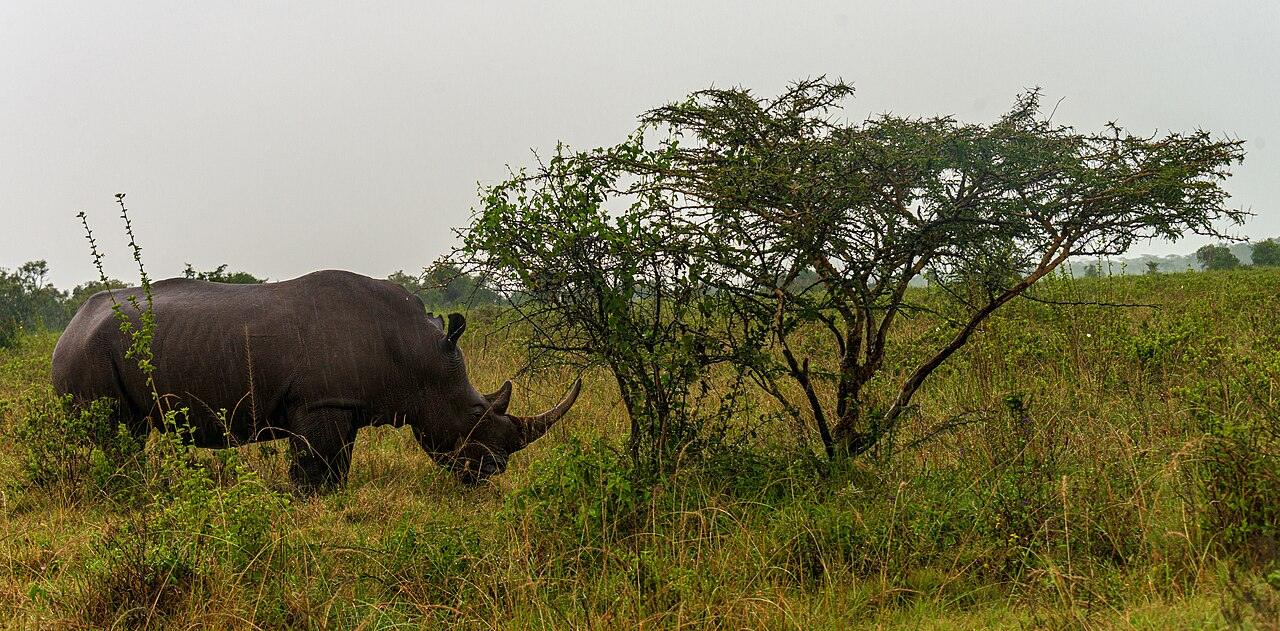
Masai Mara and Lake Nakuru
Africa's most famous safari in one week: rhinos at Nakuru, hippos at Naivasha and three days in the Masai Mara.
 15 daysModerate
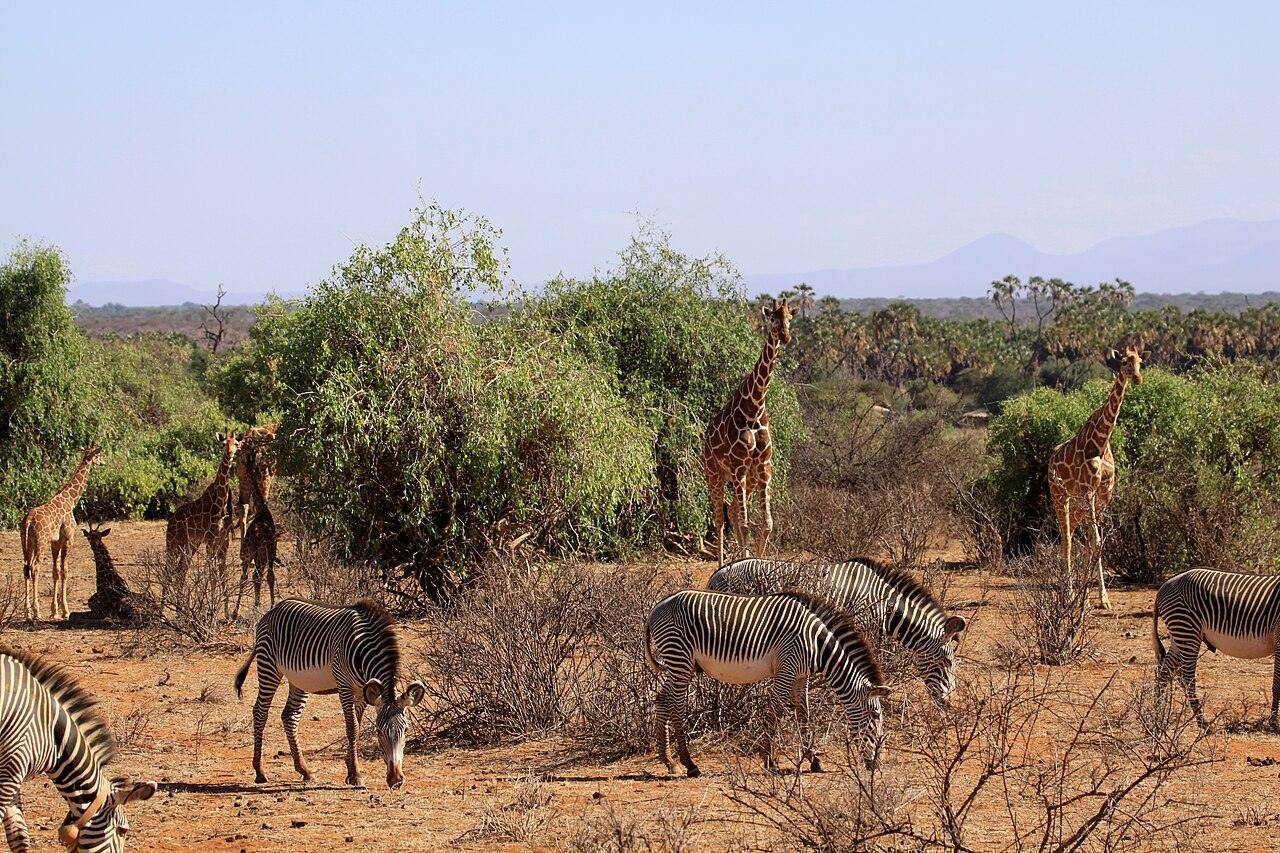
Samburu, Masai Mara, Amboseli and the coast
The fullest Kenya: rare northern species, the great savannah, elephants below Kilimanjaro and a finale in Diani.
 12 daysModerate
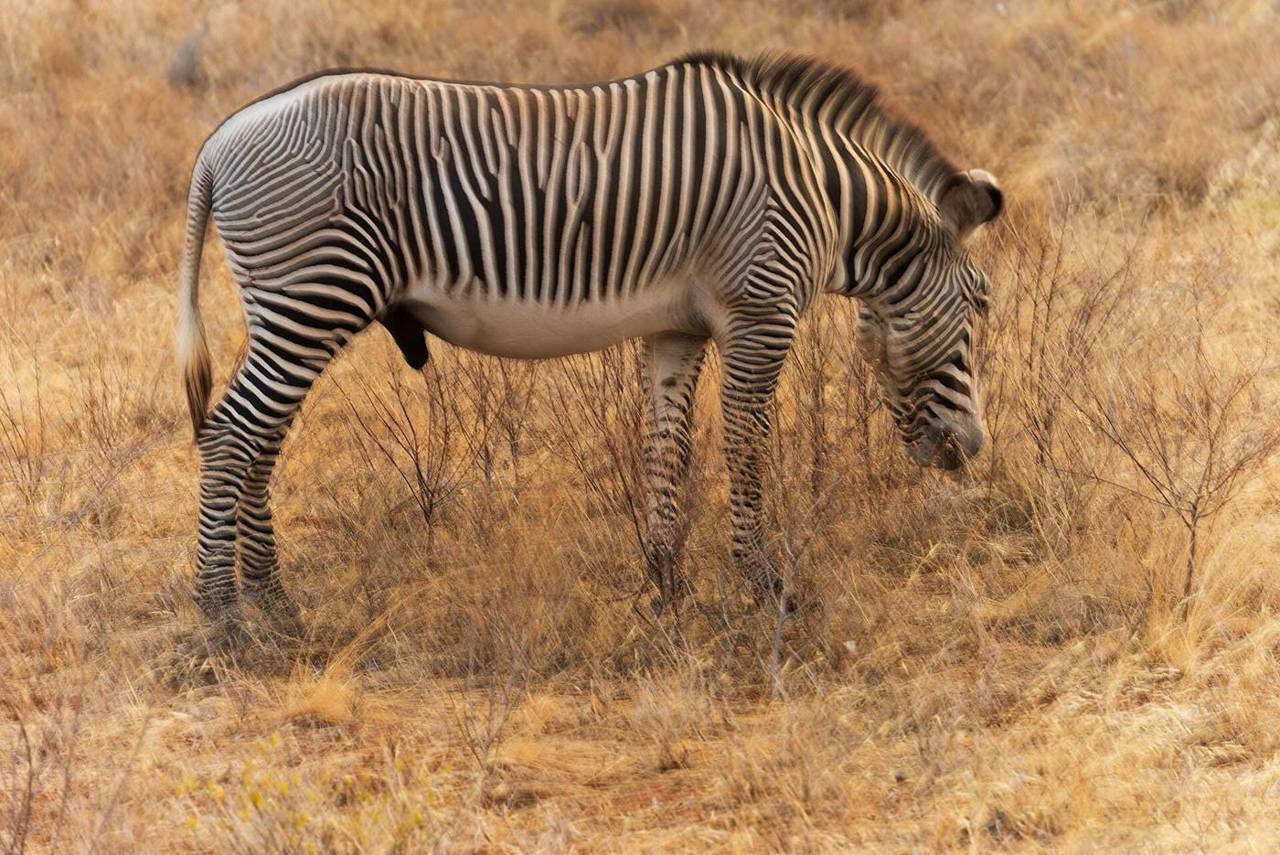
Magical Kenya: Samburu, the Rift Valley lakes and the Maasai Mara
From Mount Kenya to the dry savannahs of the north, then down the Rift Valley lakes to the Maasai Mara: complete Kenya in under two weeks.