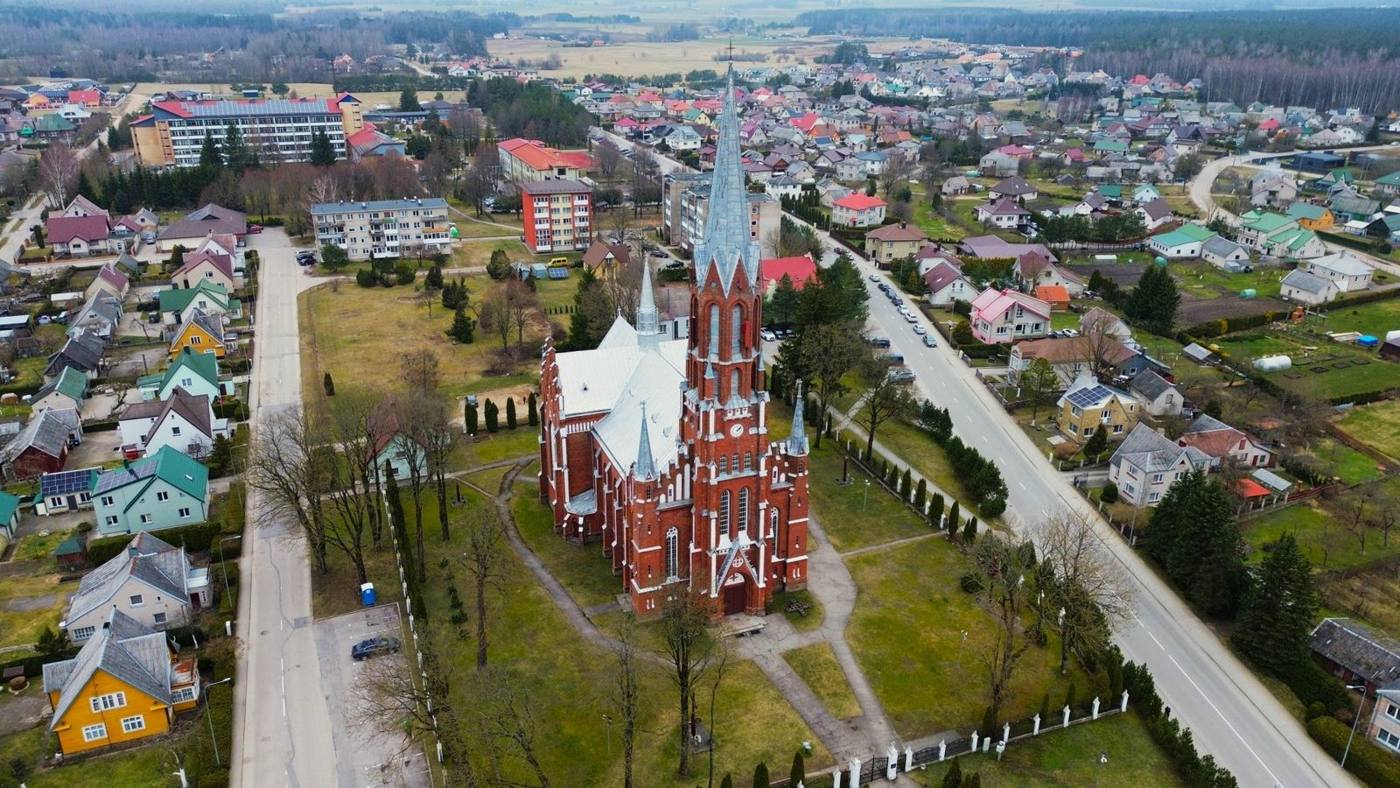
Samogitia
Žemaitija park with Lake Plateliai and the Soviet nuclear missile base at Plokštinė, now a Cold War museum, and the town of Telšiai.
- Telšiai
- Plateliai
- Plokštinė
- Žemaičių Kalvarija
Day by day
- Day 1
Telšiai and Lake Plateliai
This trip takes you over three days into Samogitia, the region in the north-west of Lithuania, with a strong dialect and identity: the town of Telšiai, Žemaitija National Park with Lake Plateliai, the Soviet nuclear missile base of Plokštinė, now a Cold War museum, and the shrine of Žemaičių Kalvarija.
Before you go: Italian citizens only need an electronic identity card valid for travel abroad or a passport, with no visa: Lithuania is in the European Union and the Schengen area. Other nationalities should check their own rules. The country is safe. The crossings with Belarus have been closed several times, sometimes at short notice, and Italy's foreign ministry advises against travel to Russia: Samogitia is far from those borders, and this route does not go near them.
In the morning you arrive in Telšiai, the main town of the region, on the shores of Lake Mastis. Walk around the centre, among the low houses and the sloping streets, and visit the cathedral of St Anthony of Padua, on the hill above the lake. Then go down to the lakeside.
At midday carry on west to Plateliai, a village on the shore of the largest lake in Samogitia, inside Žemaitija National Park. The lake has clear water and several wooded islands.
In the afternoon visit the park of Plateliai manor, with its huge old ash trees, and the exhibition of masks from the Samogitian carnival, Užgavėnės, celebrated in February. Check prices and times. Then walk along the lakeshore or have a swim, in summer.
In the evening have kastinys for dinner, a Samogitian butter and cream spread, with potatoes.
Sleep in Plateliai.
Practical tip: at the park visitor centre in Plateliai, pick up maps of the footpaths and cycle routes and ask about the visiting times at Plokštinė.
- Day 2
The Cold War museum at Plokštinė
Today you visit one of the most unusual places in the Baltic, a nuclear missile base hidden in the forest.
In the morning go to Plokštinė, a few kilometres from Plateliai, in the forest of the national park. Here, in the early 1960s, the Soviet Union secretly built a base for medium-range nuclear missiles, with four silos dug into the ground, aimed at Western Europe. The base was closed at the end of the 1970s.
Today it is the Cold War museum. Visits are only with a guide, at fixed times: you go down into the concrete corridors underground, see the control rooms and the machinery, then look down into one of the silos, as deep as a building is tall, where the missile stood. The rooms also tell the story of the soldiers' lives and the fear of nuclear war. Check prices and times and book if you can.
At midday have a picnic at the edge of the forest.
In the afternoon walk the Plokštinė forest trail, among firs and peat bogs, through the woods of the national park. The trail is easy and waymarked.
At sunset go back to Plateliai and hire a bike or a rowing boat to see the islands of the lake from the water, if the weather is good.
In the evening have cepelinai for dinner, large potato dumplings filled with meat, or fish from the lake.
Sleep in Plateliai.
Practical tip: underground, in the museum, it is cold even in summer: bring a sweatshirt or a light jacket and closed shoes.
- Day 3
Žemaičių Kalvarija and the way back
Today you visit the most important shrine in Samogitia and then set off again.
In the morning drive north-east to Žemaičių Kalvarija, a small town among the hills, on the River Varduva. In the 17th century a Way of the Cross was built here, with chapels scattered over the hills around the town, on the model of the one in Jerusalem. In the middle of the town stands the basilica.
At midday follow the Way of the Cross on foot, from one chapel to the next, through meadows and woods. The full route takes a few hours; you can also walk just part of it. Enter the churches with shoulders and legs covered.
In the afternoon set off for Klaipėda and the coast, in less than two hours, or for Vilnius.
In these three days you have seen the real Samogitia: the town of Telšiai on Lake Mastis, Lake Plateliai with its islands, the carnival masks, the missile base at Plokštinė, one of the most striking Cold War sites in Europe, and the Way of the Cross at Žemaičių Kalvarija. It is a region of forests and lakes, with a strong identity, seldom visited by foreign tourists.
When to go: from May to September, for the trails, swimming in the lake and visits to the museum. In early July Žemaičių Kalvarija holds its great religious festival, with thousands of pilgrims: it is wonderful, but the town is packed. In February there is the Užgavėnės carnival, but it is very cold.
Practical tip: if you want to see the July festival without the crowds, arrive early in the morning, before the main masses, and leave the car outside the town centre.
One of the Baltic's most unusual visits: you descend into a missile silo. The region has a strong dialect and identity. Museum visits run at fixed times.
Before you go
- Documents and visa
- EU citizens need a valid identity card or passport: Lithuania is in the EU and the Schengen area. Other nationalities should check the Schengen rules and the Entry/Exit System.
- Health and vaccines
- No vaccines required. EU citizens should bring their EHIC, plus insurance covering medical costs and repatriation. From spring to autumn the forests and meadows have ticks that can carry encephalitis: ask your doctor about the vaccine. Emergencies: 112.
- Money and payments
- Euro. Cards and phone payments are accepted almost everywhere; carry some cash for markets and villages.
- Power sockets
- Types C and F, 230 volts.
- Time zone
- Eastern European Time (UTC+2, summer UTC+3).
- Safety
- A safe country, with pickpockets in busy places in Vilnius and on public transport. Lithuania closed its border with Belarus in autumn 2025 after balloons crossed from Belarus, which also closed Vilnius airport several times; crossings can close again at short notice. Do not cross into Belarus or into the Russian region of Kaliningrad. The UK reports that some Ukrainian drones aimed at Russia have entered Lithuanian airspace: follow official guidance. Official advice: GOV.UK.
Information checked in November 2026 for Italian and EU citizens. Rules change: always check before you travel.
Variations
Shorter: two days, with Plateliai and Plokštinė, without Telšiai and Žemaičių Kalvarija.
Longer: add two days on the coast, in Klaipėda and Palanga.
Frequently asked questions
Can you visit Plokštinė without a guide?
No, museum visits are guided, at fixed times. Check prices and times and book if possible.
Do you need a car?
It is very useful: buses to Plateliai and Plokštinė are few. You can also use a bike in the park.
Is it suitable for children?
Yes, the trails are easy and the lake is good for swimming in summer. The underground museum can be frightening for younger children.
Indicative itinerary written by World Atlas. Before booking, check timetables, seasonal openings, documents and safety.
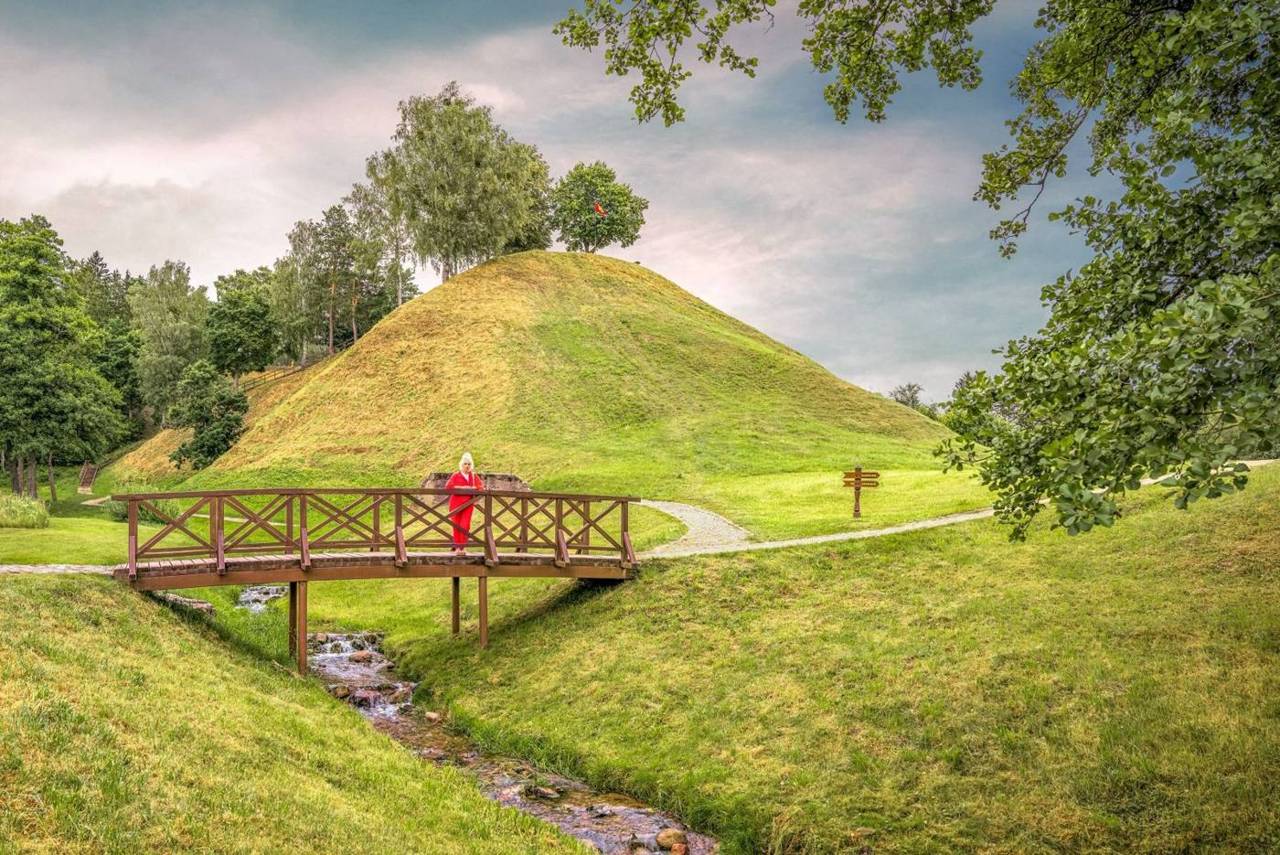 2 daysEasy
Kernavė and around Vilnius
The UNESCO ancient capital of Kernavė with its mounds over the Neris river, the Europos Parkas sculpture park near the geographical centre of Europe and Užutrakis manor.
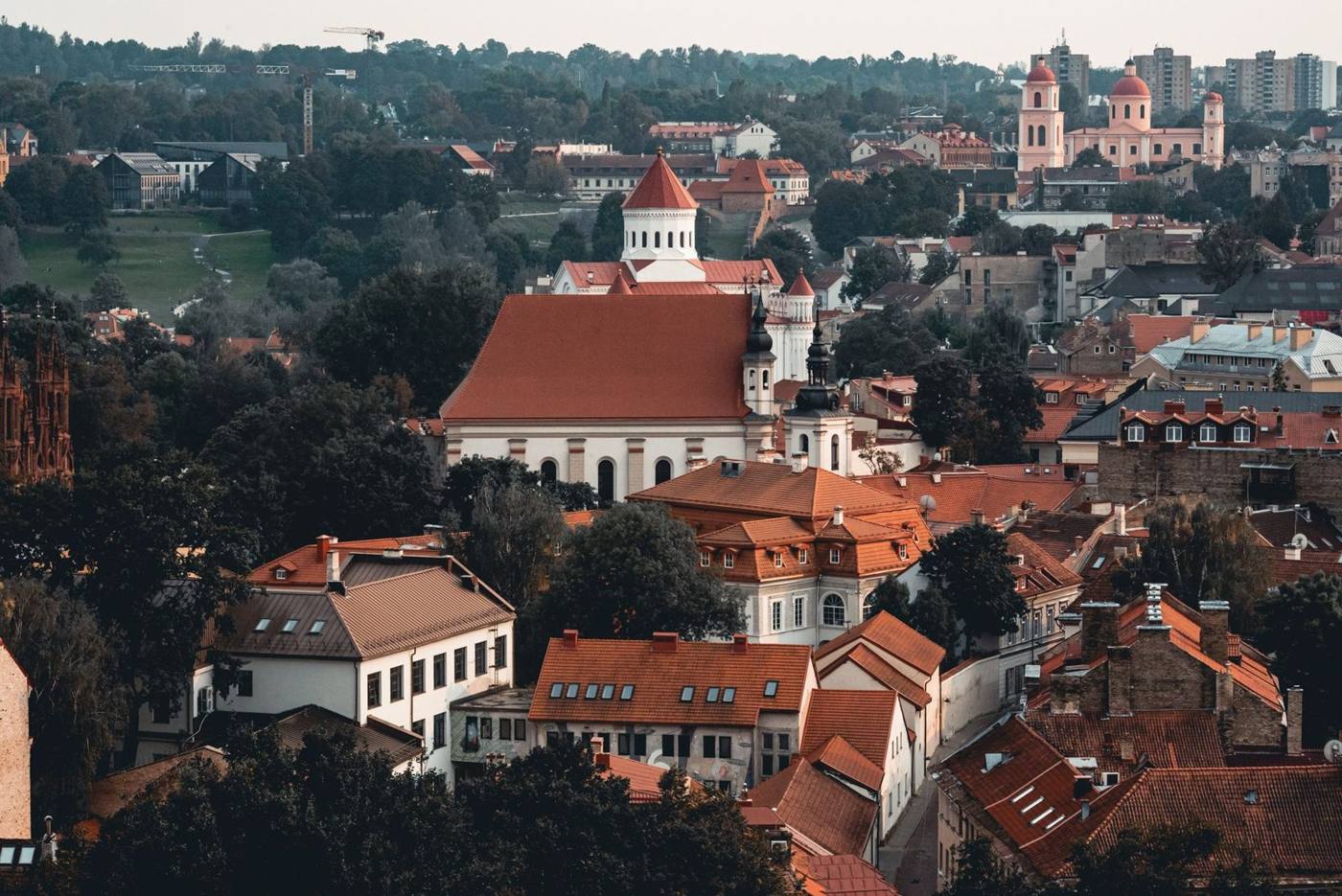 3 daysEasy
Vilnius and the Kaziukas fair
The great St Casimir craft fair in early March, with verbos palms of dried flowers, bread, honey and the baroque old town in late winter.
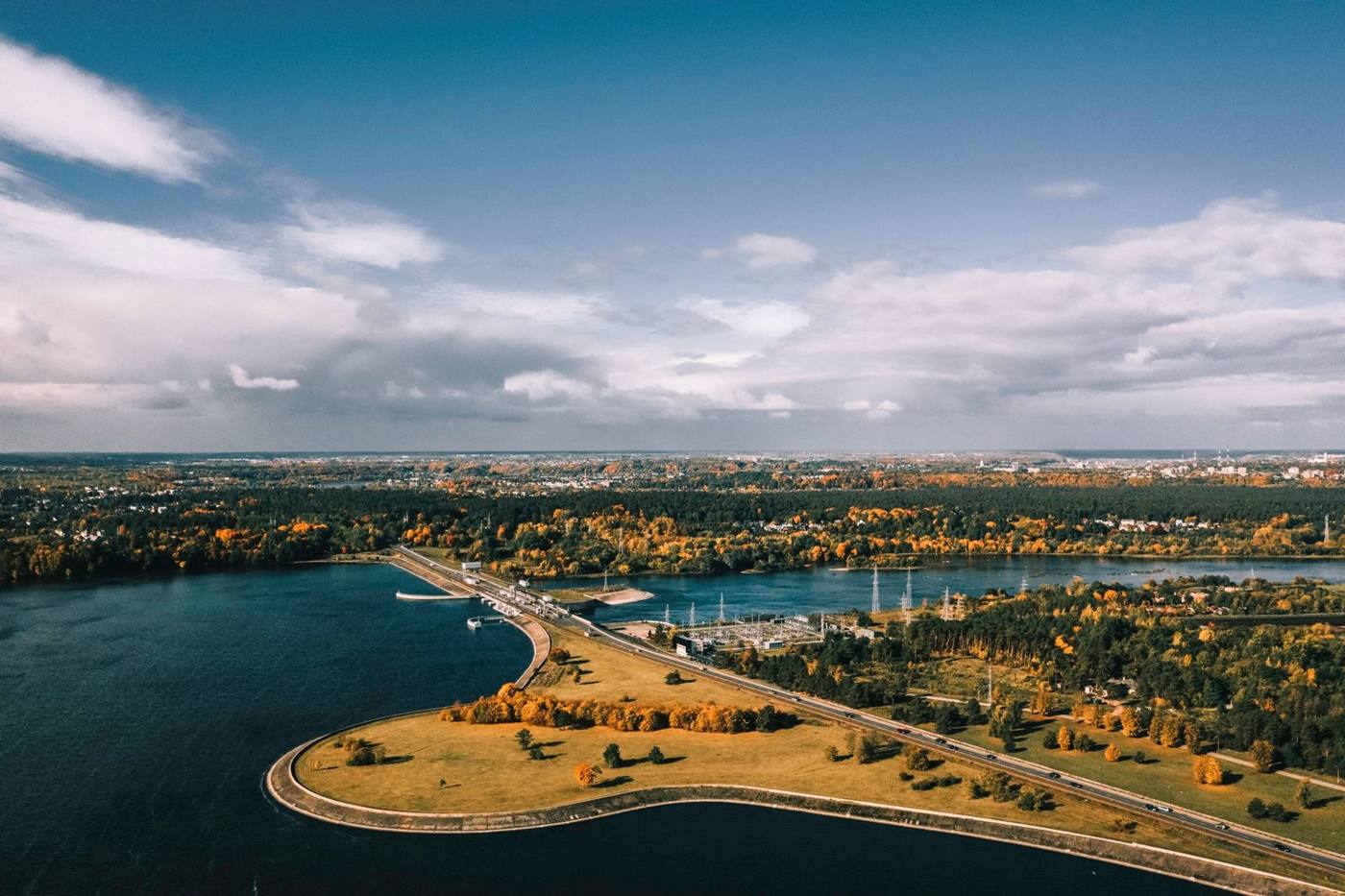 3 daysEasy
The castles of the Nemunas
The road along the Nemunas river between Kaunas and Jurbarkas: the castles of Raudondvaris, Raudonė and Panemunė and viewpoints over the river bends.