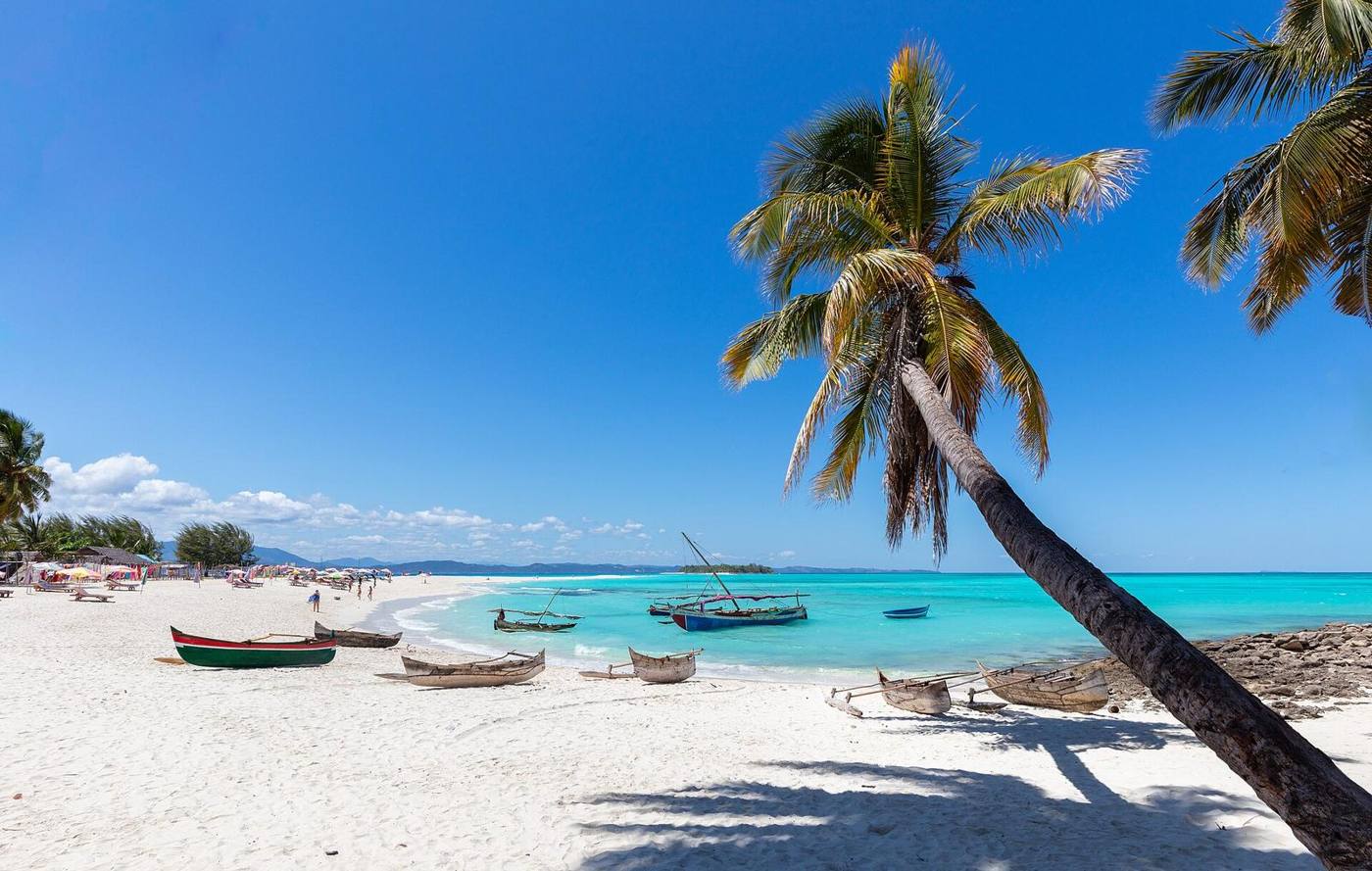
Nosy Be and the Mitsio islands by boat
The island of perfumes and its archipelago: the lemurs of Nosy Komba, turtles at Nosy Tanikely and a multi-day cruise to the Mitsio islands.
- Nosy Be
- Nosy Komba
- Nosy Tanikely
- Nosy Iranja
- Mitsio Islands
Day by day
- Day 1
Arrival in Nosy Be
This ten-day trip is the easiest beach holiday in Madagascar: Nosy Be, the island of perfumes, with the Lokobe forest, the nearby islands of Nosy Komba, Nosy Tanikely and Nosy Iranja and, above all, four days of cruising by boat to the Mitsio archipelago.
Before you go: Italian citizens need a passport valid for at least six months on entry, with blank pages, a return ticket and a tourist visa, issued on arrival at the airport or online in advance, between 7 days and 6 months before, on the official e-visa website listed by Viaggiare Sicuri. Other nationalities should check their own rules. After violent protests in late September and early October 2025, a transitional government took office on 17 October 2025: avoid demonstrations and gatherings. There are armed robberies on main roads, especially at night: never travel by road after dark. In Nosy Be the British government reports robberies and assaults, even in daytime, on isolated beaches: do not go there alone. Malaria is present: ask your doctor about antimalarials.
You land at Nosy Be airport, on a flight via Antananarivo or, at some times of year, on a direct flight from Italy.
Nosy Be is a volcanic island off the north-west coast of Madagascar, with green hills, crater lakes, plantations of ylang-ylang, sugar cane and pepper, and beaches on the calm sea of the Mozambique Channel.
In the afternoon, settle on the west coast and rest after the journey.
In the evening, watch the sunset over the sea and have grilled fish for dinner.
Overnight in Nosy Be, for three nights.
Practical tip: bring euros in cash to change at a bank in Hell-Ville, the main town, and always keep some small notes in ariary.
- Day 2
Lokobe: chameleons and lemurs by pirogue
Today you visit the last original forest of Nosy Be, arriving from the sea.
In the morning, go to the village of Ambatozavavy, on the south-east coast, and get into an outrigger pirogue. A local fisherman paddles along the coast, among mangroves and black rocks, to the village of Ampasipohy, on the edge of Lokobe National Park, which can only be reached by boat.
Lokobe protects a lowland rainforest that once covered the whole island. Enter with a local guide, which is compulsory, and pay the entry fee: check prices and times.
You walk on shady paths, among tall trees, lianas and ferns. The guide finds animals you would never spot yourself: the panther chameleon, with bright colours, green, red or blue, tiny Brookesia among the dry leaves, leaf-tailed geckos on the trunks and harmless Madagascar boas coiled on the branches. Then you hear the voices of black lemurs. The males are all black, the females brown and blonde, with tufted ears.
Do not touch the animals, do not use the flash at close range and do not feed them.
For lunch, eat fish or chicken with coconut in the village, cooked by local families, then visit the houses and workshops where women embroider and weave baskets.
In the afternoon, return by pirogue to Ambatozavavy.
Overnight in Nosy Be.
Practical tip: in the pirogue, keep your phone and camera in a waterproof bag, and choose a morning trip, when the sea is calmer and the animals more active.
- Day 3
Nosy Komba and Nosy Tanikely
Today you visit two small islands near Nosy Be: one of forest and one of sea.
In the morning, set off by boat to Nosy Komba, a green, mountainous island south of Nosy Be, less than an hour away. You land at the village of Ampangorinana, with wooden houses, boats on the sand and embroidered tablecloths hanging in the wind, sold by the village women.
Above the village, in the woods, live groups of black lemurs used to people. A local young man takes you into the woods to see them up close, along with chameleons and tortoises. Pay the entry fee to the community: check prices and times. Tourists are sometimes offered bananas to feed the lemurs on their shoulders: do not do it, because human food makes them ill and changes their behaviour.
At midday, continue to Nosy Tanikely, a small islet with a lighthouse, at the centre of a marine reserve. Pay the reserve entry fee: check prices and times. Snorkel straight from the beach, among corals, tropical fish, rays and, almost always, sea turtles grazing on seagrass on the bottom.
The official rules on marine wildlife forbid touching turtles and other large sea animals: keep your distance, do not chase them and let them come up to breathe.
In the afternoon, walk around the islet to the lighthouse, then return to Nosy Be.
Overnight in Nosy Be.
Practical tip: at Nosy Tanikely use a sunscreen that does not harm the corals, or better still a snorkelling shirt, and bring water: there are few facilities on the islet.
- Day 4
By boat to the Mitsio islands
Today you begin the four-day cruise, the best part of the trip.
Early in the morning, board a catamaran or a schooner, a traditional wooden boat, and leave Nosy Be to the north-east. The Mitsio archipelago is a group of volcanic islands far from the tourist villages, with deserted bays, corals, cliffs and very few people.
The crossing takes a few hours. Along the way, watch the sea: you often see dolphins, and roughly between September and December whale sharks also pass through these waters, the largest fish in the world, which feeds on plankton and is not dangerous. Since 2024 the official rules on watching marine wildlife have been stricter: boats must keep their distance from the animals, and touching or feeding them is forbidden. Ask the crew whether and how you are allowed to get into the water, and do not ask to get closer.
In the afternoon, you drop anchor in a sheltered bay. Swim in the turquoise water, paddle a kayak along the coast or snorkel over the reef.
In the evening, have dinner on board, with fish caught during the day, and look at a sky full of stars, far from any lights.
Overnight on the boat, for three nights.
Practical tip: before booking, ask how many cabins there are, whether there is fresh water for a shower on board, what safety equipment there is and what happens in rough seas. Bring seasickness tablets.
- Day 5
The basalt columns of Nosy Mitsio
Today you explore the large island of the archipelago.
In the morning, the boat approaches Nosy Mitsio, the largest of the Mitsio islands, with savannah hills, woods, and villages of fishermen and zebu herders. On the coast you see the basalt columns, large prism-shaped pillars of dark rock, several metres high, standing side by side like organ pipes. They formed when a lava flow cooled slowly and split into regular columns.
Go ashore with the crew and walk among the columns. Then climb one of the hills for the view over the bays, the nearby islands and the sea, with every colour from dark blue to pale green.
If the guide suggests it, visit a village. Life here is simple: fishing, small fields, zebu and pirogues. Always ask before photographing people and, if you wish, bring school supplies for the school, handing them to the teacher or the village chief.
In the afternoon, return to the boat and snorkel or dive on the nearby reef, where the corals are in good condition and fish are plentiful. Dives are only done with an instructor and a certificate, or as a try dive.
At sunset, the boat stops in a quiet bay for the night.
Overnight on the boat.
Practical tip: on the basalt columns and the rocks the stone is slippery and sharp. Wear reef shoes when you go ashore.
- Day 6
Deserted bays and fishing
Today you sail among the smaller islands of the archipelago, without hurrying.
In the morning, when the sea is flat, go out in a canoe or kayak along the coast and watch the seabirds, such as terns and frigatebirds, fishing above the waves. Then have breakfast on board.
During the day the boat moves between the islets, rocks of dark stone covered in green vegetation, with small white sand beaches that can only be reached from the sea. Choose the quietest bay with the crew for swimming and snorkelling: with clear water you see Napoleon wrasse, groupers, turtles and sometimes small reef sharks, shy and not dangerous.
In the afternoon, if you like, join the crew on a fishing trip with a hand line or trolling. You catch trevally, barracuda and other fish that become the evening's dinner. Fish only what you will eat and release fish that are too small.
At sunset, go ashore on a beach for a bonfire, if the crew suggests it and if it is allowed, and eat grilled fish with rice and tomatoes.
At night, in some seasons, the sea lights up with glowing plankton when you move it with your hand.
Overnight on the boat.
Practical tip: bring a light jacket for the evening, a torch and a power bank on the boat. Electricity on board is often limited.
- Day 7
Back towards Nosy Be
Today is the last day of the cruise.
In the morning, have a last swim in the bay where you spent the night and, if you like, a last snorkelling trip. Then the boat weighs anchor and sets course back to Nosy Be.
During the crossing, rest on deck, in the sun or in the shade of the sail, and watch the islands slip away. Keep your eyes on the sea: dolphins, turtles and, in the right season, whale sharks can appear at any moment. If they do, remember the official rules: no contact, no food and a respectful distance.
Around midday the boat may stop near an islet along the route, for lunch and a last swim.
In the afternoon you arrive in Nosy Be. Go ashore, say goodbye to the crew and, if you are happy, leave a tip to be shared among them all, as is the local custom.
Reach your accommodation on the west coast. Rest and have a long shower after the days on the boat.
In the evening, have dinner with a Malagasy dish, such as zebu in sauce or chicken with coconut, and try sweets made with Madagascar vanilla.
Overnight in Nosy Be, for three nights.
Practical tip: after days on a boat, you may feel for a few hours on land that the floor is moving. This is normal: drink plenty of water, eat light and rest.
- Day 8
Nosy Iranja and the sandbar
Today you visit one of the most photographed islands in Madagascar.
In the morning, set off by speedboat to the south-west. The crossing takes a little over an hour, with the sea usually calm in the morning. Nosy Iranja is two islands, one larger and one smaller, joined by a white sandbar more than a kilometre long, which emerges from the turquoise sea at low tide and can be crossed on foot.
Walk along the sandbar, with the sea on both sides, and swim in the warm, shallow water. Then visit the larger island, with a fishing village, baobabs and a lighthouse on the hill, from which the view takes in the sandbar and the sea.
Nosy Iranja is one of the places where sea turtles come to lay their eggs in the sand. If you see marked nests, do not go near them, do not walk over the fenced areas and do not use lights on the beach in the evening.
For lunch, eat grilled fish or prawns on the beach.
Before the tide comes back in, ask the guide about the times: the sandbar is covered quickly and the current can become strong.
In the afternoon, return to Nosy Be by speedboat.
Overnight in Nosy Be.
Practical tip: there is no shade on the sandbar and the white sand reflects the sun. Bring a hat, sunglasses, sunscreen and plenty of water.
- Day 9
Hell-Ville, ylang-ylang and Mont Passot
Today you discover the interior of Nosy Be and look at the island from above.
In the morning, visit Hell-Ville, Andoany in Malagasy, the main town of the island, with its port, colonial houses and covered market, full of tropical fruit, vanilla, pepper and spices. The name Hell-Ville comes from the French admiral de Hell, governor of the island of Réunion in the 19th century.
Then, with a driver, visit an ylang-ylang plantation, the tree with very fragrant yellow flowers that gave Nosy Be the name of island of perfumes. You see how the flowers are picked in the morning and distilled to extract the essential oil used in perfumery. Check prices and times.
For lunch, try fish or prawns with coconut.
In the late afternoon, go up Mont Passot, the highest point of the island. The road crosses fields and woods to the viewpoint at the top. From here the view takes in the whole of Nosy Be, the surrounding islands, the coast of Madagascar and the crater lakes at the foot of the hill, sacred to local people, where nobody swims.
Watch the sun go down over the Mozambique Channel and come down as soon as it is over, with your driver, before it is fully dark.
In the evening, have dinner near your accommodation.
Overnight in Nosy Be.
Practical tip: at the sacred lakes, respect the fady, the traditional taboos: ask the guide what is not allowed near the water and follow their advice.
- Day 10
Departure
Today you leave Nosy Be.
In the morning, if your flight leaves late, take a last walk on the beach or have a last swim. Then go to the airport well in advance.
If you have a domestic flight to Antananarivo, remember that it may be delayed or cancelled: if you have your long-haul flight on the same day, allow a margin of many hours, or better still plan a night in the capital.
Trip summary: in ten days you have seen Nosy Be, with the Lokobe forest reached by pirogue, panther chameleons and black lemurs, Nosy Komba and the marine reserve of Nosy Tanikely with its turtles, four days of cruising to the Mitsio islands, among deserted bays, basalt columns, snorkelling and fishing, the sandbar of Nosy Iranja, the town of Hell-Ville, the ylang-ylang plantations and the sunset from Mont Passot. It is the simplest beach holiday in Madagascar, and the Mitsio cruise is the part that makes it special.
When to go: the best time is from April to November, in the dry season, with calm seas and sunshine. Roughly from September to December whale sharks pass through. From December to March it is hotter, it often rains in the afternoon and cyclones can arrive: in these months cruises are less safe.
Practical tip: never buy shells, corals, turtle shell or precious woods: exporting them is forbidden. Ylang-ylang oil and sealed vanilla are the best souvenirs.
Madagascar's easiest beach holiday, with direct flights from Italy. The Mitsio cruise is what makes the difference: without it Nosy Be is just another tourist island. From September to December you can swim with whale sharks.
Before you go
- Documents and visa
- Passport valid for at least six months on entry, with blank pages and a return ticket. You need a tourist visa: it is issued on arrival at the airport or online in advance, between 7 days and 6 months before, on the official e-visa website. It is valid for up to 60 days. Declare large sums of foreign currency on arrival.
- Health and vaccines
- Malaria is present, especially on the coasts: ask your doctor about antimalarials. Plague is endemic in some rural areas: use repellent against fleas too. Drink only bottled water. Outside Antananarivo care is limited and serious cases go to South Africa or Réunion: you need insurance covering medical costs and repatriation.
- Money and payments
- Malagasy ariary. Bring euros in cash to change at banks or authorised offices; cards work only in towns and large hotels.
- Power sockets
- Types C and E, 220 volts: you need an adapter for British plugs.
- Time zone
- UTC+3 all year.
- Safety
- After violent protests in late September and early October 2025, a transitional government took office on 17 October 2025; demonstrations can happen again and roads can close at short notice. Armed robberies on main roads, especially at night: never travel by road after dark. For western roads such as the RN35, the British government advises using a recognised operator. Official advice: GOV.UK.
Information checked in November 2026 for Italian and EU citizens. Rules change: always check before you travel.
Variations
Shorter version: seven days, with a two-day cruise to the Mitsio islands instead of four.
Longer version: add four days in Diego Suarez, with Amber Mountain, Ankarana and the Emerald Sea.
Frequently asked questions
Can you swim with whale sharks in Nosy Be?
Whale sharks usually pass through between September and December. Since 2024 the official rules on marine wildlife have been stricter: no contact and no food, and you must ask first whether and how you are allowed to get into the water.
Is Nosy Be safe?
It is one of the most touristy areas of Madagascar, but the British government reports robberies and assaults, even in daytime, on isolated beaches. Do not go there alone and do not travel by road after dark.
When is the Mitsio cruise best?
The best time is from April to November, when the sea is calmer. From December to March it often rains and cyclones can arrive.
Indicative itinerary written by World Atlas. Before booking, check timetables, seasonal openings, documents and safety.
 7 daysModerate
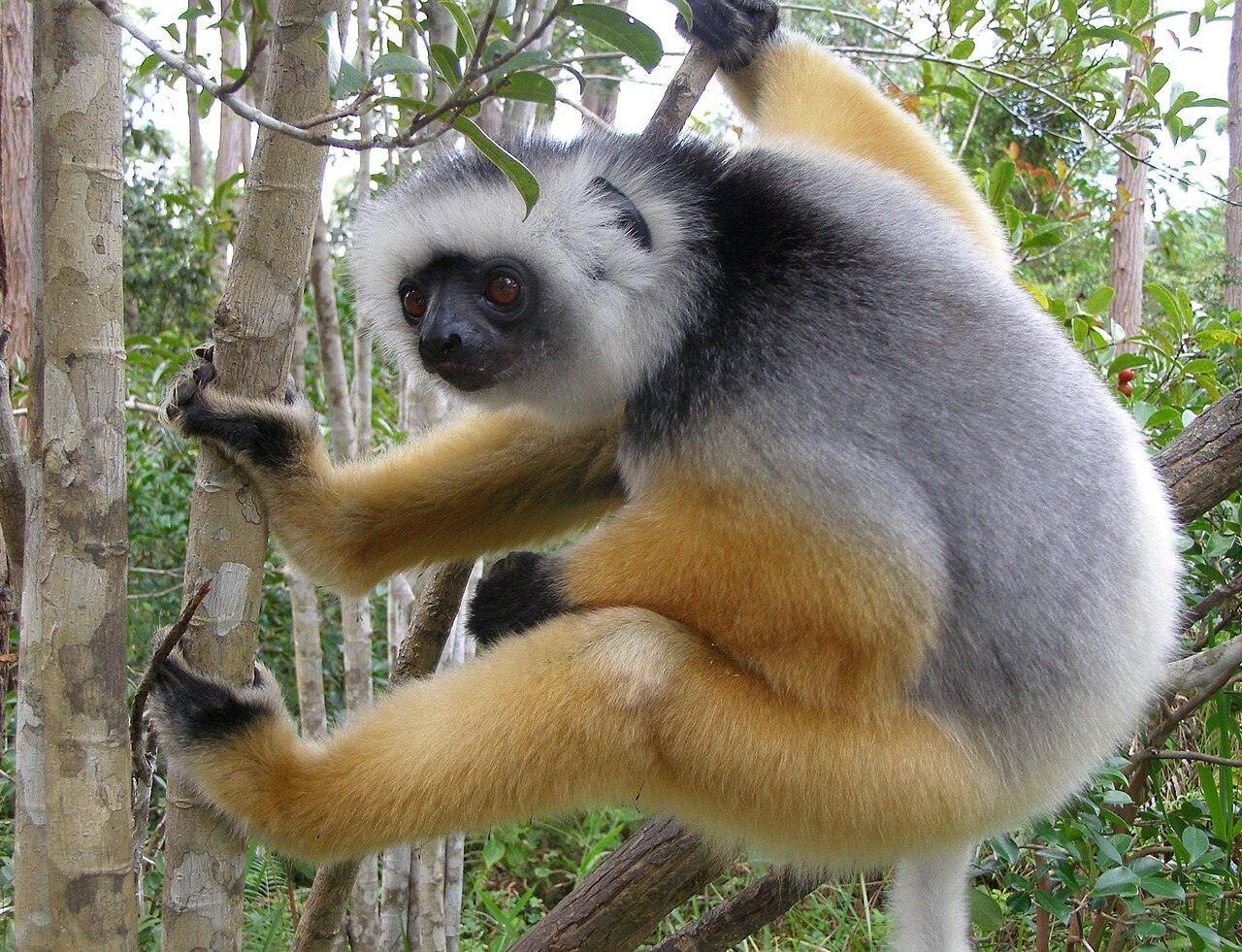
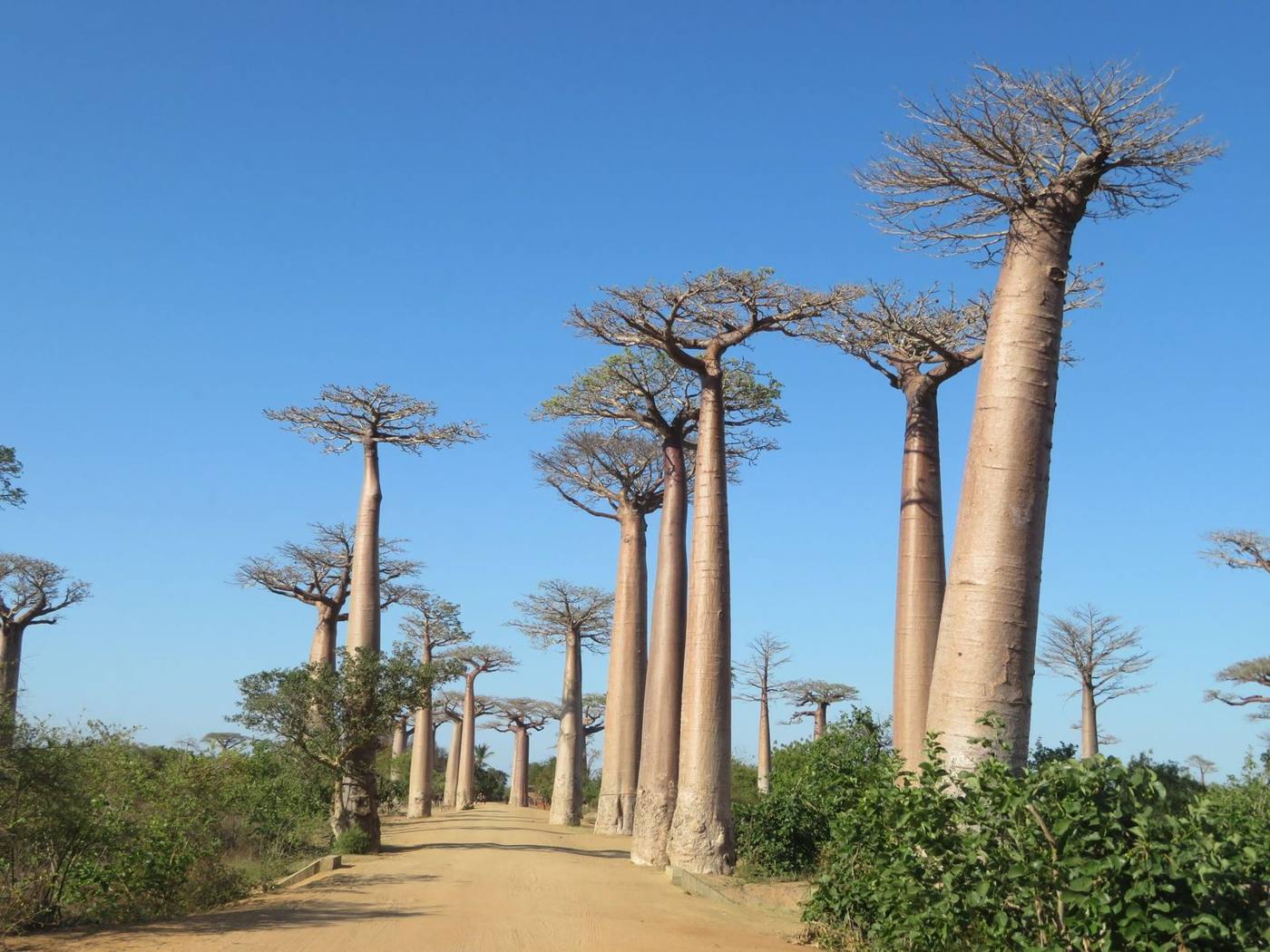
Andasibe and the Avenue of the Baobabs
Indri lemurs in the rainforest and the island's most famous sunset among the baobabs of Morondava.
 15 daysChallenging
Route Nationale 7 to the sea
The great journey south: highlands, lemur forests, the Isalo canyons and the Ifaty coral reef.
 10 daysEasy
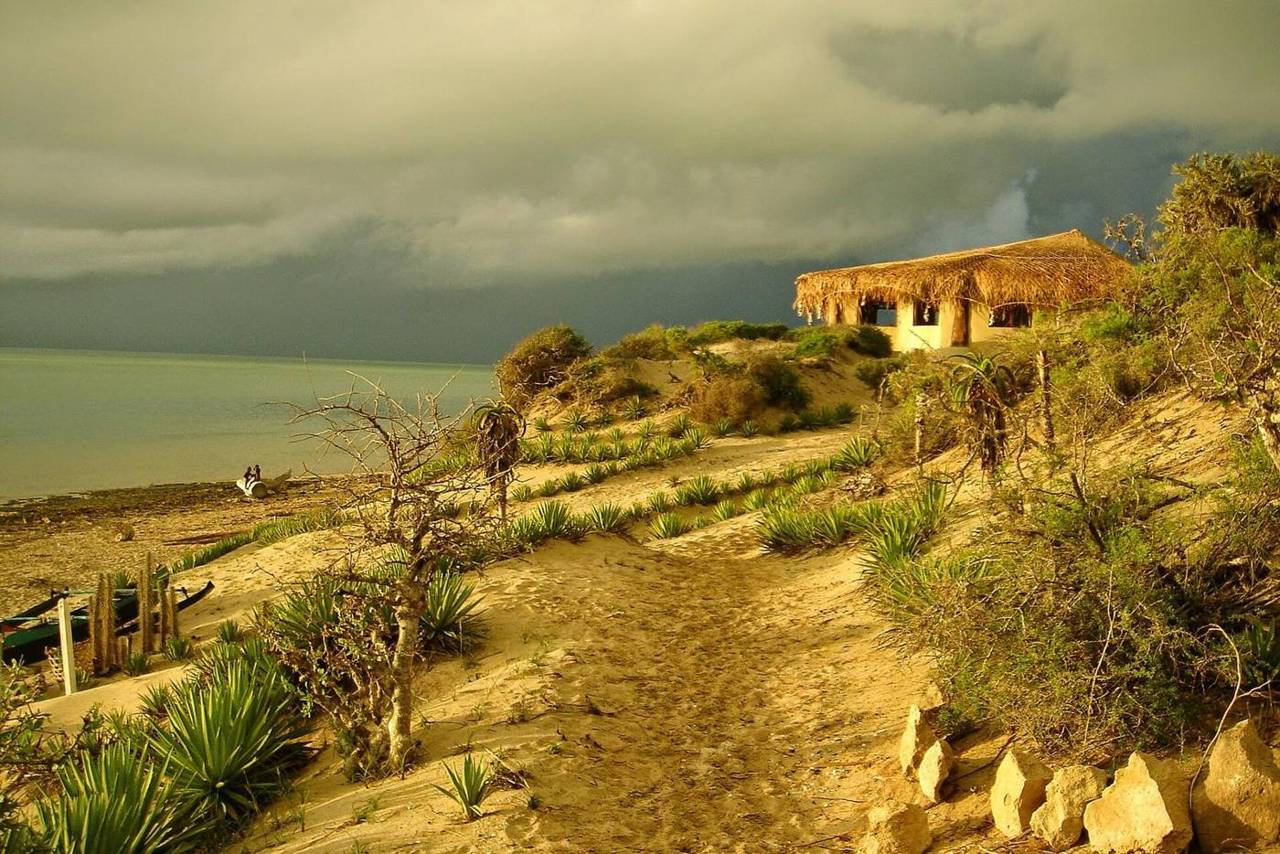
Toliara and the south-west reef: Anakao and Ifaty
One of the world's longest coral reefs, Vezo fishing villages, Ifaty's spiny baobab forest and the island of Nosy Ve with its red-tailed tropicbirds.