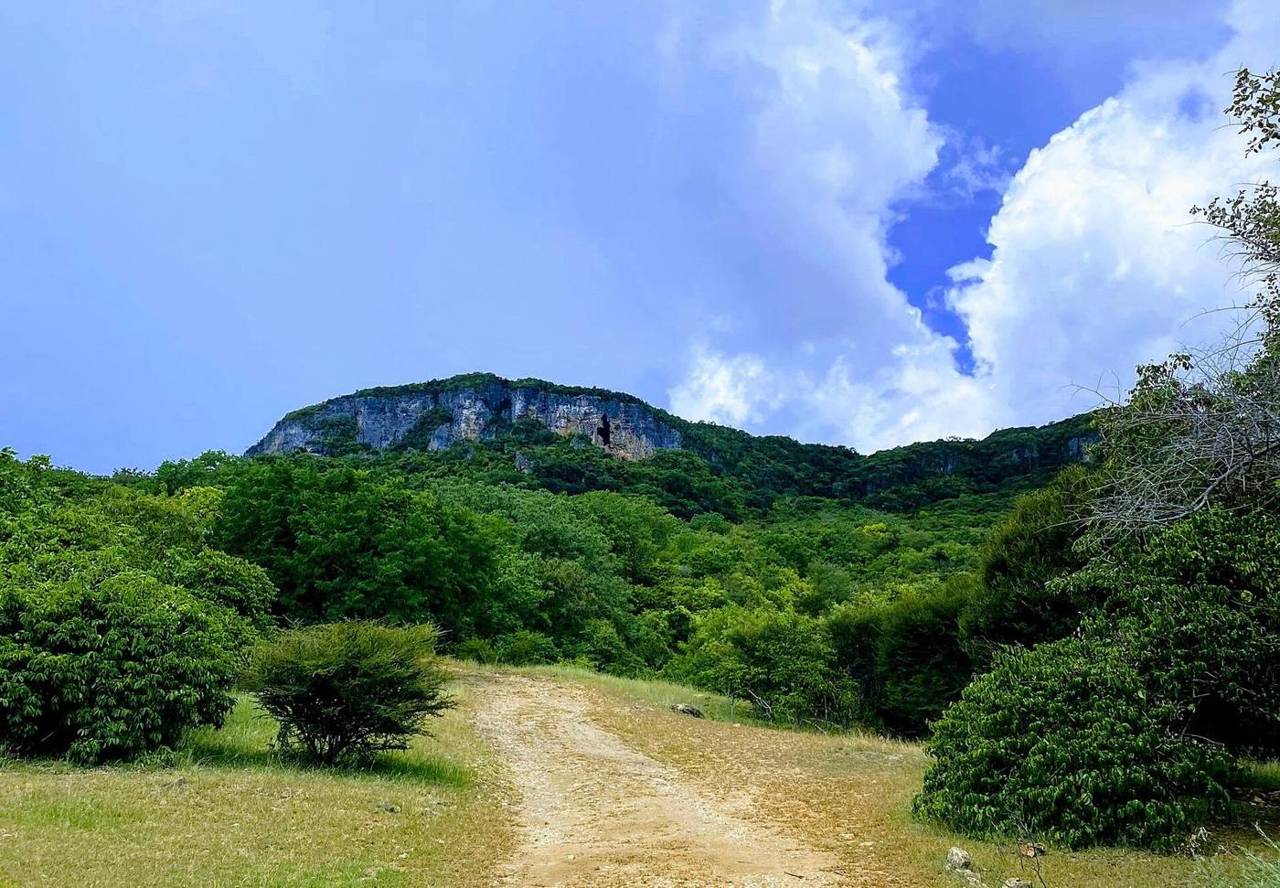
The north: Diego Suarez, Ankarana and the Emerald Sea
Madagascar's northern tip: grey and red tsingy, mountain forests, Diego bay and a turquoise lagoon reached by sailing boat.
- Diego Suarez
- Amber Mountain
- Ankarana
- Red Tsingy
- Emerald Sea
- Ramena
Day by day
- Day 1
Arrival in Diego Suarez
This ten-day trip explores the northern tip of Madagascar: the mountain forest of Amber Mountain, the grey spires of Ankarana, the red shapes of the Red Tsingy, the turquoise lagoon of the Emerald Sea and the bays around Diego Suarez. Distances are short, and the north is the easiest region of the island to get around.
Before you go: Italian citizens need a passport valid for at least six months on entry, with blank pages, a return ticket and a tourist visa, issued on arrival at the airport or online in advance, between 7 days and 6 months before, on the official e-visa website listed by Viaggiare Sicuri. Other nationalities should check their own rules. After violent protests in late September and early October 2025, a transitional government took office on 17 October 2025: avoid demonstrations and gatherings, because roads can close at short notice. There are armed robberies on main roads, especially at night: never travel by road after dark. Malaria is present: ask your doctor about antimalarials.
You arrive in Antananarivo and take the domestic flight to Diego Suarez, Antsiranana in Malagasy. Domestic flights often change times: confirm the day before and allow a margin.
Diego is a seaside town, with wide avenues, old colonial buildings and a port on one of the largest natural bays in the world. In the middle of the bay rises Nosy Lonjo, a cone-shaped islet called the Sugar Loaf, sacred to local people.
In the evening, walk along the seafront and watch the sunset over the bay.
Overnight in Diego Suarez.
Practical tip: change euros into ariary at a bank in Diego, because there are no exchange offices in the villages or near the parks.
- Day 2
To Amber Mountain
Today you climb to the mountain forest, a short distance from Diego.
In the morning, set off south with a driver. In about an hour the road climbs through fields and villages to Joffreville, a small village from the colonial era, with old wooden houses and a cool climate, on the edge of Amber Mountain National Park.
The park protects a volcanic massif covered in mountain rainforest, a green island in the middle of the dry north. It rains much more here than on the coast and it is cooler, and the forest is full of mosses, tree ferns, orchids and lianas.
Enter the park with a local guide, which is compulsory. Pay the entry fee and the guide at the park office: check prices and times.
In the afternoon, follow an easy first trail to the Antomboka waterfall, which falls from a rock wall into a green pool in the middle of the forest. Along the way the guide shows you crowned lemurs, with a small crown of orange fur on their heads, and Sanford's brown lemurs, which move in groups through the branches. Look out too for the large green chameleons on the low branches.
In the evening, return to Joffreville and have dinner in the village, in the cool air.
Overnight in Joffreville or near the park, for two nights.
Practical tip: at Amber Mountain bring a fleece and a waterproof even if it is hot in Diego: in the forest the temperature drops and rain arrives suddenly.
- Day 3
Waterfalls, lakes and chameleons
Today you spend the whole day in the forest of Amber Mountain.
Early in the morning, when the animals are most active, enter the park with the guide and follow the longer trails. Reach the lake of an ancient crater, surrounded by forest, and the Sacred Waterfall, which falls into a hollow of ferns and mosses. For local people it is a sacred place: follow the guide's instructions, respect the fady, the traditional taboos, and leave nothing on the rocks.
Along the way the guide looks for the smallest animals. Amber Mountain is famous for Brookesia, tiny chameleons, among the smallest in the world, which live among the dry leaves of the undergrowth and can sit on the tip of a finger. You will also see leaf-tailed geckos, camouflaged on the trunks, colourful frogs, butterflies and many birds.
For lunch, stop at a picnic area in the park.
In the afternoon, if you still have energy, follow a trail to a viewpoint over the forest and, when the sky is clear, over the plain to the sea. Otherwise, rest in Joffreville.
At sunset, if you like, go on a night walk with a guide outside the park, where it is allowed, to see sleeping chameleons and nocturnal lemurs.
Overnight in Joffreville.
Practical tip: on muddy trails wear hiking boots with a good sole and long socks, because there are leeches in the wet season. Also bring a bag for your rubbish: in the park you leave nothing behind.
- Day 4
Ankarana: the tsingy and the suspension bridge
Today you head south to Ankarana, one of the stone forests of Madagascar.
In the morning, set off with your driver along the national road to the south, through savannah, baobabs and villages. In about two hours you reach the eastern entrance of Ankarana National Park, near the village of Mahamasina.
Ankarana is a limestone plateau formed on the floor of an ancient sea, then raised and carved for millions of years by the rain. The result is the tsingy, fields of grey spires as sharp as blades, many metres high, whose Malagasy name means roughly the place where you cannot walk barefoot. Among the spires open canyons, caves and dry forests, with trees growing straight out of the rock.
Enter the park with a local guide, which is compulsory. Pay the entry fee and the guide: check prices and times.
In the afternoon, follow the grey tsingy circuit, on stone paths, small ladders and walkways. The most spectacular point is the suspension bridge over a canyon of spires: you cross it one step at a time, with empty space beneath your feet and a view over the whole field of stone. Along the way you see crowned lemurs, sifakas and birds of prey.
In the evening, return to the village and look at the starry sky: there are no lights here.
Overnight near Mahamasina, for two nights.
Practical tip: among the spires the rock is as sharp as glass. Wear closed shoes with a good sole, light gloves and long trousers, and carry plenty of water, because the limestone reflects the heat.
- Day 5
Ankarana: caves and underground rivers
Today you discover the underground world of Ankarana.
Beneath the plateau runs a network of caves and underground rivers many kilometres long, carved by water in the limestone. In the rainy season the rivers flow into the mountain and disappear, then come out on the other side.
Early in the morning, with the guide, reach one of the caves open to visitors. At the entrance the air becomes cool and damp. With a torch you see huge stalactites and stalagmites, halls as high as cathedrals and colonies of bats hanging from the ceiling. In some caves, in the underground rivers, Nile crocodiles also live, taking refuge in the cool during the dry season: the guide knows which caves can be visited and how far you can go.
Then walk to the Perte des Rivières, the point where the water of the streams vanishes into the rock, in a large sinkhole surrounded by forest.
At lunchtime, rest in the shade during the hottest hours.
In the afternoon, do a second, shorter circuit to a viewpoint over the tsingy or to one of the small forest lakes. In the late afternoon the forest wakes up: it is the best time to see lemurs and birds.
In the evening, with the guide, go on a night walk outside the park trails, where it is allowed, to look for chameleons and nocturnal lemurs.
Overnight near Mahamasina.
Practical tip: in the caves carry a powerful head torch and spare batteries, and do not touch the limestone formations: they grow only a few millimetres in a very long time.
- Day 6
The Red Tsingy
Today you head back north and see one of the strangest landscapes in Madagascar.
In the morning, take a last short walk in Ankarana, then set off again with your driver north on the national road. Take a side track that crosses the savannah to the Red Tsingy, in a valley near the Irodo river.
The Red Tsingy are not made of limestone like those of Ankarana. They are pinnacles of red, orange and pink earth, formed by erosion: rain and wind have carved deposits of laterite, an iron-rich soil, leaving hundreds of towers and thin blades standing, like giant sandcastles. The landscape changes colour during the day.
Arrive in the late afternoon, when the warm light brings out the colours and the shadows grow long. Walk with the guide on the path along the edge of the valley and then go down among the spires. The ground is fragile: stay on the paths and do not touch the formations, which crumble easily. Check prices and times.
Plan the visit so that you are back in Diego Suarez before dark. If you want to stay until sunset, sleep in accommodation in the area and set off the next morning.
In the evening in Diego, have dinner with prawns or fish from the bay, cooked with coconut or vanilla.
Overnight in Diego Suarez or Ramena, for four nights.
Practical tip: there is no shade among the Red Tsingy. Bring a hat, plenty of water and sunscreen, and closed shoes, because the red earth sticks to everything.
- Day 7
The Emerald Sea by sailing boat
Today you sail to one of the most beautiful lagoons in Madagascar.
In the morning, go to the village of Ramena, on the coast east of Diego, on the narrow peninsula that closes the bay. From here sailing boats leave for the Emerald Sea, a large lagoon outside the bay, enclosed by a coral reef and a few sandy islets.
The boat leaves through the passage that links the bay to the ocean and follows the coast to the north. After about an hour of sailing the colour of the water changes: the shallow water over white sand turns pale green, turquoise and emerald, hence the name.
The boat stops near an islet. Swim in the warm, clear water, walk on the sand and snorkel over the nearby corals, with colourful fish and sometimes turtles. Lunch is often fish or lobster grilled on the beach.
Keep the wind in mind: from May to October the varatraza blows, a strong wind that makes the sea rough, especially in the afternoon. Trips leave early and can be cancelled when the wind is too strong. Always ask about sea conditions the day before and make sure there are life jackets on board.
In the afternoon, return to Ramena with the wind behind you.
Overnight in Diego Suarez or Ramena.
Practical tip: on the boat bring a waterproof bag for your phone and documents, a sweatshirt for the return, when the wind cools things down, and a sunscreen that does not harm the reef.
- Day 8
The three bays on foot
Today you walk along one of the most beautiful coasts of the north.
East of Diego, outside the bay, the coast forms three bays one after another: Sakalava Bay, Pigeon Bay and Dune Bay. A path links them through savannah, bushes, baobabs and cliffs, with the Indian Ocean always in front of you.
The area is close to the protected area of Montagne des Français, and the British government advises visiting it with an official local guide and asking for local advice before going to the beaches, because there have been attacks on tourists. So set off with an authorised guide and do not go alone to isolated bays.
Early in the morning, before the heat, start at Sakalava Bay, wide and windy, one of the favourite spots for kitesurfing from May to October. Then follow the path to Pigeon Bay, small and sheltered, and Dune Bay, with white sand dunes and clear water. In all you walk for a few hours, with stops for a swim.
Along the way, look for the Diego baobabs, a species that grows only in this part of the north, with a smooth grey trunk.
In the afternoon, return with the driver and rest.
In the evening in Diego, try romazava, the Malagasy stew of meat and greens, with rice.
Overnight in Diego Suarez or Ramena.
Practical tip: carry at least two litres of water each, a hat and sunscreen: there is no shade along the path and nowhere to buy drinks.
- Day 9
Ramena
Today you enjoy a quiet day in the fishing village of Ramena.
Ramena lies at the entrance to the bay of Diego, with a long beach of pale sand, palm trees and outrigger pirogues pulled up on the shore. It is a small, relaxed village, where life follows the rhythm of the sea and fishing.
Early in the morning, walk on the beach and watch the fishermen coming back in their pirogues and selling fish right on the sand. Then have a swim: in the bay the water is usually calmer than on the ocean, even in the windy months.
In the late morning, if you like, take a pirogue trip with a local fisherman along the coast, towards the cliffs that close the bay, or join a small fishing trip. Ask the price first and wear a life jacket if they have one.
For lunch, eat the fish of the day or grilled squid, with rice and fresh fruit juice.
In the afternoon, rest in the shade and look out over the bay, with ships entering the port and the outline of Nosy Lonjo in the distance. Before sunset, walk to the end of the beach and watch the sun going down over the bay.
In the evening, in Ramena or Diego, try the coconut sweets sold in the street and Malagasy coffee.
Overnight in Diego Suarez or Ramena.
Practical tip: Ramena is about half an hour by road from Diego. Arrange the return with a driver or a taxi before dark, as for every journey on this trip.
- Day 10
Departure
Today you leave the north of Madagascar.
In the morning, if your flight leaves late, take a last walk in the centre of Diego Suarez: look at the old colonial buildings, some restored and others in ruins, the covered market with fruit, spices and vanilla, and the viewpoint over the bay. Then go to the airport well in advance and take the domestic flight to Antananarivo.
Domestic flights can be delayed or cancelled: if you have your long-haul flight on the same day, allow a margin of many hours, or better still plan a night in Antananarivo.
Trip summary: in ten days you have seen Diego Suarez and its great bay, the rainforest of Amber Mountain with waterfalls, crowned lemurs and tiny chameleons, the grey tsingy of Ankarana with the suspension bridge, the caves and the underground rivers, the earth spires of the Red Tsingy, the lagoon of the Emerald Sea by sailing boat, the three bays path and the village of Ramena. It is a varied trip, with nature and sea in a small area and few hours on the road each day. It combines well with a few days in Nosy Be.
When to go: the best time is from April to November, in the dry season. From May to October the varatraza blows hard, great for kitesurfing and less so for sailing. From December to March it rains a lot, some tracks become difficult and cyclones can arrive.
Practical tip: buy vanilla only in sealed packs and keep the receipt; never buy animals, protected shells or precious woods, which it is forbidden to export.
Nature and sea in a small area with short distances: the north is Madagascar's easiest region to tour. Great combined with Nosy Be. The strong varatraza wind blows from May to October: perfect for kitesurfing, less so for sailing.
Before you go
- Documents and visa
- Passport valid for at least six months on entry, with blank pages and a return ticket. You need a tourist visa: it is issued on arrival at the airport or online in advance, between 7 days and 6 months before, on the official e-visa website. It is valid for up to 60 days. Declare large sums of foreign currency on arrival.
- Health and vaccines
- Malaria is present, especially on the coasts: ask your doctor about antimalarials. Plague is endemic in some rural areas: use repellent against fleas too. Drink only bottled water. Outside Antananarivo care is limited and serious cases go to South Africa or Réunion: you need insurance covering medical costs and repatriation.
- Money and payments
- Malagasy ariary. Bring euros in cash to change at banks or authorised offices; cards work only in towns and large hotels.
- Power sockets
- Types C and E, 220 volts: you need an adapter for British plugs.
- Time zone
- UTC+3 all year.
- Safety
- After violent protests in late September and early October 2025, a transitional government took office on 17 October 2025; demonstrations can happen again and roads can close at short notice. Armed robberies on main roads, especially at night: never travel by road after dark. For western roads such as the RN35, the British government advises using a recognised operator. Official advice: GOV.UK.
Information checked in November 2026 for Italian and EU citizens. Rules change: always check before you travel.
Variations
Shorter version: seven days, with Amber Mountain, Ankarana and the Emerald Sea, without the days in Ramena.
Longer version: add four days in Nosy Be, with a flight from Diego Suarez or via Antananarivo.
Frequently asked questions
Do you need a guide in the parks of the north?
Yes. In national parks such as Amber Mountain and Ankarana a local guide is compulsory. For the area of Montagne des Français and the three bays, the British government advises an official guide.
When does the wind blow in Diego Suarez?
The varatraza usually blows hard from May to October. It is ideal for kitesurfing, but it can make the sea rough and lead to boat trips being cancelled.
Is the Ankarana route difficult?
The tsingy circuit requires sturdy shoes and some experience of walking on rock. The suspension bridge is safe, but anyone who suffers from vertigo should know about it.
Indicative itinerary written by World Atlas. Before booking, check timetables, seasonal openings, documents and safety.
 7 daysModerate
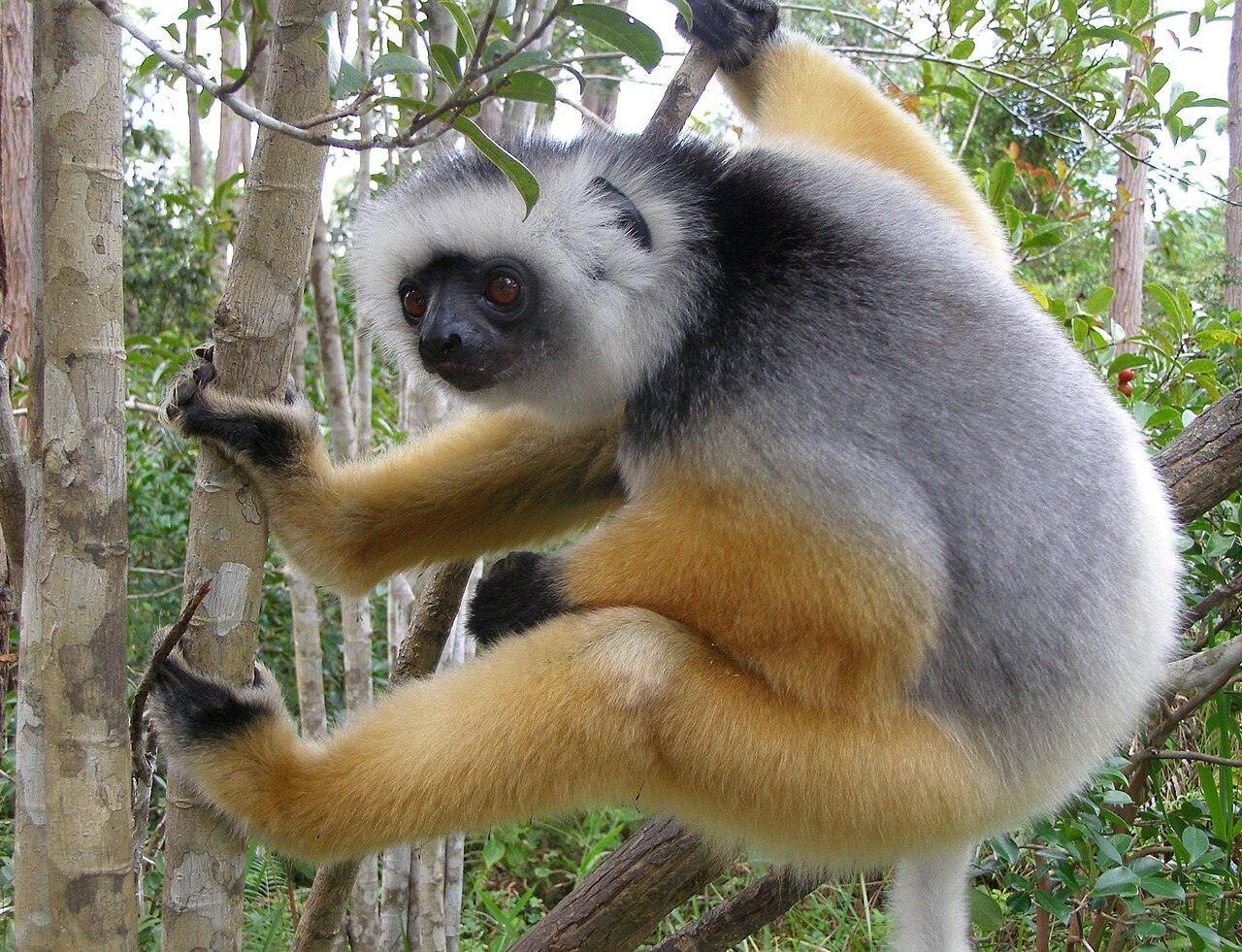
Andasibe and the Avenue of the Baobabs
Indri lemurs in the rainforest and the island's most famous sunset among the baobabs of Morondava.
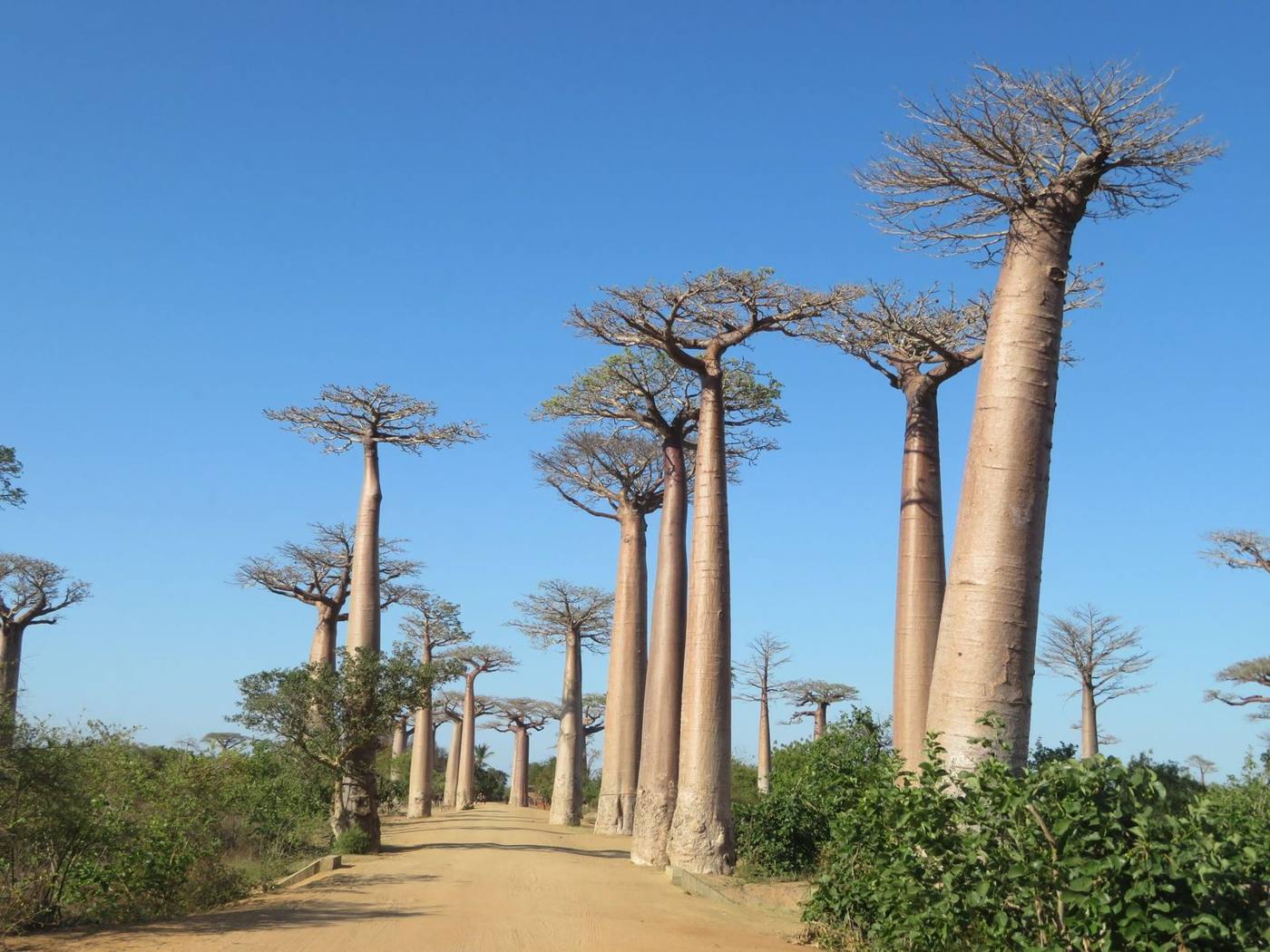 15 daysChallenging
Route Nationale 7 to the sea
The great journey south: highlands, lemur forests, the Isalo canyons and the Ifaty coral reef.
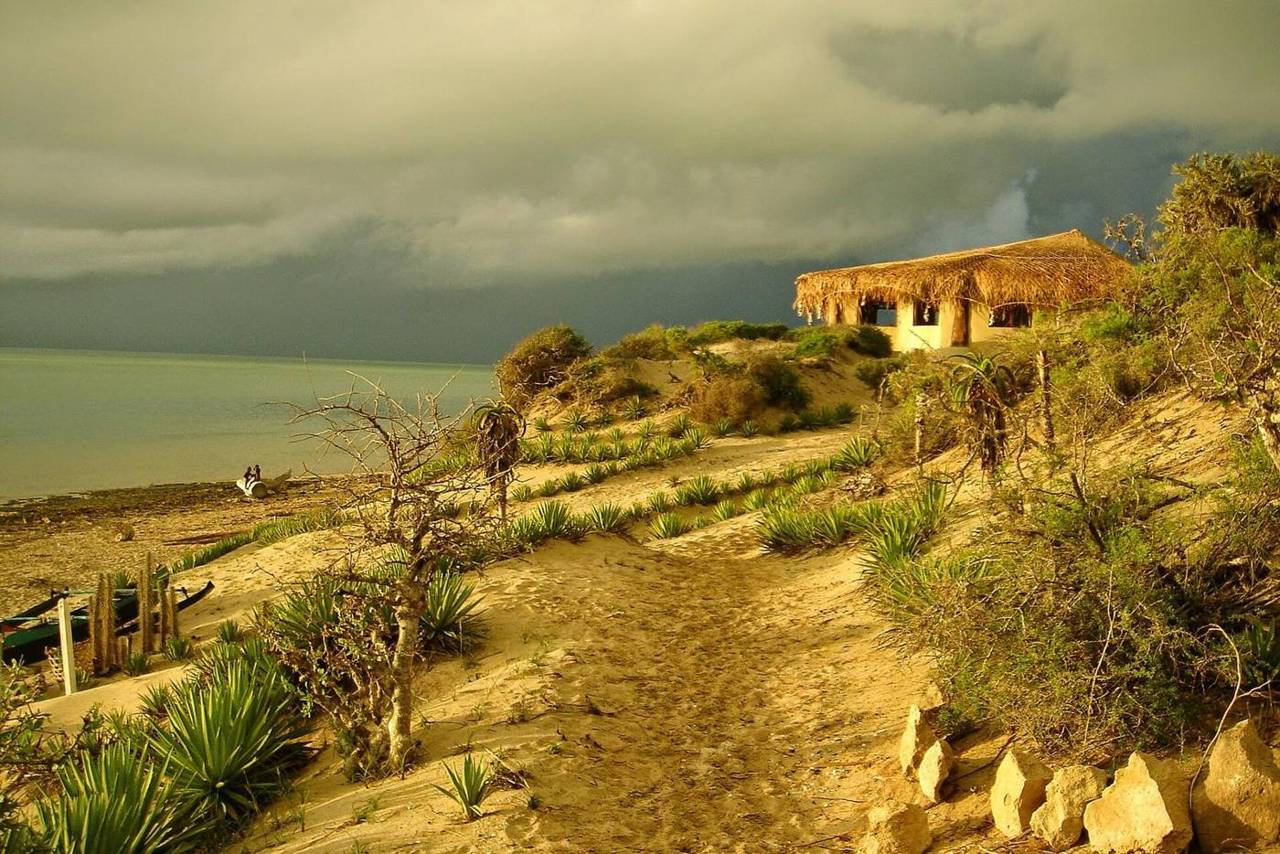 10 daysEasy
Toliara and the south-west reef: Anakao and Ifaty
One of the world's longest coral reefs, Vezo fishing villages, Ifaty's spiny baobab forest and the island of Nosy Ve with its red-tailed tropicbirds.