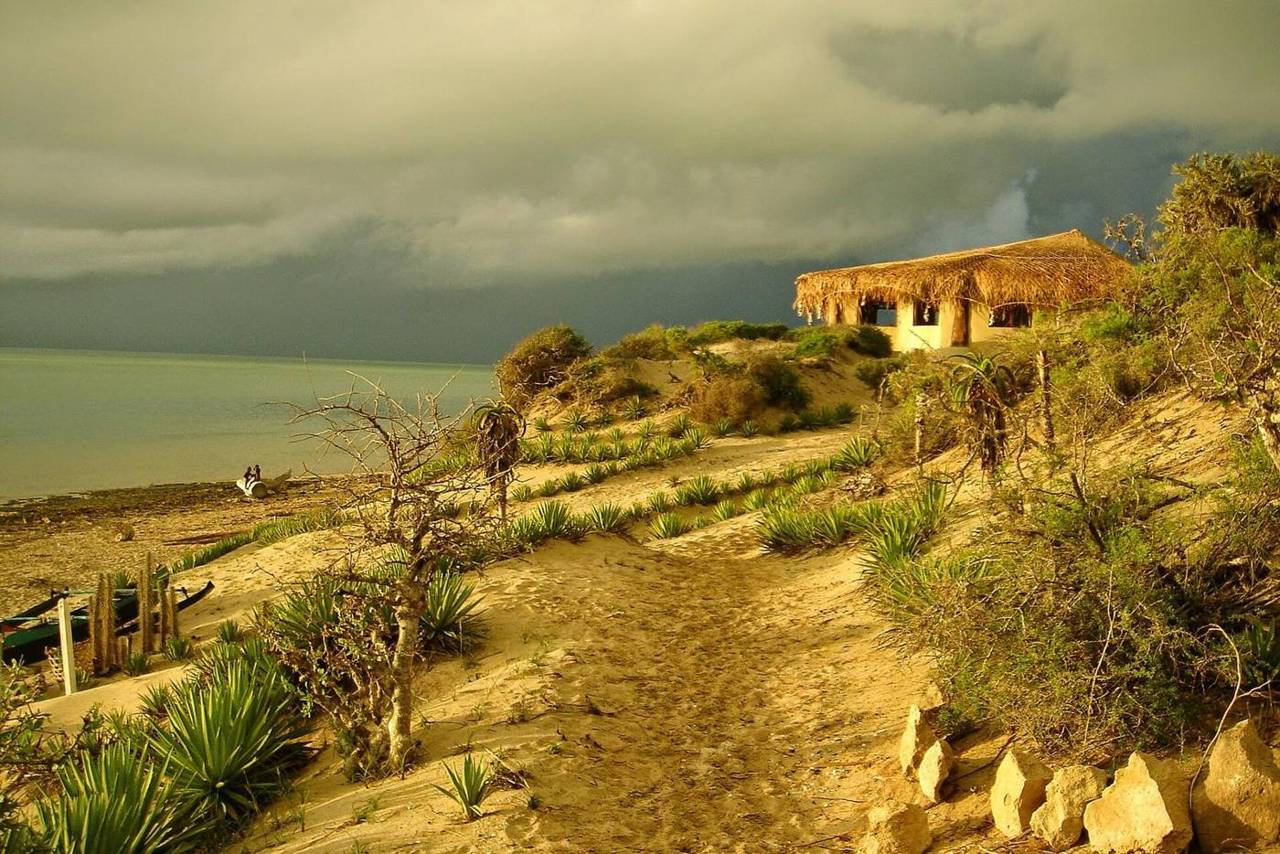
Toliara and the south-west reef: Anakao and Ifaty
One of the world's longest coral reefs, Vezo fishing villages, Ifaty's spiny baobab forest and the island of Nosy Ve with its red-tailed tropicbirds.
- Antananarivo
- Toliara
- Anakao
- Nosy Ve
- Ifaty
Day by day
- Day 1
Arrival in Antananarivo
This ten-day trip takes you to the sea of south-west Madagascar: the Toliara reef, one of the longest coral reefs in the world, the fishing village of Anakao, which you can only reach by boat, the islet of Nosy Ve with its red-tailed tropicbirds, and the spiny forest of Ifaty, with baobabs and radiated tortoises.
Before you go: Italian citizens need a passport valid for at least six months on entry, with blank pages, a return ticket and a tourist visa, issued on arrival at the airport or online in advance, between 7 days and 6 months before, on the official e-visa website listed by Viaggiare Sicuri. Other nationalities should check their own rules. After violent protests in late September and early October 2025, a transitional government took office on 17 October 2025: avoid demonstrations and gatherings. There are armed robberies on main roads, especially at night: never travel by road after dark. The British government reports that the situation in the south, in the triangle between Ihosy, Toliara and Fort Dauphin, remains tense, and that on the beaches north and south of Toliara there have been violent robberies even in the daytime: use a recognised tour operator for transfers and get local advice before walking on isolated beaches. Malaria is present: ask your doctor about antimalarials.
You land in Antananarivo, the capital, known to everyone as Tana, built on hills among the rice fields of the highlands. Tomorrow you leave straight away for the coast, so sleep near the airport or in a quiet district.
In the evening, stay at your accommodation or use an official taxi.
Overnight in Antananarivo.
Practical tip: change the ariary you need in the city. There are no cash machines in Anakao and many payments are made in cash.
- Day 2
Flight to Toliara and boat to Anakao
Today you reach the sea of the south-west, where the real trip begins.
In the morning, take the domestic flight to Toliara, also known by its French name, Tuléar. Domestic flights are often delayed or cancelled: confirm the time the day before and always leave some margin in your plans. From the plane you watch the green highlands turn into a dry red plain, all the way to the white coast on the Mozambique Channel.
Toliara is a hot and dusty town, close to the Tropic of Capricorn, with carts pulled by zebu and colourful rickshaws. Here you meet the people who will take you to Anakao. The village lies to the south, beyond the bay, and there is no easy road: you get there by motorboat, along the coast and over the reef.
The departure depends on the tide and the wind, because there are sandbanks in the bay and the sea gets rough in the afternoon. Accept the time you are given, even if it is early.
Before boarding, check that there is a life jacket for everyone and that the boat is not overloaded. Protect your rucksack and phone in a dry bag, because the spray reaches everything.
In Anakao the sand is very white and the water is turquoise. On the beach you see the pirogues of the Vezo fishermen, pulled up next to their nets.
Overnight in Anakao, for four nights.
Practical tip: bring little luggage, in soft bags. On a boat and on the beach, hard suitcases with wheels are just a burden.
- Day 3
Anakao and snorkelling on the reef
Today you discover the coral reef in front of the village.
In the morning, go out by boat with a local guide to the snorkelling spots on the reef, the great barrier that runs along this coast. The water is warm and clear, above all at low tide and when there is no wind, so set off early.
Underwater you find hard and soft corals, clownfish in the anemones, butterflyfish, parrotfish biting the coral, starfish and, with a bit of luck, sea turtles. Swim slowly, stay on the surface and touch nothing: coral breaks easily and some species sting.
The reef in this area is fragile. Warmer seas and intense fishing have damaged it in many places, and local communities are working to protect it. So do not buy shells, coral or turtle shell, and use a sunscreen that is as kind to the sea as possible.
In the afternoon, rest in the shade. The southern sun is very strong and the wind picks up almost every day after lunch.
At sunset, walk along the village beach, where the women clean the fish and the children play among the pirogues. Always ask permission before you photograph people.
In the evening, eat the catch of the day grilled, with rice and coconut sauce.
Overnight in Anakao.
Practical tip: wear a long-sleeved T-shirt even in the water. After an hour of snorkelling your back gets burnt without you noticing.
- Day 4
Nosy Ve and the red-tailed tropicbirds
Today you visit Nosy Ve, the small sandy islet in front of Anakao.
In the morning, cross the stretch of sea by boat with your guide. Nosy Ve is flat, with no villages, covered in low shrubs and surrounded by very clear water. Ask your guide whether you need a ticket to land: check prices and times.
The island is famous for its red-tailed tropicbirds, large white seabirds with two long red feathers on the tail. Here they nest on the ground, under the bushes, and you can see them from close up. Walk only on the marked paths, stay a few metres from the nests and keep quiet: a frightened bird may leave its egg or chick in the sun.
For local people Nosy Ve also has a spiritual value, with traditional rules called fady. Your guide explains what you can and cannot do: always respect them.
Around the island the reef is close to the shore. Snorkel with your guide in the calmest spots and be careful of the currents, which can be strong away from the coast.
In the afternoon, return to Anakao before the wind makes the sea rough.
In the evening, look at the sky: far from the cities, on nights without a moon, there are countless stars and you can see the Milky Way with the naked eye.
Overnight in Anakao.
Practical tip: bring water, a hat and sunscreen even for a short outing. On Nosy Ve there is no shade and there are no shops.
- Day 5
Vezo villages by sailing pirogue
Today you sail like the fishermen of the south-west.
The Vezo are the sea people of this coast. They live from fishing, move along the shore following the fish and use the outrigger pirogue, carved from a single trunk, with a float on one side and a square sail. For them the sea is both home and work.
In the morning, board a sailing pirogue with a fisherman and a guide. You sail slowly, with the wind, close to the coast and inside the lagoon protected by the reef. Sit where you are told, because the balance is delicate, and keep your life jacket on.
Stop at a Vezo village near Anakao. You see the houses of wood and leaves, the nets spread out to dry, fish drying in the sun and children who learn to paddle almost before they can walk. Go in only with your guide and greet the village chief or an elder first.
This part of Madagascar gets very little rain, and drought makes life hard for the people who live inland. Fresh water is precious: use it carefully at your accommodation too.
In the afternoon, return to the village and enjoy your last day by the sea in Anakao.
If you are travelling between July and September, look out to sea: humpback whales pass by in this period, and sometimes you can see their blows.
Overnight in Anakao.
Practical tip: if you want to leave something for the village, ask your guide what is really needed. Do not hand out sweets or money to children.
- Day 6
Back to Toliara and the road to Ifaty
Today you leave Anakao and move north of Toliara, to the coast of Ifaty.
In the morning, return by boat to Toliara, at the time set by the tide. Once again, check the life jackets and do not board if the sea is too rough: it is better to wait a few hours.
In Toliara, if there is time, stop at the market to see the spices, the fruit, the colourful fabric and the produce of the villages. Keep your phone and wallet out of sight, because pickpocketing is common in the crowds.
Then head north with your driver. The road runs past salt pans, mangroves and villages, among thorny scrub and the first baobabs, and before long you reach the area of Ifaty and the village of Mangily, on the Mozambique Channel. Leave so that you arrive well before dark.
Here the coast is protected by the same reef as Anakao, with a calm lagoon in front of the beach. The Vezo pirogues go out at dawn and come back in the middle of the day with the catch.
In the afternoon, settle in and walk along the beach near your accommodation, without going too far towards isolated areas.
In the evening, try the squid or octopus caught on the reef, with rice.
Overnight in Ifaty, for three nights.
Practical tip: in Toliara the British government advises vigilance in nightclubs too. If you go out in town in the evening, use a taxi booked by your accommodation.
- Day 7
The spiny forest of Reniala
Today you visit one of the strangest environments on the planet: the spiny forest of the south.
Early in the morning, enter the Reniala reserve, near Mangily, with a local guide. Pay for the entry and the guide: check prices and times. Go early, because after ten o'clock the heat becomes strong and the animals hide.
The spiny forest exists only in the south and south-west of Madagascar. It grows with very little rain, on sand and limestone, and almost all of its plants exist nowhere else. You see the octopus trees, with long thorny branches rising towards the sky, euphorbias, succulents and above all baobabs: some are as fat as barrels, others have trunks swollen with water, which they store for the dry season.
Your guide also shows you the rare birds of this forest, which live only here, the chameleons and the lizards warming themselves in the sun.
Then you see the radiated tortoises, with high shells patterned with yellow stars on a black background. They live only in southern Madagascar and are critically endangered, threatened by poaching and by the loss of the forest. Do not touch them and do not feed them.
In the afternoon, rest and swim in the lagoon at high tide.
Overnight in Ifaty.
Practical tip: wear closed shoes and long trousers in the spiny forest. There are thorns everywhere, even on the ground.
- Day 8
Snorkelling or diving on the Ifaty reef
Today you spend the day on the sea, below or above the water.
If you dive, choose a centre with certified instructors, equipment in good condition, oxygen on board and an emergency plan. Ask to see your guide's qualification. Dives take place on the outer side of the reef and in the channels that cross it, where you find coral walls, schools of fish, moray eels, rays and sometimes turtles.
If you are not a diver, go out by boat or pirogue to the snorkelling spots in the lagoon. The sea is best in the morning, before the wind rises, and with the right tide, which your guide knows well.
Between July and September, on boat trips, you may see humpback whales passing along the coast. Keep your distance, do not chase them and let the captain decide how to approach.
The Ifaty reef has suffered from fishing and from warmer seas, but there are areas protected by the fishing communities, where marine life is coming back. Ask your guide to take you there.
In the afternoon, rest in the shade or take a ride in a sailing pirogue along the beach at sunset.
In the evening, pack your bags: tomorrow you return to the capital.
Overnight in Ifaty.
Practical tip: do not fly within 24 hours of your last dive. If your flight is tomorrow morning, only snorkel today, and enjoy the reef from the surface.
- Day 9
Back to Antananarivo
Today you leave the coast and return to the highlands.
In the morning, your driver takes you from Ifaty to Toliara airport, along the same coastal road. Leave in good time, because the road is slow and there may be checkpoints.
Take the domestic flight to Antananarivo. Remember that flights can be delayed or cancelled: that is why the trip includes a night in the capital before your international departure. Never book your long-haul flight on the same day as your return from Toliara.
In the afternoon, if you arrive early, go up with a driver to the Rova, the queen's palace complex on the highest hill in Tana. From up there you see the whole city, with Lake Anosy, the rice fields and the districts of brick houses. Check prices and times.
Alternatively, visit a craft market for your last purchases: raffia baskets, fabrics, wooden objects and vanilla. Buy only legal products, and nothing made from protected animals, precious woods or stones without a receipt.
In the evening, stay at your accommodation or use an official taxi, and do not walk around the city after dark.
Overnight in Antananarivo.
Practical tip: keep the receipts for valuable products, such as stones or large amounts of vanilla, in your hand luggage, because they may be checked when you leave the country. Without a receipt you risk having them taken away at the airport.
- Day 10
Departure
Today you leave Madagascar.
In the morning, if your flight is in the afternoon, take a last unhurried walk in the district of your accommodation, or rest. Go to the airport in good time: checks can be slow and traffic in Tana is unpredictable.
In ten days you have seen the simplest and most authentic side of the Malagasy sea. You reached Anakao by boat, over one of the longest coral reefs in the world. You swam among corals and tropical fish, watched red-tailed tropicbirds nesting on Nosy Ve and sailed in a pirogue with the Vezo fishermen. Then you walked among the baobabs and octopus trees of the spiny forest of Ifaty, home of the radiated tortoise, and explored the reef beneath the surface.
It is an easy trip, with few transfers, but with simple accommodation and logistics that depend on the sea and the tides. It goes well with the end of the Route Nationale 7, if you want to combine the highlands and the Isalo canyons.
When to go: the best period is from April to November, in the dry season, with a calm sea and clear skies. From July to September the humpback whales pass by. From December to March it is very hot, it rains more and there is a risk of cyclones.
Practical tip: before you leave, check the Viaggiare Sicuri advice again, because the situation in the country can change quickly.
Madagascar's most authentic seaside, far from resorts. Simple lodgings and logistics that depend on the tides: Anakao is reachable only by boat. Humpback whales pass from July to September. A perfect add-on at the end of the RN7.
Before you go
- Documents and visa
- Passport valid for at least six months on entry, with blank pages and a return ticket. You need a tourist visa: it is issued on arrival at the airport or online in advance, between 7 days and 6 months before, on the official e-visa website. It is valid for up to 60 days. Declare large sums of foreign currency on arrival.
- Health and vaccines
- Malaria is present, especially on the coasts: ask your doctor about antimalarials. Plague is endemic in some rural areas: use repellent against fleas too. Drink only bottled water. Outside Antananarivo care is limited and serious cases go to South Africa or Réunion: you need insurance covering medical costs and repatriation.
- Money and payments
- Malagasy ariary. Bring euros in cash to change at banks or authorised offices; cards work only in towns and large hotels.
- Power sockets
- Types C and E, 220 volts: you need an adapter for British plugs.
- Time zone
- UTC+3 all year.
- Safety
- After violent protests in late September and early October 2025, a transitional government took office on 17 October 2025; demonstrations can happen again and roads can close at short notice. Armed robberies on main roads, especially at night: never travel by road after dark. For western roads such as the RN35, the British government advises using a recognised operator. Official advice: GOV.UK.
Information checked in November 2026 for Italian and EU citizens. Rules change: always check before you travel.
Variations
Shorter version: 7 days, with three nights in Anakao and two in Ifaty, without the day by sailing pirogue.
Longer version: reach Toliara at the end of the Route Nationale 7, with Ranomafana, Anja and Isalo, and finish with the sea at Anakao and Ifaty.
Frequently asked questions
How do you get to Anakao?
You get there by motorboat from Toliara, along the coast. The time depends on the tide and the wind: check that there are life jackets and that the boat is not overloaded.
When can you see humpback whales?
From July to September they pass along the south-west coast. You see them from boats and sometimes even from the beach, but sightings are never guaranteed.
Is south-west Madagascar safe?
The British government reports robberies on beaches near Toliara and a tense situation in the south. Use a recognised tour operator for transfers, do not travel by road at night and check Viaggiare Sicuri before you leave.
Indicative itinerary written by World Atlas. Before booking, check timetables, seasonal openings, documents and safety.
 7 daysModerate
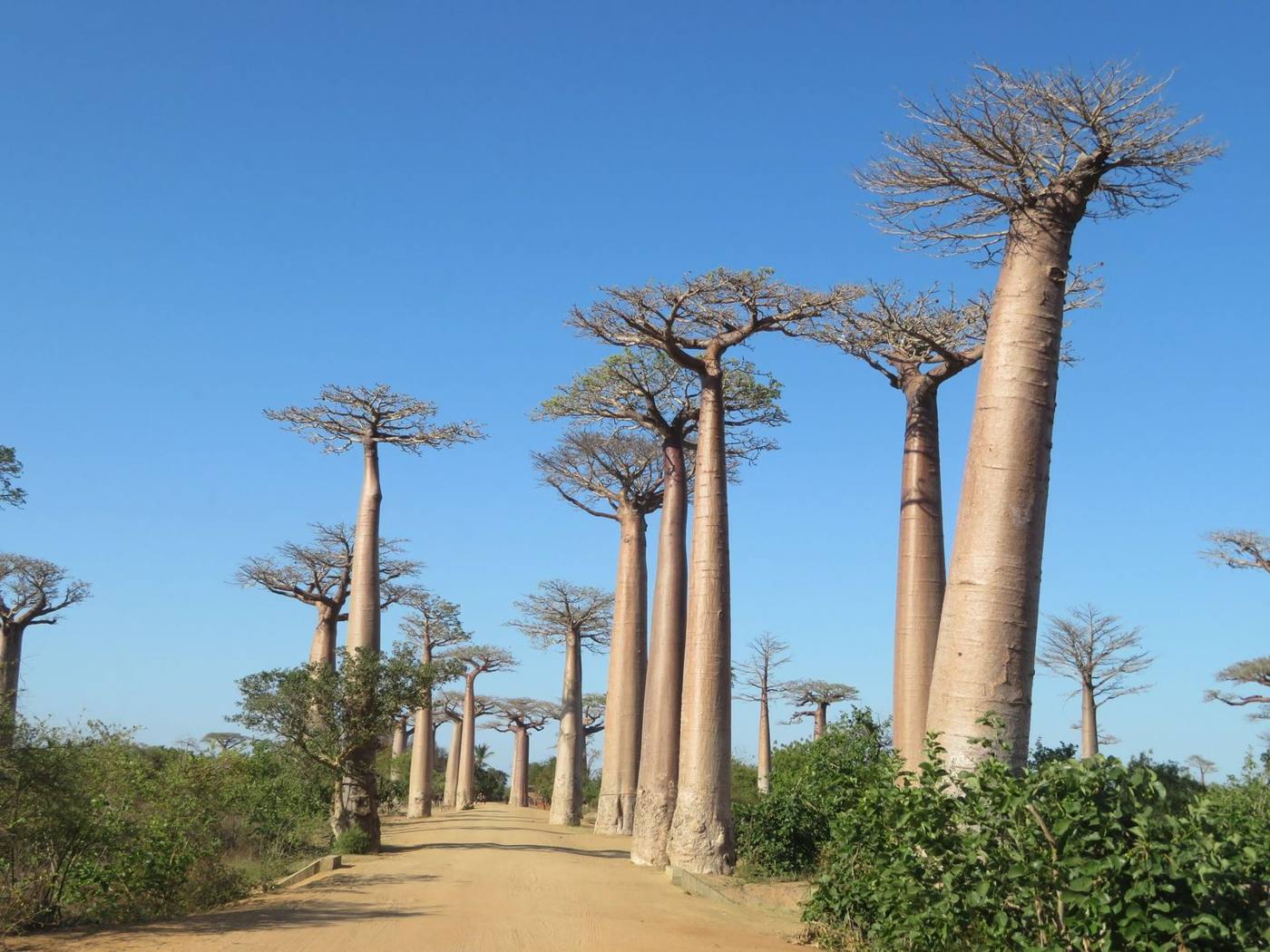
Andasibe and the Avenue of the Baobabs
Indri lemurs in the rainforest and the island's most famous sunset among the baobabs of Morondava.
 15 daysChallenging
Route Nationale 7 to the sea
The great journey south: highlands, lemur forests, the Isalo canyons and the Ifaty coral reef.
 10 daysEasy
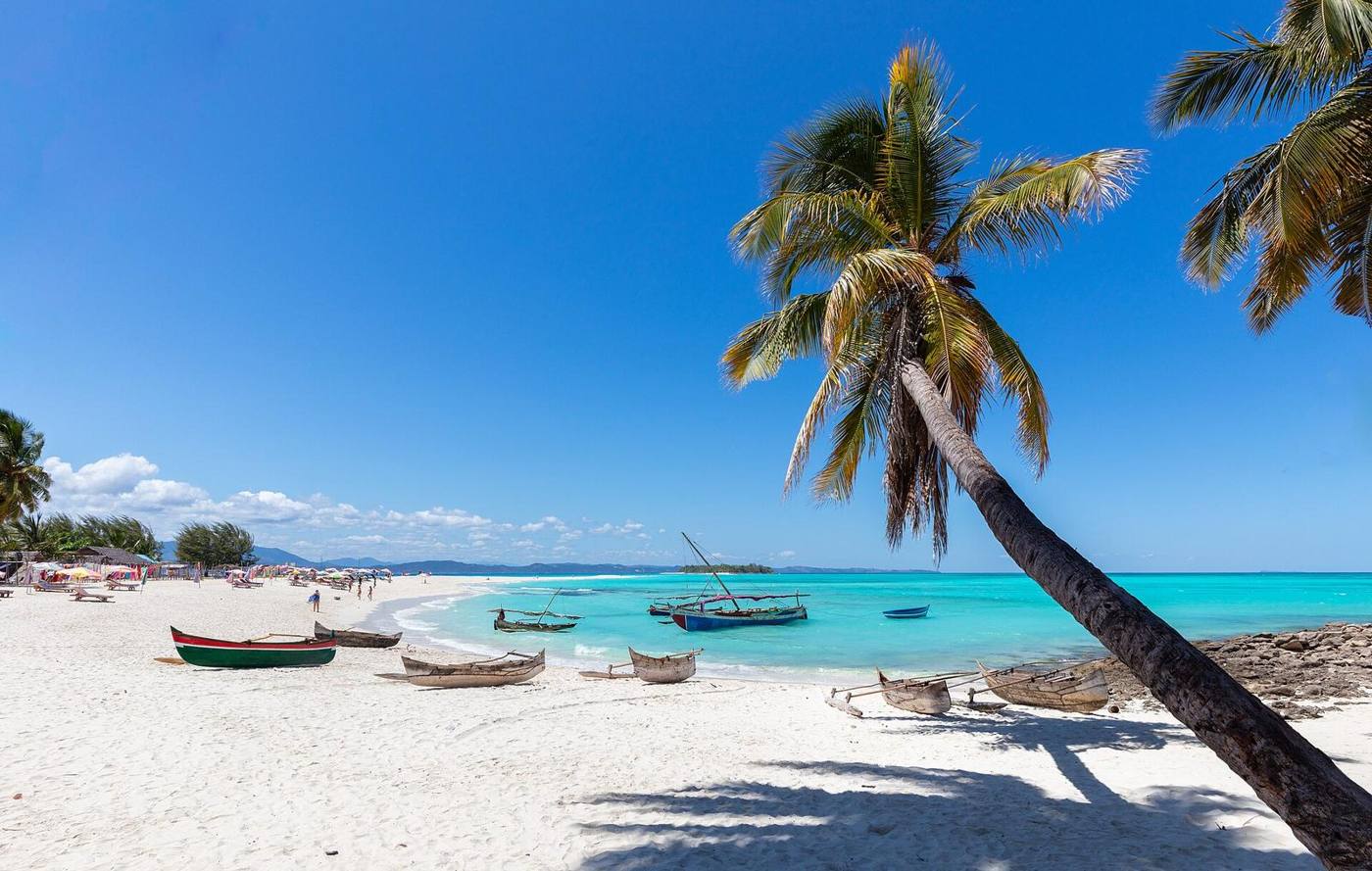
Nosy Be and the Mitsio islands by boat
The island of perfumes and its archipelago: the lemurs of Nosy Komba, turtles at Nosy Tanikely and a multi-day cruise to the Mitsio islands.