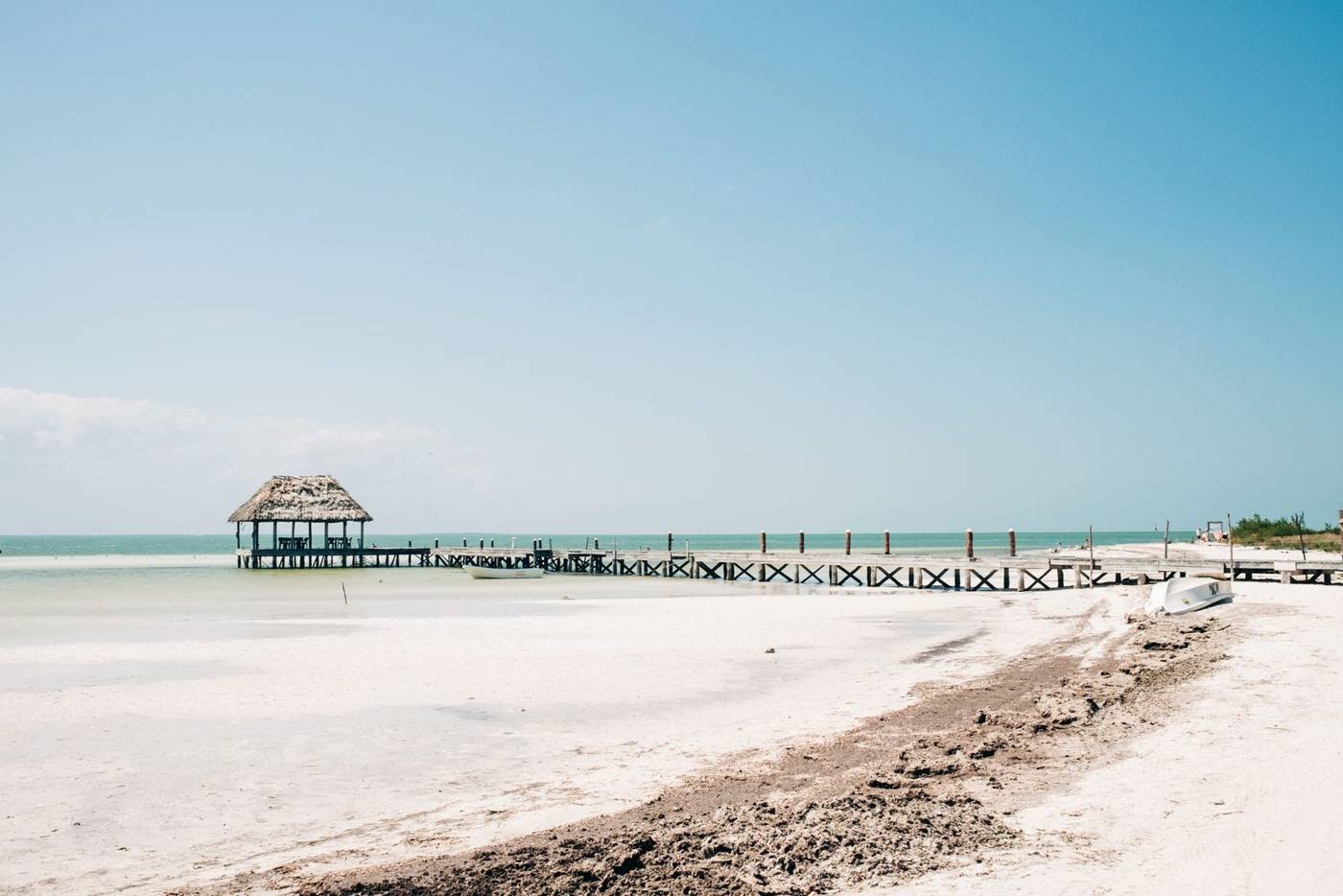
Holbox, Isla Mujeres and the whale sharks
The quiet side of the Caribbean coast: Holbox closed to cars island with its sand streets and flamingos, boat trips to swim with whale sharks in summer, and Isla Mujeres with its white beaches and underwater sculpture museum.
- Cancún
- Chiquilá
- Holbox
- Isla Mujeres
Day by day
- Day 1
From Cancún to Chiquilá and the ferry to Holbox
Holbox and Isla Mujeres are two islands of Quintana Roo, at the northern tip of the Yucatán Peninsula, where the Caribbean meets the Gulf of Mexico. Holbox is a long, narrow sand island with no cars, inside the Yum Balam nature reserve, famous for flamingos, shallow water and the whale sharks that gather offshore in summer. Isla Mujeres, opposite Cancún, has turquoise Caribbean water and an underwater museum. To enter Mexico you need a valid passport; on arrival you receive the immigration form, now often digital.
In the morning leave Cancún heading north-west to the small port of Chiquilá, about two and a half hours by car or bus, across a plain of low forest and small Maya villages. Cars stay in Chiquilá's guarded car parks: they are not needed on Holbox.
The passenger ferry crosses the Yalahau lagoon in about twenty-five minutes. On the island the streets are sand and you get around on foot, by bicycle or in the electric golf carts of the local taxis.
In the afternoon walk through the village, with colourful wooden houses, murals on the walls and the central square, then go down to the beach on the north side, a long strip of white sand with shallow, calm, emerald-green water.
In the evening try grilled fish and lobster pizza, an island speciality.
Practical tip: Holbox has few cash machines and they often run out of money; bring pesos from the mainland.
- Day 2
Holbox: Punta Cocos, the flamingos and the sunset
Early in the morning hire a bike or golf cart and head east along the beach to Punta Mosquito, the island's eastern tip, where at low tide you wade knee-deep across sandbanks stretching into the sea. In the shallows you often see pink flamingos, herons, pelicans and frigatebirds. Further on a sandbar emerges at low tide, where you can walk almost in the middle of the sea.
In the afternoon take a boat trip into the Yalahau lagoon among the mangroves to see Isla de los Pájaros, an islet where many bird species nest, viewed from a boardwalk and wooden towers, and Isla de la Pasión, a small island with a beach. On the mainland shore of the lagoon there is also a freshwater spring called Ojo de Agua, where you can swim.
Towards sunset go to Punta Cocos, at the western tip of the island, where the sun sets straight into the Gulf of Mexico. In summer, on moonless nights, the water at Punta Cocos glows blue when you move your hands or feet, thanks to bioluminescent plankton: a rare sight that depends on the season and sea conditions.
In the evening return to the village.
Practical tip: bring mosquito repellent, especially at sunset and near the mangroves, and water shoes for wading in the shallows.
- Day 3
A boat trip with whale sharks, or the Yalahau lagoon
Early in the morning, if you are here in season, usually mid-May to mid-September, head out by boat with a licensed operator to meet whale sharks, the largest fish in the world, which can exceed ten metres in length. They come to these waters to feed on plankton and fish eggs. Reaching the sighting areas takes one to two hours by boat, depending on where the animals are.
The encounter follows strict rules: no more than two people at a time enter the water with the guide, wearing a life jacket or buoyant wetsuit, without motorised fins, without touching the animal and keeping a set distance. You swim beside the shark for a few minutes as it filters water through its huge open mouth, then return to the boat and the next pair goes in. You often also see manta rays, dolphins and turtles. On the way back the boat usually stops for snorkelling and a ceviche lunch.
Out of season, replace the trip with a kayak outing through the lagoon's mangroves, with roots rising from the water and nesting birds.
In the afternoon rest on the village beach or in a hammock.
In the evening try fish or octopus ceviche and fish tacos.
Practical tip: choose an operator licensed by the reserve; use only biodegradable sunscreen or wear a long-sleeved shirt, as ordinary creams harm marine life.
- Day 4
Back to the mainland and the ferry to Isla Mujeres
In the morning take the ferry from Holbox to Chiquilá and return towards Cancún, about two and a half hours. Head for the port of Puerto Juárez or Gran Puerto, north of the city, where fast ferries leave for Isla Mujeres: the crossing takes about twenty minutes, with the water growing ever more turquoise.
Isla Mujeres is a narrow island about seven kilometres long, with a small colourful village at its northern tip and a coast that becomes increasingly rocky towards the south. Its name, island of women, comes from the female figurines dedicated to the Maya goddess Ixchel that the first Spaniards found here.
In the afternoon settle in and stroll through the centre, with pedestrian streets, pastel houses, craft shops and murals. Then go to Playa Norte, at the island's northern tip, considered one of the most beautiful beaches in Mexico: very fine white sand, calm water shallow for dozens of metres, turquoise in colour, with palm trees. It is an excellent place to swim, even with children.
At sunset stay on Playa Norte: the sun sets over the sea above the lagoon, one of the few places on the Mexican Caribbean where you can watch it go down into the water.
In the evening dine in the village on tikin xic, fish marinated in achiote and cooked in banana leaf, a typical Maya dish.
Practical tip: the island is easy to get around by golf cart or scooter, both for hire in the village.
- Day 5
Isla Mujeres: snorkelling at the underwater museum and Punta Sur
In the morning go snorkelling or diving at MUSA, the underwater museum of contemporary art created between Cancún and Isla Mujeres from 2009. On the seabed, a few metres deep, stand hundreds of life-size concrete statues of people, an old car and a house, by several artists including the English sculptor Jason deCaires Taylor. The statues were designed to become an artificial reef and draw visitors away from the fragile natural reefs: today they are covered in corals, sponges and algae and home to fish. The same trip usually includes snorkelling on the Manchones reef.
In the afternoon drive the golf cart south along the coast to Punta Sur, Mexico's easternmost point, on a cliff above the open sea, where the sun's light is said to reach Mexico first. On the cliff are a park of modern sculptures, the remains of a small Maya temple dedicated to the goddess Ixchel and a scenic path. Along the way, on the east coast, the sea is rougher and wilder.
If you are interested, stop at the turtle farm, a centre that protects eggs and releases hatchlings into the sea.
In the evening return to the village and stroll along the waterfront.
Practical tip: between spring and summer the Mexican Caribbean can be hit by sargassum, brown seaweed washing onto the beaches; check beach conditions before you go.
- Day 6
A last morning by the sea and back to Cancún
In the morning enjoy a last swim at Playa Norte while the beach is still quiet, or take a short kayak or paddleboard outing on the calm water of the northern tip.
Alternatively, if you love the sea, take a boat to Isla Contoy, an islet north of Isla Mujeres, a protected nature reserve and seabird sanctuary, reached by only a few licensed boats each day with limited visitor numbers. On the island are trails, an observation tower and colonies of frigatebirds, pelicans and cormorants, with deserted beaches. The trip takes a full day, so only do it if your flight home is the following day.
In the afternoon take the ferry to Cancún and go to the airport, about half an hour from the port. If you have a few hours to spare, in Cancún you can visit the Maya Museum, with finds from sites across the peninsula, and the small archaeological site of San Miguelito in the museum garden.
Things to take home: Maya vanilla, chocolate and honey, woven Yucatán hammocks, handicrafts and habanero sauce.
Practical tip: allow at least three hours between the ferry and your flight, as late-afternoon traffic to Cancún airport can be heavy. Quintana Roo is at level 2 in US travel advisories: use official taxis and avoid isolated areas at night.
Easy sea, suitable for families too. You swim with whale sharks only with licensed operators, in small groups and without touching them. From April to October sargassum seaweed can cover some beaches; June to November is hurricane season. On Holbox drinking water and ATMs are limited: bring cash. The United States places this state at level 2 (increased caution): no road travel at night, taxis only via apps or official ranks. Italian citizens need no visa for tourism.
Before you go
- Documents and visa
- Passport valid for the whole stay; no visa is needed for tourism. On arrival the officer sets the number of days granted. Quintana Roo state charges foreign visitors a tax, the Visitax, payable online.
- Health and vaccines
- No compulsory vaccines. Drink only bottled water and use mosquito repellent against dengue and other diseases. Emergencies: 911.
- Money and payments
- Mexican peso. Cards are accepted in cities and tourist areas; in markets, villages and on local transport you need cash.
- Power sockets
- Types A and B, 127 volts: you need a flat-pin adapter.
- Time zone
- Mexico City is UTC-6; Quintana Roo is UTC-5. Mexico no longer uses daylight saving time, except in some border areas.
- Safety
- The situation varies greatly between states: the United States rates some, such as Guerrero, Michoacán and Sinaloa, at level 4, while Yucatán and Campeche are at level 1. Official advice: GOV.UK.
Information checked in November 2026 for Italian and EU citizens. Rules change: always check before you travel.
Variations
In 4 days: Holbox only, with two days on the island and the whale shark trip.
In 9 days: add Valladolid, the cenotes and Chichén Itzá, or Las Coloradas and Río Lagartos with its flamingos.
Frequently asked questions
When can you see whale sharks?
Usually from mid-May to mid-September; the best period varies each year, so ask licensed operators.
Do I need a car?
Only to reach Chiquilá; there are no cars on Holbox, and on Isla Mujeres people use golf carts and scooters.
Is the sea always clean?
Between spring and summer sargassum, brown seaweed, can wash up on beaches; check before you go.
Indicative itinerary written by World Atlas. Before booking, check timetables, seasonal openings, documents and safety.
 7 daysModerate
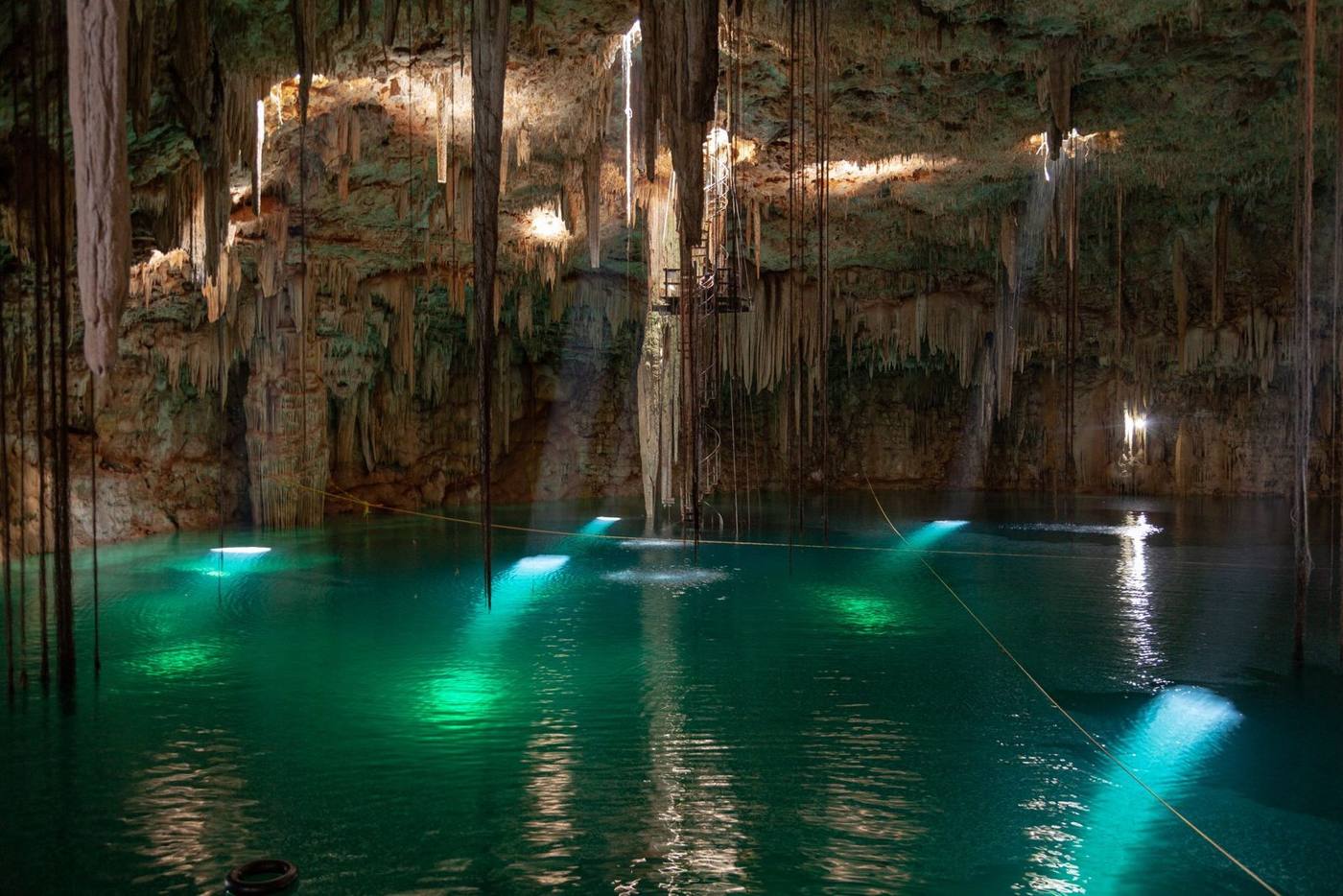
Diving in Cozumel and the cenotes
Two underwater worlds: the coral walls of Cozumel with drift dives among turtles and rays, then the cenotes of the Yucatán peninsula, crystal-clear freshwater caves with shafts of light, such as Dos Ojos, Gran Cenote and Angelita.
 6 daysEasy
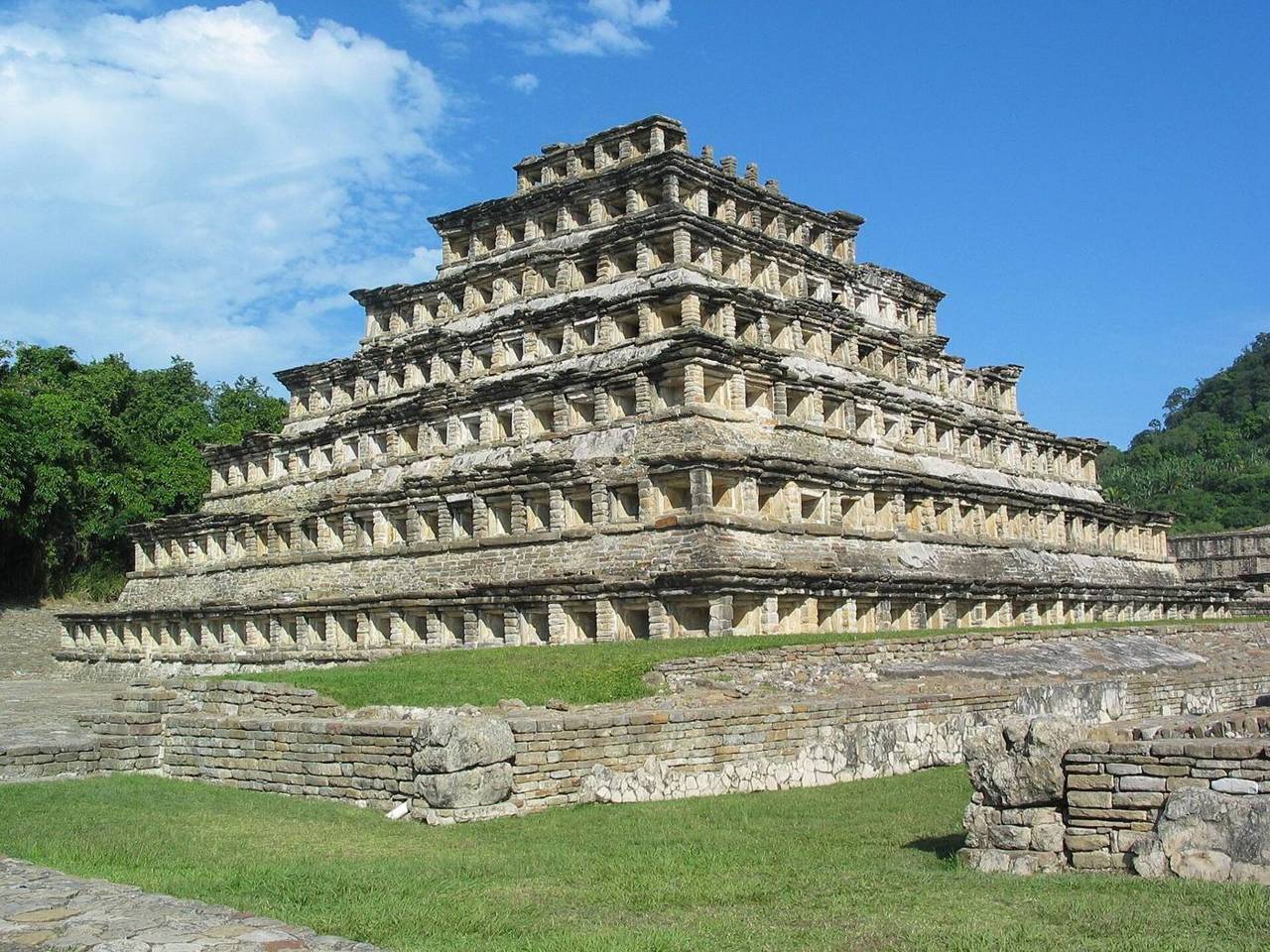
Veracruz: Xalapa and El Tajín
The state of coffee and vanilla: Xalapa with its great anthropology museum and Olmec heads, the mountain towns of Coatepec and Xico among plantations and waterfalls, then Papantla, the Pyramid of the Niches at El Tajín, a UNESCO World Heritage site, and the Voladores who launch themselves from a pole.
 5 daysEasy
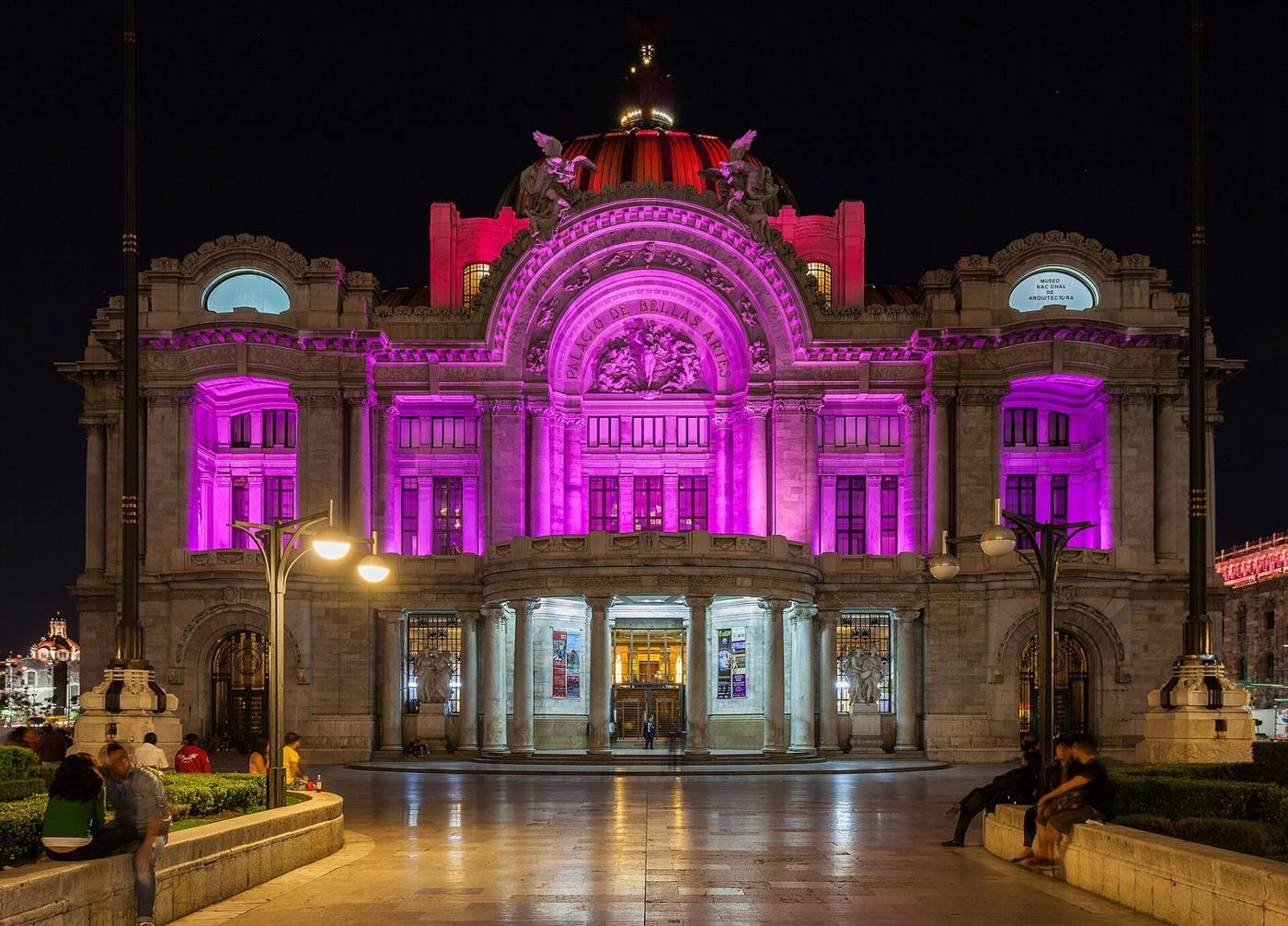
Mexico City in depth
One of the world's great capitals at a gentle pace: the historic centre with the Zócalo and the Templo Mayor, the National Museum of Anthropology, the Roma, Condesa and Coyoacán districts with Frida Kahlo's house, the colourful boats of Xochimilco and the pyramids of Teotihuacán at dawn.