Island of Mozambique
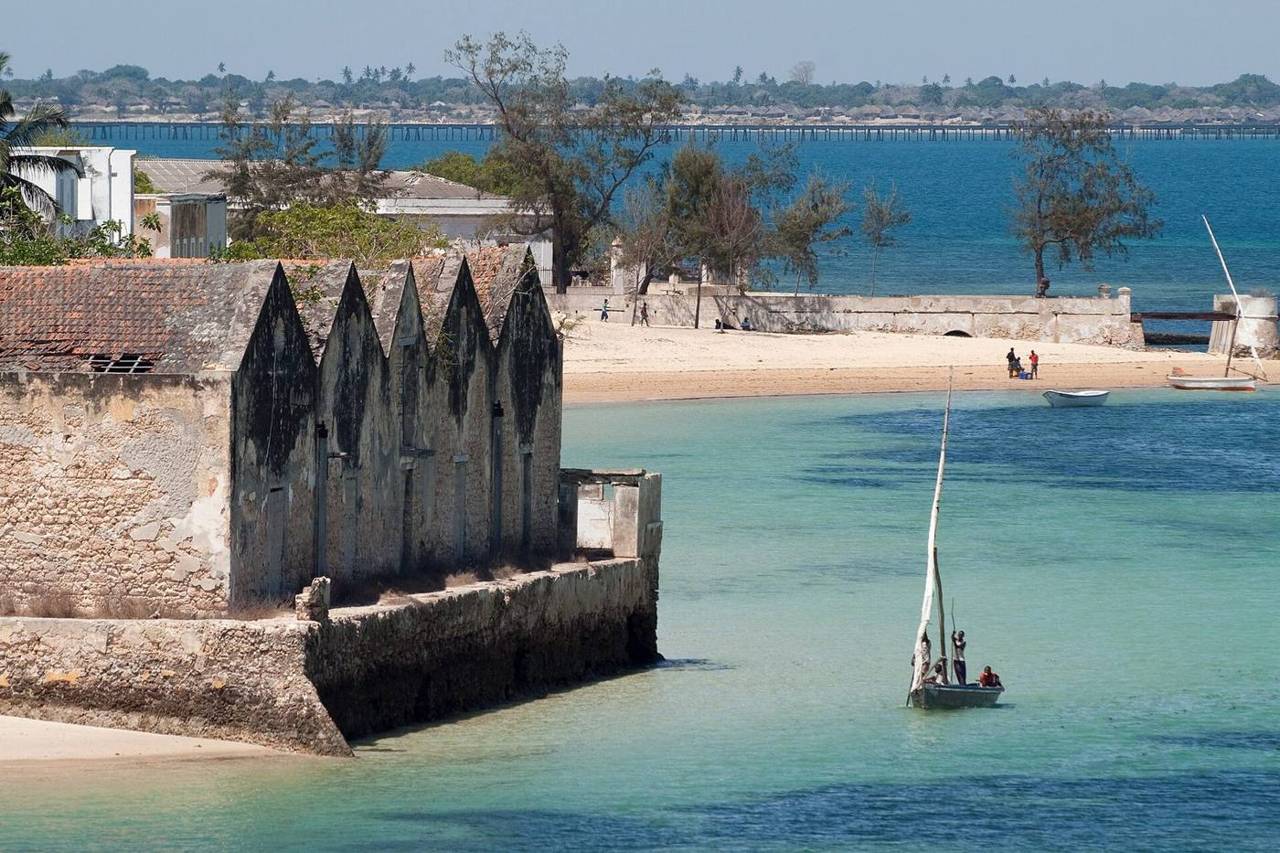
The former Portuguese capital, a UNESCO site: the fortress of São Sebastião, the governors' palace, the stone town and the macuti town, and the beaches of Chocas.
- Nampula
- Ilha de Moçambique
- Chocas
Day by day
- Day 1
From Nampula to the island across the bridge
This three-day trip takes you to the Island of Mozambique, Ilha de Moçambique, which gave the country its name and is a UNESCO World Heritage Site. For centuries it was a port for Arab, Swahili, Indian and Portuguese merchants, and until the late nineteenth century the capital of Portuguese East Africa.
Before you go: Italian citizens enter Mozambique without a visa for stays of up to 30 days, but before leaving they must obtain an electronic travel authorisation on the official portal evisa.gov.mz, paying a fee: check the amount and apply at least five working days ahead. Your passport must be valid for at least six months from arrival, with two blank pages. Other nationalities should check their own rules. The United Kingdom advises against all travel to Cabo Delgado Province and, in Nampula Province, to the districts of Memba and Eráti, because of terrorism, and reports attacks in the rest of Nampula too. The island and the road from Nampula lie tens of kilometres south of those districts: do not leave this route and check the latest advice before you go. The whole country is a malaria area and there is a cholera outbreak in the north: drink only bottled water.
You fly into Nampula. With a booked driver, take the road east towards Monapo: about three hours among cassava fields, cashew trees and great granite rocks rising from the plain.
The last stretch is the long, narrow single-lane bridge that crosses the sea to the island. At sunset, walk along the seafront and watch the dhows, the fishermen's sailing boats, coming back into the harbour.
Practical tip: travel only by day and always carry your original passport, because at checkpoints the police do not accept copies.
- Day 2
The fortress, the palace and the stone town
Today you explore the island on foot. It is about three kilometres long and easy to cover in a day.
Start early at the fortress of São Sebastião, at the northern tip, built by the Portuguese in the second half of the sixteenth century. Walk on the ramparts and look at the sea all around. Next to it stands the chapel of Nossa Senhora do Baluarte, from 1522, considered one of the oldest European buildings in the southern hemisphere. Check prices and times.
Then enter the stone and lime town, with narrow streets, ochre colonial houses, churches, mosques and old warehouses. Visit the palace of São Paulo, first a Jesuit college and then the governors' residence, today a museum with Indo-Portuguese furniture, Chinese porcelain and objects from colonial life. Nearby is the museum of sacred art. In the square you also see the statue of the poet Luís de Camões, who lived on the island for a while.
In the afternoon, head south to the macuti town, the district where most of the islanders live. The houses are low, with roofs of woven palm leaves, called macuti. Here life happens in the streets: children playing, women with their faces painted white with mussiro, a beauty mask made from tree bark, and fish sellers.
Walk respectfully and always ask permission before photographing people.
In the evening, have dinner with fish, octopus and prawns cooked with coconut.
Practical tip: a local guide tells you the story of each building and gets you into closed places; ask for one who works with the island's associations.
- Day 3
The beaches of Chocas or a boat among the islands
Today you choose between two days at the sea, before heading back to Nampula.
The first option is Chocas, on the mainland north of the island, in Mossuril district, away from the districts advised against. You get there by boat across the bay, or by car. You find a long beach of pale sand, palm trees and calm water, sheltered by the reef. At low tide natural pools form where you can swim and snorkel among the fish.
The second option is a trip by dhow, the traditional sailing boat, to the small nearby islands, such as Goa Island with its lighthouse and Sena Island. You snorkel over the corals, have lunch with fish cooked on the beach and come back with the afternoon wind. Before boarding, check that there are life jackets.
In the early afternoon, return to the island, collect your bags and take the road back to Nampula, in time to arrive before dark. If your flight is the next day, sleep in Nampula.
In three days you have seen one of the most fascinating places in East Africa: a sixteenth-century fortress, a stone town, a district of palm-leaf roofs and a clear sea.
When to go: from May to November, in the dry season, the weather is cooler and the sea calm. From December to March it is very hot, it rains and there is a risk of cyclones.
Practical tip: bring cash in metical, because there are few ATMs on the island and they are often empty.
One of East Africa's most fascinating places. Nampula province has districts advised against (Memba, Erati) and Cabo Delgado further north must be avoided: fly to Nampula and go only to the island. Check official travel advice before leaving.
Before you go
- Documents and visa
- Passport valid for at least six months from arrival, with at least two blank pages. Italian citizens enter without a visa for tourism stays of up to 30 days, but before leaving they must obtain an electronic travel authorisation (ETA) on the official portal evisa.gov.mz, paying a fee online: apply at least five working days ahead and carry a printout of the approval. A yellow fever vaccination certificate is required if you arrive from a country with a risk of transmission.
- Health and vaccines
- Malaria is present across the country: ask your doctor about antimalarials. There is also dengue and bilharzia in fresh water, and a cholera outbreak is ongoing in the centre and north: drink only bottled water. Hospitals are of a low standard, especially in the north: you need insurance covering medical costs and evacuation. Emergencies: 112.
- Money and payments
- Mozambican metical. Cards work in Maputo and the bigger resorts; on the islands and in remote areas carry cash, withdrawn in town.
- Power sockets
- Type C, F and M, 220 volts: bring a universal adapter.
- Time zone
- UTC+2 all year.
- Safety
- The UK government advises against all travel to Cabo Delgado Province, except Palma town and the area around Pemba and Afungi, where it advises against all but essential travel, and to the districts of Memba and Eráti (Nampula) and Mecula and Marrupa (Niassa), because of terrorism. Street crime is common in Maputo, sometimes with weapons. Protests can start at short notice. Outside the cities travel only by day and always carry your original passport: the police do not accept copies. Official advice: GOV.UK.
Information checked in November 2026 for Italian and EU citizens. Rules change: always check before you travel.
Variations
In two days: arrival from Nampula and a visit to the fortress and the stone town, returning the next day.
In five days: add a night on the beach at Chocas and a trip to Cabaceira, on the mainland, with its colonial ruins.
Frequently asked questions
Is the Island of Mozambique safe?
The United Kingdom does not advise against the island, but it does advise against the districts of Memba and Eráti, further north, and Cabo Delgado Province. Fly into Nampula, travel only by day and check the advice before you go.
How far is it from Nampula?
About three hours by road, heading east through Monapo. The last stretch is a narrow single-lane bridge.
Can you swim on the island?
There are small beaches, but the best sea is at Chocas or on the nearby islands, reached by boat.
Indicative itinerary written by World Atlas. Before booking, check timetables, seasonal openings, documents and safety.
 4 daysModerate
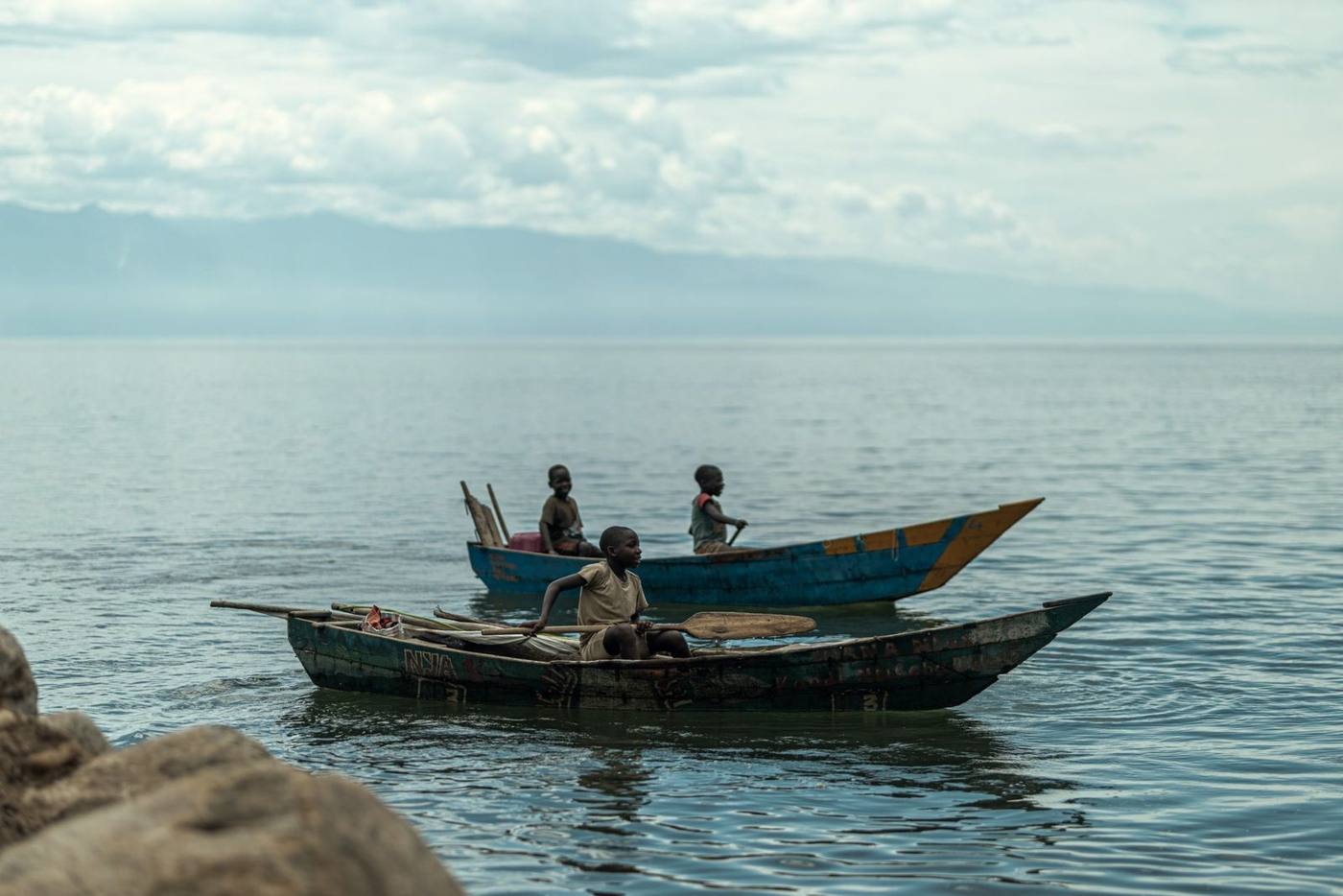
Lake Niassa
The Mozambican shore of Lake Malawi, almost untouched: fishing villages, clear water, kayaking and an eco-lodge near Cóbuè, close to Likoma Island.
 5 daysEasy
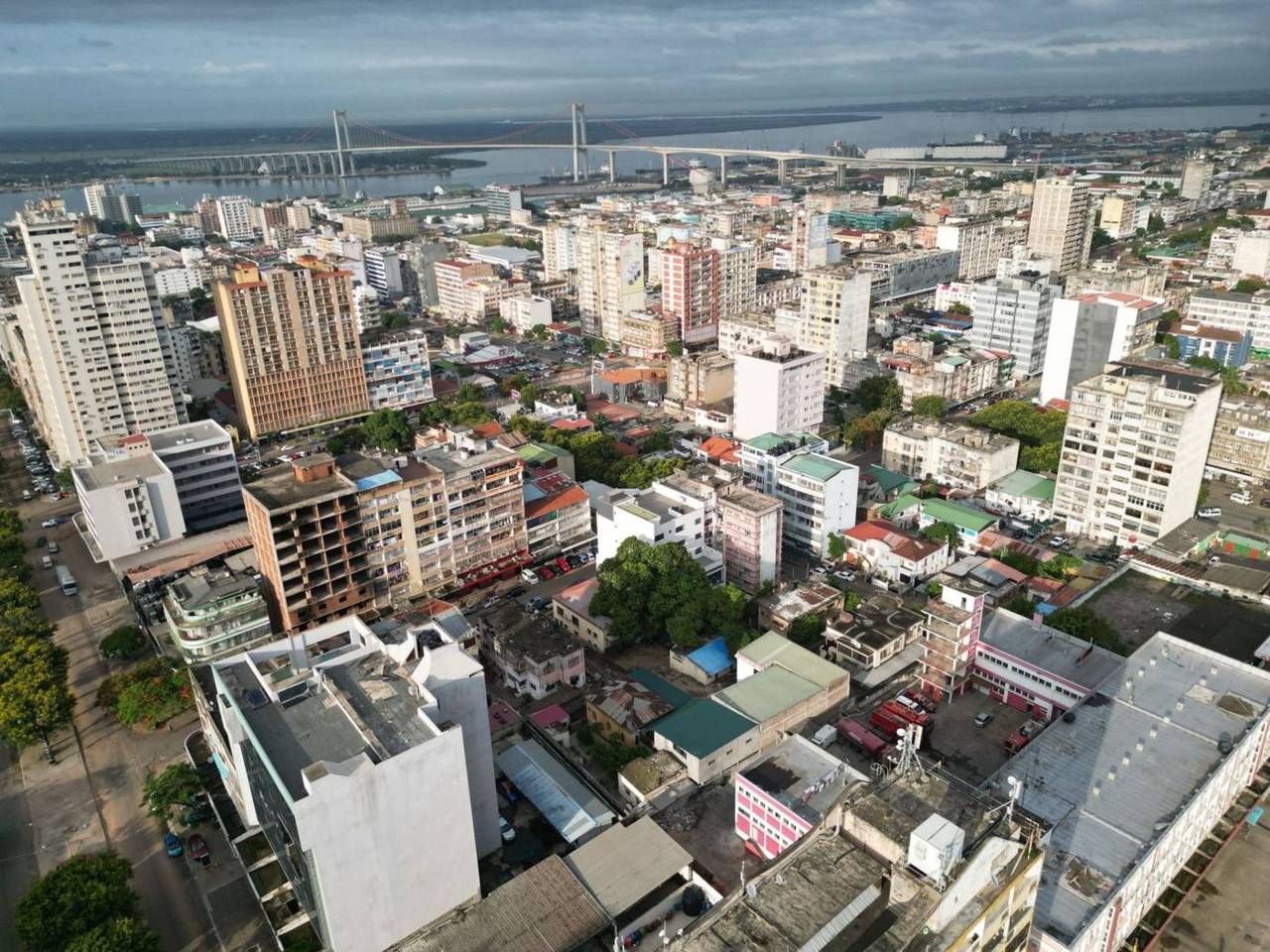
Maputo and Ponta do Ouro
Maputo with its railway station, market and Portuguese-African food, then the Ponta do Ouro marine reserve with dolphins and turtles.
 6 daysEasy
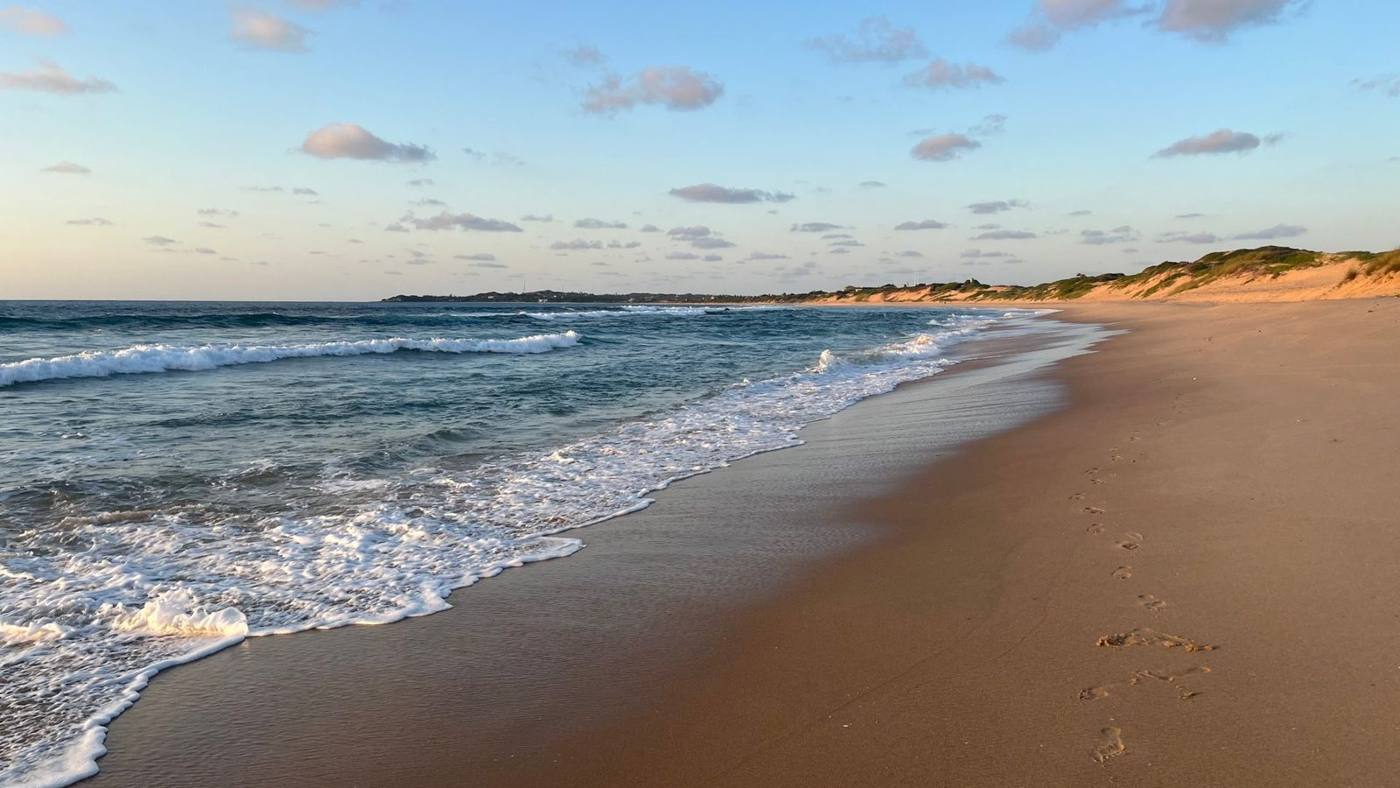
Tofo and Inhambane
The beaches of Tofo and Barra, whale sharks and giant mantas, the colonial town of Inhambane and the dunes by the sea.