Abel Tasman and Marlborough
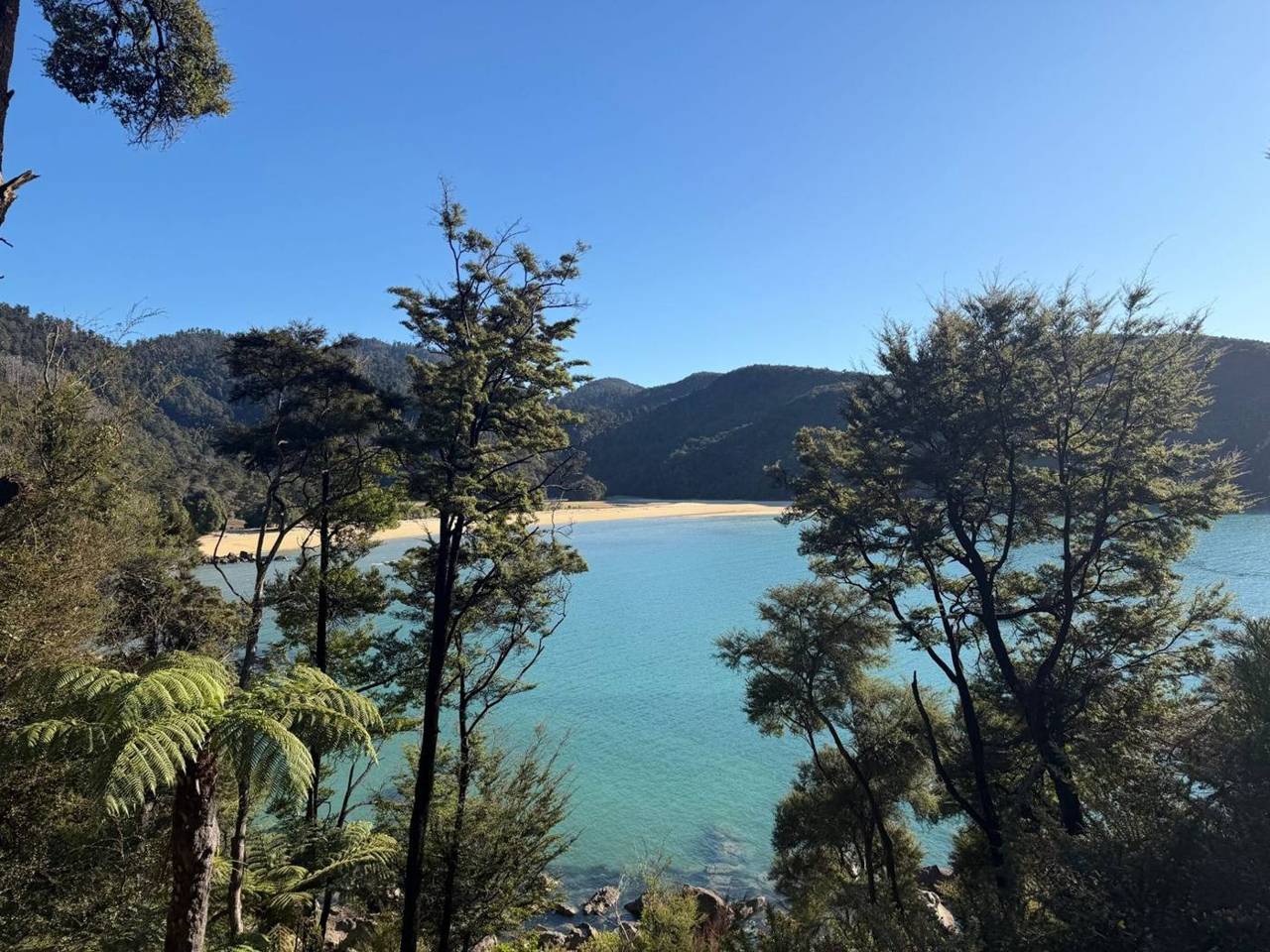
Kayaking and trails among the golden beaches of Abel Tasman park, then the sauvignon blanc vineyards of Marlborough and the Queen Charlotte Sound.
- Nelson
- Kaiteriteri
- Abel Tasman
- Blenheim
- Picton
- Queen Charlotte Sound
Day by day
- Day 1
Arriving in Nelson
The top of New Zealand's South Island is the sunniest region in the country, with golden beaches, turquoise water, forests, vine-covered hills and long arms of sea, the Marlborough Sounds, reaching in between green mountains. Here is Abel Tasman National Park, famous for kayaking and its coastal trail, and the Marlborough region, home of sauvignon blanc. In six days you travel from Nelson to Picton, where the ferry leaves for the North Island.
Nelson can be reached by air from Auckland, Wellington or Christchurch. It is a lively seaside town with many artists, pottery and glass studios, galleries and a Saturday market of regional produce.
In the afternoon, walk around the centre and climb to Christ Church Cathedral, on the hill at the end of the main street, then to the Centre of New Zealand, a hill with a monument marking the country's geographical centre, with views over the town and Tasman Bay.
Towards evening, go to Tahunanui beach, a long sandy beach near town, for sunset.
In the evening, try the region's produce: green-lipped mussels, salmon, fruit such as apples and kiwifruit, and craft beer. The Nelson region has grown hops for more than a century.
Practical tip: to enter New Zealand, Italian citizens need the NZeTA, the electronic travel authority, and must pay the international visitor levy, the IVL, of 100 New Zealand dollars. Both are requested online before departure.
- Day 2
Abel Tasman: by water taxi and kayak among the bays
In the morning, drive west from Nelson to Marahau or Kaiteriteri, the gateways to Abel Tasman National Park, in about an hour. The park, New Zealand's smallest, protects a coast of golden sandy bays, granite headlands, tidal lagoons and forests, with green and turquoise sea. It is named after the Dutch explorer Abel Tasman, the first European to reach New Zealand, in 1642.
There are no roads along the coast in the park: you get around on foot, by kayak or by water taxi, the boats that carry visitors from bay to bay.
In the morning, take a water taxi north along the coast. The boat passes Split Apple Rock, a round granite boulder split in two like an apple, and Tonga Island, home to a fur seal colony.
Get off at one of the bays and continue by kayak with a guide, paddling along the coast among islets and empty beaches. With luck you see fur seals swimming near the kayaks, little blue penguins and sometimes dolphins. You stop on the beaches for lunch and a swim.
In the evening, sleep in one of the park's huts or campsites, booked in advance, or return to Marahau.
Practical tip: a guided kayak trip is the safest option for those without experience. Wind and sea can change quickly in the afternoon.
- Day 3
Abel Tasman: a stretch of the Coast Track on foot
Today, walk a stretch of the Abel Tasman Coast Track, one of New Zealand's Great Walks. The full trail is about sixty kilometres long and takes three to five days, but you can also walk day sections, using water taxis to get there and back.
One of the finest stretches runs from Bark Bay to Anchorage, in about four hours. The trail rises and falls through forest of tree ferns, manuka and beech, crosses suspension bridges over gorges, and keeps dropping down to bays of golden sand and clear water, such as Torrent Bay and Frenchman Bay. Along the way you find small waterfalls and pools for swimming.
Some parts of the trail cross tidal lagoons, which can be crossed on foot only at low tide; at high tide you must follow a longer detour. Before setting off, check the tide tables.
In the afternoon, at Anchorage, take the water taxi back to Marahau or Kaiteriteri.
In the evening, return to Nelson or sleep in Motueka, a small town among orchards and hop fields.
Practical tip: stream water in the park is not always safe to drink. Bring a bottle, enough water and sunscreen: the New Zealand sun is very strong.
- Day 4
To Blenheim and the wineries by bike
In the morning, drive east from Nelson to Blenheim, in the Marlborough region, in about two hours. The road crosses hills, forests and the Rai valley, then drops to the Wairau plain, covered in vineyards up to the mountains.
Marlborough is New Zealand's largest wine region and one of the sunniest parts of the country. It is famous worldwide for sauvignon blanc, a fresh, aromatic white wine with notes of passion fruit and cut grass, but it also makes pinot noir, chardonnay and sparkling wines.
In the afternoon, tour the wineries by bike. Bikes are rented in Renwick, just west of Blenheim, and you cycle on flat, quiet roads among the vines, stopping at several wineries for tastings. Many wineries have gardens and restaurants among the vines, with mountain views.
If you prefer, visit the Omaka Aviation Heritage Centre near Blenheim, with a large collection of First and Second World War aircraft displayed in life-size scenes. Many of the aircraft still fly, and in some years an air show is held at the nearby airfield.
In the evening, sleep in Blenheim and dine on the region's lamb or salmon with a local wine.
Practical tip: New Zealand's drink-driving limit is low. If you taste many wines, use a bike or an organised tour, and do not drive.
- Day 5
Picton and Queen Charlotte Sound
In the morning, drive north to Picton, about half an hour away. Picton is a small port at the head of Queen Charlotte Sound, one of the Marlborough Sounds, a network of ancient river valleys flooded by the sea, with inlets, islands and forested hills dropping into the water.
In the morning, take a boat trip on Queen Charlotte Sound. The sheltered waters of the sounds are full of life: you often see dolphins, including rare Hector's dolphins, fur seals, seabirds and green-lipped mussel farms. Many trips stop at Motuara Island, a clear of predator nature reserve, home to rare New Zealand birds such as the little spotted kiwi, the saddleback and the South Island robin. From the lookout tower at the top you see the whole sound.
In the afternoon, have the boat drop you at a point on the Queen Charlotte Track, a trail of about seventy kilometres following the ridges between the sounds. A stretch of a few hours, for example from Ship Cove, where Captain James Cook anchored several times in the eighteenth century, lets you see the bays and forests from above. The boat picks you up at the agreed point.
In the evening, in Picton, walk along the waterfront and try Marlborough green-lipped mussels.
Practical tip: agree the exact pick-up point and time with the operator. Without the boat, some stretches of the trail are far from everything.
- Day 6
The ferry to Wellington or departure
On your last morning, take the ferry from Picton to Wellington, the capital, on the North Island, in about three and a half hours. The crossing is one of the most beautiful in the world: for the first hour the ferry sails between the green hills of Queen Charlotte Sound, then crosses Cook Strait, where you sometimes see dolphins and albatrosses, and finally enters Wellington harbour.
Cook Strait can be rough, especially in strong wind. If you suffer from seasickness, take a remedy before leaving.
In Wellington, if you have time, visit Te Papa, the national museum on the waterfront, with galleries devoted to New Zealand's nature, history and Māori culture, and ride the red cable car up to the botanic garden, with views over the city and harbour.
Alternatively, from Picton or Blenheim you can fly back to Auckland or Christchurch, or drive south along the coast to Kaikoura, famous for whales, and then Christchurch.
This trip combines well with the rest of the South Island, with the West Coast and the glaciers, or with the North Island, with Rotorua and Tongariro.
Practical tip: book the ferry in advance, especially in summer and if you are travelling with a rental car. Many rental companies do not allow cars on the ferry and offer a car swap between the two islands.
New Zealand at its sunniest and most relaxed, ideal to break up a long trip or for lovers of wine and sea. Abel Tasman is crowded in January, during the local summer holidays. Park campsites and huts must be booked. It fits naturally with the ferry between the two islands.
Before you go
- Documents and visa
- Valid passport and an NZeTA, requested online before leaving, with the IVL levy of 100 New Zealand dollars. The NZeTA costs 17 dollars through the official app and 23 through the website.
- Health and vaccines
- No vaccines required. Biosecurity checks on arrival are very strict: declare food, plants and hiking boots. Emergencies: 111.
- Money and payments
- New Zealand dollar. Cards are accepted almost everywhere, even in small towns.
- Power sockets
- Type I, 230 volts: you need an adapter for the angled flat-pin Australian-style plugs.
- Time zone
- UTC+12, UTC+13 with daylight saving time from late September to early April.
- Safety
- A very safe country. The main risks are natural: changeable mountain weather, strong sea currents, earthquakes and active volcanoes. Driving is on the left. Official advice: GOV.UK.
Information checked in November 2026 for Italian and EU citizens. Rules change: always check before you travel.
Variations
In 3 days: Nelson and two days in Abel Tasman park, with the kayak and the trail.
In 10 days: add the West Coast and the glaciers, or Kaikoura and Christchurch.
Frequently asked questions
When is the best time to go?
From November to April, the southern summer. Abel Tasman is very busy in January: book water taxis, kayaks and accommodation in advance.
Do I need a car?
It is the most convenient option between Nelson, Blenheim and Picton. Inside Abel Tasman park you get around only on foot, by kayak or by water taxi.
What documents do I need?
A passport, the NZeTA and the international visitor levy of 100 New Zealand dollars, both requested online before you leave.
Indicative itinerary written by World Atlas. Before booking, check timetables, seasonal openings, documents and safety.
 5 daysEasy
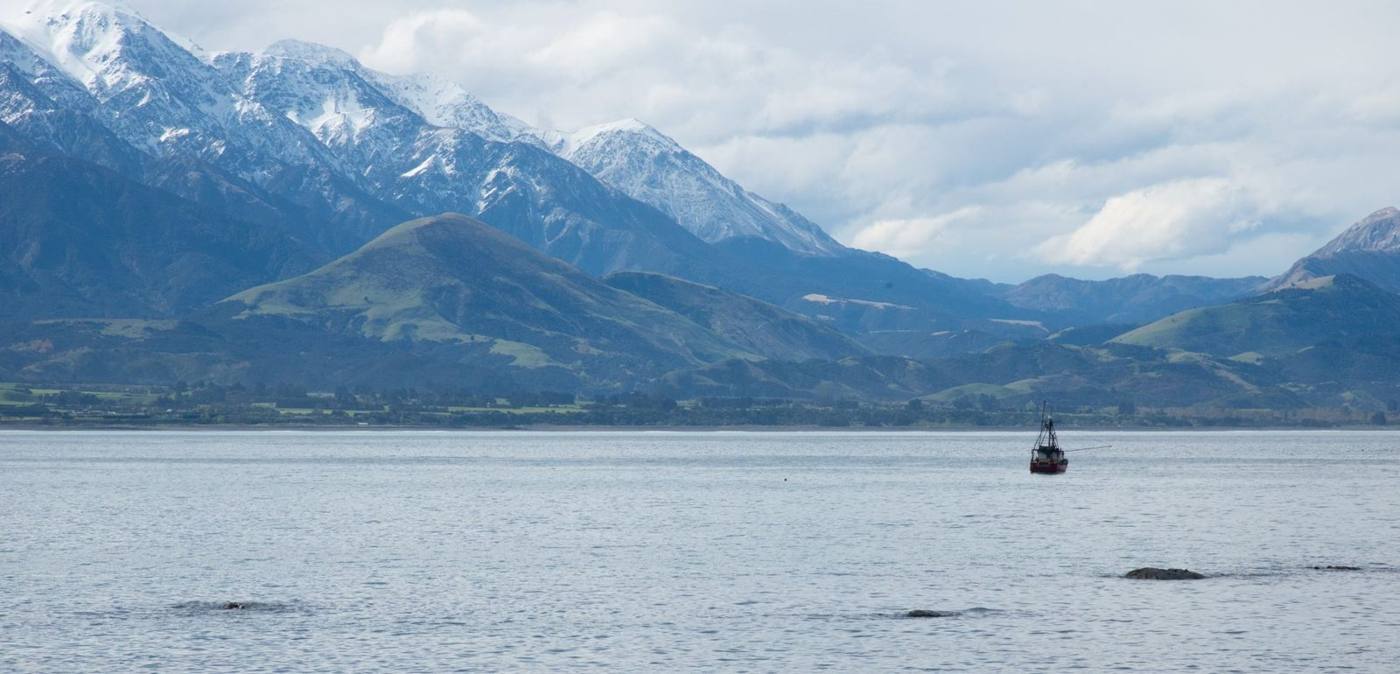
Kaikoura and Akaroa: whales and dolphins
Sperm whales all year at Kaikoura, fur seal colonies and albatrosses, then Banks Peninsula with the tiny Hector's dolphins.
 7 daysModerate
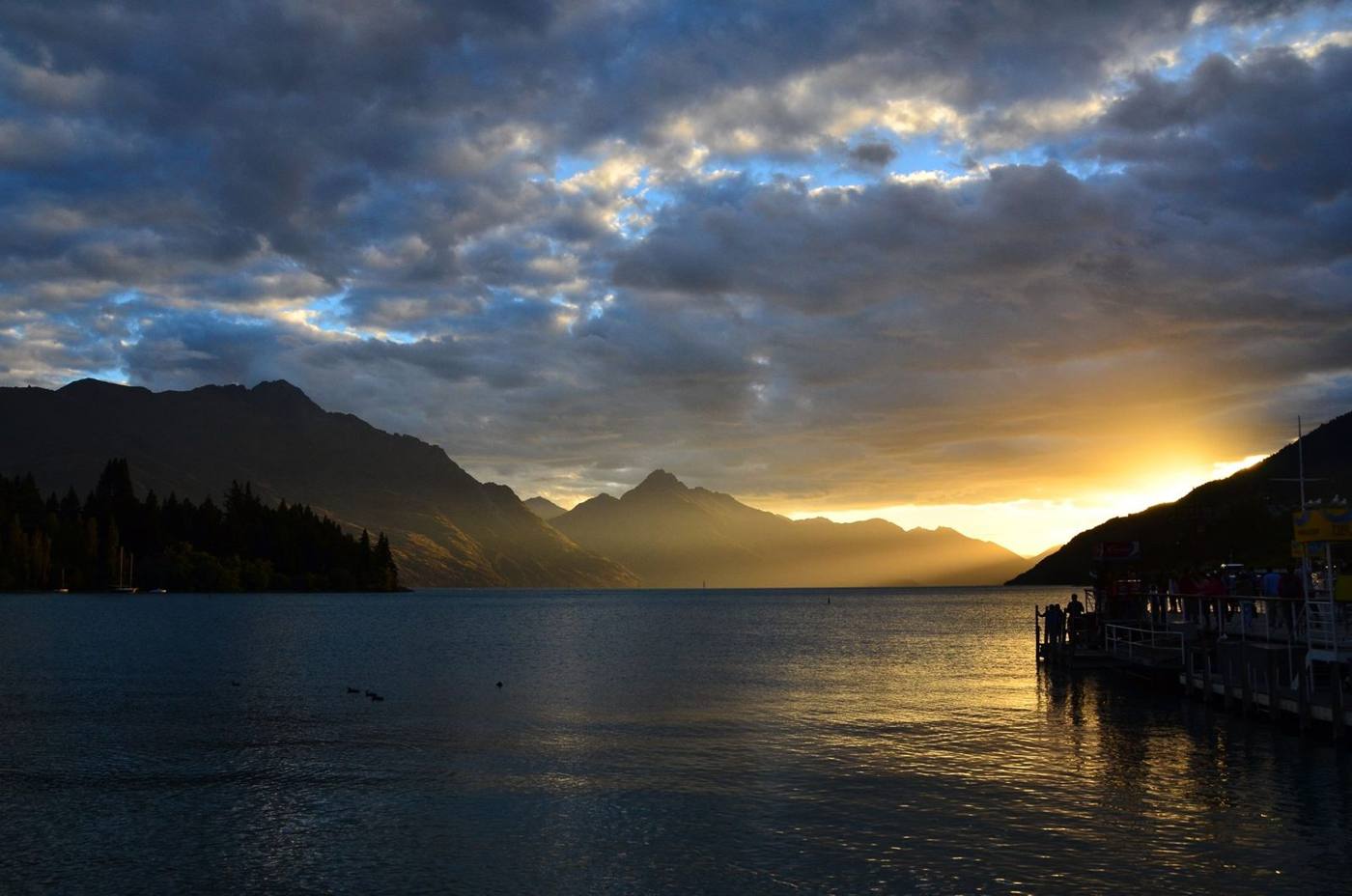
Queenstown and Fiordland
The adventure capital and the surroundings of Glenorchy, then Fiordland with Milford and the more remote Doubtful Sound and a section of the Routeburn Track.
 21 daysModerate
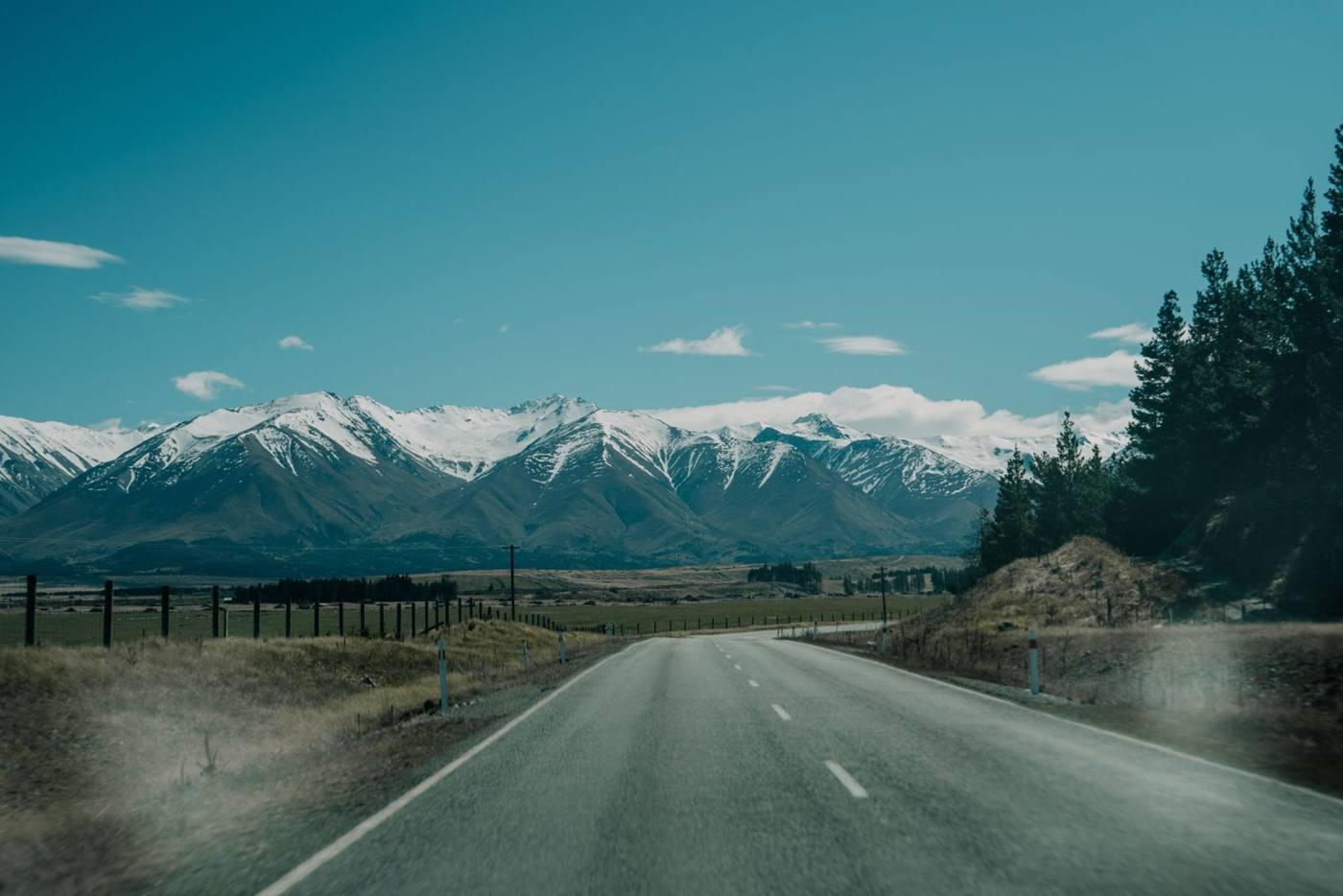
The complete New Zealand
Three weeks from Auckland to Christchurch: Rotorua and Tongariro, Wellington, Abel Tasman, the West Coast, Queenstown, Milford Sound and Mount Cook.