Kratovo and Kokino
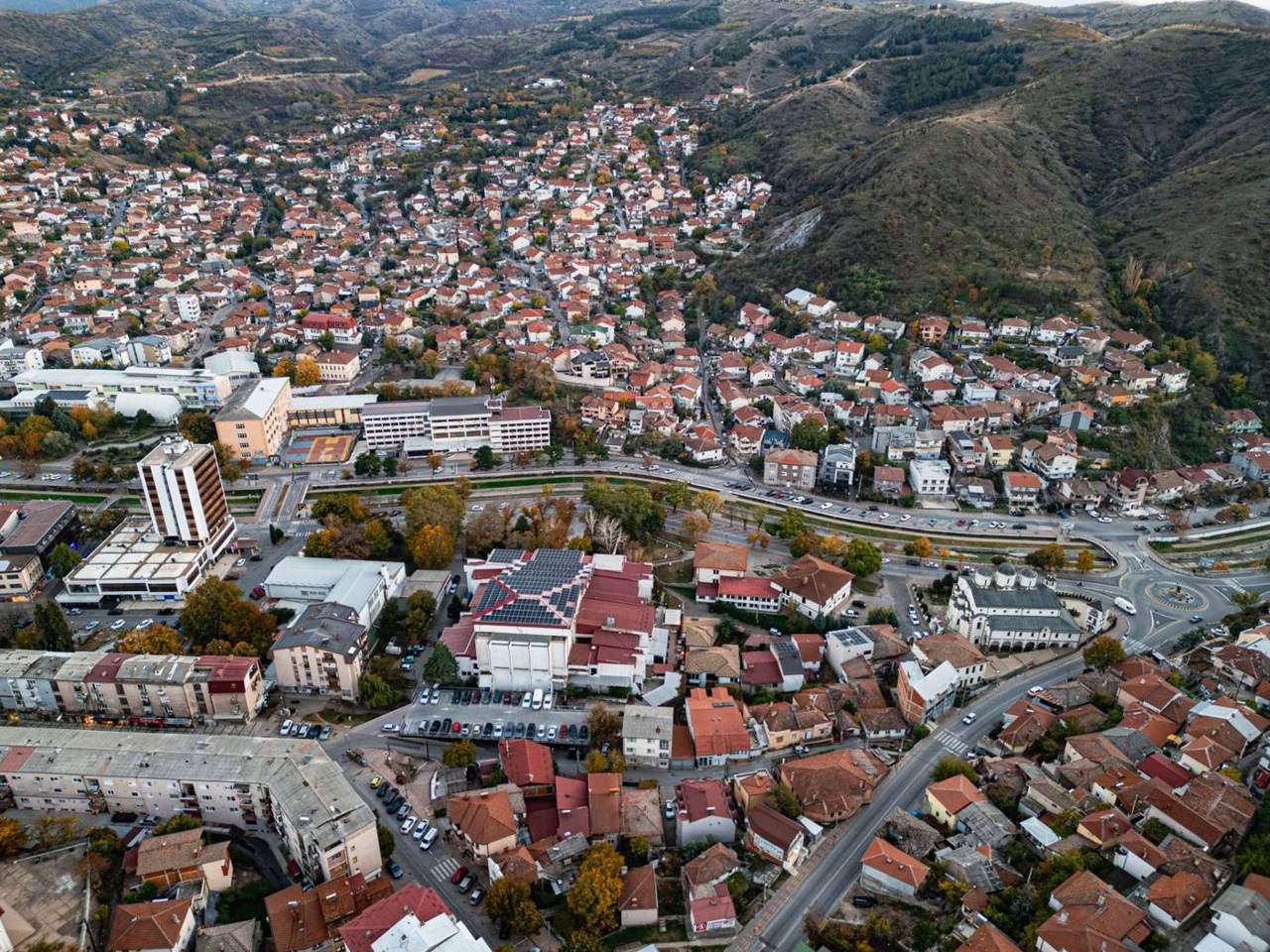
The town of Kratovo inside a volcanic crater with its medieval bridges and towers, the megalithic observatory of Kokino and the 'stone dolls' of Kuklica.
- Skopje
- Kokino
- Kratovo
- Kuklica
- Štip
Day by day
- Day 1
The megalithic observatory of Kokino
This trip takes you to north eastern North Macedonia, an area with almost no tourists: the megalithic observatory of Kokino, the small town of Kratovo inside the crater of an extinct volcano, with its medieval bridges and towers, the stone dolls of Kuklica and the town of Štip. You travel by car.
Before you go: Italian citizens can enter North Macedonia with an electronic identity card or a passport, with no visa needed, for stays of up to 90 days; bring a document with at least three months' remaining validity. The paper identity card has no longer been valid for foreign travel since 3 August 2026. Other nationalities should check their own rules. The country is not in the European Union: you need travel health insurance, because the EHIC is not valid. The currency is the denar. The country is calm, but avoid driving at night on unfamiliar country roads, and from April to October watch out for wildfires.
From Skopje drive north east for about an hour and a half, through Kumanovo. The Kokino observatory stands on the top of a volcanic hill, among dark rocks and meadows. It was discovered in 2001 and is considered a Bronze Age observatory, about 3,800 years old. The ancient inhabitants carved marks and seats into the rocks, aligned with the rising of the sun and moon on the days of the solstices and equinoxes, to follow the calendar of the seasons.
Walk up the path to the top and look at the stones, the clefts and the horizon. A panel explains the alignments.
Practical tip: Kokino is at its best at dawn or sunset, but to avoid driving in the dark on country roads go with a local guide who knows the area, or visit in the afternoon and leave before evening.
- Day 2
Kratovo, the bridges and towers in the crater
You spend the second day in Kratovo, one of the most unusual small towns in the Balkans.
In the morning drive to Kratovo, about an hour from Kumanovo. The town lies inside the crater of an extinct volcano: the houses are built on the steep slopes around a hollow, and from the bottom you see the hills closing in all around. In Roman times and in the Middle Ages gold, silver and lead were mined here, and the town was rich and important.
Walk along the stream that runs through the centre, crossed by several arched stone bridges built centuries ago. Go from one bridge to the next and look at the houses with wooden balconies hanging over the water. Then look for the medieval stone towers, tall and narrow, which defended the town and the merchant families. Some can be visited: check prices and times.
In the afternoon drive for about half an hour to the monastery of Lesnovo, near Probištip, from the fourteenth century. Its church has very well preserved Byzantine frescoes, with scenes from the life of Christ and the saints. It is an active place of worship: go in with your shoulders and legs covered.
In the evening go back to Kratovo and have dinner with pastrmajlija, an oval flatbread topped with small pieces of meat, or with grilled meat.
Practical tip: in Kratovo the streets are steep and cobbled: leave the car at the top and walk down.
- Day 3
The stone dolls of Kuklica, Štip and the return
On the last day you see one of the strangest landscapes in the country and a historic town, before returning to Skopje.
In the morning drive about ten kilometres to Kuklica, near Kratovo. Here rain and wind have carved the soft rock into dozens of tall, thin columns, with shapes that look like human figures. Local people call them the stone dolls. According to legend, they are the guests at a wedding turned to stone. A short path winds among the columns: the best light is early in the morning. Check prices and times.
Then carry on south for about an hour to Štip, a lively town on the banks of the Bregalnica river. Climb Isar hill, with the remains of the medieval fortress and a view over the town. Then go down to the centre, where you see the old covered bazaar and the Orthodox churches. If you have time, visit the remains of the late Roman town of Bargala, about twenty kilometres away.
In the afternoon return to Skopje, about an hour and a half by road.
Trip summary: in three days you have seen the megalithic observatory of Kokino, the town of Kratovo in its crater, with its bridges and towers, the monastery of Lesnovo, the stone dolls of Kuklica and the town of Štip. This is an unusual side of North Macedonia, with almost no tourists. The roads are good, but services are few.
When to go: from April to October. In spring and autumn the light is lovelier and it is cooler than in high summer.
Practical tip: fill up with fuel and withdraw cash in Kumanovo or Štip, because in the villages petrol stations and cash machines are few.
An unusual Macedonia, almost without tourists. Kokino is best at sunset or dawn. Roads are good but services are few.
Before you go
- Documents and visa
- EU citizens can enter with a valid identity card or passport, without a visa, for stays of up to 90 days in any 180. North Macedonia is not in the EU or the Schengen area. Other nationalities should check their own rules; British passports need at least three months' validity beyond the date you leave.
- Health and vaccines
- No vaccines required. The EHIC is not valid: take insurance covering medical costs and repatriation, and helicopter rescue if you hike in the mountains. Summers in the valleys are very hot: drink plenty of water. Emergencies: 112.
- Money and payments
- Macedonian denar. Cards work in cities and tourist areas; villages, markets and mountain guesthouses need cash. There are cash machines in every town.
- Power sockets
- Types C and F, 230 volts: you need an adapter for British plugs.
- Time zone
- Central European Time (UTC+1, summer UTC+2).
- Safety
- Attacks on foreign nationals are extremely rare, but there is pickpocketing and bag snatching in Skopje's shopping and nightlife areas, especially late at night. The UK says terrorist attacks cannot be ruled out and that organised crime groups are active in northern areas near the border with Kosovo. Wildfires are possible from April to October and the authorities often close forests in summer. Avoid driving after dark on unfamiliar rural roads. In the mountains the weather changes quickly and trails are not always marked: do not hike alone. Official advice: GOV.UK.
Information checked in November 2026 for Italian and EU citizens. Rules change: always check before you travel.
Variations
Shorter version: in one day from Skopje you see Kokino and Kratovo.
Longer version: add a day for the monastery of Staro Nagoričane, near Kumanovo, and one for the wines of Tikveš.
Frequently asked questions
How old is the Kokino observatory?
It is considered a Bronze Age observatory, about 3,800 years old. It was discovered in 2001.
Is Kratovo really inside a volcano?
Yes, the town lies in the crater of a volcano that has been extinct for a very long time. You see it clearly from the surrounding hills.
Do you need a car for this trip?
Yes, public transport is limited and does not reach Kokino or Kuklica. Avoid driving at night on country roads.
Indicative itinerary written by World Atlas. Before booking, check timetables, seasonal openings, documents and safety.
 3 daysEasy
Struga and Vevčani
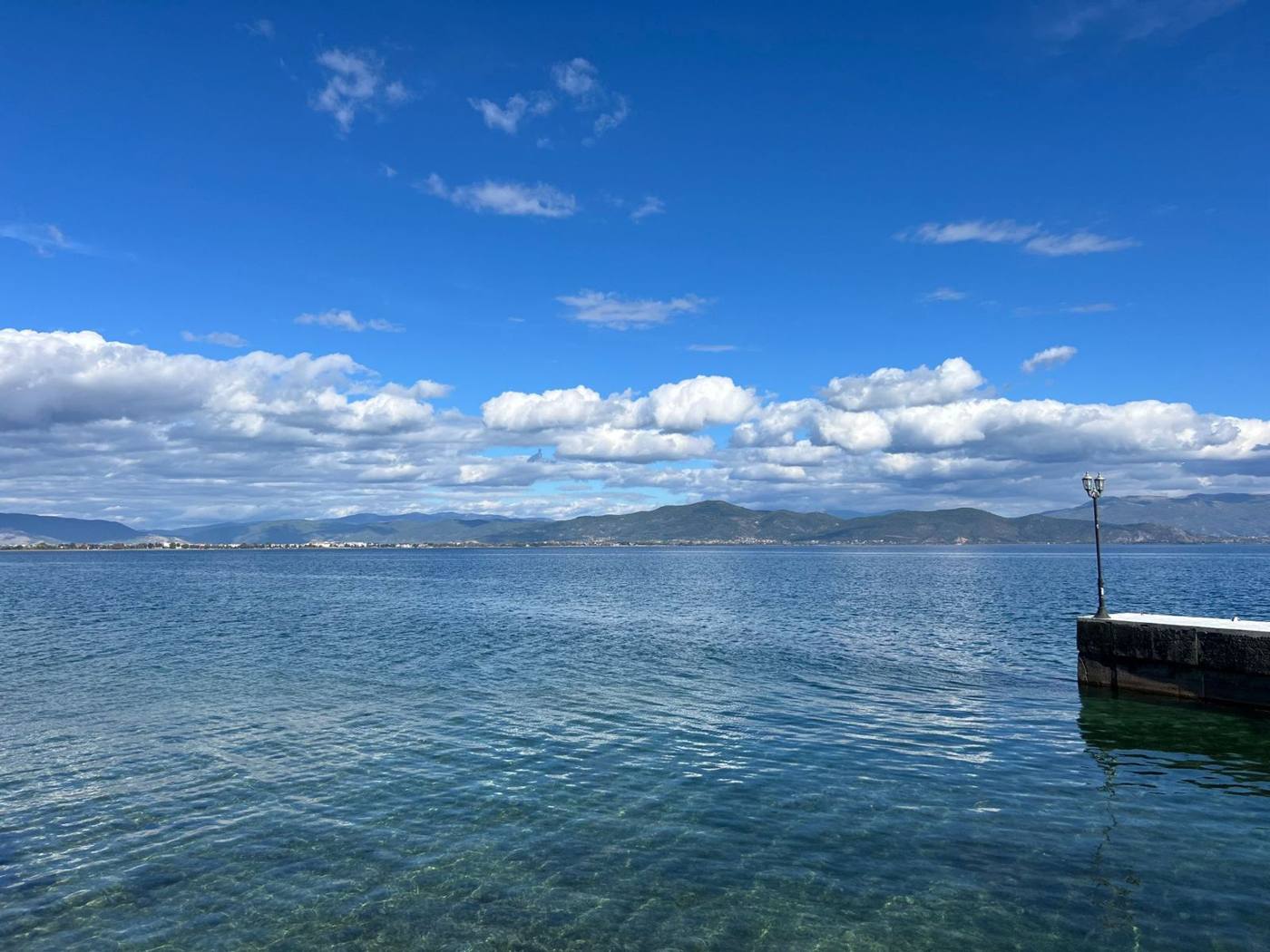
Struga where the Black Drin leaves Lake Ohrid, Vevčani village with its springs and its tongue-in-cheek 'republic', and the Vevčani carnival in January.
 4 daysModerate
The Šar mountains
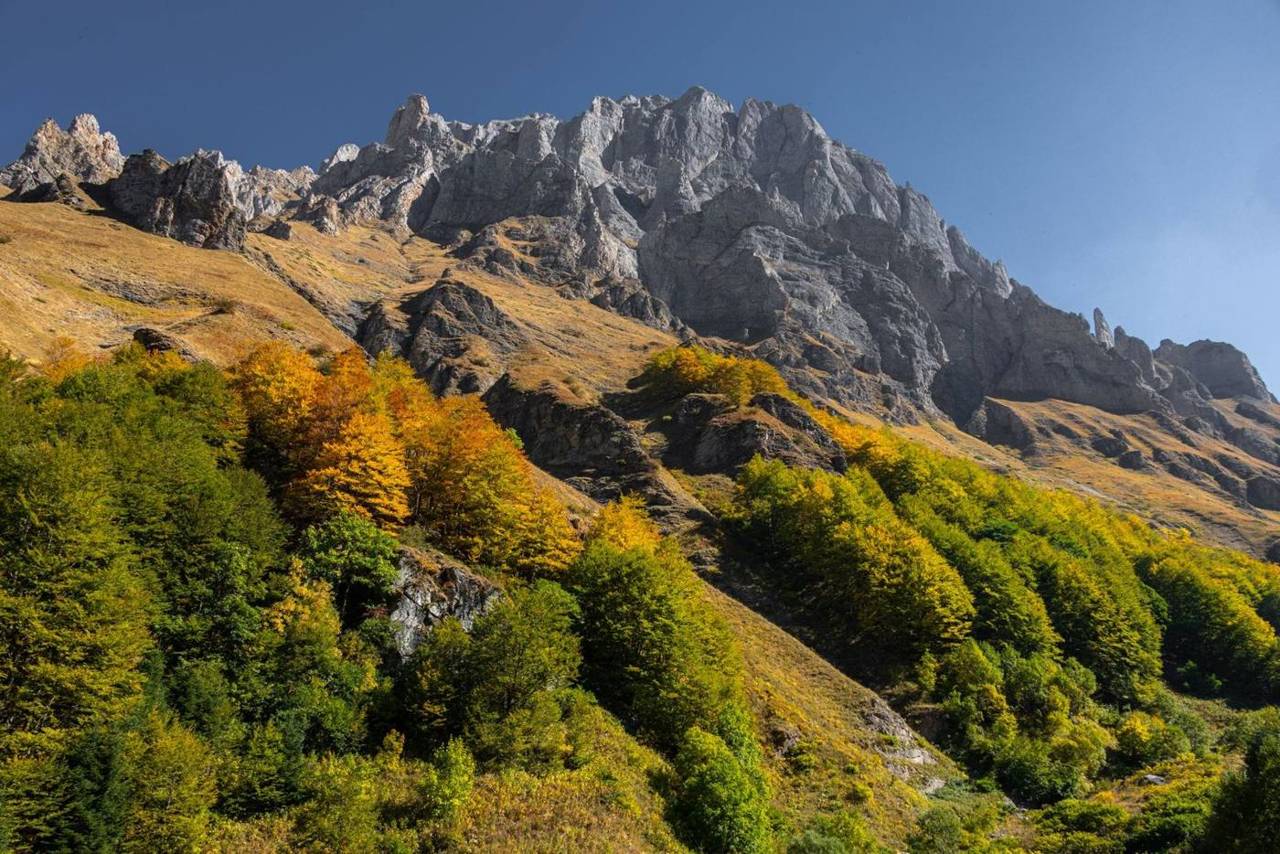
Tetovo with its painted mosque and the Arabati Baba dervish lodge, the ride up to Popova Šapka and hikes to the Šar glacial lakes up to Titov Vrv.
 3 daysEasy
Dojran and the south-east
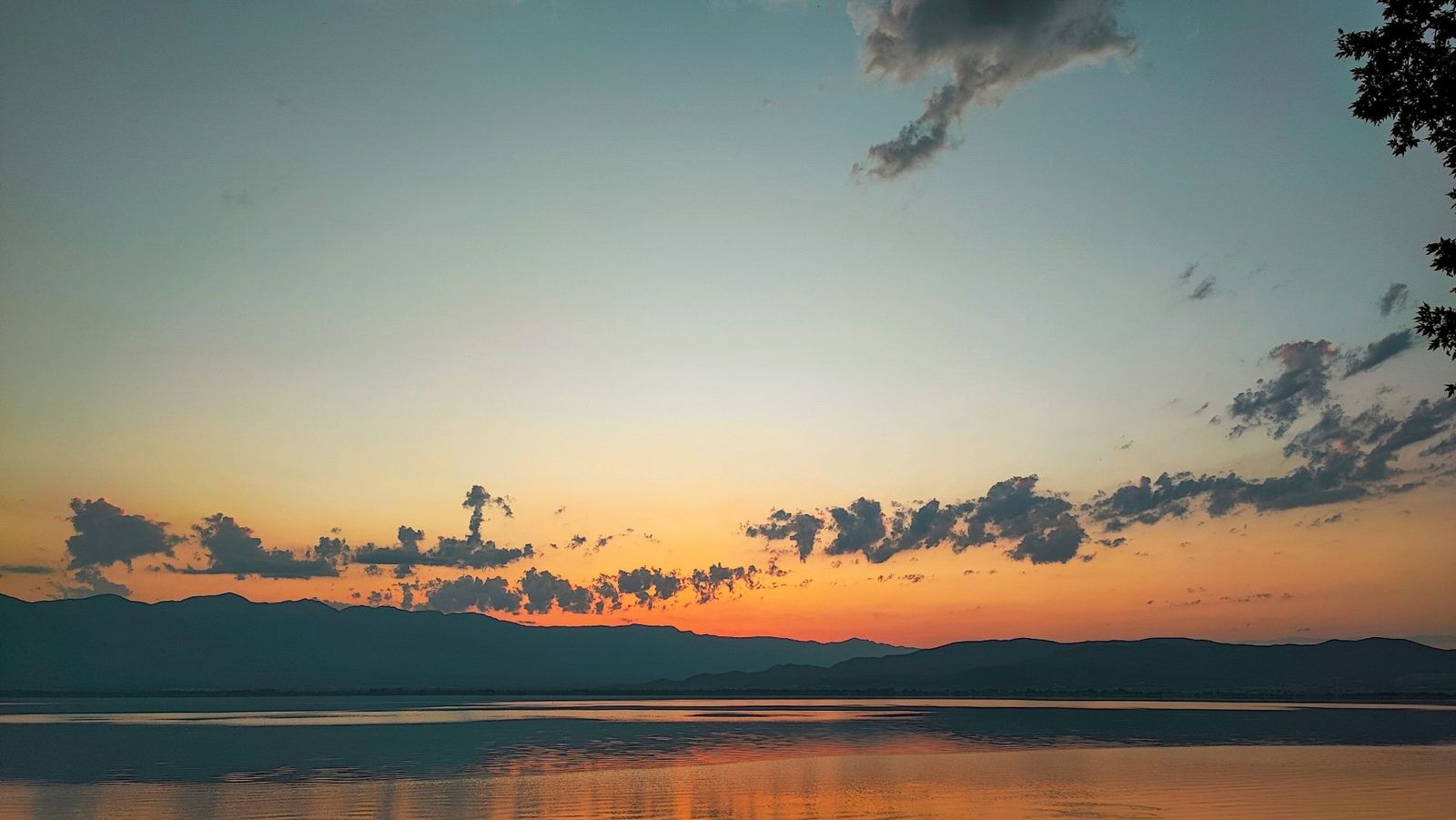
Lake Dojran with its traditional cormorant-assisted fishing and beaches, the Kolešino and Smolare waterfalls and the town of Strumica.