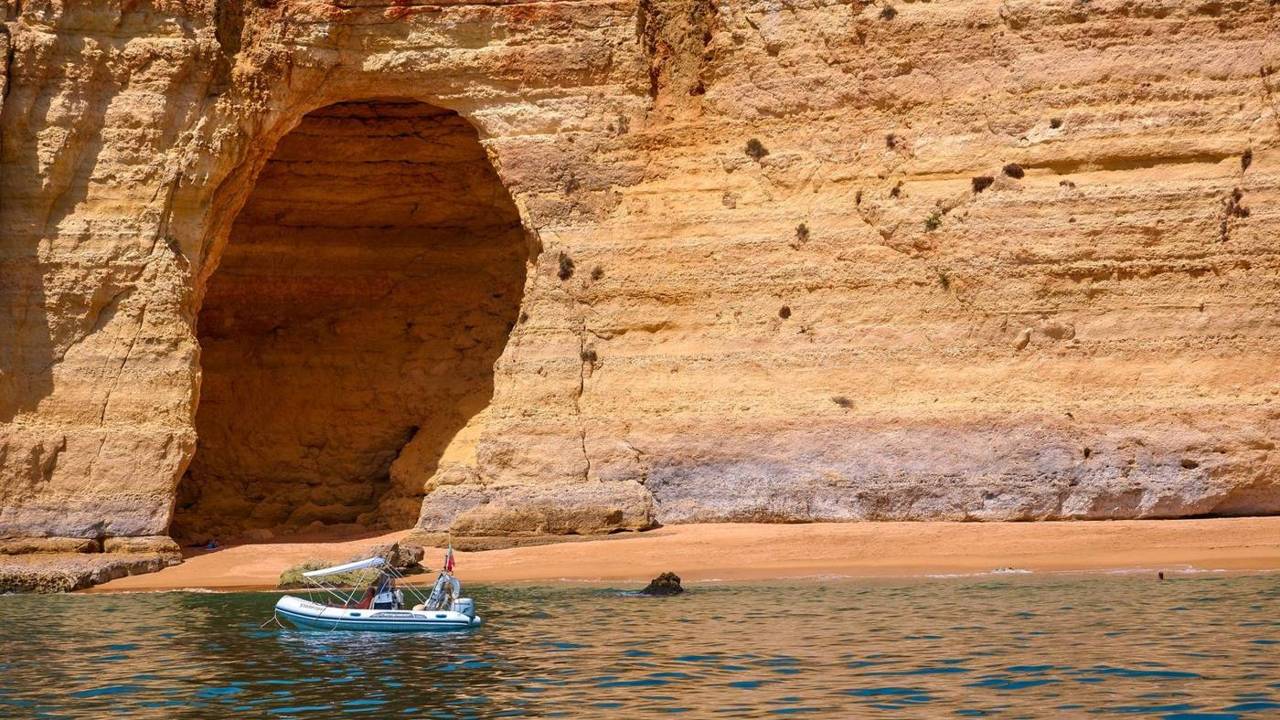
The Algarve and the Vicentine coast
Golden cliffs, the Benagil cave and the wild beaches of the Alentejo.
- Faro
- Benagil
- Lagos
- Sagres
- Aljezur
Day by day
- Day 1
Arrival in Faro and the Ria Formosa lagoon
Faro has the Algarve's airport, about twenty minutes from the centre by bus or taxi. You need a car for this trip: pick it up at the airport. Since 1 January 2025 the A22, the motorway across the whole region, is clear of toll. Many coastal municipalities charge a small tourist tax, usually 1 to 2 euros per person per night. For two nights stay in Faro or Olhão, close to the lagoon.
In the afternoon enter the Cidade Velha, Faro's old town, through the Arco da Vila: inside the walls are the cathedral, whose tower looks out over the whole lagoon, and lanes paved with white cobbles. Just outside, behind the Carmo church, is the Chapel of Bones, lined with the remains of more than a thousand monks: small and strange, it takes fifteen minutes.
Around four take a boat into the Ria Formosa, the lagoon natural park: a maze of channels, salt pans and sand islands protecting sixty kilometres of coast. Boats leave Faro harbour or Olhão for Ilha Deserta, Ilha da Culatra or Ilha do Farol, with endless ocean beaches. Flamingos, spoonbills and seahorses live in the lagoon.
For dinner in Olhão try the lagoon shellfish, clams Bulhão Pato style with garlic and coriander, and cataplana, the closed copper pot in which fish, shellfish and vegetables are cooked. Practical tip: check the time of the last boat back from the islands, as outside summer there are few.
- Day 2
The Benagil caves from the sea and the Seven Hanging Valleys trail
Today is the coast of golden cliffs, the Algarve's most famous. Benagil cave, with the hole in its roof letting light onto the inner beach, can only be seen from the sea and under strict rules in force since August 2024: swimming or using floats to reach it is banned, landing on the beach inside is banned, and kayaks may enter only with a licensed guide. The number of boats and kayaks inside and the time they may stay are limited.
So choose a guided kayak trip or a boat from Benagil, Carvoeiro or Portimão, early in the morning when the sea is calmer. Trips are cancelled in rough seas: keep a spare day in your plans. Besides Benagil, the boats go into dozens of caves and arches along the coast.
In the afternoon walk the Seven Hanging Valleys trail, which runs along the cliffs for about six kilometres between Marinha beach and Vale Centeanes beach. The route is marked and easy, with views of rock arches, caves seen from above, including the hole in Benagil's roof, and coves. Marinha beach, with its sea stacks, is one of the most photographed in Portugal.
In the evening sleep in Carvoeiro or Lagos, where you will spend the next two nights. Practical tip: on the trail keep away from the cliff edges, which are sandstone and crumble, and in summer walk early in the morning or towards evening, as there is no shade.
- Day 3
Lagos and Ponta da Piedade
Lagos is the liveliest town in the western Algarve, with its old centre inside 16th-century walls. In the morning visit the church of Santo António, with its gilded wood interior and azulejos, and the square of the old slave market, the first in Europe, opened in 1444: a small museum tells this history honestly. The Ponta da Bandeira fort closes the harbour on the sea side.
Then go up to Ponta da Piedade, twenty minutes on foot from the centre or a few minutes by car: a headland of yellow rock pillars and arches rising from an emerald sea, with a lighthouse on top. A stairway of about one hundred and eighty steps goes down to the water, where small boats and kayaks leave to weave between the caves and stacks. The boat trip lasts about forty minutes and is the best way to see it.
In the afternoon choose one of the nearby beaches: praia do Camilo, with its long wooden stairway down through the rocks, or the larger praia Dona Ana. In summer they are small and crowded: arrive early or go towards evening.
For dinner in Lagos try grilled sardines and octopus, and for dessert a dom Rodrigo, an Algarve sweet of eggs, almonds and egg threads. Practical tip: in July and August parking in Lagos is hard, so use the paid car parks outside the walls.
- Day 4
Sagres and Cape St Vincent at sunset
Drive west to Sagres, half an hour from Lagos, the south-western corner of Europe, where the landscape changes: no more buildings, only bare cliffs, wind and open ocean. Sagres fortress occupies a flat headland above the sea: inside are a great stone wind rose, a chapel and a path around the edge, with fifty-metre cliffs and anglers fishing from the top.
In the morning Sagres has several beaches sheltered from the wind depending on its direction: Martinhal, the quietest, and Tonel or Beliche, loved by surfers. Beginners' surf lessons run here all year. If you like wildlife, dolphin-watching boat trips also leave from Sagres, with operators who respect the distances.
In the afternoon, towards sunset, drive six kilometres to Cape St Vincent, with Europe's most powerful lighthouse on a sheer cliff above the Atlantic. The ancients thought it was the end of the world. At sunset it fills with people: arrive an hour early and bring a jacket, as the wind is strong even in summer. Before the lighthouse there is often a van selling the last sausage before America, an ironic local speciality.
Sleep in Sagres or return to Lagos. Practical tip: the area is part of the Costa Vicentina natural park, so stay on the paths and leave no litter.
- Day 5
The Costa Vicentina: Arrifana and Odeceixe
Today head up the west coast, the wildest in Portugal, protected by the Southwest Alentejo and Vicentine Coast natural park. No big hotels, white villages, fields of low grass and huge beaches pounded by the ocean. The Rota Vicentina, a network of walking trails, runs along the coast, including the famous Fishermen's Trail along the clifftops.
The first stop is praia da Arrifana, near Aljezur, a semicircular bay beneath the cliffs, with a lone rock in the water and the remains of a fortress on top. The viewpoint takes in the whole bay; it is one of the best-known surf beaches in the area. Then visit Aljezur, with its ruined Moorish castle on the hill above the town.
In the afternoon continue to Odeceixe, the last Algarve village before the Alentejo. Its beach is special: the Seixe river loops before reaching the ocean, so on one side there is calm river water, good for children, and on the other the sea waves. From Odeceixe a stretch of the Fishermen's Trail heads north towards Zambujeira do Mar: walk it for an hour and come back.
Sleep in Aljezur or Odeceixe. For dinner try percebes, goose barnacles gathered on the rocks, and Aljezur's batata-doce, the local sweet potato. Practical tip: on the west coast the water is cold even in summer and currents are strong: swim only at lifeguarded beaches.
- Day 6
Tavira, the town of bridges, and its island
Leave the west coast early and cross the whole Algarve on the A22 to Tavira, about an hour and a half east of Lagos. Tavira is the region's most elegant town: white houses with four-sided roofs, thirty-seven churches and the Gilão river crossed by an old bridge of medieval origin between the two halves of town.
Climb to the castle, whose walls survive around a garden, and the church of Santa Maria do Castelo, with the tombs of Reconquista knights. Nearby is the Tavira tower, an old water tower where a camera obscura projects a live image of the town onto a screen. Then walk along the river to the old market, now full of bars.
In the afternoon take the boat to Ilha de Tavira, an eleven-kilometre sand island in the Ria Formosa, with a vast ocean beach and warmer water than on the west coast. Alternatively go to praia do Barril, where a little train crosses the lagoon to the beach and the anchor cemetery, hundreds of rusty anchors left in the sand by tuna fishermen.
Tavira is the port of tuna and octopus: for dinner try muxama, dried tuna loin, or octopus salad. Sleep in Tavira. Practical tip: out of season the boats to the island are few, so check the times at the pier in the morning.
- Day 7
Departure from Faro
Tavira is about half an hour from Faro airport. If your flight is in the afternoon, in the morning you can visit Cacela Velha, a tiny white village on a terrace above the lagoon, with a church, a fort and views over the sandbanks: at low tide you can wade across the shallows to the beach, otherwise there is a small boat.
Alternatively stop in Loulé, inland, where on Saturday mornings there is the open-air farmers' market next to the Moorish-style covered market. It is the place to buy things to take home: dried figs, almonds, the fruit-shaped almond sweets, carob honey, salt and flor de sal from the Ria Formosa, or a bottle of medronho, the strawberry-tree brandy of the hills.
If you still have an hour, at Estoi near Faro are the Roman ruins of Milreu, with fish mosaics, and a pink 19th-century palace turned hotel with a garden open to visitors.
Return the car at the airport with the fuel level as agreed and allow at least two hours before your flight: in summer security at Faro is slow. Practical tip: if the rental car has an electronic toll device, check that the charges are billed correctly on the invoice.
Portugal's most varied week by the sea: the golden cliffs of the Algarve and the wild beaches of the Vicentine coast. The Atlantic stays cool even in summer. In July and August the Algarve is very crowded, while the west coast stays quieter.
Before you go
- Documents and visa
- EU citizens need a valid identity card or passport. Other nationalities should check the Schengen rules.
- Health and vaccines
- No vaccines required. EU citizens should bring their EHIC. Emergencies: 112.
- Money and payments
- Euro. Cards are accepted almost everywhere. Lisbon, Porto and several municipalities, including in the Algarve, charge a tourist tax per person per night.
- Power sockets
- Types C and F, 230 volts.
- Time zone
- Western European Time (UTC+0, summer UTC+1); the Azores are one hour behind the mainland.
- Safety
- A very safe country. In Lisbon watch for pickpockets on tram 28 and in the busiest areas; in summer, wildfire risk inland. Official advice: GOV.UK.
Information checked in November 2026 for Italian and EU citizens. Rules change: always check before you travel.
Variations
In 5 days: Faro and the Ria Formosa on the first day, the Benagil caves and the Seven Valleys trail on the second, Lagos and Ponta da Piedade on the third, Sagres and Cape St Vincent on the fourth, back to Faro on the fifth. You give up the Costa Vicentina and Tavira.
In 10 days: add two days on the Alentejo coast, at Vila Nova de Milfontes and Zambujeira do Mar, walking the Fishermen's Trail, and a day inland at Monchique and Silves, with its red stone castle.
Frequently asked questions
Can I go into Benagil cave?
Yes, but only from the sea and with a licensed operator, by boat or by kayak with a guide. Since 2024 swimming or floating to it and landing on the beach inside are banned; the number of craft and the time spent inside are limited. In rough seas trips are cancelled.
When is the best time to go?
May, June, September and early October: fairly warm sea, fewer crowds and lower prices. July and August are the busiest and most expensive months. In winter the climate is mild, good for walking, but many services on the west coast close.
Do I need a car?
Yes. Trains and buses link Faro, Lagos and Tavira, but Benagil, the Seven Valleys trail, Sagres, Cape St Vincent and the Costa Vicentina are hard to reach by public transport. The A22 has been clear of toll since 2025.
Indicative itinerary written by World Atlas. Before booking, check timetables, seasonal openings, documents and safety.
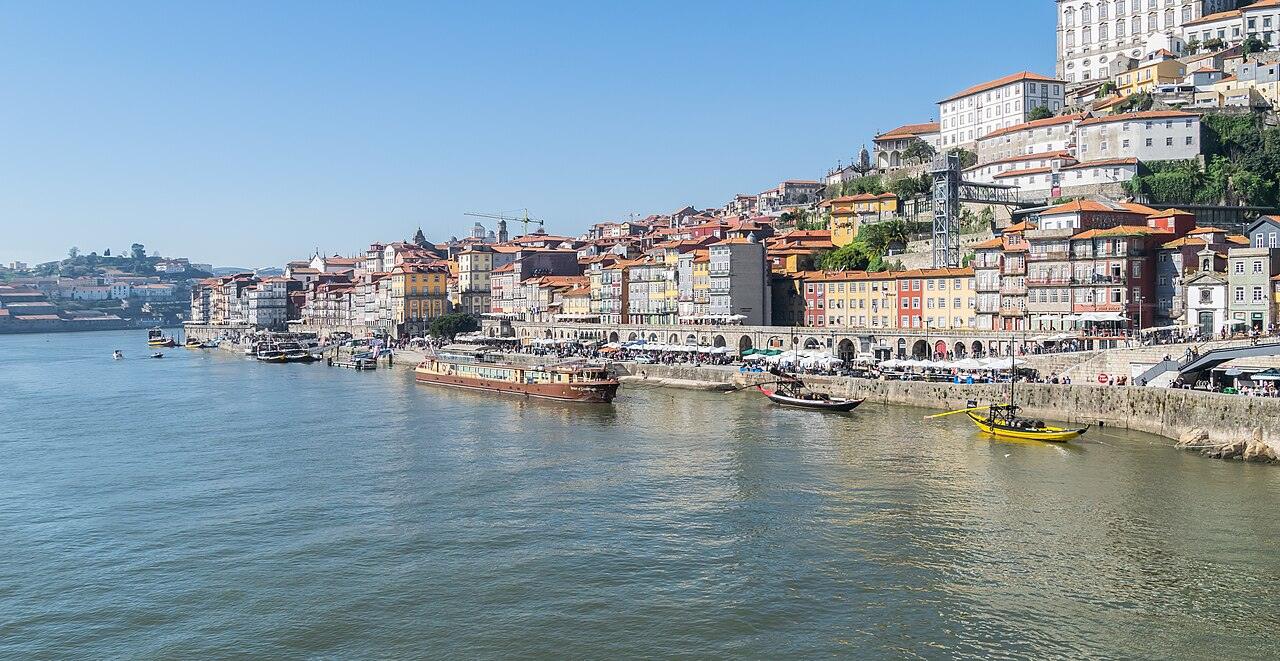 7 daysEasy
Lisbon, Sintra and Porto
Portugal's two best-loved cities and the romantic palaces of Sintra, by train.
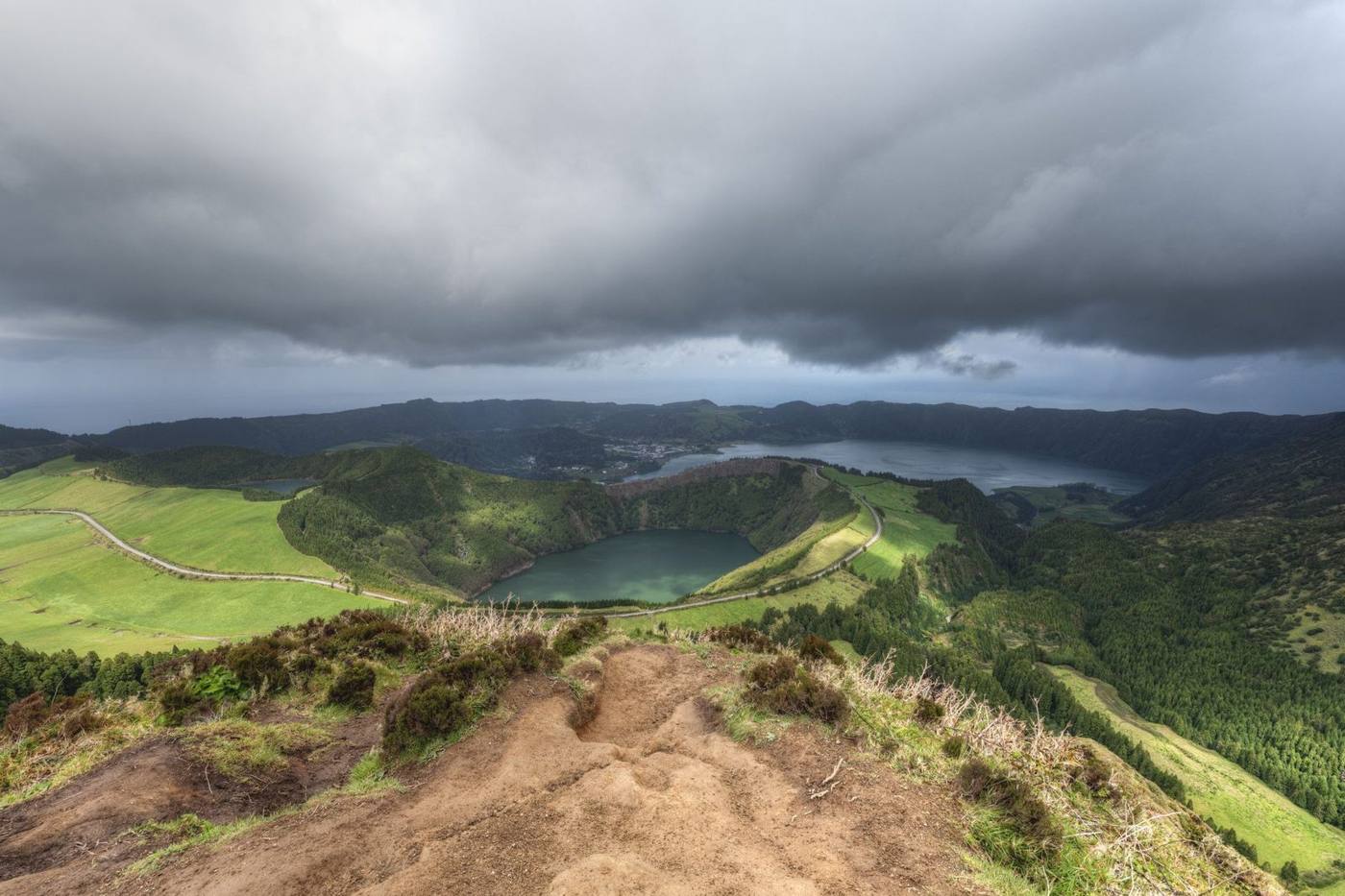 7 daysModerate
Azores: São Miguel
Crater lakes, hot springs, tea plantations and boat trips for whales and dolphins.
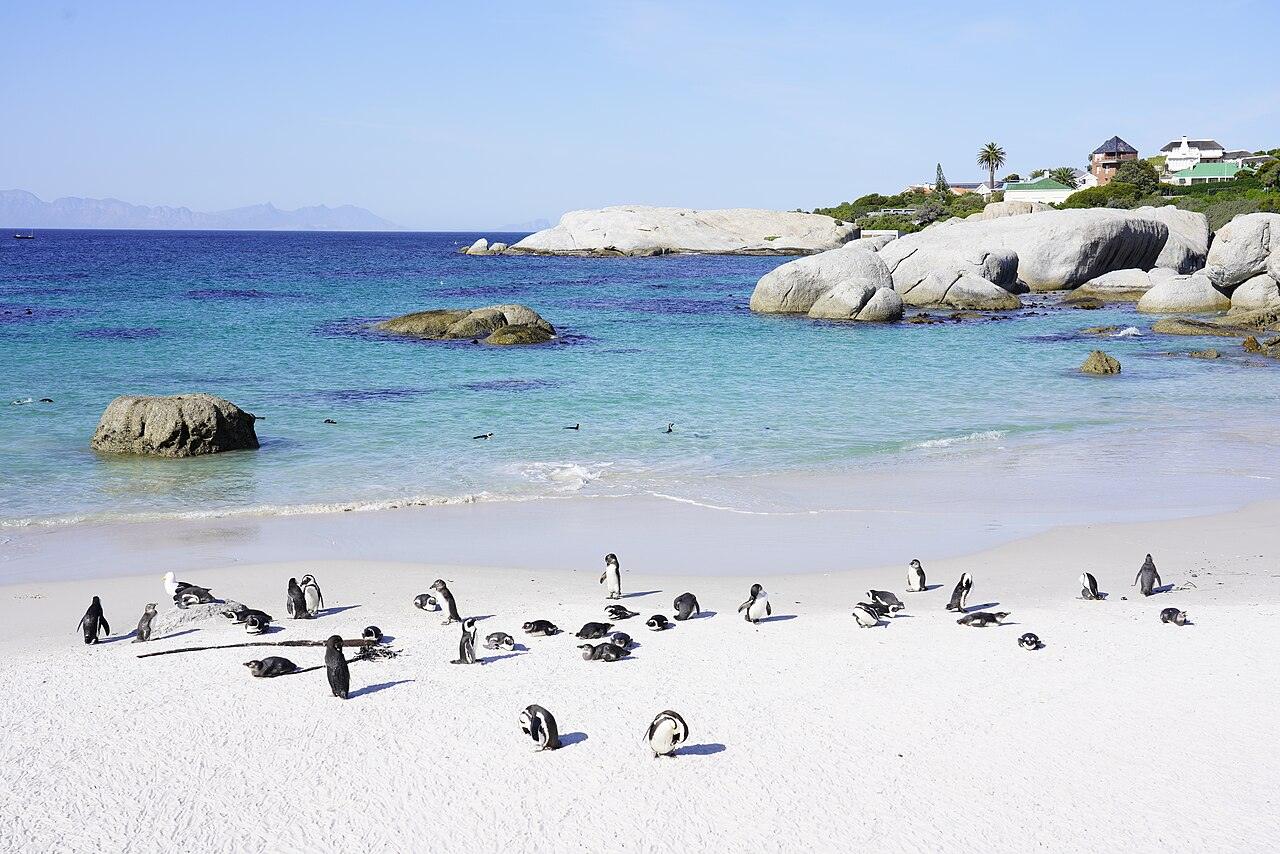 7 daysEasy
Cape Town and the Cape Peninsula
A week of Table Mountain, the penguins of Boulders Beach, the Cape of Good Hope and the Stellenbosch vineyards.