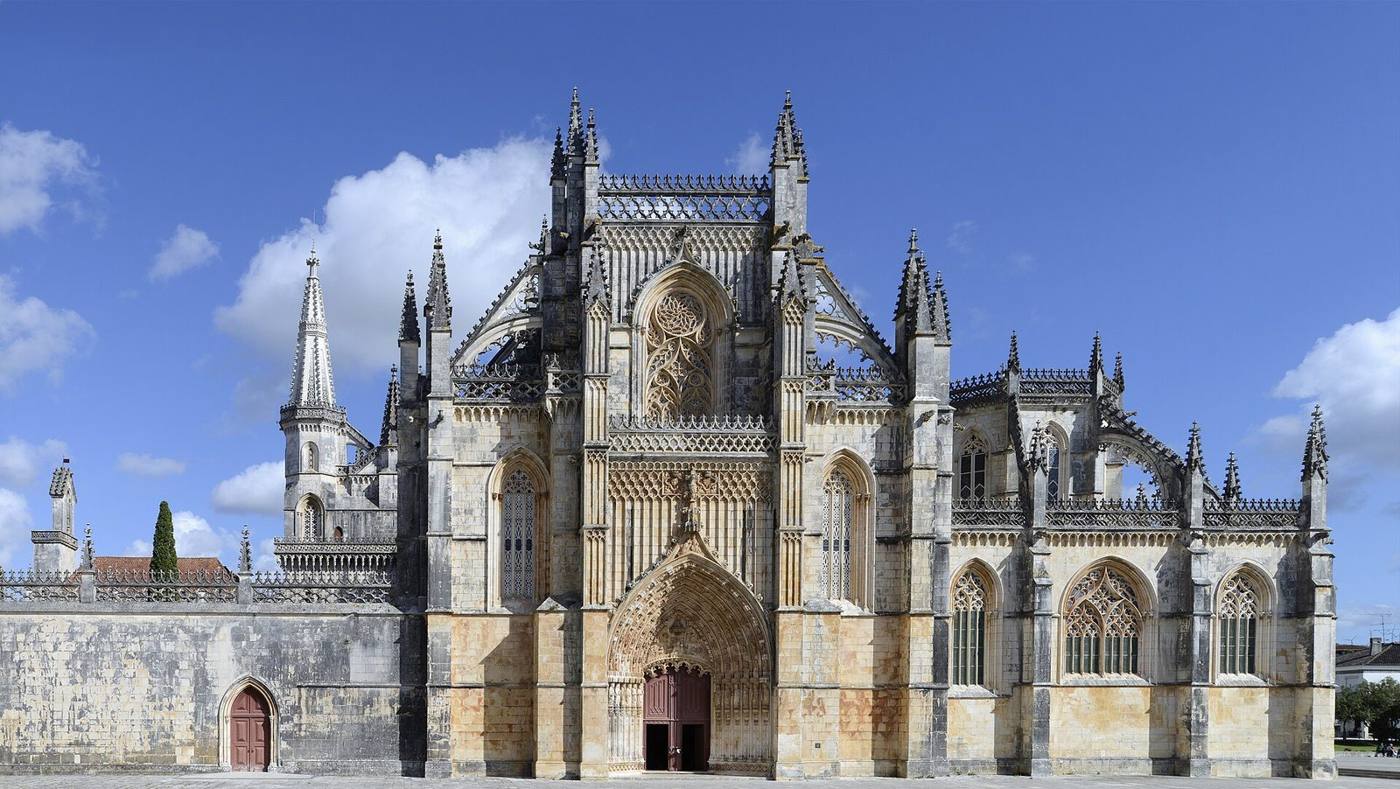
The central monasteries: Batalha, Alcobaça and Tomar
Three UNESCO monasteries a few kilometres apart: Gothic Batalha with its Unfinished Chapels, the Cistercian abbey of Alcobaça with the tombs of Pedro and Inês, the Templar convent at Tomar, then Coimbra with the university's baroque library and the fishing town of Nazaré.
- Lisbon
- Tomar
- Batalha
- Alcobaça
- Nazaré
- Coimbra
Day by day
- Day 1
Tomar and the Convent of Christ
To enter Portugal EU citizens can use a valid identity card or passport. Check the rules for your nationality.
Central Portugal, between Lisbon and Porto, holds three of the country's most important monuments, all UNESCO World Heritage sites: the Convent of Christ at Tomar and the monasteries of Batalha and Alcobaça. They are less than an hour apart, so for this trip it is best to rent a car in Lisbon; Tomar is about an hour and a half north-east.
Tomar is a small town on the River Nabão, with a grid-plan centre and white houses. On the hill above the town stands the Convent of Christ, founded in the twelfth century as a castle of the Knights Templar, the warrior monks of the Crusades. When the order was dissolved in 1312, the king of Portugal revived it as the Order of Christ, which financed the great maritime discoveries: the sails of the caravels bore its red cross.
The heart of the convent is the Charola, the Templars' round church, a sixteen-sided oratory inspired by the Church of the Holy Sepulchre in Jerusalem, entirely painted and gilded; tradition says the knights attended mass on horseback. Around it are eight cloisters from different periods and the famous chapter house window, the best-known symbol of the Manueline style, the Portuguese Gothic of the age of discovery, carved with ropes, seaweed, coral and armillary spheres.
In the afternoon go down into town and visit the fifteenth-century synagogue, one of the oldest in Portugal.
Practical tip: every four years, in July, Tomar holds the Festa dos Tabuleiros, when girls carry tall towers of bread and flowers on their heads.
- Day 2
Batalha and Alcobaça
In the morning drive west to Batalha, about three quarters of an hour, to visit the Monastery of Saint Mary of the Victory. It was begun in 1386 to thank the Virgin for the victory of Aljubarrota, the battle in which Portugal defended its independence from Castile, and its name means battle. It is one of Europe's Gothic masterpieces, in golden limestone, with pinnacles and tracery.
Inside you see the Founder's Chapel, with the tomb of King John I and Queen Philippa of Lancaster, and that of their son Prince Henry the Navigator, the driving force behind the Portuguese explorations of Africa. The Royal Cloister blends Gothic and Manueline, and the chapter house has a huge vault without columns, with the tomb of the Unknown Soldier of the First World War guarded by two soldiers. Behind the church are the Unfinished Chapels, an octagonal mausoleum left without a roof, open to the sky, with a great Manueline portal.
In the afternoon continue to Alcobaça, about twenty minutes away, home to the Monastery of Saint Mary, founded in 1153 by Cistercian monks, with one of the largest medieval churches in Portugal, tall, plain and luminous. In the transept lie the tombs of King Pedro I and Inês de Castro, the woman he loved, murdered on the orders of the king's father: the two finely carved tombs face each other, so that on Judgement Day the lovers may see each other as they rise. You also visit the Cloister of Silence and the monks' great kitchen, with its enormous chimney and a stream running through it.
Practical tip: there is a combined ticket for the three monasteries; ask at the first ticket office.
- Day 3
Nazaré and the Sítio viewpoint
In the morning drive to the coast at Nazaré, about a quarter of an hour from Alcobaça, a fishing town on a large Atlantic bay, with a long pale sand beach in front of white houses. Fishermen's colourful boats were once hauled ashore by oxen, and on the beach you still see some traditional boats and women drying fish in the sun on stretched nets. Some older women still wear the traditional costume with seven layered petticoats.
Take the funicular, dating from 1889, which climbs in a few minutes to the Sítio, the district on the headland more than a hundred metres above the sea. From the viewpoint you see the whole bay and town. Here stands the sanctuary of Our Lady of Nazaré, linked to the legend of a knight saved by the Virgin as his horse was about to plunge off the cliff in the fog.
In the afternoon walk to the Fort of São Miguel Arcanjo, with its lighthouse, at the tip of the headland. From here you look down on Praia do Norte, the north beach, famous worldwide for its giant winter waves, among the highest ever surfed, which can exceed twenty metres. The waves are so big because of a deep underwater canyon ending right in front of the beach, which concentrates the ocean's power. A small museum in the fort tells the story of the waves and the surfers.
In the evening taste grilled fish on the seafront.
Practical tip: giant waves usually arrive between October and March; in summer the sea is calmer, but never swim when the red flag is up.
- Day 4
Coimbra: the university and the Joanina Library, then the train to Lisbon or Porto
In the morning drive north to Coimbra, about an hour, Portugal's university city, built on a hill above the River Mondego. It was the country's first capital in the twelfth century. Its university, founded in 1290 and moved here in 1537, is one of the oldest in Europe and, together with the upper town, a UNESCO World Heritage site.
At the top of the hill, around the courtyard called Paço das Escolas, visit the former royal palace, with the Great Hall of Acts, where graduation ceremonies are still held, the Chapel of Saint Michael, with tiles and a baroque organ, and the clock tower. The masterpiece is the eighteenth-century Joanina Library, with three rooms decorated in gilded wood and Chinese lacquer, full of old books. To protect the books from insects, a small colony of bats has lived in the library for centuries, coming out at night; the tables are covered every evening. Entry is at fixed times and numbers are limited.
In the afternoon walk down the steep streets to the lower town, passing the Romanesque Old Cathedral, which looks like a fortress, to the Monastery of Santa Cruz, with the tombs of Portugal's first two kings. Coimbra's students still wear the traditional black cape, and the city has its own fado, sung only by men, with night-time serenades.
From Coimbra trains reach Lisbon in about two hours and Porto in about an hour.
Things to take home: convent sweets such as pastéis de Tentúgal, Alcobaça ceramics, Bairrada wine and wool blankets.
Practical tip: check your government's travel advice before leaving.
Easy by car between Lisbon and Porto. There is a combined ticket for the three monasteries. Nazaré's giant waves come in winter, between October and February. The Joanina library has timed entry: book ahead. A valid identity card is enough for EU citizens.
Before you go
- Documents and visa
- EU citizens need a valid identity card or passport. Other nationalities should check the Schengen rules.
- Health and vaccines
- No vaccines required. EU citizens should bring their EHIC. Emergencies: 112.
- Money and payments
- Euro. Cards are accepted almost everywhere. Lisbon, Porto and several municipalities, including in the Algarve, charge a tourist tax per person per night.
- Power sockets
- Types C and F, 230 volts.
- Time zone
- Western European Time (UTC+0, summer UTC+1); the Azores are one hour behind the mainland.
- Safety
- A very safe country. In Lisbon watch for pickpockets on tram 28 and in the busiest areas; in summer, wildfire risk inland. Official advice: GOV.UK.
Information checked in November 2026 for Italian and EU citizens. Rules change: always check before you travel.
Variations
In 2 days: Tomar on day one, Batalha and Alcobaça on day two, returning to Lisbon.
In 7 days: add Óbidos, the walled village, and Fátima, or continue from Coimbra to Aveiro and Porto.
Frequently asked questions
Which document do I need for Portugal?
A valid identity card or passport for EU citizens.
Do I need a car?
Yes, it is much easier; the monasteries are close together but buses are few. Coimbra has trains to Lisbon and Porto.
When can I see Nazaré's giant waves?
Usually between October and March, on days of big swells; follow the forecasts a few days ahead.
Indicative itinerary written by World Atlas. Before booking, check timetables, seasonal openings, documents and safety.
 4 daysModerate
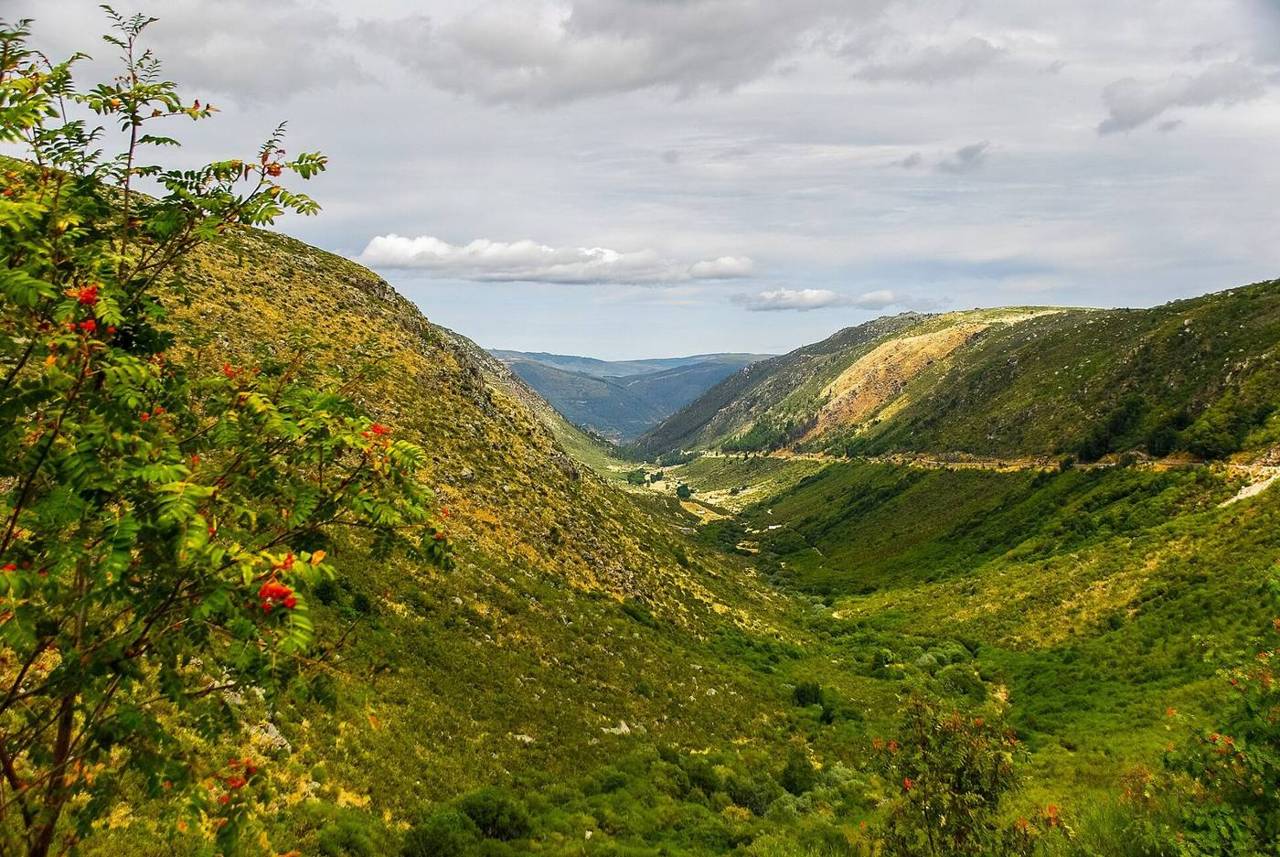
Serra da Estrela
The highest mountains in mainland Portugal: the glacial valley of the Zêzere seen from Covão d'Ametade, the high lakes and Torre at almost 2,000 metres, stone villages such as Manteigas and Linhares da Beira and the cheese of the serra.
 3 daysEasy
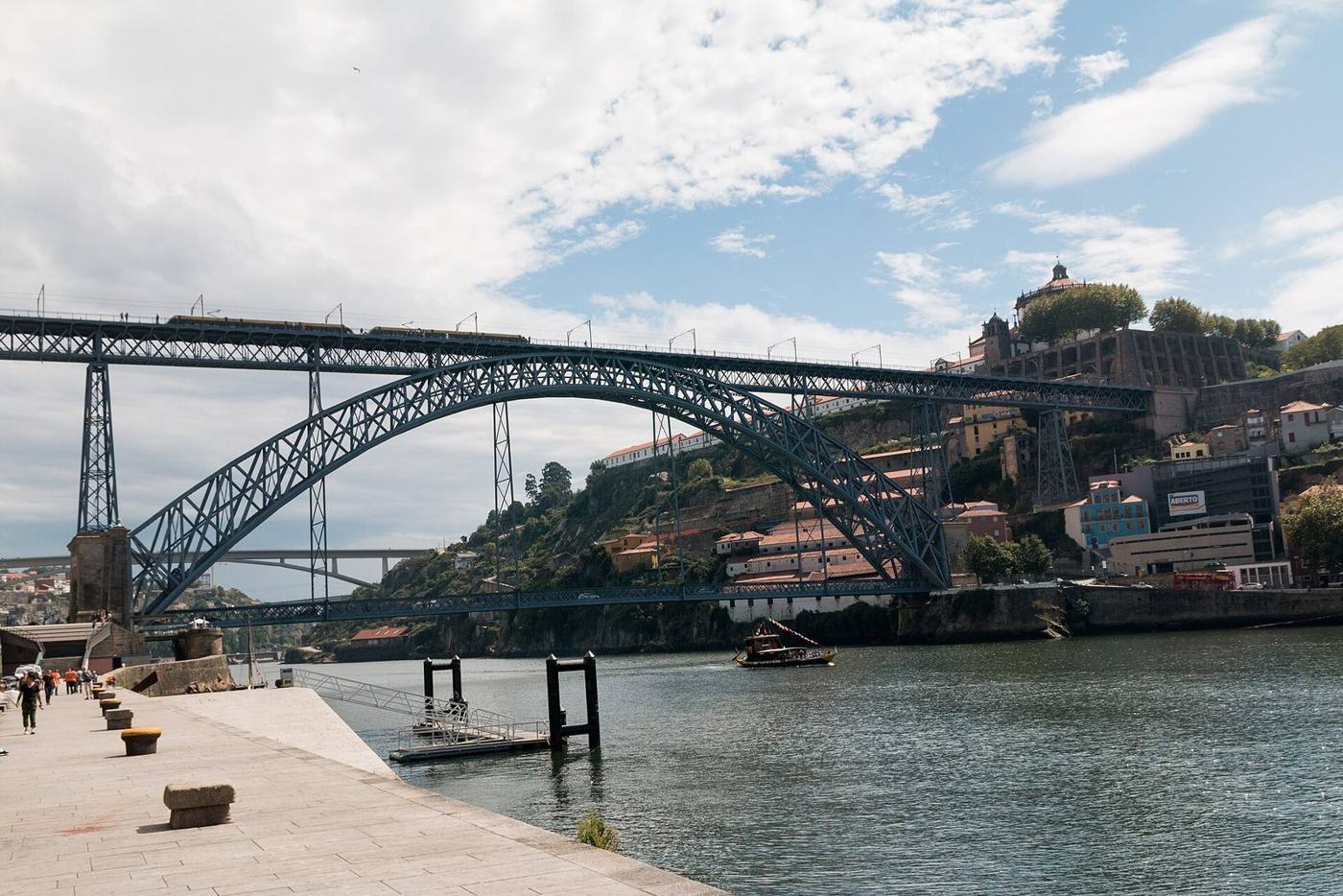
Porto in depth
The Douro city at an easy pace: São Bento station and its azulejos, the Clérigos tower, Ribeira and the Dom Luís bridge on foot, the port wine lodges of Vila Nova de Gaia, Serralves museum and Foz on the ocean.
 6 daysModerate
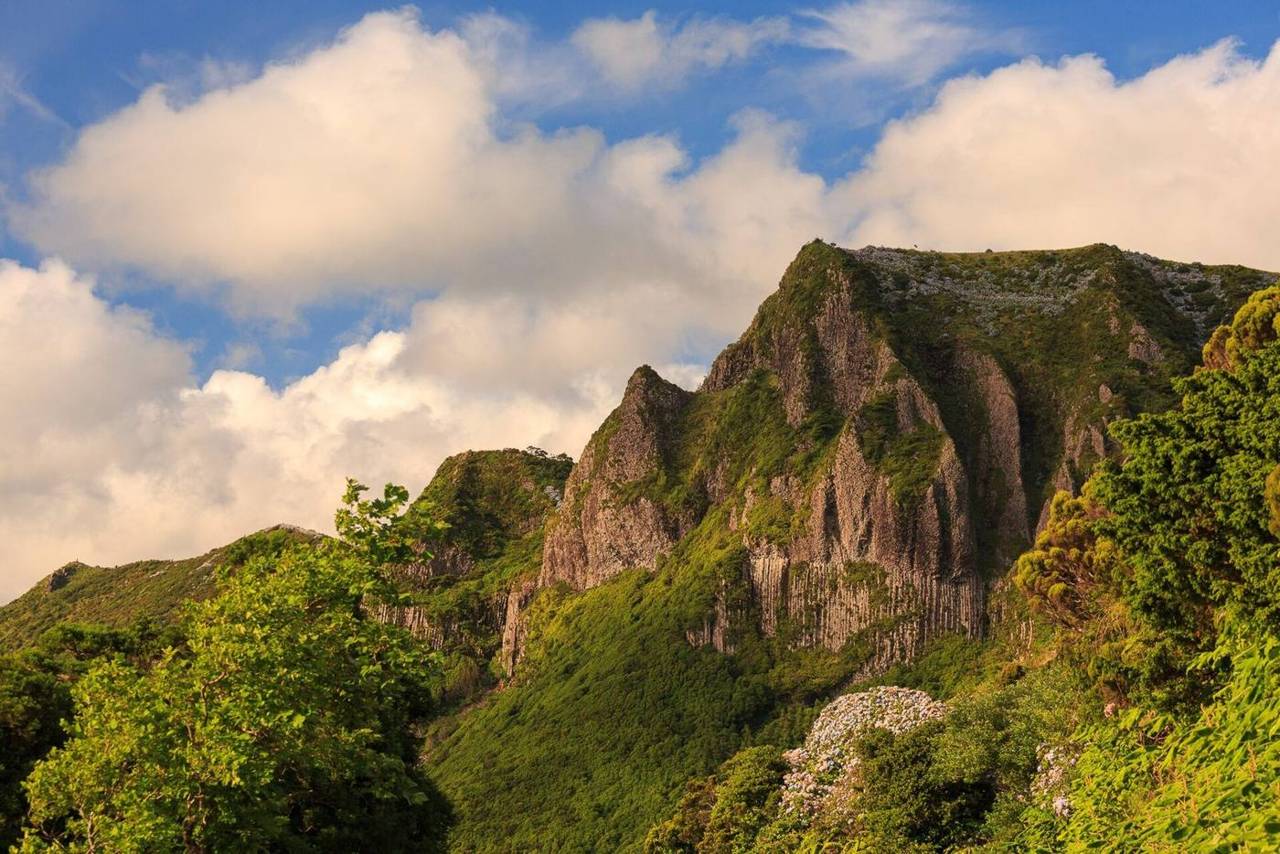
The western Azores: Flores and Corvo
Europe's most remote islands, on the American plate: Flores with dozens of waterfalls, crater lakes and the Rocha dos Bordões, coastal trails among hydrangeas and cliffs, and by boat Corvo, the smallest, with its great Caldeirão crater.