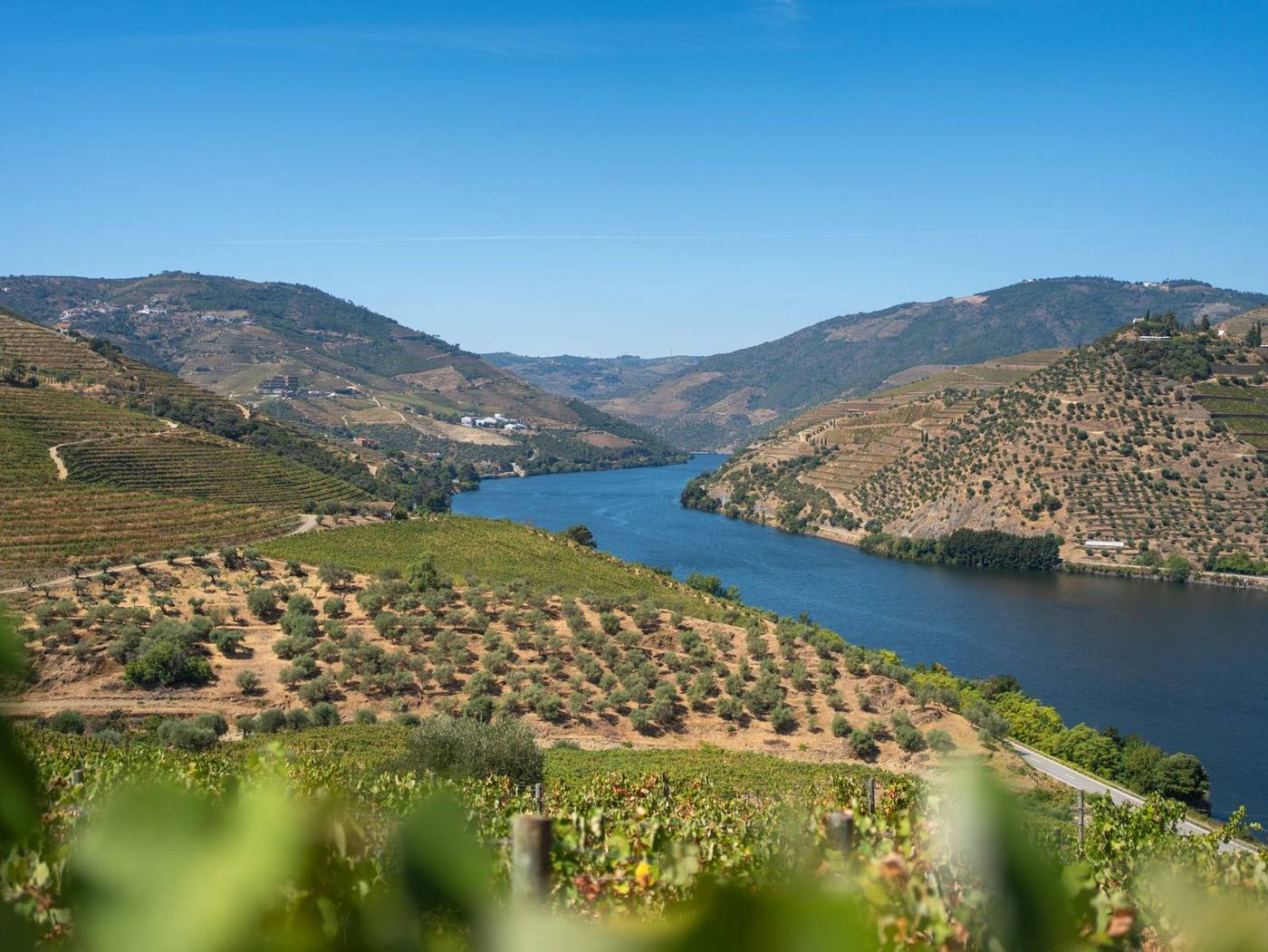
The Douro Valley and the Historic Villages of the Beiras
From Porto up the river past the wine quintas, on to the rock engravings of the Côa, and back along the Spanish border from one fortress to the next.
- Porto
- Amarante
- Peso da Régua
- Pinhão
- Lamego
- Vila Nova de Foz Côa
- Castelo Rodrigo
- Almeida
- Sortelha
- Piódão
Day by day
- Day 1
Arrival in Porto
This road trip follows the Douro valley upstream, the oldest demarcated wine region in the world, with terraced vineyards cut into schist hillsides, and then enters the Beiras, Portugal's interior towards Spain, with prehistoric rock engravings and fortified stone villages barely changed for centuries. It is a little known Portugal, far from the beaches and the famous cities.
Before you leave: Portugal is part of the Schengen area and European Union citizens only need an identity card. Many Portuguese motorways have electronic tolls only: ask the rental company how to pay them.
You fly into Porto. If you arrive early, collect the car only tomorrow morning: in central Porto you walk and use the metro and trams.
In the evening go down to the Ribeira, the riverside district, a UNESCO site, with narrow coloured houses overlooking the water. Cross the lower deck of the Dom Luís I bridge and look, on the other bank, at the port wine cellars of Vila Nova de Gaia: the wine you will see being made in the coming days, in the valley upstream, comes here to age.
Have a northern Portuguese dish for dinner: salt cod, grilled octopus or the francesinha, Porto's sandwich with meat and sauce.
Sleep in Porto.
Practical tip: the best time is May to June and September to October. The harvest is at the end of September; in summer the valley is very hot.
- Day 2
Amarante and the road to Peso da Régua
In the morning collect the car and drive east to Amarante, about fifty minutes away, a small town on the Tâmega river. Its symbol is the stone bridge of São Gonçalo, with the church and convent of the same saint beside it. Houses with wooden balconies are reflected in the river.
Amarante is famous for its convent sweets, once made by nuns with egg yolks, sugar and almonds: try lérias, papos de anjo and São Gonçalo cakes in one of the pastry shops in the centre.
In the afternoon continue to Peso da Régua, about an hour away, through the hills. Here you enter the Douro region. For centuries Régua was the centre of the wine trade: from here rabelo boats sailed down the river to Porto loaded with barrels. Visit the Douro museum, which tells the history of the region, demarcated in 1756 to protect the quality of port, and of winegrowing on these very hard hillsides.
At sunset watch the river and the vineyards from the riverside.
In the evening try the cooking of the valley: cabrito, roast kid, and smoked sausages, with a Douro red.
Sleep in or near Peso da Régua.
Practical tip: the valley roads are narrow and winding. Drive slowly and do not drink if you have to drive: get a lift to dinner or sleep nearby.
- Day 3
Pinhão and a Douro quinta
Today you go to Pinhão, about half an hour from Régua along the river, in the heart of the most beautiful part of the valley. The road follows the water and runs below hills entirely covered in terraced vineyards, the socalcos, built by hand over the centuries with dry stone walls. The Alto Douro wine region is a UNESCO site.
Pinhão is a small village with a railway station decorated with blue and white azulejo panels showing life in the valley: the harvest, the boats, the landscapes. Stop to look at them.
In the morning visit a quinta, one of the wine estates of the area. Many welcome visitors with a tour of the cellars and vineyards and a tasting of port and Douro reds and whites. In some you still see lagares, the granite tanks where grapes were trodden by foot, as is still done in a few places during the harvest. Book ahead and check times and prices.
In the afternoon rest in the shade or walk among the vines on one of the marked trails around the village.
In the evening have dinner overlooking the river. Try octopus, grilled meat or baked salt cod with potatoes and olive oil from the valley.
Sleep in Pinhão or at a quinta.
Practical tip: at tastings take small sips and spit if you have to drive. Port is strong.
- Day 4
The São Leonardo viewpoint and the river by boat or train
Today is another day in the valley. In the morning drive to the São Leonardo de Galafura viewpoint, about forty minutes from Pinhão, above Régua. It is one of the finest viewpoints in the Douro: from a hill with a small chapel you see the river winding between mountains covered in terraced vineyards, like a huge green amphitheatre. A twentieth century Portuguese writer, Miguel Torga, dedicated a poem to it, carved on a stone.
Return to Pinhão and in the afternoon discover the river from the water or from the railway.
By boat: small cruises of one or two hours leave Pinhão on traditional boats, travelling upriver among the vineyards. The river is calm here, because it is controlled by dams with locks.
By train: the Douro line follows the river for dozens of kilometres from Régua to Pocinho, with constant views of the water and the terraces. You can ride a stretch from Pinhão east to Tua or Pocinho and back. In summer a historic train also runs on some days. Check times and prices.
In the evening, a last dinner in the valley.
Sleep in Pinhão.
Practical tip: the best time for photos of the valley is early morning or late afternoon, when the light is low and the terraces cast shadows.
- Day 5
Lamego and the Remédios stairway, then the Upper Douro
In the morning go to Lamego, about forty minutes from Pinhão, south of the river. Its symbol is the sanctuary of Nossa Senhora dos Remédios, a baroque church on a hilltop, reached by a great stairway with hundreds of steps, decorated with blue and white azulejos, fountains, statues and terraces. Walk up: it takes about twenty minutes. From the top you see the whole town. At the end of summer the sanctuary hosts a large religious and popular festival.
In town visit the cathedral and the Lamego museum, in a former bishop's palace, with Flemish tapestries and paintings.
For lunch try presunto de Lamego, the local ham, and the local sparkling wine, made here for a long time.
In the afternoon drive east into the Upper Douro, the highest and most remote part of the valley, towards Spain. The landscape changes: it becomes drier, with olive and almond trees and rocks, and much emptier. There are fewer quintas and fewer visitors, and the river flows through a deeper, wilder valley. In February and March almond blossom covers the hills in white and pink.
In the evening you reach Vila Nova de Foz Côa, a hilltop town, home of the Côa museum.
Sleep in Vila Nova de Foz Côa.
Practical tip: book tomorrow's guided visit to the engravings today. Places are limited.
- Day 6
The Côa valley and its rock engravings
Today you visit the Côa valley, with thousands of open air Upper Palaeolithic rock engravings, made between about thirty thousand and ten thousand years ago, on schist panels along the river. They have been a UNESCO site since 1998. They were discovered in the early 1990s during work on a dam: after a great public campaign the dam was not built and the engravings were saved.
In the morning visit the Côa museum, a modern dark stone building set into the hill, which explains who the Palaeolithic people were, how they lived and how they engraved the rock. The engravings show horses, aurochs, ibex and deer, sometimes overlapping and in motion.
Then set off on a guided four wheel drive visit to one of the sites, such as Penascosa, Canada do Inferno or Ribeira de Piscos, with a guide from the archaeological park. The sites can only be visited with official guides in small groups. The engravings are fine and are seen best in low light: some visits also take place at night with torches. Check times, prices and how to book.
In the afternoon walk among the vineyards and olive groves around the town or rest.
In the evening try inland dishes: soups, pork, sheep's cheese.
Sleep in Vila Nova de Foz Côa.
Practical tip: it is very hot here in summer. Do outdoor visits early in the morning and bring water and a hat.
- Day 7
Castelo Rodrigo and Almeida, the frontier villages
Today you visit two of Portugal's historic villages, a network of fortified inland towns near the Spanish border that defended the country for centuries.
In the morning go to Castelo Rodrigo, about half an hour east of Foz Côa. It is a small walled village on a hilltop, with the ruins of a castle and a palace, a medieval cistern, stone houses and silent lanes. From the walls you see the plains towards Spain and the Serra da Marofa. Many houses have been restored, but few people live there.
In the afternoon go to Almeida, about forty minutes to the south. Almeida is a star shaped fortress with bastions, moats and gates, built in the seventeenth and eighteenth centuries to defend the border. It is one of the best preserved fortresses of its kind in Europe. During the Napoleonic wars, in 1810, the explosion of the powder magazine destroyed the castle and part of the town during a siege. You walk on the bastions and visit the casemates, the galleries under the walls used as barracks and stores, now partly a museum.
In the evening have dinner in a local village with mountain dishes: grilled meat, beans, soups.
Sleep in or near Almeida.
Practical tip: services in these villages are few, especially out of season. Fill up with fuel and carry some cash.
- Day 8
Sortelha and the mountain road to Piódão
In the morning go to Sortelha, about an hour south of Almeida, another of the historic villages. It is a granite village enclosed by medieval walls, built on huge boulders, with a small castle and grey houses with outside staircases. You walk on the walls and among the boulders, with views over the countryside and the Serra da Estrela. It is one of the most intact medieval villages in Portugal.
In the afternoon set off for Piódão, a long mountain drive of about two and a half hours, across the Serra da Estrela and the Serra do Açor, with many bends, woods, deep valleys and few villages.
Piódão is a village built in tiers on a steep slope, with houses of dark schist and doors and windows painted blue. In the evening, with the lights on, it looks like a nativity scene. Until a few decades ago it was almost cut off, with no paved road. In the middle stands the white church, the only light coloured building among the dark houses.
In the evening walk through the village lanes, almost empty at that hour.
Have mountain food for dinner: chanfana, goat cooked in red wine, or vegetable and chestnut soups.
Sleep in Piódão.
Practical tip: the road to Piódão is narrow, with steep drops. Drive it in daylight and without hurrying.
- Day 9
Back towards Porto and departure
On the last day you drive back towards Porto for your flight. The road from Piódão takes about three hours: you come down from the mountains towards the coast and take the motorway north. Leave in plenty of time, because the first kilometres are slow.
If you have time, stop on the way in Viseu, a city with a fine historic centre, a cathedral and the museum of the painter Grão Vasco, who worked here in the sixteenth century.
In Porto, return the car at the airport. Check with the agency about paying the electronic tolls incurred during the trip.
If your flight leaves in the evening, take a last walk in Porto, in the Ribeira or in Foz, at the mouth of the Douro, where the river you have followed for days meets the Atlantic Ocean.
Before leaving buy a bottle of port or Douro red, olive oil from the valley, sweets from Amarante or a few azulejos.
This trip shows inland Portugal: a river and a landscape shaped by generations of farmers, art thirty thousand years old, border fortresses and stone villages where time seems to stand still. It suits people who love wine, history and quiet places.
Practical tip: pack bottles well protected in your suitcase. Liquids are limited in hand luggage.
For a group that puts wine first but also wants history and landscape off the usual circuit. The highlight is moving from the famous quintas of the Douro to the empty border plateau that few people visit. The drawback is the winding roads, which stretch every transfer, and the fact that drivers cannot taste: consider a local driver for the Pinhão days. Quintas must be booked, especially at harvest.
Before you go
- Documents and visa
- EU citizens need a valid identity card or passport. Other nationalities should check the Schengen rules.
- Health and vaccines
- No vaccines required. EU citizens should bring their EHIC. Emergencies: 112.
- Money and payments
- Euro. Cards are accepted almost everywhere. Lisbon, Porto and several municipalities, including in the Algarve, charge a tourist tax per person per night.
- Power sockets
- Types C and F, 230 volts.
- Time zone
- Western European Time (UTC+0, summer UTC+1); the Azores are one hour behind the mainland.
- Safety
- A very safe country. In Lisbon watch for pickpockets on tram 28 and in the busiest areas; in summer, wildfire risk inland. Official advice: GOV.UK.
Information checked in November 2026 for Italian and EU citizens. Rules change: always check before you travel.
Variations
In 5 days: Porto, Amarante and the Douro valley between Régua and Pinhão.
In 12 days: add Guimarães and Braga at the start and the Serra da Estrela at the end.
Frequently asked questions
What documents do I need?
Portugal is part of the Schengen area: European Union citizens only need a valid identity card.
Do I need a car?
Yes. The Douro train is lovely for one stretch, but for the quintas, the Côa and the historic villages you need a car. Ask the rental company how to pay the electronic tolls.
When is the best time to go?
May to June and September to October. The harvest is at the end of September; summer is very hot in the valley and the Côa; almond trees blossom in February and March.
Indicative itinerary written by World Atlas. Before booking, check timetables, seasonal openings, documents and safety.
 4 daysEasy
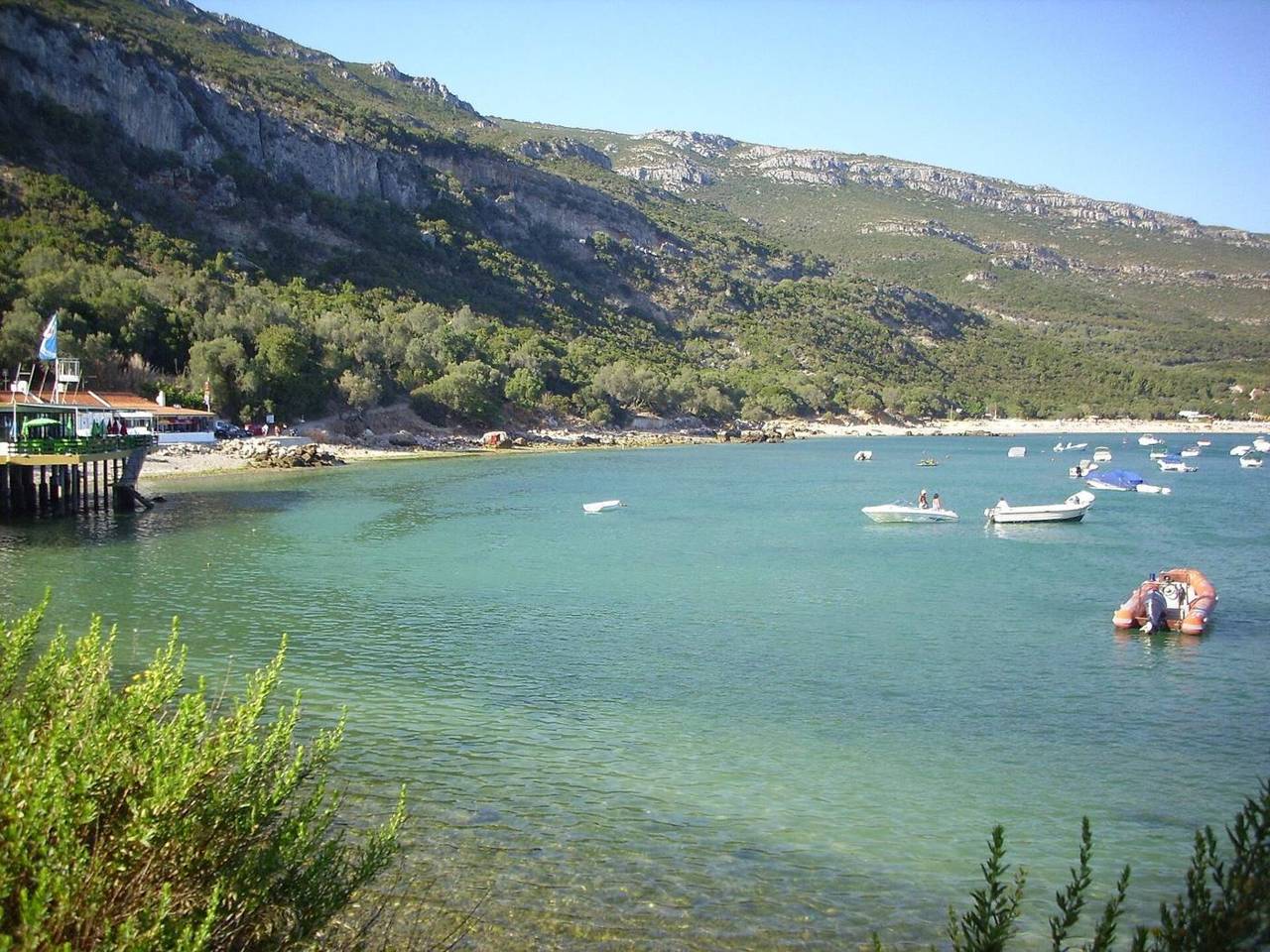
Arrábida, Setúbal and the Sado dolphins
South of Lisbon, across the bridge: the Arrábida hills with the turquoise beaches of Portinho and Galapinhos, the fishing village of Sesimbra, Setúbal and its market, the resident dolphins of the Sado estuary by boat and the dunes of the Tróia peninsula.
 4 daysEasy
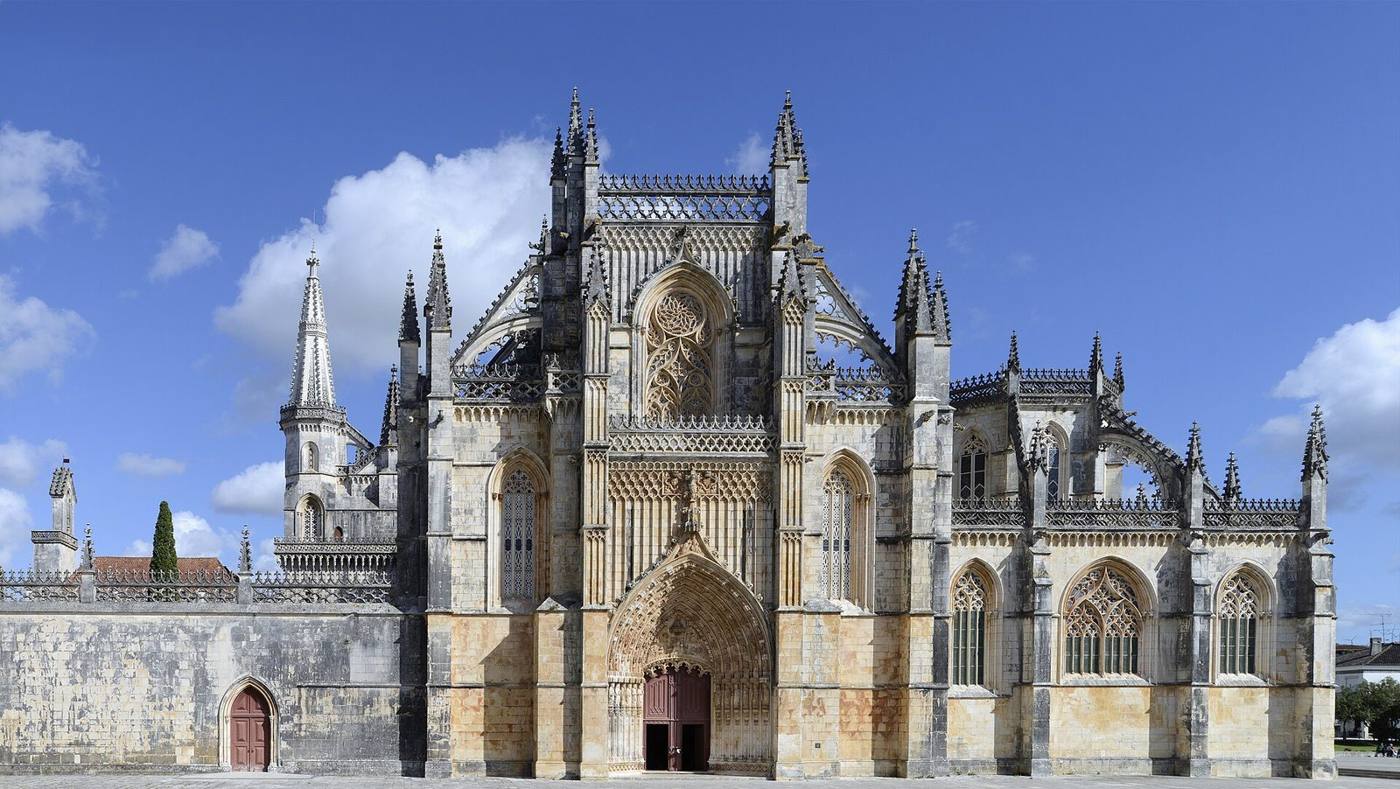
The central monasteries: Batalha, Alcobaça and Tomar
Three UNESCO monasteries a few kilometres apart: Gothic Batalha with its Unfinished Chapels, the Cistercian abbey of Alcobaça with the tombs of Pedro and Inês, the Templar convent at Tomar, then Coimbra with the university's baroque library and the fishing town of Nazaré.
 4 daysModerate
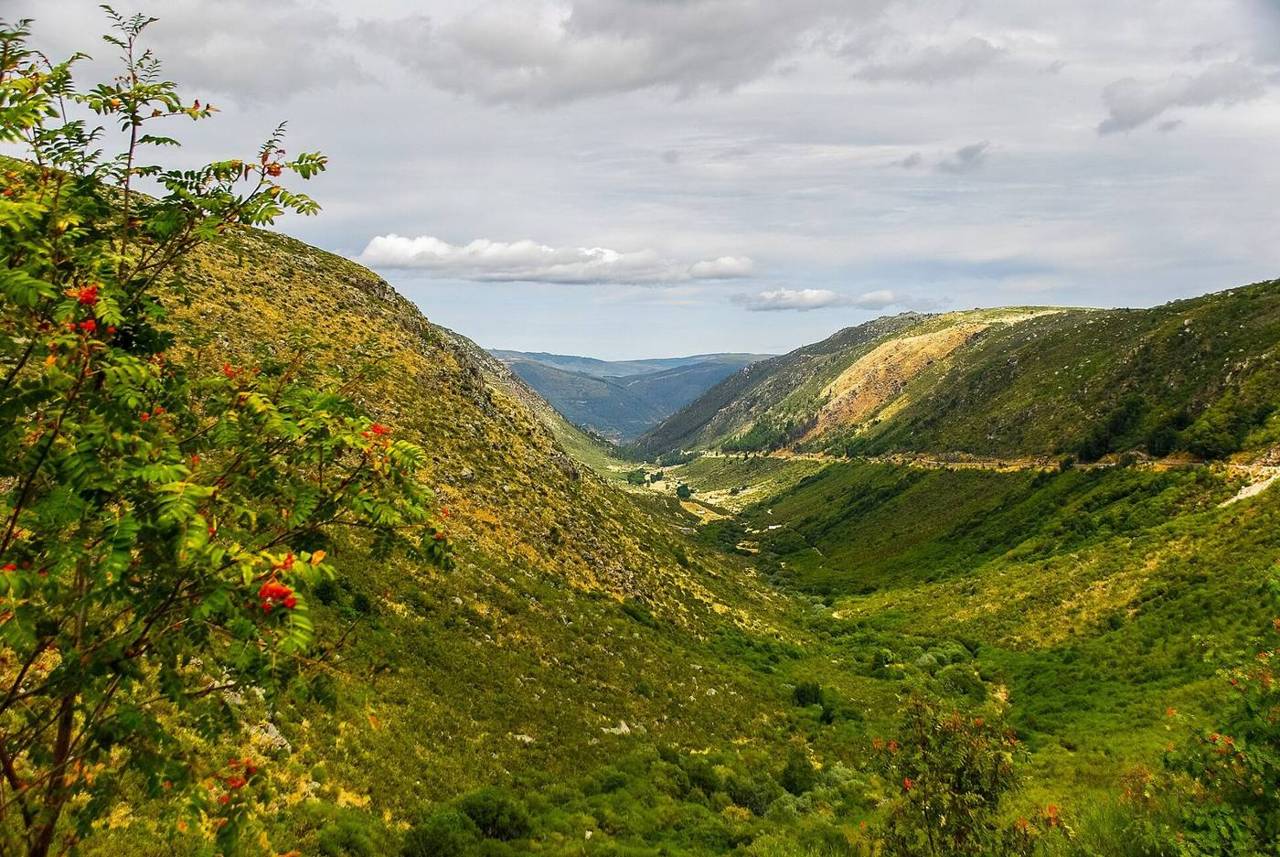
Serra da Estrela
The highest mountains in mainland Portugal: the glacial valley of the Zêzere seen from Covão d'Ametade, the high lakes and Torre at almost 2,000 metres, stone villages such as Manteigas and Linhares da Beira and the cheese of the serra.