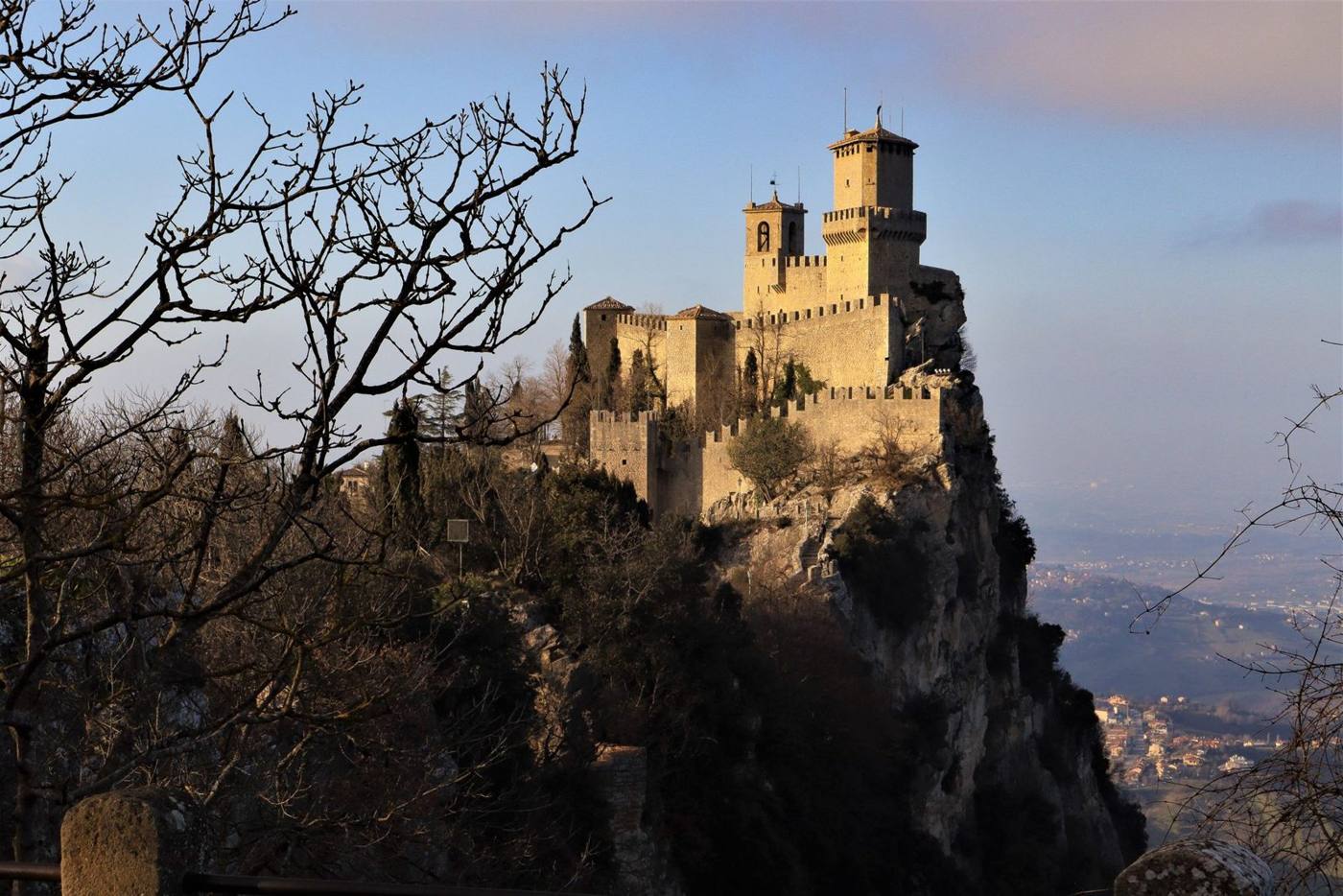
The Three Towers of San Marino
The UNESCO historic centre on Mount Titano, the Palazzo Pubblico and its changing of the guard, the Guaita, the Cesta and the Witches' Path.
- Borgo Maggiore
- Funivia
- City of San Marino
- Guaita
- Cesta
- Montale
Day by day
- Day 1
The cable car, the Palazzo Pubblico and the Guaita
This trip takes you into the old town of San Marino, a UNESCO World Heritage Site together with Mount Titano: the Palazzo Pubblico with the changing of the guard, the Basilica of the Saint and the three towers, Guaita, Cesta and Montale, linked by the Witches' Path. You travel on foot.
Before you go: San Marino is not part of the European Union, but you enter from Italy with no border checks. Italian citizens only need an electronic identity card or a passport, with no visa. Other nationalities should check their own rules.
Leave the car in Borgo Maggiore and take the cable car up to the City of San Marino: in a few minutes the cabin rises above the cliff and you see the hills all the way to the sea. Check prices and times.
At the top, reach Piazza della Libertà, with the Statue of Liberty and the Palazzo Pubblico, the seat of government, built at the end of the nineteenth century in neo-Gothic style. Here, in the warmer months, you can watch the changing of the Guardia di Rocca, in green and red uniforms. Times change with the season: ask at the tourist office. Inside the palace you see the hall of the Great and General Council.
Then visit the Basilica of San Marino, in neoclassical style, which holds the relics of the founding saint, a stonemason who came from Dalmatia according to tradition.
In the afternoon, climb to the Guaita, the first and oldest of the three towers, a fortress for centuries and for a long time also a prison. Walk the walkways and climb the bell tower for the view. Check prices and times.
Overnight inside the walls, to see the centre quiet in the evening.
Practical tip: arrive before ten or after five: in summer, in the middle of the day, the centre fills with groups on day trips from the coast.
- Day 2
The Witches' Path, the Cesta and the Montale
Today you walk along the ridge of Mount Titano, from one tower to the next.
Early in the morning, from the Guaita, take the Passo delle Streghe, the Witches' Path, which runs along the edge of the cliff among rocks and pines. On one side you have the sheer drop to the plain, on the other the old town. The name comes from old legends about witches who met here at night.
In about twenty minutes you reach the Cesta, the second tower, on the highest summit of Mount Titano. Inside is the Museum of Ancient Arms, with armour, swords, crossbows and firearms from past centuries. Climb onto the ramparts: on clear days you see the Adriatic, the hills of Montefeltro and, to the west, the Apennines. Check prices and times.
Continue to the Montale, the third and smallest tower, standing alone among the trees. It is not open inside, but the walk is worth it for the peace and the view of the other two towers.
In the afternoon, if you have a car, make a side trip to San Leo, in the Marche, half an hour away: a village with a great fortress on a cliff, where Cagliostro died.
In short, in two days you have seen the heart of San Marino: the cable car, the Palazzo Pubblico, the Basilica and the three towers on the ridge of Mount Titano.
When to go: from April to October. In spring and early autumn there are fewer crowds and the light is better for photos.
Practical tip: buy a combined ticket for the state museums if you want to enter several towers and museums; ask at the tourist office which sites it covers.
A tiny republic with a dramatic centre and views to the Adriatic. On summer days it is full of day-trippers from Rimini: sleeping inside the walls lets you see it empty in the morning and evening. Many shops sell souvenirs and tax-exempt goods.
Before you go
- Documents and visa
- EU citizens need a valid electronic identity card or passport, with no visa. British visitors need a passport. San Marino is not in the European Union, but the border with Italy is open: you arrive by car or by bus from Rimini with no checks and no customs formalities.
- Health and vaccines
- No vaccinations beyond those usual in Italy. The State Hospital is of a good standard and works closely with nearby Italian hospitals for serious cases. Medical emergencies: 118.
- Money and payments
- Euro. Cards are accepted almost everywhere.
- Power sockets
- Types C, F and L, 230 volts: you need an adapter for British plugs.
- Time zone
- UTC+1, UTC+2 in summer, one hour ahead of the UK.
- Safety
- Good security conditions, with no areas of particular concern. In summer the old town is very crowded: keep an eye on your wallet. The roads on Mount Titano are steep and can freeze in winter. Official advice: GOV.UK.
Information checked in November 2026 for Italian and EU citizens. Rules change: always check before you travel.
Variations
With just one day, take the cable car up, visit the Palazzo Pubblico and walk from the Guaita to the Cesta.
With two extra days, add the countryside castles on foot or San Leo and Urbino in Montefeltro.
Frequently asked questions
Can you go inside all three towers?
The Guaita and the Cesta can be visited with a ticket; the Montale can only be seen from outside.
When is the changing of the guard?
In the warmer months, in front of the Palazzo Pubblico, several times a day. Times change with the season: ask at the tourist office.
Is it worth staying overnight in San Marino?
Yes, if you want to see the centre without the crowds. In summer many groups arrive from the coast during the day; in the evening and early morning it is quiet.
Indicative itinerary written by World Atlas. Before booking, check timetables, seasonal openings, documents and safety.
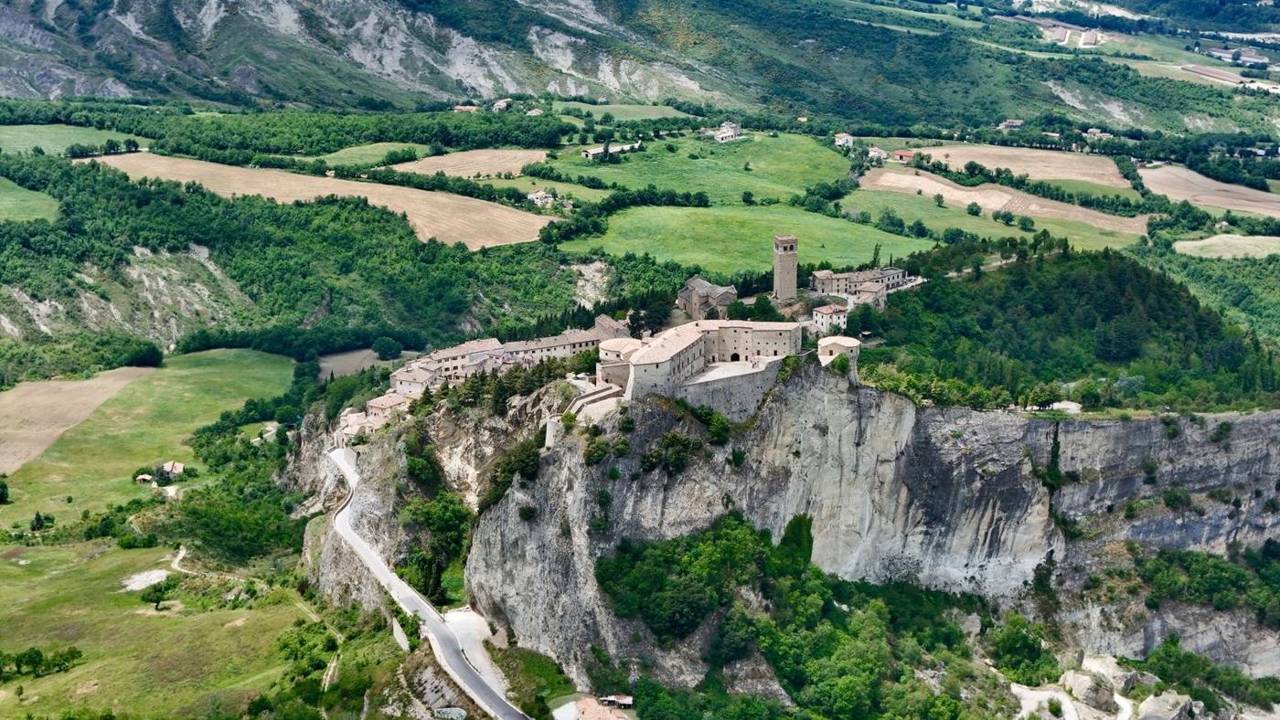 4 daysEasy
San Marino and Montefeltro
Mount Titano, the fortress of San Leo, Pennabilli, Urbino and Montefeltro flavours such as piadina, pit-aged cheese and truffle.
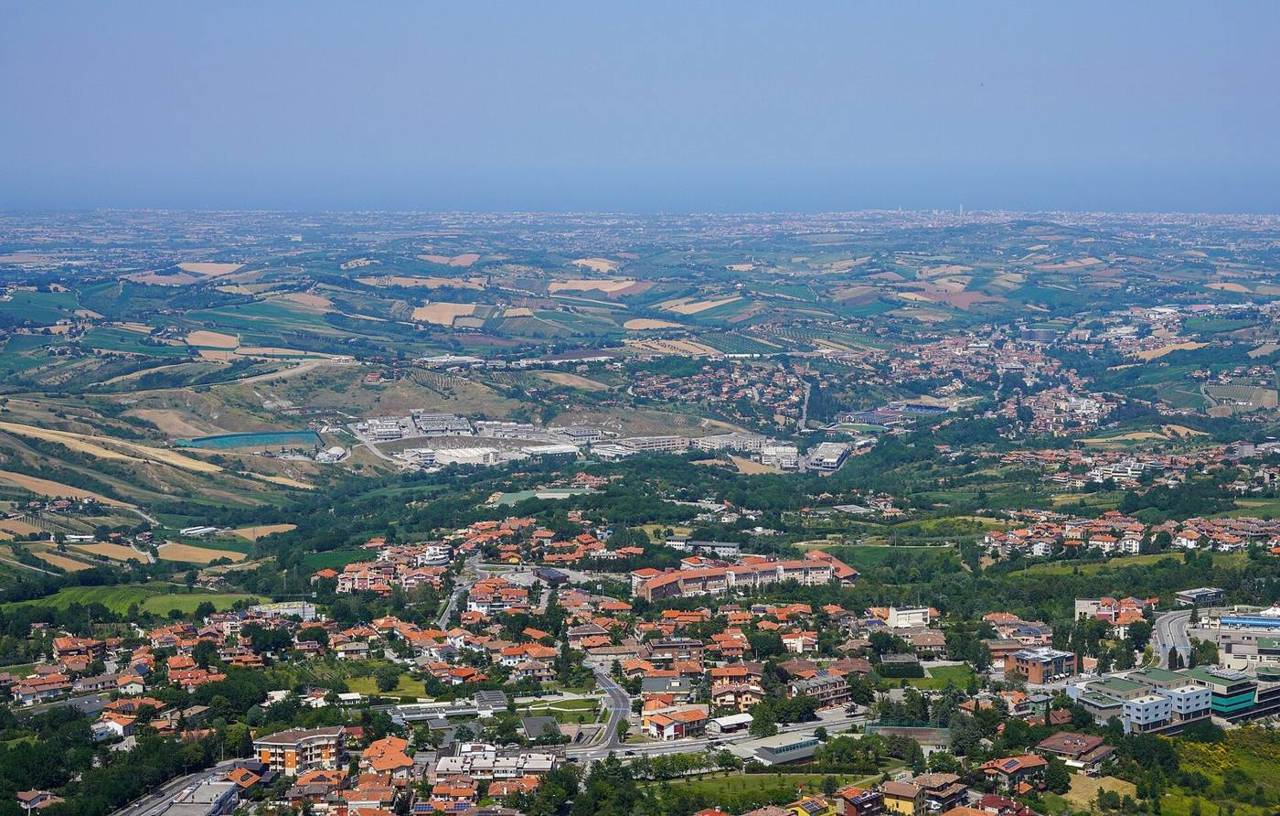 2 daysModerate
The castelli on foot
The republic on foot beyond the centre: from Mount Titano down to Borgo Maggiore on the old path, then the quiet castelli of Montegiardino, Fiorentino and Chiesanuova among hills and vineyards.
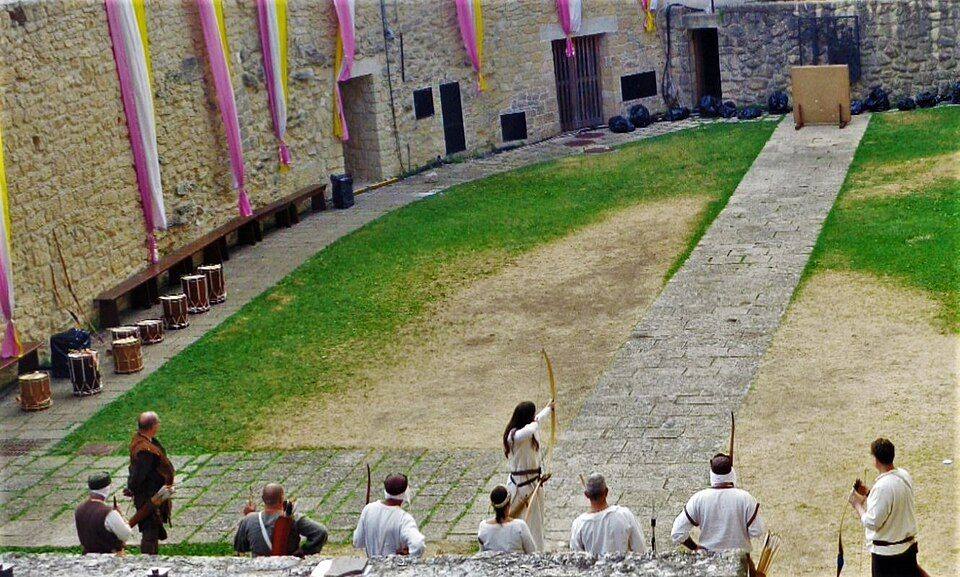 2 daysEasy
Middle Ages and Christmas
Two special times on Mount Titano: the summer medieval re-enactments, now called San Marino Antiqua and heirs to the historic Medieval Days, with crossbowmen, processions and period food, and Christmas with markets and lights in the old town.