Jeolla: food and traditions
The heartland of Korean food: bibimbap and the hanok village of Jeonju, the bamboo forest of Damyang, the tea fields of Boseong and Suncheon Bay.
- Jeonju
- Damyang
- Gwangju
- Boseong
- Suncheon
Day by day
- Day 1
Jeonju and the hanok village
This trip crosses Jeolla, the south-western region where you eat best in Korea: Jeonju with its hanok village and bibimbap, the bamboo forest of Damyang, Gwangju and the memory of the 1980 uprising, the tea plantations of Boseong and the reed beds of Suncheon Bay. You get around by train, bus and taxi, or by car.
Before you go: Italian citizens enter South Korea without a visa for up to 90 days with a passport; the electronic identity card is not enough. The temporary K-ETA exemption is confirmed until 31 December 2026: for trips from 2027, check k-eta.go.kr for any extension. Without an approved K-ETA, fill in the e-Arrival card online within 72 hours before arrival. Other nationalities should check their own rules. South Korea is very safe and the United States rates it level 1.
In the morning take the KTX train from Yongsan station in Seoul to Jeonju, about two hours.
In the afternoon walk through Jeonju hanok village, with hundreds of traditional houses with curved tiled roofs. Visit Gyeonggijeon, the shrine built in 1410 for the portrait of Taejo, founder of the Joseon dynasty, whose family came from Jeonju. Check prices and times. Opposite stands Jeondong Cathedral, in red brick, built where the first Korean Catholic martyrs were killed.
At sunset climb to the Omokdae pavilion, on the hill, to see the roofs of the village.
In the evening eat Jeonju bibimbap, rice with vegetables, meat, egg and chilli paste, served in a brass bowl.
Sleep in Jeonju for two nights, in a hanok if you like.
Practical tip: Nambu night market, next to the village, usually opens only on Friday and Saturday evenings. If you arrive on those days, have dinner there among the stalls and try a few small dishes.
- Day 2
Jeonju: hanji paper and makgeolli
Today you discover the Jeonju of craftspeople and long tables.
In the morning have breakfast with kongnamul gukbap, bean sprout soup with rice, a typical Jeonju dish, perfect even after an evening of makgeolli.
Then visit the Confucian school of Jeonju Hyanggyo, with great ginkgo trees in the courtyard that turn gold in autumn, and walk along the Jeonjucheon stream. If you like, hire a hanbok, the traditional Korean dress, to stroll around the village: many people do and the photos are lovely.
Mid-morning go into one of the hanji workshops, where traditional paper is made from mulberry bark, a craft Jeonju has been famous for over centuries. Watch how it is made and try making a sheet or a small object. Check prices and times.
In the afternoon climb to Jaman mural village, on the hill to the east, with painted houses and narrow lanes.
In the evening go to the makgeolli alleys, for the cloudy, slightly sparkling rice wine, in the Samcheon-dong district. Here makgeolli is ordered in large kettles and with each kettle come many small dishes: fish, pancakes, tofu, meat and vegetables. The more kettles you order, the more dishes arrive.
Sleep in Jeonju.
Practical tip: makgeolli seems light but usually has six or seven per cent alcohol. Drink slowly, eat the side dishes and go back by taxi, which costs little in Jeonju. Most places close fairly late, but arrive before nine to get a table.
- Day 3
Damyang: bamboo and metasequoias
Today you enter the most famous bamboo forest in Korea.
In the morning take the bus or drive from Jeonju to Damyang, about an hour and a half. Damyang is the Korean capital of bamboo, with woods covering the hills.
Visit Juknokwon, a large bamboo forest with paths climbing up and down among very tall stems, pavilions and viewpoints. In the wind the bamboo makes a soft sound, like rain. Check prices and times.
Then walk along Gwanbangjerim, a riverside embankment with centuries-old trees planted in the Joseon era to protect the village from floods.
For lunch try Damyang's two dishes: daetongbap, rice cooked inside a bamboo stem, and tteokgalbi, minced and grilled beef short ribs.
In the afternoon follow the metasequoia avenue, a road lined with two rows of very tall trees, green in summer and rust-coloured in November. You walk or cycle. Check prices and times.
Towards evening visit Soswaewon garden, a sixteenth-century scholars' garden, with a stream, wooden pavilions and bamboo, one of the finest traditional gardens in Korea. Check prices and times.
Then continue to Gwangju, about half an hour away.
Sleep in Gwangju for one night.
Practical tip: at Juknokwon, on hot days, go early in the morning. It is cool in the shade of the bamboo, but the paths go uphill and get crowded at weekends. Bring water, as there are few places to buy drinks once you are inside the forest.
- Day 4
Gwangju and the memory of 18 May
Today you learn about an important chapter in Korea's democratic history.
In May 1980, in Gwangju, students and citizens protested against the military coup. The army responded with violence and for ten days the city resisted, until 27 May. Hundreds of people died. Today the 18 May uprising is seen as one of the key moments in Korea's path to democracy, and its archives are listed in UNESCO's Memory of the World register.
In the morning visit the 18 May National Cemetery, north of the city, with its great monument, the graves of the victims and a museum with photos, objects and testimonies. The place is quiet and well kept: speak softly. Check times.
Then return to the centre and visit the 18 May Archives, with the documents and recordings of those days. Check times.
In the afternoon walk around the old provincial government building, where citizens resisted to the end, and the fountain in the square where crowds gathered. Next to it is the Asia Culture Center, with exhibitions and performances. Check prices and times.
In the evening try Jeolla hanjeongsik, the full meal with rice, soup and dozens of small side dishes covering the whole table: different kimchi, fish, vegetables, meat and pancakes. These meals from Jeolla are famous throughout the country.
Sleep in Gwangju.
Practical tip: in Gwangju's museums many explanations are also in English, but an audio guide or a translation app helps you understand the details. Allow at least half a day for the cemetery and the archives together.
- Day 5
Boseong tea plantations and Suncheon reeds
Today you go from green tea fields to coastal marshes.
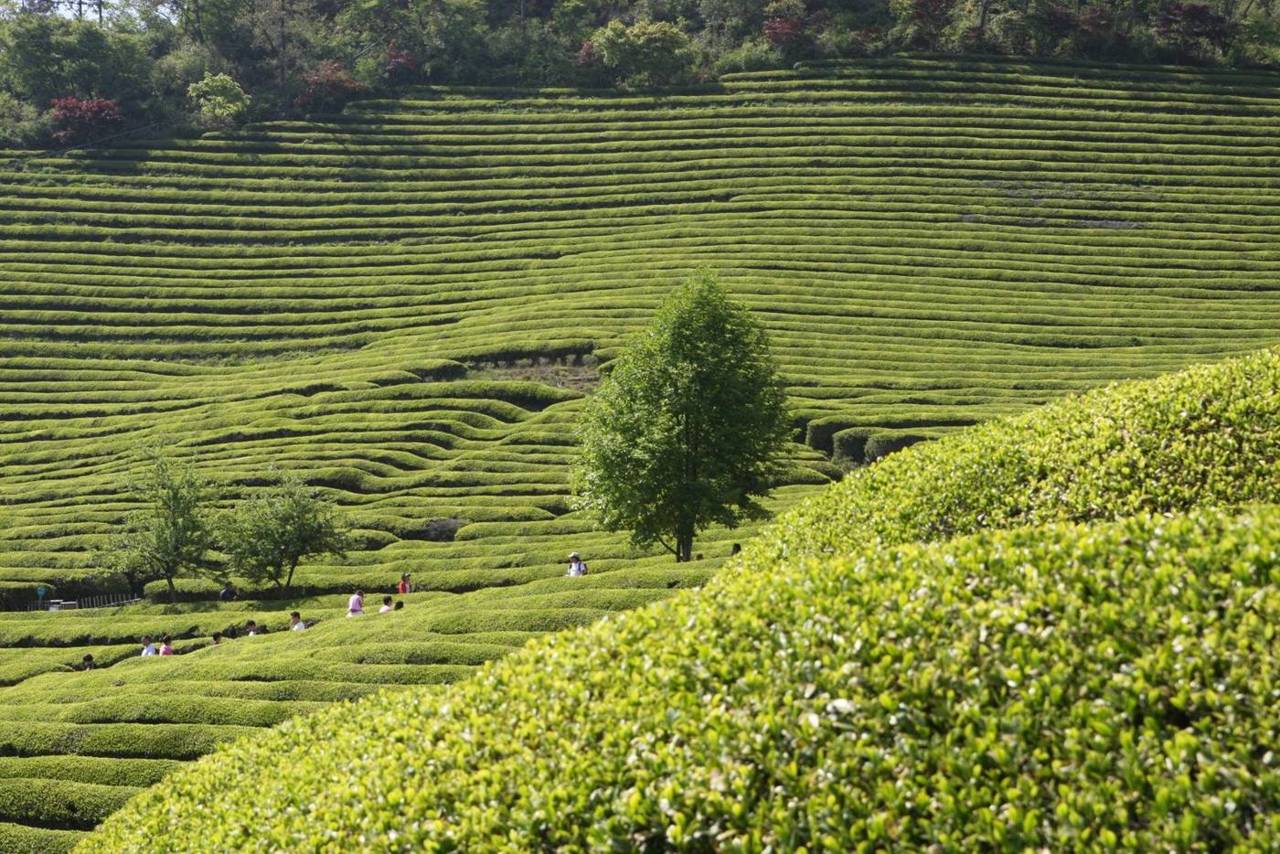
In the morning take the bus or drive from Gwangju to Boseong, about an hour and a half. Boseong is the largest green tea area in Korea, with plantations covering the hills in neat rows, like green waves, among cedar woods.
Walk between the rows of tea, climb to the viewpoint at the top of the hill and look at the terraces running down to the valley. Then drink a cup of green tea and try green tea ice cream. Check prices and times. In May, during the harvest, the green tea festival takes place.
At lunchtime continue towards Suncheon and stop at Nagan Eupseong, a walled Joseon-era village, with stone walls, thatched houses and families who still live there. Walk on the walls to see the roofs from above. Check prices and times.
In the late afternoon reach Suncheon Bay, a large reserve with mudflats and reed beds, which turn golden in October and November. Follow the boardwalks through the reeds and climb to the Yongsan viewpoint for sunset over the channels bending through the marsh. Check prices and times.
In the evening have dinner in Suncheon with fish from the bay or a hanjeongsik.
Sleep in Suncheon.
Practical tip: in Boseong the slopes between the plantations are steep. Wear comfortable shoes and carry water, and go early to avoid the weekend tour groups. Light is softest in the early morning, which is also best for photos of the rows.
- Day 6
Songgwangsa and departure
Today you visit one last temple and leave Jeolla.
In the morning, if you have time, take the bus or a taxi to Songgwangsa temple, in the hills west of Suncheon, about an hour. It is one of the three jewel temples of Korea, the one representing the community of monks, because many great masters were trained here. Walk along the stream and the stone bridge with its pavilion reflected in the water. Alternatively visit Seonamsa temple, with its arched stone bridge, one of the mountain monasteries listed by UNESCO.
Then return to Suncheon and take the KTX train to Seoul, just under three hours, or continue to Yeosu, half an hour away, which has an airport.
In these six days you have seen Jeolla: the hanok village and bibimbap of Jeonju, hanji paper and the makgeolli alleys, the bamboo forest and metasequoia avenue of Damyang, the memory of 18 May in Gwangju, the tea plantations of Boseong, the walled village of Nagan and the reed beds of Suncheon Bay.
When to go: the best months are April and May, with bright green tea fields and mild weather, and October and November, with yellow ginkgos, rust-coloured metasequoias and golden reeds. Summer is hot and rainy, winter cold but quiet.
Before leaving, buy something to take home: Boseong green tea, hanji paper objects from Jeonju or a small bamboo basket from Damyang.
Practical tip: in this region English is less widely spoken than in Seoul. Keep place names written in Korean on your phone too, to show taxi and bus drivers, and save the address of your accommodation.
The trip for those who travel to eat: in Jeolla meals arrive with dozens of small side dishes. Gwangju adds an important chapter of Korea's democratic history. The area is not very touristy, so less English is spoken. Suncheon's reed beds turn golden in October and November.
Before you go
- Documents and visa
- Passport valid for the whole stay; you can enter without a visa for up to 90 days for tourism. British visitors are temporarily exempt from the K-ETA until 31 December 2026: for trips from 2027, check the official site k-eta.go.kr for any extension, otherwise apply for the K-ETA online at least 72 hours before boarding. Anyone without an approved K-ETA fills in the e-Arrival card on the official site e-arrivalcard.go.kr within 72 hours before arrival.
- Health and vaccines
- No compulsory vaccinations. Healthcare is excellent but expensive for foreigners: take insurance with high medical cover. Emergencies: police 112, ambulance and fire 119; English tourist line 1330.
- Money and payments
- South Korean won. Cards work almost everywhere, even for small amounts; for metro and buses buy a rechargeable T-money card. Keep some cash for markets.
- Power sockets
- Types C and F, 220 volts: you need an adapter for British plugs.
- Time zone
- UTC+9 all year, nine hours ahead of the UK in winter, eight in summer.
- Safety
- South Korea is a very safe country and the United States rates it level 1, the lowest. The UK does not advise against any area, but notes that tension with North Korea can change with little notice: near the DMZ follow the advice of the local authorities. Drug laws are very strict, even for small amounts. Typhoons are possible from June to November. Official advice: GOV.UK.
Information checked in November 2026 for Italian and EU citizens. Rules change: always check before you travel.
Variations
In 3 days: Jeonju and Damyang, there and back by train from Seoul.
In 8 days: add two days in Yeosu and on the south coast, with Dolsan island and Hyangiram hermitage.
Frequently asked questions
Why is Jeolla famous for food?
The region has fertile land and a rich sea, and here meals come with dozens of small side dishes. Jeonju is a UNESCO Creative City of Gastronomy and the home of Korea's most famous bibimbap.
Is English spoken in Jeolla?
Less than in Seoul and Busan. Museums and stations have signs in English, but in markets and taxis a translation app or names written in Korean help.
When are the Suncheon reeds at their best?
In October and November, when the reeds turn golden. The finest moment is sunset, seen from the Yongsan viewpoint.
Indicative itinerary written by World Atlas. Before booking, check timetables, seasonal openings, documents and safety.
 7 daysChallenging
Trekking: Seoraksan and Jirisan
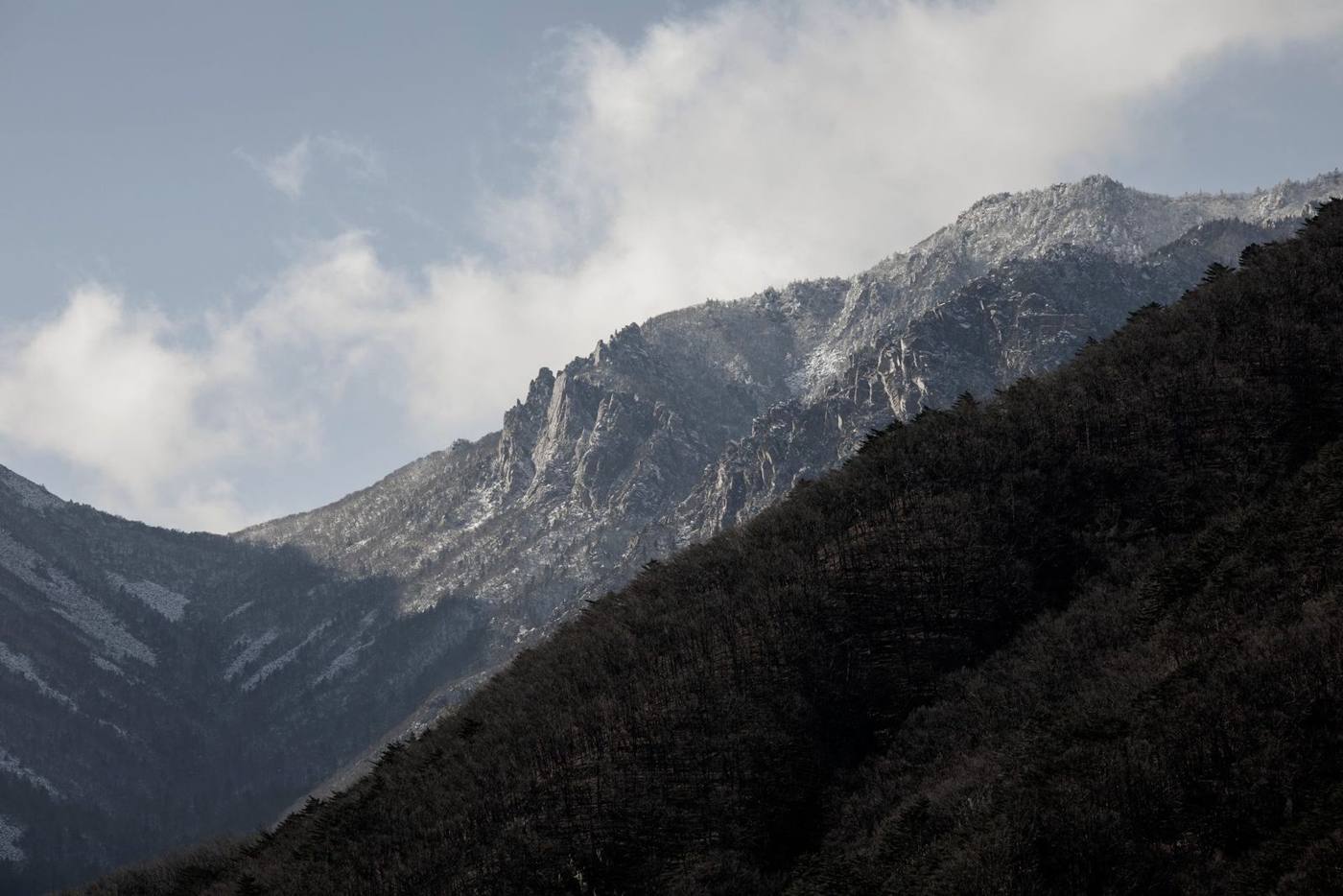
Koreans' two favourite mountains: the granite ridges of Seoraksan with Daecheongbong peak and the Jirisan traverse with a night in a refuge.
 15 daysEasy
The complete Korea
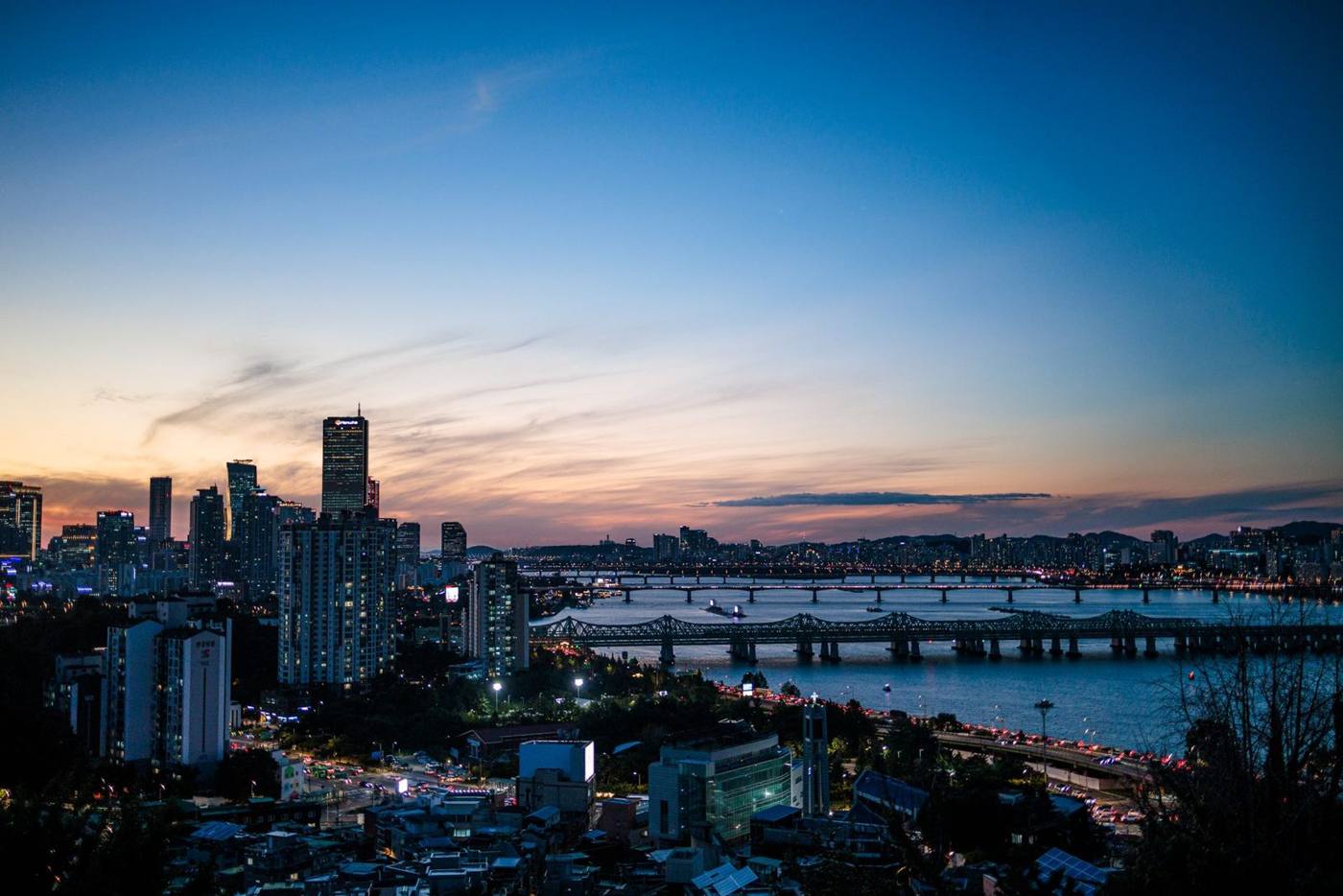
Two weeks to see it all: Seoul and the DMZ, Seoraksan, Andong, Gyeongju, Busan, Jeonju and a final five days on Jeju Island.
 6 daysEasy
Seoul and around in winter
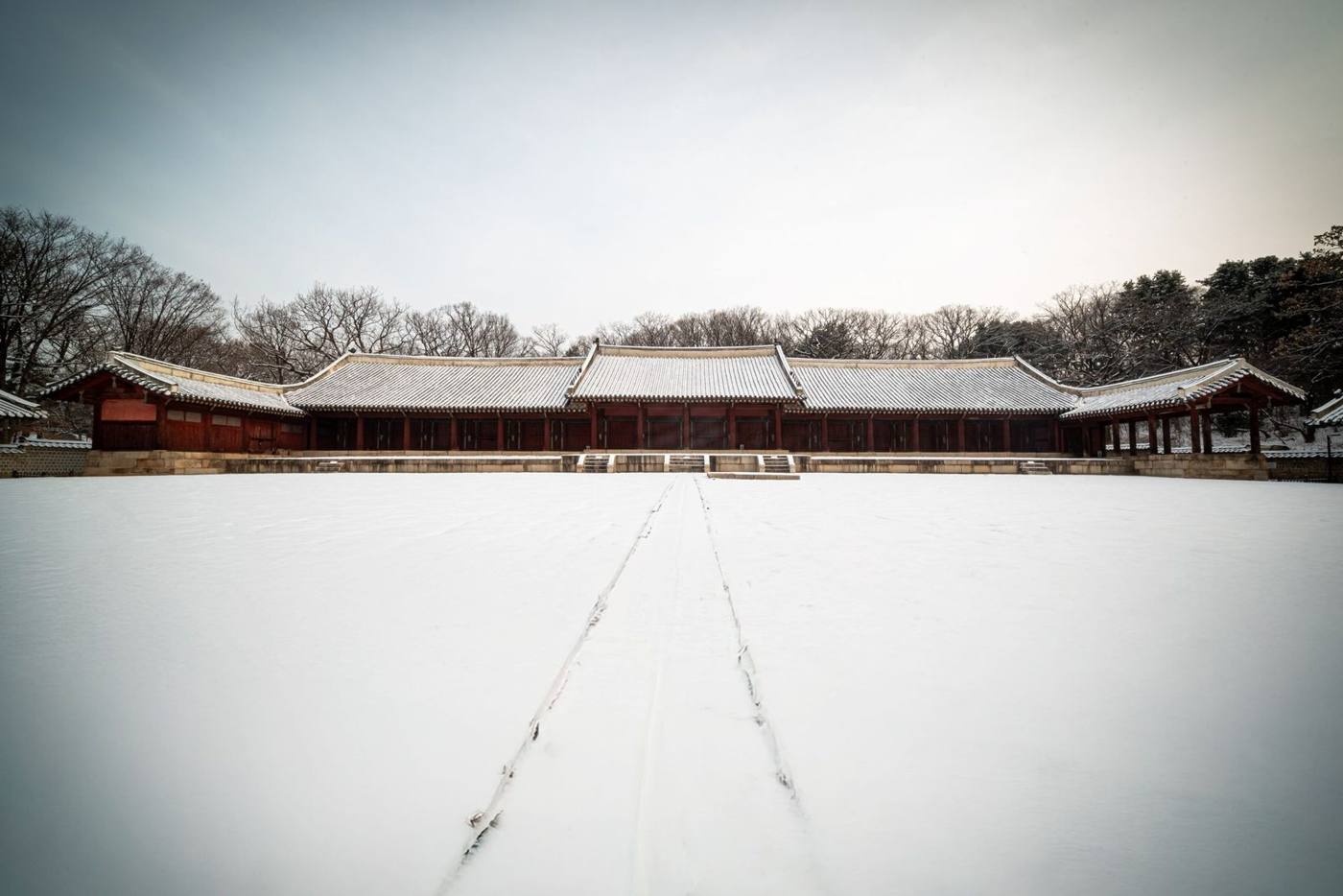
Korea in winter: palaces under snow, the Hwacheon ice festival, skiing in Pyeongchang and jjimjilbang saunas to warm up.