Ronda, the white villages and the Caminito del Rey
Mountain Andalusia: Ronda above the Tajo gorge, the white villages of Grazalema, Zahara de la Sierra and Setenil de las Bodegas with houses under the rock, and the Caminito del Rey, a walkway hanging on the walls of the Gaitanes gorge.
- Málaga
- Caminito del Rey
- Ronda
- Setenil de las Bodegas
- Zahara de la Sierra
- Grazalema
Day by day
- Day 1
Málaga: the Alcazaba and the Picasso Museum
The Andalusian interior between Málaga and Cádiz is a land of limestone mountains, deep gorges, oak and pinsapo woods, and white villages perched on rocks, the pueblos blancos. This six-day trip starts on the coast in Málaga, crosses the gorge of the Caminito del Rey, stops in Ronda, the clifftop town, and tours the white villages of the Sierra de Grazalema. It combines well with the classic Seville, Córdoba and Granada circuit.
Málaga can be reached by direct flights from many Italian and European cities. It is a lively seaside city, the birthplace of Pablo Picasso, with a pedestrian old town, many museums and a palm-lined seafront.
In the morning, climb to the Alcazaba, the eleventh-century Moorish fortress on the hill above the port, with gardens, fountains, courtyards and horseshoe gates. At the foot of the fortress you see the remains of the Roman theatre. If you have energy, continue on foot to Gibralfaro castle, higher up, with a view over the whole city, the port and the coast.
In the afternoon, visit the Picasso Museum, in a Renaissance palace in the centre, with more than two hundred works by the artist, donated by his family, covering his whole career. Nearby you can see the painter's birthplace, on Plaza de la Merced.
Then walk through the cathedral, called La Manquita, the one-armed lady, because one of its two towers was never finished, and along Calle Larios, the elegant street of the centre.
In the evening, try fried small fish, pescaíto frito, and sardine skewers grilled over embers on the beach, espetos.
Practical tip: in Málaga many museums have no-cost entry at certain hours of the week. Check the times before you go.
- Day 2
The Caminito del Rey
In the morning, leave Málaga heading north, by car or by train to El Chorro station, in about an hour. Here is the Caminito del Rey, a walkway hanging along the walls of the Los Gaitanes gorge, a crack in the rock hundreds of metres deep, carved by the Guadalhorce river.
The path was built in the early twentieth century for workers at the hydroelectric plants. It is named after King Alfonso XIII, who walked it in 1921. For decades it was abandoned and became extremely dangerous, with collapsed sections: it was called the most dangerous path in the world. Since 2015 it has been rebuilt with a new walkway of wood and steel, safe and with railings, above the old one still visible.
The route, about eight kilometres including access and exit, is walked in one direction only, north to south, and takes about three or four hours. You walk on walkways fixed to the rock, about a hundred metres above the river, with the void beneath your feet, then through an open valley and again through a narrow gorge, to a suspension bridge over the ravine. The view of the vertical walls, the green water and the griffon vultures flying in the gorge is striking.
In the afternoon, after the walk, relax on the shores of the reservoirs near the entrance, where you can swim in summer, then continue to Ronda, about an hour away.
Practical tip: Caminito del Rey tickets, in 2026 at 10 euros or 18 with a guide, are released in blocks months ahead and sell out quickly. Buy them only on the official website. The route closes in strong wind and is not recommended for those who suffer from vertigo.
- Day 3
Ronda: the Puente Nuevo, the bullring and the Arab baths
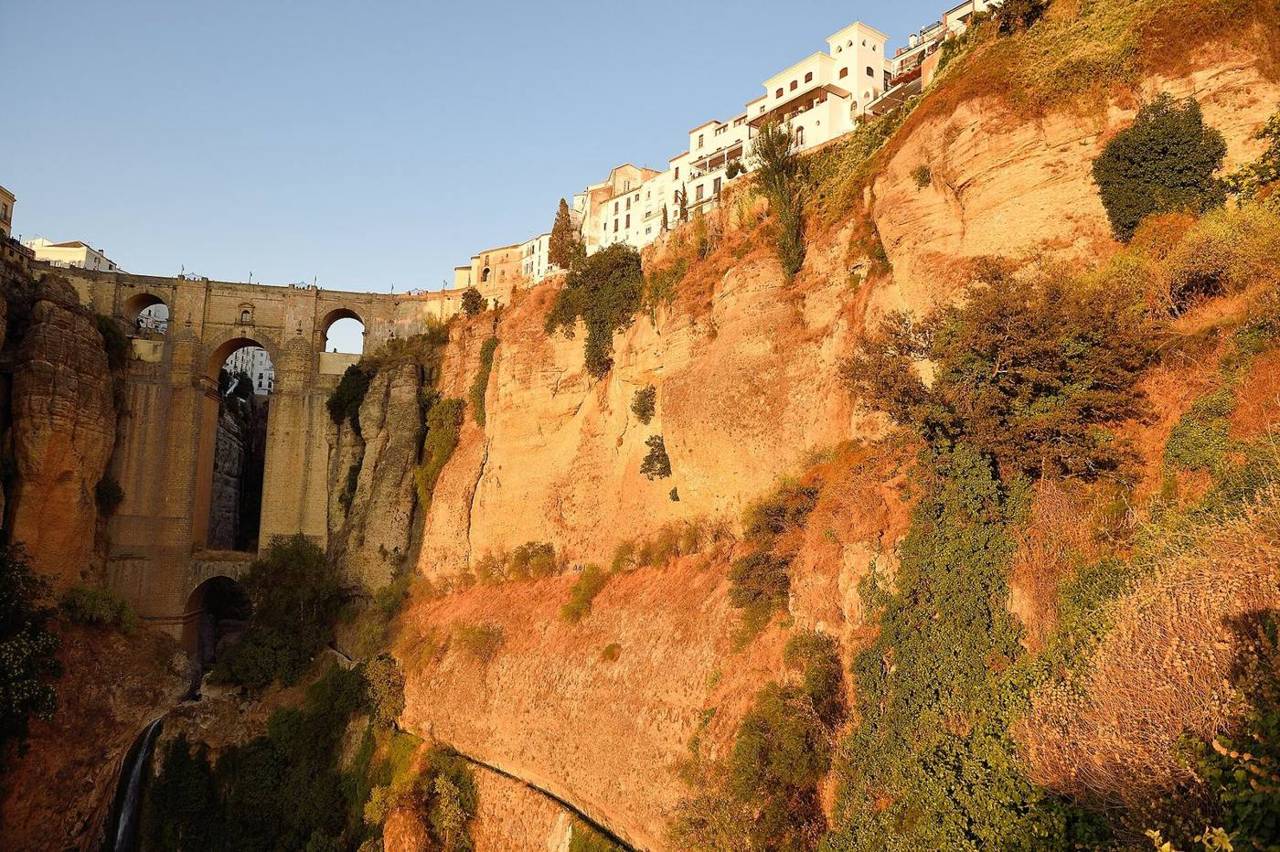
Ronda is one of the most spectacular towns in Spain, built on the edge of a plateau split in two by a gorge about a hundred metres deep, El Tajo, through which the Guadalevín river flows. The white houses look out over the void, and the Romantic travellers of the nineteenth century made it famous throughout Europe.
In the morning, go to the Puente Nuevo, the new bridge, built in stone at the end of the eighteenth century, which links the two parts of town over the gorge with a very tall arch. From the surrounding viewpoints, and by walking down the paths to the bottom of the gorge, you see the bridge in all its height.
Then visit the plaza de toros, the bullring from 1785, one of the oldest and most beautiful in Spain, where modern bullfighting on foot was born, thanks to the Romero family of bullfighters. Inside is a museum with costumes and objects. Even those who do not like bullfighting can appreciate its architecture.
In the afternoon, go down into the old town, La Ciudad, with its lanes, palaces and the church of Santa María la Mayor, built over the old mosque. Walk down to the thirteenth-century Arab baths, among the best preserved in Spain, with star-pierced vaults and rooms for hot and cold water, and cross the old bridge and the Arab bridge.
At sunset, go to the Alameda del Tajo gardens, on the edge of the cliff, with views over the valley and the mountains.
In the evening, try mountain cooking: oxtail stew, rabo de toro, and goat's cheeses from the Sierra.
Practical tip: many day-trip groups arrive in Ronda from the Costa del Sol. Staying overnight lets you see the town in the evening and at dawn, almost empty.
- Day 4
Setenil de las Bodegas and Olvera
In the morning, leave Ronda heading north for about half an hour to Setenil de las Bodegas, one of the most unusual pueblos blancos in Spain. The village is built inside a gorge carved by the Guadalporcún river, and many houses are tucked under the rock, which acts as their roof. You walk along streets with a huge boulder above your head, such as Calle Cuevas del Sol and Calle Cuevas de la Sombra, one in the sun and one in the shade.
Then climb to the tower of the Moorish castle at the top of the village and to the Church of the Incarnation, with views over the white houses and the gorge.
In the afternoon, continue to Olvera, about half an hour away. Olvera can be seen from afar, with its white houses climbing a hill to the Church of the Incarnation and the Moorish castle on top of a rock. It is considered one of the gateways to the white villages route. Climb to the castle for the view over the olive groves all around.
Olvera is also the starting point of the Vía Verde de la Sierra, an old railway never put into service and turned into a cycling and walking route about thirty-six kilometres long, with tunnels and viaducts. You can hire a bike and ride a stretch to the Peñón de Zaframagón reserve, home to a large colony of griffon vultures.
In the evening, sleep in Olvera or head back towards the Sierra de Grazalema.
Practical tip: in the pueblos blancos the streets are narrow and steep. Leave the car in the car parks at the village entrances and continue on foot.
- Day 5
Zahara de la Sierra, Grazalema and the park trails
Today you explore the Sierra de Grazalema Natural Park, the rainiest area in Spain, with limestone mountains, gorges, caves and pinsapo woods, a rare fir that grows only on a few mountains in Andalusia and Morocco. It is a UNESCO biosphere reserve.
In the morning, go to Zahara de la Sierra, a white village beneath a Moorish castle on top of a crag, above a turquoise reservoir. Walk up to the castle tower in about half an hour, with views over the lake and the mountains.
Then take the road over the Puerto de las Palomas, one of the most scenic roads in Andalusia, which climbs in hairpin bends to more than 1,300 metres, among rocks and woods, to Grazalema.
Grazalema is a white village at the foot of the mountain, with its square, churches, houses with flowers on the balconies and a tradition of wool weaving. Many of the park's trails start from here. The most famous is the Pinsapar trail, which crosses the pinsapo forest on the slopes of the Sierra del Pinar, in about five or six hours. Another fine trail is the Garganta Verde, a narrow, deep gorge with a large cave. Some trails require a no-cost permit, to be requested in advance from the park visitor centre.
In the evening, sleep in Grazalema and try payoyo sheep's cheese, typical of the Sierra.
Practical tip: in summer some park trails may close because of fire risk. Ask at the visitor centre before setting off.
- Day 6
Back to Málaga or on to Seville
On your last morning, choose where to end your trip. If you are flying from Málaga, leave Grazalema heading south-east, through Ronda and down the mountain to the coast on a winding road, in about two hours. Along the way you can stop at one of the viewpoints over the Serranía de Ronda and the coast.
If you prefer, before returning to Málaga stop in Marbella, on the Costa del Sol, with its old town of white houses and orange-tree square, or make a stop in another white village, such as Gaucín or Casares, clinging to the rocks with views as far as the Strait of Gibraltar and Africa on clear days.
If you are continuing to Seville, the drive from Grazalema takes about two hours, via Arcos de la Frontera, another white village built on the edge of a cliff above the Guadalete river, with a square in front of the basilica and a viewpoint over the void.
This trip combines well with the classic tour of Andalusia, Seville, Córdoba and Granada, or with Cádiz and the Atlantic coast of Tarifa and Vejer de la Frontera.
Practical tip: in summer the Andalusian interior is very hot, often above 35 degrees. Spring and autumn are the best times. For Spain, Italian citizens only need an identity card valid for travel.
It combines well with the classic Seville-Córdoba-Granada. Caminito del Rey tickets (10 euros, 18 with a guide in 2026) are released in batches months ahead and sell out quickly: book only on the official website. Not advised for those with vertigo; it closes in strong wind. Summer is very hot.
Before you go
- Documents and visa
- EU citizens need a valid identity card or passport. Other nationalities should check the Schengen rules.
- Health and vaccines
- No vaccines required. EU citizens should bring their EHIC; in summer the south often goes above 40 °C. Emergencies: 112.
- Money and payments
- Euro. Cards are accepted almost everywhere. Catalonia, the Balearics and some other areas charge a tourist tax per person per night.
- Power sockets
- Types C and F, 230 volts.
- Time zone
- Central European Time (UTC+1, summer UTC+2); the Canary Islands are one hour behind.
- Safety
- A safe country. In Barcelona and Madrid pickpocketing is common on the metro, on the Ramblas and in crowded places. Official advice: GOV.UK.
Information checked in November 2026 for Italian and EU citizens. Rules change: always check before you travel.
Variations
In 3 days: the Caminito del Rey and Ronda, with a stop at Setenil.
In 10 days: add Seville, Córdoba and Granada after the pueblos blancos.
Frequently asked questions
When is the best time to go?
Spring, from March to June, and autumn, from September to November. Summer is very hot inland, and in winter the mountains are cold and rainy.
How do I book the Caminito del Rey?
Only on the official website, with timed tickets released in blocks months ahead. In 2026 it cost 10 euros, 18 with a guide. It closes in strong wind.
Do I need a car?
Yes: Ronda can also be reached by train, but the pueblos blancos and the Sierra de Grazalema have few buses. With a car you can get around much more freely.
Indicative itinerary written by World Atlas. Before booking, check timetables, seasonal openings, documents and safety.
 6 daysModerate
Mallorca: Serra de Tramuntana
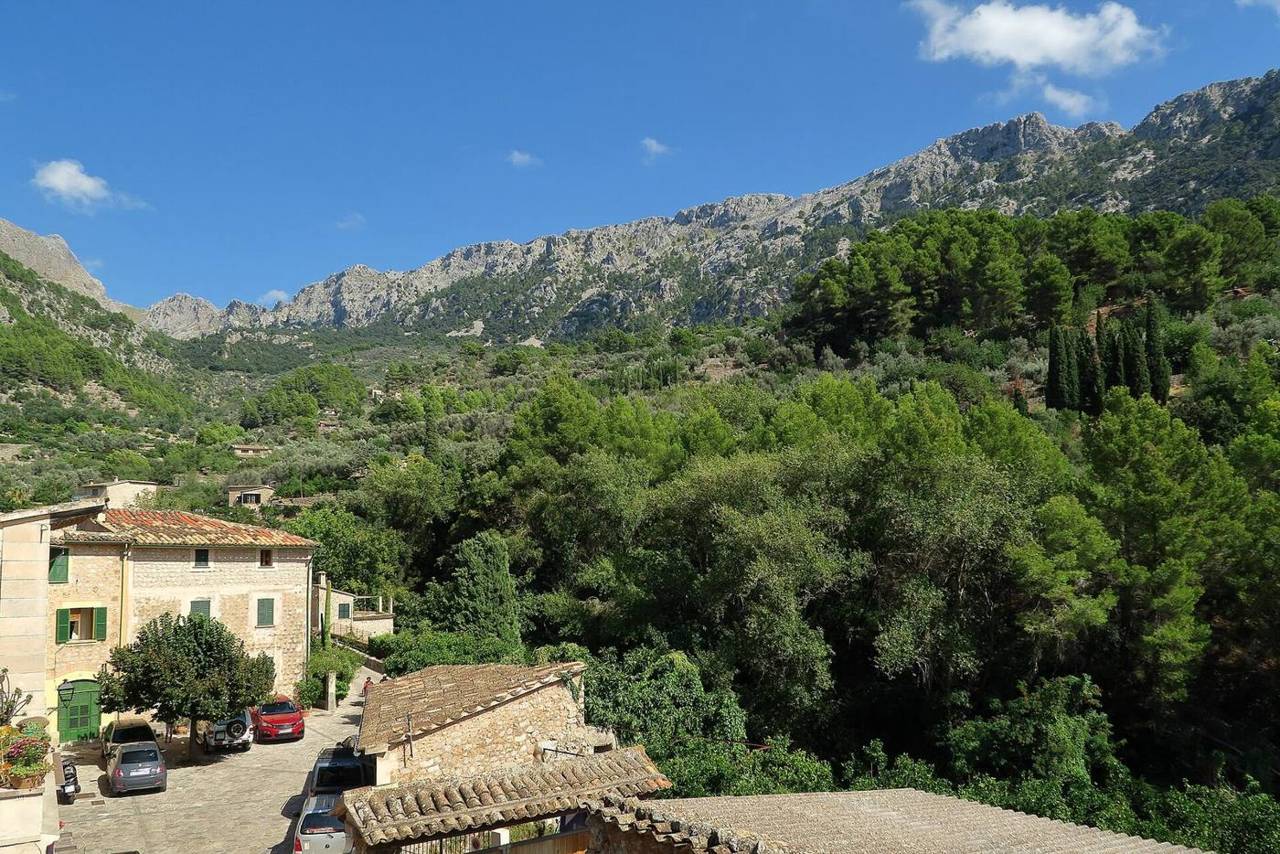
Mountain Mallorca, a UNESCO World Heritage site: the stone villages of Valldemossa, Deià and Fornalutx, the wooden Sóller train, coastal paths above the sea, the Torrent de Pareis and Lluc monastery, with Palma and its cathedral.
 6 daysEasy
Galicia: the Rías Baixas and the Cíes Islands
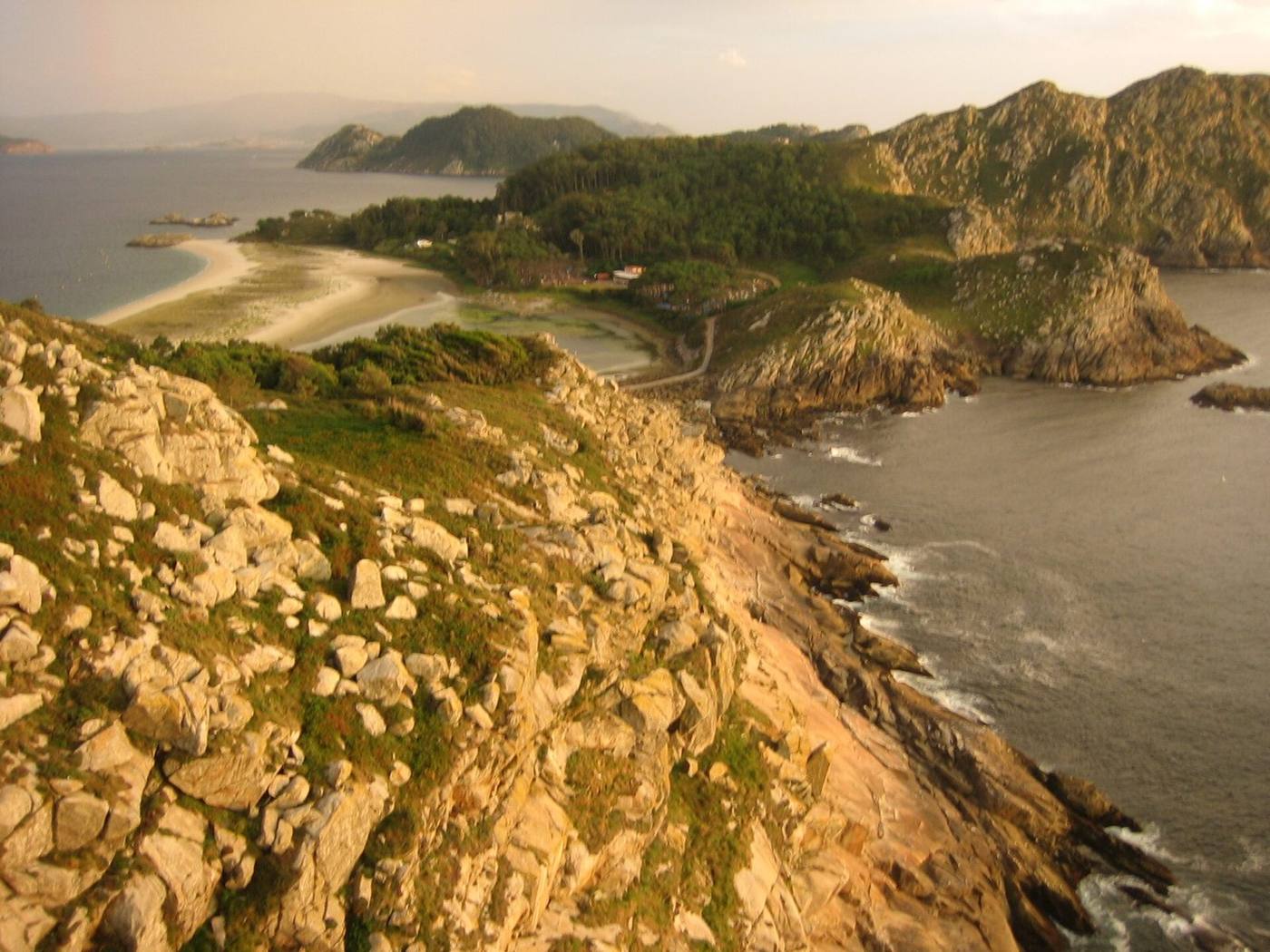
Ocean Galicia: the Cíes Islands with Rodas beach, a national park, the Albariño wines of the Salnés valley, Pontevedra, the fishing village of Combarro with its granaries by the sea, seafood and Monte Santa Tegra above the Miño river.
 5 daysEasy
La Rioja and Navarre
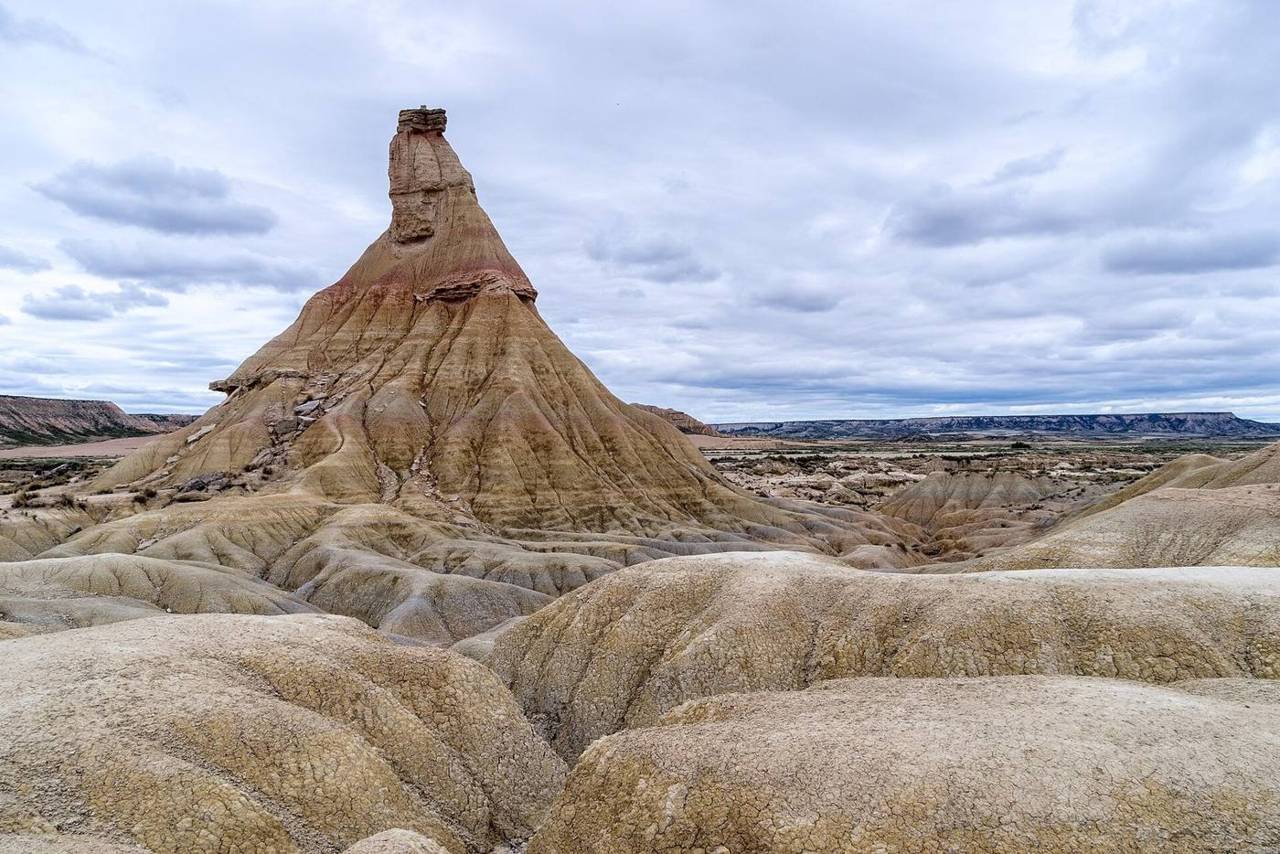
The north of wine and landscapes: Logroño and the pintxos of Calle Laurel, the wineries of Rioja Alta and Rioja Alavesa with modern architecture, the monasteries of San Millán, a UNESCO World Heritage site, the castle of Olite and the Bardenas Reales desert.