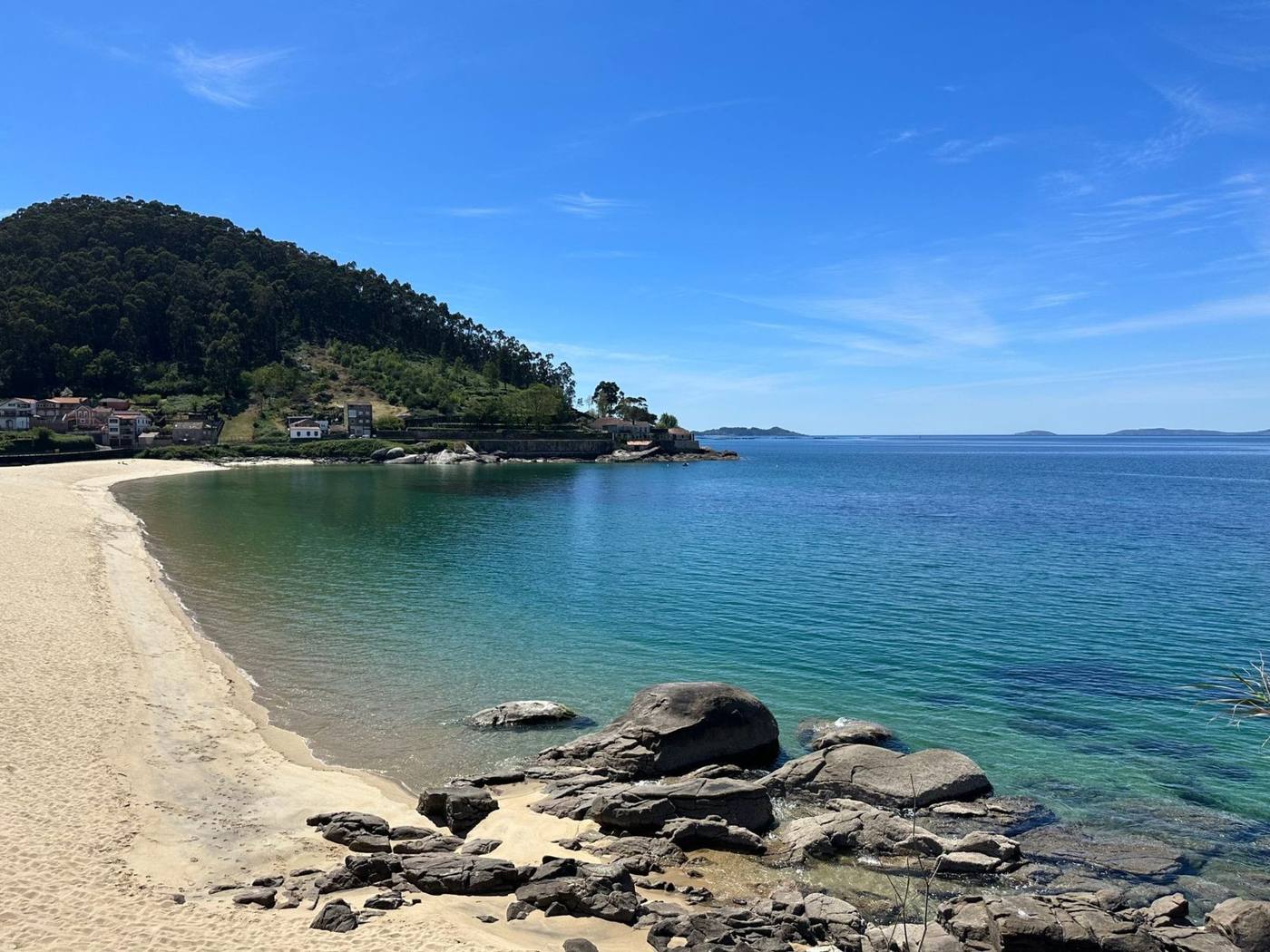
The English Way: Ferrol to Santiago
Six days on foot past estuaries, eucalyptus woods and medieval towns, along the route taken by pilgrims who landed from northern Europe.
- A Coruña
- Ferrol
- Neda
- Pontedeume
- Betanzos
- Hospital de Bruma
- Sigüeiro
- Santiago de Compostela
Day by day
- Day 1
Arrival in A Coruña and the Tower of Hercules
This trip walks the English Way, one of the Camino de Santiago routes, from Ferrol to Santiago de Compostela, in Galicia in north west Spain. It is called English because it was used by pilgrims arriving by sea from England, Ireland and northern Europe, landing at the ports of Ferrol and A Coruña. From Ferrol it is about 120 kilometres, split into five or six stages: enough for the Compostela, the pilgrimage certificate, which requires at least the last 100 kilometres on foot. It is a quieter route than the French Way, through estuaries, eucalyptus and oak woods, stone villages and Romanesque churches.
You fly into A Coruña or Santiago, with flights from several European cities.
On the first day visit A Coruña, a seaside city with a large port. Climb the Tower of Hercules, a UNESCO World Heritage Site and the only Roman lighthouse still working in the world, built in the first or second century AD and restored in the eighteenth century, on a headland above the Atlantic. From the top you see the coast and the city.
Then stroll along the seafront promenade, one of the longest in Europe, to the old town, with María Pita square and the white glazed galleries typical of A Coruña's houses.
In the evening have dinner with Galician food: octopus Galician style with paprika and oil, Padrón peppers, seafood and empanada.
Spend the night in A Coruña.
Practical tip: the best time is May to September. It rains often in Galicia, even in summer: bring a rain poncho and waterproof shoes.
- Day 2
From Ferrol to Neda, about 17 kilometres
Today go to Ferrol, about an hour by bus or train from A Coruña, and start walking.
Ferrol is a seaside city with a long military and naval tradition, home to large shipyards. The route starts at the harbour, near the Curuxeiras quay, where pilgrims landed in the Middle Ages. Here a marker stone with the scallop shell, the symbol of the Camino, shows kilometre zero.
Before setting off get your credencial, the pilgrim passport, a booklet in which you collect stamps along the way: you can find it at the tourist office, in churches or hostels. You need it to sleep in public pilgrim hostels and to obtain the Compostela in Santiago, and it must be stamped at least twice a day over the last 100 kilometres.
The route is marked with yellow arrows and scallop shell stones. The first stage follows the shore of the Ferrol ria, a long estuary, through the historic Magdalena district, then the suburbs, the Narón area and the coast, with views of the water, the shipyards and fishing villages.
In the afternoon you reach Neda, a village at the head of the estuary, with a church, old mills and a medieval bridge over the river. There is a pilgrim hostel here.
In the evening rest and massage your feet: the first stage is flat, but it is important to let your body adjust.
Spend the night in Neda.
Practical tip: bring hiking shoes already worn in, not new ones, and technical socks. Public hostels cannot be booked: first come, first served. Check opening times and rules.
- Day 3
From Neda to Pontedeume, about 15 kilometres
Today walk from Neda to Pontedeume, a shorter stage but with the first climbs.
You leave Neda across the bridge and climb into eucalyptus and pine woods, with stretches of country lanes and small villages of stone houses with hórreos, the granaries typical of Galicia, small buildings raised on pillars to protect maize from damp and rodents, often with a cross on the roof. You pass near Fene and descend towards the Ares ria, with views over the estuary.
The route crosses the long medieval bridge over the river Eume into Pontedeume, a medieval town on a hill above the estuary, with steep lanes, arcades, the tower of the counts of Andrade, a noble family who ruled this area in the Middle Ages, and the church of Santiago.
In the afternoon, if your legs allow, explore the town and try the Pontedeume almond cake, or mussels and seafood from the ria.
Near Pontedeume are the Fragas do Eume, one of the best preserved Atlantic forests in Europe, with oaks and chestnuts covered in moss and ferns, and the monastery of Caaveiro. To go there you need a car or taxi: it is a detour to consider, not part of the route.
Spend the night in Pontedeume.
Practical tip: at the end of each stage stretch and check your feet. For blisters carry proper blister plasters and do not pierce them without clean equipment.
- Day 4
From Pontedeume to Betanzos, about 21 kilometres
Today walk from Pontedeume to Betanzos, a longer stage with a demanding climb at the start.
In the morning, leaving Pontedeume, you climb steeply on paved lanes and woodland paths to a ridge, then continue among hills, fields, meadows and small villages. You cross the countryside of Miño and reach woods near the river, with views of the coast in places. Along the way there are small Romanesque churches and cruceiros, the stone crosses typical of Galicia, found at crossroads.
The stage descends to the valley of the river Mandeo and arrives in Betanzos, one of the most beautiful medieval towns in Galicia, once one of the seven capitals of the old kingdom of Galicia. The historic centre, on a hill, is a cluster of squares, steep lanes, houses with balconies and galleries and three Gothic churches, including Santa María do Azougue and San Francisco, with the tomb of a count of Andrade carried by a stone bear and boar.
In the evening try the Betanzos tortilla, a potato omelette famous all over Spain, soft and lightly cooked inside.
Spend the night in Betanzos.
Practical tip: have a big breakfast and carry water and some food: there are few bars in the country stretches. Set off early to avoid the heat on the climbs.
- Day 5
From Betanzos to Hospital de Bruma, about 24 kilometres
Today is the hardest stage of the English Way, from Betanzos to Hospital de Bruma, about 24 kilometres with a long climb.
In the morning you leave Betanzos and walk through countryside of meadows, woods and villages, on rural lanes and paths. Halfway through you start climbing inland, a long steady ascent of several kilometres up to the Bruma plateau at about 500 metres. The landscape changes: fewer villages, more woods and heath, with wind and often mist.
There are few services on this stretch: carry enough water and food for the day, and before setting off check where bars are open along the way.
In the afternoon you reach Hospital de Bruma, a small village on the plateau, where there was once a hospital for pilgrims, meaning a place of shelter. Today there is a pilgrim hostel in a stone building.
At Bruma the route from A Coruña also joins, a shorter one: those who start from A Coruña do not reach the 100 kilometres and cannot obtain the Compostela, except under special rules.
In the evening rest and eat well: the stage has been tiring.
Spend the night in Hospital de Bruma or nearby.
Practical tip: if the stage seems too long, you can split it in two, sleeping halfway if beds are available. Check in advance. There is little accommodation at Bruma.
- Day 6
From Hospital de Bruma to Sigüeiro, about 25 kilometres
Today walk from Hospital de Bruma to Sigüeiro, a long but easier stage, mostly flat or gently downhill.
In the morning you cross the plateau through eucalyptus and pine woods, meadows and maize fields, with small villages and country churches. You pass through places such as Mesón do Vento and Ordes, where there are bars and shops for a break and to stamp your credencial. The route follows minor roads and woodland paths, sometimes close to larger roads.
In the afternoon you descend to the valley of the river Tambre and arrive in Sigüeiro, a small town on the river, about 16 kilometres from Santiago, with a medieval bridge over the Tambre, meadows and trees along the bank and services for pilgrims.
On this stage you meet more pilgrims, and in the evening, in the hostels, you make friends with people from many countries, sharing dinner and stories of the Camino. It is one of the finest things about the Camino de Santiago.
In the evening pack your rucksack for the last stage and think about arriving.
Spend the night in Sigüeiro.
Practical tip: remember to stamp your credencial at least twice a day, for example at a bar and at a church or hostel: this is required over the last 100 kilometres to obtain the Compostela. Check the current rules.
- Day 7
From Sigüeiro to Santiago de Compostela, about 16 kilometres, and the Compostela
Today is the last stage: from Sigüeiro to Santiago de Compostela, about 16 kilometres.
In the morning set off early and walk through woods, fields and suburbs, then gradually enter the city, through the modern districts and then the old town. The route arrives at the Praza do Obradoiro, the great square in front of Santiago cathedral, where pilgrims from every route arrive, stop, sit on the ground and gaze at the Baroque facade. After days of walking it is a deeply moving moment.
Santiago cathedral, a UNESCO World Heritage Site with the whole old town, was built between the eleventh and thirteenth centuries on the spot where, according to tradition, the apostle James is buried. Inside are the Portico of Glory, a Romanesque portal with two hundred stone statues, the crypt with the apostle's tomb, and the embrace of the statue of Saint James behind the altar.
In the afternoon go to the Pilgrim Office near the cathedral to obtain the Compostela, the Latin certificate of pilgrimage, by showing your stamped credencial. You can often register online first and receive a number to avoid queuing.
In the evening celebrate with your fellow walkers in the old town, with tapas, octopus and tarta de Santiago, the almond cake marked with the apostle's cross.
Spend the night in Santiago.
Practical tip: for the Compostela check the Pilgrim Office's current hours and procedure. The cathedral rooftop tour and museum charge fees: check.
- Day 8
Santiago cathedral and the flight home
On the last morning return to the cathedral to see the interior at leisure, and if possible attend the pilgrims' mass, when the botafumeiro is sometimes swung, a huge silver censer hung from the ceiling and sent flying by eight men over the heads of the congregation. The botafumeiro is not used every day: check the calendar.
Then wander through the old town, a web of stone lanes, arcades and squares such as the Praza da Quintana, Praza das Praterías and Praza da Inmaculada. Visit the Abastos market, one of the liveliest in Galicia, with fish, seafood, cheeses, vegetables and flowers.
If you have time, climb onto the cathedral roofs on a guided tour to see the city from above, or visit the cathedral museum.
Before leaving buy some souvenirs: a Santiago scallop shell, a tetilla or San Simón cheese, a tarta de Santiago or a Galician herb liqueur.
From Santiago airport there are flights to several European cities; alternatively fly home from A Coruña or Vigo. Many pilgrims continue on foot after Santiago to Finisterre on the coast, about three or four days' walk.
Practical tip: when leaving, if you have trekking poles, check the hand luggage rules: they usually go in the hold. Book accommodation in Santiago in advance in summer, when the city is very busy.
For anyone who wants a proper Camino but only has a week: the roughly 118 km from Ferrol earn the Compostela, and pilgrim traffic is a fraction of the French Way's. The drawback is Atlantic weather, with rain likely even in summer, and some stretches run close to roads and industrial areas around the estuaries. Broken-in boots and a serious rain cape matter more than any other kit.
Before you go
- Documents and visa
- EU citizens need a valid identity card or passport. Other nationalities should check the Schengen rules.
- Health and vaccines
- No vaccines required. EU citizens should bring their EHIC; in summer the south often goes above 40 °C. Emergencies: 112.
- Money and payments
- Euro. Cards are accepted almost everywhere. Catalonia, the Balearics and some other areas charge a tourist tax per person per night.
- Power sockets
- Types C and F, 230 volts.
- Time zone
- Central European Time (UTC+1, summer UTC+2); the Canary Islands are one hour behind.
- Safety
- A safe country. In Barcelona and Madrid pickpocketing is common on the metro, on the Ramblas and in crowded places. Official advice: GOV.UK.
Information checked in November 2026 for Italian and EU citizens. Rules change: always check before you travel.
Variations
In 5 days: walk only from Pontedeume or Betanzos, with a transfer, but without the 100 kilometres needed for the Compostela.
In 11 days: add the walk from Santiago to Finisterre and Muxía on the coast.
Frequently asked questions
Do I get the Compostela starting from Ferrol?
Yes: from Ferrol it is about 120 kilometres, more than the 100 required. Remember the two stamps a day over the last 100 kilometres and check the current rules.
Do I need to train?
You need to get used to walking 15 to 25 kilometres a day with a rucksack. The hardest stage is Betanzos to Bruma.
When is the best time to go?
May to September. It rains often in Galicia: bring a rain poncho and waterproof shoes.
Indicative itinerary written by World Atlas. Before booking, check timetables, seasonal openings, documents and safety.
 12 daysModerate
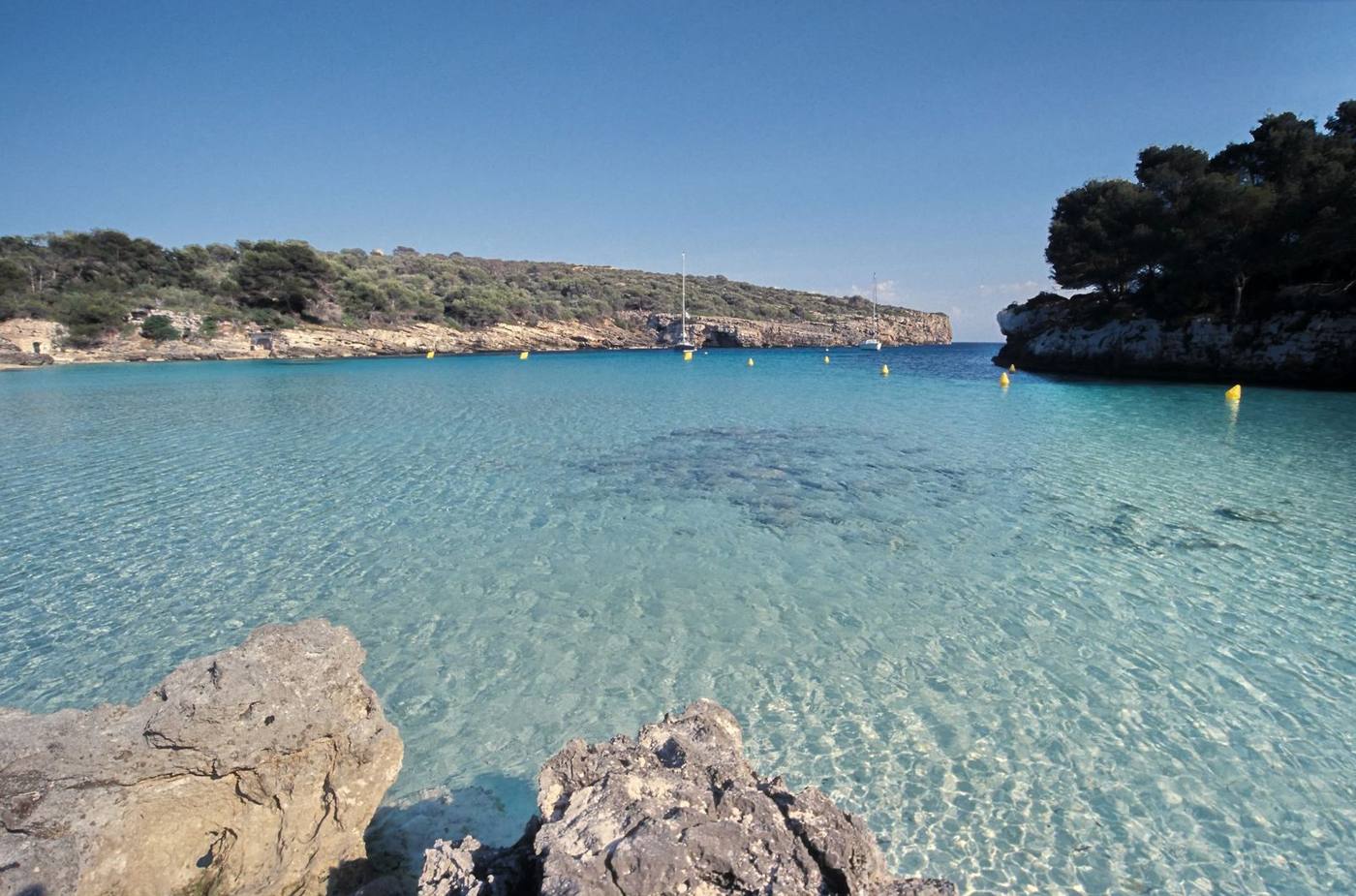
Menorca on Foot: the Camí de Cavalls
A full circuit of the island in ten stages on the old coastal patrol path, with a swim in a different cove almost every day.
 10 daysEasy
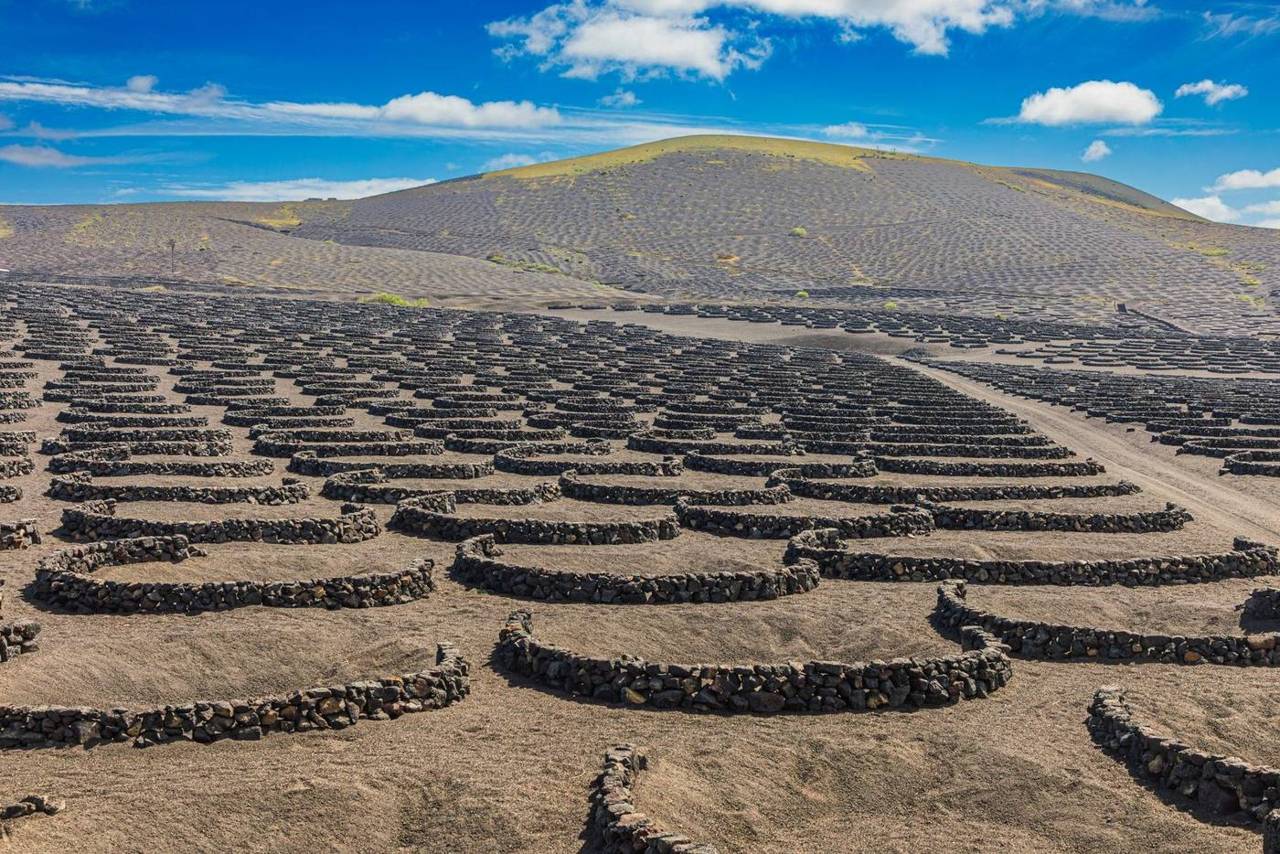
The Eastern Canaries: Lanzarote and Fuerteventura
Young volcanoes, vines dug into ash and César Manrique's buildings on Lanzarote, then dunes and ocean beaches on Fuerteventura.
 12 daysChallenging
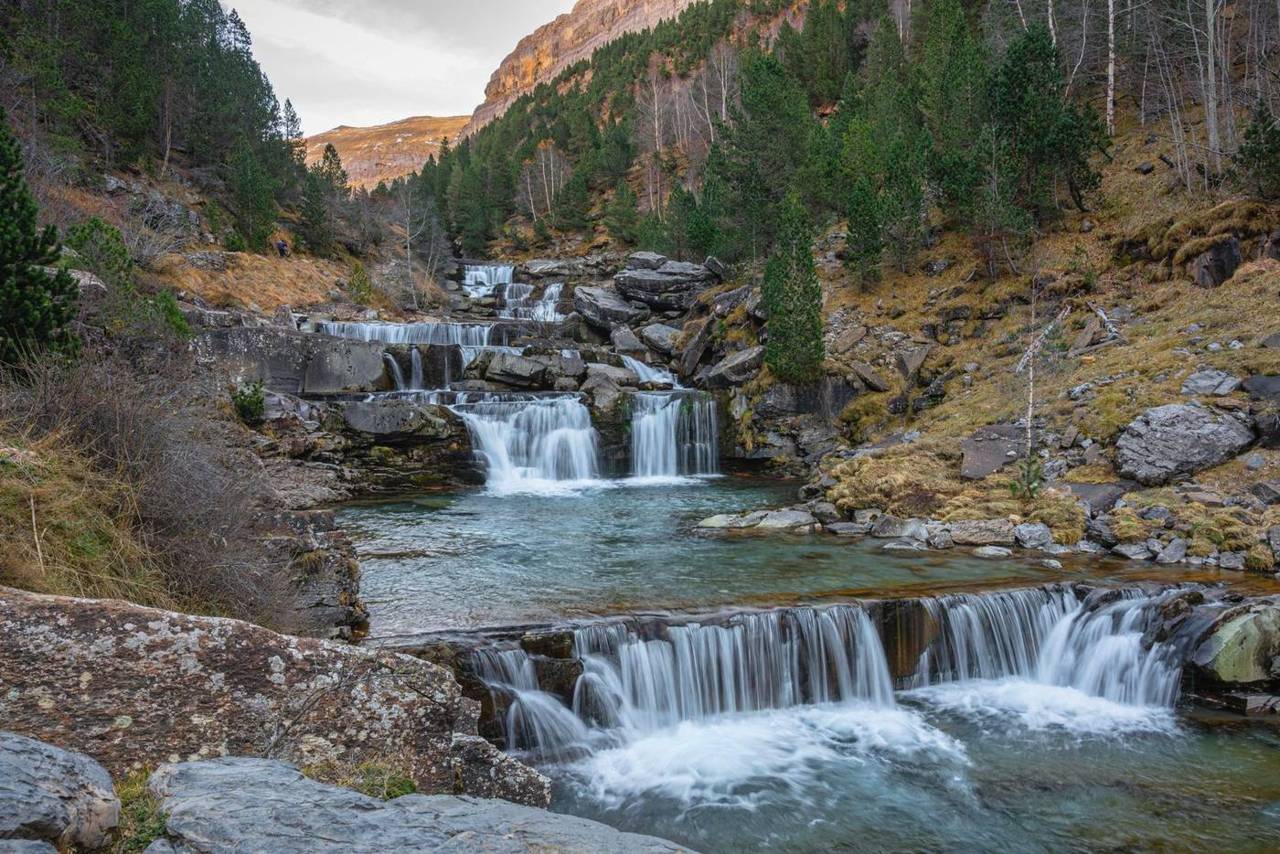
The Pyrenees Hut to Hut: Gavarnie, Ordesa and Vignemale
Ten days crossing back and forth over the border, from the Cirque de Gavarnie to the Ordesa canyon and on to the Ossau, sleeping high every night.