Swedish Lapland
Kiruna, the Icehotel at Jukkasjärvi, dog sledding, the northern lights from Abisko's Aurora Sky Station and Sami culture.
- Kiruna
- Jukkasjärvi
- Abisko
- Björkliden
- Kiruna
Day by day
- Day 1
Arrival in Kiruna and a night in Jukkasjärvi
This trip takes you to Swedish Lapland in the depths of winter, north of the Arctic Circle. You arrive in Kiruna, Sweden's northernmost town, sleep in Jukkasjärvi on the Torne river, go dog sledding and meet a Sámi reindeer herder, then take the train to Abisko to snowshoe and look for the northern lights.
Before you go: Italian citizens can enter Sweden with a valid electronic identity card or passport, without a visa. Other nationalities should check their own rules. Sweden has reintroduced border checks: keep your document with you. You pay almost only by card, even in the villages. The cold here is real, often below -20 °C: bring technical clothing or hire it locally, and take out insurance that covers outdoor activities.
Kiruna has a small airport with flights from Stockholm, and there is also a night train from Stockholm that arrives in the morning. The town grew up around a large iron mine that is still working. Because the mine is spreading under the houses, the centre is moving a few kilometres east, with historic buildings relocated and new districts: some areas are building sites.
In the afternoon, go to Jukkasjärvi, a village less than twenty kilometres away, on the banks of the frozen Torne river. Visit the village's wooden church, one of the oldest in Lapland, with a brightly painted altarpiece.
In the evening, if the sky is clear, walk out of the village away from the lights and look up: the aurora can appear here too.
Practical tip: dress in layers, with a wool layer next to the skin, double gloves and a hat that covers your ears; avoid cotton, which holds sweat and makes you feel colder.
- Day 2
The ice hotel, dog sledding and a Sámi evening
Today is devoted to the Arctic winter. In the morning, visit the ice hotel at Jukkasjärvi, rebuilt every winter from blocks of ice cut from the Torne river. Artists from all over the world sculpt the rooms, halls and columns, and in spring everything melts back into the river. Even if you do not sleep there, you can visit during the day: check prices and times.
Then set off on a dog-sled trip, one of the best experiences in Lapland. After a short briefing you drive your own sled or sit in front, while the dogs run happily and silently over the snow through birch woods and frozen rivers. Trips last from a couple of hours to half a day.
In the evening, meet a Sámi reindeer herder. The Sámi are the indigenous people of northern Scandinavia, and for many of them reindeer herding is still a job and a way of life. In the traditional tent, around the fire, you will hear stories about life with the reindeer, the language and the traditional song, the joik, and you can feed the animals.
Dinner may be reindeer meat, with mashed potatoes and lingonberries, and bread baked over the fire.
Practical tip: choose activities with small groups and guides who explain safety clearly; always ask whether thermal clothing is included and whether you need special footwear.
- Day 3
The scenic train to Abisko
Today you leave Kiruna by train and head west to Abisko, along the iron ore railway that carries the ore to the Norwegian port of Narvik. The journey takes about an hour and a half and is one of the most beautiful in Sweden, especially in the low winter light.
The train runs along the shores of Lake Torneträsk, one of the largest mountain lakes in the country, which in winter is completely frozen and covered in snow. Around it rise white mountains and dwarf birch woods. Sit on the right-hand side, facing the direction of travel, to have the lake on your side.
In Abisko, get off at the station next to the mountain station, the base for excursions. Drop your bags and take a first walk to the canyon of the Abiskojokk river, which in winter is covered in ice formations and snow.
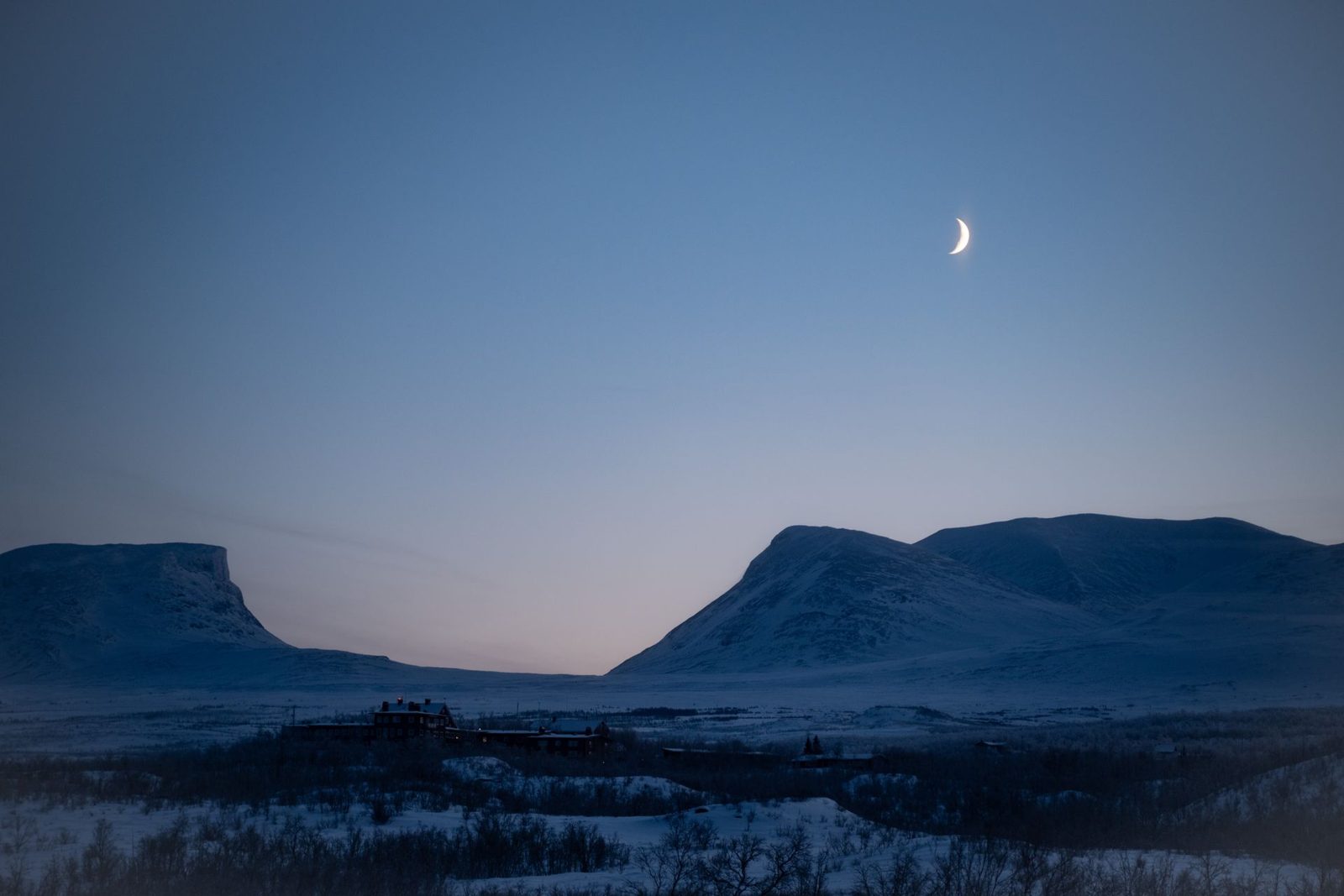
From here you can also see Lapporten, the great U-shaped valley between two mountains, the gateway to Lapland and the symbol of the area.
In the heart of winter the days are very short. In December and early January the sun barely rises at all, but at midday the sky turns pink and blue for a few hours. From February the light comes back quickly.
Practical tip: buy your train tickets in advance and check for delays; snow and wind can stop the line for a few hours, so do not plan tight connections.
- Day 4
Snowshoeing in Abisko National Park
Today you explore Abisko National Park on snowshoes, along packed trails through birch woods, frozen rivers and clearings. You can go out alone on the marked routes near the mountain station, or with a guide who knows the snow and the terrain. Snowshoes and poles can be hired locally.
Walking on fresh snow in the silence of the Arctic winter is a very peaceful experience. Look for animal tracks: hares, foxes, ptarmigan and sometimes elk.
In the afternoon, if you want some speed, try cross-country skiing on the trails near Abisko, or go to Björkliden, not far away, with downhill slopes overlooking the lake.
The evening is for the northern lights. Abisko has a drier microclimate than the surrounding area, with skies often clear even when it is snowing nearby, and this makes it one of the best places in Europe to see them. Take the chairlift up to the viewing station on Mount Nuolja, away from the lights, where you can wait for the aurora in the warm and step out onto the terrace when it appears. Check prices and times.
The aurora is never guaranteed: it depends on solar activity and on cloud. It often appears after ten in the evening, with green veils moving across the sky.
Practical tip: to photograph the aurora, use a tripod and long exposures; keep spare batteries in an inside pocket, because the cold drains them in minutes.
- Day 5
Abisko: the frozen lake and a second aurora night
Today is your second day in Abisko, also useful as a back-up if last night was cloudy. In the morning, walk on snowshoes or with a guide on the frozen Lake Torneträsk, an endless white expanse with mountains all around. Never go out on the ice alone: only a guide knows where it is thick enough to hold.
Alternatively, you can go on a snowmobile trip with a guide, or visit a Sámi camp near Abisko, with reindeer and a traditional tent.
In the afternoon, rest and get ready for the night. Check the aurora forecasts, which show solar activity, and the weather forecasts for cloud cover. If the sky is clear, go out again, even just a few minutes from the village, away from the lights, or go back up Mount Nuolja.
Seeing the aurora moving above the frozen lake, in total silence, is why many people come back here again and again. Sometimes it lasts a few minutes, other times hours, with green colours and, on the strongest nights, purple and pink too.
If the aurora does not appear, enjoy the starry sky anyway, far brighter than in the city, and the landscape under the moonlight.
Practical tip: when you wait for the aurora outside, wiggle your fingers and toes often and go back into the warm from time to time; frostbite on fingers comes quickly, even without your noticing.
- Day 6
Back to Kiruna and departure
On the last day you return to Kiruna on the morning train. If you have time before your flight or train, visit the town's new centre, with the modern town hall and the first streets of the new district. Or join a guided tour of the iron mine, held at certain times: check prices and times.
Before you leave, buy some Sámi handicraft, such as knives with reindeer-antler handles, colourful textiles or leather goods. Look for the label that marks authentic Sámi craft.
In these six days you have seen Kiruna and the moving town, the church of Jukkasjärvi and the ice hotel on the Torne river, dog sledding through the woods, the life of a Sámi reindeer herder, the train along the Torneträsk, Abisko park on snowshoes and the aurora nights on Mount Nuolja.
When to go: from December to March for snow and the aurora. December and January are the darkest and coldest months, with the polar night. February and March have more daylight, slightly milder temperatures and still long nights for the aurora; they are often the best months. The ice hotel usually opens in December and closes in spring.
Practical tip: allow a spare day between your return and your flight home, because snow, wind and train delays are common in the far north.
Abisko has a drier microclimate and is therefore one of Europe's best places for the aurora, though it is never guaranteed. Real cold, below -20 °C: technical clothing is essential, often available to hire locally. Kiruna is moving its centre because of the mine and some areas are building sites.
Before you go
- Documents and visa
- EU citizens need a valid identity card or passport: Sweden is in the EU and the Schengen area. Sweden has reintroduced border checks, so carry your document on trains and ferries too. Other nationalities should check the Schengen rules and the Entry/Exit System.
- Health and vaccines
- Excellent healthcare. EU citizens should bring their EHIC, plus insurance covering medical costs and repatriation. In summer, meadows and woods may have ticks that carry Lyme disease and tick-borne encephalitis, especially around Stockholm, the archipelago and Lake Mälaren: ask your doctor about the vaccine. In summer in the north, bring mosquito repellent. Emergencies: 112.
- Money and payments
- Swedish krona. Cards are accepted almost everywhere, even for tiny amounts, and many shops, buses and public toilets do not take cash. Sweden is expensive, especially in the cities and the mountains.
- Power sockets
- Types C and F, 230 volts.
- Time zone
- Central European Time (UTC+1, summer UTC+2).
- Safety
- The national terrorism threat level is raised. Some suburbs of Stockholm, Malmö and Gothenburg are affected by organised crime; in Stockholm theft is common in bars and on public transport. Bags may be banned at large concerts, festivals and sports events. The drink-drive limit is very low and headlights must be on during the day. Official advice: GOV.UK.
Information checked in November 2026 for Italian and EU citizens. Rules change: always check before you travel.
Variations
In 4 days: Kiruna, Jukkasjärvi with dog sledding and two nights in Abisko.
In 9 days: add Jokkmokk, the capital of Sámi culture, and its winter market in early February.
Frequently asked questions
Are the northern lights guaranteed?
No. They depend on solar activity and cloud cover. In Abisko the drier climate improves your chances, so it is worth staying at least two or three nights.
What temperatures should I expect?
In winter often between -10 and -25 °C, sometimes even lower. The wind makes it feel colder. You need thermal clothing, heavy boots and double gloves, which can often be hired locally.
How do I get between Kiruna and Abisko?
By train, on the line to Narvik, in about an hour and a half, or by bus or car. In winter driving on snow takes experience, so the train is the simplest choice.
Indicative itinerary written by World Atlas. Before booking, check timetables, seasonal openings, documents and safety.
 6 daysEasy
Gothenburg and the west coast
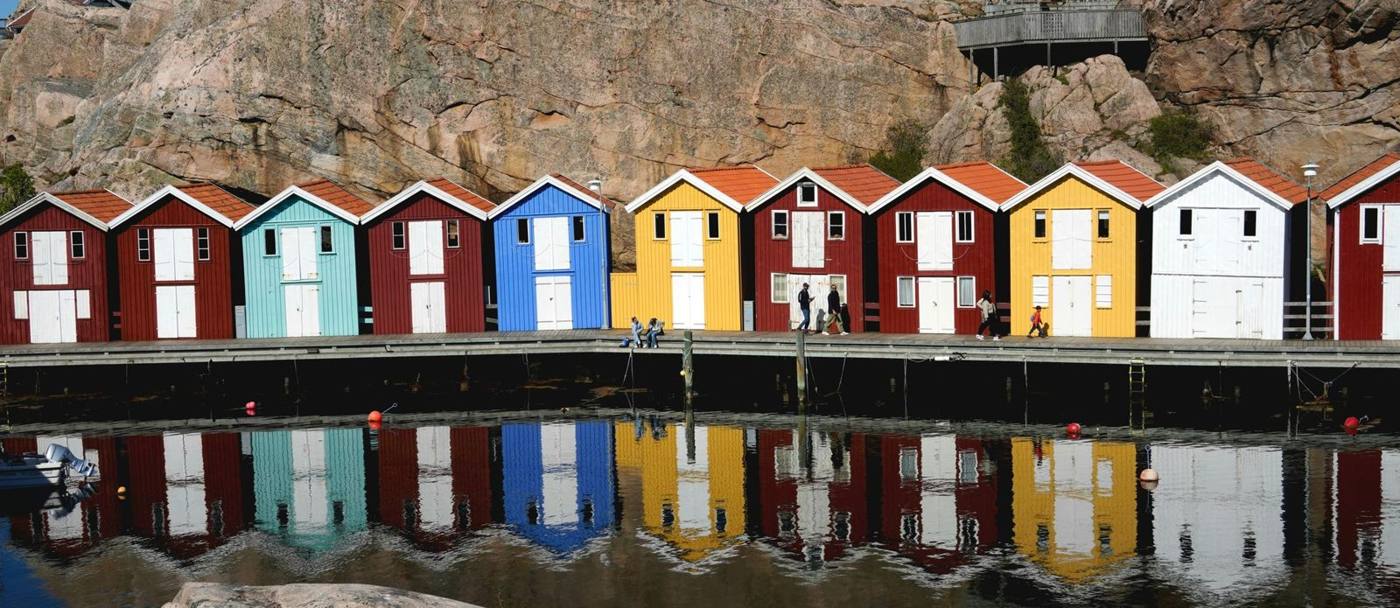
Gothenburg and its archipelago closed to cars, then the Bohuslän coast: Marstrand, Smögen, Fjällbacka and the oysters and langoustines of Grebbestad.
 8 daysChallenging
The Kungsleden
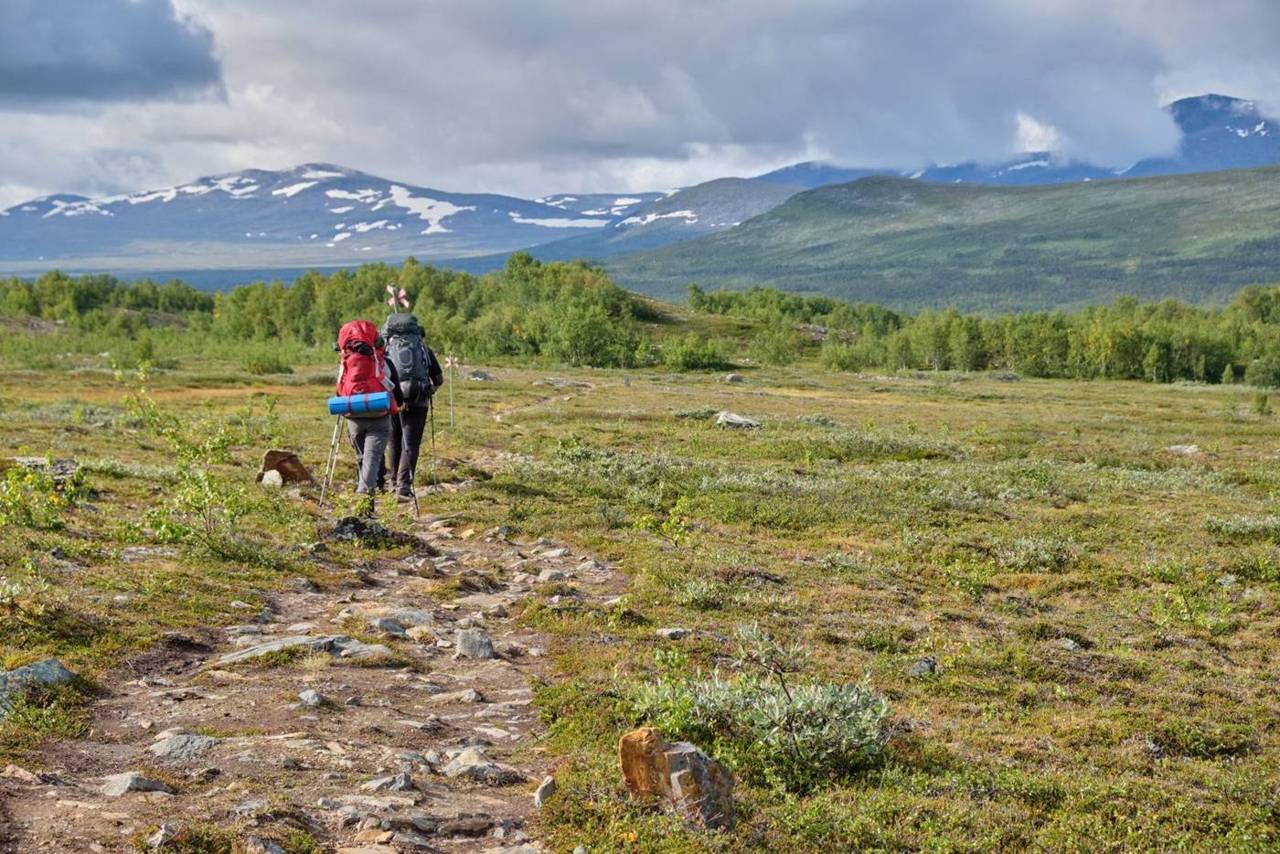
The 'King's Trail' from Abisko to Nikkaluokta, with staffed huts, midnight sun, the Tjäktja valley and the side trip to Kebnekaise, Sweden's highest peak.
 5 daysEasy
Gotland and Visby
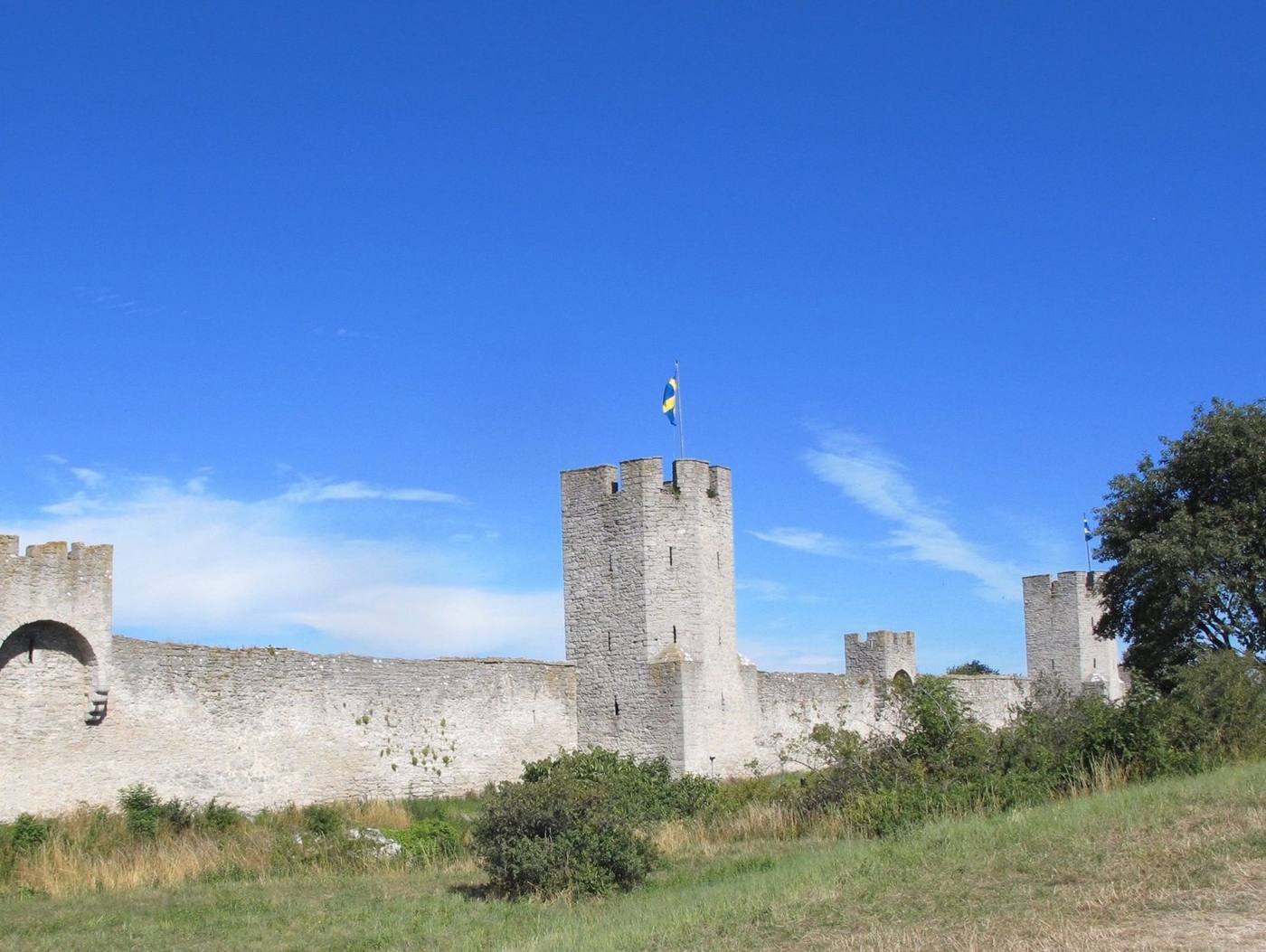
The Hanseatic town of Visby with its UNESCO walls, the island's medieval churches, the rauk sea stacks of Fårö and Baltic beaches.