Speyside and Little Tobago
Tobago's north-eastern tip: drift dives full of life, giant brain corals, manta rays at certain times and the islet of Little Tobago with its seabirds.
- Speyside
- Little Tobago
- Charlotteville
Day by day
- Day 1
Along the Atlantic coast to Speyside
This three-day trip takes you to the north-east tip of Tobago: Speyside, with dives in currents full of life, giant brain corals and, at certain times, manta rays; the islet of Little Tobago with its seabirds; and the village of Charlotteville.
Before you go: Italian citizens enter Trinidad and Tobago with a passport valid for at least six months, without a visa for stays of up to 90 days. In the 72 hours before arrival, and again before departure, fill in the Arrival/Departure Card online on the official portal travel.gov.tt. Other nationalities should check their own rules. Crime is high on Trinidad, especially in Port of Spain, and security measures can change: if you change planes there use only official taxis, and check your government's travel advice before you leave. This part of Tobago is quiet and far from Trinidad, but the general precautions still apply: do not walk alone at night and do not leave belongings on view.
From Crown Point airport take the Atlantic coast road to the north-east. You pass through Scarborough, the main town, and then a series of fishing villages and dark sandy bays, with ocean waves breaking on the rocks.
Stop at Roxborough and, if you have time, at the Argyll waterfalls, a little further on.
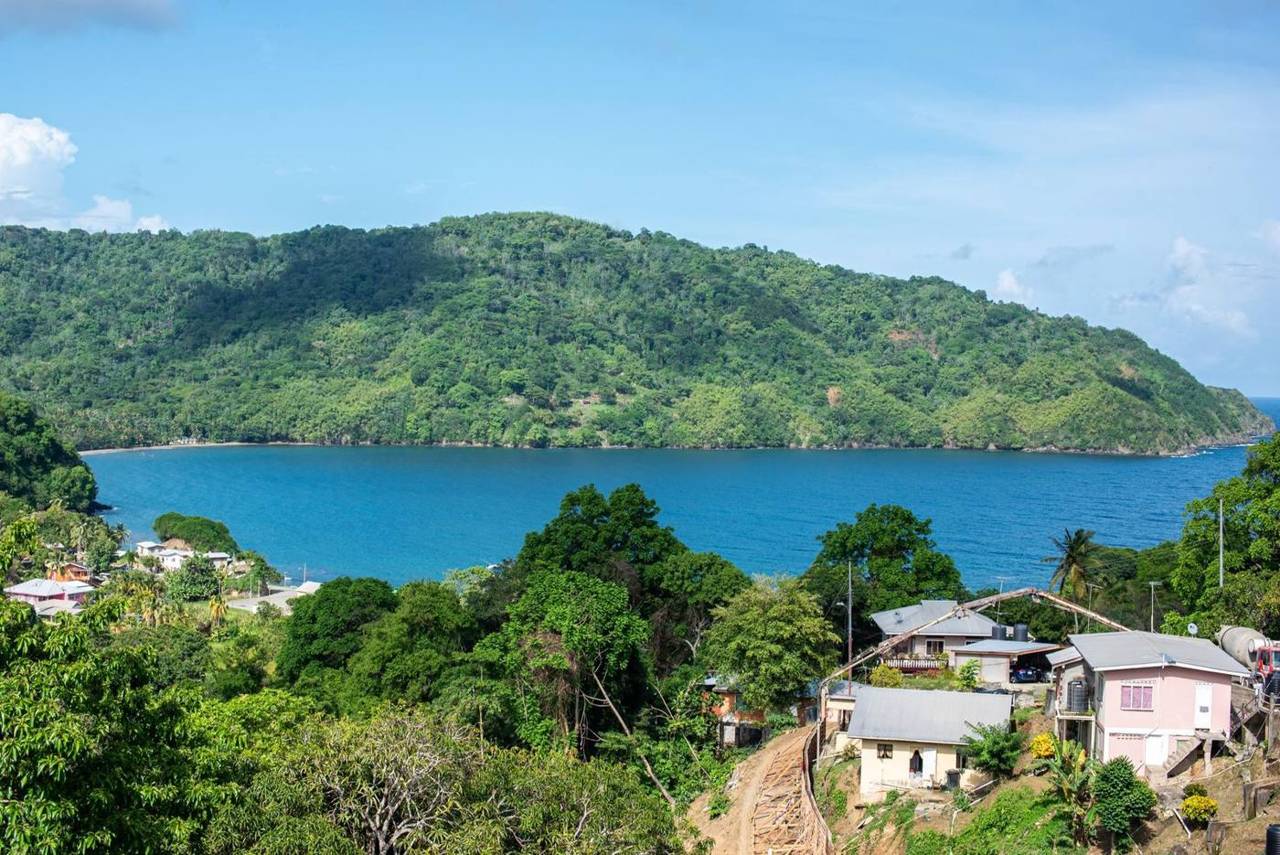
In the afternoon you reach Speyside, a village looking over a wide bay, with the islands of Little Tobago and Goat Island just off the coast. Climb to the viewpoint above the village to see the whole bay from above.
Sleep in Speyside, for two nights.
Practical tip: the road after Roxborough is narrow with many bends; leave early so that you arrive in daylight.
- Day 2
Diving or a glass-bottom boat
Today you discover the sea at Speyside, one of the best diving spots in the southern Caribbean.
Here the water is rich in nutrients, brought by the currents that come from the South American coast. That is why marine life is abundant: large schools of fish, turtles, rays, barracuda and, at certain times, manta rays, which sometimes pass close to divers. The currents, however, are strong and change quickly: dives are almost always drift dives and suited to divers with some experience.
If you dive, choose a centre with qualified instructors, equipment in good order and clear briefings. Do two dives in the morning. One of the most famous sites is home to one of the largest brain corals in the region, a huge dome furrowed like a brain. Other sites, such as the Japanese Gardens, are covered with colourful sponges and soft corals.
If you do not dive, board a glass-bottom boat: you see the corals, the fish and sometimes turtles without getting wet, and you can snorkel at the more sheltered spots.
In the afternoon rest on the beach at Speyside and watch the sea from the shore.
In the evening eat fresh fish or a curry, and do not fly within 24 hours of your last dive.
Sleep in Speyside.
Practical tip: bring your certification card and logbook; serious centres ask to see your experience before taking you to sites with current.
- Day 3
Little Tobago and Charlotteville
Today you visit the islet of Little Tobago and the village of Charlotteville, then return to the south-west.
In the morning take a boat from Speyside to Little Tobago, a short distance off the coast. The islet is a seabird sanctuary, protected for a long time. With the guide climb a trail through dry forest to the viewpoints over the cliffs. From here you see red-billed tropicbirds, white birds with very long tails, flying along the rock faces, then brown boobies and frigatebirds gliding on the wind. Stay on the trail and do not go near the nests. Check prices and times.
On the boat trip, many outings pass over the reef with a glass bottom.
Go back to Speyside and continue for a few kilometres, over the hill, to Charlotteville, a fishing village on Man O' War Bay, one of the most beautiful on the island. Walk to Pirate's Bay, a beach reached on foot down a flight of steps, with calm water good for snorkelling. If you have time, climb Flagstaff Hill for the view over the tip of the island.
In the afternoon head back towards Crown Point.
In these three days you have seen the north-east tip of Tobago: the Atlantic coast, the bay at Speyside, diving in the currents, the seabirds of Little Tobago and the bay at Charlotteville.
When to go: from January to June, with a calmer sea and clearer water. From June to November is hurricane season.
Practical tip: on Little Tobago bring water, a hat and closed shoes: the trail is short but stony and has little shade.
Strong currents: for divers with some experience. A quiet area far from Trinidad's crime, but the general cautions for the country still apply.
Before you go
- Documents and visa
- Passport valid for at least six months; Italian citizens do not need a visa for stays of up to 90 days. In the 72 hours before arrival and before departure fill in the Arrival/Departure Card online on the official portal travel.gov.tt.
- Health and vaccines
- No compulsory vaccinations. The yellow fever vaccine is recommended only for people going to the dense forests of Trinidad, not for those staying on Tobago. Dengue and Zika are present, especially in the rainy season: use repellent. Private clinics are good but expensive: you need insurance with medical costs and repatriation. Police: 999; ambulance: 990.
- Money and payments
- Trinidad and Tobago dollar. US dollars are accepted; Visa and Mastercard work in most lodgings, restaurants and shops. Use well-lit ATMs, in daylight.
- Power sockets
- Types A and B, 115 volts: you need an adapter for American plugs; check that your devices accept 100 to 240 volts.
- Time zone
- UTC-4 all year.
- Safety
- Violent crime is high on Trinidad, especially in Port of Spain, with armed robbery, including against foreigners; take particular care in Laventille, Morvant, Barataria, Beetham and downtown Port of Spain, and on the road from Piarco airport. Crime is lower on Tobago, but tourists have been robbed and attacked. Special security measures can change: check before you leave. Use only official taxis, do not walk alone at night or on deserted beaches, and avoid demonstrations. Tropical storms can cause floods and landslides. Official advice: GOV.UK.
Information checked in November 2026 for Italian and EU citizens. Rules change: always check before you travel.
Variations
Shorter: two days, with a morning of diving or by boat, and Little Tobago.
Longer: add two days in Castara and the Main Ridge forest.
Frequently asked questions
Is diving at Speyside suitable for beginners?
Not really: the currents are strong and dives are often drift dives. You need some experience and a centre with qualified instructors.
Can you see manta rays?
At certain times yes, but it is never guaranteed. Turtles, rays and large schools of fish are much more frequent.
How do you get to Little Tobago?
By boat from Speyside, in a short time. On the islet a short trail leads to the viewpoints over the seabird colonies.
Indicative itinerary written by World Atlas. Before booking, check timetables, seasonal openings, documents and safety.
 2 daysEasy
The turtles of Tobago
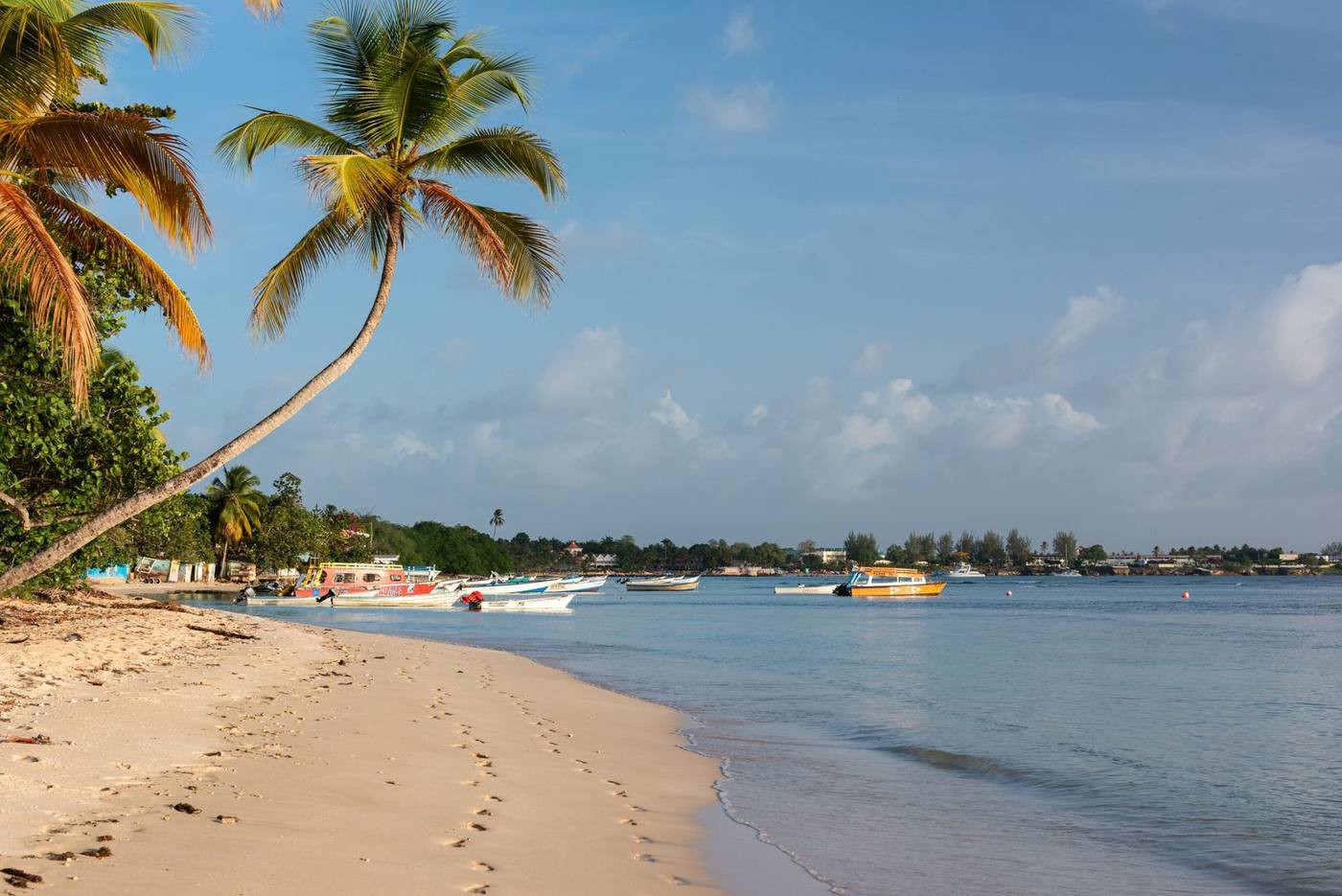
Leatherback turtle nesting nights on the beaches of Turtle Beach and Grafton, with local guides, and days at Pigeon Point and the Nylon Pool.
 6 daysEasy
Tobago
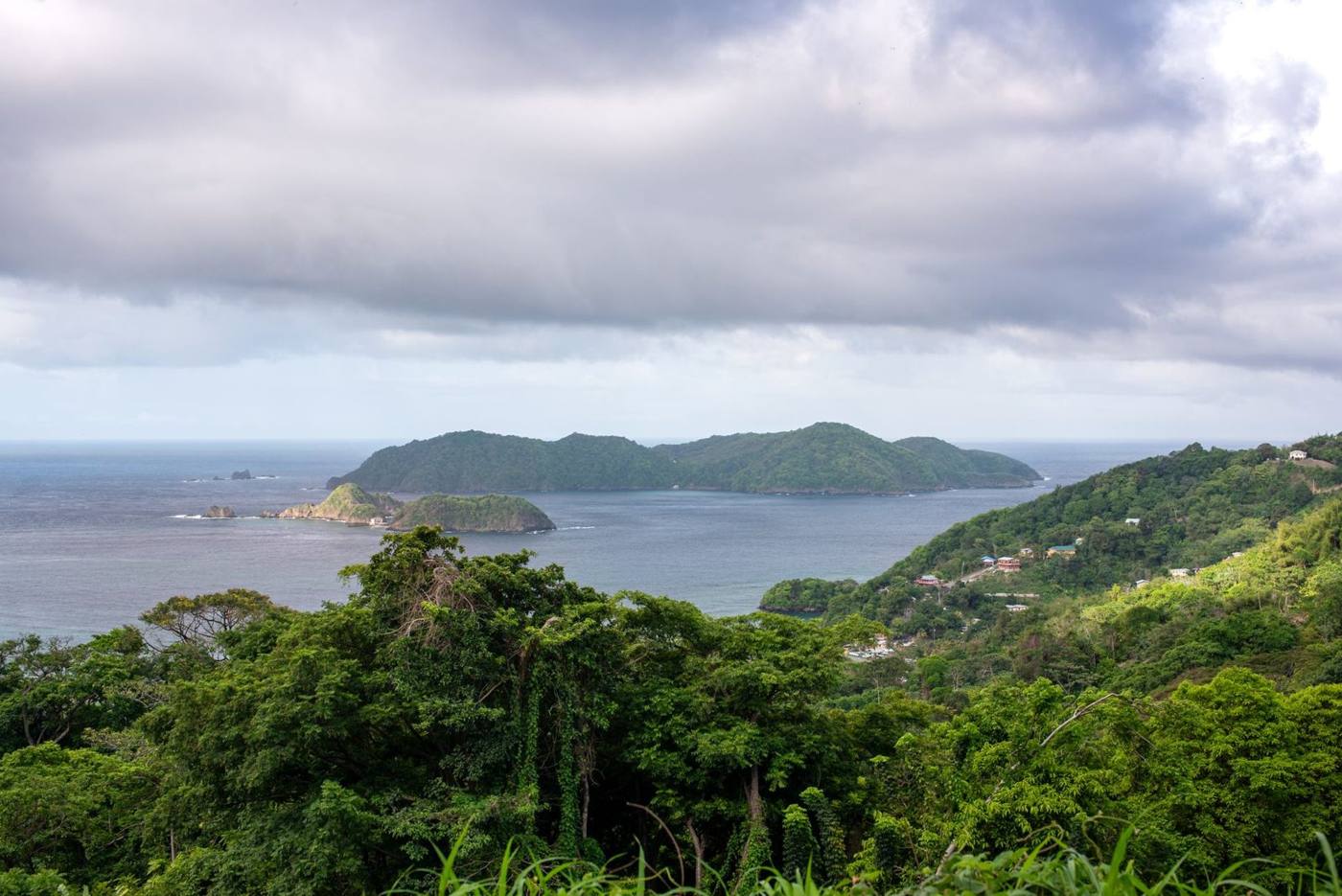
The western hemisphere's oldest protected forest, the beaches of Pigeon Point and Englishman's Bay, Buccoo Reef and Speyside with its mantas.
 5 daysEasy
Trinidad and Carnival
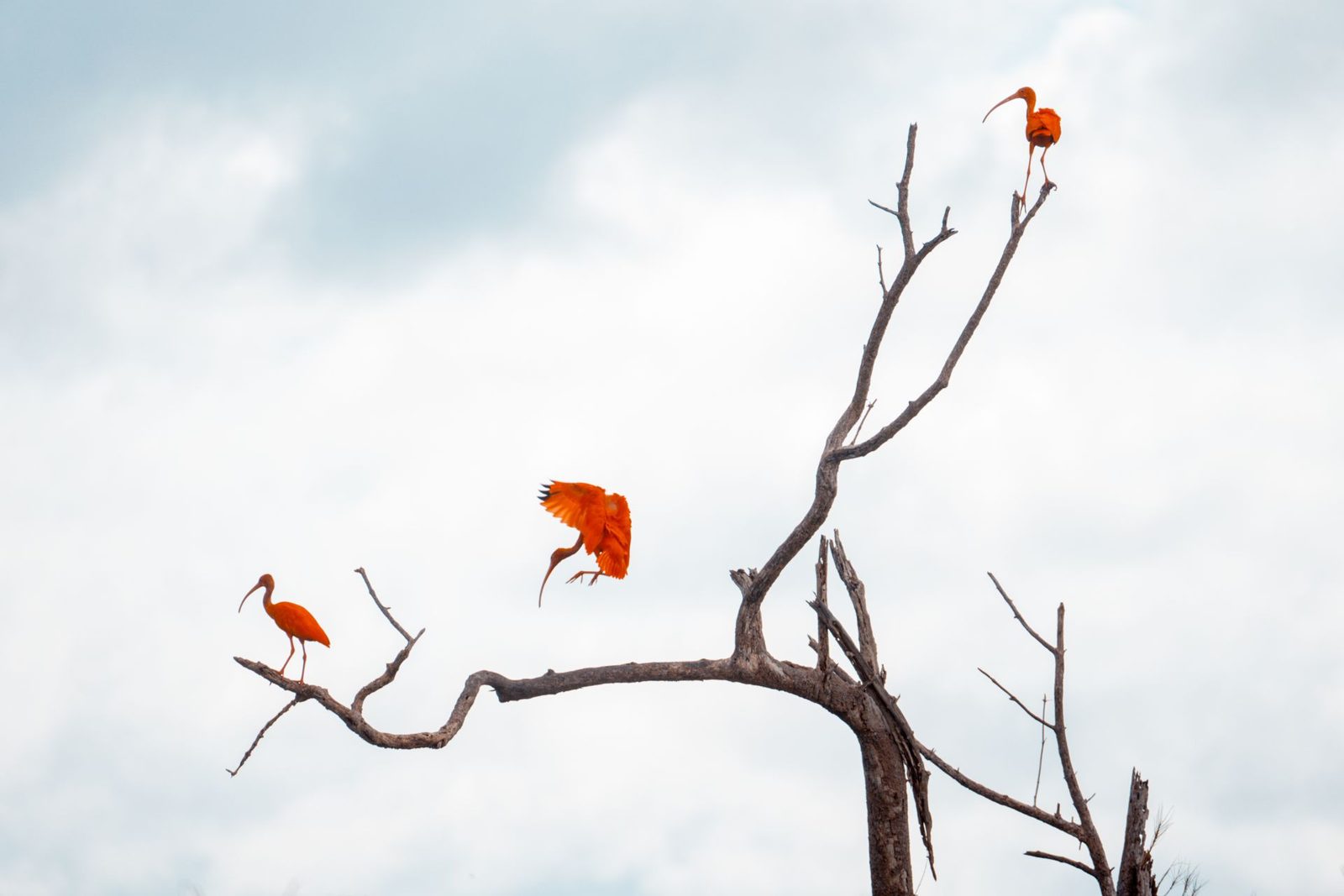
Port of Spain Carnival with steelpan and soca, the scarlet ibises of Caroni Swamp and the leatherback turtles of Grande Riviere.