Trinidad and Carnival
Port of Spain Carnival with steelpan and soca, the scarlet ibises of Caroni Swamp and the leatherback turtles of Grande Riviere.
- Port of Spain
- Caroni Swamp
- Asa Wright
- Maracas Bay
- Grande Riviere
Day by day
- Day 1
Port of Spain and the steelpan rehearsals
This five-day trip takes you to Trinidad during Carnival, one of the biggest in the world, with steelpan and soca music, costumes and street parties. Then comes the island's nature: the scarlet ibis of the Caroni Swamp, the northern forest and, in season, the leatherback turtles of Grande Riviere.
Before you go: Italian citizens enter Trinidad and Tobago with a passport valid for at least six months, without a visa for stays of up to 90 days. In the 72 hours before arrival, and again before departure, fill in the Arrival/Departure Card online on the official portal travel.gov.tt. Other nationalities should check their own rules. Crime is high on Trinidad, especially in Port of Spain, and security measures can change: use only official taxis or organised transport and do not walk around at night. Some areas on this trip are close to borders or places where the situation changes often: check your government's travel advice before booking and again before you leave.
You land at Piarco airport, about half an hour from Port of Spain, the capital. During Carnival the prices of flights and accommodation are extremely high: book many months in advance.
In the evening go by taxi to one of the panyards, the yards where steelpan orchestras rehearse for the great Carnival competition, Panorama. Dozens of musicians play together on steel drums made from oil barrels: the steelpan was born right here, in Trinidad.
Sleep in Port of Spain, for four nights.
Practical tip: carry only a copy of your passport and a little cash, and leave the rest in the safe.
- Day 2
Carnival in the streets
Today you live Carnival. The two main days are the Monday and Tuesday before Ash Wednesday, but the celebrations begin weeks earlier, with concerts, competitions and fetes, the big open-air parties.
Carnival opens before dawn on Monday with J'Ouvert: people parade through the streets covered in mud, paint and chocolate, to the beat of music blasting from trucks. It is chaotic and joyful: wear old clothes and keep your phone in a plastic bag.
Then, on Monday and above all on Tuesday, the bands parade, the large costumed groups: thousands of people in feathers, beads and colours, divided into sections, dancing behind trucks with huge speakers. The route passes through the Queen's Park Savannah, the large park in the centre of the city.
The best way to experience it is to join a band: you buy the costume months ahead and parade with the group, which also provides drinks and security. If you prefer to watch, choose a spot with stands or close to the route.
Drink plenty of water, eat often and wear sun cream: you dance for hours in the sun.
The crowds attract pickpockets: always stay with your group and agree on a meeting point.
Sleep in Port of Spain.
Practical tip: book your taxi back in advance, because after the parade it is hard to find one.
- Day 3
The Caroni Swamp and the scarlet ibis
After the nights of partying, today you rest in the morning and in the afternoon head out into nature.
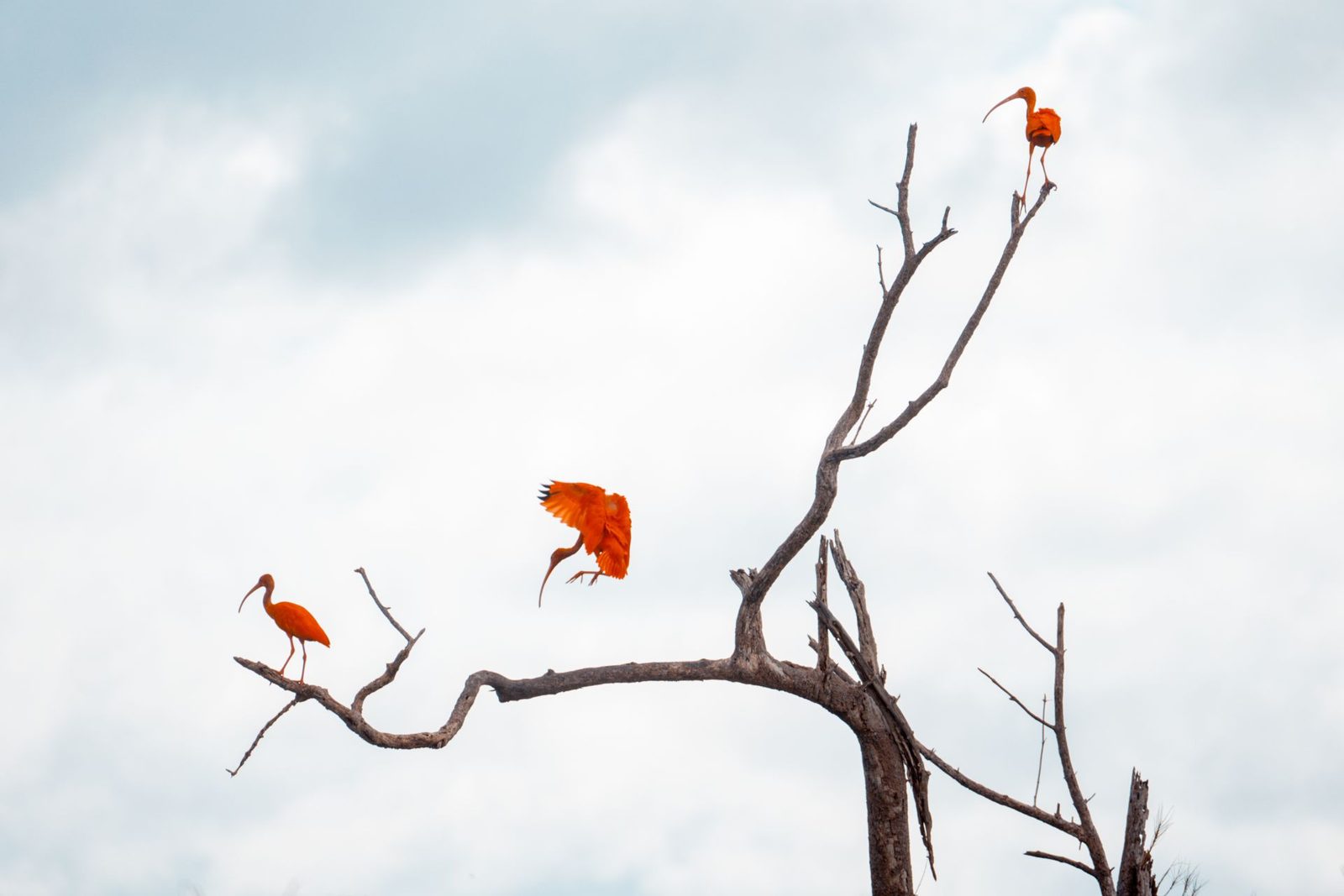
The Caroni Swamp lies south of Port of Spain, about half an hour by road. It is a large area of mangroves and channels, home to the scarlet ibis, the national bird of Trinidad and Tobago, with bright red feathers.
The boats leave in the late afternoon and move slowly along the channels between the mangroves. The guide shows you boas coiled on branches, small caimans, crabs, herons and, with a bit of luck, the silky anteater.
Then the boat stops in front of a mangrove islet and the engine is turned off. At sunset the scarlet ibis arrive, in flocks, from every direction, and settle on the trees until they turn them red. It is one of the most beautiful natural sights in the Caribbean.
Check prices and times and book the boat the day before, especially during Carnival.
Bring mosquito repellent, binoculars and a light jacket: at sunset the air on the water cools down.
Go back to Port of Spain with organised transport, without stopping along the road after dark.
Sleep in Port of Spain.
Practical tip: do not use flash and keep quiet when the ibis arrive, so as not to frighten them.
- Day 4
The northern forest and Maracas Bay
Today you go into the mountain range of the north, the Northern Range, covered in tropical forest.
In the morning head up to the Asa Wright Nature Centre, in the Arima valley, a nature reserve famous worldwide for its birds: many species of hummingbird, toucans, manakins that dance to court females and the rare oilbird, which lives in caves. Before you go, check whether it is open and which guided visits it offers. Check prices and times.
Walk the trails with a guide, slowly and quietly, and bring binoculars: in a few hours you can see dozens of species.
In the afternoon cross the mountains again and take the scenic road that runs from Port of Spain to Maracas Bay, on the north coast. The road is full of bends, with viewpoints over the Caribbean Sea and the forest.
Maracas Bay is the beach Trinidadians love most: a long bay of pale sand with palms and green hills. This is where you eat bake and shark, fried bread filled with fried shark, with sauces and vegetables of your choice. If you prefer, ask for a version with another fish.
Swim only where there is a lifeguard: waves and currents can be strong.
Sleep in Port of Spain.
Practical tip: travel on these roads only by day, with a driver or a car in good condition.
- Day 5
Departure or Grande Riviere for the turtles
Today you have two options: leave, or go to Grande Riviere, on the north-east coast, to see the leatherback turtles.
Leatherbacks are the largest sea turtles in the world, and from March to August they come ashore at night on the beach at Grande Riviere to lay their eggs. During this period night access to the beach is regulated and is done with authorised local guides, who show you the turtles without disturbing them. The journey from Port of Spain is long, about three hours by road: it is best to spend a night there.
On the beach do not use white torches or flash, stay behind the turtle and follow the guide's instructions.
If instead you are flying home, leave Port of Spain in good time: traffic to Piarco airport can be heavy. Remember to fill in the Arrival/Departure Card online again.
Trip summary: in five days you have lived the Carnival of Port of Spain, with the steelpan panyards, J'Ouvert and the costumed bands, seen the scarlet ibis in the Caroni Swamp, the birds of the Northern Range and the beach at Maracas Bay, and in season the turtles of Grande Riviere.
When to go: February or March for Carnival, whose date changes every year; March to August for the turtles. The dry season runs roughly from January to May.
Practical tip: Carnival and the turtle season overlap only when Carnival falls in March: check the dates before you book.
One of the world's biggest carnivals, best experienced by joining a costumed 'band'. Prices are very high at Carnival. Trinidad has a high crime rate: use reliable transport.
Before you go
- Documents and visa
- Passport valid for at least six months; Italian citizens do not need a visa for stays of up to 90 days. In the 72 hours before arrival and before departure fill in the Arrival/Departure Card online on the official portal travel.gov.tt.
- Health and vaccines
- No compulsory vaccinations. The yellow fever vaccine is recommended only for people going to the dense forests of Trinidad, not for those staying on Tobago. Dengue and Zika are present, especially in the rainy season: use repellent. Private clinics are good but expensive: you need insurance with medical costs and repatriation. Police: 999; ambulance: 990.
- Money and payments
- Trinidad and Tobago dollar. US dollars are accepted; Visa and Mastercard work in most lodgings, restaurants and shops. Use well-lit ATMs, in daylight.
- Power sockets
- Types A and B, 115 volts: you need an adapter for American plugs; check that your devices accept 100 to 240 volts.
- Time zone
- UTC-4 all year.
- Safety
- Violent crime is high on Trinidad, especially in Port of Spain, with armed robbery, including against foreigners; take particular care in Laventille, Morvant, Barataria, Beetham and downtown Port of Spain, and on the road from Piarco airport. Crime is lower on Tobago, but tourists have been robbed and attacked. Special security measures can change: check before you leave. Use only official taxis, do not walk alone at night or on deserted beaches, and avoid demonstrations. Tropical storms can cause floods and landslides. Official advice: GOV.UK.
Information checked in November 2026 for Italian and EU citizens. Rules change: always check before you travel.
Variations
Shorter version: three days, with Carnival and the Caroni Swamp.
Longer version: add three days on Tobago, with Buccoo Reef and the Main Ridge forest.
Frequently asked questions
Can I take part in Carnival without a band?
Yes, you can watch the parades or go to J'Ouvert, but joining a band is the best and safest way. Costumes are booked many months ahead.
When can you see the scarlet ibis?
All year round, at sunset, when they come back to roost in the trees of the Caroni Swamp. The boats leave in the late afternoon.
Is Trinidad dangerous?
Crime is high, especially in Port of Spain. Use official taxis, do not walk around at night, do not show valuables, and check your government's travel advice before you leave.
Indicative itinerary written by World Atlas. Before booking, check timetables, seasonal openings, documents and safety.
 3 daysModerate
Main Ridge and Castara
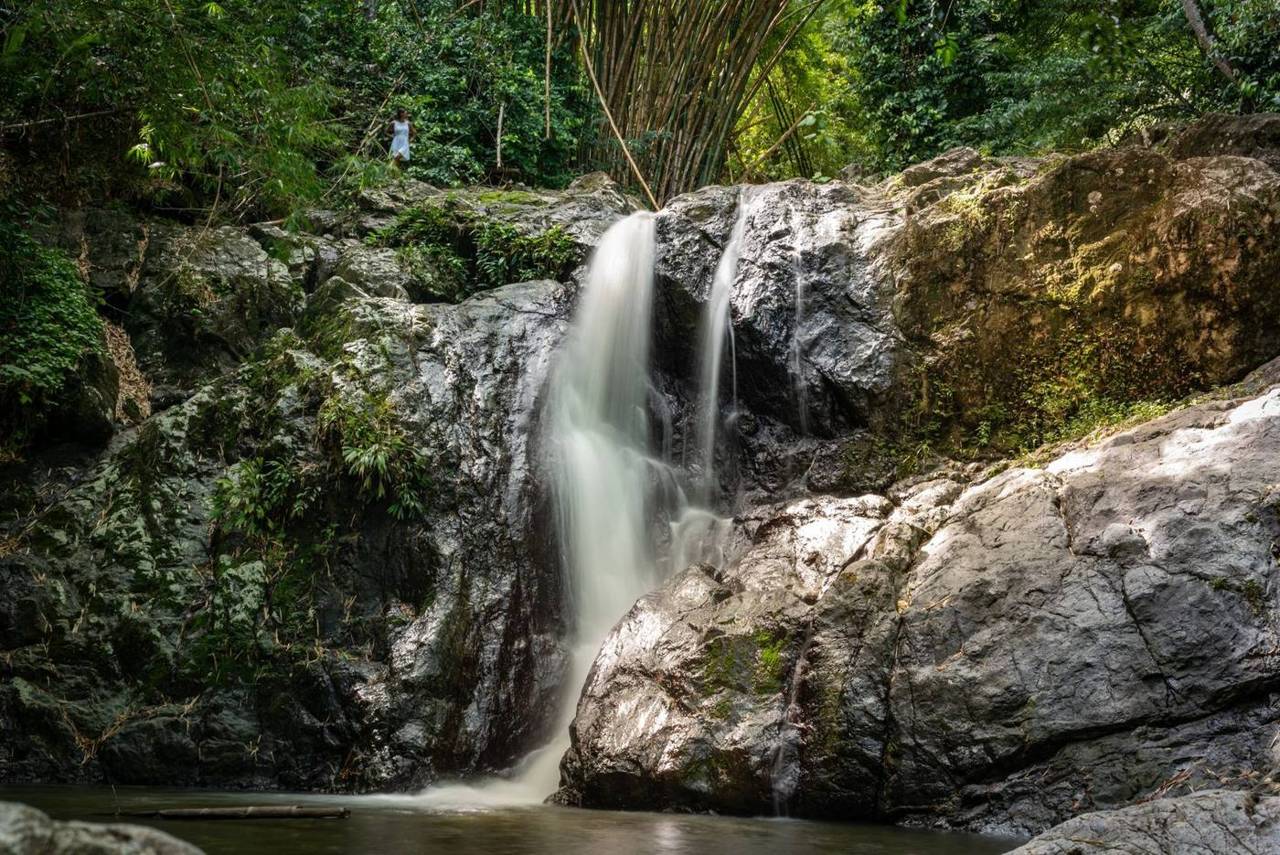
Green Tobago: the Main Ridge forest, protected since 1776, with hummingbirds and tropical birds, the Argyll waterfall and the fishing villages of Castara and Englishman's Bay.
 3 daysModerate
Speyside and Little Tobago
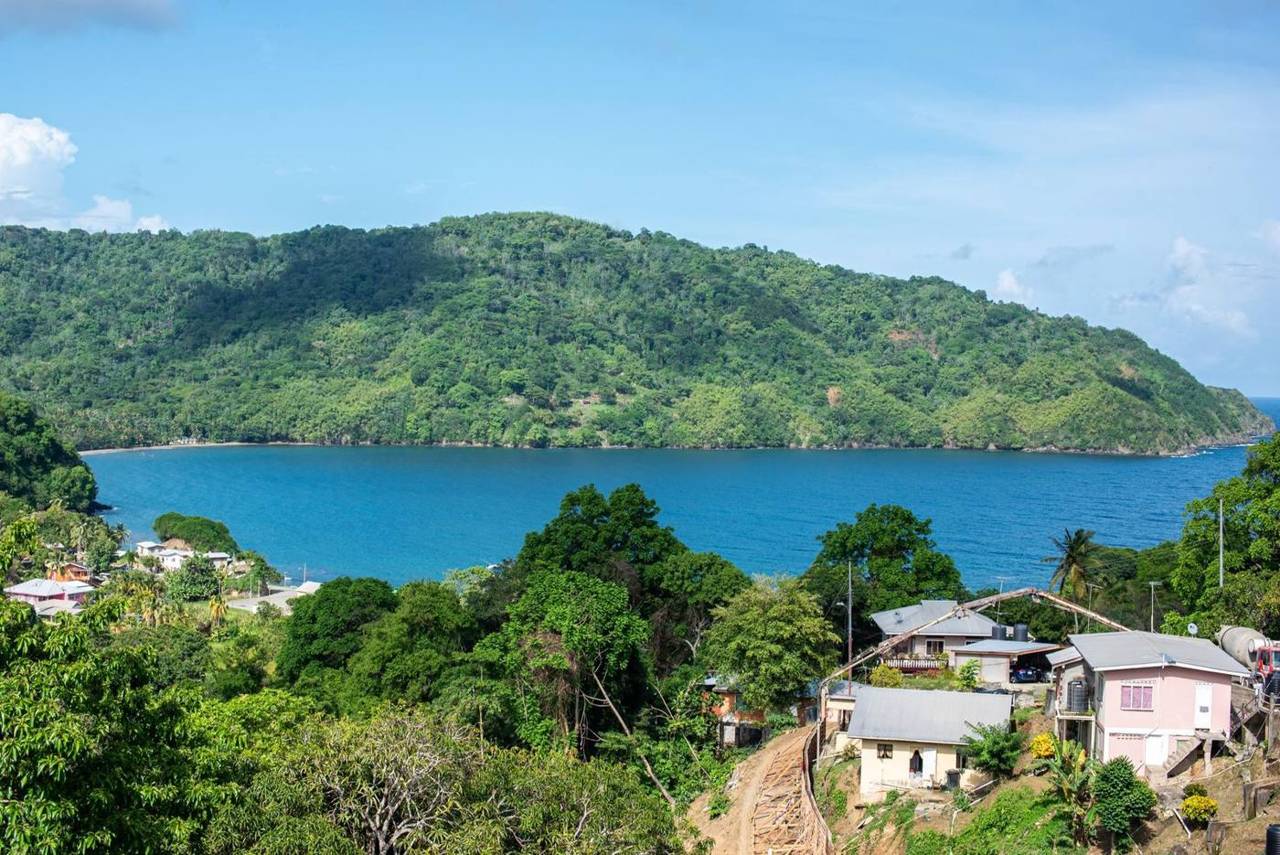
Tobago's north-eastern tip: drift dives full of life, giant brain corals, manta rays at certain times and the islet of Little Tobago with its seabirds.
 2 daysEasy
The turtles of Tobago
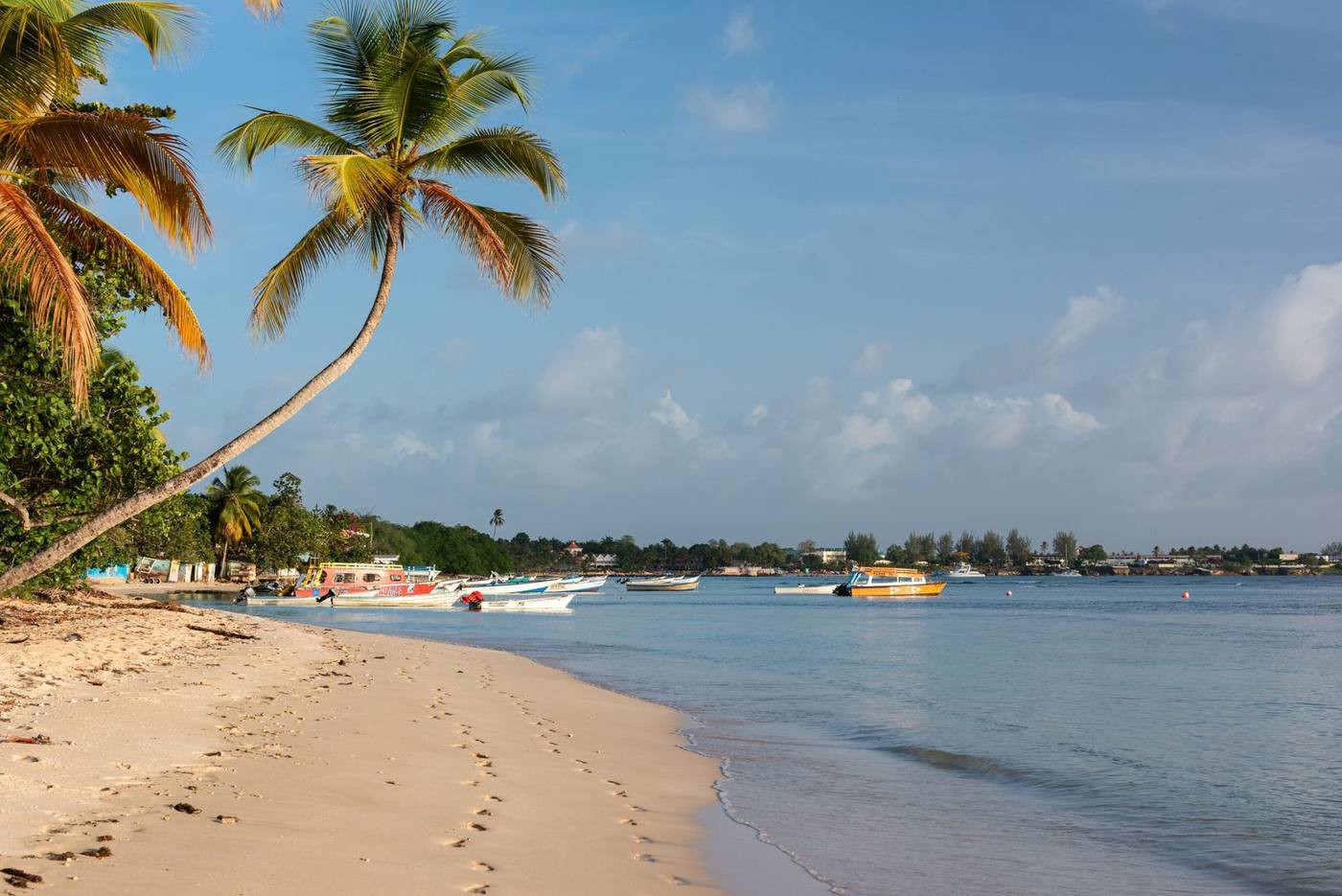
Leatherback turtle nesting nights on the beaches of Turtle Beach and Grafton, with local guides, and days at Pigeon Point and the Nylon Pool.