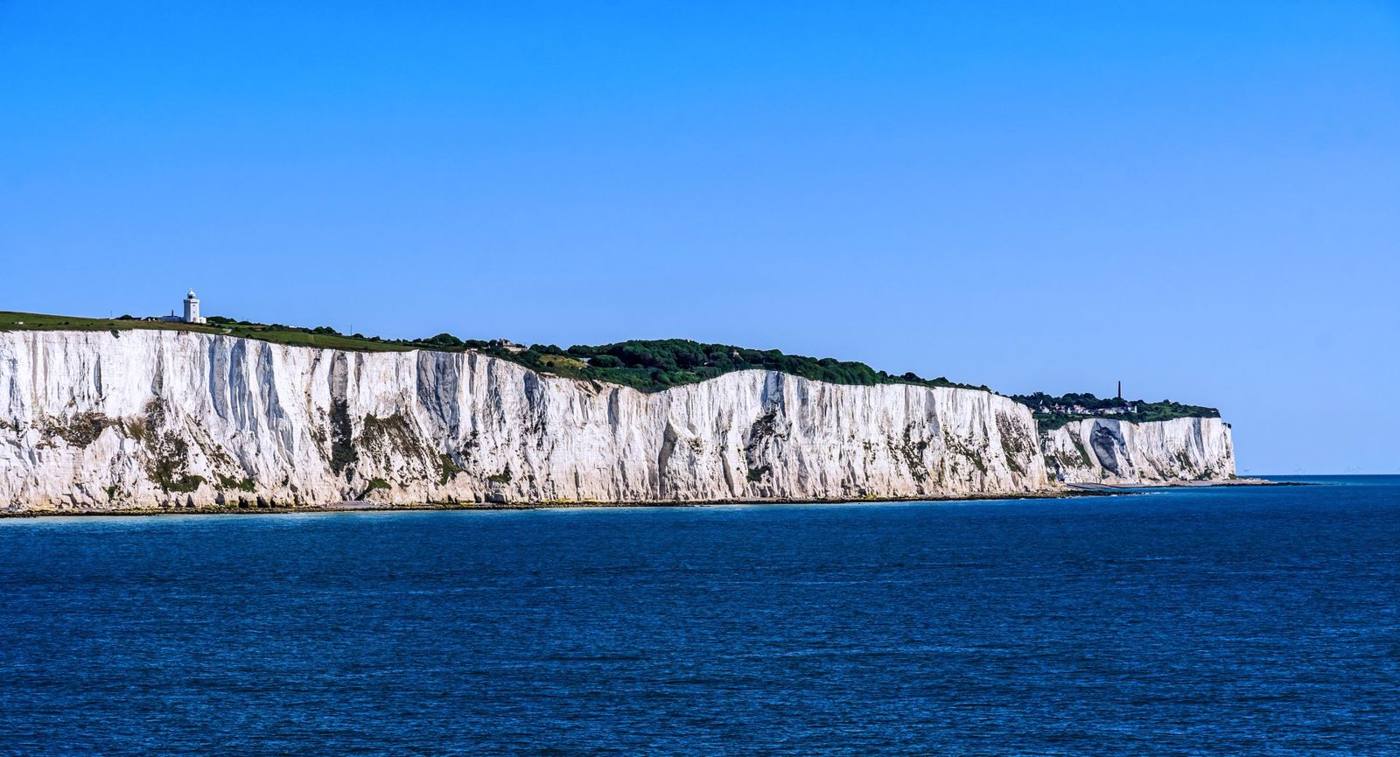
Canterbury, Kent and the White Cliffs of Dover
The Garden of England: Canterbury Cathedral, a UNESCO World Heritage site, Dover Castle and the White Cliffs above the Channel, the medieval town of Rye, Leeds Castle on its lake and the garden at Sissinghurst.
- London
- Canterbury
- Dover
- Rye
- Sissinghurst
- Leeds Castle
Day by day
- Day 1
The fast train from London to Canterbury and the cathedral
Kent is the county in the south-east corner of England, called the garden of England for its orchards, hop fields and gardens. It is also the country's historic gateway to Europe: the Romans came this way, as did the first Christian missionaries and, for centuries, pilgrims, kings and soldiers.
In the morning take the high-speed train from St Pancras in London: in under an hour you are in Canterbury. Drop your bags and walk through the medieval centre, still partly enclosed by its walls, with timber-framed houses leaning over the narrow streets.
The heart of the city is the cathedral, seat of the archbishop who leads the Church of England and a UNESCO site together with St Augustine's Abbey and St Martin's Church, the oldest church still in use in the English-speaking world. Inside the cathedral you see the soaring Gothic nave, the medieval stained glass and above all the spot where in 1170 Archbishop Thomas Becket was killed by four of King Henry II's knights. Becket became a saint and Canterbury one of the most important pilgrimage destinations in Europe: these pilgrims are the characters of Geoffrey Chaucer's Canterbury Tales, written at the end of the fourteenth century.
In the afternoon visit the ruins of St Augustine's Abbey, founded in 597 by the monk sent by the Pope to convert the English, then walk along the River Stour, where short punt rides run in summer.
In the evening try a Kent beer made with local hops. Practical tip: to enter the United Kingdom you need a passport and an ETA, the electronic travel authorisation, which costs 20 pounds.
- Day 2
Dover: the castle, the wartime tunnels and the clifftop path
In the morning take the train to Dover, in about half an hour. Dover is the port closest to France: on clear days the French coast, only 33 kilometres away, can be seen with the naked eye.
Climb to Dover Castle, on the hill above the port, one of the largest fortresses in England, known as the key to England. It has almost a thousand years of history: within its walls there is even a Roman lighthouse and an Anglo-Saxon church. In the Great Tower, the rooms are furnished as at the court of King Henry II.
The most moving part is the tunnels dug into the cliff, used during the Napoleonic wars and then in the Second World War. From here, in 1940, Operation Dynamo was directed, the evacuation of more than 300,000 Allied soldiers from the beaches of Dunkirk. The guided tour brings those days back with sound and images. Allow at least half a day for the whole castle.
In the afternoon walk the path along the top of the White Cliffs of Dover, made of white chalk and more than a hundred metres above the sea. The path, managed by the National Trust, starts at the visitor centre east of the port and reaches South Foreland lighthouse in about an hour and a half; it dates from the nineteenth century, and some of the first experiments in radio transmission took place there. From above you watch ships and ferries entering and leaving the port.
In the evening return to Canterbury. Practical tip: keep away from the cliff edge, which often collapses, and keep dogs on a lead.
- Day 3
Rye and Sissinghurst garden
Today it is best to have a car, hired in Canterbury, because both places are in the countryside and public transport is slow.
In the morning drive to Rye, just across the border in East Sussex, about an hour away. It is one of the most beautiful medieval towns in England, built on a hill once surrounded by the sea. Rye was one of the Cinque Ports, the towns that supplied ships to the king in exchange for privileges; then the sea retreated and the town was left stranded in the countryside, preserving its houses. Walk along Mermaid Street, a steep cobbled street with timber-framed houses and curious names on the doors, then climb the tower of St Mary's church for the view over red roofs and marshes to the sea. Also visit Ypres Tower, a small thirteenth-century fortress.
In the afternoon continue to Sissinghurst, about half an hour away, one of the most famous gardens in the world. It was created in the 1930s by the writer Vita Sackville-West and her husband Harold Nicolson among the ruins of an Elizabethan castle. The garden is divided into many outdoor rooms, each with a theme: the most celebrated is the White Garden, with only white flowers and grey foliage, which seems to glow at dusk. Climb the tower, where Vita had her study, to see the whole garden from above.
Return to Canterbury in the evening. Practical tip: Sissinghurst is run by the National Trust and is open mainly from spring to autumn; check the hours and book on summer weekends.
- Day 4
Leeds Castle and back to London
The last day is for Leeds Castle, which despite its name is in Kent, near Maidstone, about half an hour's drive from Canterbury. It has been called the loveliest castle in the world, and when you see it appear on its lake, its pale walls reflected in the water, you understand why.
The castle is almost nine hundred years old. It was the home of six queens of England and then of Henry VIII, who turned it into a palace. In the twentieth century it was bought by a wealthy Anglo-American woman, Lady Baillie, who restored it and held parties there with famous guests. The rooms inside show all these periods, from the queen's medieval chambers to the drawing rooms of the 1930s.
Around it is a large park with lawns, woods, gardens, black swans and a hedge maze with an underground grotto at its centre. Allow at least half a day.
After lunch return the car and take the train to London. From Maidstone or Canterbury trains reach London in about an hour to an hour and a half. If you still have time, you can stop at Rochester, on the line to London, with its Norman castle, its cathedral and streets linked to Charles Dickens, who lived nearby.
Practical tip: Kent is full of sites run by the National Trust and English Heritage; if you plan to visit many during your trip, consider membership of one of the two, which gives entry to all their properties. Also check for rail strikes, which sometimes change timetables in England.
Easy from London, by train or car. The gardens are at their best from May to July; many National Trust properties have seasonal hours. On the cliff path stay away from the edge, which can collapse. A passport is needed (identity cards are no longer accepted) and, for EU citizens, the Electronic Travel Authorisation (ETA), applied for online before travelling: since 8 April 2026 it costs £20 and is valid for two years.
Before you go
- Documents and visa
- You need a passport: identity cards are no longer accepted. Before leaving you apply online for an ETA, the electronic travel authorisation: it costs 20 pounds and is valid for two years.
- Health and vaccines
- No vaccines required. EU citizens should carry the European Health Insurance Card for necessary treatment. Emergencies: 999 or 112.
- Money and payments
- Pound sterling. Contactless cards are used everywhere, including on London public transport.
- Power sockets
- Type G, 230 volts: you need an adapter for British three-pin plugs.
- Time zone
- UTC in winter and UTC+1 in summer.
- Safety
- The United States rates the United Kingdom level 2 for terrorism. In big cities watch out for pickpockets; in Scotland and Wales the main risks are weather and mountains. Driving is on the left. ETA: GOV.UK.
Information checked in November 2026 for Italian and EU citizens. Rules change: always check before you travel.
Variations
In 2 days: Canterbury on day one, Dover with the castle and cliffs on day two, all by train from London.
In 6 days: add the Sussex coast with Brighton and the Seven Sisters, or Whitstable and Margate on the north Kent coast.
Frequently asked questions
Do I need a car?
Not for Canterbury and Dover, where trains are fast and frequent. For Rye, Sissinghurst and Leeds Castle a car is much more convenient; otherwise there are buses and taxis, but they take longer.
When is the best time to go?
From May to September, when the gardens are in bloom and the days are long. Sissinghurst and some sites close or reduce their hours in winter.
What documents do I need?
A passport and an ETA, the electronic travel authorisation, which costs 20 pounds and must be applied for online before you travel.
Indicative itinerary written by World Atlas. Before booking, check timetables, seasonal openings, documents and safety.
 4 daysEasy
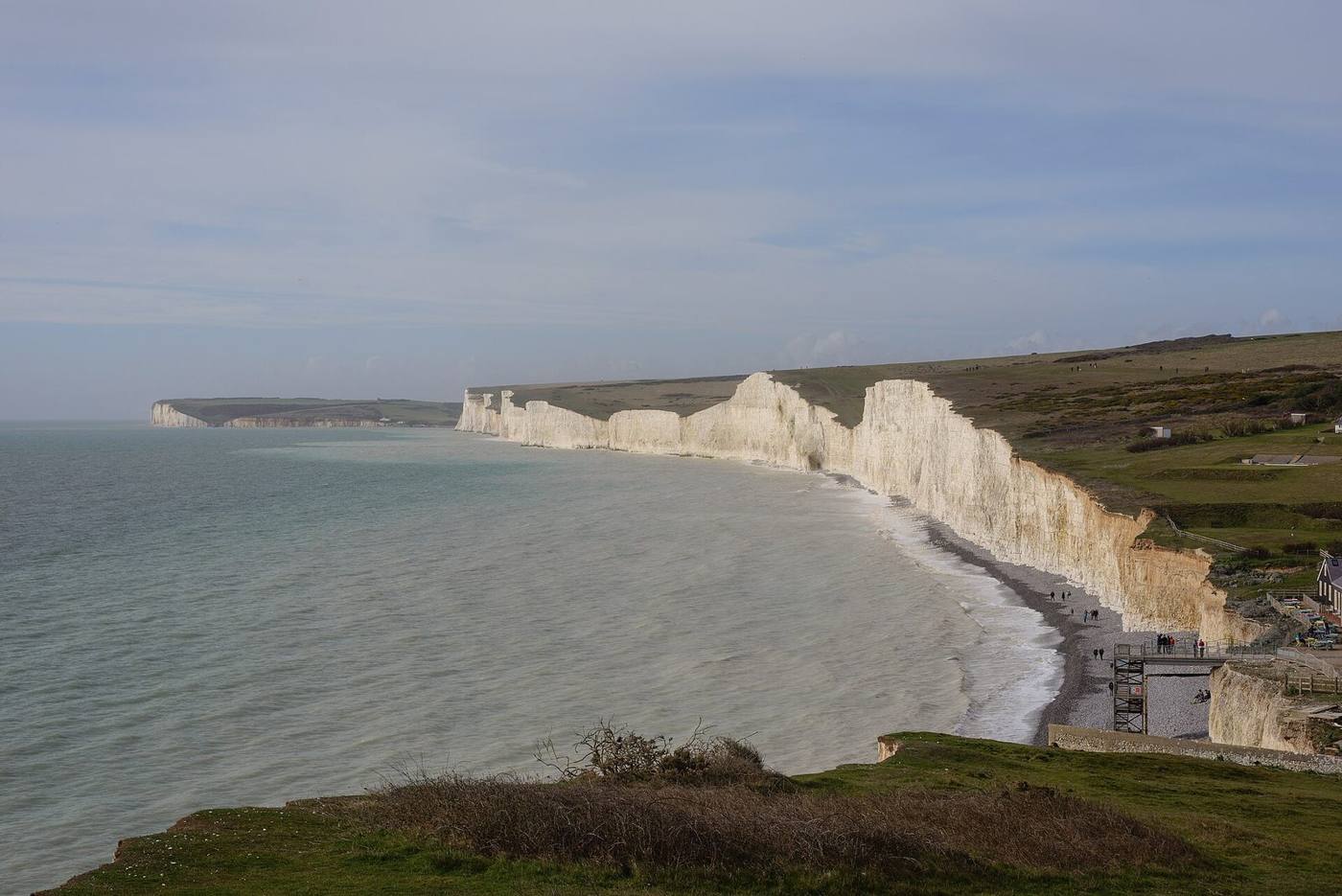
Brighton and the South Downs
The Sussex coast: Brighton with the Royal Pavilion, the pier and the Lanes, the clifftop path over the Seven Sisters to Beachy Head lighthouse, the South Downs National Park and the town of Lewes.
 5 daysEasy
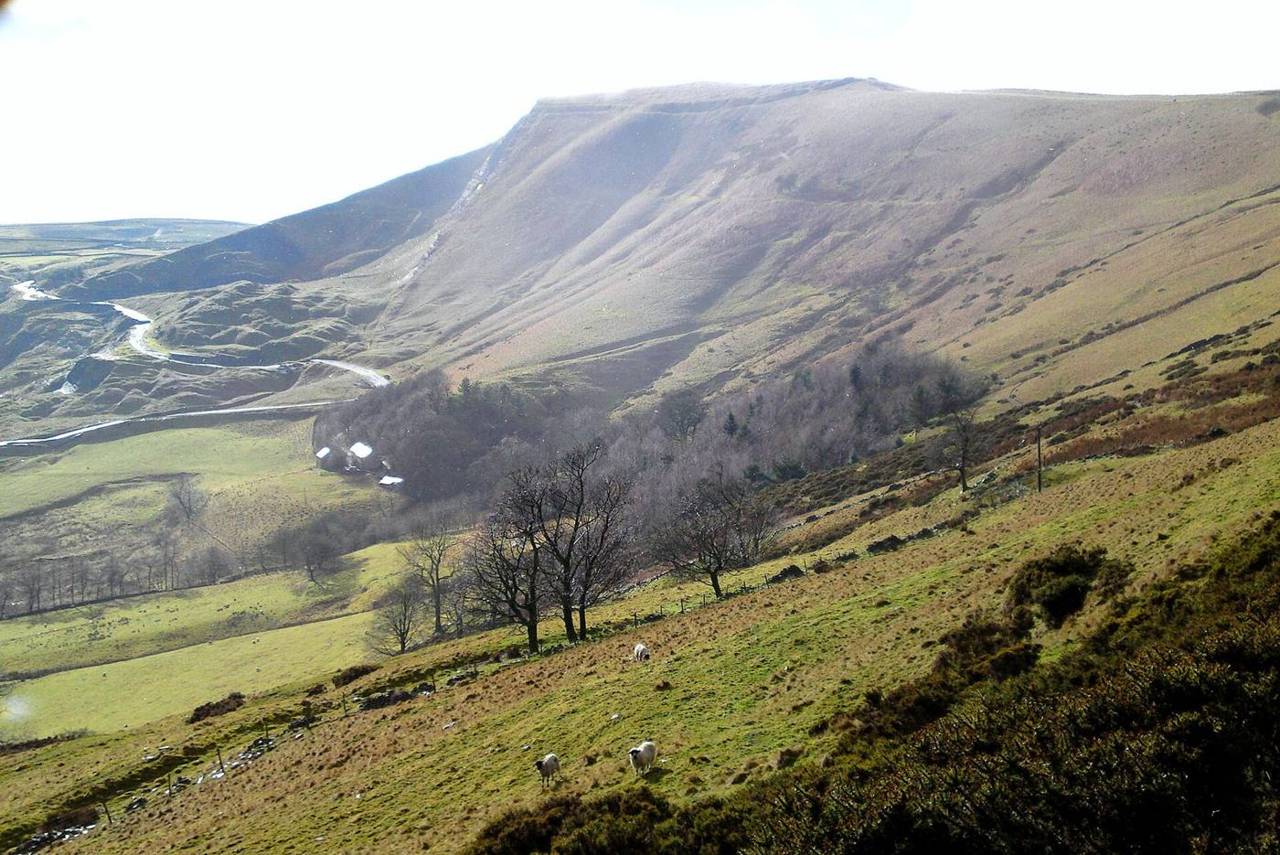
The Peak District, Manchester and Liverpool
The industrial and green North: Liverpool with its historic port, the Albert Dock museums and the Beatles sites, Manchester with its museums of the Industrial Revolution and football, and the Peak District park with its moors and Chatsworth.
 5 daysEasy
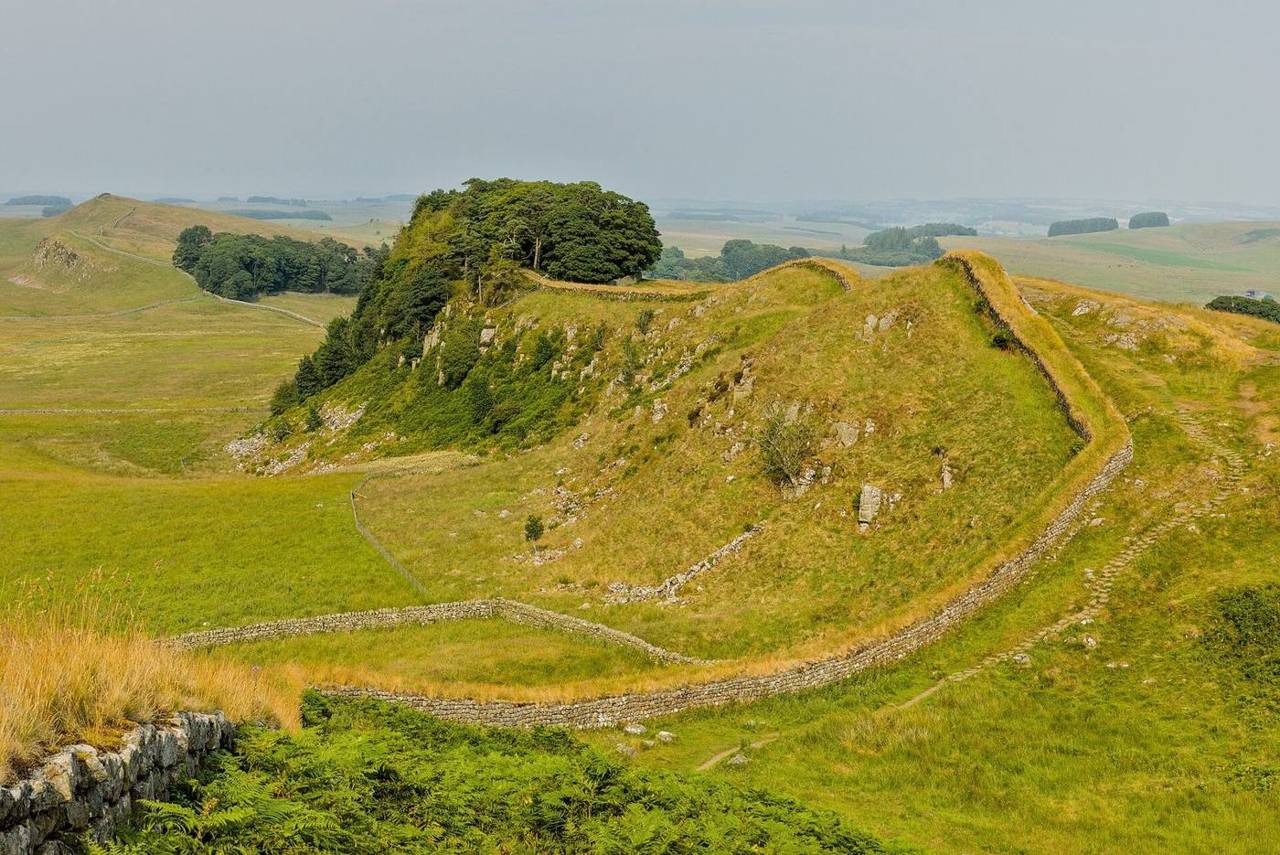
Northumberland and Hadrian's Wall
The border with Scotland: Hadrian's Wall, a UNESCO World Heritage site, with the Roman forts of Housesteads and Vindolanda, Durham Cathedral, the castles of Bamburgh and Alnwick by the sea and the holy island of Lindisfarne, reachable only at low tide.