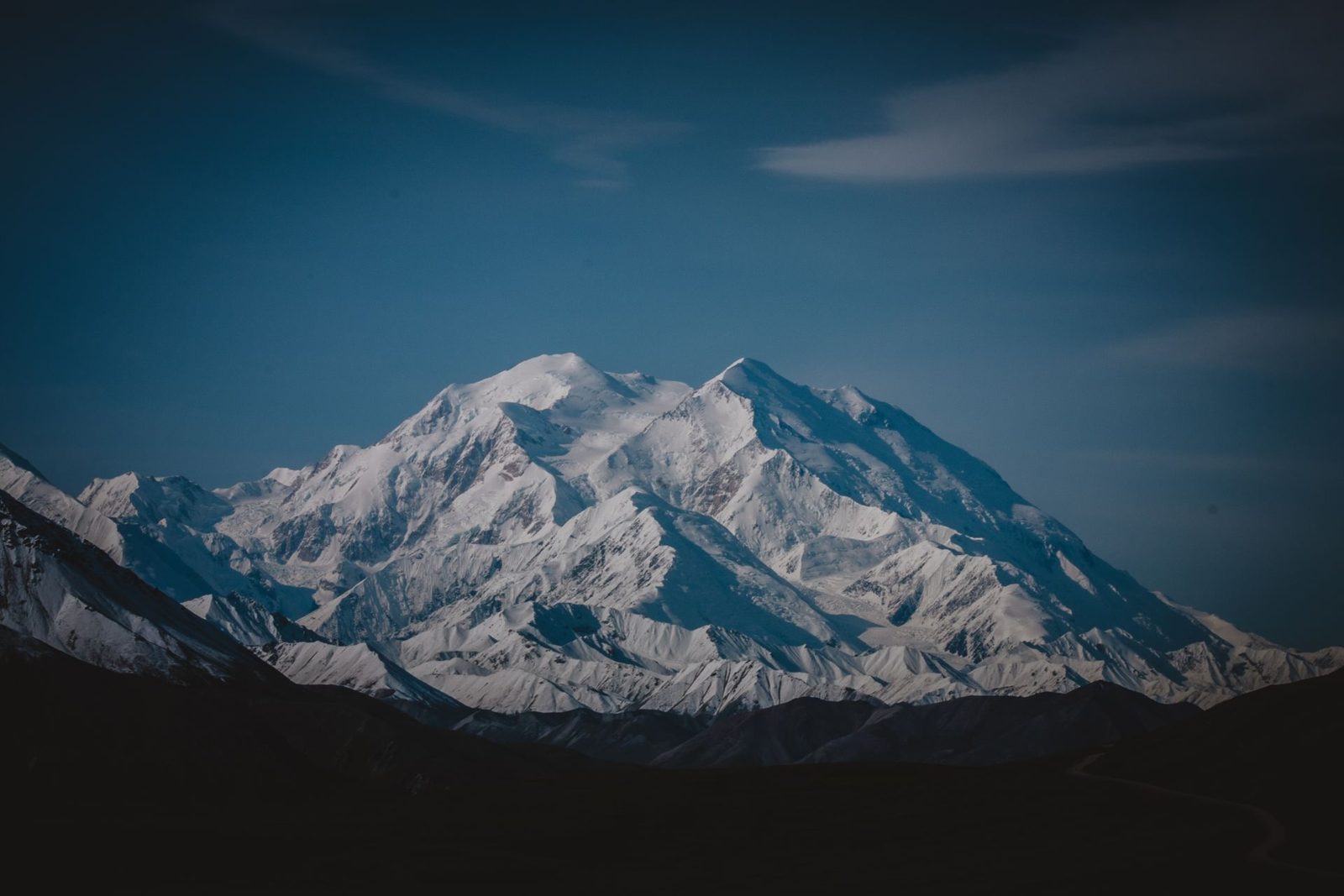
Alaska: Denali and the Kenai Peninsula
Denali with grizzlies and moose, tidewater glaciers in Kenai Fjords and bears fishing for salmon.
- Anchorage
- Talkeetna
- Denali
- Seward
- Kenai Fjords
- Homer
- Anchorage
Day by day
- Day 1
Arrival in Anchorage
This trip takes you into the heart of Alaska, the wildest land in the United States: Denali, the highest mountain in North America, the national park of the same name with grizzlies, caribou and moose, the fjords and glaciers of the Kenai Peninsula, and brown bears fishing for salmon. You travel by hire car, with a stretch by bus in the park and a scenic flight.
Before you go: to enter the United States without a visa you need a passport and the ESTA authorisation, which since 16 October 2026 costs 40.62 dollars. Other nationalities should check their own rules.
You arrive in Anchorage, Alaska's largest city, usually with one or two stops, often in Seattle. Anchorage is a modern city, surrounded by the Chugach Mountains and facing the sea of Cook Inlet. In summer the sun sets after eleven at night and it never gets completely dark.
In the afternoon rest and walk the Tony Knowles Coastal Trail, a path along the coast, on foot or by bicycle. On clear days you can see Denali, almost 250 kilometres away, and sometimes moose cross the path.
In the evening have wild Alaskan salmon or king crab for dinner.
Sleep in Anchorage.
Practical tip: in Alaska distances are huge, accommodation is limited and the season is short. Book the car, accommodation, park buses and cruises many months ahead, especially for July and August.
- Day 2
Talkeetna and the Denali flight
Today you head towards Denali.
In the morning collect the car and drive north for about two hours to Talkeetna, a small village of wooden houses where three rivers meet, the base for climbing expeditions to Denali. The road runs through the Matanuska and Susitna valleys, among spruce and birch woods.
Talkeetna has a main street of wooden houses, shops, an old general store and a small local history museum. From the riverside viewpoint, on clear days, you see the whole Alaska Range with Denali.
In the afternoon, if the weather allows, take a scenic flight in a small plane over the Alaska Range. The flight passes close to the walls of Denali, 6,190 metres high, the highest mountain in North America, above huge glaciers, and on some flights the plane lands on skis on a glacier. It is one of the finest experiences in Alaska. Flights depend on the weather and are often cancelled: check prices and conditions and keep a spare day.
In the evening walk along the river and have dinner in the village.
Sleep in Talkeetna.
Practical tip: Denali is covered by cloud for much of the summer. Only about one visitor in three manages to see it well. If the sky is clear, change your plans and make the most of it straight away.
- Day 3
To Denali National Park
Today you reach the park entrance.
In the morning drive north for about three hours along the Parks Highway, one of the most scenic roads in Alaska. Stop at the Denali State Park viewpoint, from which, in clear weather, the mountain looks enormous above the valleys. Then cross Broad Pass, a tundra plateau with small lakes and mountains on the horizon.
You reach the entrance to Denali National Park, larger than Wales, with a single road into the park. You pay the park entrance fee: check the price.
In the afternoon visit the visitor centre, with exhibits on the wildlife and geology, and walk one of the trails near the entrance, such as the Horseshoe Lake trail, a small horseshoe shaped lake with beaver dams.
Then go to the park kennels, home to the sled dogs used in winter by the rangers to patrol the park: it is the only sled dog kennel in a United States national park. In summer the rangers give demonstrations with the dogs: check the times.
In the evening sleep at one of the lodgings near the park entrance.
Sleep near the Denali entrance, for three nights.
Practical tip: in the park private cars can drive only the first 25 kilometres of the road. To go further you take the park buses, which must be booked in advance.
- Day 4
By bus into the heart of Denali
Today you enter the park by bus.
Early in the morning take one of the park buses that travel along the gravel road into the interior. The buses stop whenever someone spots an animal, and the driver explains the park's nature. In recent years a landslide has closed the road beyond about halfway, with work under way on a new bridge: check how far the buses go this year.
Along the road you cross tundra valleys, braided rivers and mountain passes. Here live grizzlies, often seen eating berries or digging for ground squirrels, caribou, moose, Dall sheep on the rock walls and, with great luck, wolves. On clear days Denali appears at the end of the valleys.
In the afternoon, at the turnaround point, you can get off and walk in the tundra: there are almost no trails in the park, and you can walk wherever you like, away from the animals. Then catch a bus back.
In the evening return to the park entrance.
Sleep near the Denali entrance.
Practical tip: bring binoculars, warm layers, a waterproof jacket, water and food for the whole day: nothing can be bought inside the park. On the buses it is forbidden to feed animals or make noise when they pass. Sit on the side the driver suggests, as the views change during the day.
- Day 5
A day on foot in Denali
Today you walk in the park's wild country.
In the morning choose a longer hike near the park entrance. The Mount Healy Overlook trail climbs for about four and a half kilometres with about 500 metres of ascent, to a viewpoint above the Nenana river valley, with views of the mountains and tundra. It takes three or four hours return.
Alternatively join a ranger led walk in the tundra, off trail, which teaches you to move safely and recognise animal tracks. Check days, times and bookings.
In the afternoon, if you want a different adventure, go rafting on the rapids of the Nenana River, which runs through a narrow canyon just outside the park. There are gentle family trips and others with bigger rapids. Check prices and conditions.
In the evening, if you are lucky and the sky is clear, watch the sun setting after ten at night on the mountains.
Sleep near the Denali entrance.
Practical tip: in Denali bear encounters are possible anywhere. Walk in a group, make noise, carry bear spray and learn to use it. Never run from a bear: stay calm and move away slowly. If the bear comes closer, speak in a calm voice and make yourself look big.
- Day 6
The long road to Seward
Today you head south to the Kenai Peninsula.
It is a long driving day, about seven hours without stops. In the morning drive back south on the Parks Highway to Anchorage, then continue on the Seward Highway.
After Anchorage the road follows Turnagain Arm, a narrow fjord between mountains, one of the finest stretches in Alaska. Here there are some of the strongest tides in North America: on some days the tide comes up the fjord as a wave, called a bore tide, which can be seen from the viewpoints. Stop at Beluga Point, where you sometimes see white beluga whales chasing fish, and at Windy Point, where Dall sheep come down close to the road.
In the afternoon, south of Girdwood, stop at the Alaska wildlife conservation centre, which cares for injured or orphaned animals such as bears, wood bison, moose and caribou. Check opening times and tickets.
Then the road crosses the mountains of the Kenai Peninsula, among turquoise lakes and glaciers, to Seward, a small fishing town at the head of Resurrection Bay.
In the evening have fish fresh from the harbour.
Sleep in Seward, for three nights.
Practical tip: there are many accidents on the Seward Highway, because people stop suddenly to look at the scenery. Use only the marked pull outs and never overtake on bends.
- Day 7
The Kenai Fjords cruise
Today you sail in Kenai Fjords National Park.
In the morning take one of the cruises leaving Seward harbour for Kenai Fjords National Park. The longest cruises, seven or eight hours, reach the tidewater glaciers, such as Aialik or Northwestern, which come down from the mountains to the sea. You see blocks of ice breaking off and falling into the water with a sound like thunder.
Along the way you meet plenty of wildlife: humpback whales breaching, orcas, sea otters floating on their backs, Steller sea lions on the rocks, puffins and bald eagles. Check prices and length and book ahead.
In the afternoon you return to Seward harbour.
If you have energy, visit the Alaska marine research centre, an aquarium and study centre for marine wildlife, with seals, sea lions and seabirds. Check opening times and tickets.
In the evening walk along the Seward seafront, with the snowy mountains reflected in the bay.
Sleep in Seward.
Practical tip: in the Gulf of Alaska the sea can be rough even in summer. If you suffer from seasickness, take medication before you leave and choose a shorter cruise that stays in the more sheltered bay. Dress warmly, because on deck the wind off the glaciers is cold even in July.
- Day 8
Exit Glacier and the Harding Icefield
Today you walk to a glacier.
In the morning drive for about twenty minutes to Exit Glacier, the only part of Kenai Fjords National Park reachable by car. A short, easy path, about two and a half kilometres return, leads to the viewpoint over the glacier front. Along the path there are signs with dates, showing how far the ice once reached: the glacier has retreated by more than a kilometre and a half in the last two centuries.
If you are fit, take the Harding Icefield trail, one of the finest in Alaska: about 13 kilometres return with about 1,000 metres of ascent. You climb through woods and meadows full of flowers and marmots, to a viewpoint above the Harding Icefield, an expanse of ice of more than 1,800 square kilometres from which more than 30 glaciers flow. It takes six to eight hours.
In the afternoon, if you did the short trail, relax in Seward or take a kayak trip in Resurrection Bay, with otters and seals.
In the evening have dinner and rest.
Sleep in Seward.
Practical tip: the Harding Icefield trail often has snow in its upper part until July. Check conditions with the rangers and bring warm layers: it is cold at the top even in August.
- Day 9
Homer, at the end of the road
Today you cross the Kenai Peninsula to Homer.
In the morning drive west for about four and a half hours. The road passes the village of Cooper Landing, on the Kenai River, a turquoise river famous for salmon fishing: in summer its banks are full of anglers and sometimes bears. Then it follows the shore of Cook Inlet, with views of the volcanoes on the other side, such as Redoubt and Iliamna, always snow covered.
On the way stop at Ninilchik, a small village of Russian origin with a wooden Orthodox church on the hill above the sea.
In the afternoon you reach Homer, a town on Kachemak Bay, called the halibut fishing capital of the world, a large flat fish. The most famous part is the Homer Spit, a strip of land about seven kilometres long reaching into the bay, with the harbour, fishing boats and wooden cabins.
In the evening walk along the Spit and look at the mountains and glaciers across the bay. Have fried or grilled halibut for dinner.
Sleep in Homer, for two nights.
Practical tip: in Homer book tomorrow's bear viewing flight in advance. Places are few and flights depend on the weather. Ask what is included, such as boots and lunch.
- Day 10
The brown bears of Katmai or Lake Clark
Today you see brown bears up close.
In the morning take a small floatplane or plane from Homer to the coast of Katmai or Lake Clark National Park, across Cook Inlet. The flight takes about an hour and passes over volcanoes and glaciers. The planes land on the beach or on a lake.
On the ground, with an experienced guide, you walk along the coast or through the meadows where the brown bears feed. In early summer they eat grass and dig for clams in the sand; from July to September they fish for salmon in the rivers. You stay at a safe distance, in silence, and the bears often pass within a few dozen metres, ignoring people. The rules are strict and set by the guides.
Flights depend on the weather and are often rescheduled or cancelled. Check prices, conditions and the best period, which varies by area.
In the afternoon you return to Homer.
In the evening relax on the Spit and talk about the day over a hot meal.
Sleep in Homer.
Practical tip: bring rubber boots or waterproof shoes, a rain jacket and warm layers. You often land on the beach and walk through shallow water or mud. Keep your camera in a waterproof bag.
- Day 11
Back along Turnagain Arm
Today you head back towards Anchorage.
In the morning leave Homer and drive north east for about four and a half hours to Girdwood, a small mountain resort at the end of Turnagain Arm.
In Girdwood, if the weather is clear, take the tram up Mount Alyeska, for views over the fjord, the glaciers and the Chugach Mountains. Check times and prices. Otherwise walk the Winner Creek trail, through temperate rainforest with huge moss covered trees and a small hand tram over a gorge, which you cross by pulling a rope.
In the afternoon, if you have time, make a detour to Portage Lake, where the glacier descends into the lake and icebergs float. Cruises also leave from here across the lake to the glacier front. Check times and prices.
In the evening continue for about an hour to Anchorage, looking again at Turnagain Arm in the long evening light.
Sleep in Anchorage.
Practical tip: never walk on the muddy shores of Turnagain Arm. At low tide the mud looks solid, but it is like quicksand, and the tide comes in very fast. There have been fatal accidents. Look at the scenery only from viewpoints and marked trails, and keep children close.
- Day 12
Anchorage and departure
Today you leave Alaska.
In the morning, if your flight leaves late, visit the Anchorage Museum, with the history of Alaska and a gallery devoted to Native peoples, or the Alaska Native Heritage Center, a cultural centre with the traditional houses of Alaska's different Native peoples, dances and storytelling. Check opening times and tickets.
Then return the car and go to Anchorage airport.
Over these days you have seen the Alaska of the great mountains, with Denali and the tundra full of wildlife, and the Alaska of the sea, with fjords, glaciers falling into the water, whales and brown bears fishing for salmon.
When to go: the tourist season runs from late May to mid September, when the roads, park buses and cruises operate. June and July have the longest days and the flowers; August is the month of berries and salmon, with many bears along the rivers; in September the autumn colours on the tundra are beautiful, but some services close. In winter you can see the northern lights, but many areas are closed.
Practical tip: in Alaska in summer there are huge numbers of mosquitoes, especially in the tundra and near water. Bring a strong repellent and a head net: it will save your days in Denali.
America at its wildest, for those seeking wildlife and open space. The weather is changeable and Denali is clearly visible only about one day in three. The bear-viewing flight is expensive but the highlight of the trip. The Denali park road was cut halfway for years by a landslide, so check how far the buses go.
Before you go
- Documents and visa
- Electronic passport and ESTA authorisation for Visa Waiver nationalities, applied for online on the official site at least 72 hours ahead: since 16 October 2026 it costs 40.62 dollars and is valid for two years. Travellers who have visited certain countries, such as Cuba or Iran, need a visa.
- Health and vaccines
- No vaccines required. Healthcare is extremely expensive: insurance with very high medical cover is essential. Emergencies: 911.
- Money and payments
- Dollar. Cards accepted everywhere. Prices are shown before tax, added at the till; restaurant tips of 15 to 20 per cent are expected.
- Power sockets
- Types A and B, 120 volts: you need a flat-pin adapter.
- Time zone
- Six time zones: New York is UTC-5, Los Angeles UTC-8; daylight saving changes on different dates from Europe.
- Safety
- Risks are mainly crime in some urban areas and natural hazards: hurricanes, wildfires, extreme desert heat. Official advice: GOV.UK.
Information checked in November 2026 for Italian and EU citizens. Rules change: always check before you travel.
Variations
In 8 days: Anchorage, Talkeetna and two days in Denali, then Seward with the fjord cruise, without Homer.
In 16 days: add Valdez and the Richardson Highway, with the Worthington Glacier and the Copper River, and two nights at a lodge deep inside Denali.
Frequently asked questions
What document do I need for Alaska?
Alaska is part of the United States: you need a passport and the ESTA authorisation, which since 16 October 2026 costs 40.62 dollars. Other nationalities should check their own rules.
Can you always see Denali?
No. The mountain is often covered by cloud, and only about one visitor in three sees it well. Keep your plans flexible and make the most of clear days.
Is it safe with bears?
Yes, if you follow the rules: walk in a group, make noise, carry bear spray, store food safely and never approach. To see bears up close always go with experienced guides.
Indicative itinerary written by World Atlas. Before booking, check timetables, seasonal openings, documents and safety.
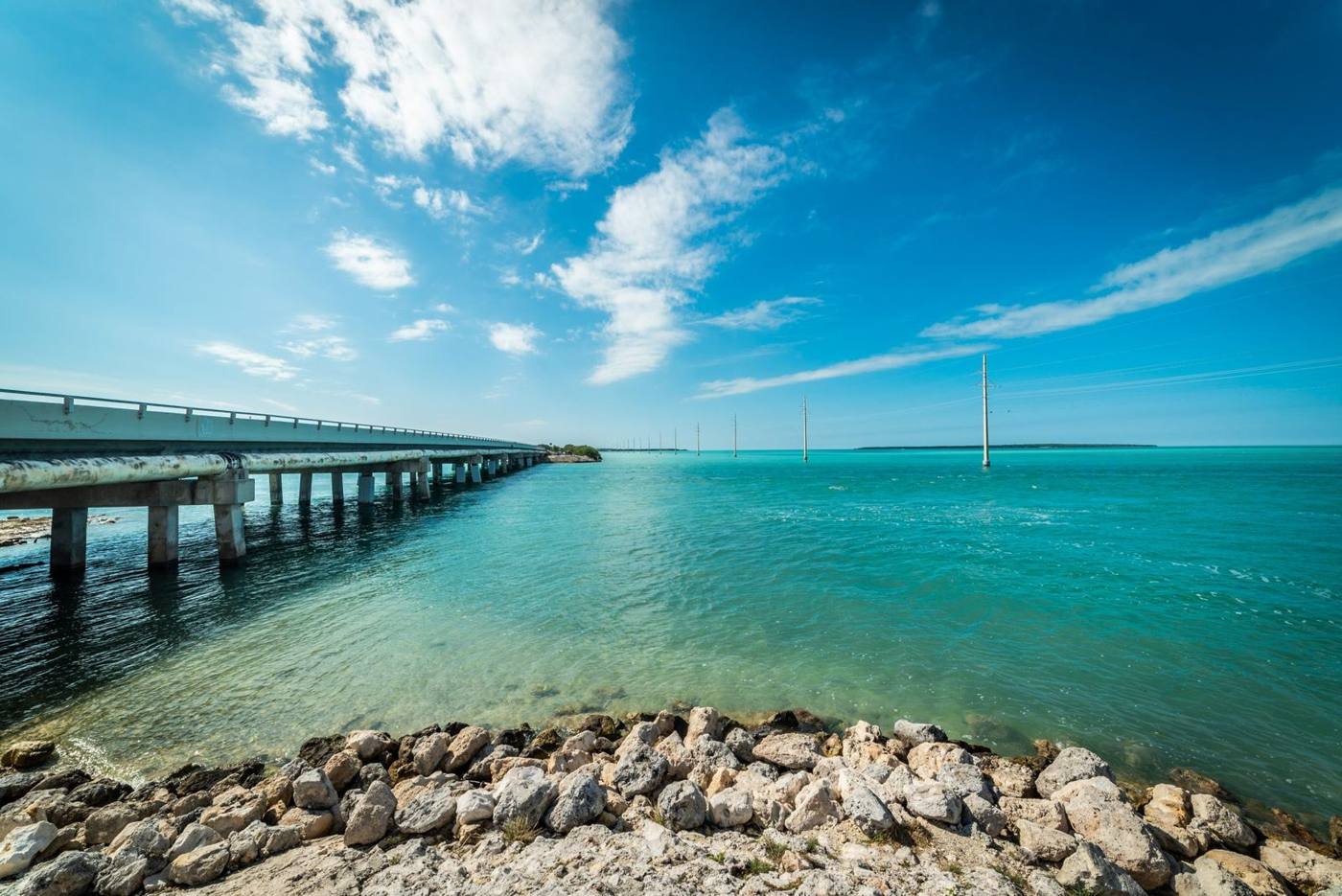 9 daysEasy
Florida: Miami, the Keys and the Everglades
Art Deco on South Beach, alligators and manatees in the Everglades and the Overseas Highway down to Key West.
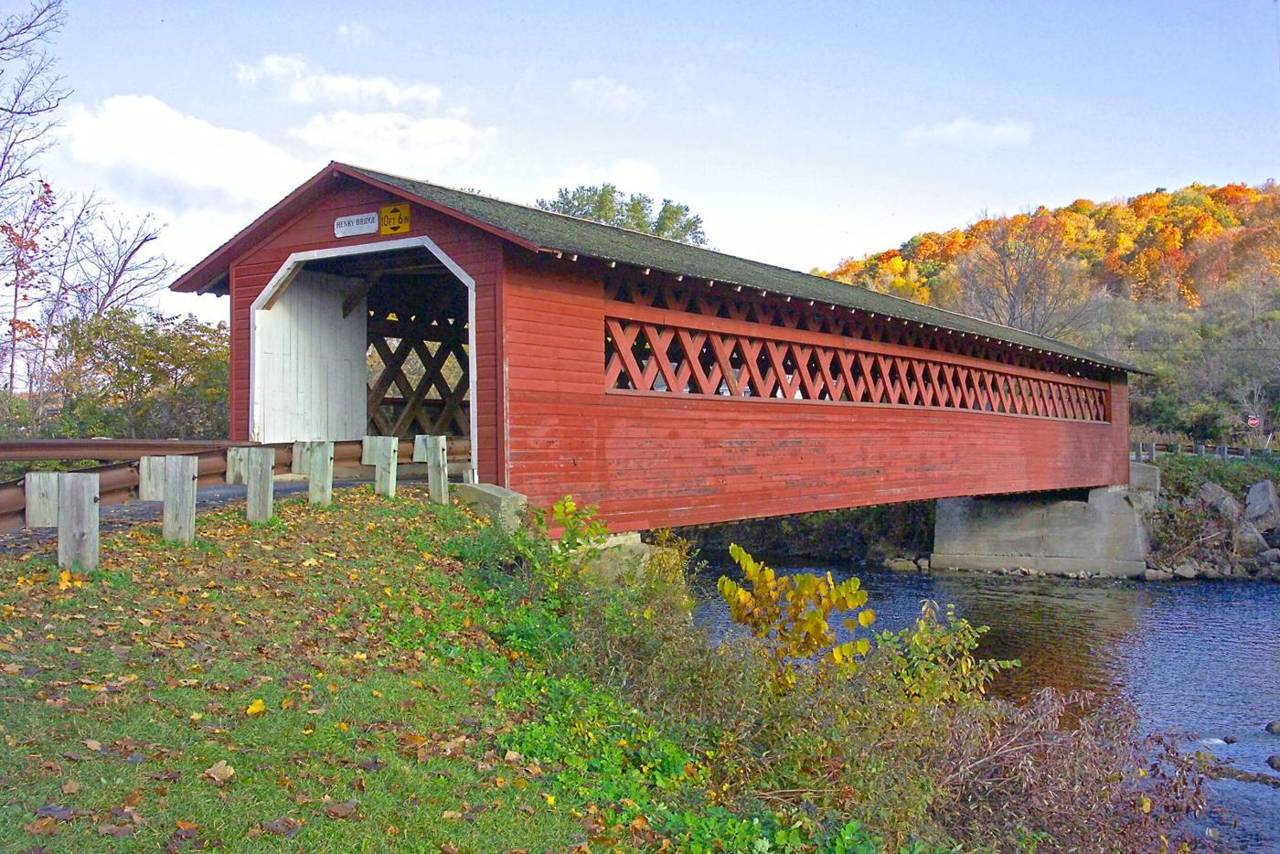 10 daysEasy
New England in autumn
Boston, the red woods of Vermont and New Hampshire, the lighthouses and lobsters of Maine up to Acadia National Park.
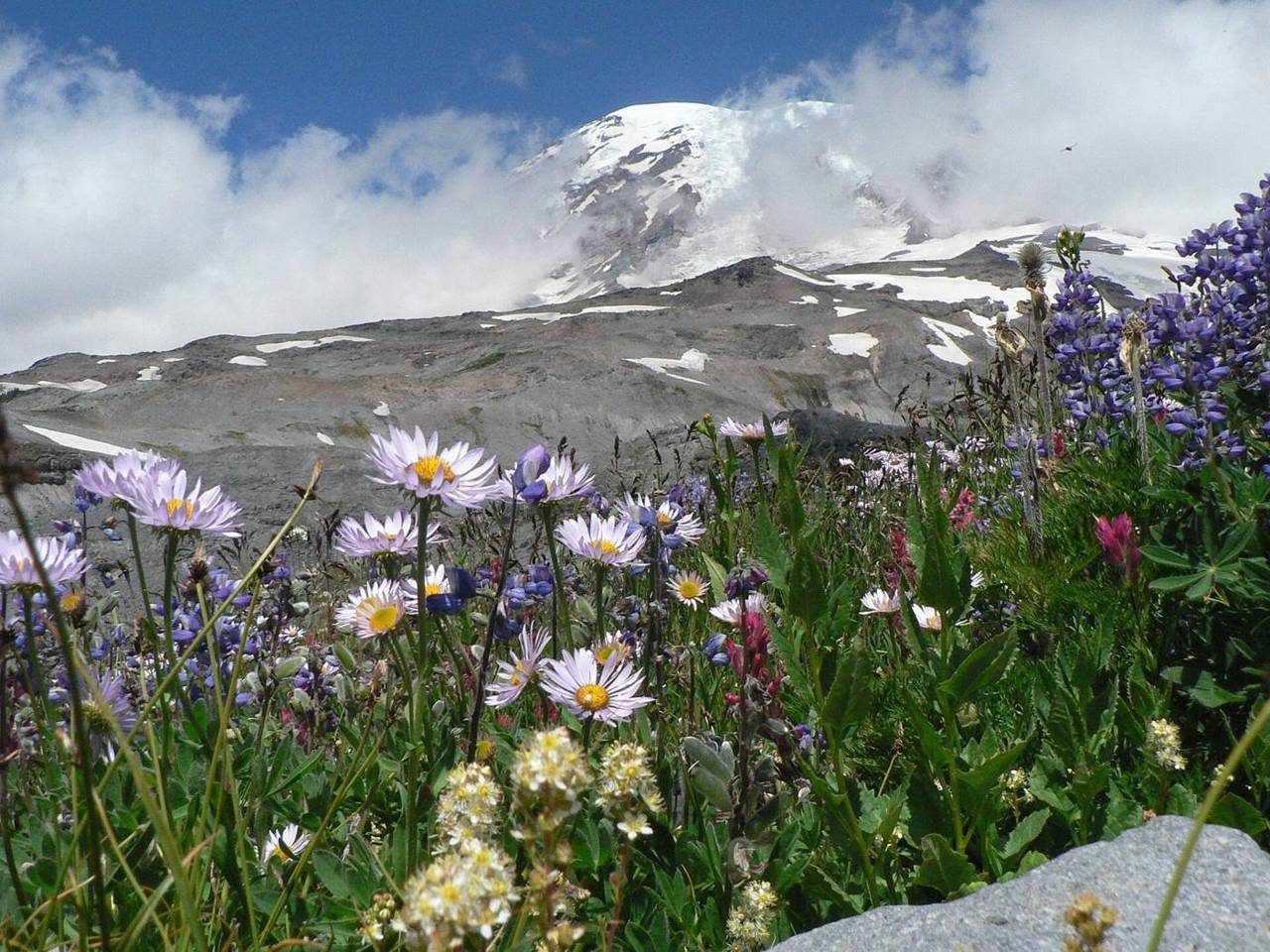 8 daysModerate
Pacific Northwest: Seattle, Olympic and Rainier
Seattle and its waterfront market, the Olympic Peninsula with the Hoh rainforest, the wild beaches of Rialto and Ruby Beach and the meadows of Hurricane Ridge, then the glaciers and wildflower meadows of Mount Rainier.