Charleston, Savannah and the Lowcountry
The elegant South: Charleston's colourful houses and gardens, the plantations with their history of slavery told honestly, the marshes and islands of the Lowcountry, Beaufort and Savannah's oak-shaded squares.
- Charleston
- Fort Sumter
- McLeod Plantation
- Beaufort
- Hunting Island
- Savannah
Day by day
- Day 1
Charleston: Rainbow Row, the Battery and the historic houses
Charleston, in South Carolina, is one of the oldest and best-preserved cities in the United States: founded by the English in 1670, in the eighteenth century it became one of the richest ports in the colonies, thanks to the trade in rice, indigo and cotton grown on the plantations of the Lowcountry, the coastal plain of marshes, rivers and islands stretching to Georgia. That wealth was built on the labour of tens of thousands of enslaved Africans: Charleston was the main port of arrival for slave ships in North America. Keeping this in mind helps you understand everything you will see.
You arrive at Charleston airport, about twenty minutes from the centre. Stay on the historic peninsula, where everything can be reached on foot.
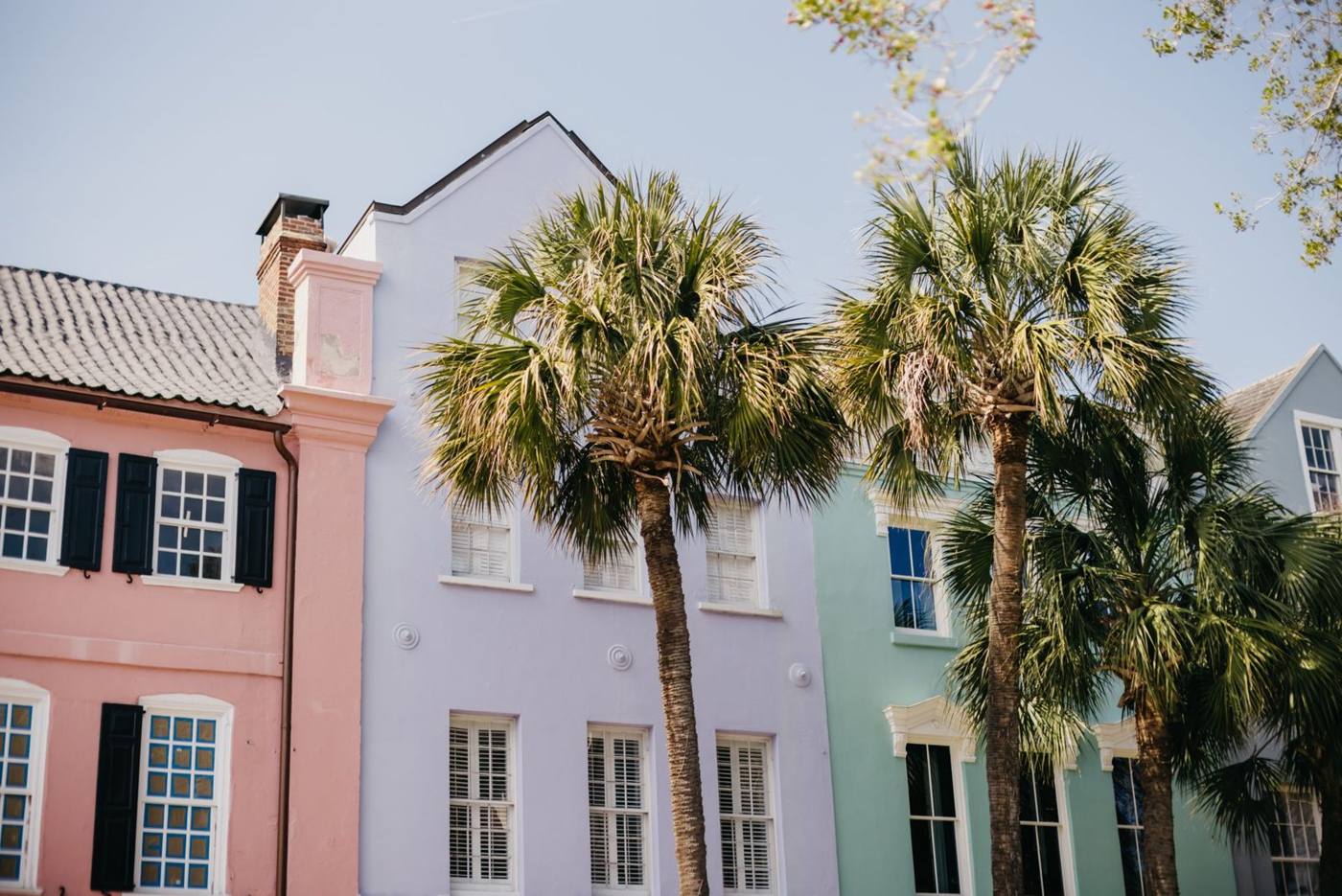
In the morning start at Rainbow Row, a row of eighteenth-century houses on the waterfront painted in pastel colours. Continue to the Battery, the promenade at the tip of the peninsula, with cannons, oaks and grand mansions overlooking the harbour. Look at the typical Charleston single houses, narrow on the street and long towards the back, with side porches on several floors designed to catch the breeze.
In the afternoon visit one of the historic houses open to the public, such as the Nathaniel Russell House or the Aiken-Rhett House, which preserves the quarters of enslaved domestic workers in its yard. Then walk through the French Quarter, with its old churches and cobbled alleys.
In the evening try Lowcountry cooking: shrimp and grits, a creamy corn dish, and she-crab soup. Practical tip: to enter the United States without a visa you need an ESTA, which costs 40.62 dollars.
- Day 2
Charleston: the market, the International African American Museum and the history of slavery
In the morning stroll through the City Market, a covered market four blocks long built in the eighteenth and nineteenth centuries, where crafts and local products are sold today. Look for the Gullah women weaving sweetgrass baskets from a marsh grass: it is an art brought from West Africa and handed down in families for centuries. The Gullah, or Geechee, are the descendants of enslaved Africans on the coastal plantations, who preserved their own language, cooking and traditions.
Then visit the Old Slave Mart Museum, in the building where auctions of enslaved people were held until 1863: it is a small museum, but it tells the story of the domestic slave trade very directly.
In the afternoon go to the International African American Museum, opened in 2023 on Gadsden's Wharf, where a large share of the Africans brought in chains to the United States landed. The museum tells of the forced journey across the Atlantic, life on the plantations, resistance, Gullah culture and the contribution of African Americans to the country's history. It also has a research centre for those who want to trace their family roots. The garden outside, with outlines of people carved into the ground, is one of the most moving places in the city.
Towards evening walk through Waterfront Park, with its pineapple fountain, a symbol of Southern hospitality. At dinner try a Lowcountry boil, a pot of shrimp, sausage, corn and potatoes. Practical tip: book your entry to the African American museum online, as it works with timed slots.
- Day 3
The boat to Fort Sumter and McLeod Plantation
In the morning take the boat to Fort Sumter, a fort built on an artificial island at the entrance to the harbour. Here, on 12 April 1861, Confederate troops opened fire on the federal garrison: these were the first shots of the American Civil War, which would last four years and bring slavery to an end. Today it is a National Park Service site. Boats leave from downtown Charleston, at Liberty Square, and from Patriots Point; the crossing takes about half an hour and the visit to the fort about an hour. On the boat and at the fort, rangers tell the story of the siege. Book the boat in advance, especially in spring and summer.
In the afternoon go to James Island, a quarter of an hour's drive away, for McLeod Plantation, a historic site run by the county. Unlike many plantations in the area, which focus on mansions and gardens, the visit here centres on the lives of the enslaved people and their families after freedom. You see the slave cabins still standing in a row under the oaks, the main house and the great centuries-old oak tree near the river. The guides tell the stories of real people, by name.
Towards evening return to town or drive to Folly Beach, south of James Island, for a walk on the sand at sunset.
Practical tip: June to November is hurricane season on the Atlantic coast; follow the forecasts and check that boats and sites are open. In summer the humid heat is intense: plan outdoor visits for the morning.
- Day 4
Beaufort, St. Helena Island and the beach and lighthouse of Hunting Island
In the morning pick up a hire car and drive south to Beaufort, about an hour and a half away, on roads through marshes, rivers and woods of oaks draped in Spanish moss, the grey beard hanging from the branches that is a symbol of the South. Beaufort is a small town founded in 1711, the second oldest in South Carolina, with large white nineteenth-century houses facing the river. During the Civil War it was occupied early by Northern troops, and so its houses were not destroyed. Walk through the historic district and the riverside park.
Then cross the bridges to St. Helena Island, the heart of Gullah culture. Here visit the Penn Center, one of the first schools founded in the South for formerly enslaved people, in 1862, which later became a meeting place for the civil rights movement: Martin Luther King held meetings there in the 1960s.
In the afternoon continue to Hunting Island, a state park on a wild island with palm and pine woods, lagoons and a long beach, where dead trees on the shore, undermined by erosion, create a strange and much-photographed landscape. The black and white nineteenth-century lighthouse is the park's symbol: check whether you can climb to the top at that time, as it was closed for a long time for repairs.
In the evening return to Beaufort or continue to Savannah, about an hour away. Practical tip: Hunting Island park charges a daily entry fee; bring repellent against mosquitoes and sandflies, which are very common at sunset.
- Day 5
Savannah: the squares of the historic centre and the riverfront
Savannah, in Georgia, was founded in 1733 by the English general James Oglethorpe with a unique town plan: a grid of streets broken every few blocks by tree-lined squares, each one different. Of the original twenty-four squares, twenty-two remain, with fountains, monuments and huge oaks draped in moss. It is a city to explore slowly, on foot, moving from one square to the next.
In the morning start at Chippewa Square and Madison Square, then continue south to Monterey Square, one of the most elegant. Along the way you see historic houses, some open to visitors, such as the Owens-Thomas House, which preserves the quarters of enslaved urban workers, or the birthplace of Juliette Gordon Low, founder of the American Girl Scouts. Step inside the Cathedral of St. John the Baptist, with its twin spires and stained glass.
In the afternoon go down to the river on River Street, where the old brick cotton warehouses have become shops and bars. The cobbled streets leading down to the river are made of stones used as ballast by ships. With luck you will see huge container ships passing on their way to the port of Savannah, one of the largest in the United States. Nearby visit the First African Baptist Church, one of the oldest African American churches in the country, with holes in the floor that, according to tradition, gave air to people hiding on the escape routes of the enslaved.
In the evening try Southern cooking, with fried chicken, biscuits and fish. Practical tip: in Savannah's historic district you may walk in the street with an alcoholic drink in a plastic cup, but not in glass.
- Day 6
Forsyth Park, Bonaventure Cemetery and departure
In the morning go to Forsyth Park, the large park south of the historic centre, with its white nineteenth-century fountain, avenues of oaks and families out walking. On Saturday mornings there is often a local farmers' market, with fruit, vegetables and regional produce. Around the park look at the grand Victorian houses of the district.
Then take the car or a taxi to Bonaventure Cemetery, about ten minutes from the centre, on the banks of a tidal river. It is one of the most beautiful cemeteries in America: avenues of oaks draped in Spanish moss, nineteenth-century tombs and statues among the greenery, a silence broken only by birds. Many of the city's leading families are buried here, as is the songwriter Johnny Mercer. The cemetery is open every day and is still in use for burials: move around respectfully.
If you have time before your flight, detour to Tybee Island, Savannah's beach, about half an hour away, with the oldest lighthouse in Georgia and a long pier over the sea.
In the early afternoon reach Savannah airport, about twenty minutes from the centre, for your flight home. If you hired the car in Charleston, ask beforehand whether you can return it in Savannah: it is often possible, for a fee.
Practical tip: Savannah and Charleston are at their best in spring, between March and May, when the azaleas bloom and the weather is mild. Book early, because it is also the busiest season and prices rise.
A slow trip of walkable cities and good food. Choose plantations that also tell the story of enslaved people, such as McLeod. From June to September it is very hot and humid, and from August to October there is a hurricane risk: check the forecasts.
Before you go
- Documents and visa
- Electronic passport and ESTA authorisation for Visa Waiver nationalities, applied for online on the official site at least 72 hours ahead: since 16 October 2026 it costs 40.62 dollars and is valid for two years. Travellers who have visited certain countries, such as Cuba or Iran, need a visa.
- Health and vaccines
- No vaccines required. Healthcare is extremely expensive: insurance with very high medical cover is essential. Emergencies: 911.
- Money and payments
- Dollar. Cards accepted everywhere. Prices are shown before tax, added at the till; restaurant tips of 15 to 20 per cent are expected.
- Power sockets
- Types A and B, 120 volts: you need a flat-pin adapter.
- Time zone
- Six time zones: New York is UTC-5, Los Angeles UTC-8; daylight saving changes on different dates from Europe.
- Safety
- Risks are mainly crime in some urban areas and natural hazards: hurricanes, wildfires, extreme desert heat. Official advice: GOV.UK.
Information checked in November 2026 for Italian and EU citizens. Rules change: always check before you travel.
Variations
In 4 days: two days in Charleston with Fort Sumter, then two days in Savannah, without the Beaufort stop.
In 9 days: add coastal Georgia with Jekyll Island and Cumberland Island, with its wild horses and empty beaches.
Frequently asked questions
When is the best time to go?
In spring, from March to May, and in autumn, October and November. Summer is very hot and humid, and from June to November there is a risk of hurricanes.
Do I need a car?
Not in central Charleston or Savannah, which are best on foot. For McLeod, Beaufort, Hunting Island and Bonaventure a car is very useful.
Is it worth visiting the plantations?
Yes, if you choose those that tell the story of slavery honestly, such as McLeod. Some plantations in the area are mainly wedding venues and gardens; find out beforehand what kind of visit they offer.
Indicative itinerary written by World Atlas. Before booking, check timetables, seasonal openings, documents and safety.
 7 daysEasy
Appalachians: Great Smoky Mountains and the Blue Ridge Parkway
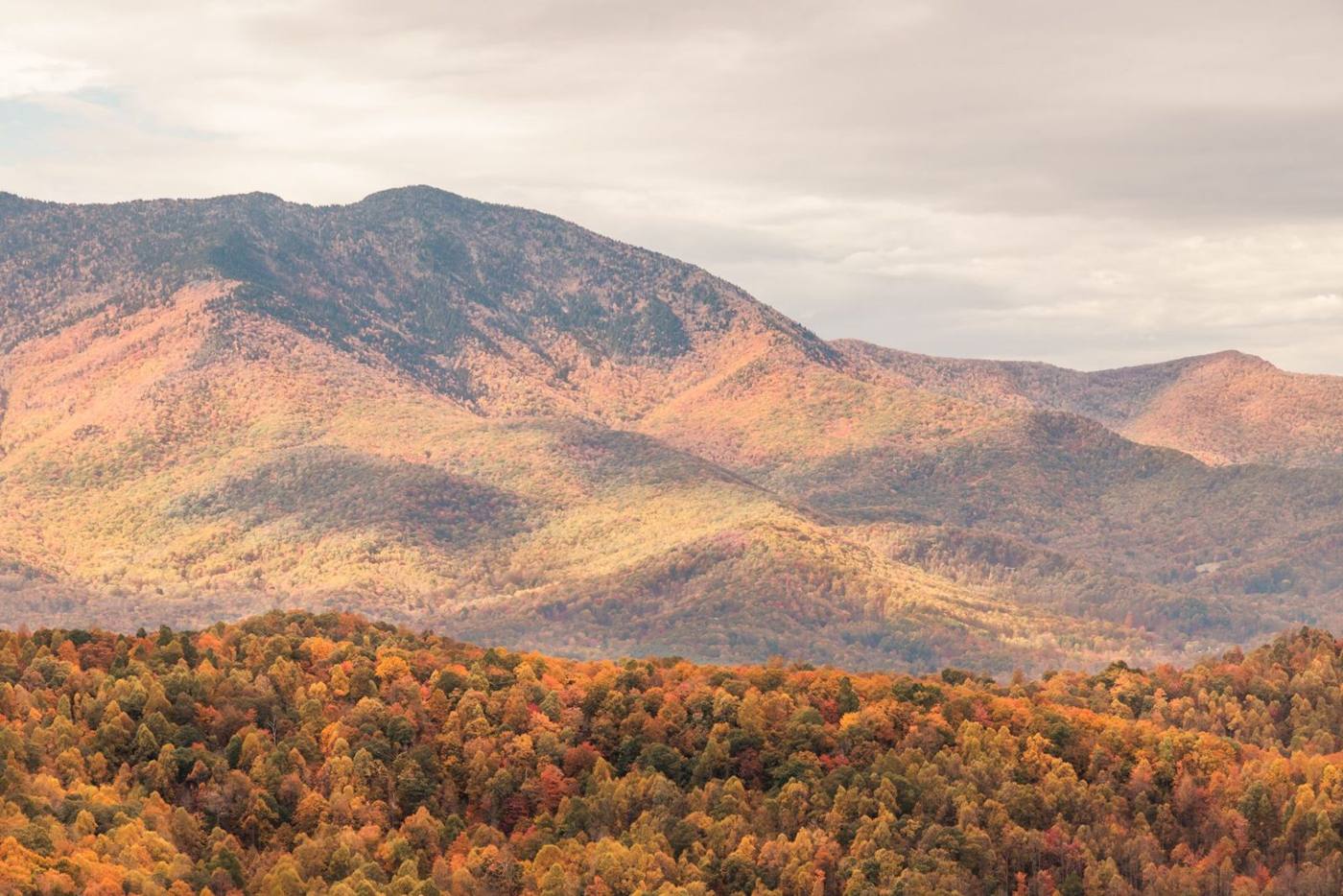
America's oldest mountains: Great Smoky Mountains National Park with its blue mists, black bears and Cades Cove valley, then the Blue Ridge Parkway, one of the country's most beautiful scenic roads, to Asheville and Shenandoah National Park.
 8 daysEasy
Hawaii: Kauai and Oahu
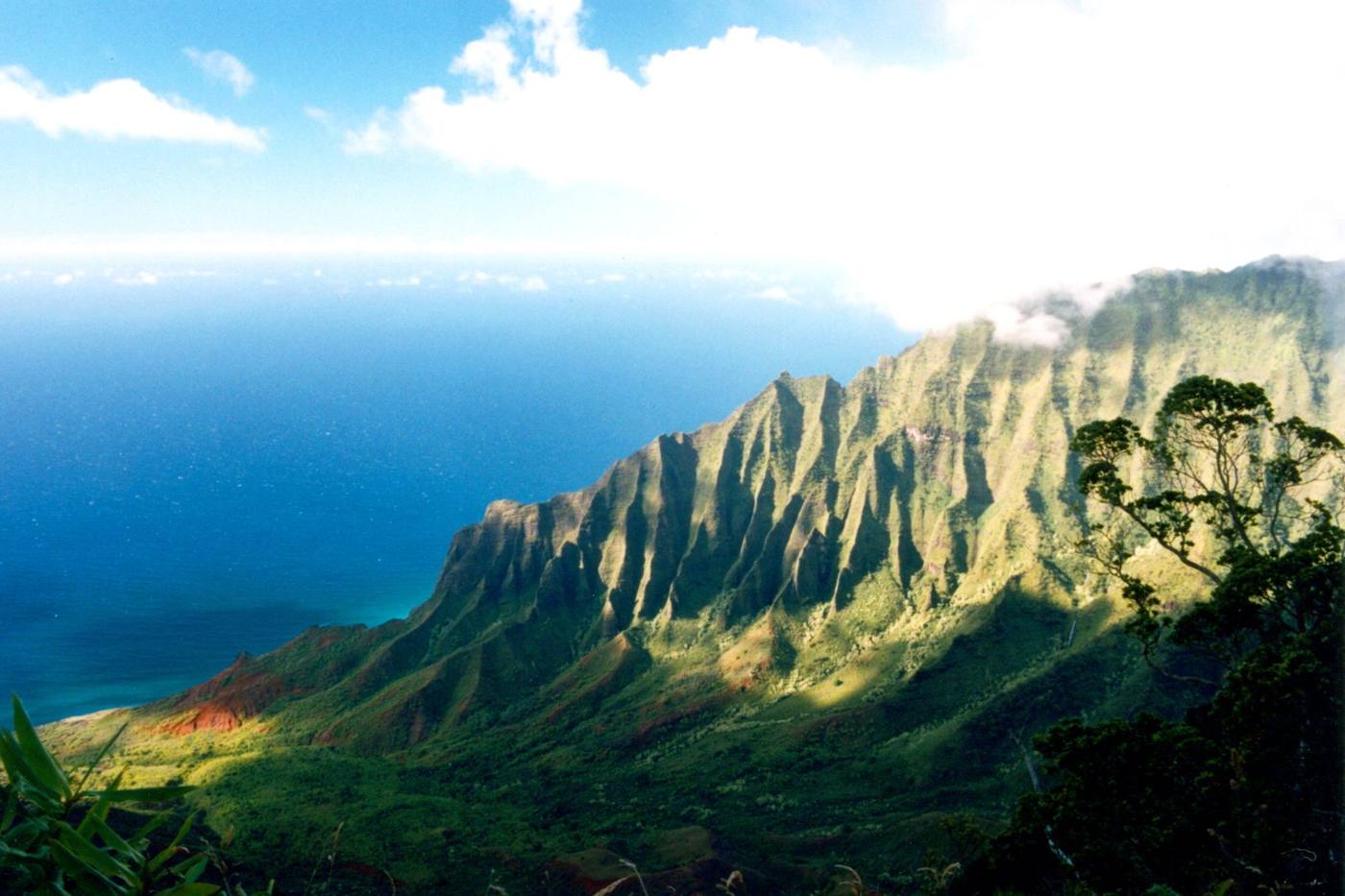
The other two islands: Oahu with Honolulu, Pearl Harbor and the North Shore waves, then Kauai, the Garden Isle, with Waimea Canyon, the Nā Pali cliffs and the beaches of Hanalei.
 7 daysEasy
New Mexico: Santa Fe, Taos, White Sands and Carlsbad
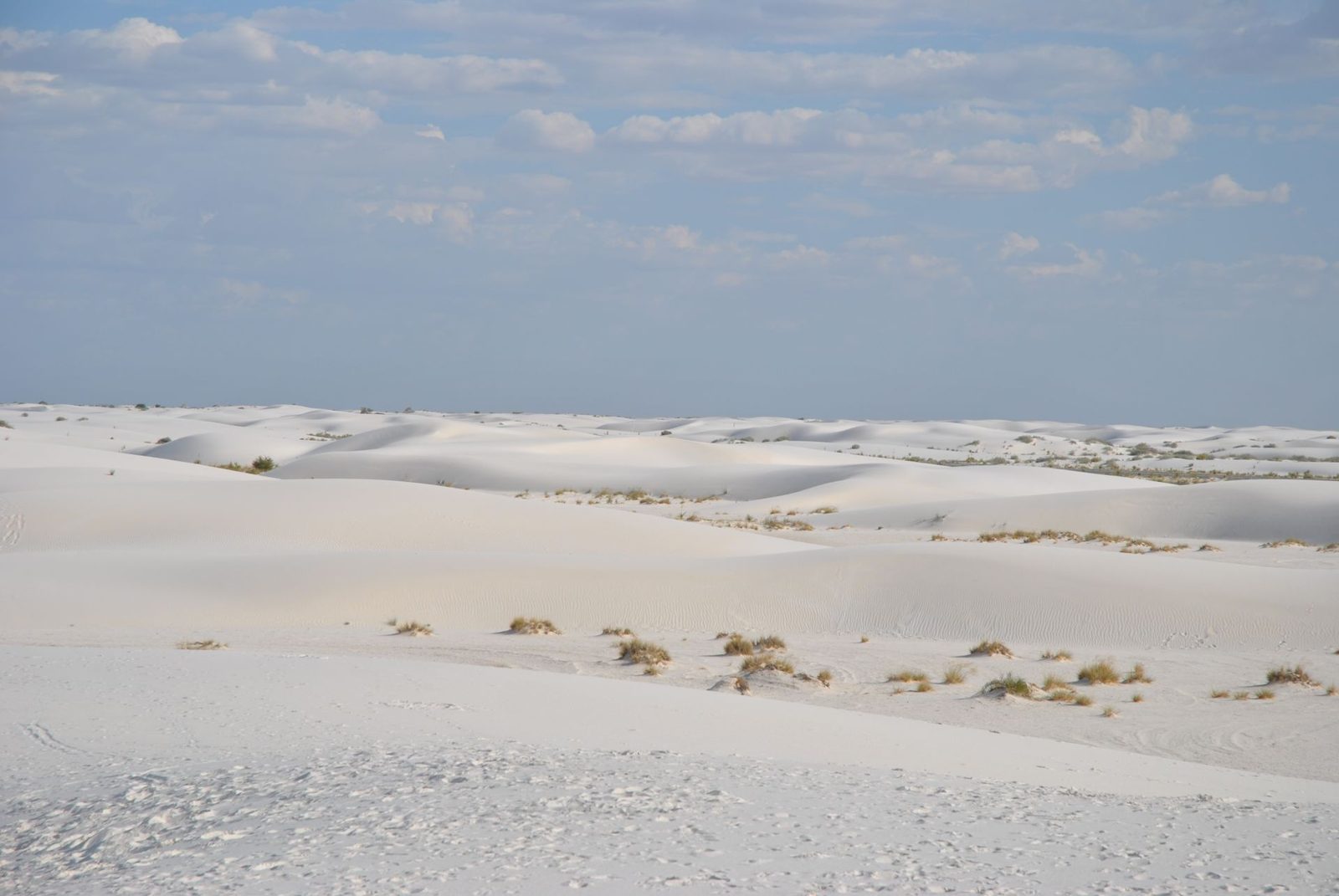
The land of adobe: Santa Fe with its art and chile cooking, Taos Pueblo inhabited for a thousand years, the white gypsum dunes of White Sands and the vast underground halls of Carlsbad Caverns, with bats flying out at sunset.