Florida: Miami, the Keys and the Everglades
Art Deco on South Beach, alligators and manatees in the Everglades and the Overseas Highway down to Key West.
- Miami
- Everglades
- Key Largo
- Islamorada
- Key West
- Miami
Day by day
- Day 1
Arrival in Miami and South Beach
This trip takes you to southern Florida, the most tropical part of the United States: Miami with its Latin and Art Deco neighbourhoods, the Everglades wetlands with alligators and birds, and the Keys, a chain of coral islands linked by bridges over the sea to Key West, the southernmost point of the continental United States.
Before you leave: to enter the United States without a visa you need an ESTA, which costs 40.62 dollars and should be requested online at least a few days before departure. You also need an electronic passport. Since 1 January 2026 non residents aged 16 and over pay an extra 100 dollars per person to enter 11 national parks, including the Everglades, or 250 dollars for the non resident annual pass, which also covers the car.
You land at Miami airport. Collect your hire car: you need it for the Everglades and the Keys. For the first days in Miami you can leave it in a car park.
In the evening go to South Beach, on the island of Miami Beach. Walk along Ocean Drive, facing the ocean, among hundreds of Art Deco buildings from the 1930s and 1940s, painted in pastel colours and lit with neon. It is one of the largest Art Deco districts in the world.
Have Caribbean or Latin American food for dinner: grilled fish, ceviche, fried plantains.
Sleep in Miami Beach.
Practical tip: the best time is December to April. From June to November it is hurricane season and very hot and humid.
- Day 2
Miami: the Art Deco district and the beach
In the morning take a guided walking tour of the South Beach Art Deco district, run by the league that saved it from demolition in the 1970s. The guide explains the curved lines, the signs, the marine details and the porthole windows, and tells how Miami Beach went from swamp to resort. Check times and prices.
Then relax on the beach, long and wide, with the colourful lifeguard towers that are a symbol of the city. The ocean is warm almost all year. Swim only where there are lifeguards and respect the flags: sometimes there are strong currents or jellyfish.
In the afternoon walk along Lincoln Road, a long pedestrian street with shops and outdoor cafés, or along the seafront to South Pointe Park, at the southern tip of the island, from where you see the huge cruise ships entering and leaving the port.
At sunset watch the sky from South Pointe or from the causeway linking Miami Beach to the city, with the downtown skyscrapers lit up.
In the evening have dinner in one of the beach neighbourhoods.
Sleep in Miami Beach.
Practical tip: the Florida sun burns within minutes, even under cloud. Use high factor sunscreen and reapply often.
- Day 3
Little Havana and the Wynwood murals
Today you visit Miami's mainland neighbourhoods.
In the morning go to Little Havana, the neighbourhood of Cuban exiles who arrived from the 1960s onwards, along Calle Ocho, Eighth Street. Spanish is spoken everywhere, tropical fruit fills the stalls and hand rolled cigars scent the small workshops. Stop at the park where older men play dominoes in the shade, and at the memorial to the fallen of the Bay of Pigs. Drink a cafecito, the very strong, sweet Cuban coffee, at one of the street counters.
For lunch try a Cuban sandwich, with roast pork, ham, cheese, pickles and mustard, pressed and hot, or a plate of rice, black beans and plantain.
In the afternoon go to Wynwood, an old warehouse district turned into a huge open air gallery: almost every wall is covered with enormous, colourful murals by artists from all over the world, often repainted. There are art galleries, breweries and design shops.
If you have time, also visit Vizcaya, a large Italian Renaissance style villa built at the start of the twentieth century on the bay, with formal gardens and views over the water. Check opening hours and prices.
In the evening have dinner in Wynwood or in Brickell, among the skyscrapers.
Sleep in Miami.
Practical tip: visit the Wynwood murals by day. The area changes character at night.
- Day 4
Everglades: Shark Valley by bike and the Anhinga Trail
Today you visit Everglades National Park, the largest subtropical wilderness in the United States, a UNESCO site. The Everglades are not a still swamp but a very wide, shallow river of grass flowing slowly towards the sea, among sawgrass prairies, tree islands and mangroves.
Early in the morning go to Shark Valley, about an hour west of Miami along the Tamiami Trail. Here a paved loop road about twenty four kilometres long, closed to cars, crosses the grass prairie to an observation tower. You ride it on a hired bike or take a guided tram. Along the way you see dozens of alligators basking a few metres away, turtles, herons, storks and roseate spoonbills. Always keep several metres away: alligators look slow but move very fast.
In the afternoon drive to the park's southern entrance, near Homestead, about an hour and a half away, and walk the Anhinga Trail, a short boardwalk over the water where you see alligators, fish, turtles and anhingas up close, birds that swim underwater and then spread their wings in the sun to dry.
At sunset head back towards the coast.
Sleep in Homestead or Florida City.
Practical tip: the dry season, from December to April, is best: animals gather near the water and there are fewer mosquitoes.
- Day 5
Key Largo and John Pennekamp coral reef park
Today you enter the Keys, the chain of coral islands stretching for about two hundred kilometres into the sea south west of Florida. A single road, the Overseas Highway, links them with dozens of bridges. From Homestead to Key Largo, the first island, takes less than an hour.
In the morning go to John Pennekamp Coral Reef State Park, the first undersea park in the United States, which protects part of the Florida reef, the only living coral reef in the continental United States.
Glass bottom boats, snorkelling trips and dives on the reef leave from the park. In the water you see corals, parrotfish, angelfish, barracuda, rays and sometimes sea turtles. One of the most famous trips goes to the Christ of the Abyss, a bronze statue on the seabed a few metres down. Check times, prices and sea conditions.
In the afternoon swim or paddle a kayak through the park's mangrove channels.
In the evening have Keys seafood: snapper, grouper and fried conch, the shellfish that symbolises the islands, with Key lime pie for dessert.
Sleep in Key Largo.
Practical tip: do not touch or stand on coral. Use a sunscreen without filters that harm the reef, and wear a rash vest against the sun.
- Day 6
Islamorada, the fishing capital
Today you stay in the central Keys, around Islamorada, half an hour south of Key Largo. Islamorada calls itself the sport fishing capital of the world, and boats leave its harbour for deep sea and flats fishing.
In the morning go to see tarpon, large silver fish up to two metres long, which gather in some small marinas where you can see them up close. Watch out for birds such as pelicans, which try to steal the food.
Then visit the Keys history museum or the seabird rescue centre, where injured pelicans, herons and birds of prey are cared for. Check opening hours.
In the afternoon go out by kayak or boat into Florida Bay, on the gulf side, among mangrove islets and shallow, calm water, where you see dolphins, manatees, rays and birds. The manatee is a large, slow and peaceful marine mammal, protected: do not touch it, feed it or give it fresh water.
At sunset stop at one of the spots on the gulf side, from where you watch the sun go down over the water.
Sleep in Islamorada.
Practical tip: June to November is hurricane season. If a warning is issued, follow the Keys evacuation instructions: there is only one road out.
- Day 7
The Seven Mile Bridge and Key West
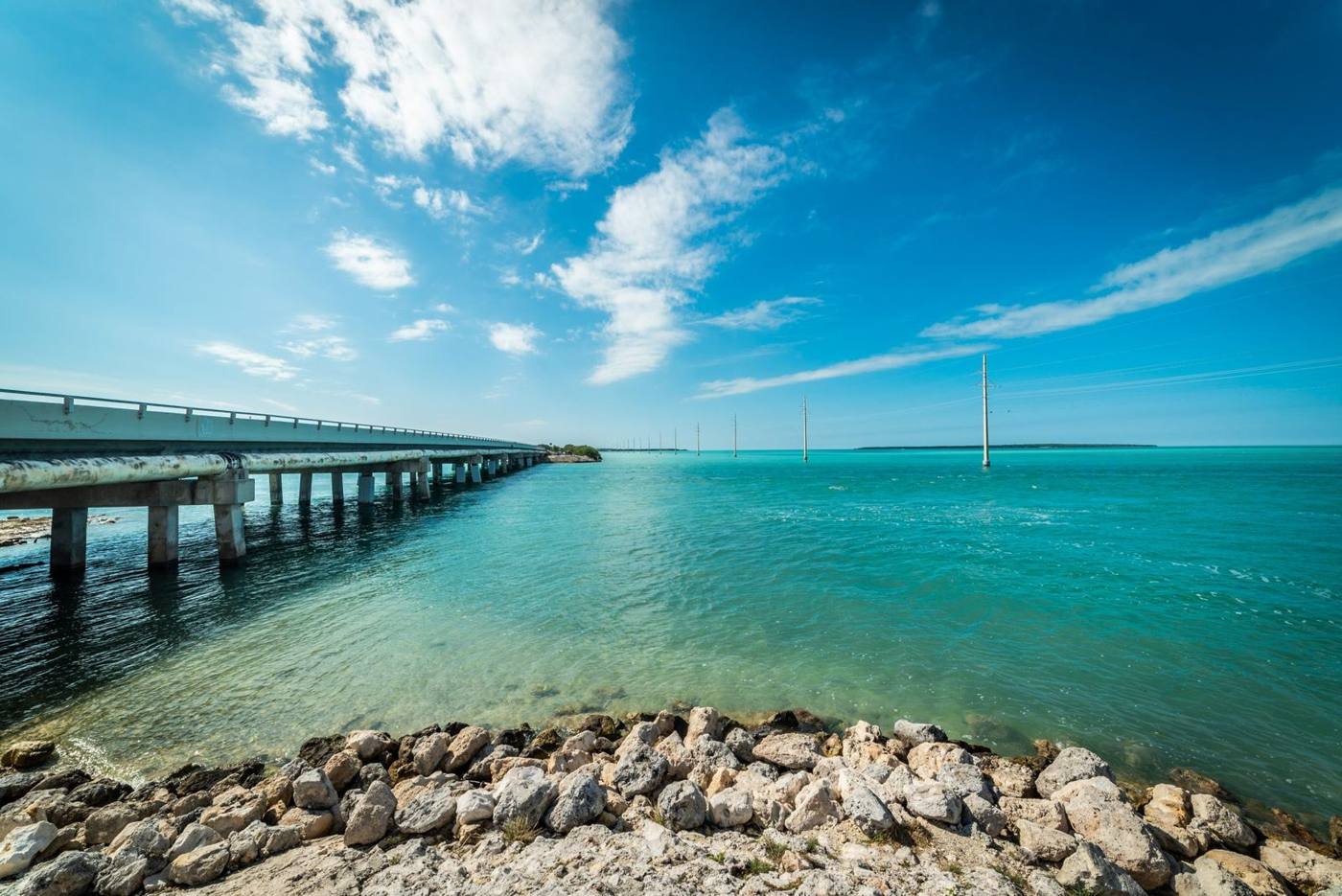
Today you drive to Key West, about two and a half hours from Islamorada, on the most beautiful part of the Overseas Highway. The most famous stretch is the Seven Mile Bridge, about eleven kilometres long over the open sea, with turquoise water on both sides. Next to it is the old early twentieth century railway bridge, now partly pedestrian.
Stop at Bahia Honda State Park, with one of the finest beaches in the Keys, calm water and a view of the old railway bridge.
In the early afternoon you reach Key West, a small town of white wooden houses with verandas, tropical gardens, chickens roaming the streets and a relaxed atmosphere.
Visit the house of Ernest Hemingway, where the writer lived in the 1930s, with his study and the descendants of his cats, many with six toes. Then take a photo at the buoy marking the southernmost point of the continental United States, about one hundred and fifty kilometres from Cuba.
At sunset go to Mallory Square, on the harbour, where every evening street performers, musicians, jugglers and sellers gather to salute the sun sinking into the sea.
In the evening stroll along Duval Street, the main street.
Sleep in Key West.
Practical tip: accommodation in Key West is expensive and limited. Book well ahead, especially in winter.
- Day 8
Key West or a trip to Dry Tortugas
Today you stay in Key West. If you have an extra day and the sea is calm, take the trip to Dry Tortugas National Park, a group of small islands about a hundred and ten kilometres west of Key West, reached only by ferry, in about two and a half hours, or by seaplane. On the main island stands Fort Jefferson, a huge hexagonal nineteenth century brick fortress, surrounded by a moat and turquoise sea. You snorkel around the walls and see seabirds such as boobies and frigatebirds. Places are limited: book well ahead and check fees and conditions.
If you stay in Key West, walk through the historic district. Visit the shipwreck museum, which tells how the town grew rich salvaging cargo from ships wrecked on the reef, the Truman Little White House, where the president spent his winters, and the cemetery, with its above ground tombs.
In the afternoon swim at Fort Zachary Taylor, the state park with the town's best beach, or take a boat out to snorkel on the reef.
In the evening have the catch of the day and Key lime pie.
Sleep in Key West.
Practical tip: Key West is easy to explore by bicycle. Many lodgings lend them.
- Day 9
Back to Miami and departure
On the last day you drive back to Miami, about three and a half to four hours on the Overseas Highway and then the motorway, if traffic flows. Leave early: there is only one road on the Keys and an accident can block everything for hours. Allow a big margin before your flight.
Alternatively, Key West also has direct flights to some US cities, useful for a connection, or there is the fast ferry to Fort Myers, on Florida's west coast.
On the way, if you have time, stop for a last breakfast with a sea view or a swim at one of the beaches of Marathon or Key Largo.
At Miami airport return the car and check the tolls: many Florida roads have electronic tolls, which the agency then charges to your credit card, sometimes with a fee. Ask how it works when you collect the car.
This trip shows a different America: Latin, tropical and colourful, with unique nature of alligators, mangroves and corals, and one of the most beautiful sea roads in the world. It suits people looking for sun, sea and nature in winter, when it is cold in Europe.
Practical tip: before you leave check the forecast and hurricane alerts, especially between August and October.
An easy beach trip, ideal in winter when the rest of the country is cold. The Keys are lovely for the road and the atmosphere, less so for the beaches, which are small. June to November is hurricane season. Key West is very expensive, so it can be better to stay in Marathon.
Before you go
- Documents and visa
- Electronic passport and ESTA authorisation for Visa Waiver nationalities, applied for online on the official site at least 72 hours ahead: since 16 October 2026 it costs 40.62 dollars and is valid for two years. Travellers who have visited certain countries, such as Cuba or Iran, need a visa.
- Health and vaccines
- No vaccines required. Healthcare is extremely expensive: insurance with very high medical cover is essential. Emergencies: 911.
- Money and payments
- Dollar. Cards accepted everywhere. Prices are shown before tax, added at the till; restaurant tips of 15 to 20 per cent are expected.
- Power sockets
- Types A and B, 120 volts: you need a flat-pin adapter.
- Time zone
- Six time zones: New York is UTC-5, Los Angeles UTC-8; daylight saving changes on different dates from Europe.
- Safety
- Risks are mainly crime in some urban areas and natural hazards: hurricanes, wildfires, extreme desert heat. Official advice: GOV.UK.
Information checked in November 2026 for Italian and EU citizens. Rules change: always check before you travel.
Variations
In 5 days: Miami, the Everglades and Key Largo.
In 12 days: add the Gulf coast with Naples and Sanibel and a day at Dry Tortugas.
Frequently asked questions
Do I need a visa?
Citizens of Visa Waiver Program countries only need an ESTA, which costs 40.62 dollars, with an electronic passport. Apply online before you leave.
How much does it cost to enter the Everglades?
Since 1 January 2026 non residents aged 16 and over pay an extra 100 dollars per person in 11 national parks, including the Everglades, or 250 dollars for the non resident annual pass, which covers the car. Check the current fees.
When is the best time to go?
December to April, the dry season. June to November is hurricane season and very hot and humid.
Indicative itinerary written by World Atlas. Before booking, check timetables, seasonal openings, documents and safety.
 10 daysEasy
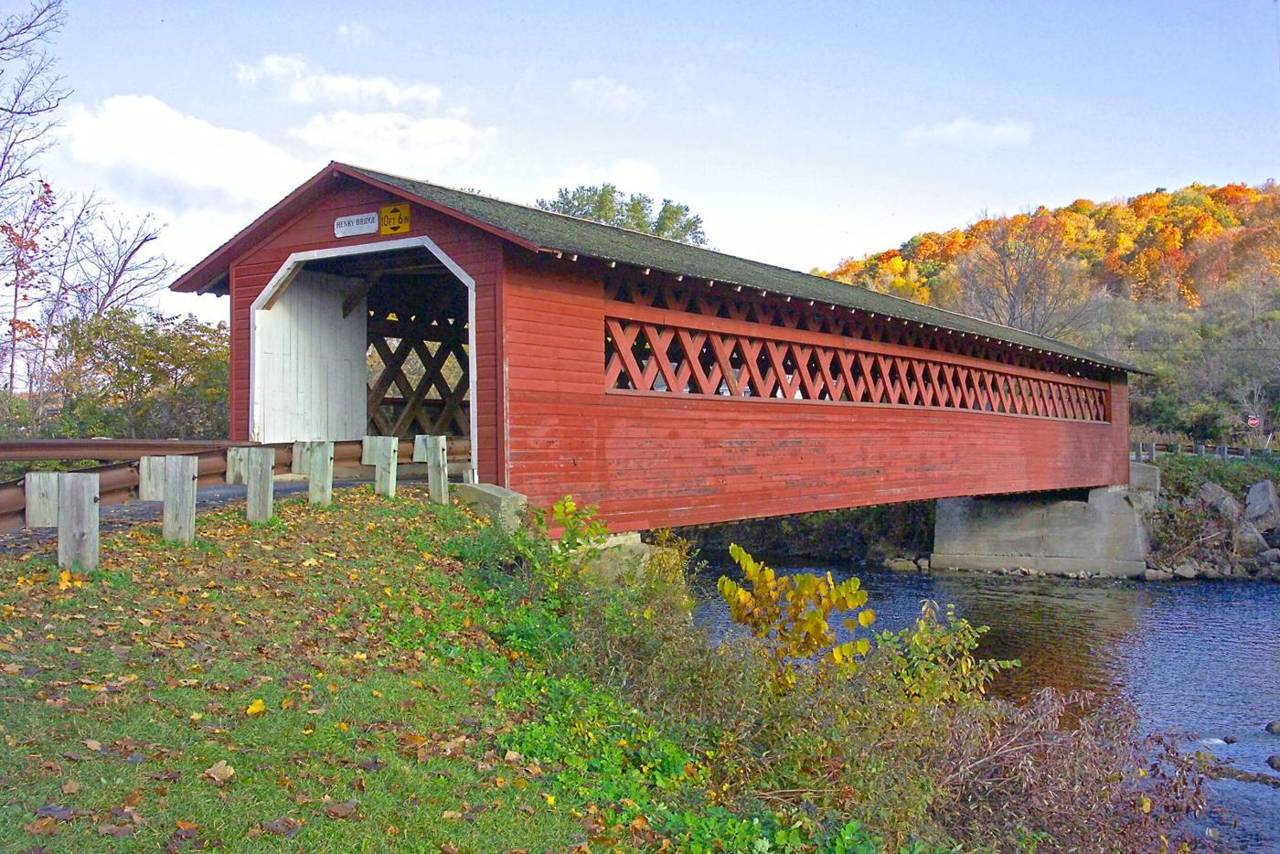
New England in autumn
Boston, the red woods of Vermont and New Hampshire, the lighthouses and lobsters of Maine up to Acadia National Park.
 8 daysModerate
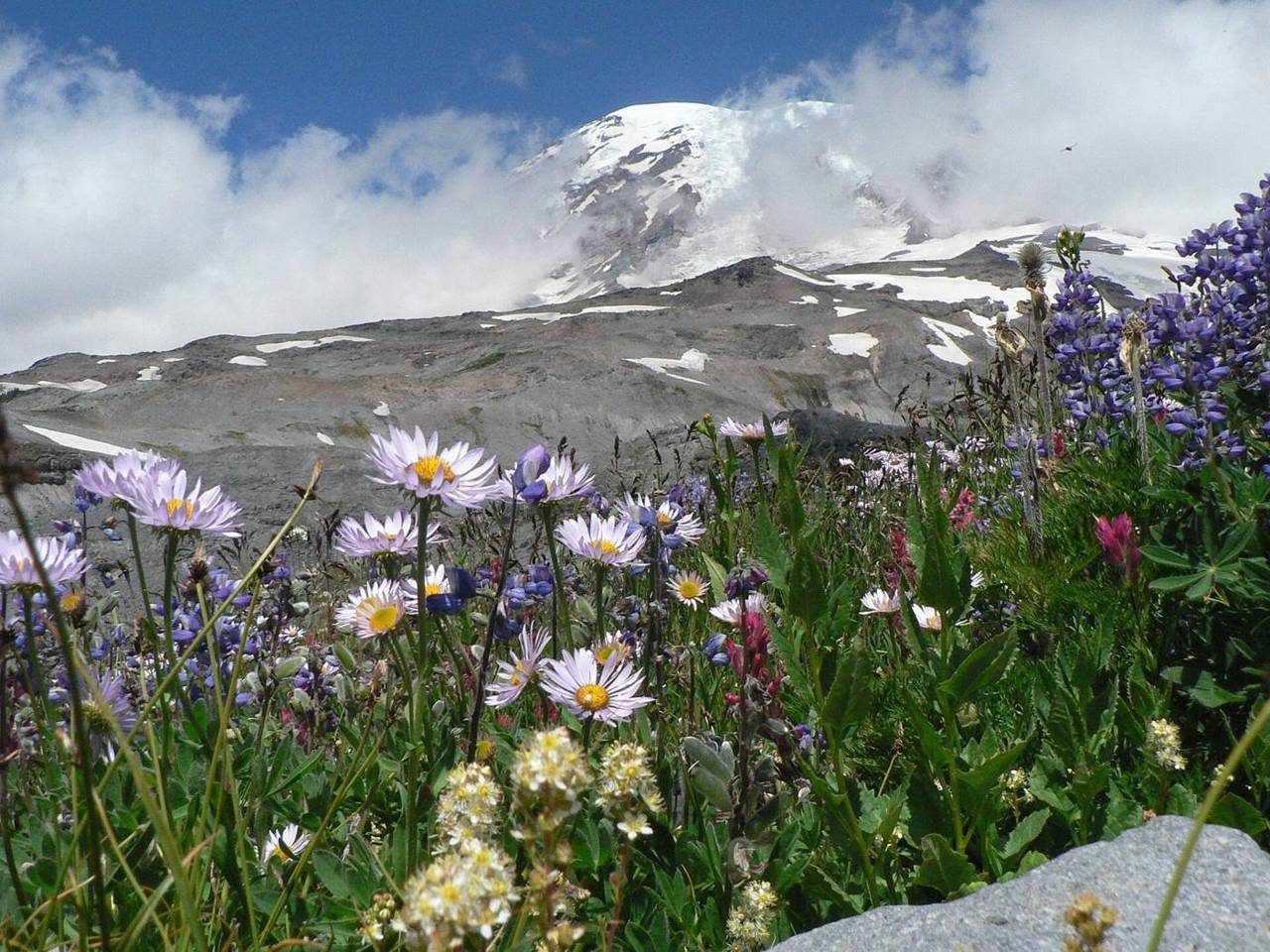
Pacific Northwest: Seattle, Olympic and Rainier
Seattle and its waterfront market, the Olympic Peninsula with the Hoh rainforest, the wild beaches of Rialto and Ruby Beach and the meadows of Hurricane Ridge, then the glaciers and wildflower meadows of Mount Rainier.
 8 daysModerate
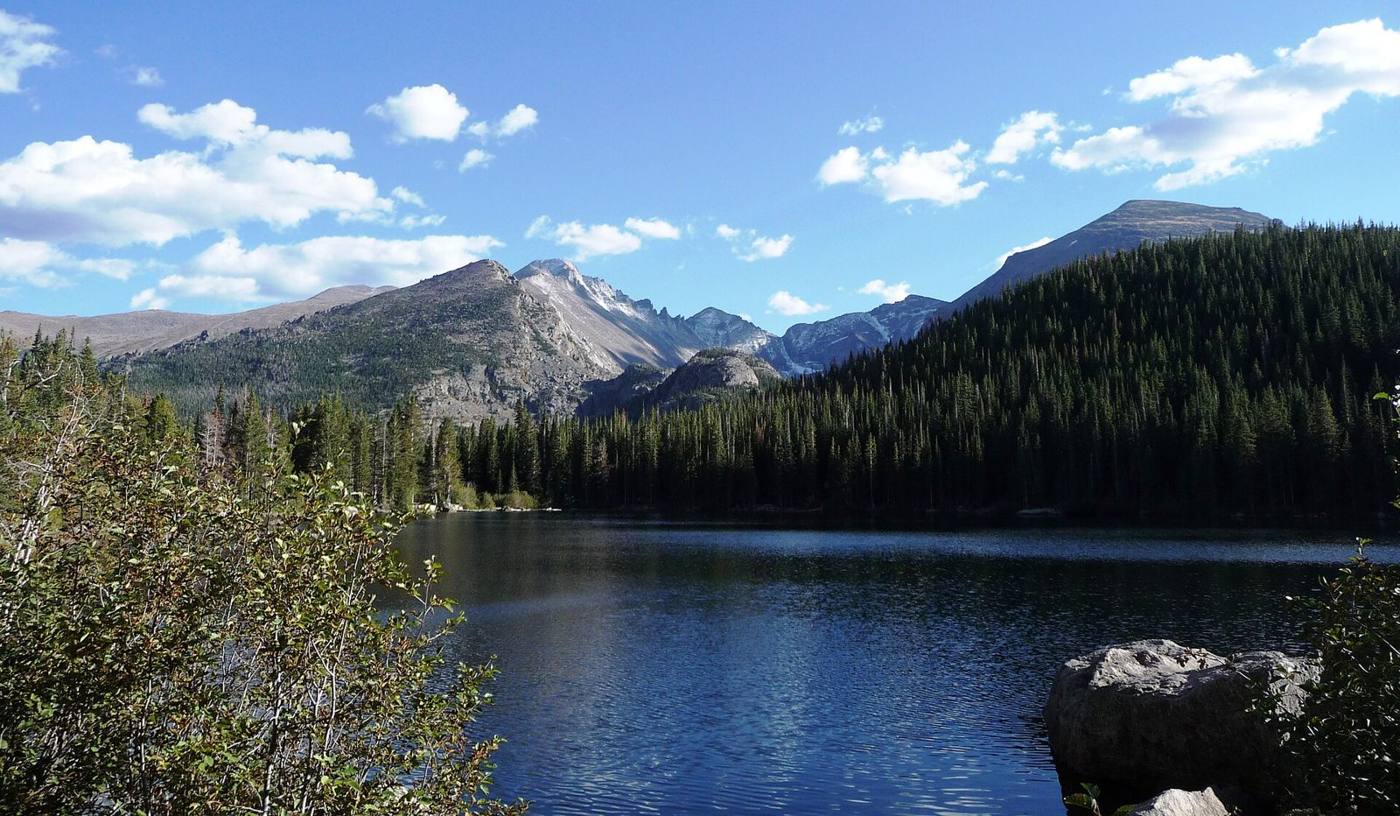
Colorado: the Rocky Mountains and Mesa Verde
Denver, Rocky Mountain National Park with the Trail Ridge Road above 3,700 metres, old mining towns, the Million Dollar Highway between Silverton and Ouray and the cliff dwellings of the ancestral Pueblo people at Mesa Verde.