Hawaii: Big Island and Maui
The active volcanoes of the Big Island and night snorkelling with manta rays, then the Road to Hana and sunrise on Haleakalā in Maui.
- Kona
- Mauna Kea
- Hilo
- Volcanoes National Park
- Maui
- Road to Hana
- Haleakalā
Day by day
- Day 1
Arrival in Kona
This trip takes you to two very different Hawaiian islands: Big Island, the island of active volcanoes, manta rays and the stars of Mauna Kea, and Maui, with the road to Hana through waterfalls and forests and sunrise above the crater of Haleakalā. You travel by rental car and with a short flight between the islands.
Before you go: to enter the United States without a visa you need a passport and the ESTA authorisation, which since 16 October 2026 costs 40.62 dollars. Other nationalities should check their own rules. Hawaii is a state of the United States, so the same rules apply as in the rest of the country.
You land at Kona airport, on the west coast of Big Island, almost always with a connection on the US West Coast. The airport sits among huge flows of black lava, and the first impression is of being on another planet.
In the afternoon, pick up your rental car and drive to Kailua-Kona, the main town on the coast, with its seafront, Mokuaikaua Church, the oldest in Hawaii, and Hulihee Palace, the summer residence of the Hawaiian kings. Check opening times.
At sunset, sit on the seafront wall and watch the sun go down into the Pacific Ocean.
In the evening, have poke, cubes of raw fish marinated with soy sauce, onion and seaweed, the most typical dish of the islands.
Overnight in Kona, for three nights.
Practical tip: Hawaii is eleven hours behind Italy in winter and twelve in summer. On the first day go to bed early and get up with the sun: it will help you adjust.
- Day 2
Kealakekua Bay and the manta rays
Today you spend the day at sea.
In the morning, go to Kealakekua Bay, a bay south of Kona protected as a marine area, with clear water and a coral reef full of tropical fish, sea turtles and often dolphins. On the north shore of the bay stands the monument to James Cook, the English explorer who arrived here in 1779 and died on the beach in a clash with the Hawaiians. The best snorkelling is right in front of the monument, reached by boat on an organised trip, by kayak with the required permits, or on foot along a steep, hot trail. Check the rules and prices.
In the afternoon, visit Puʻuhonua o Hōnaunau National Historical Park, a few minutes further south, an ancient place of refuge where those who had broken the sacred laws could be saved, with wooden statues, rebuilt temples and palm trees by the sea. Check prices and times.
In the evening, go on the night manta ray trip, one of the most famous experiences in Hawaii. The boats stop near the coast and turn on strong lights underwater, which attract plankton. The mantas, with wings three metres wide or more, come to feed and pass a few centimetres from you, somersaulting in the light. Choose a reputable operator and check prices and rules.
Overnight in Kona.
Practical tip: with the mantas, stay at the surface and never touch them, because their bodies are protected by a delicate coating that is easily damaged.
- Day 3
Sunset and stars on Mauna Kea
Today you climb one of the highest volcanoes in the Pacific.
In the morning, relax on a beach on the north Kona coast, such as Hapuna, one of the finest on the island, with white sand and a blue sea, or visit a Kona coffee farm, famous around the world, on the hills above the coast.
In the early afternoon, head inland on the Saddle Road, which crosses the island between the two great volcanoes, Mauna Kea and Mauna Loa, through lava fields and pastures.
Mauna Kea is over 4,200 metres high, and measured from its base on the ocean floor it is the tallest mountain in the world. At the top are some of the most important telescopes on the planet, thanks to the clear, dry air. For Hawaiians it is a sacred mountain. Stop at the visitor centre, at about 2,800 metres, to get used to the altitude. To reach the summit you need a four-wheel-drive vehicle, and many rental companies do not allow their cars there: an organised tour is simpler. Check rules and prices.
At sunset, from the summit or the visitor centre, the sun goes down above a sea of clouds. Then, on the way back down to the visitor centre, look at the starry sky, one of the clearest in the world.
In the evening, return to Kona.
Overnight in Kona.
Practical tip: the climb up Mauna Kea is not suitable for small children, pregnant women and people with heart or breathing problems. It is cold at the top, often below zero: bring a jacket, hat and gloves.
- Day 4
Hilo and the waterfalls
Today you cross the island to the east coast, the greenest and wettest.
In the morning, leave Kona heading north along the Kohala coast and then east, through the pastures and ranches of the Waimea plateau, where Hawaiian cowboys, called paniolo, still work. If you have time, stop at the lookout over Waipiʻo Valley, a deep green valley with a black sand beach, sacred to Hawaiians.
Then go down along the Hāmākua coast, with its cliffs, forests and gorges with waterfalls. Visit Akaka Falls State Park, with a short loop trail through the tropical forest, among bamboo and orchids, to a waterfall over 120 metres high. Check prices and times.
In the afternoon, you reach Hilo, the main town on the east coast, quiet and full of old wooden buildings. Visit Rainbow Falls, a waterfall a few minutes from the centre, where rainbows form in the spray early in the morning, and walk in the Liliuokalani Japanese gardens on the bay.
In the evening, have dinner in Hilo and try loco moco, Hawaii's most filling dish: rice, a beef patty, a fried egg and gravy.
Overnight in Hilo or near the volcano park, for two nights.
Practical tip: on the east coast it rains often, even several times a day, but the showers are short. Bring a light waterproof jacket and shoes that can get wet.
- Day 5
The volcano park
Today you visit Hawaiʻi Volcanoes National Park, a UNESCO World Heritage Site.
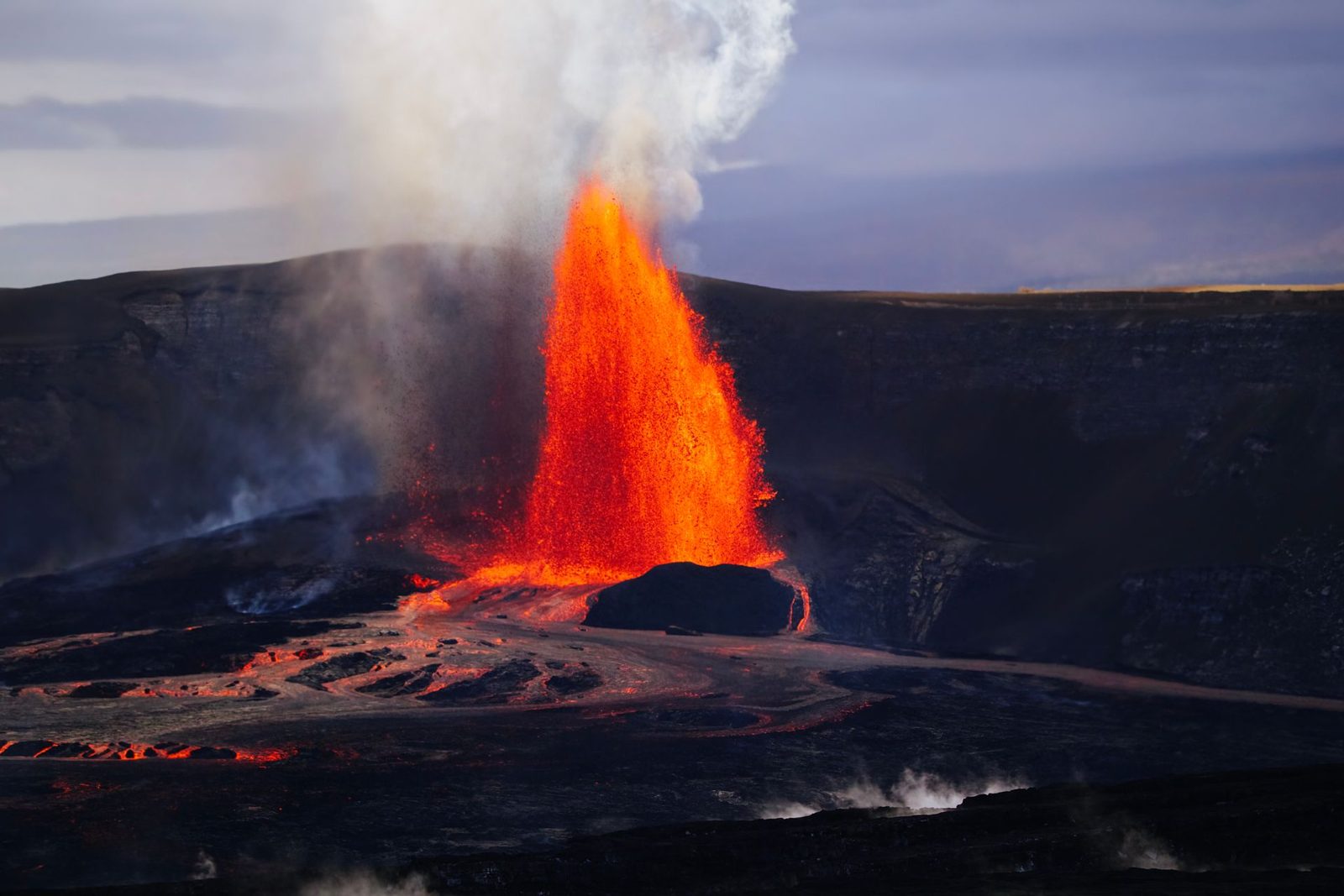
In the morning, enter the park, about 45 minutes from Hilo. There is an entrance fee per vehicle: check the current rates. The park protects Kīlauea, one of the most active volcanoes in the world, and Mauna Loa, the largest volcano on Earth. For Hawaiians, this is the home of Pele, the goddess of fire and volcanoes.
Start at the visitor centre, where the rangers will tell you what is open and whether an eruption is under way. Then walk along the rim of the Kīlauea caldera, an enormous crater that has sunk by hundreds of metres in recent years, with fumaroles and steam rising from the cracks. If lava is visible in the crater, in the evening the red glow can be seen from the lookouts.
Visit the Nāhuku lava tube, a tunnel formed by a river of lava that cooled on the outside and kept flowing inside, in the middle of a forest of giant tree ferns.
In the afternoon, drive the Chain of Craters Road, which descends for about 30 kilometres from the craters to the ocean, across lava flows of different ages, to the Hōlei sea arch on the black cliffs.
In the evening, if there is an eruption, go back to the lookouts over the caldera to see the glow of the lava in the dark.
Overnight near the park or in Hilo.
Practical tip: always stay on marked trails in the park. Volcanic gases can be dangerous for people with breathing or heart problems, and for pregnant women.
- Day 6
Flight to Maui
Today you leave Big Island and fly to Maui.
In the morning, if you have time, visit the black sand beach of Punaluʻu, south of the volcano park, where green turtles often rest on the sand. Keep your distance: they are protected by law.
Then take the flight from Hilo or Kona to Kahului, Maui's airport, about forty minutes. Check times and prices. Pick up your rental car.
Maui is the second largest Hawaiian island, formed by two volcanoes joined by an isthmus: Haleakalā, over 3,000 metres high, to the east, and the green mountains of West Maui.
In the afternoon, reach the west coast and Kaanapali beach, a long golden sand beach with a calm sea, closed to the north by the black rock of Puʻu Kekaʻa. At sunset, by tradition, a diver leaps from the rock into the sea.
On the way you pass near Lahaina, the former capital of the Hawaiian kingdom, largely destroyed by the fire of August 2023, in which about a hundred people died. The town is being rebuilt: respect the closed areas and the residents, and do not stop for photos among the burned houses.
In the evening, have dinner on the west coast with the fish of the day, such as mahi mahi or ono, grilled.
Overnight on Maui's west coast, for two nights.
Practical tip: on Maui driving distances look short, but traffic on the main roads can be slow. Do your shopping at a supermarket at the start: eating out in Hawaii is very expensive.
- Day 7
Molokini and the south coast
Today you snorkel in a sunken crater.
Early in the morning, set off by boat from Maui's south coast to Molokini, a small crescent-shaped volcanic crater rising from the sea between Maui and the island of Kahoʻolawe. Inside the crater the water is calm and extremely clear, often with over thirty metres of visibility, and shelters a coral reef with hundreds of species of tropical fish, such as the Hawaiian triggerfish, called humuhumunukunukuāpuaʻa, the state fish. Many trips also stop off an area known as Turtle Town to swim with green turtles. The boats leave early, when the sea is calmer. Choose a reputable operator and check prices and what is included.
In the afternoon, relax on one of the south coast beaches, around Wailea and Makena, such as Big Beach, a long golden sand beach in a state park, where the waves are sometimes strong. Check the park rules.
From December to April, humpback whales arrive from Alaska in the waters between Maui and the nearby islands to give birth. In those months you often see them even from the shore, leaping out of the water.
In the evening, watch the sunset behind the islands of Kahoʻolawe and Lanai.
Overnight on Maui's west coast.
Practical tip: in Hawaii, only use sun creams without the substances that harm coral. The law forbids the sale of the most harmful ones.
- Day 8
The road to Hana
Today you drive one of the most famous roads in the world.
Early in the morning, head east on the road to Hana, about 80 kilometres along Maui's north-east coast, with over 600 bends and dozens of narrow one-lane bridges, many built at the start of the twentieth century. The road crosses a very dense tropical forest, with waterfalls, natural pools, bamboo, rainbow eucalyptus trees with colourful bark and lookouts over the ocean.
It takes at least three hours without stopping, but the stops are the point. Stop at the botanical garden and the waterfalls along the road, such as Twin Falls, then at the lookout over the Keʻanae peninsula, with waves against the black lava and fields of taro, the traditional Hawaiian plant.
In the afternoon, reach Waiʻānapanapa State Park, with a black sand beach, caves and lava arches by the sea. Entry requires an advance reservation, with fixed times: check rules and prices.
In the evening, arrive in Hana, a small, quiet village, far from everything, with a bay and a population largely of Hawaiian origin.
Overnight in Hana.
Practical tip: on the road to Hana, drive slowly, let oncoming traffic pass on the one-lane bridges and only stop in the pull-outs. Do not enter private property, even if there are waterfalls. Fill up before leaving, because there are few petrol stations along the road.
- Day 9
Hana and the Oheo pools
Today you explore the coast beyond Hana.
In the morning, head south to the Kīpahulu area of Haleakalā National Park, about half an hour from Hana. Here the park comes down to the sea, and a stream forms a series of natural pools and waterfalls, called the ʻOheʻo pools, among the lava rocks and the forest. Take the Pīpīwai trail, about six kilometres there and back, which climbs through the forest and a dense grove of giant bamboo to Waimoku Falls, over 120 metres high. Check park entry and rules; swimming in the pools is often forbidden because of the risk of sudden floods.
In the afternoon, return to Hana and relax on Hamoa beach, considered one of the most beautiful in Hawaii, a crescent of grey sand below green cliffs, or on the red sand beach of Kaihalulu, reached by a difficult, slippery trail.
In the evening, drive back towards the centre of the island, along the road to Hana, to the Kula area, on the slopes of Haleakalā, or to Paia, a village on the north coast with shops and restaurants, a convenient base for climbing the volcano tomorrow.
Overnight in the Kula or Paia area, for three nights.
Practical tip: the road beyond Kīpahulu to the south is partly unpaved and many rental companies do not allow it. Read your car contract and, if in doubt, go back the same way.
Drive calmly: the return on the road to Hana takes at least three hours again.
- Day 10
Sunrise on Haleakalā
Today you watch the sunrise from the top of a volcano.
In the middle of the night, set off for the summit of Haleakalā, over 3,000 metres, along a road of hairpin bends that climbs from sea level to the top in little more than 60 kilometres. To see the sunrise at the summit you need an advance reservation with an entry time, in addition to the park ticket: without a reservation you cannot enter at night. Places run out quickly: check rules and prices on the official website.
At the summit lookout, before dawn, the sky is full of stars. Then the light begins to colour the horizon, and the sun rises above a sea of clouds, lighting up the great crater, an enormous valley of red, black and yellow ash with volcanic cones. For Hawaiians the name means house of the sun.
After sunrise, go down to the visitor centre and look for the silversword plants, called ʻāhinahina, a rare plant that grows only here, with silvery leaves. If you like walking, follow part of the Keoneheʻeheʻe trail, known as the Sliding Sands trail, which descends into the crater. Remember that the climb back up is tiring at altitude.
In the afternoon, go down and rest. Visit the Kula area, with its lavender farms and views over the valley.
In the evening, have dinner in Paia.
Overnight in the Kula or Paia area.
Practical tip: at the top of Haleakalā before dawn the temperature is often close to zero, with wind. Bring a heavy jacket, hat and gloves. Many places to stay lend a blanket.
- Day 11
Relaxing and the north coast
Today is a day of rest on Maui.
In the morning, relax on a beach, or take one last trip on the water: kayaking along the west coast, a surf lesson at Lahaina or Kihei, on gentle waves suited to beginners, or a boat trip. Check prices and safety.
Alternatively, visit ʻĪao Valley, in West Maui, with the ʻĪao Needle, a green rock peak rising over 300 metres above the valley floor, in the rainforest. Here, in 1790, an important battle was fought for the unification of Hawaii. Entry requires an advance reservation: check rules and prices.
In the afternoon, go to Hoʻokipa, on the north coast near Paia, one of the most famous beaches in the world for windsurfing. From the lookout you see the surfers and windsurfers on the big waves. In the late afternoon, on the beach near the lookout, green turtles often come to rest on the sand.
In the evening, go to a luau, a traditional Hawaiian feast, with pork cooked in an earth oven, called kalua, taro poi, hula dances and music. Choose a luau that tells the story of the islands' culture. Check prices and bookings.
Overnight in the Kula or Paia area.
Practical tip: at Hoʻokipa the sea is very dangerous for anyone who is not an expert. Watch from the shore and do not go into the water. With the turtles, respect the ropes and the distance signs.
- Day 12
Departure
Today you leave Hawaii.
In the morning, if your flight leaves late, have one last breakfast with tropical fruit, such as Maui pineapple, papaya and passion fruit, called lilikoʻi, and a last walk on the beach.
Then return the car and go to Kahului airport for your flight home, almost always with a connection on the US West Coast. At the airport there is an agricultural check before departure: many fresh plants and fruits from the islands cannot be taken out.
In these twelve days you have seen two different sides of Hawaii: the manta rays of Kona, the stars of Mauna Kea, the waterfalls of Hilo, the caldera and lava tubes of Kīlauea, the sunken crater of Molokini, the waterfalls and forests of the road to Hana and sunrise above the crater of Haleakalā.
When to go: Hawaii has a warm climate all year round. From April to October the weather is drier and the sea calmer on the north coasts. From November to March there is more rain and big waves arrive on the north coasts, but from December to April you can see humpback whales. Prices are higher at Christmas and in summer.
Practical tip: in Hawaii, learn a few words, such as aloha, hello and love, and mahalo, thank you. Respect sacred places and kapu signs, which mean forbidden: many places are important to Hawaiian culture.
Two very different islands, volcanoes and ocean in one trip. From Europe it is very far, with at least one stop, so under 12 days is not worth it. Lahaina on Maui was destroyed by the 2023 fire and is still being rebuilt: respect the closed areas. Lodging and food prices are very high.
Before you go
- Documents and visa
- Electronic passport and ESTA authorisation for Visa Waiver nationalities, applied for online on the official site at least 72 hours ahead: since 16 October 2026 it costs 40.62 dollars and is valid for two years. Travellers who have visited certain countries, such as Cuba or Iran, need a visa.
- Health and vaccines
- No vaccines required. Healthcare is extremely expensive: insurance with very high medical cover is essential. Emergencies: 911.
- Money and payments
- Dollar. Cards accepted everywhere. Prices are shown before tax, added at the till; restaurant tips of 15 to 20 per cent are expected.
- Power sockets
- Types A and B, 120 volts: you need a flat-pin adapter.
- Time zone
- Six time zones: New York is UTC-5, Los Angeles UTC-8; daylight saving changes on different dates from Europe.
- Safety
- Risks are mainly crime in some urban areas and natural hazards: hurricanes, wildfires, extreme desert heat. Official advice: GOV.UK.
Information checked in November 2026 for Italian and EU citizens. Rules change: always check before you travel.
Variations
In 8 days: Big Island only, with Kona, the mantas, Mauna Kea, Hilo and the volcano park, without Maui.
In 15 days: add Kauai, the garden island, with the Nā Pali coast and Waimea Canyon, at the end of the trip.
Frequently asked questions
What documents do I need for Hawaii?
Hawaii is a state of the United States. To enter without a visa you need a passport and the ESTA authorisation, which since 16 October 2026 costs 40.62 dollars. Other nationalities should check their own rules.
Do I need to book the Haleakalā sunrise?
Yes. To enter the summit area at night and see the sunrise you need an advance reservation, in addition to the park ticket. Waiʻānapanapa State Park and ʻĪao Valley also require a reservation.
Do I need a car?
Yes, on Big Island and Maui a rental car is almost essential, because public transport is limited. To reach the summit of Mauna Kea you need a four-wheel-drive vehicle, or an organised tour.
Indicative itinerary written by World Atlas. Before booking, check timetables, seasonal openings, documents and safety.
 21 daysModerate
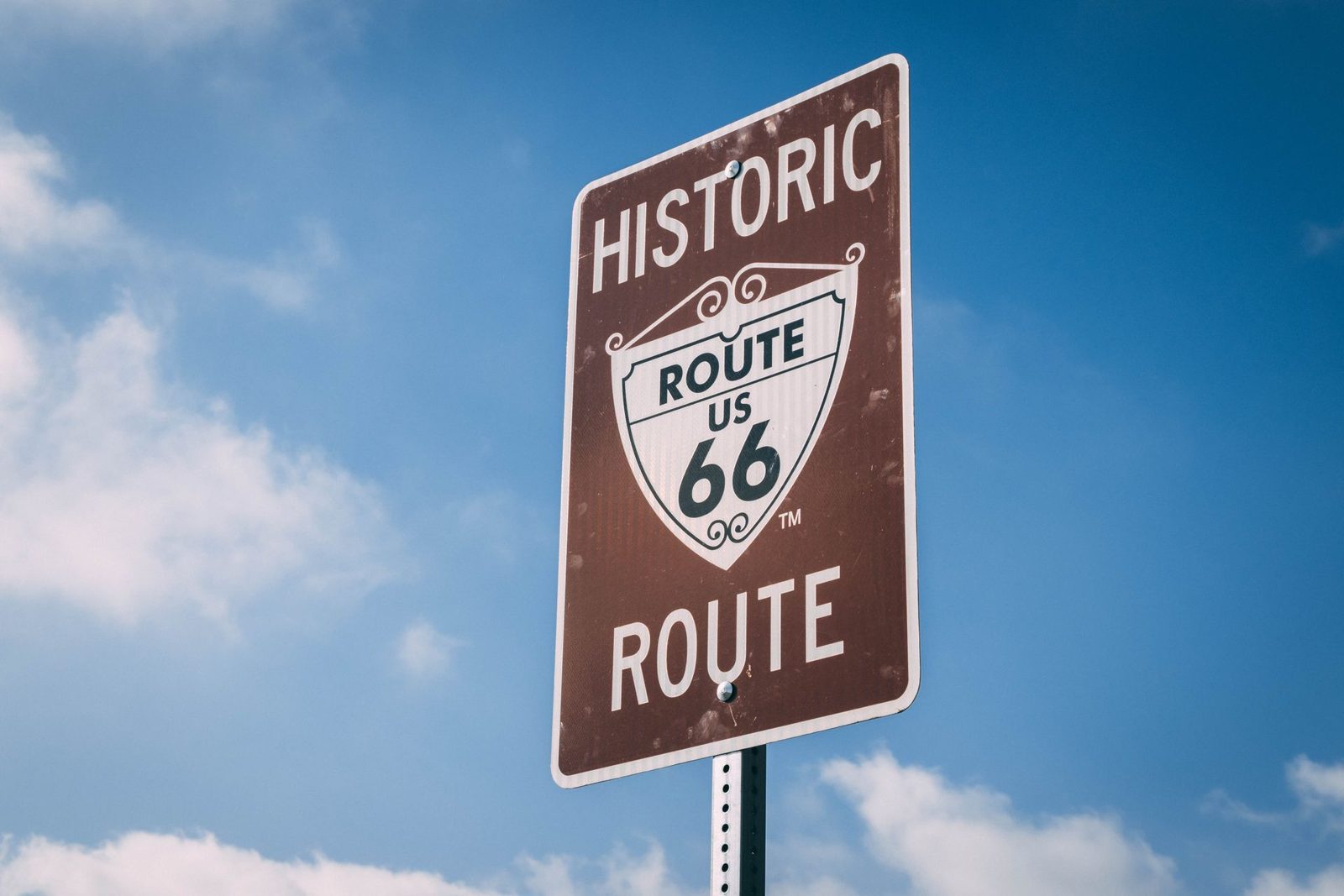
Route 66 from Chicago to Los Angeles
Almost 4,000 kilometres across eight states: diners, neon-signed motels, Santa Fe, the Grand Canyon and Santa Monica Pier.
 10 daysEasy
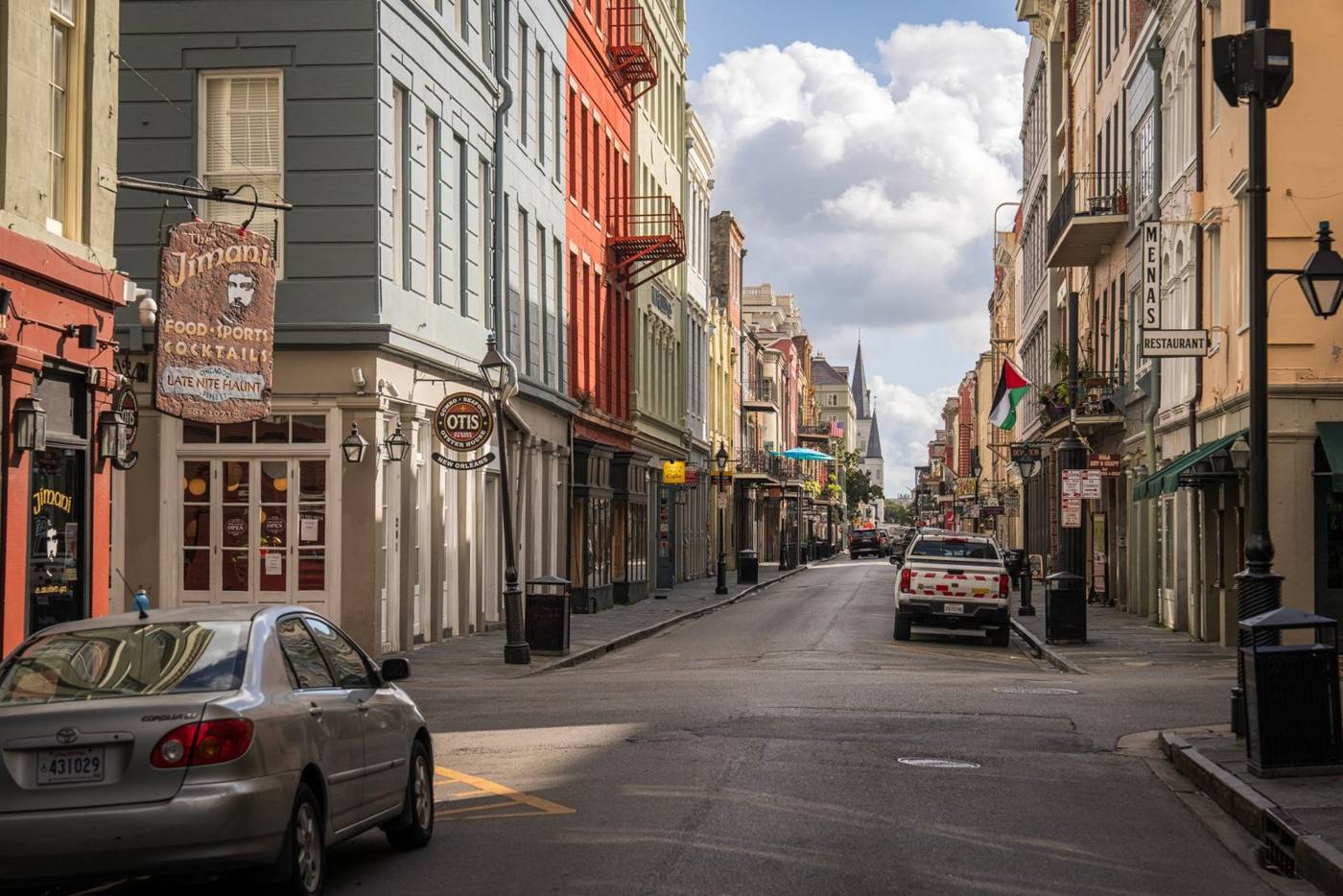
The musical South: New Orleans, Memphis and Nashville
Jazz in New Orleans, Mississippi Delta blues, Graceland and Sun Studio in Memphis, country music in Nashville.
 12 daysModerate
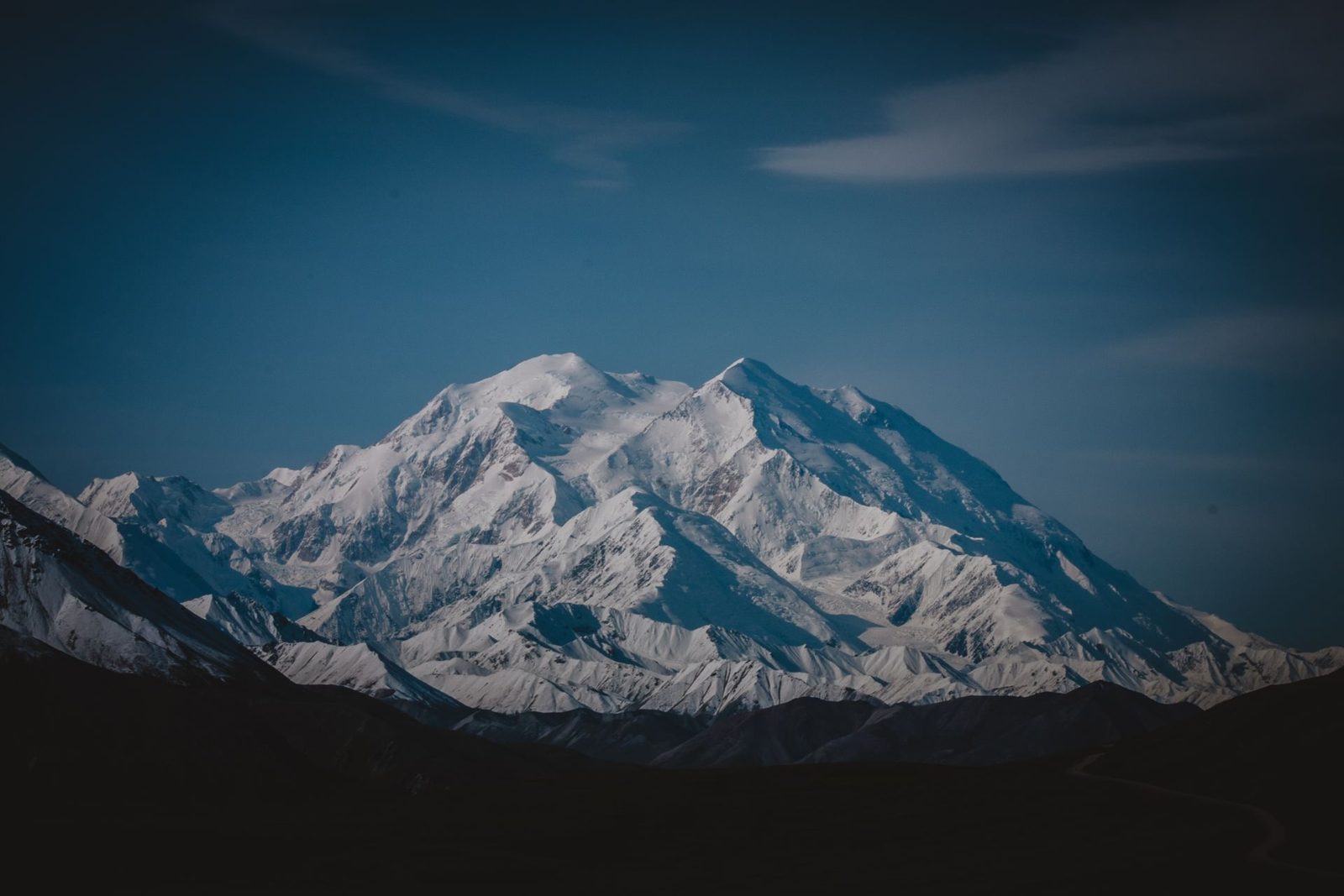
Alaska: Denali and the Kenai Peninsula
Denali with grizzlies and moose, tidewater glaciers in Kenai Fjords and bears fishing for salmon.