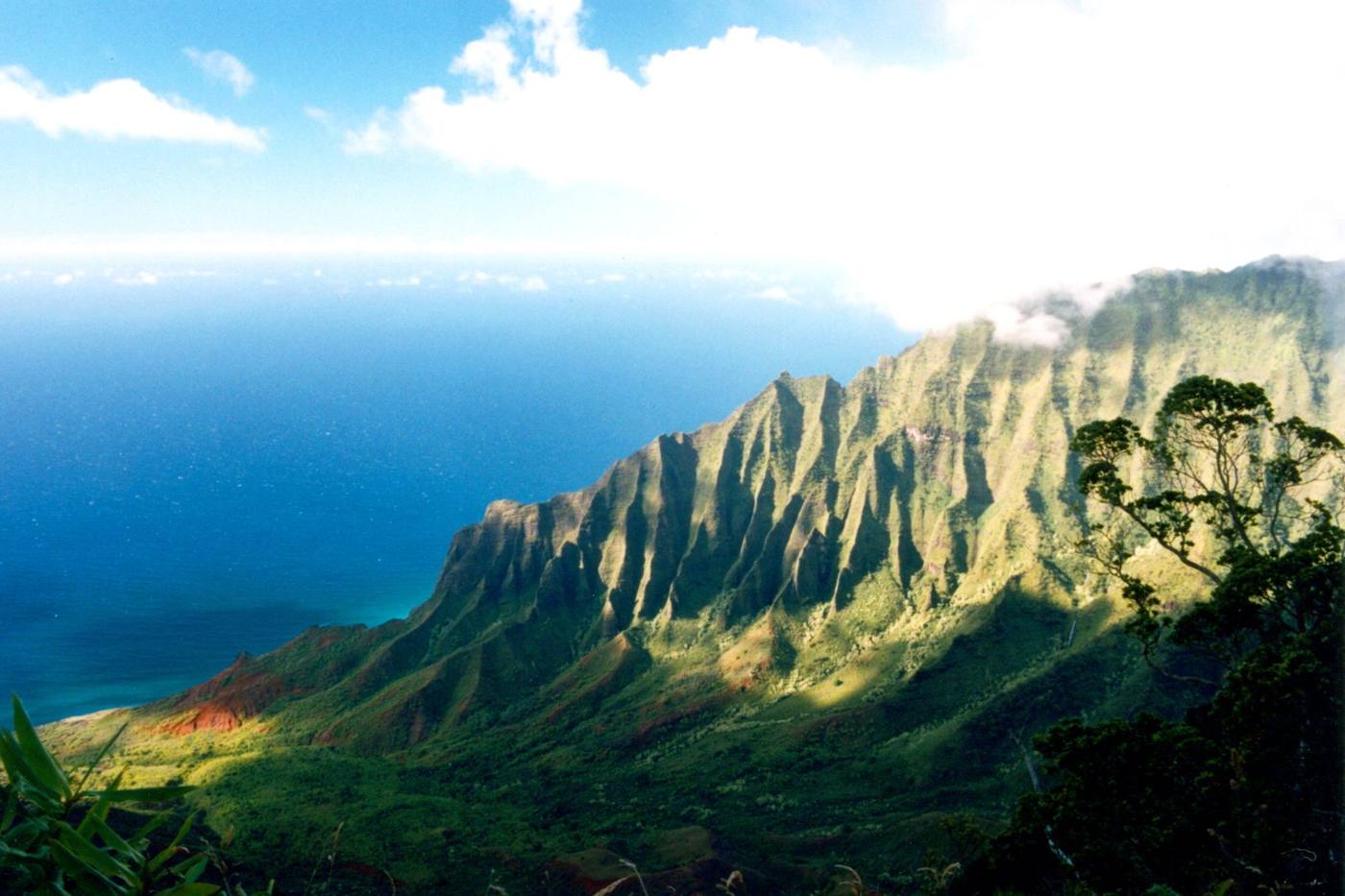
Hawaii: Kauai and Oahu
The other two islands: Oahu with Honolulu, Pearl Harbor and the North Shore waves, then Kauai, the Garden Isle, with Waimea Canyon, the Nā Pali cliffs and the beaches of Hanalei.
- Honolulu
- Pearl Harbor
- North Shore
- Līhuʻe
- Waimea Canyon
- Kōkeʻe
- Hanalei
- Hāʻena
Day by day
- Day 1
Honolulu: Diamond Head at sunrise and Waikīkī
This trip combines two very different Hawaiian islands: Oahu, with Honolulu, the history of the Hawaiian kingdom and Pearl Harbor, and Kauai, the oldest of the main islands, green, rainy and with few roads.
Before you leave: to enter the United States without a visa you need an ESTA, which costs 40.62 dollars and should be requested online at least a few days before departure. You also need an electronic passport.
You land in Honolulu, on the island of Oahu. Jet lag makes you tired and wakes you early, so use it. In the morning climb Diamond Head, the crater of an old volcano above Waikīkī. The trail is short but steep, with stairs and a tunnel, and from the top you see the whole coast. Non residents need an online reservation for a time slot: check the rules and fees on the Hawaii state parks website before you go. Start early, before the heat.
In the afternoon rest at Waikīkī, the most famous beach in Honolulu, where the calm water is good for a first swim or a surf lesson on small waves.
In the evening watch the sunset from the beach and have poke, the marinated raw fish typical of the islands.
Sleep in Honolulu.
Practical tip: the sun in Hawaii is very strong. Use a sunscreen without the filters that harm coral, as state law requires.
- Day 2
ʻIolani Palace and Pearl Harbor
In the morning visit ʻIolani Palace, in central Honolulu. It was the residence of the last Hawaiian monarchs, King Kalākaua and Queen Liliʻuokalani, before the monarchy was overthrown in 1893. It is the only royal palace on United States soil. Visits are guided or with an audio guide: check the times and book, because the groups are small.
In front of the palace stands the statue of King Kamehameha I, who united the islands at the beginning of the nineteenth century.
In the afternoon go to Pearl Harbor, about half an hour away by road. Here, on 7 December 1941, the Japanese attack brought the United States into the Second World War. The USS Arizona Memorial is built over the sunken ship, where more than a thousand sailors still lie. You reach it on a short boat crossing from the visitor centre. Tickets for the memorial are in high demand: book them online in advance and check the conditions, because the boat trips can be suspended because of wind or works.
The visitor centre has two small museums about the war in the Pacific. Bags are not allowed: leave them at your hotel or at the storage point.
In the evening go back to Waikīkī or have dinner in Chinatown, near the centre.
Sleep in Honolulu.
Practical tip: dress soberly for Pearl Harbor, it is a place of remembrance.
- Day 3
Oahu's North Shore: Haleʻiwa, turtles and Waimea Bay
Today you leave the city for the North Shore, the north coast of Oahu, about an hour's drive through the plantations of the interior. You need a hire car, or you can take the public bus, which is slower.
The first stop is Haleʻiwa, a surf town with low wooden houses, galleries and kiosks. Here you try shave ice, finely shaved ice with fruit syrups, and garlic shrimp sold from trucks along the road.
Then go to Laniākea beach, where green turtles often come up to rest on the sand. They are protected: stay at least three metres away, do not touch them and do not block their way back to the sea. Park only in permitted spaces, the road is narrow.
In the afternoon stop at Waimea Bay. In summer the sea is often calm and swimming is good. In winter, roughly from November to February, the North Shore gets some of the biggest waves in the world: watch the surfers from the beach, but swimming is dangerous. Always follow the flags and the lifeguards.
At sunset go to Sunset Beach, a little further east.
Return to Honolulu for the night, or sleep on the North Shore if you find somewhere to stay.
Practical tip: traffic towards the North Shore is slow at weekends. Leave early and come back after sunset.
- Day 4
Flight to Kauai and the east coast
In the morning take a domestic flight from Honolulu to Līhuʻe, the airport of Kauai. The flight takes a little over half an hour. On Kauai you need a hire car: buses are few and the most beautiful places are far apart. Book the car in advance, as cars run out on the island.
Kauai is called the garden island. It is the oldest of the main islands, and wind and rain have carved it into deep valleys, cliffs and canyons. No building is taller than a coconut palm, by local rule, and the main road does not go all the way round: the Nā Pali coast, in the north west, has no roads at all.
In the early afternoon settle on the east coast, which is convenient for reaching both the north and the south. Visit the Wailua and ʻŌpaekaʻa falls, which you see from viewpoints near the road, and the Wailua river, the only navigable river in Hawaii, where people go kayaking.
Along the road you will see many wild hens and roosters: they are everywhere on the island.
In the evening have a local dish such as loco moco, rice with a burger, a fried egg and gravy, or grilled fish.
Sleep on the east coast, between Līhuʻe and Kapaʻa.
Practical tip: it rains often on Kauai, even if only briefly. Keep a light jacket in the car and check the forecast by area, because the south is drier than the north.
- Day 5
Waimea Canyon and the Kalalau lookout
Today you drive to the west coast and up into Waimea Canyon, about sixteen kilometres long and more than eight hundred metres deep, with red, green and ochre walls. From the east coast it takes about two hours to reach the highest viewpoints.
The road climbs with many bends. Stop at the canyon viewpoints, where you see the Waipoʻo falls dropping down the walls. If you like walking, the Canyon Trail takes a few hours to reach the top of the falls. The ground is red earth and slippery when wet.
Continue up to Kōkeʻe park. At the end of the road is the Kalalau lookout, at about twelve hundred metres, above the Kalalau valley and the Nā Pali coast. The view reaches the sea, but clouds often cover everything: wait a few minutes, as they open and close quickly. Early morning is usually the clearest time.
For non residents, entry and parking in the Waimea and Kōkeʻe parks are charged: check the current fees.
In the afternoon drive back towards the coast and stop at Hanapēpē, a small town with a wooden swinging bridge over the river.
Sleep on the east coast or on the south coast, at Poʻipū.
Practical tip: it is cool up high. Bring a sweater and fill up with fuel before you climb.
- Day 6
The Nā Pali coast from the sea or the air
The Nā Pali coast is the most famous place on Kauai: about twenty five kilometres of cliffs up to a thousand metres high, with narrow valleys, waterfalls and sea caves. There are no roads, so you see it in three ways: on foot along the Kalalau trail, by boat or by helicopter.
Today choose the boat or the helicopter. Boats usually leave from the west coast, near Waimea, and sail along the cliffs for a few hours. From May to September the sea is calmer and some trips stop for snorkelling. From December to April you often see humpback whales, but the sea is rougher and trips may be cancelled. In summer some inflatable boats go into the sea caves, if the sea allows. If you get seasick, take a tablet before leaving.
The helicopter leaves from Līhuʻe and in under an hour flies over Waimea Canyon, the Nā Pali coast and the rainy crater of Mount Waiʻaleʻale. It is expensive, but it shows places you cannot see any other way. Book the morning, when there are fewer clouds.
In the afternoon rest on the beach at Poʻipū, on the south coast, where Hawaiian monk seals often sleep on the sand. They are rare and protected: keep your distance.
Sleep at Poʻipū or on the east coast.
Practical tip: book the boat or the helicopter at the start of the trip, so you have spare days if the weather is bad.
- Day 7
Northern Kauai: Hanalei and Tunnels Beach
Today you go to the north coast, the greenest and rainiest. From Kapaʻa it takes about an hour. Move your accommodation here, so that tomorrow you are close to the trail.
The first stop is the Hanalei lookout, above the valley with its taro fields, the plant used to make poi, the oldest dish in Hawaiian cooking. Then cross the Hanalei bridge, made of iron and with a single lane: cars take turns, letting those coming from the other side pass.
Hanalei is a small town on a large crescent bay, with green mountains behind and a wooden pier. It is the right place for a swim and a walk on the sand.
In the afternoon continue to Tunnels Beach, also called Makua. In summer, when the sea is calm, the reef in front of the beach is one of the best places on the island for snorkelling, with tropical fish and sometimes turtles. In winter the waves are strong and swimming is dangerous. The car park is small: arrive early or walk from the neighbouring beach.
The road beyond Hanalei has more single lane bridges and many bends: drive slowly.
In the evening watch the sunset over Hanalei bay.
Sleep in Hanalei or Princeville.
Practical tip: do not leave anything visible in the car at beach car parks.
- Day 8
The Kalalau trail from Hāʻena and departure
On the last day you walk the first stretch of the Kalalau trail, the only way on foot along the Nā Pali coast. The full trail is about eighteen kilometres long, and to go beyond Hanakāpīʻai beach you need an overnight permit. For a day trip you walk to Hanakāpīʻai beach, about three kilometres each way, with climbs and descents.
The trail starts at the end of the road, in Hāʻena State Park. For non residents entry is only possible with an online reservation, which includes parking or a shuttle. Places run out weeks ahead: book as soon as you have your dates and check the rules on the Hawaii state parks website.
The trail is muddy and slippery, especially after rain. Wear hiking shoes and bring water and something to eat. From the climb you see the first cliffs of Nā Pali.
Do not swim at Hanakāpīʻai beach: the currents are extremely strong and many people have drowned here. Cross the stream only if the water is low: when it rains, the level rises within minutes. Those with more time and the right permit can continue towards the waterfall, but it takes a full day.
In the afternoon drive back towards Līhuʻe, about an hour and a half away, and take your flight to Honolulu or to the mainland.
Practical tip: leave at least three hours between the end of the walk and your flight.
A trip of sea and nature, quieter on Kauai. For Hāʻena State Park and the start of the Kalalau trail, non-residents must book entry and parking in advance, and the same goes for Diamond Head. In winter the waves on the North Shore and Kauai's north coast are dangerous: swim only where there are lifeguards. At Pearl Harbor, tickets for the Arizona memorial are booked online.
Before you go
- Documents and visa
- Electronic passport and ESTA authorisation for Visa Waiver nationalities, applied for online on the official site at least 72 hours ahead: since 16 October 2026 it costs 40.62 dollars and is valid for two years. Travellers who have visited certain countries, such as Cuba or Iran, need a visa.
- Health and vaccines
- No vaccines required. Healthcare is extremely expensive: insurance with very high medical cover is essential. Emergencies: 911.
- Money and payments
- Dollar. Cards accepted everywhere. Prices are shown before tax, added at the till; restaurant tips of 15 to 20 per cent are expected.
- Power sockets
- Types A and B, 120 volts: you need a flat-pin adapter.
- Time zone
- Six time zones: New York is UTC-5, Los Angeles UTC-8; daylight saving changes on different dates from Europe.
- Safety
- Risks are mainly crime in some urban areas and natural hazards: hurricanes, wildfires, extreme desert heat. Official advice: GOV.UK.
Information checked in November 2026 for Italian and EU citizens. Rules change: always check before you travel.
Variations
In 6 days: two days on Oahu and four on Kauai, without the North Shore.
In 11 days: add Maui with the road to Hāna and the Haleakalā volcano.
Frequently asked questions
Do I need a visa?
Citizens of Visa Waiver Program countries only need an ESTA, which costs 40.62 dollars, with an electronic passport. Apply online before you leave.
When is the best time to go?
You can travel all year. From May to September the sea is calmer for boats and snorkelling; from December to April you see whales, but the north shore sea is rough and it rains more.
Do I need to book anything ahead?
Yes: Diamond Head, the Pearl Harbor memorial, Hāʻena park for the Kalalau trail, a hire car on Kauai and the boat or helicopter trips. Check the current rules on the official websites.
Indicative itinerary written by World Atlas. Before booking, check timetables, seasonal openings, documents and safety.
 7 daysEasy
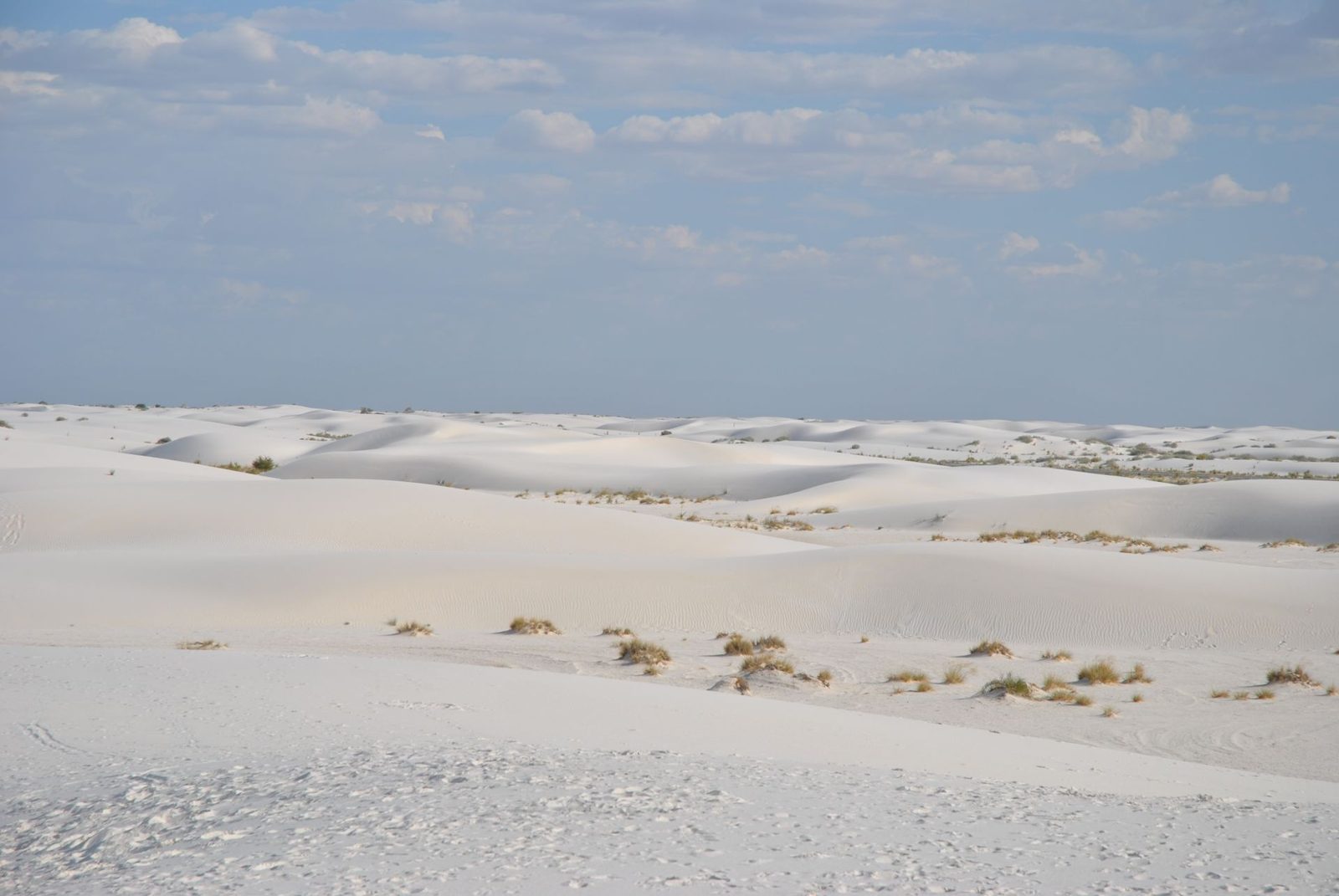
New Mexico: Santa Fe, Taos, White Sands and Carlsbad
The land of adobe: Santa Fe with its art and chile cooking, Taos Pueblo inhabited for a thousand years, the white gypsum dunes of White Sands and the vast underground halls of Carlsbad Caverns, with bats flying out at sunset.
 8 daysModerate
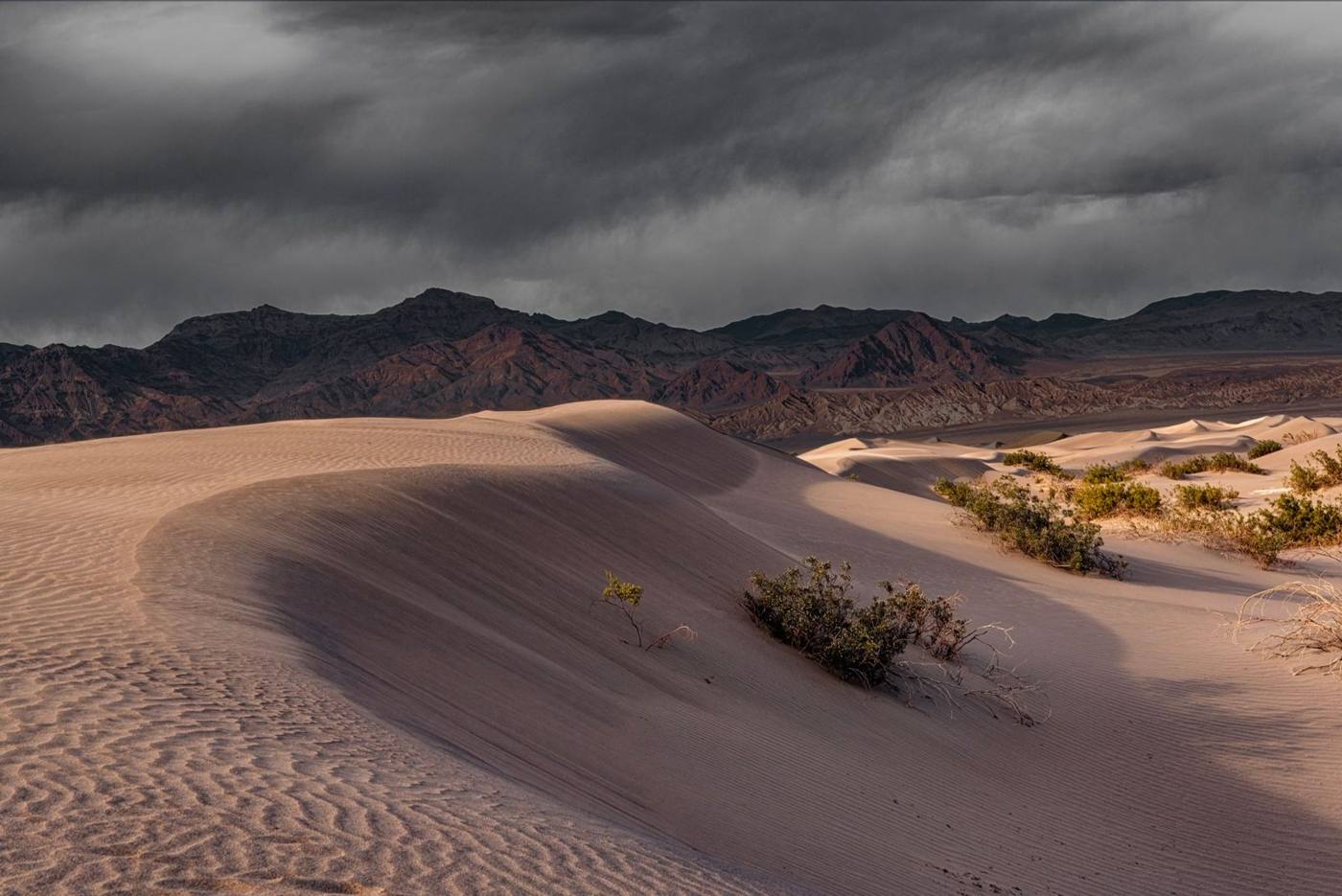
California's deserts and giant sequoias
The other California, away from the coast: the Joshua trees and boulders of Joshua Tree, Palm Springs, Death Valley with its dunes and North America's lowest point, then the giant sequoias and canyons of Sequoia and Kings Canyon.
 5 daysEasy
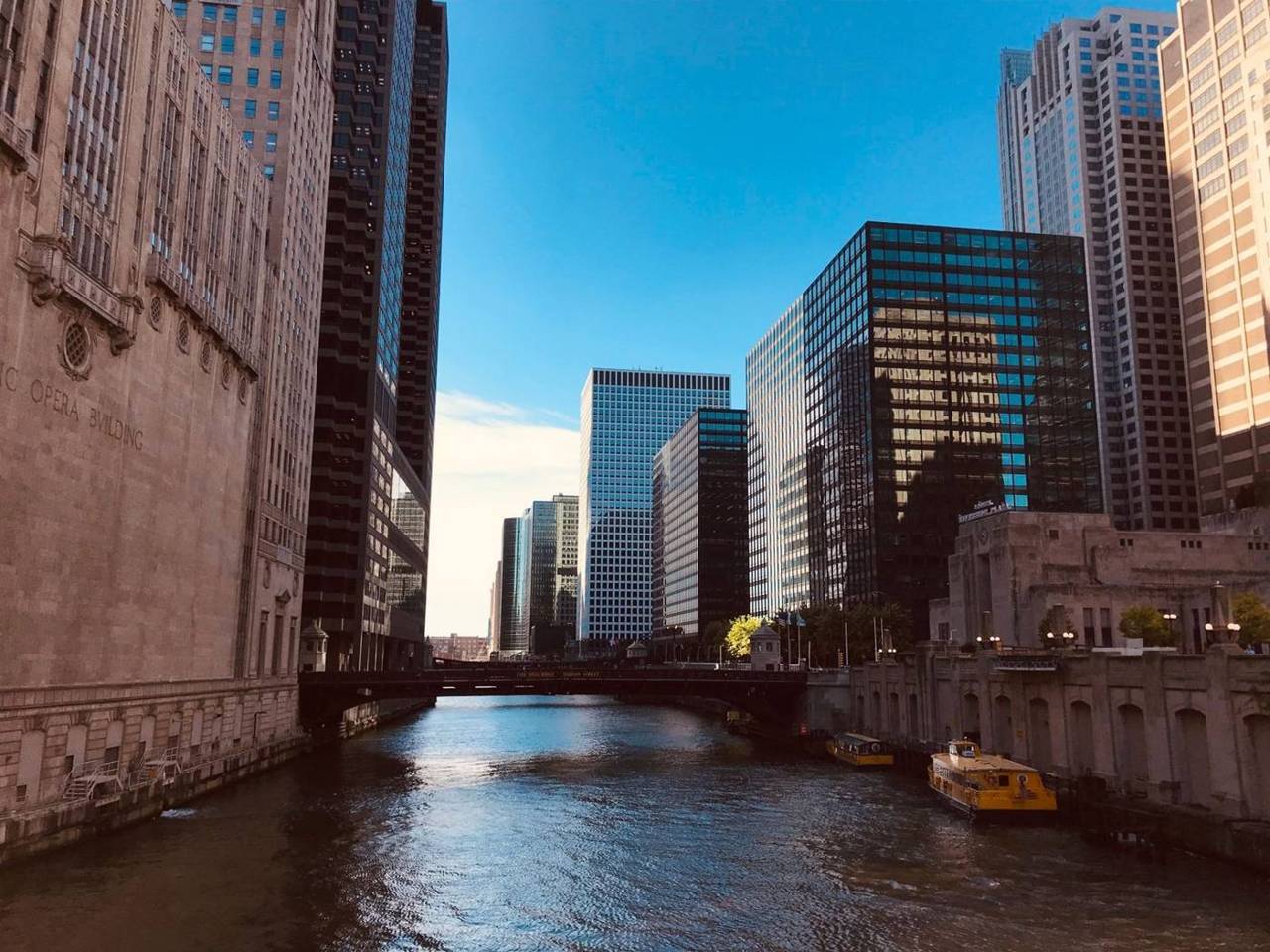
Chicago and Lake Michigan
The city of skyscrapers seen from the river, the Art Institute and Millennium Park, blues and deep-dish pizza, then the towering Sleeping Bear dunes and the fishing villages on the eastern shore of Lake Michigan.