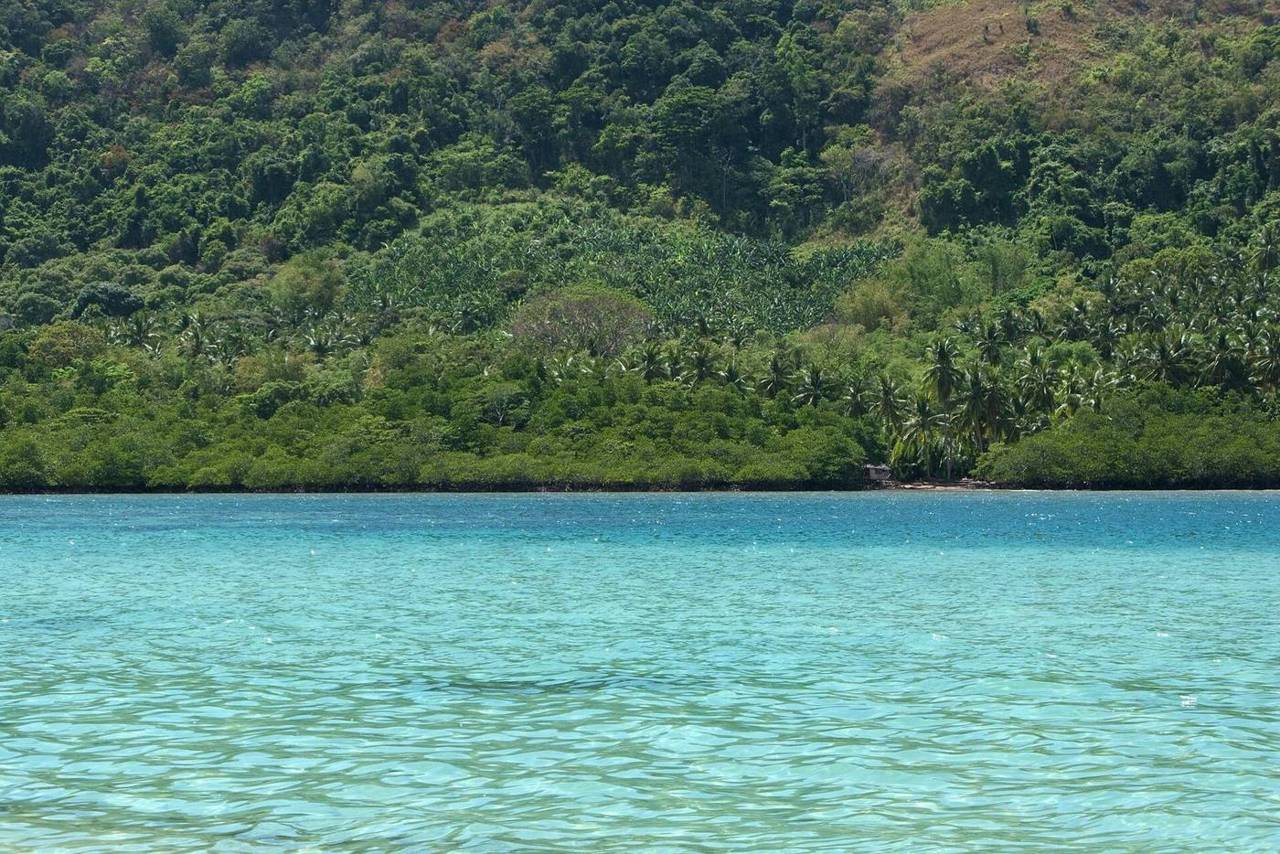
 Philippines
Places not to miss
El Nido
The lagoons of Palawan.
Coron
Lakes and wrecks.
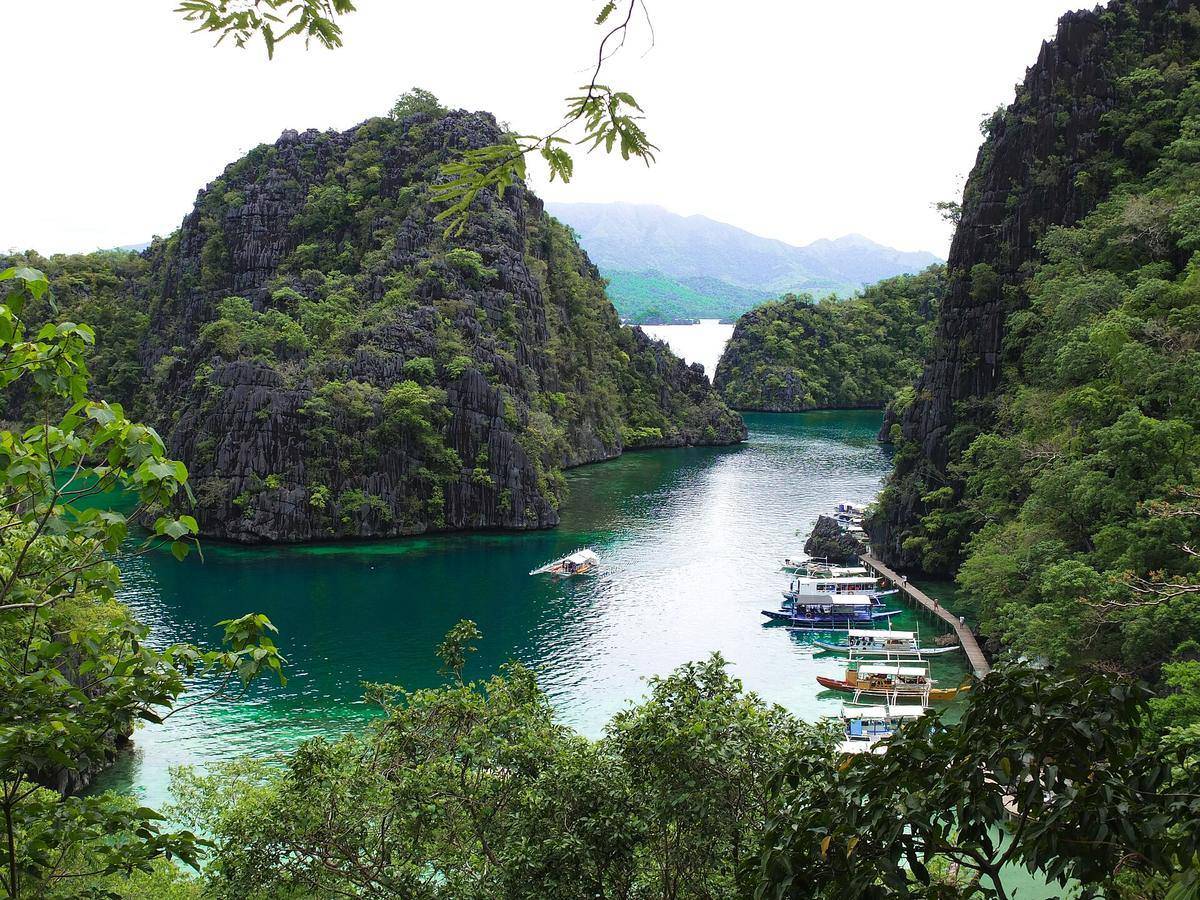
Photo: Lyndon Aguila, CC BY-SA 4.0 Bohol
The Chocolate Hills and tarsiers.
Siargao
Surfing.
Banaue
Rice terraces.
Nature and wildlife
Whale sharks, tarsiers, turtles.
Food and drink
Adobo, lechon, halo-halo.
When to go
December-May.
Did you know?
The Philippines lie within the Coral Triangle.
Itineraries in Philippines
Palawan: El Nido and the lagoons
A week of islands, turquoise lagoons and snorkelling in the Bacuit archipelago, with a stop at the underground river.
Palawan, Coron, Bohol and Cebu
The finest islands in two weeks: El Nido's lagoons, Coron's lakes and wrecks, Bohol's Chocolate Hills and tarsiers.
Philippines express: Palawan, El Nido and Coron
Puerto Princesa's underground river, the lagoons of El Nido among limestone cliffs, and Coron's lakes and wrecks.
The Philippines: Banaue's rice terraces, Sagada and Palawan
The UNESCO-listed rice terraces in the Cordillera mountains, the hanging coffins of Sagada and then two weeks of sea in Palawan.
All-sea Philippines: Palawan, Bohol and Cebu
Three islands, three seas: El Nido's lagoons, the tarsiers and Chocolate Hills of Bohol, the sardines and turtles of Moalboal on Cebu.
Siargao: surf and lagoons
The Philippines' surf island: the Cloud 9 wave, Sugba lagoon, the Magpupungko rock pools and the three-island hop.
Diving around Cebu: Malapascua, Moalboal and Apo Island
The divers' triangle: thresher sharks at dawn off Malapascua, the sardines of Moalboal and the coral garden of Apo Island with its turtles.
El Nido to Coron by boat, sleeping on the islands
A multi-day expedition on a traditional bangka among the deserted islands of northern Palawan, with nights in beach base camps.
Siquijor and Bohol: the island of witches and the chocolate hills
Little Siquijor, with traditional healers, waterfalls and quiet beaches, and neighbouring Bohol with its tarsiers and Chocolate Hills.
Batanes: the islands of the far north
The Philippines you don't expect: green hills above the sea, stone houses with thatched roofs, lighthouses and Ivatan culture, closer to Taiwan than to Manila.
Manila, Intramuros and Taal volcano
The capital before the islands: the Spanish walled city of Intramuros with Fort Santiago and San Agustín Church (UNESCO), the National Museum, Binondo, the world's oldest Chinatown, then Tagaytay on its ridge overlooking the lake and Taal volcano.
Vigan and the Ilocos coast
Colonial northern Luzon: Vigan, a UNESCO-listed Spanish town with Calle Crisologo and horse-drawn carriages, the earthquake baroque church of Paoay, also UNESCO, the La Paz sand dunes, Cape Bojeador lighthouse and the beaches of Pagudpud.
Camiguin, the island born of fire
A small island with seven volcanoes: the white sandbar of White Island facing Mount Hibok-Hibok, the sunken cemetery marked by a cross in the sea, hot and cold springs, the Katibawasan and Tuasan waterfalls and the ruins of the old Gui-ob church.
Donsol, the whale sharks and Mayon volcano
Southern Luzon: in Donsol you swim with wild whale sharks, without feeding them, with community boats and guides, then fireflies on the river at night, and Legazpi with the perfect cone of Mayon volcano and the Cagsawa church ruins buried by the 1814 eruption.
Port Barton and San Vicente
Palawan without the El Nido crowds: the village of Port Barton with boat trips among islets, reefs and turtles, Pamuayan Falls, then Long Beach in San Vicente, over 14 km of almost empty sand.
Puerto Galera and the Verde Island Passage
The nearest diving sea to Manila: the bays of Sabang and White Beach, the walls and currents of the Verde Island Passage, considered one of the places with the most coastal fish species in the world, and the Mangyan villages in the hills.
Boracay, Iloilo and the churches of Panay
Sea and history on Panay: White Beach on Boracay, Puka Beach and sunset sailing, then Iloilo with its heritage houses, the fortress church of Miag-ao (UNESCO) with its facade carved with palms and saints, and Guimaras, the mango island.
Kalinga and the Cordillera mountains
The less-travelled mountainous north: Baguio, the cool highland city, the mountain road to Kalinga province, the rice terraces of Bugnay and the village of Buscalan, where traditional tattooing is handed down, reached on foot through the fields.
The Caramoan islands
A limestone archipelago in southern Luzon, chosen for many seasons of reality television: islets with white beaches between karst cliffs, lagoons, caves, the hilltop shrine at Guijalo and boat trips without the Palawan crowds.
Diving in Anilao
The macro diving capital, three hours from Manila: nudibranchs in every colour, pygmy seahorses, mimic octopuses and frogfish on muck dives and reefs in Balayan Bay, and night dives for the smallest creatures.
Practical guide to the Philippines
- Documents
- EU citizens enter without a visa for tourism for up to 30 days, with a passport valid for at least six months and an onward ticket. In the 72 hours before the flight you must fill in the no-cost eTravel form online on the official government website; the QR code is checked at boarding and on arrival.
- Safety
- The United States rates the Philippines level 2, with level 4 for the Sulu archipelago, the southern Sulu Sea and Marawi, and level 3 for much of Mindanao and some rural inland areas of other islands. Palawan, Bohol, Siquijor and Cebu City are not in these areas. Typhoons occur from June to November: follow weather warnings. Official advice: GOV.UK.
- Getting around
- Between islands you fly from Manila and Cebu, or take ferries, which are frequent but cancelled in rough seas and typhoons. On the islands you get around by van, tricycle and scooter. Always keep a spare day before your international flight.
- Verified costs
- El Nido eco-tourism development fee: 400 Philippine pesos per person, valid for the whole stay. The Puerto Princesa underground river requires a permit with limited places, to be booked in advance. The eTravel form is at no cost.
Climate month by month
Average minimum and maximum temperatures in Manila, Cebu and Puerto Princesa, plus rainfall in Manila. It is hot all year; the dry season runs from December to May, the rainy and typhoon season from June to November.
- January
- Manila 23 / 30 °C · Cebu 24 / 30 °C · Puerto Princesa 24 / 31 °C · Manila rain 20 mm
- February
- Manila 23 / 31 °C · Cebu 24 / 30 °C · Puerto Princesa 23 / 31 °C · Manila rain 20 mm
- March
- Manila 24 / 33 °C · Cebu 25 / 31 °C · Puerto Princesa 24 / 32 °C · Manila rain 20 mm
- April
- Manila 25 / 34 °C · Cebu 26 / 32 °C · Puerto Princesa 25 / 33 °C · Manila rain 25 mm
- May
- Manila 26 / 34 °C · Cebu 26 / 33 °C · Puerto Princesa 25 / 33 °C · Manila rain 160 mm
- June
- Manila 26 / 33 °C · Cebu 26 / 32 °C · Puerto Princesa 25 / 32 °C · Manila rain 255 mm
- July
- Manila 25 / 31 °C · Cebu 25 / 32 °C · Puerto Princesa 24 / 31 °C · Manila rain 430 mm
- August
- Manila 25 / 31 °C · Cebu 25 / 32 °C · Puerto Princesa 24 / 32 °C · Manila rain 475 mm
- September
- Manila 25 / 31 °C · Cebu 25 / 32 °C · Puerto Princesa 24 / 32 °C · Manila rain 395 mm
- October
- Manila 25 / 31 °C · Cebu 25 / 31 °C · Puerto Princesa 24 / 32 °C · Manila rain 220 mm
- November
- Manila 24 / 31 °C · Cebu 25 / 31 °C · Puerto Princesa 24 / 31 °C · Manila rain 120 mm
- December
- Manila 23 / 30 °C · Cebu 25 / 30 °C · Puerto Princesa 24 / 31 °C · Manila rain 100 mm
Source: Climats et Voyages (Manila 1991-2020; for Cebu and Puerto Princesa the period is not stated). Data and prices checked in November 2026.
Where to go and where not to
There are no particular warnings beyond normal precautions; before booking, always check up-to-date official travel advice, because the situation can change.