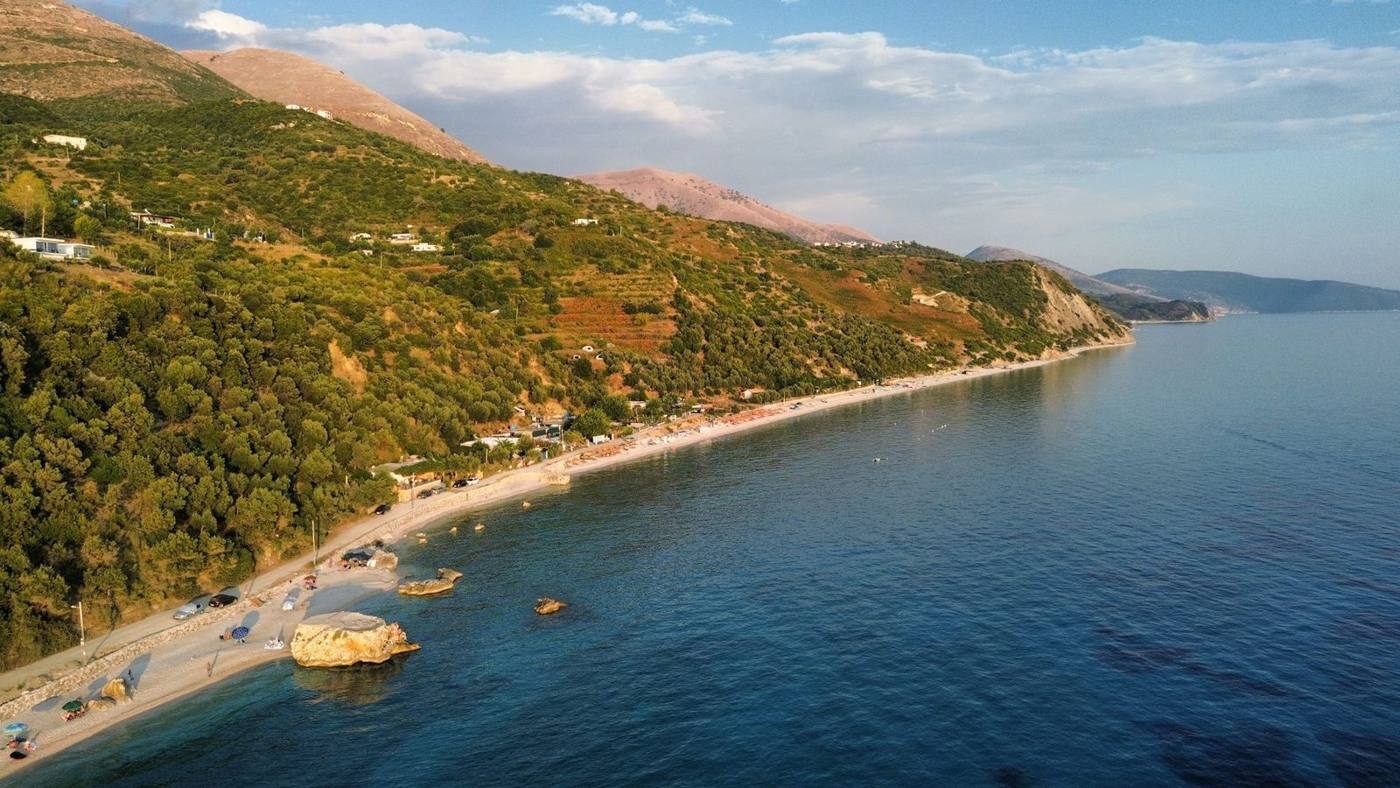
The coastal trail on foot, from Dhërmi to Nivicë
Five days of walking with a pack between coves, olive groves and abandoned hill villages above the Ionian, sleeping in the villages along the way.
- Tirana
- Dhërmi
- Gjipe
- Livadh
- Himara vecchia
- Kudhës
- Borsh
- Lukovë
- Nivicë
- Apollonia
Day by day
- Day 1
Flight to Tirana and a first evening in the city
This trip crosses the Albanian riviera on foot, from Dhërmi to Nivicë, in five days of walking with a backpack. You follow the Southern Coastal Trail, waymarked in red and white, past beaches, olive groves, canyons and stone villages that are partly abandoned, and you sleep in a different village every night. At the start and the end you travel by minibus.
Before you go: Italian citizens can enter Albania with an electronic identity card or a passport, valid for at least three months after leaving the country, without a visa for tourist stays. Italian paper identity cards are no longer valid for travel abroad from 3 August 2026. Other nationalities should check their own rules. The United States rates Albania at level 2 because of crime, with no areas to avoid. On the coastal trails the real risks are heat, lack of water and falls: always walk with someone or tell people where you are going.
You land in Tirana and reach the centre. Use the evening for last purchases: in a supermarket buy dried fruit, energy bars and electrolyte salts, and check that your backpack is no heavier than eight or nine kilos, without water.
Then take a quiet stroll around Skanderbeg Square and have an early dinner of bean soup, jani me fasule, with warm bread.
Overnight in Tirana.
Practical tip: download the tracks of the stages to your phone, together with a map that works offline, because above the coast the signal comes and goes.
- Day 2
From Dhërmi to Livadh, via Gjipe and Jalë
In the morning a minibus takes you from Tirana to Dhërmi in about three hours, along the last part of the road that drops from the Llogara pass to the sea. You arrive in late morning in the upper village, with its stone houses and churches.
The first stage is about 13 kilometres long, with about 550 metres of ascent in all and about five hours of walking. The path leaves the village along the old mills trail, passes near the church of the Ipapandia and the Monastery of Saint Theodore, then reaches Gjipe beach, at the bottom of its canyon. Stop here for a swim and a packed lunch.
After Gjipe, climb back up onto the coast and continue through scrub and wild olive trees to the bay of Jalë, small and enclosed. The last stretch leads to Livadh, a long shingle beach just below Himarë, where you end the day.
The first day is also for finding your pace: walk slowly on the climbs, drink often and look for the red and white marks on the rocks and tree trunks at every junction.
In the evening, have dinner with fish or with garden vegetables and goat's cheese.
Overnight in Livadh or Himarë.
Practical tip: leave Gjipe by mid afternoon, because the climb out of the canyon is in full sun and becomes hard work in the hottest hours.
- Day 3
The long stage: Old Himarë, Pilur and Kudhës
Today is the longest stage, about 20 kilometres, with more than a thousand metres of ascent. Set off at dawn, with at least three litres of water each.
From Livadh, climb towards Old Himarë, the village inside the castle walls, above the modern town. The climb is steep but short. Stop to look at the stone houses, the Orthodox churches and the view over the gulf. Then continue inland, along a canyon where local people tell the legend of a devil, to Pilur, a village on the ridge with a square and a church. From up here, on clear days, the view reaches Corfu.
After a break, set off again southwards. The path follows the old road that went round the military zone of Porto Palermo, closed in the days of the regime, and descends gradually through pastures and oaks to Kudhës, a stone village inland, far from the sea and the coastal traffic.
The houses of Kudhës have slab roofs and thick walls, and many residents have emigrated: some come back in summer and open their homes to guests.
In the evening, have dinner with whatever your host family cooks, often goat, vegetables and savoury pies.
Overnight in Kudhës.
Practical tip: in Pilur, fill your bottles at the village fountain, because there are no other reliable springs between Pilur and Kudhës.
- Day 4
From Kudhës to Qeparo and Borsh beach
Today's stage is about 15 kilometres, with about 400 metres of ascent and 650 of descent, a good five hours of walking. It is a varied day that brings you back towards the sea.
Before leaving Kudhës, walk around the old quarter and climb to the chapel of Saint Athanasius, from where you see the whole valley. Then the path runs between fields and dry stone walls, crosses a saddle and drops towards Old Qeparo, the upper village, almost abandoned, with its stone houses, lanes and church. Stop here for lunch and to look down at the sea: below lies new Qeparo, on the beach, which grew up when people moved down to the coast.
In the afternoon, continue south, halfway up the slopes, among olive and citrus trees, until you see the bay of Borsh, one of the longest beaches on the riviera, with fine shingle and clear water. High above the village stand the remains of Borsh castle.
Once on the beach, take off your boots and swim. Near the shore the water is often cooler, because of the springs that come down from the mountain.
In the evening, have dinner by the sea with fish or stuffed vegetables.
Overnight in Borsh.
Practical tip: on the steep descents above Qeparo, use poles and lace your boots firmly, because the stones are loose and your knees work hard.
- Day 5
Borsh, Piqeras and Lukovë among olives and citrus
Today you walk about 15 kilometres, with about 400 metres of ascent, in four and a half hours. This is the stage of the terraces: the hills are carved into steps, with olive, orange and lemon trees.
You leave Borsh climbing inland on an old path which, according to local people, was built by prisoners under the regime. From above, the whole bay of Borsh comes into view, with the green of the citrus groves and the blue of the sea.
By mid morning you reach Piqeras, a village on the hill. Just outside it stands the monastery of Saint Mary of Kremesova, a small church on its own among the olive trees. Rest in the shade and set off again.
Then the path drops towards the sea to Bunec beach, small and quiet, perfect for a midday swim. The last stretch climbs back up to Lukovë, a village on a balcony above the coast, with the church of Saint Paraskevi, from the fifteenth century, and a wide view as far as Corfu.
In the evening, try the local honey, olives and oil, still made here by families with their own olive trees.
Overnight in Lukovë.
Practical tip: buy fruit along the way in the villages, when families sell it outside their homes, but always wash well anything you eat with the skin on.
- Day 6
From Lukovë to Shpella, Shën Vasil and Nivicë
This is the last stage, about 15 kilometres and four and a half hours of walking, with about 400 metres of ascent. It ends in a place far from everything.
From Lukovë, walk down to Shpella beach, which takes its name from a cave in the rock. It is a small bay, reachable almost only on foot or by boat. Swim early, while the water is still in shade.
Then climb back up among the olive trees and pass the remains of Hundecova, an abandoned village, with roofless stone houses and walls still standing. Carry on towards Shën Vasil, a village that held a labour camp during the dictatorship: today it is peaceful and full of citrus groves, but the memory remains.
Finally the path climbs to Nivicë, a tiny village on the hill above the sea, with a few houses, a church and a wide view over the coast and the sea. This is where the walk ends: put down your backpack, sit down and look back over the route you have covered in five days.
In the evening, celebrate with your host family, with homemade raki and a long dinner.
Overnight in Nivicë or Shën Vasil.
Practical tip: agree the time of tomorrow's minibus the day before, because there is no public transport in Nivicë and the road is long.
- Day 7
Back via Sarandë, with Apollonia and Durrës
Today you spend almost the whole day in a minibus, but with two stops that make the journey worthwhile. Set off early and head first down to Sarandë, then north through the interior, along the Drino and Vjosa valleys.
Around midday, stop at Apollonia, near Fier. It was a Greek city founded in the sixth century BC and later an important centre in Roman times, where the young Octavian, the future emperor Augustus, came to study. Walk among the columns of the monument of the Agonothetes, the odeon and the walls, then visit the monastery of Saint Mary, with the archaeological museum. Check prices and times. Allow at least an hour and a half, because the site is large and lies on a hill among olive trees, with a fine view over the plain.
In the late afternoon you reach Durrës, the largest port in the country. Go and see the Roman amphitheatre, one of the largest in the Balkans, discovered by chance under the houses of the old town, and the Venetian tower. Then stroll along the seafront.
The last stretch, to Tirana, takes about an hour.
In the evening, have dinner in the city and raise a glass to the end of the walk.
Overnight in Tirana.
Practical tip: in the minibus, keep water, something to eat and a neck pillow in your daypack, because there are many hours on the road and few stops.
- Day 8
Flight home
It is departure day. If your flight is late, in the morning walk in the Grand Park around the artificial lake, in the green south of the centre, to loosen your legs after so many kilometres. Or visit the National History Museum, on Skanderbeg Square, to put in order the history of the country you have crossed. Check prices and times.
Then go to the airport, about half an hour from the centre.
In eight days you have seen the Albanian riviera from above, at walking pace: Dhërmi and the Gjipe canyon, the bay of Jalë, Old Himarë, the ridge of Pilur, the stone village of Kudhës, Old Qeparo, the long beach of Borsh, the terraces of Piqeras and Lukovë, the cave of Shpella and the village of Nivicë, and finally Apollonia and Durrës. You walked between four and six hours a day, with sharp climbs and steep descents, and slept in villages you would never notice from the road.
When to go: the best months are April, May and June, and September and October. In spring the meadows are in flower and the air is cool, but the sea is still cold. In September and October the sea is warm and the villages are quiet. Avoid July and August: on the exposed trails the heat is very strong and water is scarce.
Practical tip: before you leave, buy olive oil from the riviera or honey from Lukovë, but wrap bottles and jars well in your checked luggage.
This is the best way to see the riviera before the concrete takes over: from above, at walking pace, through villages you never notice from the road. You need trained legs, four to six hours a day with a pack and steep climbs in full sun. The weak point is the return, an almost full day in a minibus. Avoid July and August: the heat on exposed trails is hard going.
Before you go
- Documents and visa
- Electronic identity card or passport for EU citizens, valid for at least three months after leaving Albania. Italian paper identity cards are no longer valid for travel abroad from 3 August 2026. No visa is needed for tourist stays of up to 90 days.
- Health and vaccines
- No compulsory vaccinations. Outside Tirana medical facilities are limited: you need insurance covering medical costs and repatriation. Drink sealed bottled water. Emergencies: 127 ambulance, 129 police, 128 fire.
- Money and payments
- Albanian lek. Cash machines and cards work mainly in cities and tourist areas; in villages and small shops you need cash.
- Power sockets
- Types C and F, 230 volts: you need an adapter for British plugs.
- Time zone
- UTC+1, UTC+2 in summer, one hour ahead of the UK.
- Safety
- The United States rates Albania at level 2 because of crime, with no areas to avoid. The UK advises staying away from demonstrations in central Tirana. In winter mountain roads can be blocked by snow. Official advice: GOV.UK.
Information checked in November 2026 for Italian and EU citizens. Rules change: always check before you travel.
Variations
In 6 days: walk only the first three stages, from Dhërmi to Borsh, and return to Tirana from Himarë.
In 11 days: add Butrint and Ksamil after Nivicë and two days in Gjirokastër and Berat on the way back.
Frequently asked questions
What document do I need for Albania?
Italian citizens can enter with an electronic identity card or a passport, valid for at least three months after leaving, without a visa for tourist stays of up to 90 days. Other nationalities should check their own rules.
Is the coastal trail difficult?
It is of medium difficulty. The stages range from 13 to about 20 kilometres, with sharp climbs and descents on loose stones. You need fit legs and to be used to walking four to six hours a day with a backpack, in the sun.
Is the trail waymarked?
Yes, the Southern Coastal Trail is waymarked in red and white, with signposts at the start of the stages. Some stretches are little used: bring a track on your phone anyway.
Indicative itinerary written by World Atlas. Before booking, check timetables, seasonal openings, documents and safety.
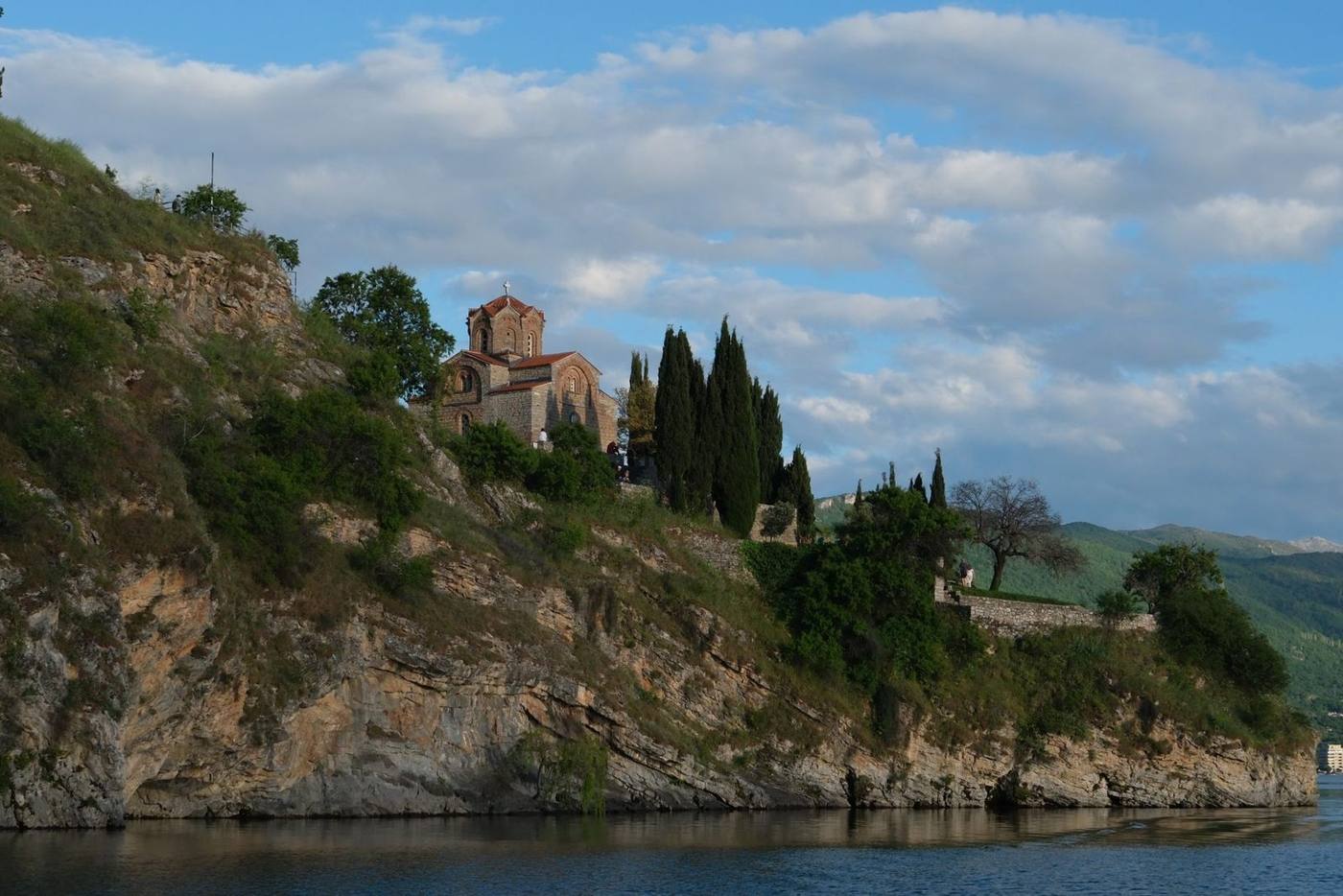 16 daysEasy
Albania, Ohrid and the Bay of Kotor
The full loop of Albania with two border crossings: the lakeside monasteries of Ohrid in North Macedonia and the Venetian towns of Montenegro.
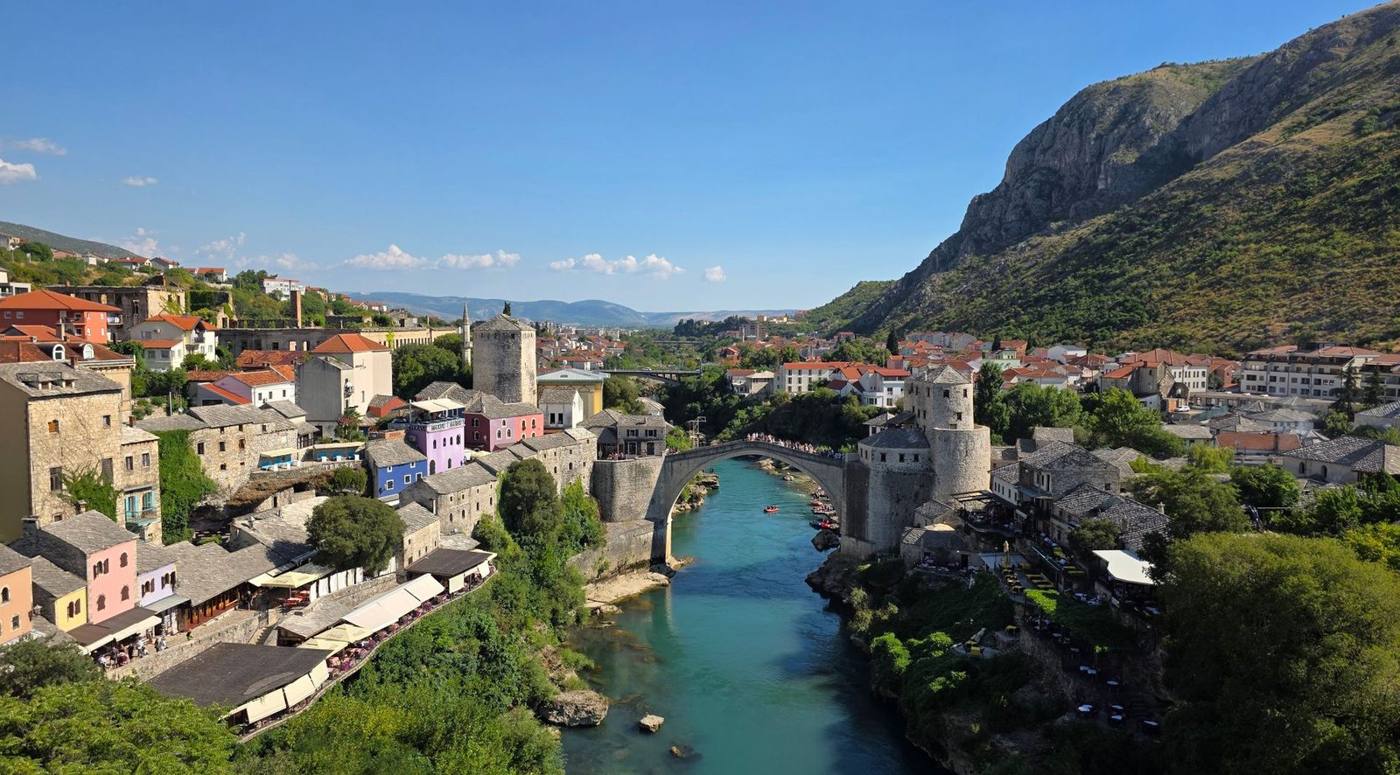 20 daysModerate
Balkanika: six countries from Tirana to Sarajevo and back
Twenty days by minibus through Albania, North Macedonia, Kosovo, Montenegro, Bosnia and Herzegovina and Dubrovnik, closing the loop at Theth.
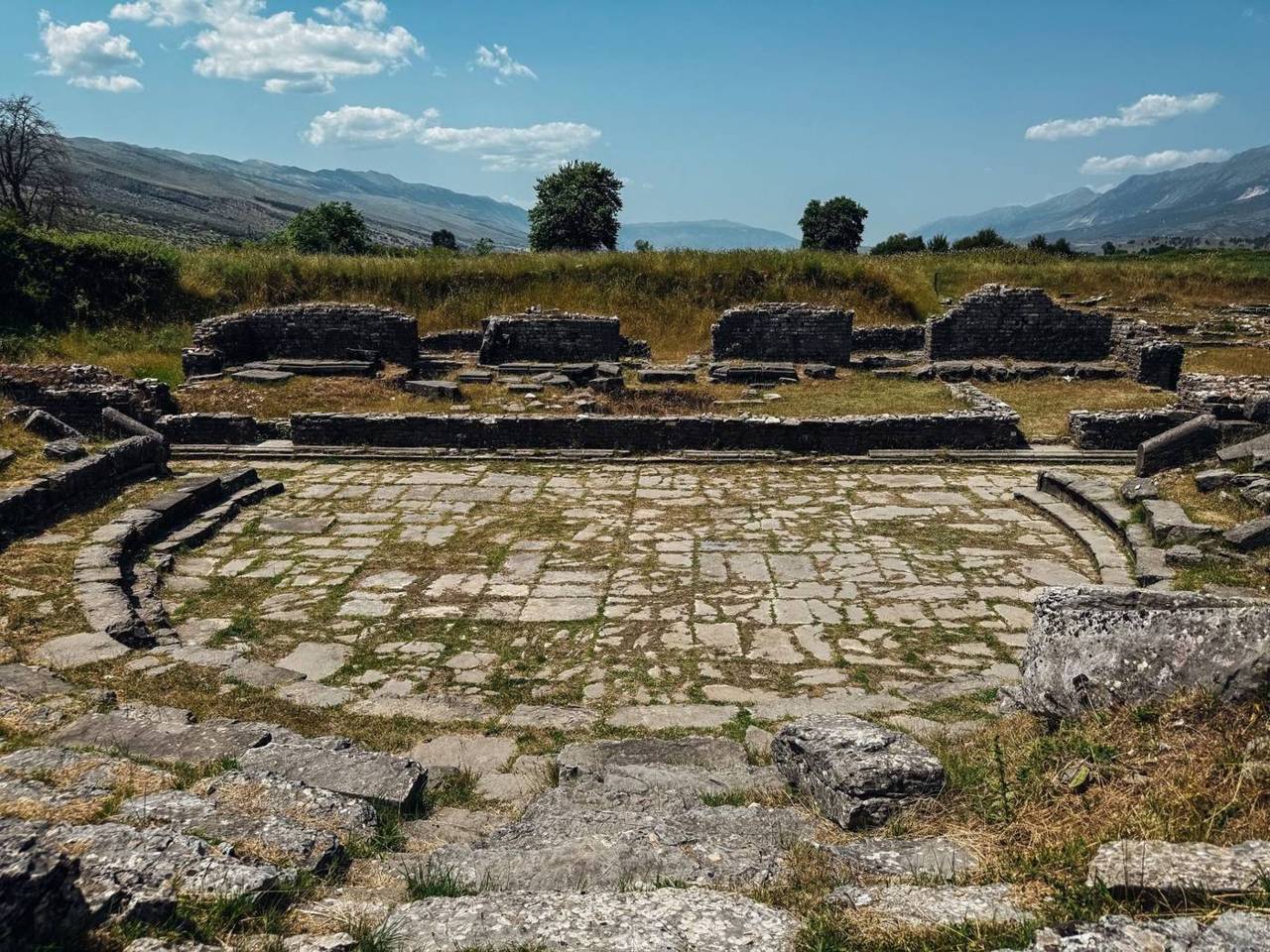 9 daysEasy
Ancient Albania: from Apollonia to Lake Ohrid
Roman Durrës, Apollonia and Butrint, a boat to Sazan island and a finale on Lake Ohrid, with two days by the sea at Dhërmi.