Antigua's beaches and English Harbour
UNESCO-listed Nelson's Dockyard, the Shirley Heights lookout on Sunday evenings, Half Moon Bay and the beaches of Darkwood and Valley Church.
- St. John's
- English Harbour
- Shirley Heights
- Half Moon Bay
- Darkwood Beach
Day by day
- Day 1
Arrival in St John's and the market
This six-day trip is a short week of sea and history in Antigua: the capital St John's, the eighteenth-century British harbour of English Harbour, the Shirley Heights lookout, the Atlantic side with Half Moon Bay and Devil's Bridge, then the calm beaches of the west coast and snorkelling on Cades Reef. You get around in a hire car.
Before you go: Italian citizens enter Antigua and Barbuda with a passport valid for at least six months and a return ticket, without a visa for up to 90 days; on arrival you may be asked where you are staying, and the authorities advise filling in ArriveAntigua.com on your phone within 72 hours of the flight. Other nationalities should check their own rules. No areas are advised against; use licensed taxis only, which have no meters, and agree the fare first.
The international airport is a quarter of an hour from St John's. In the afternoon walk around the centre, a grid of streets with colourful wooden houses and balconies. The Anglican cathedral, white with two towers, was rebuilt in the mid nineteenth century after an earthquake, with a wood-lined interior. The Museum of Antigua and Barbuda, in the old eighteenth-century courthouse, tells the story of the indigenous peoples, the plantations and independence in 1981. Check prices and times.
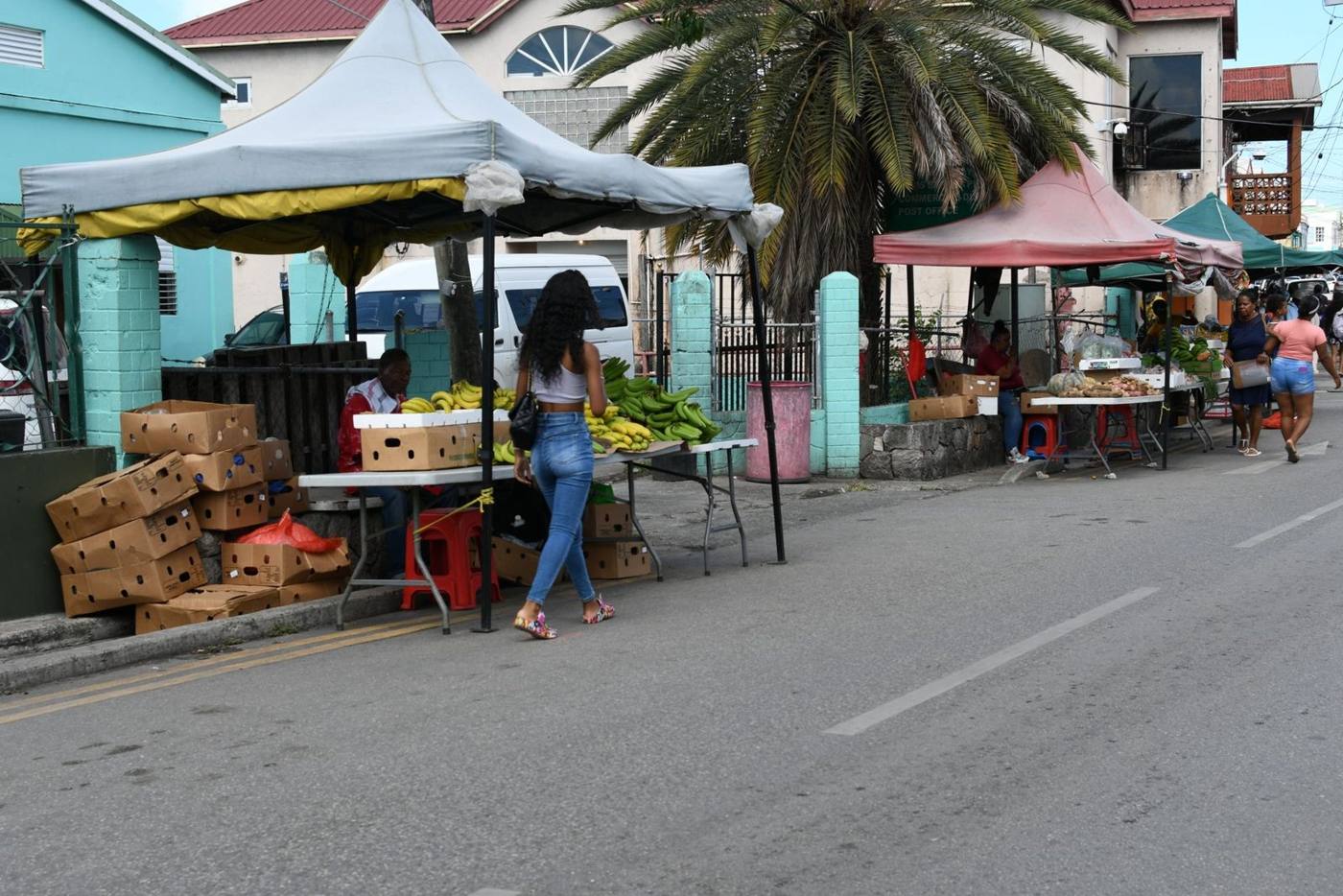
Then go down to the harbour, to Redcliffe Quay, with its restored old stone warehouses, and to the public market at the southern end of Market Street, liveliest on Friday and Saturday mornings, with fruit, vegetables, spices and the island's small black pineapple.
In the evening try the national dish, fungee, a cornmeal and okra polenta, with pepperpot, a stew of vegetables and meat.
Practical tip: when cruise ships are in, the centre fills up; days without ships are calmer.
- Day 2
Nelson's Dockyard and sunset from Shirley Heights
In the morning drive south, about half an hour, to English Harbour, a deep, enclosed bay that in the eighteenth century was the base of the British fleet in the eastern Caribbean, because it was sheltered from hurricanes. The young Horatio Nelson lived here too, in the 1780s.
Nelson's Dockyard, a UNESCO World Heritage Site since 2016, is a Georgian naval dockyard still in use: among the old brick and stone buildings there are now sailing boats from all over the world. Walk among the pillars of the old boathouse, the warehouses and the small dockyard museum. Check the national park's prices and times.
Then follow the path from the dockyard to Fort Berkeley, at the mouth of the bay, with its cannons facing the sea and views of the boats at anchor. After lunch have a swim at Pigeon Point, a small, calm beach in nearby Falmouth Harbour.
In the late afternoon go up to Shirley Heights, an old military lookout on the hill above the harbour. From the top you see English Harbour and Falmouth Harbour, divided by a tongue of land, and on clear days Montserrat and Guadeloupe. On Sunday evenings there is an open-air party with steel band music and a barbecue, very popular with people living on boats and with locals.
On the way, stop at the Dow's Hill visitor centre, which tells the history of the island.
Practical tip: for the Sunday party book a taxi back in advance, and do not walk home along the dark road.
- Day 3
Half Moon Bay and Devil's Bridge
Today you cross the island to the windier Atlantic side. The road passes fields, villages and low hills, with the remains of old stone windmills: Antigua once had more than a hundred, used to crush sugar cane.
Stop for an hour at Betty's Hope, one of the island's first large plantations, with the walls of the main house and a mill that has its sails again. It is the simplest way to understand what Antigua's colonial wealth was built on, and who paid for it. Check prices and times.
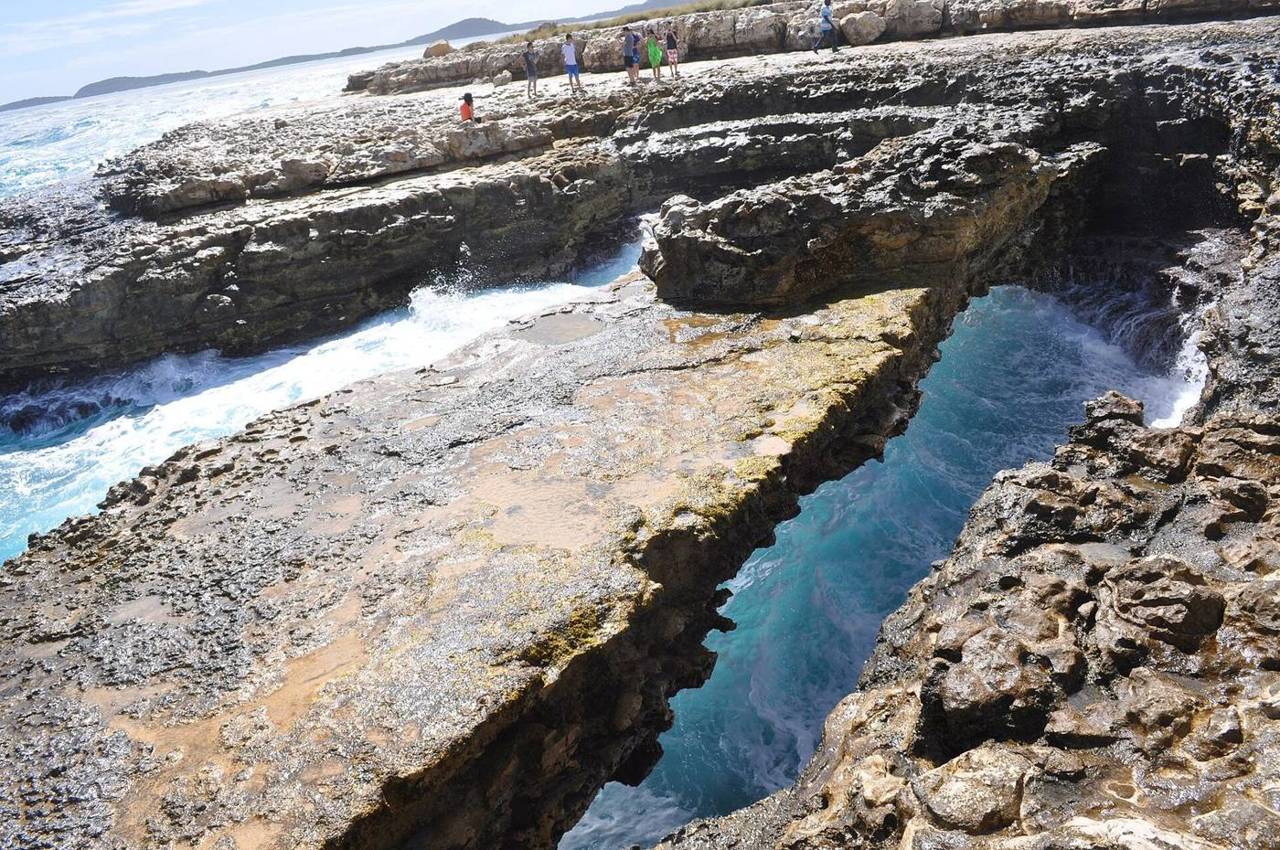
Then reach Devil's Bridge, a limestone arch carved by the waves at the eastern tip of the island. In rough seas the water rushes under the arch and shoots out of holes in the rock in tall jets. Watch the show from a distance: do not climb onto the arch and do not go near the edge when the ocean is spraying.
In the afternoon go down to Half Moon Bay, a crescent of pale sand and turquoise water, with very few buildings around it. When it is windy there are waves and currents, so swim only if you are confident and stay within your depth; on calm days the water is superb. Bring water and food from your base, because services are few.
On the way back, if you still have time, stop at Long Bay, a bay closed off by the reef where the water is shallow and still.
Practical tip: traffic drives on the left and roads have potholes and unmarked speed bumps, so get back before dark.
- Day 4
The beaches of the west coast
People say Antigua has a beach for every day of the year. The exact number matters little: all beaches are public by law, even those in front of the large resorts, and with a car you can choose a different one every day. The west side, on the Caribbean Sea, has the calmest water.
Start in the morning at Valley Church Beach, near Jolly Harbour, a bay of fine white sand with shallow, clear water that stays calm for a long way out, ideal for swimming. Then continue south along the coast road to Ffryes Beach, below a hill, and Darkwood Beach, a long beach right beside the road, with the outline of Montserrat on the horizon.
For lunch stop at one of the fish shacks on the coast, where you can eat grilled fish, conch, the large Caribbean shellfish, and ducana, a sweet potato and coconut dumpling cooked in a banana leaf.
In the afternoon, if you want some greenery, drive up Fig Tree Drive, the road that crosses the forest inland, with stalls of bananas and mangoes along the verges. Or stay on the beach until sunset, which on this side falls over the sea.
Many places on the coast are closed, all-inclusive resorts: the car lets you find the quietest public beaches, often a few metres from the busier ones.
Practical tip: many beaches have no lifeguards or flags, so watch the currents and do not swim alone far from the shore.
- Day 5
Snorkelling on Cades Reef
In the morning take a boat trip to Cades Reef, a long coral reef off the south-west coast, the best known on the island. Boats leave from the bays of the west coast and soon reach the reef, where the water is shallow and clear.
With mask and fins you see brain corals, purple sea fans, parrotfish, blue surgeonfish and sometimes rays and sea turtles. Choose a trip with authorised operators who provide a vest or a buoy and explain the rules: do not touch or stand on the corals, do not feed the fish, and use a sunscreen that does not harm the reef. If you are not a strong swimmer, ask for a vest and stay close to the guide.
After lunch rest on the beach or paddle a kayak along the coast. Divers can also go for a dive: around Antigua there are walls and wrecks, but the best conditions are on the west side, sheltered from the wind.
In the evening go back to English Harbour or Falmouth for dinner by the harbour, among the lit-up boats, or stay on the west coast to watch the sunset from the beach.
If you prefer a different kind of sea, instead of Cades Reef you can take a day trip to Barbuda, the sister island, for the frigatebird colony in Codrington Lagoon and the pink beach. The ferry takes about an hour and a half and can be cancelled in rough seas.
Practical tip: on a boat the sun reflected off the water burns a lot, so wear a long-sleeved shirt even in the water.
- Day 6
A last swim and departure
The last morning is for a quiet swim. If your flight leaves in the afternoon, choose a beach close to the airport, on the north coast, such as Dickenson Bay or Runaway Bay, with pale sand and calm water, about twenty minutes from the terminal. Alternatively take a last walk around St John's to buy something at the market.
Return the car in good time, because airport checks can be slow on days when many flights leave for Europe and North America. Most airlines include the departure tax in the fare, but regional ones sometimes do not: check beforehand.
What to take home: local rum, hot sauces, batik and local crafts and, if the trip is short, a black pineapple.
Trip summary: six easy days on an island that is simple to reach from Europe. You have seen St John's and its market, the eighteenth-century dockyard of English Harbour, the view from Shirley Heights, the Atlantic side with Devil's Bridge and Half Moon Bay, the calm beaches of the Caribbean side and the reef of Cades Reef. A hire car let you choose public beaches, away from the closed resorts.
When to go: from December to April, the dry and breezier season, with a calm sea on the west side. Between late April and early May English Harbour hosts its big sailing week, with the harbour full. June to November is hurricane season: prices drop, but the risk of storms is real, especially between August and October.
Practical tip: before leaving check the official travel advice and, if you travel between June and November, the forecasts of the US National Hurricane Center.
An island of beaches and sailing, convenient for flights from Europe. Many resorts are all-inclusive and closed off: a car lets you discover public beaches. Barbuda, hit by Hurricane Irma in 2017, can be visited as a day trip for its frigatebird colony.
Before you go
- Documents and visa
- Passport valid for at least six months after arrival and a return or onward ticket; British and Italian citizens can stay up to 90 days without a visa. Proof of accommodation may be requested. The authorities advise using ArriveAntigua.com, on a phone or tablet only, within 72 hours of travel, to speed up entry.
- Health and vaccines
- No compulsory vaccinations (a yellow fever certificate only if you arrive from a risk country). Zika has been reported and the same mosquitoes carry dengue and chikungunya: use repellent. Get insurance with medical cover and repatriation. Emergencies: 911 or 999.
- Money and payments
- East Caribbean dollar, pegged to the US dollar, which is accepted almost everywhere. Cards work well; taxis have no meters, so agree the fare first.
- Power sockets
- Types A and B, American flat-pin plugs: you need an adapter for British plugs. Voltage varies between 110 and 230 volts, so check the socket.
- Time zone
- UTC-4 all year, four hours behind the UK in winter and five in summer.
- Safety
- No areas are advised against. Theft and, more rarely, violent crime and sexual assault happen, even in tourist accommodation: use licensed taxis only, avoid isolated places after dark and lock your room or yacht. Smoking in public places and wearing camouflage clothing are illegal. Currents can be strong and not all beaches have lifeguards. Hurricane season runs from June to November. Official advice: GOV.UK.
Information checked in November 2026 for Italian and EU citizens. Rules change: always check before you travel.
Variations
Shorter version: in 4 days, St John's, English Harbour with Shirley Heights, the Atlantic side and a beach day on the west coast.
Longer version: in 8 days, add a night on Barbuda for the frigatebirds and the climb of Mount Obama with Fig Tree Drive.
Frequently asked questions
Are all beaches in Antigua public?
Yes, by law access to the sea is public, even in front of resorts; with a car you can reach them all.
When is the Shirley Heights party?
Usually on Sundays from late afternoon, with steel band and barbecue; check days and prices beforehand, as they can change.
Do you need a car in Antigua?
It is very useful: with your national licence the rental agency issues a local permit, traffic drives on the left and distances are short.
Indicative itinerary written by World Atlas. Before booking, check timetables, seasonal openings, documents and safety.
 7 daysModerate
Sailing in Antigua
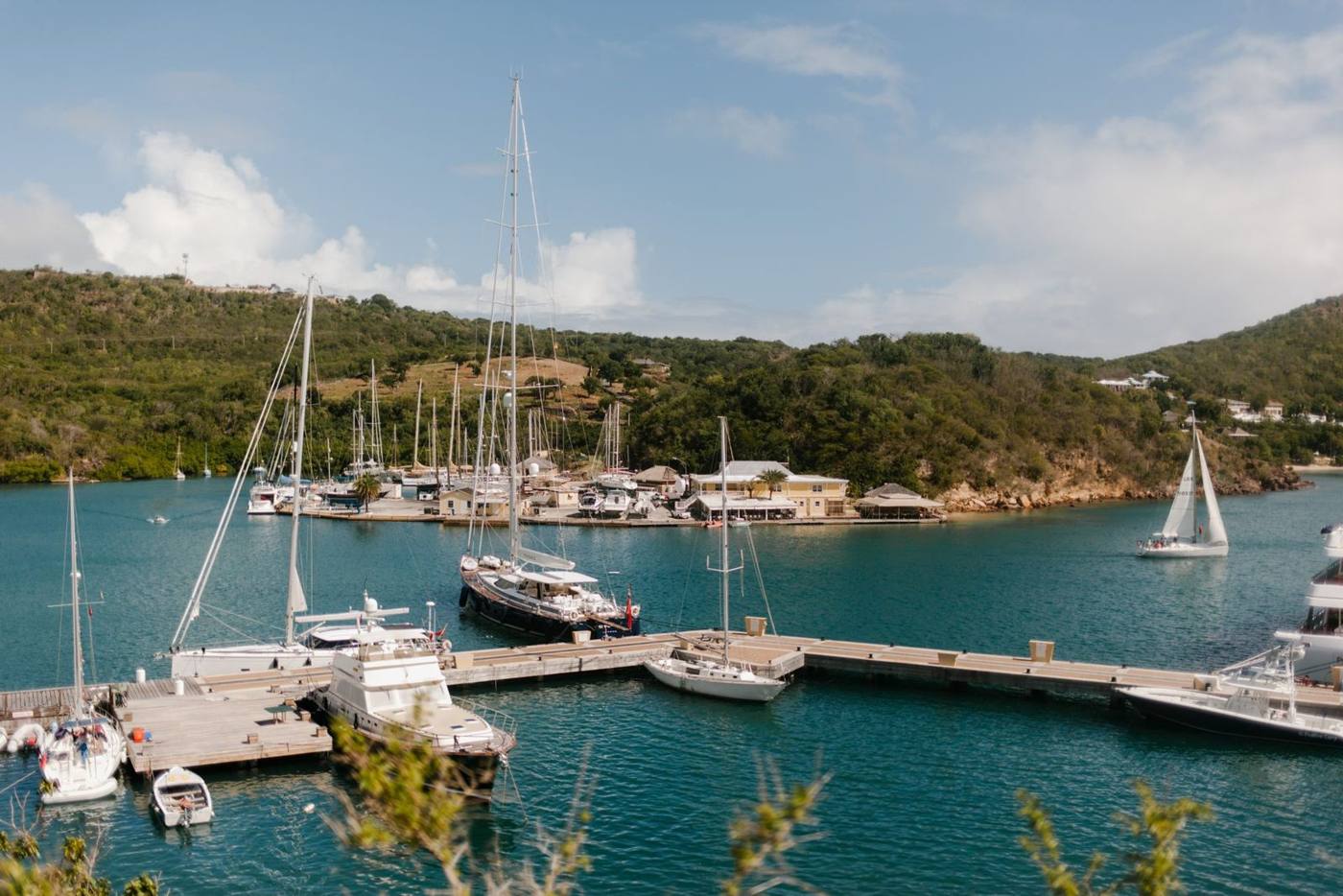
A week sailing from English Harbour: Green Island, the Great Bird Island reef and the crossing to Barbuda and its pink beach.
 2 daysEasy
Barbuda and the frigatebirds
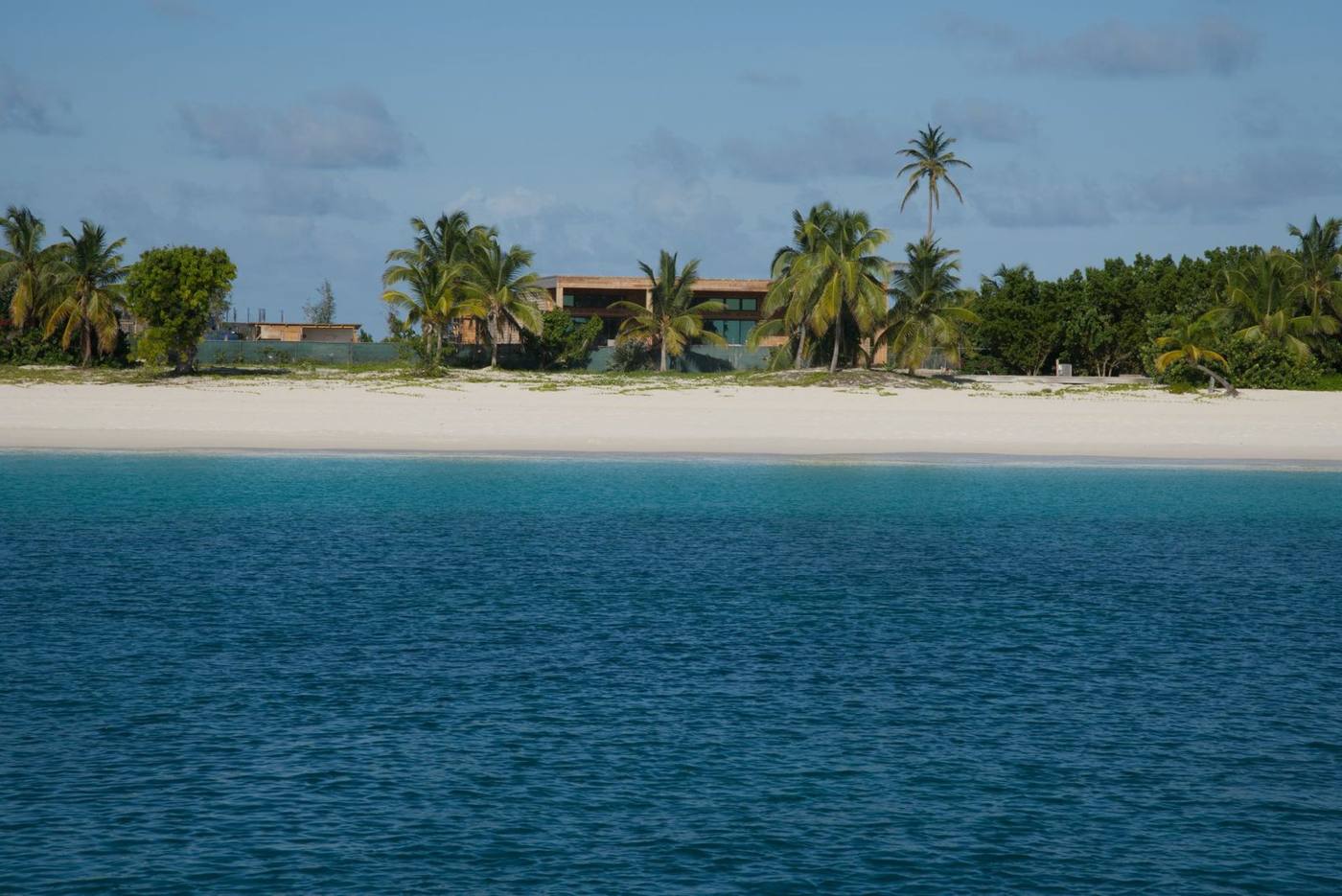
The flat, almost empty sister island: the frigatebird colony in Codrington Lagoon, one of the largest in the Caribbean, and miles of pink-tinged sand.
 2 daysEasy
The east coast
Antigua's Atlantic side: the rock arch of Devil's Bridge, the bays of Half Moon Bay and Long Bay, the sugar estate ruins of Betty's Hope and Stingray City.