Patagonia express: Valdés, Fitz Roy, Torres del Paine and Ushuaia
The best of Patagonia in two weeks: whales and penguins at Valdés, Fitz Roy, the Perito Moreno glacier, Torres del Paine and the end of the world.
- Buenos Aires
- Puerto Madryn
- Valdés Peninsula
- El Calafate
- El Chaltén
- Torres del Paine
- Ushuaia
Day by day
- Day 1
Arrival in Buenos Aires
This trip crosses Patagonia in two weeks, from north to south: the Valdés peninsula with its whales and penguins, the Perito Moreno glacier, Fitz Roy at El Chaltén, Torres del Paine in Chile and finally Ushuaia, the southernmost city in the world, on the Beagle Channel. Distances are enormous: you travel by domestic flights and by coach or car.
Before you go: to enter Argentina, Italian citizens need a valid passport; no visa is needed for up to 90 days and health insurance valid for the whole stay is required. For Chile a passport is enough, with no visa for tourism. Other nationalities should check their own rules.
You arrive at Ezeiza international airport, about an hour from the centre of Buenos Aires. Domestic flights to Patagonia almost all leave from the city airport, called Aeroparque, on the Río de la Plata.
In the afternoon walk through the San Telmo district, with cobbled streets, colonial houses and antique shops, or La Boca, with the colourful corrugated iron houses of Caminito.
In the evening have an asado, the Argentine barbecue of beef slowly cooked over embers, with a glass of malbec.
Sleep in Buenos Aires.
Practical tip: in Argentina people dine late, usually after nine in the evening. Bring some cash in dollars or euros as well and find out the most convenient ways to pay: exchange rates and rules change often. Ask at your accommodation which method works best that week.
- Day 2
Flight to Puerto Madryn and the Valdés peninsula
Today you reach the Atlantic coast of Patagonia.
In the morning take the domestic flight to Trelew or Puerto Madryn, about two hours. Puerto Madryn is a town on the Golfo Nuevo, founded by Welsh settlers in 1865, today the base for visiting the Valdés peninsula.
The Valdés peninsula, a UNESCO World Heritage site, is a large peninsula of flat steppe joined to the mainland by a narrow isthmus. Its coasts are one of the richest places for marine wildlife in South America. The entrance fee for the protected area is paid at the gate: check the price.
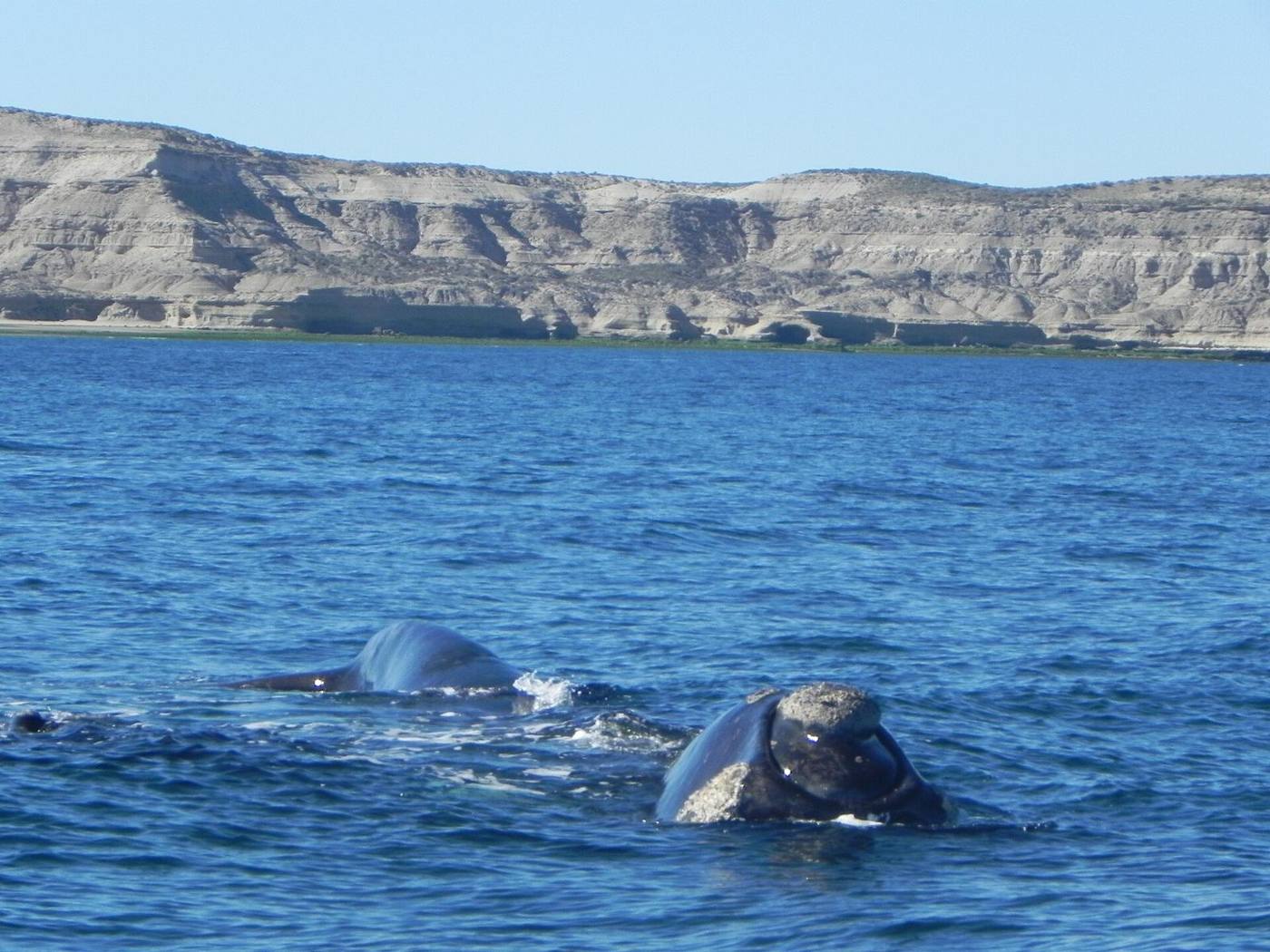
In the afternoon drive to Puerto Pirámides, the only village on the peninsula, about an hour and a half. From here, between June and December, boats leave to see southern right whales, which come into the peninsula's gulfs to give birth and nurse their calves. The whales often come very close to the boat. Check prices and times.
In the evening return to Puerto Madryn and walk along the seafront. In winter and spring whales can also be seen from El Doradillo beach, a few kilometres from town, sometimes just metres from the shore.
Sleep in Puerto Madryn, for two nights.
Practical tip: on the peninsula there are few petrol stations and the roads are mostly gravel. Fill up in Puerto Madryn and drive slowly: gravel is slippery and cars roll over easily. Hire a car with good tyres and check the spare before you leave.
- Day 3
The Valdés peninsula and Punta Tombo
Today you see elephant seals and the largest penguin colony on the continent.
In the morning drive the peninsula's gravel roads to Caleta Valdés and Punta Delgada, on the east coast. Here live southern elephant seals: the males weigh up to four tonnes and fight on the beaches for the females in spring. There are also sea lions, and along the road you see guanacos, rheas and maras, a kind of large Patagonian hare.
At Punta Norte, between March and April, orcas sometimes push right up onto the shore to catch sea lion pups, a behaviour unique in the world. It is rare to see: it takes patience and luck.
In the afternoon, if it is the right season, from September to April, you can instead go to Punta Tombo, about two and a half hours south of Puerto Madryn, home to the largest colony of Magellanic penguins in South America, with hundreds of thousands of birds. A path runs among the nests, and the penguins cross the path in front of you. Check prices and opening period. You must choose between Punta Tombo and the east coast of the peninsula, unless you want a very long day.
In the evening return to Puerto Madryn and have fish or seafood from the gulf for dinner.
Sleep in Puerto Madryn.
Practical tip: never go within a few metres of the penguins or other animals. Always stay on the marked paths: the ground is full of underground nests.
- Day 4
Flight to El Calafate
Today you fly into the heart of Andean Patagonia.
In the morning take the flight to El Calafate, usually with a stop in Buenos Aires or another city, because direct links between the coast and the Andes are few. The journey can take most of the day.
El Calafate is a town on the shores of Lago Argentino, the largest lake in Argentina, with milky blue water. It takes its name from a thorny shrub with blue berries, the calafate: they say that whoever eats the berries will return to Patagonia.
In the afternoon, if you have time, walk to the Laguna Nimez reserve, a wetland near the lake, with Chilean flamingos, black necked swans and many species of duck. Or visit the glacier interpretation centre, which explains how the Patagonian ice fields form. Check opening times and tickets.
In the evening have Patagonian lamb, cooked whole on a spit by the fire, the typical dish of the region.
Sleep in El Calafate, for two nights.
Practical tip: in Patagonia the wind is very strong, especially in spring and summer, and the weather changes several times a day. Dress in layers: T-shirt, fleece and a waterproof, windproof jacket. Bring a hat and gloves too, even in January. Sunglasses and sunscreen are essential, as the sun is strong even when it is cold.
- Day 5
The Perito Moreno glacier
Today you see one of the most spectacular glaciers in the world.
In the morning drive or take the coach to Los Glaciares National Park, a UNESCO World Heritage site, about an hour and twenty minutes from El Calafate. The park entrance fee is paid at the gate: check the price.
The Perito Moreno glacier flows down from the Southern Patagonian Ice Field into Lago Argentino. Its front is about five kilometres wide and on average 60 metres high above the water. Unlike almost all the world's glaciers, it remained almost stable for decades, although in recent years it has shown signs of retreat.
In front of the glacier, on the Magallanes peninsula, there are kilometres of wooden walkways with several viewpoints at different heights. From here you see blocks of ice breaking off the front and falling into the lake with a sound like thunder. Stay at least three hours: every so often a piece as big as a building collapses.
In the afternoon take the boat that sails in front of the face, to see the glacier from below, or join a guided walk on the ice with crampons, with licensed guides. Check prices, minimum ages and booking.
In the evening return to El Calafate.
Sleep in El Calafate.
Practical tip: always stay on the walkways. In the past some visitors have been killed by blocks of ice on the lake shore, which the wave carries a long way. Bring a warm layer, because the air near the ice is cold even on sunny days.
- Day 6
El Chaltén, the trekking capital
Today you reach the village at the foot of Fitz Roy.
In the morning take the coach or drive north for about three hours to El Chaltén, across the steppe and along the shore of Lago Viedma. On clear days, along the road, the outline of Fitz Roy appears on the horizon, a granite mountain 3,405 metres high, with vertical walls that the native Tehuelche called Chaltén, the smoking mountain, because of the clouds always clinging to its summit.
El Chaltén is a small village founded in 1985, called the national trekking capital. All the trails start right in the village and can be walked without a guide.
In the afternoon take a short walk to warm up: the path to the Mirador de los Cóndores and the Mirador de las Águilas, about two hours return, with views over the village, Lago Viedma and, if the sky is clear, Fitz Roy. You often see Andean condors gliding on the wind.
Alternatively walk to the Chorrillo del Salto, a waterfall in the woods about four kilometres away, easy and flat.
In the evening pack your rucksack for tomorrow, the most important walk of the trip.
Sleep in El Chaltén, for two nights.
Practical tip: in El Chaltén there are few cash machines and they are often empty. Bring enough cash from El Calafate. Many places accept cards, but not all, especially for small purchases.
- Day 7
Laguna de los Tres below Fitz Roy
Today you do one of the finest walks in the world.
In the morning set off very early, at dawn, from the trailhead in the village. The route to Laguna de los Tres is about ten kilometres each way, so about 20 kilometres return, with about 1,000 metres of ascent. It takes eight or nine hours.
The first part climbs gently through the lenga forest, the Patagonian beech, with some viewpoints over Fitz Roy. Then the path crosses a flat valley with peat bogs and streams to the Poincenot camp.
The last kilometre is the hardest part: a very steep climb over stones and gravel, about 400 metres of ascent, in an hour. At the top, suddenly, Laguna de los Tres appears, a green blue glacial lake right below the walls of Fitz Roy. In the morning light the granite turns red and orange. From a small rise on the left you also see Laguna Sucia, lower down, turquoise in colour.
In the afternoon descend calmly by the same path.
In the evening, in El Chaltén, celebrate with a craft beer and a hot meal.
Sleep in El Chaltén.
Practical tip: if the wind at the top is too strong or the weather is bad, do not climb the last section. If you have an extra day, the walk to Laguna Torre is easier and offers views of Cerro Torre. Carry enough water and food for the whole day, as there are no shops on the trail.
- Day 8
To Torres del Paine in Chile
Today you cross the border and go to Chile's most famous national park.
In the morning return to El Calafate and continue by coach or car south to the Chilean border, and then to Puerto Natales or directly to Torres del Paine National Park. The journey takes between six and eight hours in all, including border control. If you are driving a hire car, you need a special permit from the company to cross into Chile: ask for it when you book.
At the border Chile checks food very carefully: do not bring fruit, vegetables, meat, cheese, seeds or honey. Declare everything you are carrying.
Torres del Paine National Park, a UNESCO biosphere reserve, is famous for the Towers, three granite spires over 2,000 metres high, and for the Cuernos, the horns, mountains of pale granite topped with dark rock. Park entry can only be bought online on the official site of CONAF, the Chilean parks agency: from 1 May 2026 a foreign adult pays 25,000 Chilean pesos for one day and 50,000 pesos for two or more days.
In the afternoon, if you arrive early, stop at the Lake Pehoé viewpoint, with its turquoise water and the Cuernos behind, and at the Salto Grande waterfall.
Sleep in the park or in Puerto Natales, for two nights.
Practical tip: in the park accommodation is scarce and expensive, and must be booked many months ahead. Puerto Natales, about an hour and a half away, has many more options.
- Day 9
The Towers of Paine
Today you walk to the base of the Towers.
In the morning set off early from the Laguna Amarga sector or the park's welcome centre. The path to the base of the Towers is about 9 kilometres each way, about 18 return, with about 900 metres of ascent. It takes eight or nine hours. In the busiest seasons access to this trail may require a booking: check the park rules.
The first part climbs into the Ascencio valley, over a windy pass with views of the river. Then the path crosses a lenga forest and reaches the last climb, a steep moraine of large boulders, about an hour. At the top there is a green glacial lake, and above it rise the three granite Towers, one of the most famous images of Patagonia.
In the afternoon descend by the same path.
If you prefer a less tiring day, take a drive or a minibus tour of the park's viewpoints instead, with lakes Nordenskjöld and Pehoé, guanacos and, with great luck, the puma, which is seen more often in this park than anywhere else.
In the evening relax and rest your legs.
Sleep in the park or in Puerto Natales.
Practical tip: in Torres del Paine park fires and stoves are forbidden outside authorised areas. Two large fires, caused by visitors, destroyed parts of the park: the fines are very high. Pack out all your rubbish, including food scraps.
- Day 10
Back to El Calafate
Today you return to Argentina.
In the morning, if you have time, make a last stop at Lake Grey, where icebergs broken off the Grey glacier float. A footbridge and a pebble beach lead close to the water. Alternatively, in Puerto Natales, walk along the seafront of the Last Hope Sound, with its black necked swans, or visit the Milodón cave, where the skin of a large prehistoric ground sloth was found. Check prices and opening times.
Then head back north east, cross the border again and return to El Calafate, about six hours in all. Argentine food checks are less strict, but declare everything anyway.
In the afternoon, along the road across the steppe, look out for the estancias, the great sheep farms of Patagonia, with houses isolated among thousands of hectares of pasture. Many are open to visitors for a day of country life, with sheep shearing and spit roasted lamb. Check prices and booking.
In the evening, in El Calafate, have a quiet dinner and pack for the last stretch of the trip.
Sleep in El Calafate.
Practical tip: between El Calafate and Chile petrol stations are very far apart. Always fill up when you can and carry water and food in the car. Allow extra time for the border, where queues can be long in high season.
- Day 11
Flight to Ushuaia
Today you fly to the end of the world.
In the morning take the flight from El Calafate to Ushuaia, about an hour and twenty minutes. From the window, on clear days, you see the Andes, the glaciers and the lakes of Tierra del Fuego.
Ushuaia is the southernmost city in the world, on the great island of Tierra del Fuego, between snowy mountains and the Beagle Channel, the stretch of sea linking the Atlantic and the Pacific. It was founded at the end of the nineteenth century and grew around a prison for the country's most dangerous convicts. Today it is also the port from which almost all ships to Antarctica depart.
In the afternoon visit the museum in the old prison, the Museo Marítimo y del Presidio, with its cells, the story of the prisoners and a section on Antarctic expeditions. Check opening times and tickets.
Then walk along the seafront, with views over the channel and the Chilean mountains on the other side. Here is the famous end of the world sign.
In the evening have centolla, the great king crab of the Beagle Channel, Ushuaia's speciality.
Sleep in Ushuaia, for three nights.
Practical tip: in Ushuaia even in summer temperatures are low, between 5 and 15 degrees, and it can snow in any month. Always keep warm layers and a waterproof jacket to hand. The weather changes within minutes, so carry a layer even for a short walk.
- Day 12
The Beagle Channel and the penguin island
Today you sail on the Beagle Channel.
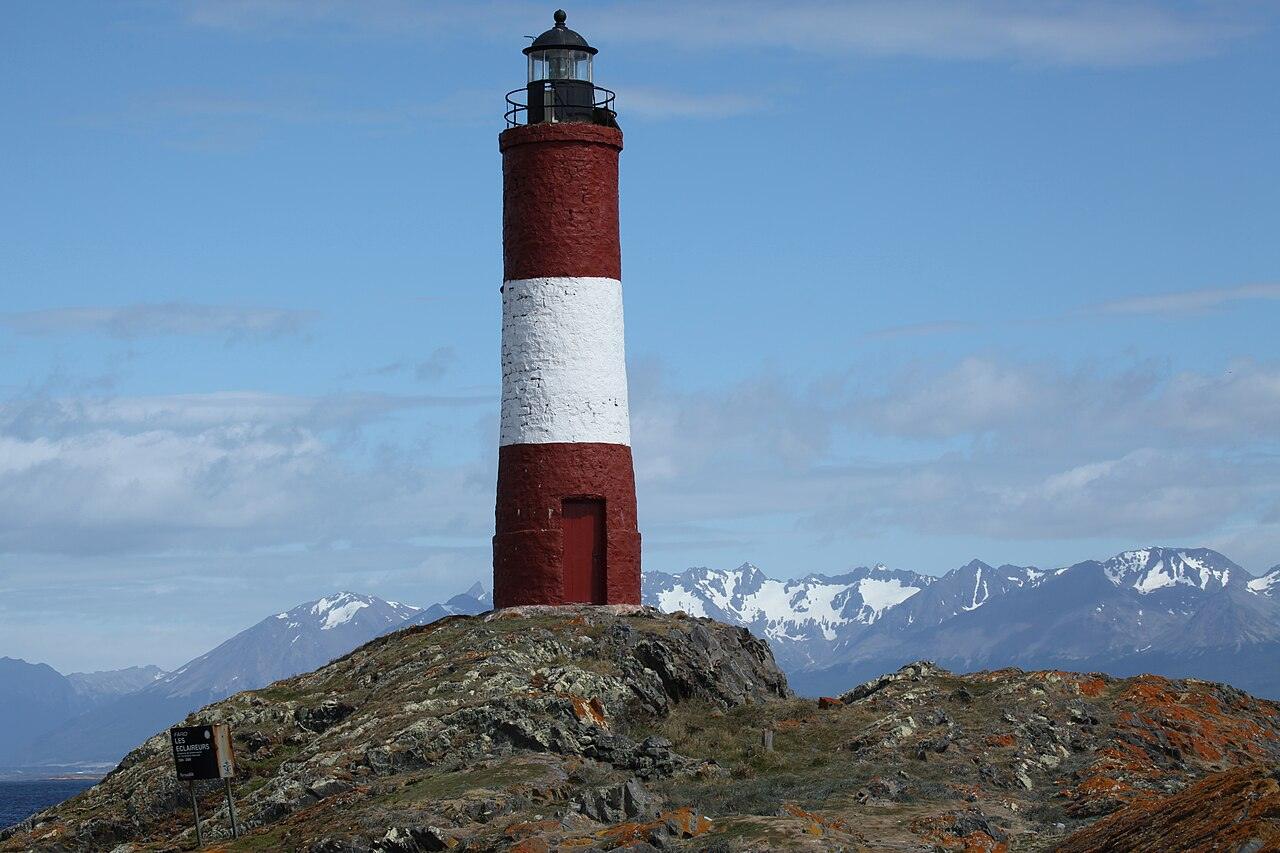
In the morning take a boat from Ushuaia harbour for a trip on the channel. You pass close to Isla de los Lobos, with a sea lion colony, and Isla de los Pájaros, with cormorants. Then you reach the Les Eclaireurs lighthouse, small, white and red, on a rocky islet, one of the most famous images of the city.
In the afternoon, from late October to early April, you can continue to Martillo Island, near Estancia Harberton, the oldest farm in Tierra del Fuego, home to a colony of Magellanic and gentoo penguins. With a special permit and a limited number of people per day, you can land on the island and walk near the penguins with a guide. Check the season, prices and booking, because places are few.
In the evening return to Ushuaia. If you like, take the chairlift up towards the Martial glacier, above the city, and walk to the viewpoint over the channel. Check opening times.
Sleep in Ushuaia.
Practical tip: on the Beagle Channel wind and sea change quickly and boats can stay in port. Keep a spare day for the boat trip and book it at the start of your stay in Ushuaia. Morning trips are often calmer than afternoon ones.
- Day 13
Tierra del Fuego National Park
Today you explore Argentina's southernmost national park.
In the morning go to Tierra del Fuego National Park, about twenty minutes from Ushuaia, by car, shuttle or on the old steam train, which follows the railway once used by the prisoners to carry timber to the prison. The park entrance fee is paid at the gate: check the price.
The park is made up of lenga and coihue forests, mountains, lakes, peat bogs and bays on the Beagle Channel. Walk the Sendero Costero, the coastal path of about eight kilometres, which follows the shore of Ensenada bay to Lake Roca, through woods and small beaches. You see Magellanic woodpeckers with red heads, wild geese and, sometimes, grey foxes.
In the afternoon go to Bahía Lapataia, where Ruta Nacional 3 ends, the great road that crosses Argentina from north to south. A sign shows the distances: Buenos Aires more than 3,000 kilometres away, Alaska more than 17,000.
In the evening, in Ushuaia, walk to the harbour for a last sunset over the channel. In summer the sun sets very late, after ten in the evening.
Sleep in Ushuaia.
Practical tip: in the park you see many beaver dams. Beavers were brought from Canada in the 1940s and today are a serious problem for the forests of Tierra del Fuego.
- Day 14
Departure via Buenos Aires
Today you leave Patagonia.
In the morning take the flight from Ushuaia to Buenos Aires, about three and a half hours, and then the international flight to Italy. If your flight to Italy leaves in the evening, you have a few hours for a last walk in Buenos Aires, for example in the Recoleta district, with its monumental cemetery, or along the Puerto Madero docks.
Leave a wide margin between the domestic and the international flight, and remember that domestic flights almost always arrive at Aeroparque, while international ones usually leave from Ezeiza, about an hour away.
In these fourteen days you have seen almost all of Patagonia: the whales and penguins of the Atlantic, the glaciers and granite mountains of the Andes, the wind of the steppe and the Beagle Channel at the end of the world.
When to go: the best period is from November to March, the southern summer, when days are very long and trails and roads are open. Whales at Valdés are seen from June to December, penguins from September to April: to have everything together, the best months are November and December. In winter many services at El Chaltén and Torres del Paine close.
Practical tip: in Patagonia book domestic flights, accommodation and boats well in advance, especially for December, January and February. Places are few and sell out early.
All of Patagonia's icons in two weeks, but with many internal flights: that's why it's expensive. November and December are ideal for whales at Valdés, penguins and long days together. The Patagonian wind is fierce: windproof clothing is a must.
Before you go
- Documents and visa
- Valid passport; no visa for tourism up to 90 days for EU citizens.
- Health and vaccines
- No compulsory vaccines arriving from Europe; yellow fever is recommended for Misiones and Corrientes. In Patagonia beware of hantavirus in forests and closed huts. Emergencies: 911.
- Money and payments
- Argentine peso. Inflation changes prices often; foreign cards work almost everywhere and paying by card is usually best, keeping some cash.
- Power sockets
- Types I and C, 220 volts: you need an adapter for the angled flat-pin plugs.
- Time zone
- UTC-3 all year: Argentina does not use daylight saving time.
- Safety
- The United States rates Argentina level 1, with level 2 for Rosario. In Buenos Aires watch out for pickpockets; in the mountains and Patagonia the main risks are wind and weather. Official advice: GOV.UK.
Information checked in November 2026 for Italian and EU citizens. Rules change: always check before you travel.
Variations
In 10 days: only El Calafate with Perito Moreno, El Chaltén and Ushuaia, without the Valdés peninsula and without Chile.
In 18 days: add the W circuit of Torres del Paine, four or five days on foot with booked refugios, instead of the two days in the park.
Frequently asked questions
What documents do I need?
For Argentina a valid passport, with no visa for up to 90 days, and health insurance valid for the whole stay. For Chile a passport is enough. Other nationalities should check their own rules.
How much is Torres del Paine?
Entry can only be bought online on the official CONAF website: from 1 May 2026 a foreign adult pays 25,000 Chilean pesos for one day and 50,000 for two or more days. For the Argentine parks check prices at the entrance.
When can you see whales and penguins?
Southern right whales at Valdés from June to December; Magellanic penguins at Punta Tombo and near Ushuaia from September or October to April. November and December are the best months to see both.
Indicative itinerary written by World Atlas. Before booking, check timetables, seasonal openings, documents and safety.
 7 daysModerate
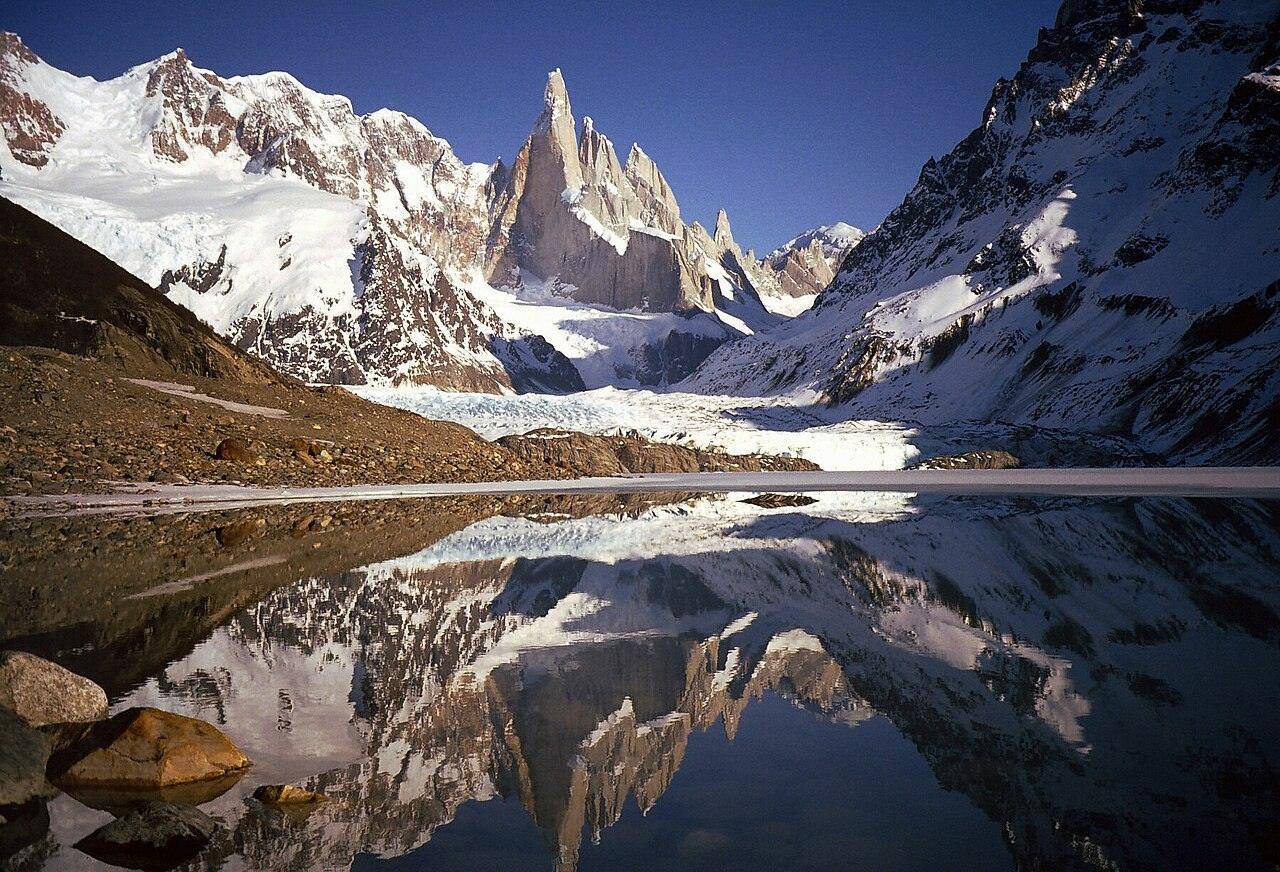
Glaciers and Fitz Roy
Argentine Patagonia in a week: the Perito Moreno, sailing among icebergs and the trails of El Chaltén.
 15 daysChallenging
Argentine and Chilean Patagonia
From Ushuaia at the end of the world to the glaciers, Fitz Roy and the towers of Torres del Paine, with the W trek.
 17 daysModerate
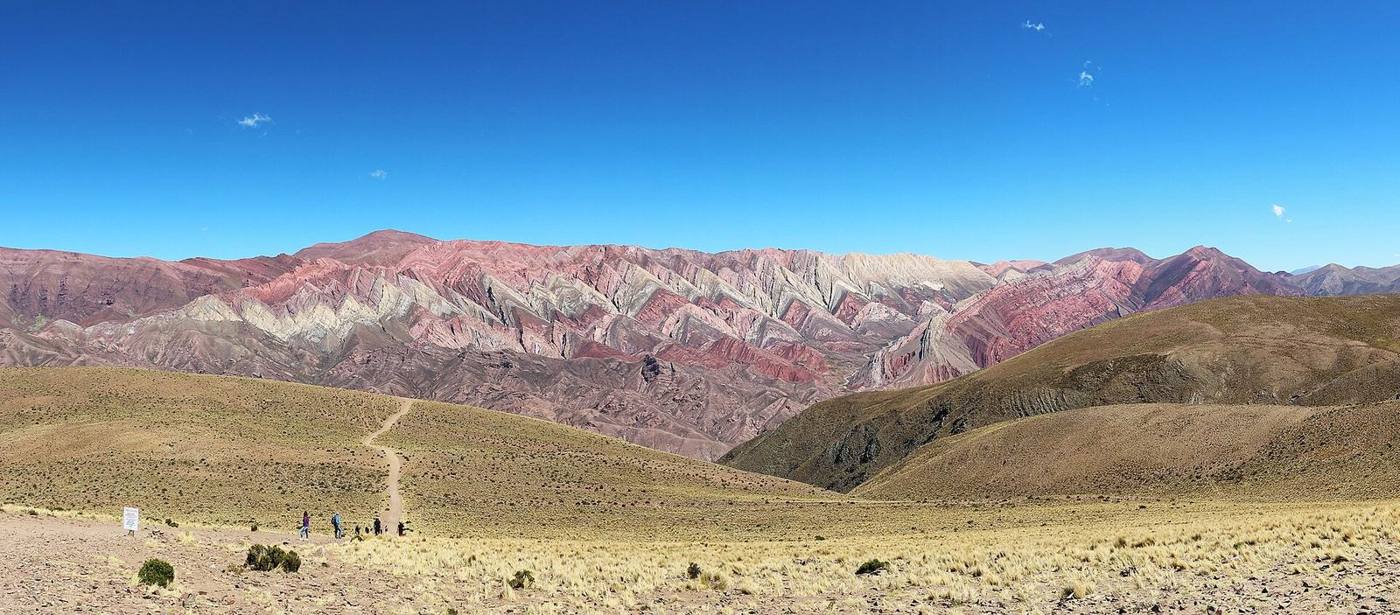
Northern Argentina: Iguazú, the Jesuit missions and Salta
The Iguazú falls, the ruins of the Jesuit missions in the forest, then the northern Andes: Salta, the Quebrada de Humahuaca and the Hill of Seven Colours.