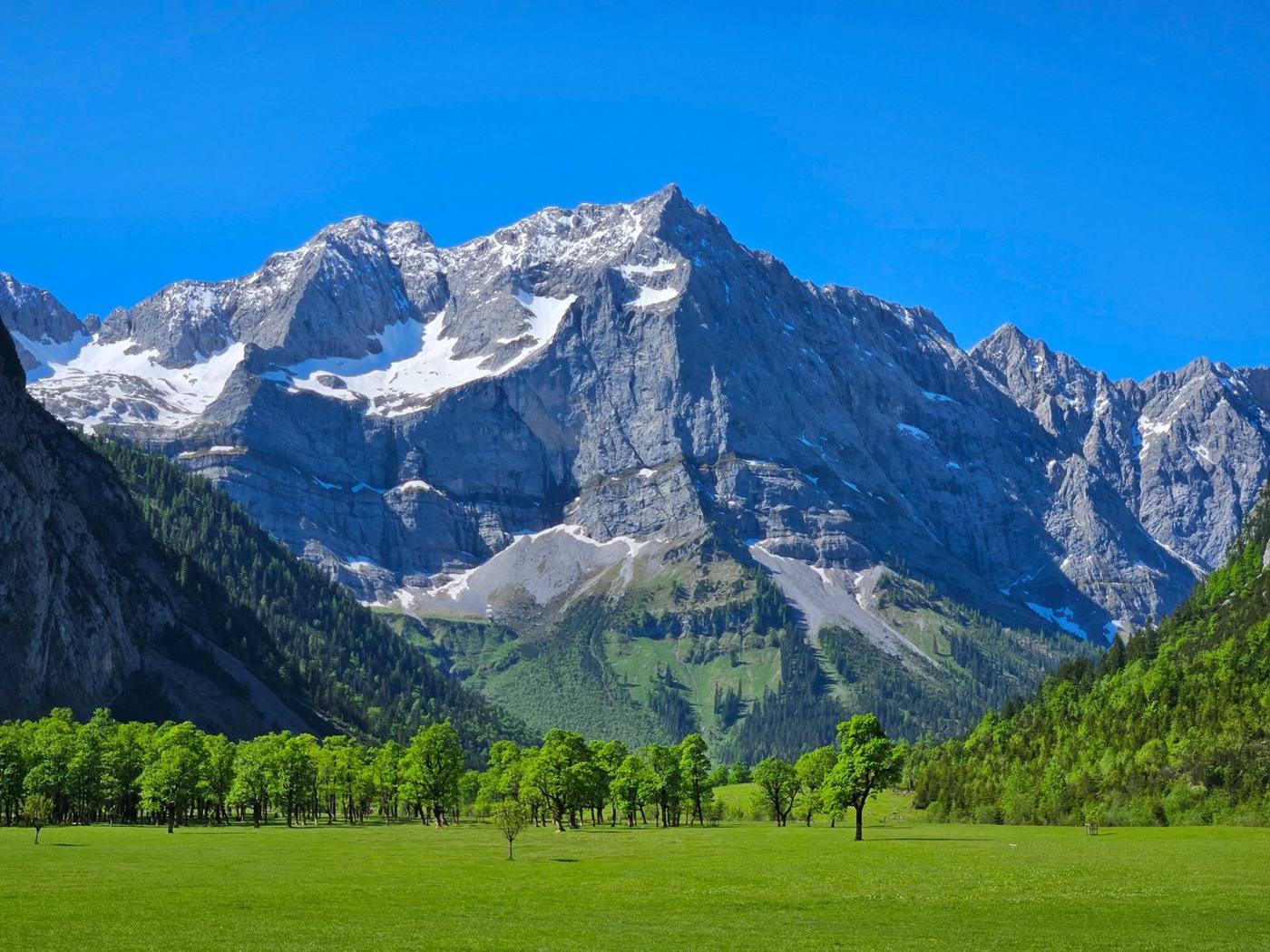
The Eagle Walk in Tyrol
A week on the Eagle Walk between the Wilder Kaiser and the Karwendel, from hut to hut, to the Nordkette above Innsbruck.
- St. Johann in Tirol
- Wilder Kaiser
- Kufstein
- Achensee
- Karwendel
- Hallerangerhaus
- Innsbruck
Day by day
- Day 1
St. Johann in Tirol and the first stage of the Adlerweg
This trip is an eight day trek on the Adlerweg, the Eagle Walk, Tyrol's great long distance trail, which has more than thirty stages and over four hundred kilometres in all. Here you walk a selection: the Wilder Kaiser to Kufstein, the Achensee and the Karwendel, from hut to hut, to the Nordkette above Innsbruck. You need to be fit and sure footed.
Before you go: Austria is part of the European Union and the Schengen area and uses the euro. Italian citizens only need an electronic identity card valid for travel abroad or a passport; the paper identity card has not been valid for travel abroad since 3 August 2026. Other nationalities should check their own rules. The United States rates Austria level 1, the lowest. In the mountains the real risks are storms, falls and sudden changes in the weather: you need insurance covering mountain rescue and helicopter costs. The mountain rescue number is 140, or 112.
You arrive in St. Johann in Tirol by train, via Innsbruck or Salzburg. The village lies at the foot of the Wilder Kaiser, a chain of grey limestone walls rising straight above the meadows. Leave your heavy luggage behind: all week you carry only your rucksack.
The first official stage runs from St. Johann to the Gaudeamushütte: about 13 kilometres and over a thousand metres of ascent, through woods, pastures and alpine farms, with the walls of the Kaiser ever closer. If you arrive late, you can sleep in the village and set off at dawn the next day.
Sleep at the Gaudeamushütte, below the Wilder Kaiser.
Practical tip: book all the huts months ahead, especially for weekends in July and August. Bring a sleeping bag liner, compulsory in many Alpine Club huts, and some cash.
- Day 2
The Wilder Kaiser and the Gruttenhütte
Today you walk along the south side of the Wilder Kaiser, with great rock walls above you and the green valley of Ellmau and Söll below.
From the Gaudeamushütte climb a steep path to the Gruttenhütte, one of the most scenic huts in the Kaiser, perched on a rock terrace. From here the view opens over the Kitzbühel Alps and, on clear days, as far as the icy peaks of the Hohe Tauern. Take a break on the terrace.
Then carry on west along a high path that runs below the walls, crosses scree and alpine meadows and in places has exposed passages with steel cables. It is the most alpine part of the first days: walk calmly and always keep one hand ready to grip on the protected sections. If you are not sure footed, follow the lower variant, past the alpine farms below the woods.
In the afternoon descend towards a hut on the western side of the Kaiser, on the way to Kufstein, where you spend the night. In the huts dinner is early, all together, with simple, generous dishes such as goulash soup, dumplings or Kaiserschmarrn.
Sleep in a hut on the western side of the Wilder Kaiser.
Practical tip: on scree and cable sections walking poles get in the way more than they help. Strap them to your rucksack before difficult passages and use your hands.
- Day 3
From the Wilder Kaiser to Kufstein
Today the stage is gentler: you come down from the Wilder Kaiser to Kufstein, in the Inn valley. The official stage is about twelve kilometres long, almost all downhill, and leaves time to visit the town.
The path runs through meadows, beech and fir woods and small alpine farms, with last views of the Kaiser walls behind you. Below you see the Inn valley and Bavaria, just over the border.
You reach Kufstein in the early afternoon. The town is dominated by its fortress, on a rock above the river. Walk up or take the panoramic funicular and visit the walls, towers and museum. The fortress also holds the Heroes' Organ, one of the largest open air organs in the world, which plays every day at noon and can be heard all over town. Check prices and times.
Then go down to the Römerhofgasse, the oldest and most picturesque lane in the old town, with wooden houses and wrought iron signs.
In the evening, after two nights in huts, enjoy a hot shower and dinner in town, with a Tyrolean dish such as Schweinsbraten, roast pork with dumplings, or Kasspatzln, small cheese dumplings.
Sleep in Kufstein.
Practical tip: in Kufstein wash and dry your technical clothing and check your feet. Treat blisters at once with proper plasters: the Karwendel, in the coming days, is far more demanding.
- Day 4
Transfer to the Achensee
Today is a day of active rest and transfer, good for your legs before the Karwendel.
From Kufstein take the train to Jenbach, in the Inn valley, about half an hour. From Jenbach take the bus up to the Achensee, the largest lake in Tyrol, squeezed between the Karwendel and Rofan mountains. Tyrol's regional bus network links all the Adlerweg areas well: check prices and times.
Settle in Maurach or Pertisau, on the lakeshore. In the afternoon take a boat trip on the Achensee, with its green and turquoise water and mountains dropping steeply into the lake. Check prices and times. If you feel like walking, the path along the west shore, between Pertisau and the north of the lake, is easy and very beautiful.
If you have more energy, ride the Rofan cable car above Maurach, where a stretch of the Adlerweg passes, to see the lake from above. Check prices and times.
In the evening have lake fish for dinner, such as whitefish or char, and go to bed early: tomorrow you enter the Karwendel.
Sleep in Maurach or Pertisau.
Practical tip: today buy supplies for the coming days. You eat well in the Karwendel huts, but bring dried fruit, bars, electrolytes and a reserve of cash anyway, because not all of them take cards.
- Day 5
From the Achensee to the Lamsenjochhütte
Today you enter the Karwendel nature park, the largest in Austria, an expanse of wild valleys and limestone ridges without paved roads.
From Pertisau follow the Falzthurn valley, first on a lane and then on a forest track, through meadows and woods, to the Gramaialm, an alpine farm in a green hollow closed by towering walls. It is an easy, long section, almost level. Stop for a break with fresh milk or alpine farm cheese.
Then the valley narrows into the Gramaier Grund and the path climbs steeply in zigzags up a slope of grass and rock to the Lamsenjochhütte, an Alpine Club hut at the foot of the Lamsenspitze walls. This stretch of the Adlerweg is about seventeen kilometres from Maurach, with over a thousand metres of ascent: allow about five hours of walking.
At the hut watch the sunset on the Karwendel ridges. Experienced hikers, with harness, helmet and via ferrata set, also climb the Lamsenspitze, with protected, exposed sections.
Sleep at the Lamsenjochhütte.
Practical tip: tomorrow is the hardest stage of the trip. Ask the hut keepers about the condition of the path and whether they can make breakfast early: setting off at dawn makes all the difference.
- Day 6
The traverse from the Lamsenjochhütte to the Hallerangerhaus
Today is the toughest day of the week: about nine hours of walking, with over 1,600 metres of ascent and as much descent. Only tackle it if you are fit, sure footed, have a head for heights and the weather is settled.
From the Lamsenjochhütte the path crosses slopes of grass and rock below the walls to a narrow natural tunnel through the rock, the Brudertunnel. The exit is the key passage: a vertical section with natural holds and a few artificial steps. Then you descend a long way south into the Zwerchloch and the Vomper Loch, one of the wildest and loneliest valleys in the Eastern Alps, with its stream, woods and towering walls.
From the valley floor you climb west along the Vomper Loch to the Überschalljoch, the pass that leads into the Halleranger valley. From here you descend to the Hallerangerhaus, an Alpine Club hut at 1,768 metres, in an amphitheatre of pale walls.
If the weather is bad or storms are forecast, do not set off: ask the hut for an alternative down in the valley by bus, because in the Vomper Loch there are no easy escape routes.
Sleep at the Hallerangerhaus.
Practical tip: carry at least two litres of water and food for the whole day. Along the traverse there are no huts open and the phone often has no signal: tell the hut where you are going.
- Day 7
From the Hallerangerhaus to the Pfeishütte
Today the stage is shorter, a reward after yesterday's traverse.
From the Hallerangerhaus climb to the Lafatscher Joch, a pass between limestone walls, with the view opening over the Inn valley and the mountains south of Innsbruck. Then the Adlerweg continues high up, below the ridges, through the cirque below the Stempeljoch, over scree and alpine meadows where chamois are easy to spot.
Then descend through meadows and pastures to the Pfeishütte, an Alpine Club hut in a green hollow on the north side of the Nordkette, the range that closes Innsbruck to the north. You arrive in the middle of the day and have the afternoon to rest in the sun on the terrace, wash your socks and watch the marmots on the slopes around the hut.
If you still have energy, climb one of the grassy summits nearby to look down on the Karwendel valleys you crossed in the past days.
In the evening, last dinner in a hut: it is the moment to swap stories with the other Adlerweg hikers.
Sleep at the Pfeishütte.
Practical tip: after many days of walking, tiredness builds up and small mistakes become more frequent. Even on easy paths watch where you put your feet, especially going down scree.
- Day 8
The Goetheweg, the Hafelekar and the descent to Innsbruck
Last day on the Adlerweg.
From the Pfeishütte take the Goetheweg, one of the best known paths in Tyrol, which climbs gently to the Mandlscharte, a notch in the ridge, then passes from one side of the Nordkette to the other, with a few rocky sections helped by cables. To your right you see the wild Karwendel valleys, to your left, below you, Innsbruck and the Inn valley. In a few hours you reach the Hafelekar cable car station, at 2,256 metres.
From here ride the cable car down to the Seegrube and the Hungerburg, then the funicular to the centre of Innsbruck. Check prices and times. Celebrate with a walk through the old town to the Golden Roof, then leave from the station or the airport.
In these eight days you have walked the finest stages of the Adlerweg: the Wilder Kaiser with the Gruttenhütte, Kufstein fortress, the Achensee, the Gramaialm and the Lamsenjochhütte, the wild traverse of the Vomper Loch, the Hallerangerhaus, the Pfeishütte and the Goetheweg above Innsbruck.
When to go: the season runs from late June to mid September, when the huts are open and the snow has melted from the passes. In early summer snowfields can remain on north facing slopes. July and August have the most afternoon storms. September often has clear days and fewer people.
Practical tip: before you leave, buy something to take home, such as the Adlerweg map stamped by the huts, Tyrolean speck or a mountain pine schnapps.
A selection of the finest stages of the Eagle Walk, which has over 30 in total. Good fitness and sure feet are needed on protected sections and scree. Huts must be booked and open from late June to September. Bus transfers between areas are easy thanks to Tyrol's network.
Before you go
- Documents and visa
- EU citizens need a valid identity card or passport: Austria is in the EU and the Schengen area. Until 15 March 2027 Austria is running checks on its borders with Slovenia, Hungary, the Czech Republic and Slovakia: always carry your document. Other nationalities should check the Schengen rules.
- Health and vaccines
- No vaccines required. EU citizens should bring their EHIC; for skiing and hiking you need insurance covering mountain rescue and helicopter costs. Emergencies: 112, police 133, ambulance 144, mountain rescue 140.
- Money and payments
- Euro. Cards are accepted almost everywhere, but carry some cash for alpine farms, mountain huts and small taverns. Motorways need a vignette, digital only from 2027, from the official ASFINAG website or sales points.
- Power sockets
- Types C and F, 230 volts.
- Time zone
- Central European Time (UTC+1, summer UTC+2).
- Safety
- A very safe country: the United States has rated Austria level 1, the lowest, since 21 August 2026. The UK warns that terrorists are likely to try to carry out attacks in crowded places, and of pickpockets at stations and on trains. In the mountains check the weather and the avalanche bulletin; off-piste skiing is very dangerous. Official advice: GOV.UK.
Information checked in November 2026 for Italian and EU citizens. Rules change: always check before you travel.
Variations
In 5 days: only the Karwendel, from the Achensee to the Lamsenjochhütte, the Hallerangerhaus and the Pfeishütte, with the descent to Innsbruck along the Goetheweg.
In 12 days: add the stages between Kufstein and the Achensee, on the Rofan, and the western Karwendel with the Karwendelhaus and the Falkenhütte.
Frequently asked questions
What document do I need for Austria?
Italian citizens only need an electronic identity card valid for travel abroad or a passport. Other nationalities should check their own rules.
How hard is the Adlerweg?
This selection is demanding. You need to be fit, sure footed on scree and protected sections and have a head for heights. The traverse from the Lamsenjochhütte to the Hallerangerhaus takes about nine hours and has a vertical passage.
When are the huts open?
Usually from late June to mid September, depending on the snow. Book well in advance, especially for July and August. Check the opening dates of each hut before you go.
Indicative itinerary written by World Atlas. Before booking, check timetables, seasonal openings, documents and safety.
 5 daysEasy
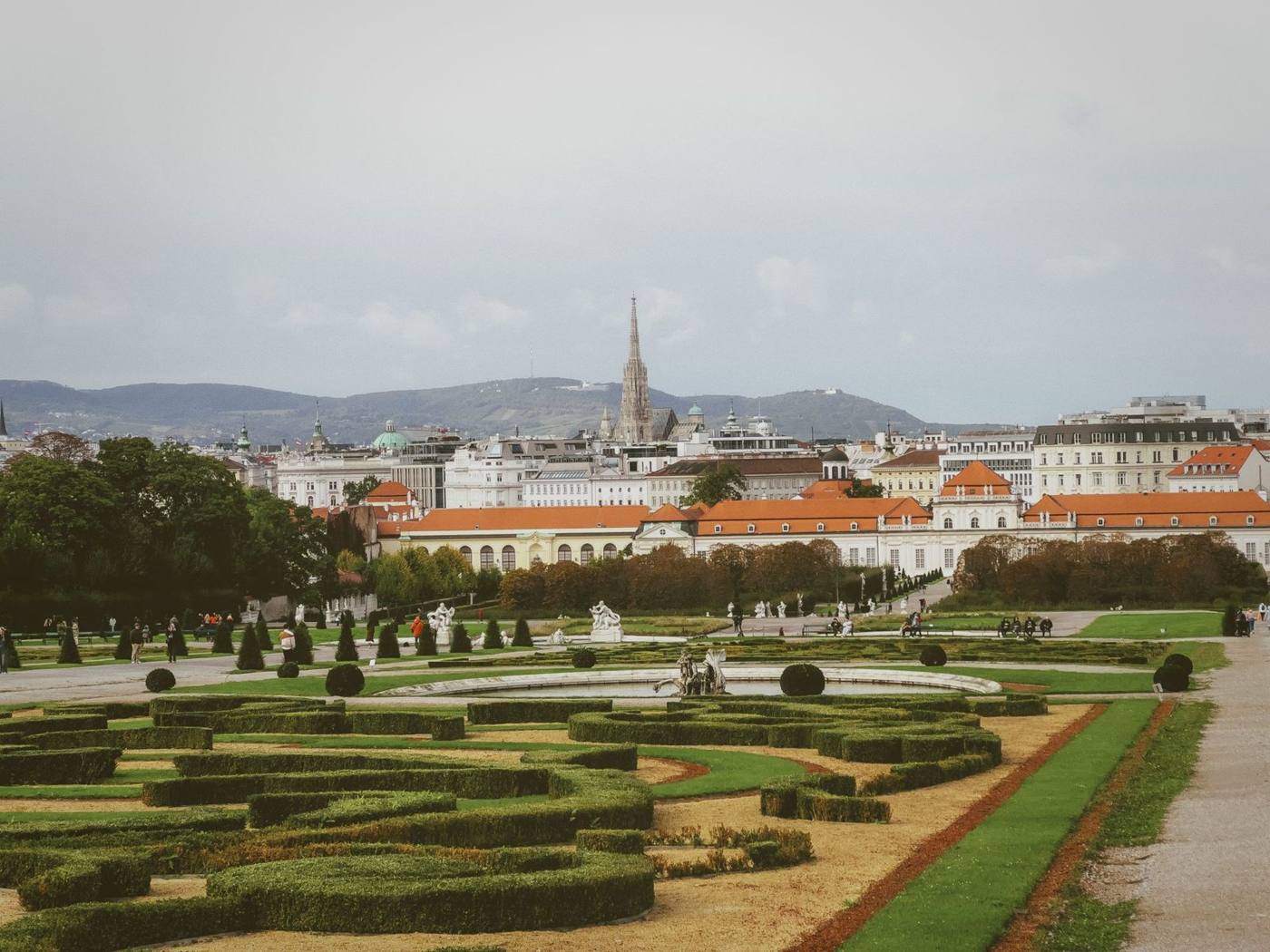
Vienna in five days
The Hofburg and Schönbrunn, Klimt at the Belvedere, the Kunsthistorisches Museum, the historic cafés, the Opera and the Heuriger wine taverns of Grinzing.
 9 daysEasy
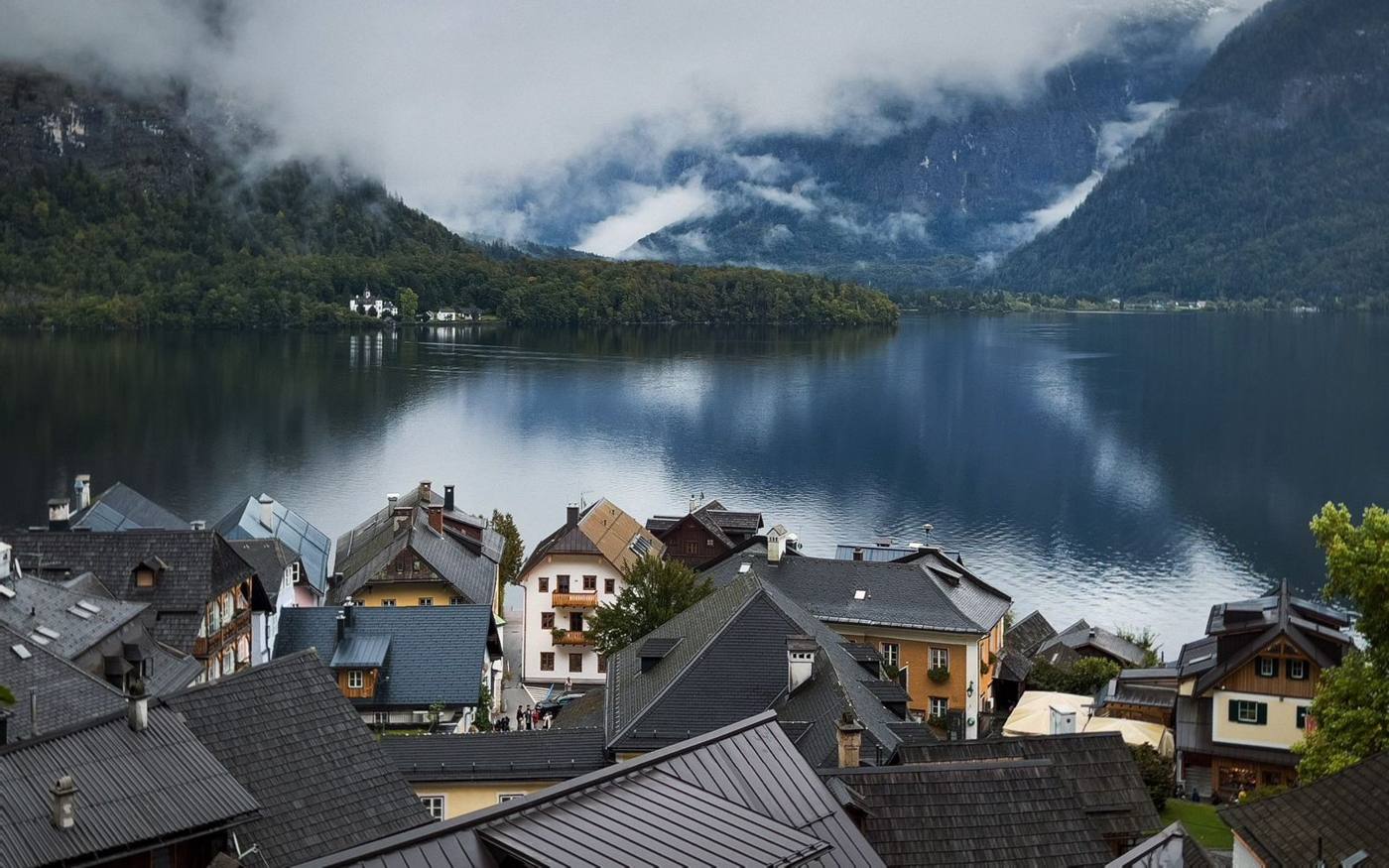
Vienna, Salzburg and Hallstatt
The great classic by train: imperial Vienna, Melk Abbey on the Danube, the lakes of the Salzkammergut with Hallstatt and Mozart's Salzburg.
 5 daysEasy
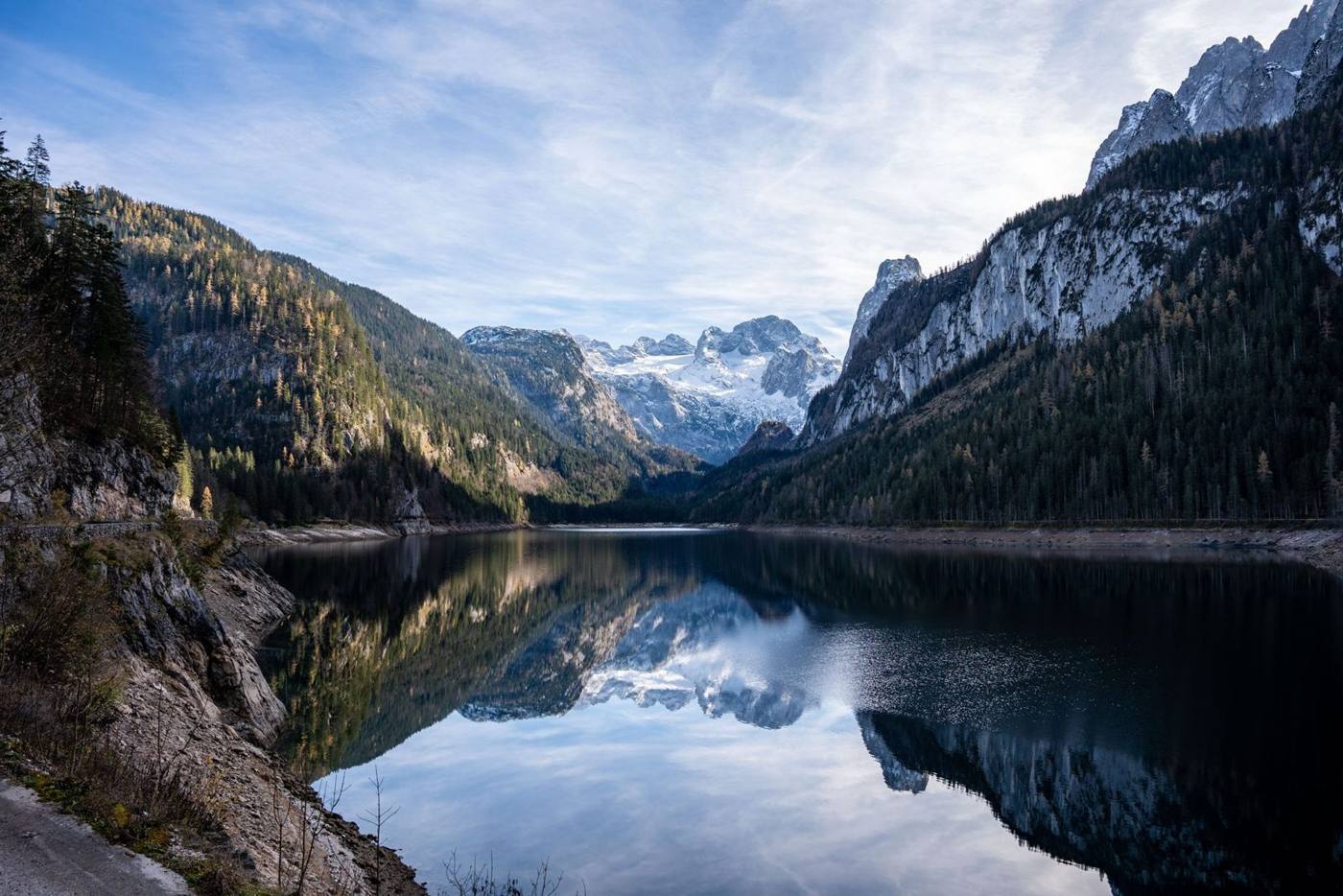
The Salzkammergut
Austria's lake district: the Wolfgangsee and the Schafberg railway, Hallstatt, the Dachstein with its ice caves and the Five Fingers viewpoint.