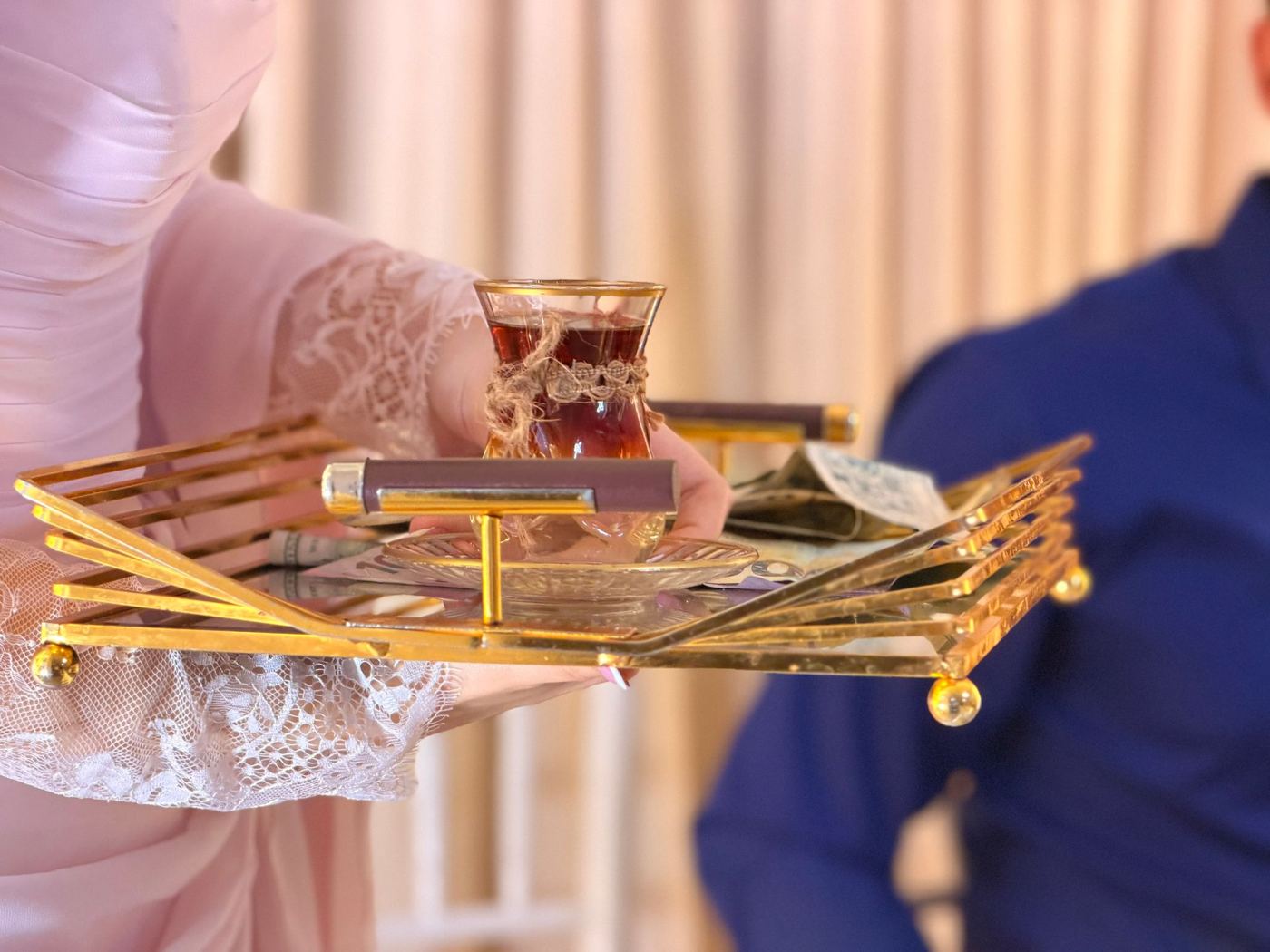
Nakhchivan
The Azerbaijani exclave reached by air from Baku: the Momine Khatun mausoleum, the Duzdağ salt cave, the mountain fortress of Əlincə and the town of Ordubad.
- Naxçıvan
- Duzdağ
- Əlincə
- Ordubad
Day by day
- Day 1
Flying from Baku and the city of Naxçıvan
This four-day trip takes you to the Autonomous Republic of Naxçıvan, the exclave of Azerbaijan cut off from the rest of the country: the city of Naxçıvan with the mausoleum of Momine Khatun, the salt cave of Duzdağ, the mountain fortress of Əlincə and the old town of Ordubad.
Before you go: Italian citizens need a passport, valid for at least three months beyond the expiry of the visa, and an e-visa, applied for online only on the official website evisa.gov.az: it is valid for one entry and up to 30 days and is not issued at the airport. Other nationalities should check their own rules. You can only enter by air, and Naxçıvan too is reached by plane, from Baku or Istanbul.
Some areas on this trip are close to borders or places where the situation changes often: check your government's travel advice before booking and again before you leave.
In the morning take the flight from Baku: from the window you see the dry mountains that surround the exclave. Drop your bags and start with the city, which is tidy, with wide avenues and buildings of pale stone.
Visit the mausoleum of Momine Khatun, from 1186, a ten-sided tower decorated with bricks and turquoise tiles that form geometric patterns and inscriptions. It was designed by the architect Ajami Nakhchivani, who also built the smaller mausoleum of Yusif ibn Kuseyir, a short distance away. Then go into the khans' palace, now a museum, and the carpet museum. Check prices and times.
In the evening have a local dinner, such as Naxçıvan küftə, large meatballs in broth. Sleep in Naxçıvan.
Practical tip: there are many soldiers throughout the exclave; do not photograph barracks, bridges, checkpoints or installations, and always keep your passport with you.
- Day 2
The salt cave of Duzdağ and Əshabi-Kəhf
Today you discover two very different caves, one of salt and one sacred.
In the morning set off for Duzdağ, the salt mountain, a short drive from the city. Salt has been mined here since very ancient times, and the galleries of an old mine are now used as a treatment centre: people believe the dry, salty air helps those who suffer from asthma and breathing problems. Go into the galleries, with white and grey walls that sparkle in the lamplight, and breathe the cool, dry air. Outside, look at the bare, colourful hills around the mountain. Check prices and times.
In the afternoon carry on to Əshabi-Kəhf, a cave in a rock face linked to the story of the Seven Sleepers, told in similar ways by the Quran and by Christian tradition. It is a very important place of pilgrimage for Azerbaijanis: climb the long stairway slowly, together with local families, and respect the silence inside. Women must cover their hair, and everyone is asked to wear clothes that cover arms and legs.
From the top of the stairway the view opens over the plain and the dry mountains. Return to the city for the evening. Sleep in Naxçıvan.
Practical tip: summers in the exclave are very hot and dry; set off early in the morning, carry plenty of water and a hat, and save outdoor visits for the cooler hours.
- Day 3
The climb to the fortress of Əlincə
Today you climb to one of the most spectacular fortresses in the Caucasus.
In the morning leave the city and head south-east, to the Culfa area. The fortress of Əlincə stands on top of a rocky mountain with very steep sides. It was a medieval stronghold and, according to tradition, it held out for a long time against the siege of Tamerlane's troops at the end of the fourteenth century. Today its walls and towers have been largely restored.
The climb is on foot, up a long stone stairway that follows the ridge of the mountain. It is tiring but not technical: go slowly, stop often and drink. As you climb, the landscape opens up over dry valleys, green villages along the rivers and reddish mountains. At the top walk among the walls, the remains of the cisterns and the bastions.
In the afternoon come down slowly and rest in a village in the valley, in the shade of an apricot or walnut tree. The Culfa area is close to the border with Iran, marked by the Araz river: stay on the main roads, do not go near the river or military areas and do not photograph the border. Go back to sleep in Naxçıvan or carry on towards Ordubad.
Practical tip: there is no shade on the Əlincə stairway; climb early in the morning, with shoes with a good grip, a hat, sun cream and at least two litres of water each.
- Day 4
Ordubad and back to Baku
Today you visit the oldest town in the exclave and then return to Baku.
In the morning drive to Ordubad, to the east, at the foot of the mountains. In some stretches the road runs close to the border: travel by day, with a local driver, and do not stop where there are military signs. Ordubad has a historic centre divided into old quarters, with brick houses, courtyards, water channels and large plane trees. For centuries silkworms were raised here, and the town was famous for its gardens.
Walk through the lanes of the centre, visit the Friday mosque and the small town museum. Check prices and times. At the markets buy dried fruit, apricots and lemons, grown in these warm valleys.
In the afternoon return to Naxçıvan and take the flight to Baku.
Over these four days you have seen one of the most unusual places in the Caucasus: the medieval mausoleums of Naxçıvan, the salt mine of Duzdağ, the sacred cave of Əshabi-Kəhf, the fortress of Əlincə on its mountain and the old quarters of Ordubad.
When to go: the best periods are from April to June and from September to October, when the heat is bearable and the mountains are still green or already golden. July and August are very hot. In winter it is cold and it can snow.
Practical tip: flights to Naxçıvan fill up quickly, especially at weekends and during holidays; book the outward and return flights together and well in advance.
One of the Caucasus' most unusual places. Reached by air from Baku or Istanbul: land borders are closed to travellers. Heavy military presence near the Armenian and Iranian borders: no photos of installations.
Before you go
- Documents and visa
- Passport valid for at least three months beyond the expiry of the visa, and an e-visa, applied for online only on the official website evisa.gov.az: it is valid for one entry and up to 30 days, with an urgent service at a higher cost. Visas are not issued at the airport. Today you can only enter by air: land borders are closed to arrivals, except in exceptional authorised cases. A previous visit to Karabakh without Azerbaijani permission can lead to refused entry. Stays over 15 days require registration with the State Migration Service, which hotels often do for you.
- Health and vaccines
- No compulsory vaccinations. Tap water is not safe to drink: drink bottled water. You need insurance covering medical costs and repatriation. Air pollution is high in Baku. Emergencies: 112.
- Money and payments
- Azerbaijani manat. In Baku cards are accepted almost everywhere; in villages and markets carry cash.
- Power sockets
- Types C and F, 220 volts.
- Time zone
- UTC+4 all year.
- Safety
- The UK advises against all travel within 5 km of the Armenian border and against all but essential travel to the war-affected districts of the south-west, around Karabakh, which are full of mines and need an official permit. In 2026 the United States raised the country to level 3 and advises against travel to the border region with Iran. Official advice: GOV.UK.
Information checked in November 2026 for Italian and EU citizens. Rules change: always check before you travel.
Variations
In 3 days: the city of Naxçıvan, Duzdağ and the fortress of Əlincə, without Ordubad.
In 6 days: add two days in the valleys around Ordubad and a walk up to the mountain pastures, with a local guide.
Frequently asked questions
Can you reach Naxçıvan overland?
No, for a traveller the practical way is a flight from Baku or Istanbul. The border with Armenia is closed and those with Iran and Turkey have special rules: find out before you go.
Is the climb to Əlincə difficult?
It is a long stone stairway, tiring because of the heat and the slope but not technical. You need a little fitness, water and an early start.
Can you take photos in the exclave?
Yes at monuments, in museums and of landscapes, but never photograph soldiers, barracks, bridges, checkpoints or the border.
Indicative itinerary written by World Atlas. Before booking, check timetables, seasonal openings, documents and safety.
 4 daysEasy
Baku and the Absheron
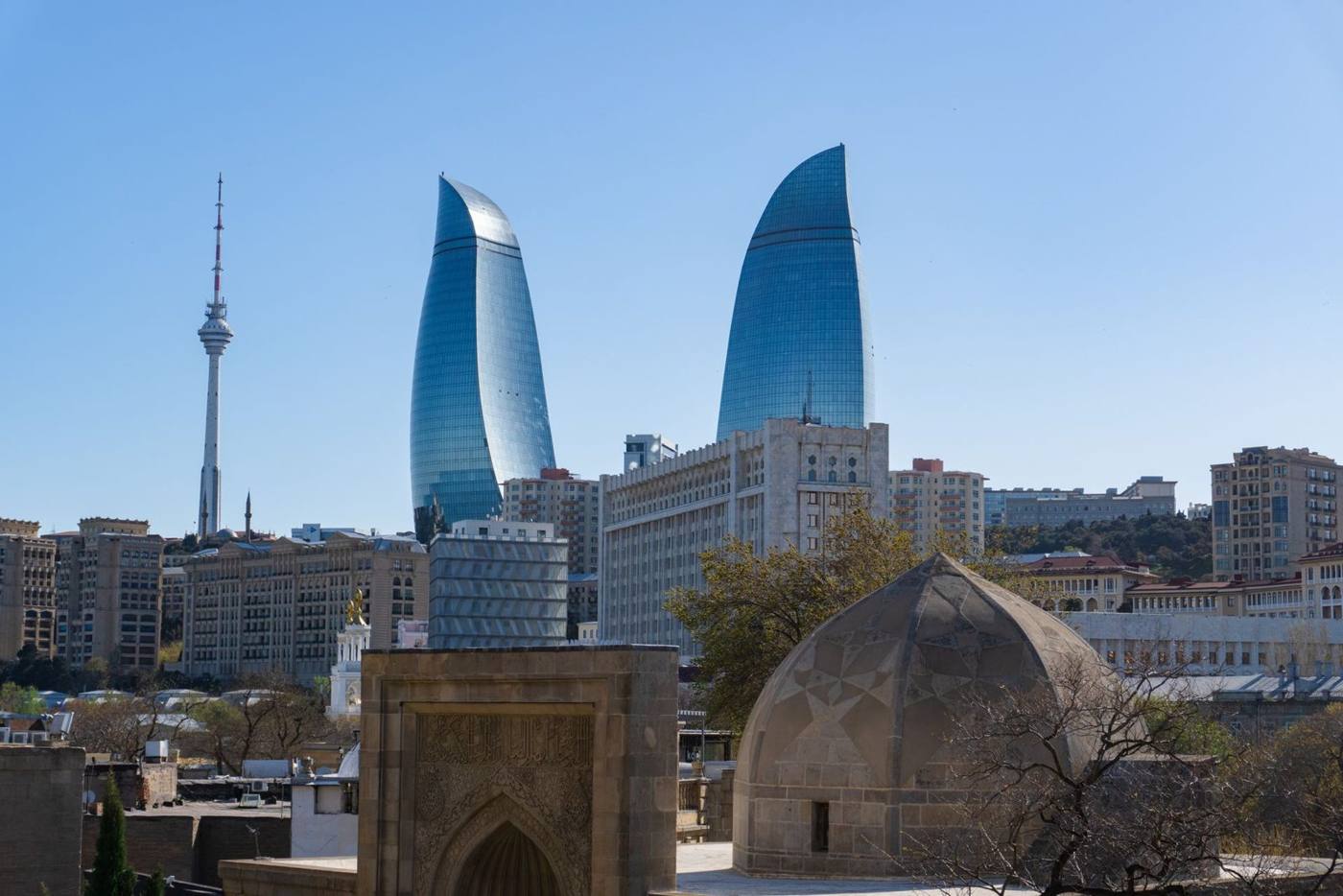
The walled old town with the Maiden Tower, the Flame Towers, the Heydar Aliyev Center, the Gobustan petroglyphs and the burning hill of Yanar Dag.
 5 daysEasy
Sheki and the Caucasus
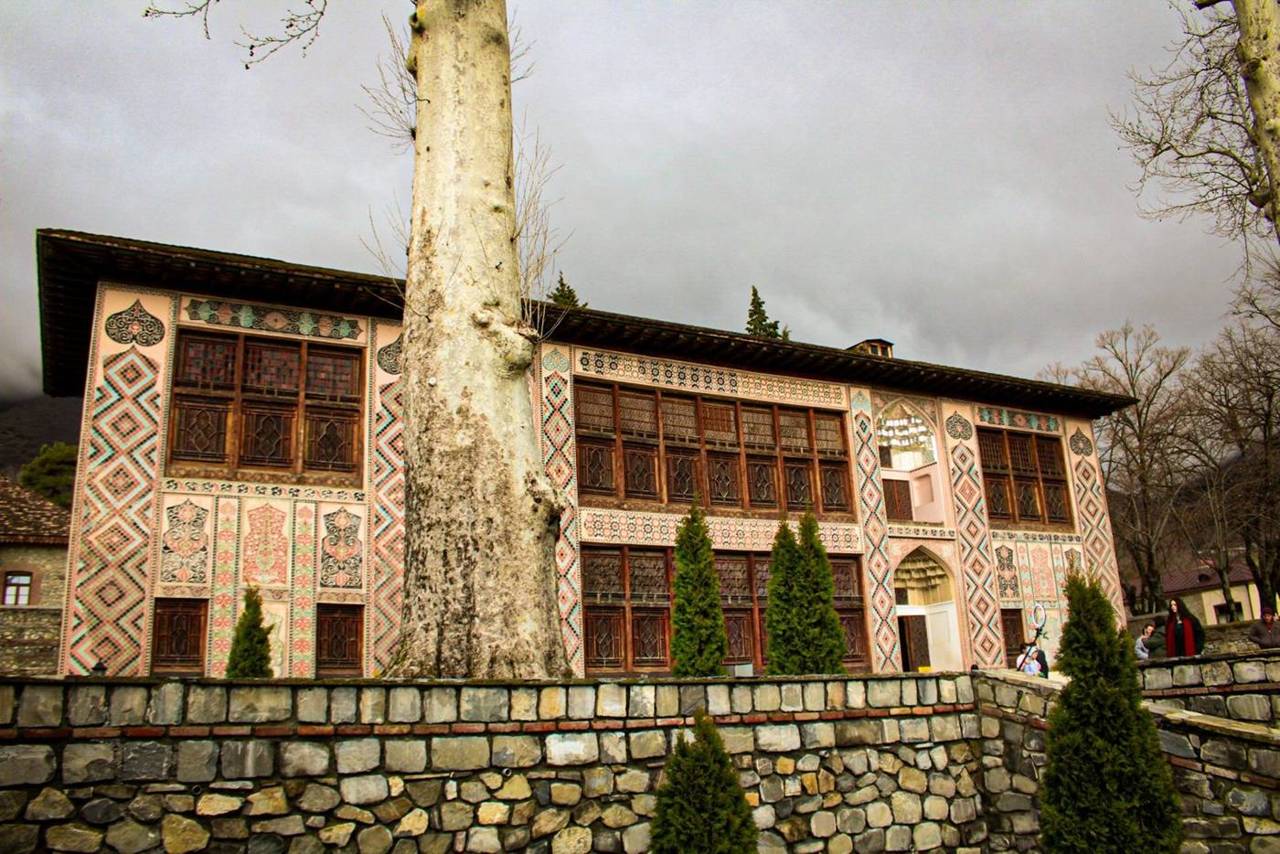
The road via Shamakhi and Lahij, the Palace of the Shaki Khans with its stained glass, the caravanserai and the Albanian church at Kish.
 4 daysModerate
Quba and Xinaliq
The town of Quba and the Jewish quarter of Qırmızı Qəsəbə, then Xinaliq, one of the highest inhabited villages in the Caucasus, with a language of its own.